
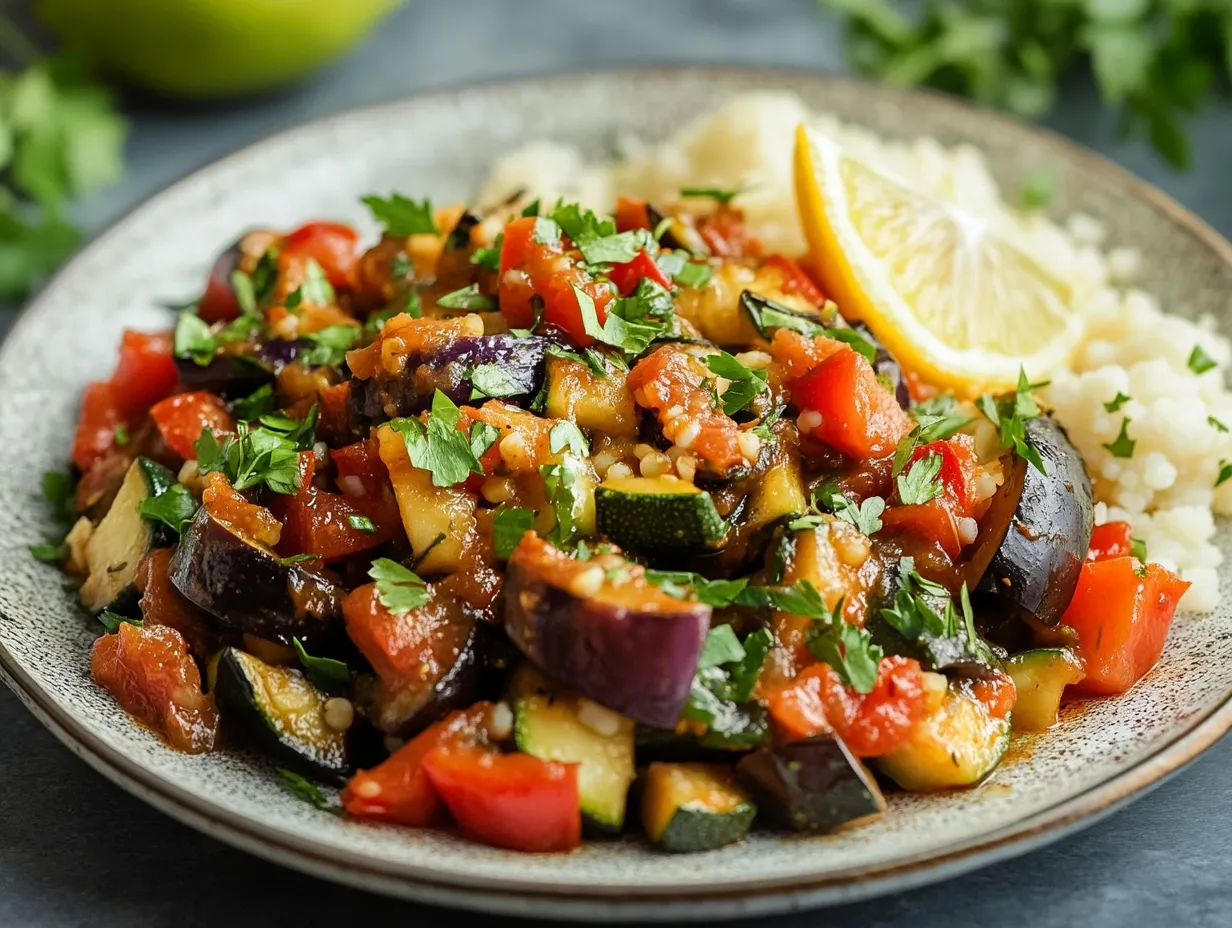
If you love bold flavors and comforting meals, you’re in for a treat! Moroccan-Style Ratatouille takes the classic French vegetable stew and infuses it with the warm, aromatic spices of North Africa. This dish is more than just a side it’s a vibrant, spiced vegetable delight that can be the star of your table.
Unlike the traditional ratatouille, which relies on fresh herbs and subtle Mediterranean flavors, the Moroccan version brings in depth with ras el hanout, harissa, and slow-cooked vegetables. The result? A rich, hearty dish that pairs beautifully with couscous, warm flatbread, or even as a topping for grilled meats.
Why You’ll Love This Recipe:
- Bursting with flavor: The combination of Moroccan spices and slow-cooked vegetables creates an irresistible taste.
- Healthy and nutritious: Packed with fiber, vitamins, and antioxidants, this dish is both wholesome and satisfying.
- Easy to make: Simple ingredients, one pot, and minimal effort make it a go-to recipe for any night of the week.
- Vegan and gluten-free: Perfect for plant-based eaters, but can be customized with protein additions like chickpeas or lamb.
- Great for meal prep: The flavors deepen over time, making it even more delicious the next day!
Whether you’re new to Moroccan cuisine or looking to add more vegetables to your meals, this recipe is a must-try. Now, let’s dive into what makes this dish so special!
Table of Contents
Table of Contents
Key Takeaways
- Moroccan-Style Ratatouille is a flavorful twist on the French classic, featuring North African spices and slow-cooked vegetables.
- Ras el hanout, cumin, and harissa give this dish its signature warmth and depth.
- It’s a healthy, vegan, and gluten-free dish that’s easy to customize with protein options.
- Perfectly pairs with couscous, crusty bread, or grilled meats for a complete meal.
- Great for meal prep, as the flavors improve over time, making leftovers even more delicious.
What is Moroccan-Style Ratatouille?
Moroccan-Style Ratatouille is a North African twist on the classic French dish, Ratatouille, featuring slow-cooked vegetables infused with warm Moroccan spices. While traditional ratatouille is a Provençal vegetable stew made with eggplant, zucchini, bell peppers, and tomatoes, the Moroccan version takes it a step further with the addition of ras el hanout, harissa, cumin, and preserved lemon, creating a deeply aromatic and richly flavored dish.
This dish embodies the essence of Moroccan cuisine bold flavors, slow cooking, and a perfect balance of spices and textures. It’s often prepared in a tagine or deep skillet, allowing the vegetables to slowly break down and absorb the fragrant seasoning. Unlike its French counterpart, which tends to be herbaceous and lightly seasoned, Moroccan-Style Ratatouille boasts a smoky, slightly spicy, and complex depth of flavor that makes it incredibly satisfying.
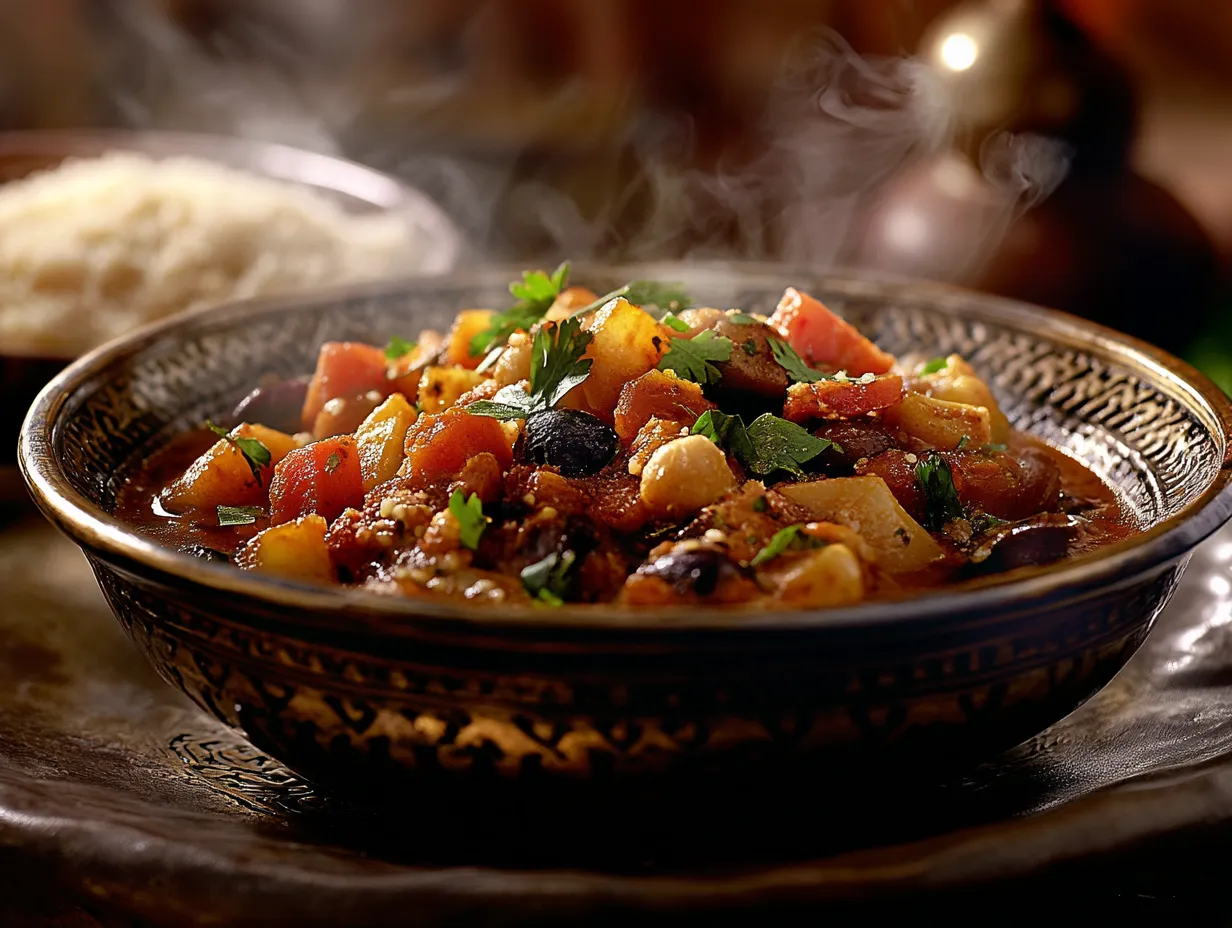
Key Features of Moroccan-Style Ratatouille:
✅ Slow-cooked, deeply flavored vegetables (eggplant, zucchini, bell peppers, tomatoes)
✅ Spiced with ras el hanout, cumin, paprika, and harissa for warmth and complexity
✅ Olive oil and preserved lemon add richness and brightness
✅ Vegan, gluten-free, and packed with nutrients
✅ Pairs well with couscous, crusty bread, or grilled proteins
Whether enjoyed as a main dish or a side, Moroccan-Style Ratatouille is a comforting, hearty, and healthy meal that brings a taste of Morocco to your table.
The Origins of Ratatouille and Its Moroccan Influence
The French Roots of Ratatouille
Ratatouille originated in Provence, France, as a simple yet flavorful peasant dish made from seasonal vegetables. Traditionally, it consists of eggplant, zucchini, bell peppers, tomatoes, onions, and garlic, all slow-cooked in olive oil until tender. The dish became a staple in French cuisine, particularly in Nice, where it was considered a humble yet nourishing meal for farmers and laborers.
The word “ratatouille” comes from the French verb ratouiller, meaning “to stir up” or “toss together,” reflecting the rustic nature of the dish. Originally, it was prepared with whatever vegetables were available, making it a highly adaptable and resourceful recipe. Over time, ratatouille evolved from a farmhouse stew to a celebrated Mediterranean delicacy, often served with bread, rice, or as a side to grilled meats.
How Moroccan Influence Transformed Ratatouille
Morocco’s rich culinary history, shaped by Arab, Berber, and Mediterranean traditions, shares many similarities with Provençal cuisine particularly in the use of fresh vegetables, olive oil, and slow-cooked techniques. However, Moroccan cuisine is known for its bold use of spices and aromatic ingredients, which significantly elevate the flavor profile of ratatouille.
When Moroccan flavors meet ratatouille, the dish transforms into something deeper and more complex:
- Spices like ras el hanout, cumin, and paprika replace or complement traditional French herbs.
- Harissa or chili paste adds warmth and a subtle kick.
- Preserved lemon introduces a unique tangy depth.
- Tagine-style cooking creates a melt-in-your-mouth texture, as opposed to the chunkier French version.
This fusion of Mediterranean and North African flavors makes Moroccan-Style Ratatouille a richer, spicier, and more aromatic variation of the original. It embodies the soul of Moroccan cuisine layered with spices, slow-cooked for depth, and always served with warmth and hospitality.
Whether inspired by French ratatouille or Traditional Moroccan ZAALOUKhttps://www.moroccaneats.com/eggplant-salad-or-zaalouk-in-3-easy-steps/ (an eggplant-based cooked salad), this dish beautifully blends two culinary worlds, making it a must-try for lovers of global flavors.
The Essential Ingredients for Moroccan-Style Ratatouille
Creating the perfect Moroccan-Style Ratatouille begins with choosing the right ingredients. This dish is all about fresh vegetables, aromatic spices, and a slow-cooked depth of flavor that transforms simple ingredients into something extraordinary. But what truly sets it apart from the classic French ratatouille? It’s the rich combination of Moroccan spices and preserved elements that make it deeply flavorful and comforting.
Must-Have Vegetables for the Best Ratatouille
A great Moroccan-style ratatouille relies on seasonal vegetables that absorb the rich flavors of the dish. The key players include:
- Eggplant – Absorbs flavors beautifully and gives the dish a silky texture.
- Zucchini – Adds a tender bite and balances out the bolder flavors.
- Bell Peppers – Provides sweetness and a hint of smokiness.
- Tomatoes – The base of the sauce, giving richness and natural acidity.
- Onions & Garlic – Essential aromatics that enhance the overall flavor.
The Moroccan Spice Twist
What makes this version different? The answer lies in the spices and seasoning techniques. Instead of relying on classic French herbs like thyme or basil, Moroccan-style ratatouille is enhanced with:
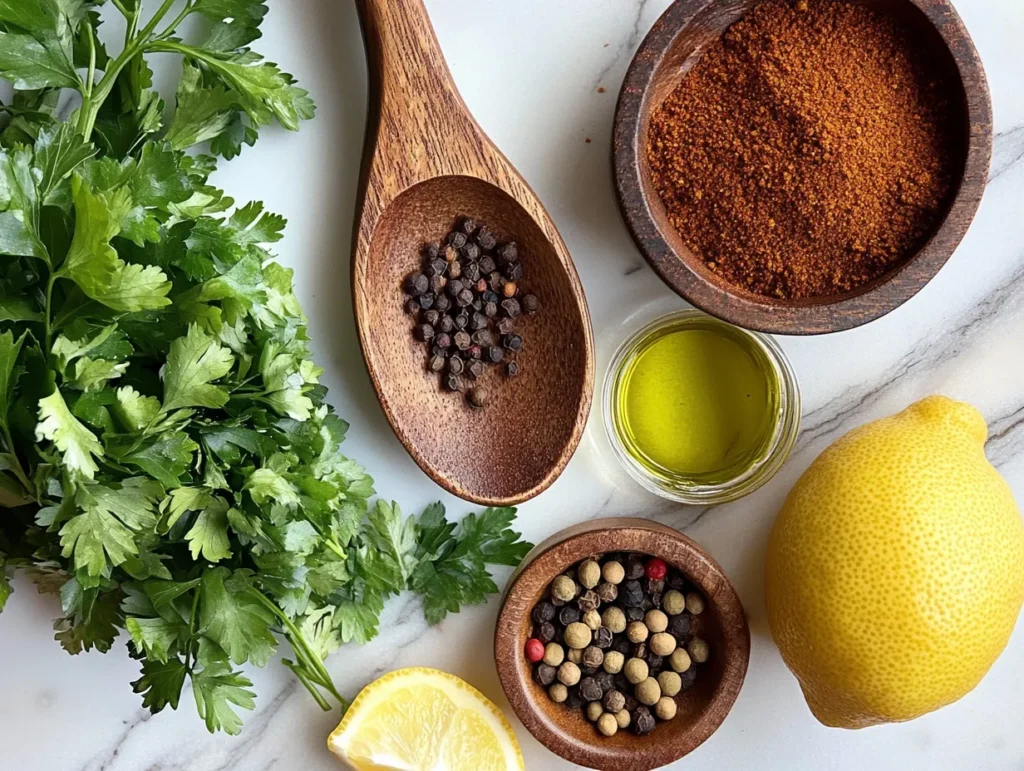
- Ras el Hanout – A signature Moroccan spice blend that adds warmth and complexity.
- Cumin – Earthy and slightly nutty, it pairs well with slow-cooked vegetables.
- Paprika – Gives a mild smokiness and depth of color.
- Harissa – A chili paste that adds a touch of heat and richness.
- Preserved Lemon – A unique Moroccan ingredient that brings a tangy brightness.
Olive Oil: The Secret to a Luxurious Texture
Moroccan cuisine heavily relies on high-quality olive oil, which not only enhances the flavors but also helps create that signature velvety texture. A good drizzle at the beginning and end of cooking ensures that all the flavors meld together beautifully.
By combining fresh produce, bold spices, and slow-cooked techniques, you create a ratatouille that is both comforting and deeply flavorful a true taste of Morocco in every bite!
Essential Vegetables: Eggplant, Zucchini, and More
A great Moroccan-Style Ratatouille begins with selecting the freshest vegetables. The right combination not only enhances the flavors but also ensures the perfect balance of textures, from tender bites to silky, slow-cooked goodness.
Eggplant: The Heart of the Dish
Eggplant is a key ingredient in Moroccan cuisine, known for its ability to absorb flavors like a sponge. When cooked properly, it becomes silky and rich, adding depth to the dish. Here’s how to prepare it:
- Salt the eggplant slices before cooking to remove excess moisture and bitterness.
- Roast or sauté for a smoky, melt-in-your-mouth texture.
- Pair with spices like cumin and paprika to bring out its natural sweetness.
Zucchini: Light and Refreshing
Zucchini provides a light, slightly sweet contrast to the heartier eggplant. It soaks up the sauce without becoming mushy. To keep its texture just right:
- Cut it into thick rounds or half-moons to maintain structure.
- Add it later in the cooking process to avoid overcooking.
- Pair with olive oil and garlic for an aromatic boost.
Bell Peppers: Sweetness and Color
Bell peppers bring vibrant color, natural sweetness, and a slight crunch to Moroccan-style ratatouille. Opt for:
- Red and yellow peppers for sweetness.
- Roasting or sautéing to enhance their natural sugars.
- Pairing with preserved lemon for a bright, citrusy contrast.
Tomatoes: The Flavorful Base
Tomatoes form the rich, saucy foundation of this dish. Whether using fresh, ripe tomatoes or high-quality canned tomatoes, they provide the necessary acidity and umami depth.
- Simmer slowly for deep, concentrated flavor.
- Add a touch of harissa for warmth and spice.
- Enhance with a drizzle of honey to balance acidity.
Other Must-Have Vegetables
- Onions & Garlic – The essential aromatics that provide a savory backbone.
- Carrots – Adds a subtle sweetness and firm texture.
- Chickpeas (optional) – For extra protein and heartiness.
By balancing these vegetables, Moroccan-style ratatouille achieves a perfect harmony of textures and flavors, making it a comforting yet vibrant dish packed with the essence of Moroccan cuisine.
Ingredients and Cooking Methods
Choosing the Right Vegetables & The Best Cooking Methods
Before jumping into the cooking process, it’s important to understand the key ingredients and the best ways to bring them to life. Moroccan-Style Ratatouille relies on fresh, seasonal vegetables, aromatic spices, and a cooking technique that ensures the flavors meld perfectly.
Key Vegetables:
For the best results, select firm, fresh vegetables that will hold their shape during cooking. Here’s a breakdown of the main ingredients:
| Vegetable | Role in the Dish | Tips for Selection |
|---|---|---|
| Eggplant | Adds a creamy, rich texture | Choose smooth, shiny eggplants without any blemishes. |
| Zucchini | Adds lightness and tenderness | Pick zucchini with bright, firm skin. |
| Bell Peppers | Sweetness and vibrant color | Look for peppers that are firm and wrinkle-free. |
| Tomatoes | Juicy, tangy base for the sauce | Use ripe tomatoes, or go for canned tomatoes for a richer sauce. |
| Onions & Garlic | Adds depth and flavor | Fresh, firm onions and plump garlic cloves are ideal. |
Best Cooking Methods:
- Stovetop Method: This method allows for quick cooking and caramelization of the vegetables. By sautéing them in olive oil and adding the spices early on, you create a deliciously fragrant base. It’s also easy to control the heat to prevent overcooking or burning.
- Oven Method: Roasting the vegetables at 375°F (190°C) intensifies their natural flavors, especially when tossed with olive oil and Moroccan spices. This method adds a crispy edge to the vegetables while retaining their juices.
- Tagine Method: Cooking in a traditional tagine gives the dish a unique, slow-cooked flavor. The moisture from the lid traps steam, which results in tender, juicy vegetables. It’s a great way to infuse the spices and make the dish extra flavorful.
Cooking Tip:
For best results, use a combination of both stovetop and oven methods. Start by sautéing the vegetables on the stovetop to build flavor, then transfer them to the oven for roasting to enhance their sweetness.
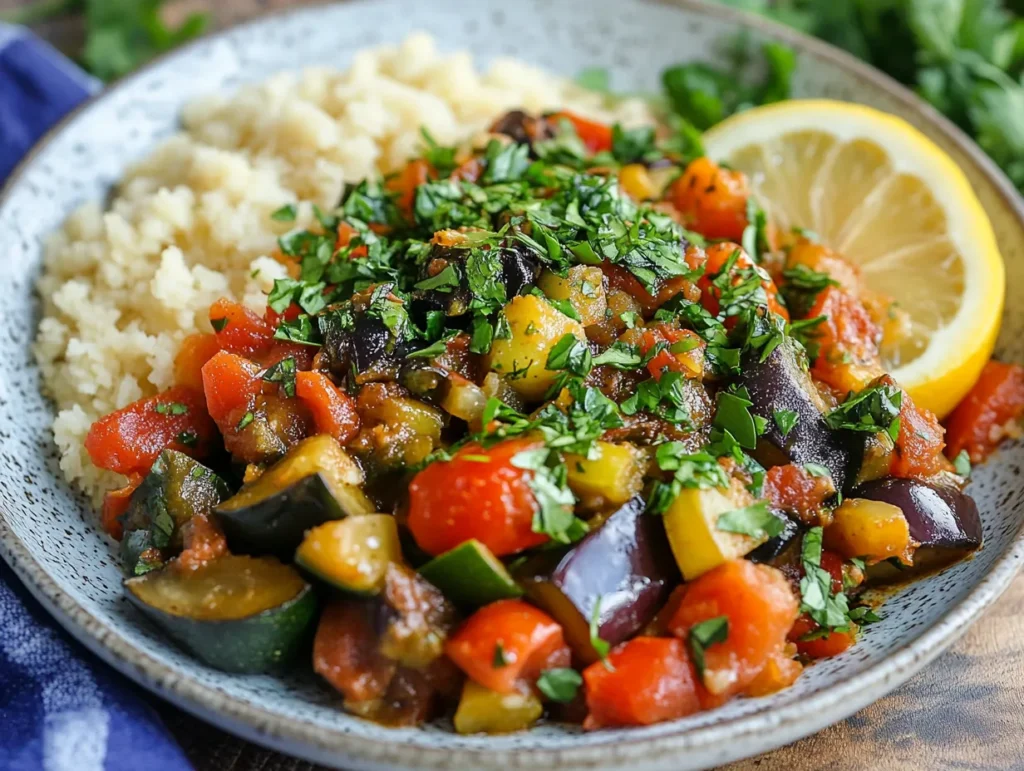
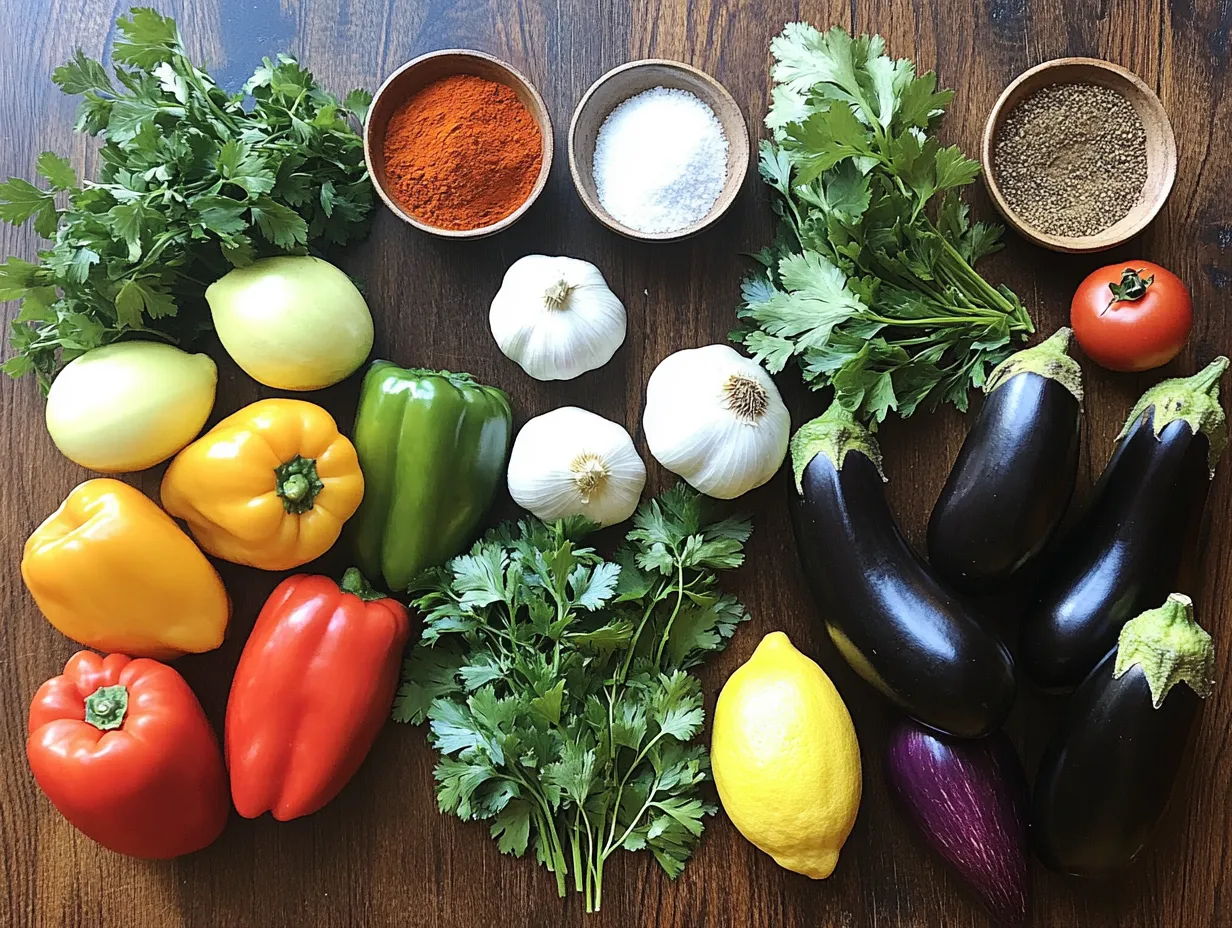
Preparing the Ingredients :
| Amount | Ingredient |
|---|---|
| 2 medium | Eggplants (diced) |
| 2 medium | Zucchinis (diced) |
| 1 | Red bell pepper (diced) |
| 1 | Yellow bell pepper (diced) |
| 2 medium | Tomatoes (chopped) |
| 1 | Onion (diced) |
| 2 cloves | Garlic (minced) |
| 2 tablespoons | Olive oil |
| 1 tablespoon | Ras el Hanout |
| 1 tablespoon | Cumin |
| 1 teaspoon | Ground coriander |
| 1 tablespoon (adjust to taste) | Harissa (optional) |
| 1 teaspoon | Salt |
| 1 teaspoon | Black pepper |
| 1 tablespoon | Fresh cilantro (chopped) |
| 1 tablespoon | Fresh parsley (chopped) |
| 1 thinly sliced | Preserved lemon (optional) |
Cooking Methods: Stovetop, Oven, or Tagine
When preparing Moroccan-Style Ratatouille, there are a few different methods you can use to bring out the best flavors. Whether you prefer the stovetop, the oven, or a traditional tagine, each method provides a unique experience. Let’s explore these options and help you decide which works best for your meal.
Stovetop Method
The stovetop method is quick and easy, allowing you to cook the vegetables in a single pan. It’s perfect for a fast, weeknight dinner.
- How to Do It: Heat olive oil in a large skillet or sauté pan over medium heat. Add your onions and garlic first, cooking until softened. Then, add the rest of the vegetables, one by one, stirring as you go. Add your spices and cook everything down until the vegetables are tender and fully combined.
- Pros: Quick cooking time, one-pan meal, great for busy nights.
- Cons: May not develop the deep flavors you get from slow-cooking.
Oven Method
Using the oven to roast the vegetables allows for a caramelized texture and enhanced flavors. Roasting is perfect for those who prefer a hands-off approach.
- How to Do It: Preheat your oven to 375°F (190°C). Toss your chopped vegetables in olive oil and spices. Spread them in a single layer on a baking sheet and roast for 30-40 minutes, stirring halfway through to ensure even cooking.
- Pros: Caramelized vegetables, hands-off, excellent depth of flavor.
- Cons: Takes a bit longer than stovetop cooking.
Tagine Method
The tagine is a traditional Moroccan dish and cooking vessel that uses slow, gentle heat to bring out the complex flavors in your ratatouille. This method is ideal for those who want to create an authentic Moroccan experience.
- How to Do It: Heat olive oil in the base of your tagine. Sauté your onions and garlic, followed by the rest of the vegetables. Add your spices and a small amount of water or broth to help the dish cook slowly. Cover and let everything cook for about 40-50 minutes on low heat, stirring occasionally.
- Pros: Slow-cooked, deeply flavorful, authentic Moroccan method.
- Cons: Requires more time and attention.
Which Method to Choose?
- Stovetop: Perfect for a quick meal when you’re short on time but still want a flavorful dish.
- Oven: Ideal if you prefer a hands-off method and enjoy the depth of roasted flavors.
- Tagine: The best option if you want an authentic Moroccan meal with rich, slow-cooked flavors.
No matter which method you choose, the Moroccan-Style Ratatouille will be delicious, but the cooking method can certainly impact the final result!
Step-by-Step Cooking Process
How to Make Moroccan-Style Ratatouille Like a Pro
Cooking Moroccan-Style Ratatouille is a simple yet rewarding process. Let’s walk through the steps to ensure you get it just right, no matter which method you choose.
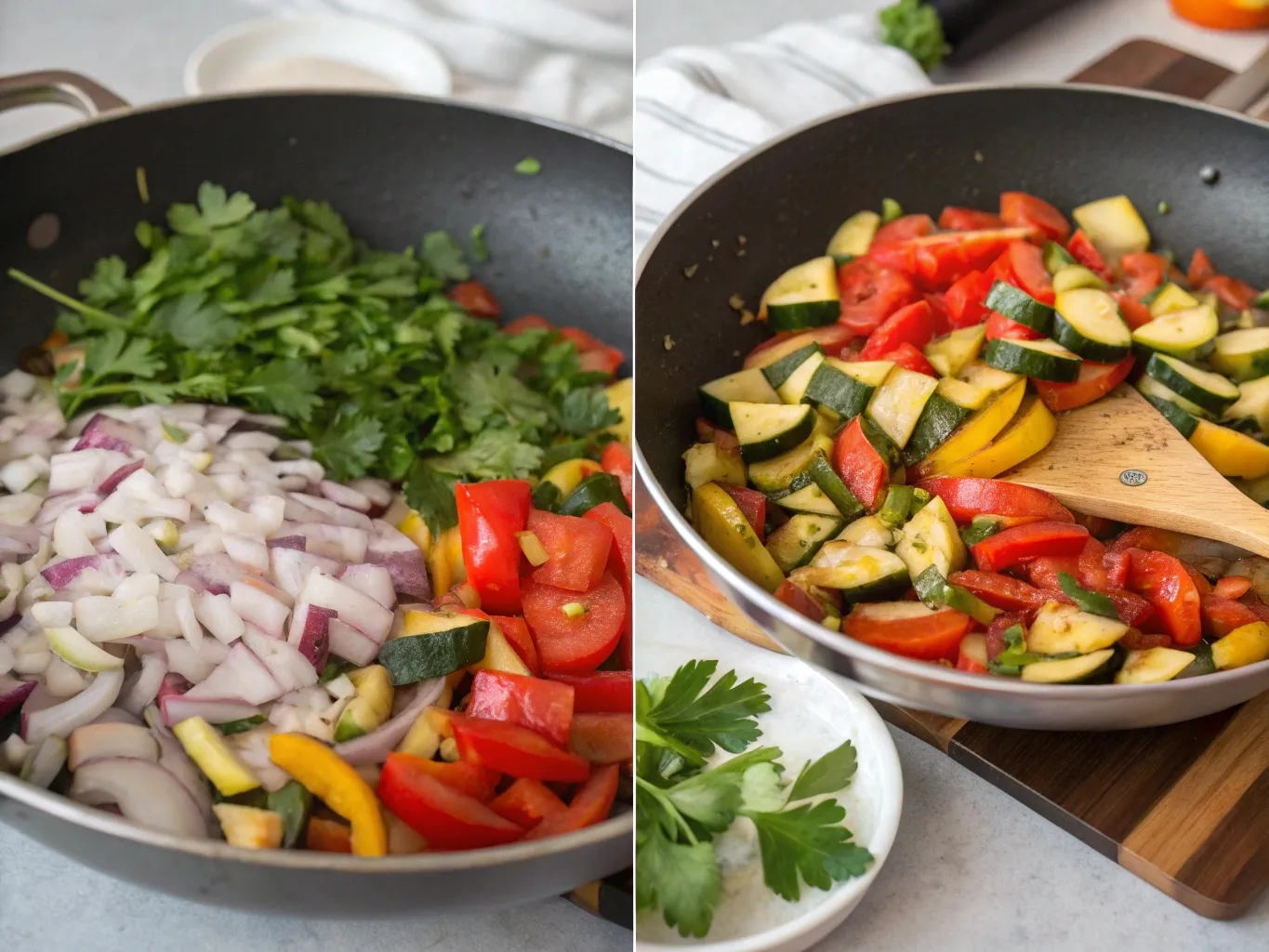
1. Prep Your Ingredients
Start by chopping your vegetables into even pieces. This ensures they cook evenly and look visually appealing once served. Slice the eggplant into thick rounds, the zucchini into half-moons, and the bell peppers into strips.
2. Sauté Onions and Garlic
Heat olive oil in a large pan or tagine. Add finely chopped onions and garlic, and sauté them until they become fragrant and translucent. This will form the base of your flavor profile.
3. Add Spices
Now it’s time to add the Moroccan spices! Stir in Ras el Hanout, cumin, coriander, and a pinch of harissa for some heat. Allow the spices to bloom in the hot oil for 1-2 minutes to unlock their full flavor.
4. Cook the Vegetables
Add your prepped vegetables to the pan or tagine, making sure they’re well-coated with the spices. If using a tagine, cover and cook for 20-30 minutes, stirring occasionally. If using the stovetop or oven, sauté the vegetables for about 10 minutes before roasting.
5. Finish with Fresh Herbs and Lemon
Once the vegetables are tender and caramelized, remove them from the heat. Stir in fresh parsley or cilantro, and a touch of preserved lemon for authenticity and that bright, tangy kick.
6. Serve and Enjoy
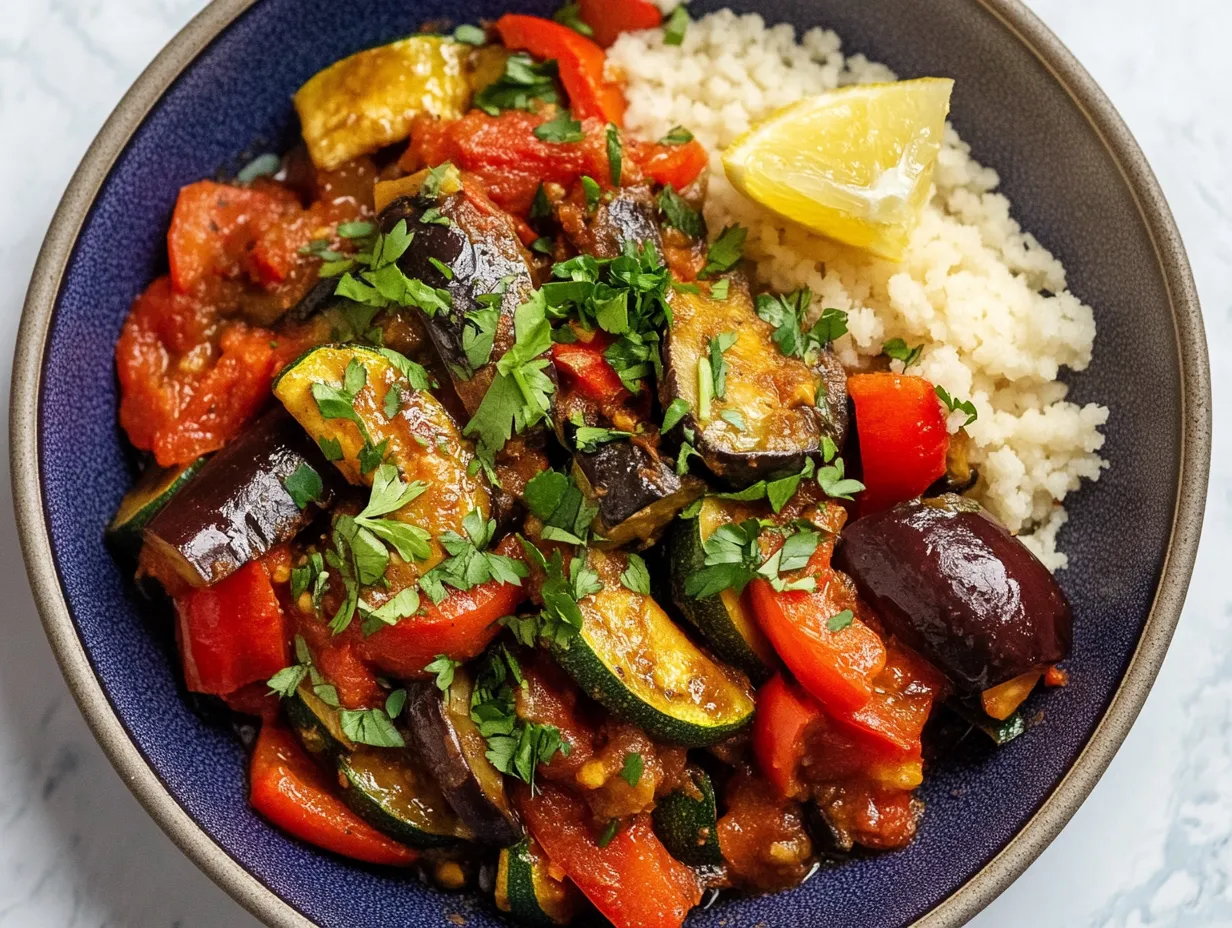
Serve your Moroccan-Style Ratatouille hot, either on its own or alongside your favorite Moroccan mains. A drizzle of extra virgin olive oil on top and a sprinkle of fresh herbs will make it even more irresistible.
Tips for Perfect Texture and Flavor
How to Achieve the Best Moroccan-Style Ratatouille
Perfecting Moroccan-Style Ratatouille is about balancing textures and flavors. Here are some expert tips to help you create a dish that is as delicious as it is visually stunning.
- Don’t Overcrowd the Pan: Allow each vegetable to cook evenly without steaming. You’ll want that caramelization for extra flavor.
- Roast First for More Depth: Roasting the vegetables adds a smoky depth to the dish. Roast them on a baking sheet before combining them in your tagine or pan.
- Use Fresh, High-Quality Olive Oil: The flavor of olive oil shines in this dish, so don’t skimp on quality. Choose extra-virgin for the best results.
“Cooking is like painting, and the spices are your palette.” – Traditional Moroccan saying
Serving Suggestions and Variations
Serving Your Moroccan-Style Ratatouille
Now that you’ve perfected your Moroccan-Style Ratatouille, here are some ways to serve it and ideas for variations:
- As a Side Dish: Pair it with grilled lamb, chicken, or fish for a complete Moroccan meal.
- Over Couscous or Rice: Serve it on a bed of couscous or fluffy rice to make it a more substantial main dish.
- Vegan Twist: For a vegan version, simply omit any non-vegan ingredients like chicken or lamb.
Variations and Dietary Adaptations
Vegan and Gluten-Free Options
One of the wonderful things about Moroccan-style ratatouille is its versatility. It is naturally vegan, packed with vibrant vegetables that create a hearty base. The absence of dairy or animal-based products makes it an excellent choice for plant-based eaters. Furthermore, the dish is gluten-free, so it can be enjoyed by those with gluten sensitivities. To enhance the dish further, you can swap traditional ingredients like couscous with quinoa or rice for a more filling, gluten-free alternative.
Adding Protein: Chickpeas, Lamb, or Chicken
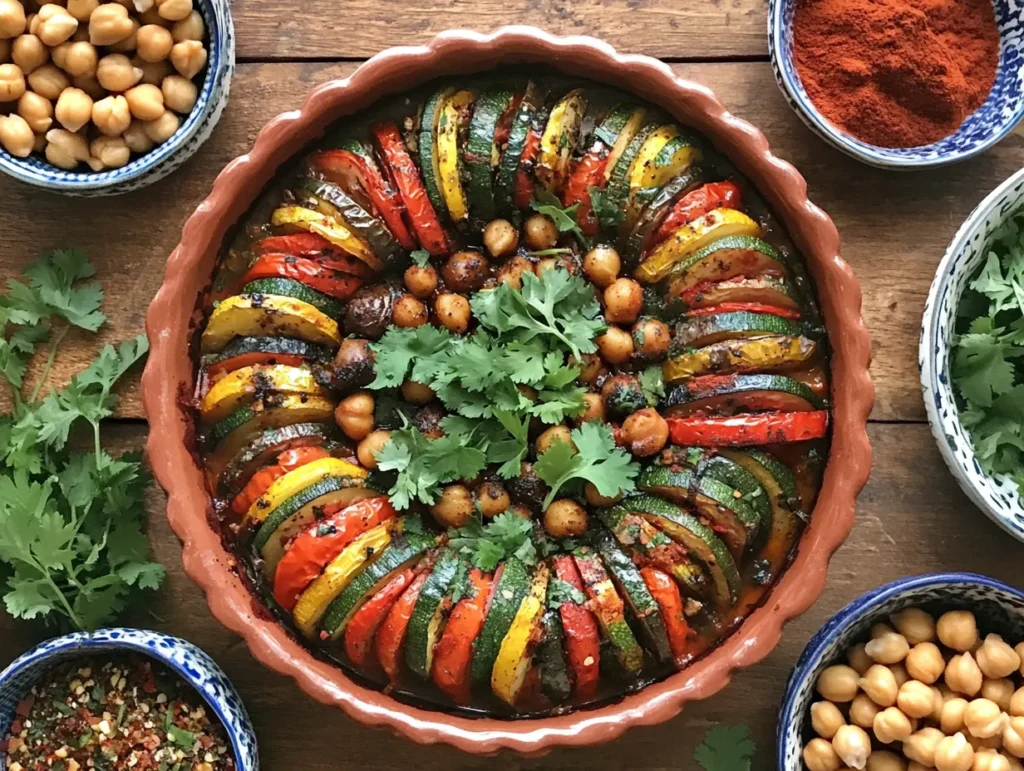
Looking to add some protein to your Moroccan ratatouille? You have several great options depending on your preferences. Chickpeas, a staple in Moroccan cuisine, add both texture and a hearty bite, while soaking up the aromatic spices and flavors of the dish. If you’re craving something meatier, lamb or chicken can be perfect choices. Simply add small cubes of lamb or chicken to the vegetables during cooking for a rich, flavorful meal. The addition of protein can turn this vegetable-based dish into a satisfying main course for any occasion.
Spicy vs. Mild: Adjusting the Heat Level
Moroccan cuisine can range from mild to fiery, and ratatouille is no exception. If you prefer a spicier dish, feel free to add chopped chilies or extra harissa to the mix. On the other hand, if you’re sensitive to heat, you can easily adjust the recipe by omitting the chili or reducing the amount of harissa. The beauty of this dish lies in its adaptability whether you like it spicy or mild, you can adjust the flavor profile to suit your taste.
Storage, Reheating, and Meal Prep Tips
Best Ways to Store Leftovers
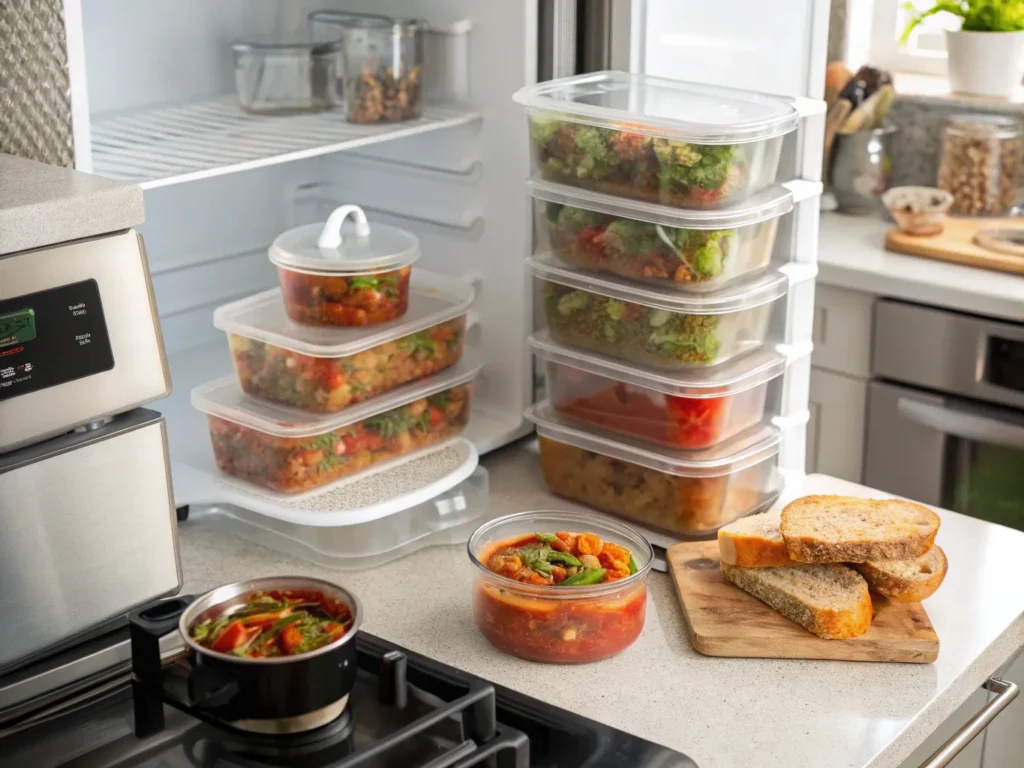
After enjoying your Moroccan-style ratatouille, storing leftovers properly ensures that they maintain their flavor and texture. To store, allow the dish to cool to room temperature before transferring it into an airtight container. Place it in the fridge, where it will last for up to 3-4 days. For longer storage, you can freeze your ratatouille for up to 3 months. Just make sure to use a freezer-safe container and leave a little space for expansion. When storing, it’s important to keep the vegetables and sauce together to preserve the dish’s flavor.
Reheating Without Losing Flavor
Reheating Moroccan-style ratatouille without losing its delicious flavors is key. The best way to reheat it is on the stovetop over low heat, adding a splash of water or vegetable broth to help rehydrate the vegetables and bring back their tender texture. Stir occasionally to ensure even heating. If you’re in a rush, using the microwave works too just be sure to cover the dish and stir halfway through to prevent uneven heating.
Using Leftover Ratatouille in Other Dishes
Leftovers from Moroccan ratatouille can be repurposed into other creative dishes. Try using it as a topping for couscous or rice for a hearty lunch or dinner. You can also turn it into a filling for wraps or sandwiches, or blend it into a smooth vegetable soup. The possibilities are endless when it comes to using leftovers to create new meals with the same vibrant, bold flavors.
Conclusion
Moroccan-Style Ratatouille is a dish that brings warmth, comfort, and a touch of exotic spice to your table. With its rich flavors, simple ingredients, and versatility, it’s an easy way to explore the magic of Moroccan cuisine. Whether you serve it as a main course or a side, this recipe is sure to become a favorite.
So why not give it a try? Grab your favorite vegetables, add a touch of spice, and let the slow-cooking process work its magic. Your kitchen will be filled with irresistible aromas, and your taste buds will thank you!
Frequently Asked Questions
Can I Make Moroccan Ratatouille Without a Tagine?
Absolutely! While a tagine pot is traditional for Moroccan cooking, it’s not necessary to make a delicious Moroccan-style ratatouille. A heavy-bottomed Dutch oven, large skillet, or regular saucepan works just as well. The key is to allow the vegetables to cook slowly, soaking up the spices and flavors for the best results.
What’s the Best Substitute for Ras el Hanout?
Ras el Hanout is a unique Moroccan spice blend, but if you can’t find it, you can easily make your own or substitute it with a mix of spices like cumin, coriander, cinnamon, turmeric, and paprika. These spices will mimic the warm, complex flavor profile of Ras el Hanout, giving you a similar depth in your ratatouille.
How Long Does Homemade Ratatouille Last?
Homemade Moroccan ratatouille typically lasts for about 3-4 days when stored in an airtight container in the fridge. If you’ve frozen it, it will stay good for up to 3 months. Always be sure to check for any signs of spoilage, such as off smells or changes in texture, before consuming leftovers.