
A Dish That Embodies Moroccan Elegance
Moroccan cuisine is a beautiful balance of bold spices, rich textures, and contrasting flavors. At the heart of this tradition lies the Honey-Glazed Chicken with Almonds a dish that masterfully combines sweet and savory elements to create an unforgettable culinary experience. Imagine tender, slow-cooked chicken coated in a luscious honey glaze, infused with warm spices, and topped with crispy, golden almonds. It’s not just a meal; it’s a celebration of Moroccan heritage on a plate.
But what makes this dish so addictive? Is it the aromatic blend of ras el hanout, cinnamon, and saffron? Or the luxurious texture of toasted almonds paired with the sticky sweetness of honey? In this guide, we’ll explore the deep-rooted traditions behind this dish, break down its essential ingredients, and provide a step-by-step recipe to help you recreate this Moroccan masterpiece in your own kitchen.
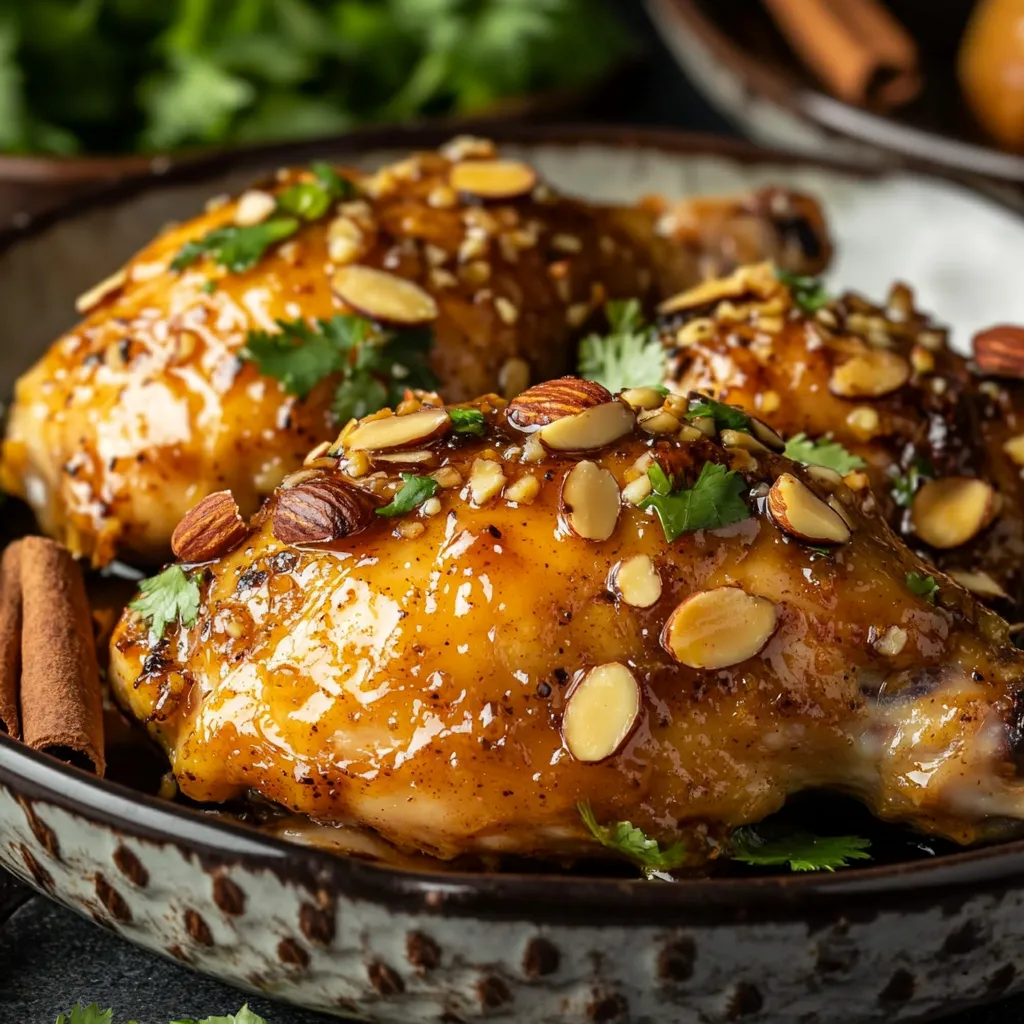
Let’s dive into the world of Moroccan Honey-Glazed Chicken with Almonds, where every bite tells a story of culture, flavor, and time-honored cooking techniques.If you’ve ever craved a dish that perfectly balances sweet and savory flavors, then Moroccan Honey-Glazed Chicken with Almonds is about to become your new favorite. This dish is a shining example of Moroccan cuisine, where warm spices, golden honey, and crunchy almonds come together in a beautifully glazed masterpiece. But what makes this recipe so special?
For centuries, Moroccan cooks have mastered the art of slow-cooked meats infused with bold spices, often combining sweet and savory elements to create unforgettable flavors. The rich honey glaze caramelizes over the chicken, sealing in juices while giving it a slightly sticky, glossy finish. Meanwhile, roasted almonds add a delightful crunch, creating a contrast in textures that makes each bite truly satisfying.
But here’s the best part this dish is surprisingly simple to make at home! Whether you’re preparing it for a cozy family dinner or an elegant gathering, it’s sure to impress. In this guide, we’ll walk you through everything from essential ingredients to expert tips for achieving the perfect glaze. Let’s dive in!
Table of Contents
Key Takeaways
- Authentic Moroccan Flavor – A blend of honey, almonds, cinnamon, and saffron creates a unique balance of sweetness and spice.
- Easy to Make – With simple ingredients and step-by-step guidance, this dish is beginner-friendly.
- Versatile Cooking Methods – Can be cooked in a traditional tagine or a regular skillet.
- Perfect for Special Occasions – A stunning dish that pairs beautifully with couscous, rice, or fresh bread.
- Nutrient-Rich – Packed with protein, antioxidants from almonds, and natural sweetness from honey.

Essential Ingredients for Moroccan Honey-Glazed Chicken
The key to creating an unforgettable Moroccan honey-glazed chicken lies in using the right ingredients. Let’s take a look at the essential ingredients that make this dish so special:
| Ingredient | Why It’s Essential |
|---|---|
| Chicken | The foundation of the dish; bone-in, skin-on cuts like thighs or drumsticks work best for moisture and flavor. |
| Honey | Adds the perfect sweetness that balances the savory spices, creating that irresistible glaze. |
| Almonds | Roasted almonds give the dish a satisfying crunch and a nutty flavor that complements the sweet glaze. |
| Ras el Hanout | A traditional Moroccan spice blend that includes cumin, cinnamon, ginger, and other spices for depth and warmth. |
| Cinnamon | Adds a warm, aromatic sweetness that pairs perfectly with the honey. |
| Cilantro | A fresh herb that enhances the dish with a bright, refreshing note. |
| Olive Oil | For sautéing the chicken and creating a golden, crispy texture while keeping the meat juicy. |
These ingredients bring together the traditional Moroccan flavors that are key to making this dish truly authentic. But how you balance them makes all the difference! Let’s dive into how to bring these elements together in the next section.
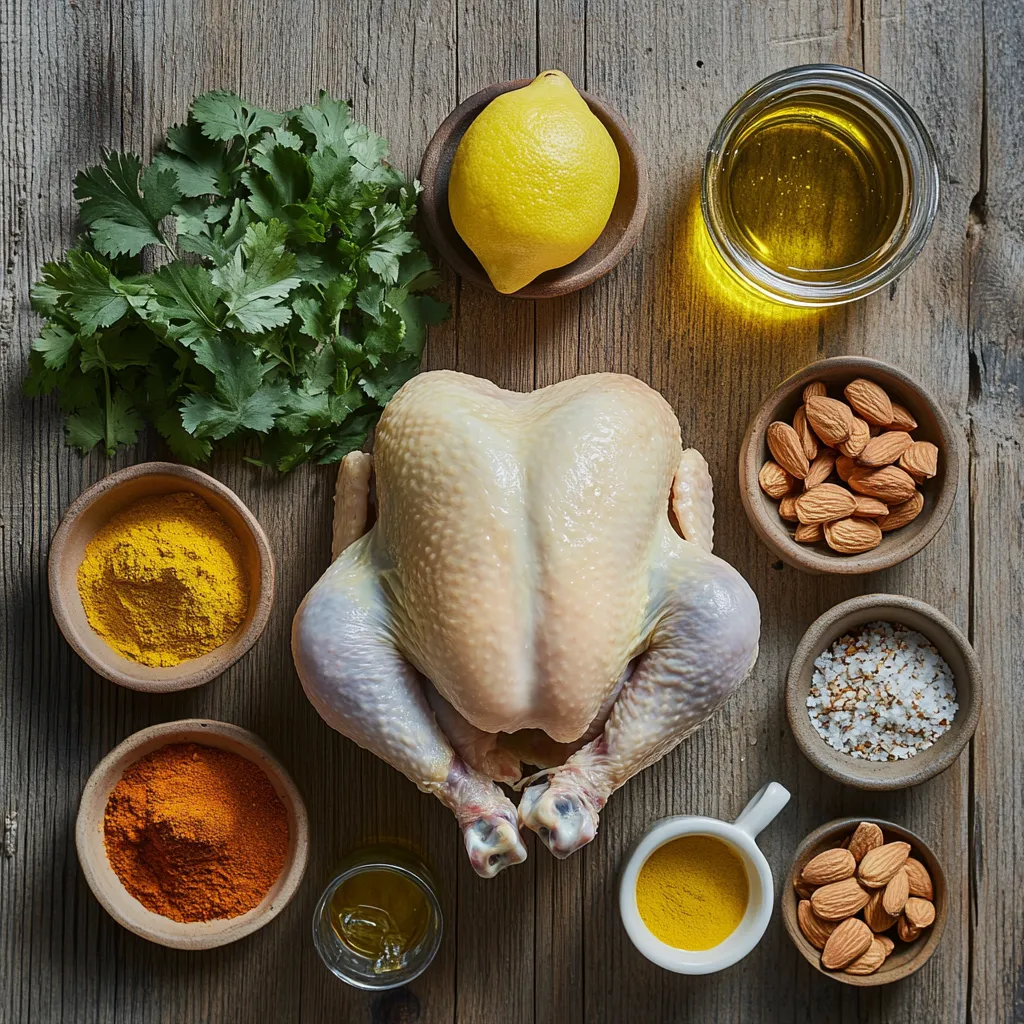
| Ingredient | Quantity |
|---|---|
| Whole chicken | 1 (about 4-5 pounds) |
| Honey | 1/4 cup |
| Olive oil | 2 tablespoons |
| Ground cinnamon | 1 teaspoon |
| Ground cumin | 1 teaspoon |
| Ground ginger | 1/2 teaspoon |
| Ground turmeric | 1/2 teaspoon |
| Garlic (minced) | 3 cloves |
| Lemon (zest and juice) | 1 lemon |
| Salt | 1 teaspoon |
| Black pepper | 1/2 teaspoon |
| Toasted almonds | 1/4 cup |
| Fresh cilantro (chopped) | 2 tablespoons |
| Water | 1 cup |
| Saffron threads | 1/4 teaspoon (optional) |
This table includes all the ingredients needed to make Authentic Moroccan Honey-Glazed Chicken with Almonds, along with their respective quantities.
Step-by-Step Instructions for Making Moroccan Honey-Glazed Chicken
Now that you have your ingredients ready, let’s walk through the process of making Moroccan honey-glazed chicken. Trust me, it’s easier than you think!
- Marinate the Chicken:
Begin by marinating your chicken in a mixture of olive oil, Ras el Hanout, cinnamon, salt, and pepper. Let it sit for at least 30 minutes (or up to overnight) to allow the spices to infuse the chicken with deep flavor. - Sear the Chicken:
Heat a large skillet over medium heat and add some olive oil. Sear the chicken on both sides until golden brown, about 4-5 minutes per side. This step ensures the chicken gets a crispy, flavorful exterior. - Prepare the Honey Glaze:
In a small saucepan, combine honey, a little more cinnamon, and a touch of water. Simmer it over low heat until it thickens slightly, creating a syrupy glaze. - Glaze and Roast the Chicken:
Once the chicken is seared, pour the honey glaze over the chicken and place it in the oven. Roast at 375°F (190°C) for about 25 minutes, basting occasionally with the glaze. - Add the Almonds:
About 5 minutes before the chicken is done, sprinkle roasted almonds over the top. Let the chicken finish cooking, allowing the almonds to become golden and slightly toasted. - Serve and Garnish:
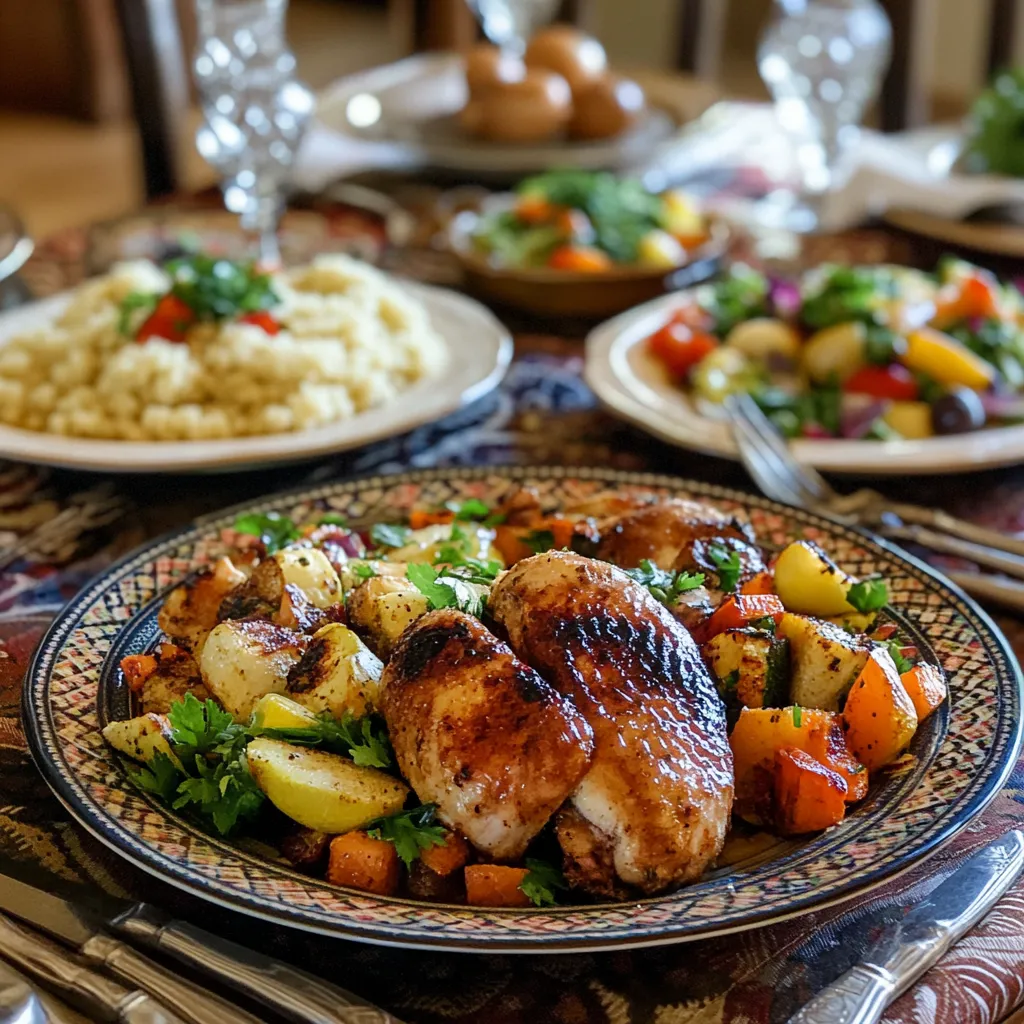
Once your chicken is beautifully glazed and crispy, remove it from the oven. Garnish with fresh cilantro and a squeeze of lemon juice. Serve with couscous or a side of roasted vegetables for a complete meal.
Tips and Tricks for Perfect Moroccan Honey-Glazed Chicken
Making the perfect Moroccan honey-glazed chicken is all about balance. Here are some expert tips to ensure your dish turns out flawlessly every time:
- Don’t Overcook the Chicken:
To ensure your chicken stays juicy and tender, avoid overcooking it. A meat thermometer can help you check for doneness – aim for an internal temperature of 165°F (74°C). - Adjust the Sweetness:
If you prefer a sweeter glaze, add a bit more honey. For a more savory flavor, reduce the honey slightly and add more spices like cumin or paprika. - Use Fresh Spices:
Freshly ground spices, like cinnamon and cumin, can make a huge difference in flavor. Consider grinding them yourself for the best results!
Serving Suggestions and Pairings for Moroccan Honey-Glazed Chicken
Now that you’ve perfected your Moroccan honey-glazed chicken, you’re probably wondering what to serve alongside it. Here are a few serving suggestions to make this dish truly shine:
- Couscous:
A classic Moroccan side dish, couscous pairs perfectly with the chicken, soaking up the flavorful glaze. - Roasted Vegetables:
Roasted carrots, squash, or bell peppers make a delicious and colorful side to balance the sweetness of the chicken. - Salads :
A light, refreshing salad with arugula, pomegranate, and feta cheese is the perfect contrast to the richness of the chicken.
How Moroccan Cuisine Uses Spices: A Flavorful Exploration
Moroccan cuisine is known for its rich, vibrant flavors, and one of the key factors that make it so distinctive is the use of spices. From complex spice blends like ras el hanout to the fragrant cinnamon and saffron that grace dishes, every meal is an experience for the senses. But what exactly makes Moroccan spices so essential to its cuisine, and how can you use them to elevate your cooking at home? Let’s dive into the fascinating world of Moroccan spices!
Spices Are the Heart of Moroccan Cooking
Moroccan food isn’t just about what’s on the plate; it’s a journey of tastes that reflect centuries of history, culture, and geography. Moroccan spice usage goes beyond just seasoning; it’s about creating balance and harmony between sweet, savory, and aromatic notes in each dish. Here’s why spices are so central to Moroccan cooking:
- Flavor Balance: In Morocco, there’s an art to balancing spices. The beauty lies in how sweet, savory, sour, and spicy elements come together in perfect harmony.
- Aromatic Complexity: Spices like cumin, coriander, paprika, and turmeric infuse Moroccan dishes with complex, layered flavors.
- Health Benefits: Many of the spices used in Moroccan cuisine, like ginger, cinnamon, and turmeric, are not only flavorful but also provide health benefits like aiding digestion and reducing inflammation.
Popular Moroccan Spices You Should Know
There are a handful of spices that form the backbone of Moroccan cooking. Here are some must-haves for your spice pantry:
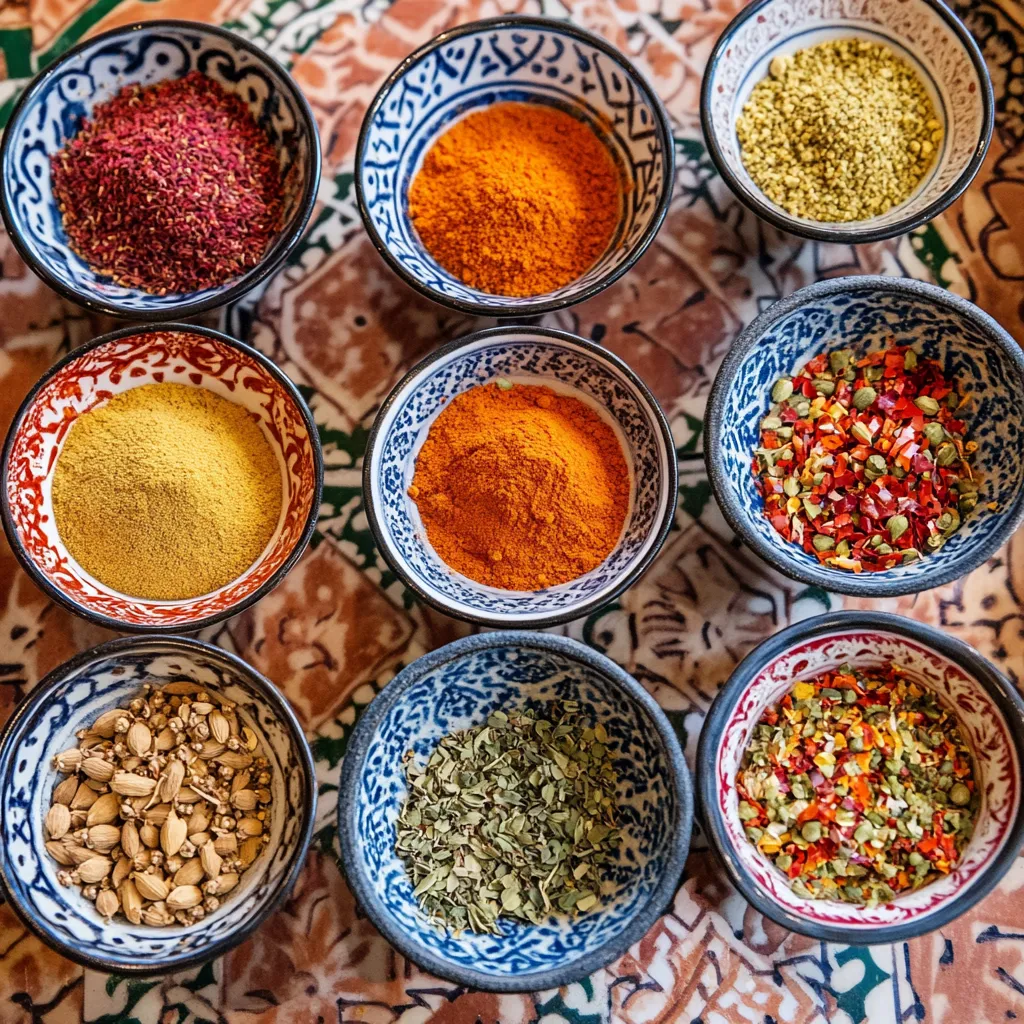
- Ras El Hanout: Often referred to as Morocco’s signature spice blend, ras el hanout combines up to 30 different spices like cumin, coriander, ginger, cinnamon, cardamom, and turmeric. It’s the perfect seasoning for everything from meats to tagines and even vegetables.
- Cumin: This earthy, slightly citrusy spice is often used in Moroccan salads, meats, and stews. Cumin’s bold flavor is a staple in many traditional Moroccan dishes.
- Cinnamon: Used both in savory and sweet dishes, cinnamon adds a warmth to stews and tagines, as well as a lovely depth to desserts like Moroccan pastries and baklava.
- Saffron: A luxury spice, saffron brings both color and delicate flavor to Moroccan rice dishes, tagines, and even Moroccan tea.
- Ginger: Fresh or ground, ginger is a key ingredient in many Moroccan dishes, adding a spicy heat and fragrant zing, perfect for enhancing stews, meats, and vegetable dishes.
How to Use Moroccan Spices in Your Cooking
It’s one thing to have a collection of spices, but knowing how to use them is what truly unlocks the magic of Moroccan cooking. Here are a few tips to get you started:
- Make Your Own Ras El Hanout: If you can’t find ras el hanout at your local market, don’t worry! It’s simple to make your own blend at home. Combine cumin, coriander, paprika, cinnamon, turmeric, ginger, and a pinch of saffron to create a flavorful and aromatic blend that works wonders in tagines and grilled meats.
- Roast Your Spices: To bring out the full depth of flavor, lightly toast whole spices like cumin or coriander in a dry skillet before grinding. This enhances their natural oils and gives your dishes an extra layer of flavor.
- Pair with Fresh Ingredients: Moroccan spices pair beautifully with fresh herbs like cilantro and parsley. Freshness and spice go hand in hand to elevate the flavors of dishes like lamb tagine and chicken skewers.
- Balance Sweet and Savory: Moroccan dishes often incorporate dried fruits like apricots and raisins with spices. Don’t be afraid to mix sweet and savory! A pinch of cinnamon or ginger in a meat-based dish will bring out the natural sweetness of the fruit while adding an aromatic warmth.
By exploring these spices and techniques, you can create your own Moroccan-inspired dishes that burst with vibrant flavor. Ready to spice up your next dinner?
Table: A Quick Guide to Essential Moroccan Spices
| Spice | Flavor Profile | Common Uses |
|---|---|---|
| Ras El Hanout | Warm, floral, earthy | Used in tagines, stews, and meats |
| Cumin | Earthy, slightly citrusy | In salads, meats, and vegetables |
| Cinnamon | Sweet, warm | In stews, pastries, and desserts |
| Saffron | Floral, delicate | In rice dishes, tagines, and tea |
| Ginger | Spicy, fragrant | In stews, meats, and vegetable dishes |
Conclusion: Bring Moroccan Magic to Your Table
Moroccan Honey-Glazed Chicken with Almonds is more than just a dish it’s a sensory experience. With its enticing aroma, rich depth of flavor, and luxurious texture, it captures the essence of Moroccan cooking. Whether you’re making it for a family dinner, a festive gathering, or just to treat yourself to something special, this recipe will leave a lasting impression.
So why not give it a try? Gather your spices, pick the finest honey and almonds, and let the magic of Moroccan cuisine transform your next meal. Trust us you’ll find yourself making this dish again and again!
Q&A: Your Moroccan Honey-Glazed Chicken Questions Answered
Q: Can I use boneless chicken instead of whole chicken?
A: Absolutely! While traditional recipes use bone-in chicken for added flavor, boneless thighs or breasts work just as well. Just be sure to adjust the cooking time accordingly.
Q: What type of honey is best for this dish?
A: Opt for a high-quality, floral honey such as orange blossom honey or acacia honey to complement the dish’s flavors.
Q: How can I make this dish healthier?
A: Reduce the honey quantity slightly and use slivered almonds instead of whole fried almonds. You can also use olive oil instead of butter for a lighter version.
Q: Can I prepare this dish ahead of time?
A: Yes! This dish tastes even better the next day as the flavors deepen. Simply reheat on low heat before serving.
Q: What’s the best way to toast the almonds?
A: Toast them in a dry pan over medium heat, stirring constantly until golden brown. You can also bake them at 350°F (175°C) for 5-7 minutes.