
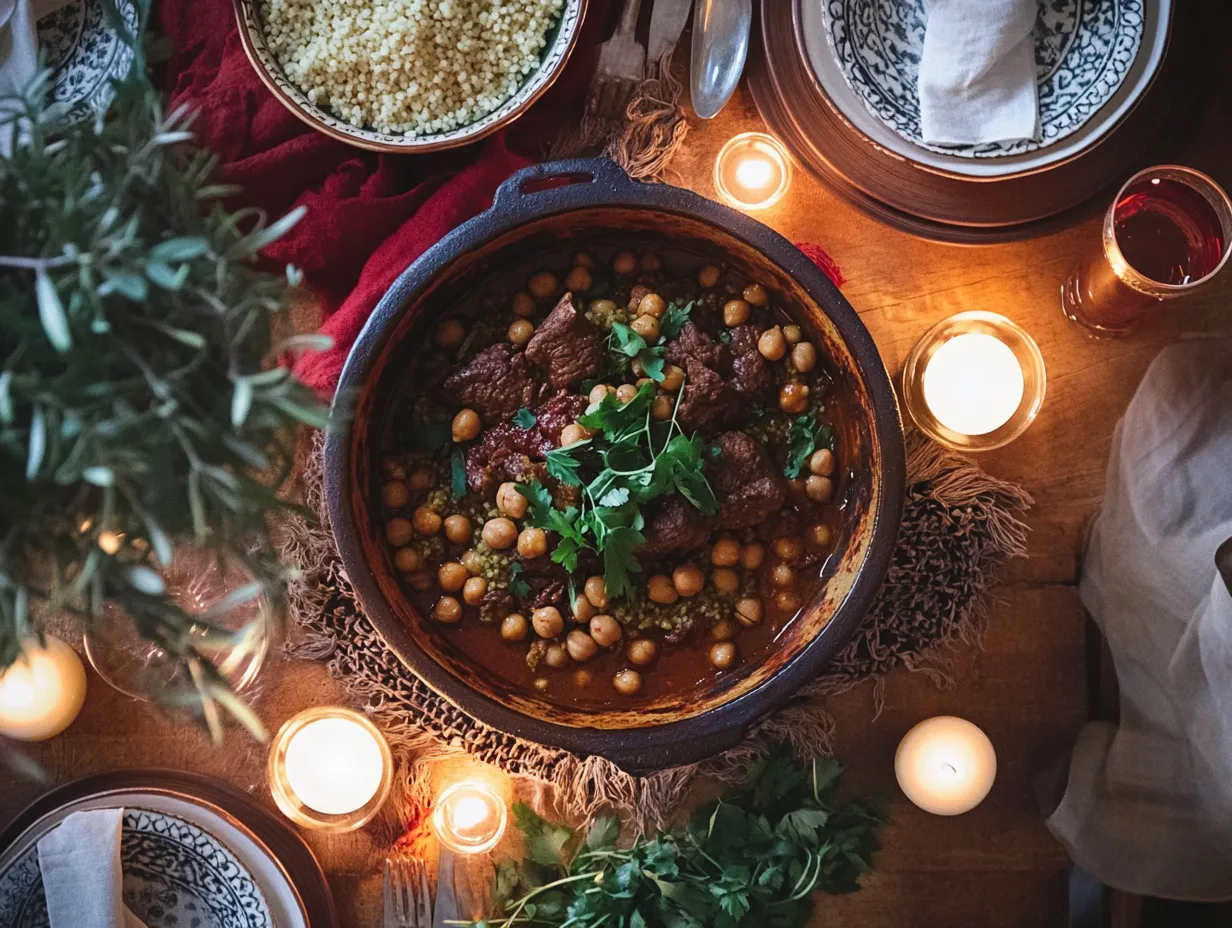
Introduction to Moroccan Tagines
Have you ever craved a dish that feels like a warm hug, a bold adventure, and a cultural experience all at once? Then you’re about to fall in love with Spicy Beef Tagine with Harissa and Chickpeas. This traditional Moroccan stew brings together slow-cooked beef, fiery harissa, and buttery chickpeas in one unforgettable pot.
But this dish is more than just delicious it’s an invitation to explore North African flavors, cooking methods, and the art of comfort food with soul.
In this post, we’re diving deep into:
- The rich history and role of tagine in Moroccan culture.
- Ingredient spotlights (hello, harissa and chickpeas!).
- Step-by-step cooking instructions for flawless results.
- Perfect pairing tips to elevate your meal.
- Real kitchen tips that even beginners can master.
Whether you’re new to tagine cooking or looking to spice up your usual dinner routine, you’re in the right place. Let’s stir the pot, shall we?
Key Takeaways
Here’s a quick recap of everything you’ve learned about creating an epic Spicy Beef Tagine with Harissa and Chickpeas:
- Tagine is both a dish and a cooking vessel slow-cooking is key.
- Harissa paste adds bold spice and smoky depth.
- Chickpeas bring nutrition, heartiness, and texture.
- The dish is flexible substitute legumes, spice levels, or meats as needed.
- Serve with couscous, mint tea, and crusty bread for an authentic spread.
- A tagine isn’t just food it’s a culinary story that connects people and culture.
Table of Contents
The Cultural Significance of Tagines
Have you ever tasted a dish so layered in flavor it felt like a journey through time? That’s exactly what a traditional Moroccan tagine offers and when it’s a Spicy Beef Tagine with Harissa and Chickpeas, you’re in for a particularly bold ride.
The tagine isn’t just a dish it’s an experience rooted in centuries of North African culinary tradition. Named after the earthenware pot it’s cooked in, the tagine method allows for slow cooking that infuses spices deep into every ingredient. And let’s be honest when beef, harissa, and chickpeas are part of the mix, every bite tells a story.
This dish brings people together. In Moroccan homes, tagine isn’t merely food it’s a ritual. It’s the centerpiece of family meals, celebrations, and intimate gatherings. The long cooking time isn’t just for flavor; it’s about anticipation, connection, and savoring the moment.
Traditional Ingredients and Variations
While the Spicy Beef Tagine with Harissa and Chickpeas you’re about to make is packed with bold, fiery flavors, traditional tagines are incredibly diverse. Some include sweet prunes and almonds, others lean on preserved lemons and olives.
Here are some classic ingredients that often find their way into Moroccan tagines:
- Tender cuts of meat (beef, lamb, or chicken)
- Aromatic spices like cumin, coriander, and cinnamon
- Vegetables such as carrots, potatoes, or zucchini
- Protein-rich legumes like chickpeas
- Spice pastes like harissa for that smoky heat
- A splash of broth or tomato base to round it out
The beauty of the tagine is that it’s both adaptable and time-honored. There’s a reason this dish has endured for centuries it welcomes creativity without losing its identity.
Cooking Techniques and Tools
You might be wondering: Do I really need a traditional tagine pot to make this? Great question and the answer is no, not necessarily.
While a clay or ceramic tagine does bring authenticity and beautiful presentation, a Dutch oven or heavy-bottomed pot works just as well, especially if you’re after flavor more than form.
Here’s how these tools compare:
- Traditional Tagine Pot
- Excellent for slow, moist cooking
- Eye-catching for serving at the table
- Can be used over low heat or in the oven
- Dutch Oven
- Retains heat beautifully
- Ideal for stovetop-to-oven recipes
- Readily available in most kitchens
Whether you’re cooking in a tagine or a Dutch oven, the technique remains the same: low and slow wins the flavor game.
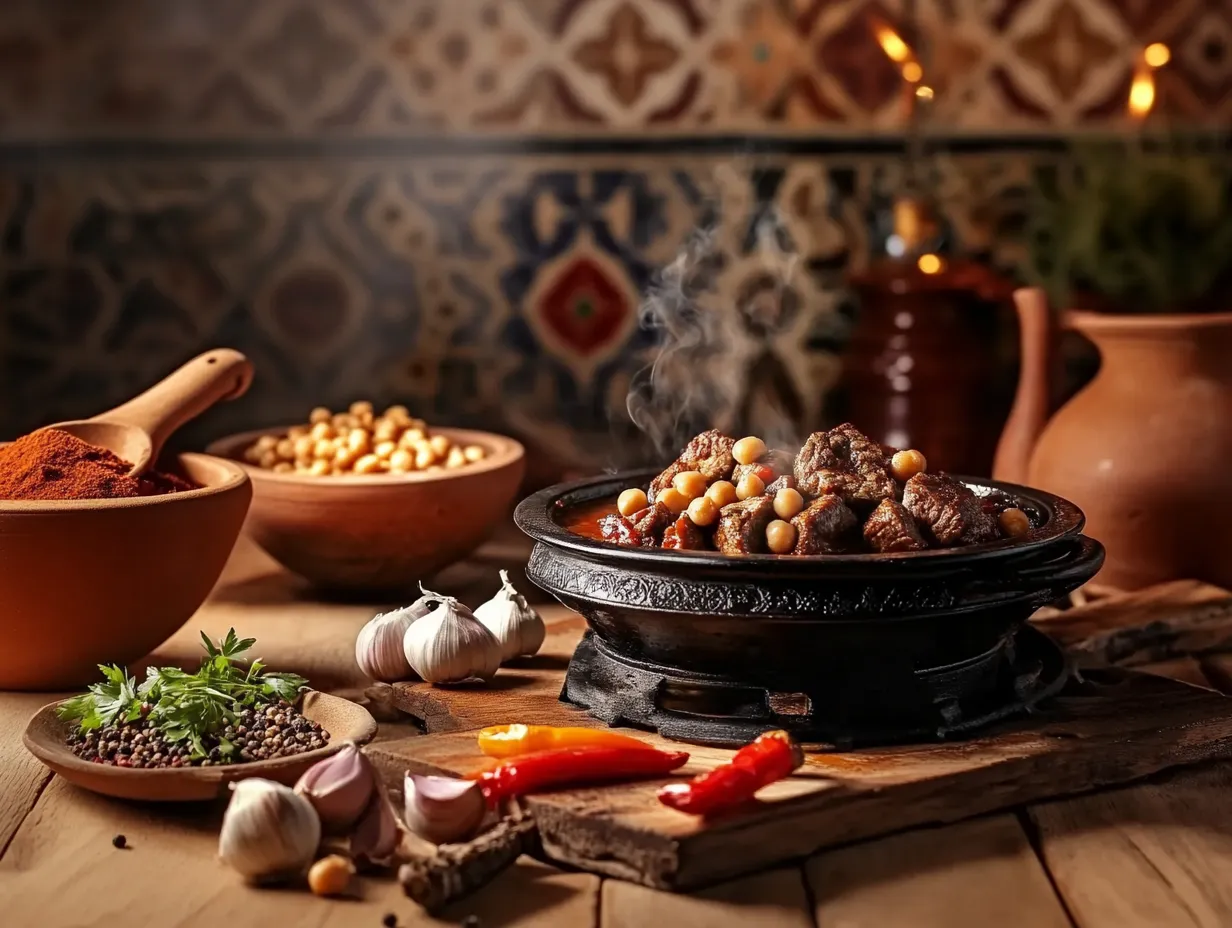
Understanding Harissa: The Fiery Paste
Origins and History of Harissa
If you’ve ever taken a bite of something and thought, “This has the perfect kick,” chances are harissa had something to do with it. This North African chili paste isn’t just a spice it’s a cultural icon.
Harissa originated in Tunisia, but its bold, smoky flavor quickly made it a staple in Moroccan cuisine, especially in meat stews and tagines. Think of it as North Africa’s answer to sriracha but with deeper flavor, more complexity, and a personality that changes slightly from one kitchen to the next.
Traditionally made from sun-dried chili peppers, garlic, olive oil, coriander, caraway, and cumin, harissa can be smoky, hot, sweet, or even citrusy depending on the blend.
So why has this paste become essential in dishes like Spicy Beef Tagine with Harissa and Chickpeas? Because it adds depth, heat, and a touch of magic.
Flavor Profile and Heat Levels
Not all harissa is created equal. That’s what makes it so exciting and maybe a bit intimidating for first-timers. The flavor can range from mild and slightly sweet to fiery and intense.
Here’s a quick table comparing different types of harissa to help you choose the right one for your tagine:
| Type of Harissa | Flavor Profile | Heat Level | Best For |
|---|---|---|---|
| Traditional Tunisian | Smoky, earthy, with a garlic kick | Medium to hot | Beef and lamb tagines |
| Moroccan-Style | Warm spices, slightly sweet, citrus notes | Mild to medium | Chickpea stews, vegetable dishes |
| Rose Harissa | Floral hints, smoky base, gentle heat | Mild | Delicate tagines, couscous sides |
| Homemade Harissa | Customizable—fresh, vibrant, bold | Varies by recipe | Any dish where control matters |
Don’t be afraid to experiment! If you’re nervous about heat, start small you can always add more, but you can’t take it out.
Homemade vs. Store-Bought Harissa
Let’s be honest: life gets busy, and not everyone has time to make spice pastes from scratch. But here’s the thing both homemade and store-bought harissa have their place, depending on your needs and flavor goals.
Why go homemade?
- You control the heat level.
- You can experiment with spices.
- Fresh ingredients = fresher taste.
Why choose store-bought?
- Convenient and consistent.
- Widely available in gourmet or international aisles.
- Some high-end brands rival homemade versions.
Pro Tip: Look for harissa brands without preservatives or sugar for the most authentic flavor. If you’re buying it in a jar, aim for small batches or artisan producers.
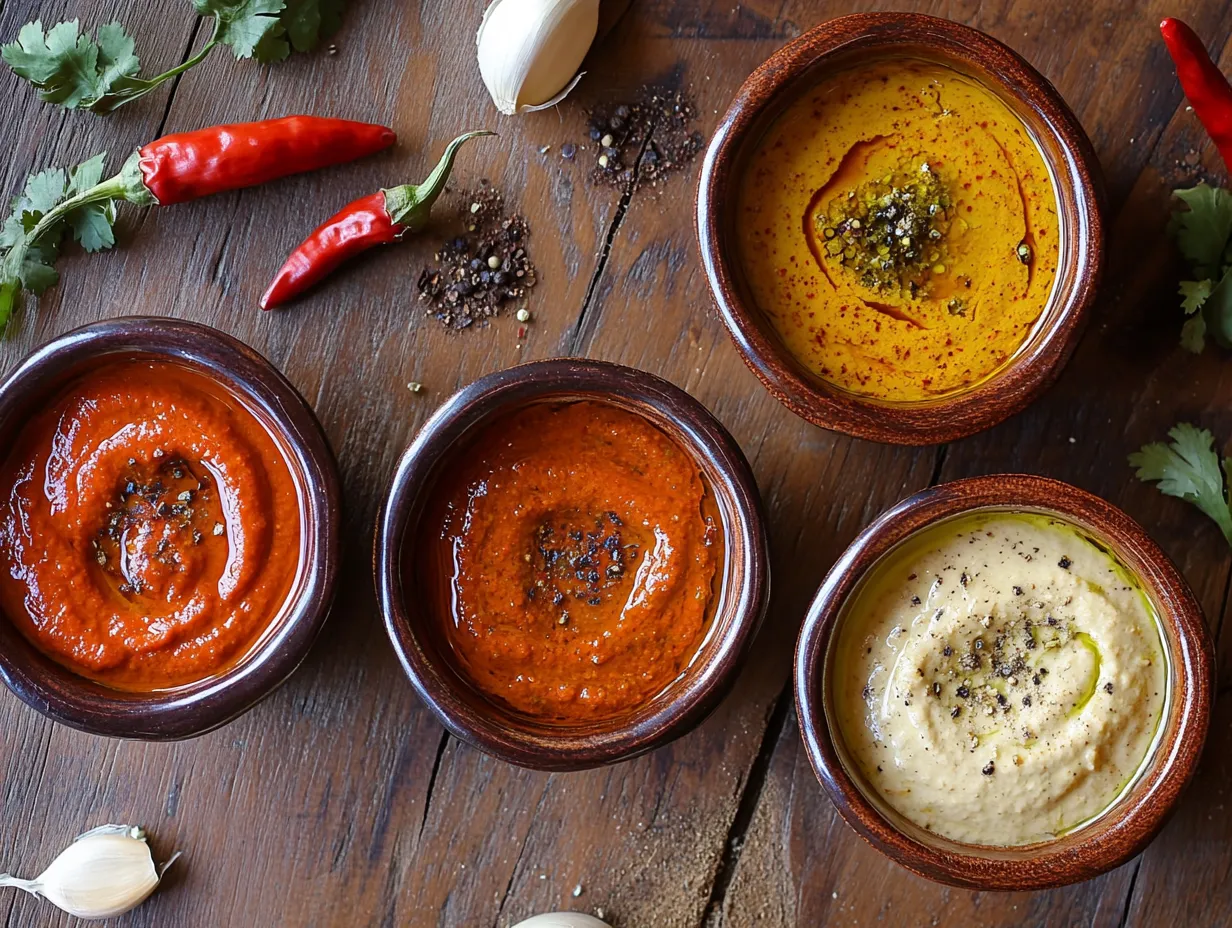
The Role of Chickpeas in Moroccan Cuisine
Nutritional Benefits of Chickpeas
You might not expect something as humble as the chickpea to pack a punch, but it’s one of the quiet powerhouses of Moroccan cuisine especially in dishes like Spicy Beef Tagine with Harissa and Chickpeas.
Not only are chickpeas incredibly versatile, but they also come loaded with benefits that make your tagine both hearty and healthy:
- 🌱 Plant-Based Protein: Perfect for balancing meat-heavy dishes.
- ❤️ Heart-Healthy Fiber: Helps improve digestion and keeps you full.
- 🧠 Rich in Vitamins: Especially folate, iron, and magnesium.
- 💪 Low on the Glycemic Index: Great for blood sugar control.
They absorb spices like a dream, taking on the rich, spicy broth of a tagine with ease. It’s no wonder they’re a staple across North Africa.
Preparing Chickpeas for Tagines
Wondering whether to go canned or dried? Here’s the deal: both can work, but dried chickpeas, soaked and cooked slowly, offer a texture and flavor that’s well worth the wait.
Here’s how to prep them like a pro:
Using Dried Chickpeas:
- Soak 1 cup overnight in plenty of cold water.
- Rinse, drain, and simmer for 1 to 1.5 hours until tender (add a bay leaf for bonus flavor).
- Add to your tagine in the last 30 minutes of cooking to soak up the spices.
Using Canned Chickpeas:
- Rinse and drain thoroughly.
- Add directly to the tagine in the last 20–25 minutes.
💡 Pro Tip: If using canned chickpeas, toss them with a bit of olive oil, paprika, and garlic powder first for a quick flavor boost.
Alternative Legumes and Substitutions
No chickpeas in the pantry? Don’t worry there are plenty of ways to keep your tagine rich in plant-based goodness.
Here are a few top alternatives:
- Lentils – Earthy and quick-cooking (green or brown work best)
- Cannellini beans – Creamy texture, neutral flavor
- Fava beans – Traditional in North African cooking
- Butter beans – A chunkier option with a soft bite
Each of these legumes brings something different to the dish, but all pair beautifully with harissa and slow-cooked beef.
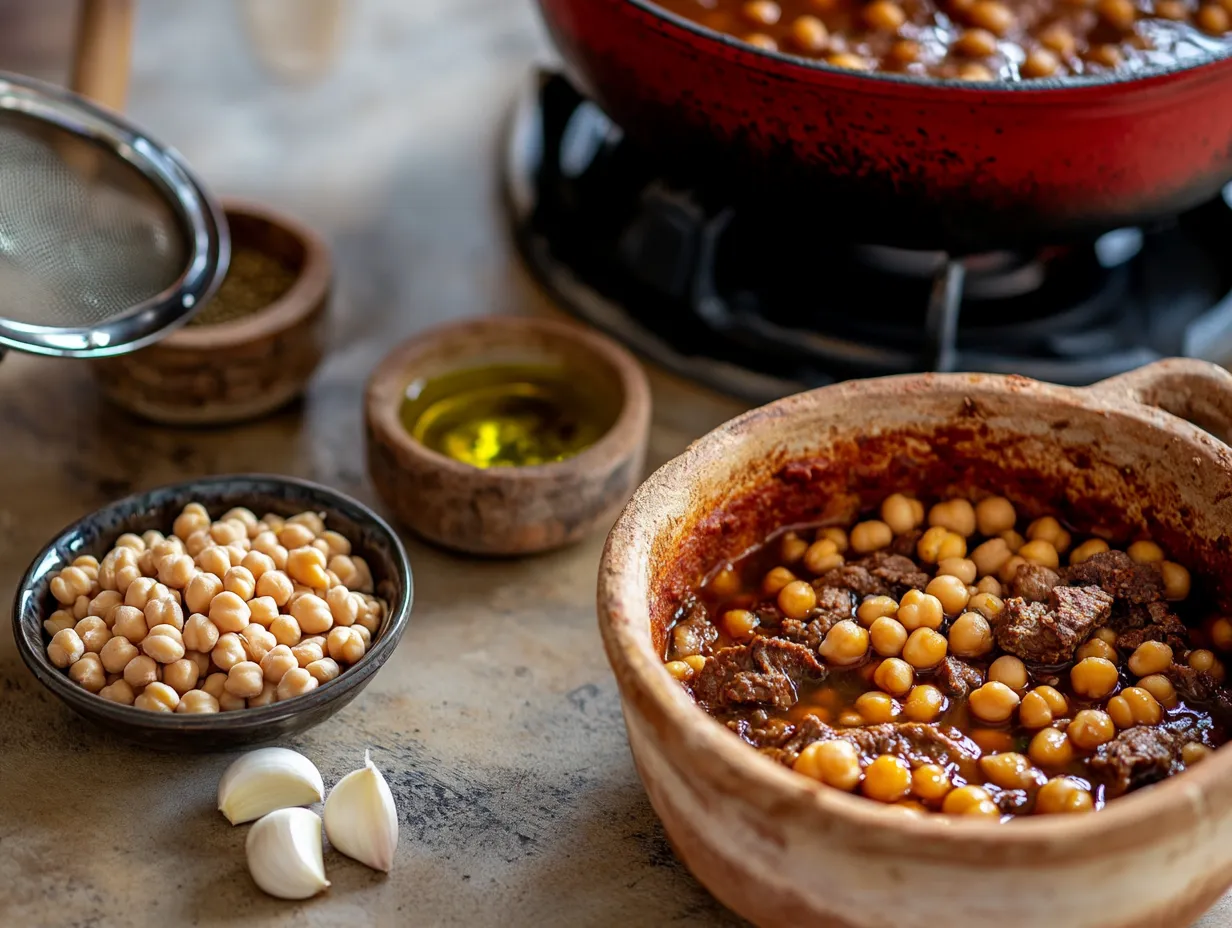
Cooking the Perfect Spicy Beef Tagine
Step-by-Step Tagine Cooking Process
So now that you’ve gathered your harissa, chickpeas, and your choice of cookware what’s next? It’s time to bring everything together and create a dish so comforting and flavorful it might just become your new favorite.
Here’s a simple, stress-free breakdown of how to cook the perfect Spicy Beef Tagine with Harissa and Chickpeas. Whether you’re a weekend warrior in the kitchen or a weeknight dinner minimalist, this method works beautifully:
Step-by-Step Method:
- Brown the Beef
- Use a high heat and a bit of oil to sear your beef cubes until they’re deeply golden. This locks in flavor and adds a rich base.
- Sauté the Aromatics
- Add chopped onions and garlic to the pot and cook until soft and fragrant. Stir in your spices (think cumin, coriander, paprika).
- Introduce the Harissa
- Stir in a generous spoonful of harissa paste, letting it coat everything and bloom in the heat. This step adds smoky depth.
- Deglaze and Simmer
- Pour in beef stock or water to lift the flavorful bits off the bottom. Add chopped tomatoes or tomato paste for body.
- Add Chickpeas and Simmer Slowly
- Toss in your cooked chickpeas, cover, and let it all simmer for at least 90 minutes. Low heat, lots of patience, maximum reward.
- Final Touches
- Before serving, check for seasoning and stir in fresh herbs like cilantro or parsley for a bright contrast.
💡 Optional additions: Add sliced carrots, preserved lemon, or even a handful of dried apricots for a sweet-savory twist.
Expert Insight
“A good tagine doesn’t just feed you it speaks to you. The aromas, the textures, the harmony of spices… it’s storytelling through flavor.”
— Yasmina Bennani, Moroccan Culinary Historian
Cooking Tips for Beginners
If it’s your first time making a tagine, here are a few tips to help you nail it on the first go:
- Low and slow is the golden rule. Rushing a tagine is like fast-forwarding a good movie.
- Use bone-in cuts of beef if possible they enrich the sauce.
- Don’t overdo the harissa early on. You can always add more at the end.
- Stir occasionally, but not too often let the ingredients bond naturally.
Tagine cooking isn’t just about technique it’s about intuition, balance, and allowing the ingredients to do the heavy lifting.
Ingredients Table :
| Ingredient | Quantity | Notes |
|---|---|---|
| Beef chuck, cubed | 1.5 to 2 lbs (700–900g) | Preferably bone-in for richer flavor |
| Chickpeas (cooked) | 1.5 cups | Use canned (rinsed) or dried (pre-soaked and boiled) |
| Harissa paste | 2–3 tablespoons | Adjust based on your heat tolerance |
| Onion, chopped | 1 large | Yellow or red both work well |
| Garlic cloves, minced | 3–4 cloves | Fresh for best flavor |
| Olive oil | 2 tablespoons | For browning meat and sautéing aromatics |
| Ground cumin | 1 teaspoon | Adds warmth and depth |
| Ground coriander | 1 teaspoon | Brings a citrusy undertone |
| Smoked paprika | 1 teaspoon | Enhances the smoky profile |
| Ground cinnamon | ½ teaspoon | Optional, adds sweetness and complexity |
| Tomato paste | 1 tablespoon | Helps thicken and deepen the stew |
| Beef broth or water | 2 to 2.5 cups | Enough to cover meat halfway |
| Salt and black pepper | To taste | Season gradually throughout cooking |
| Fresh cilantro or parsley | ¼ cup, chopped | For garnish and fresh contrast |
| Optional: carrots | 2, sliced | Adds natural sweetness |
| Optional: preserved lemon | ½ lemon, chopped | For authentic Moroccan tang |
| Optional: dried apricots | ¼ cup, chopped | Adds a sweet counterbalance to the spice |
Serving and Pairing: Elevating the Experience
How to Serve Your Spicy Beef Tagine
So, the kitchen smells incredible. Your Spicy Beef Tagine with Harissa and Chickpeas has been simmering away, building layers of rich, spiced flavor. Now comes the final, and arguably most satisfying, step serving it up.
Here’s how to turn your tagine into an unforgettable dining experience:
- Serve hot, directly from the tagine pot for maximum authenticity.
- Sprinkle freshly chopped parsley or cilantro over the top just before serving—it adds a pop of color and a fresh contrast to the deep spices.
- Drizzle a little olive oil over each serving for richness and shine.
- Add a wedge of lemon on the side to brighten each bite.
Perfect Pairings for Moroccan Tagine
Wondering what goes best with your hearty beef tagine? The right sides and beverages can take your meal from memorable to extraordinary. Here are some favorite pairings:
Side Dishes:
- Steamed Couscous – Light, fluffy, and ideal for soaking up the flavorful sauce.
- Crusty Bread or Khobz – Moroccan-style flatbread is perfect for scooping.
- Roasted Root Vegetables – Carrots, parsnips, or sweet potatoes add earthy depth.
- Fresh Salad with Citrus Dressing – Helps balance the richness of the stew.
Drinks to Consider:
- Mint Tea – A traditional and refreshing Moroccan staple.
- Sparkling water with lemon slices – Simple, cooling, and palate-cleansing.
The beauty of this dish is that it’s more than just a meal it’s a culinary event. Set the mood with ambient music, light a candle or two, and let your dinner transport your guests to the medinas of Marrakech.
Hosting Tip
“Tagine is not just food it’s hospitality in a pot. When you serve it, you’re offering warmth, comfort, and connection.”
Samira El-Mansouri, Moroccan Home Chef
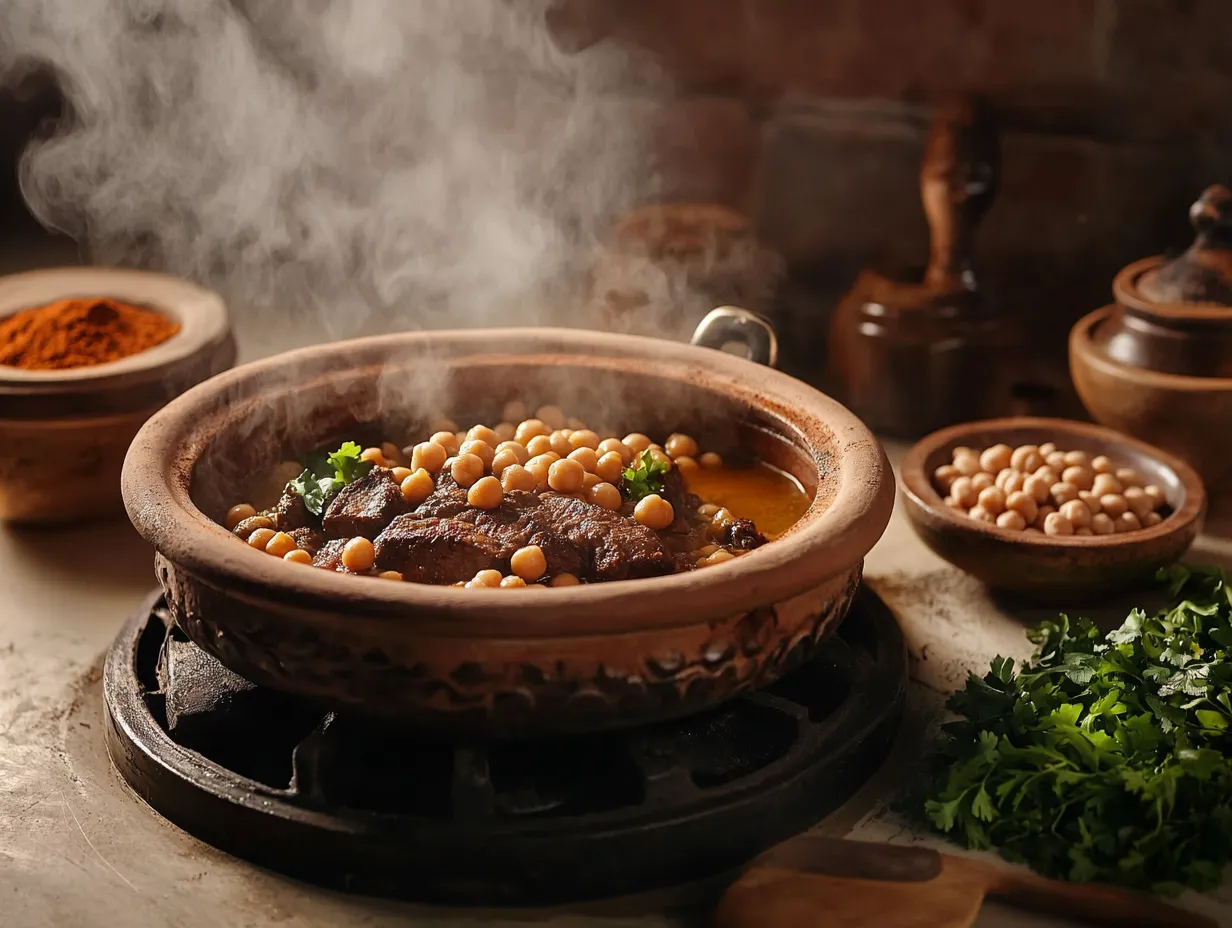
Conclusion: Let Flavor Tell the Story
Cooking a Spicy Beef Tagine with Harissa and Chickpeas is like crafting a story with every stir, spice, and simmer. It’s a dish rooted in tradition, carried by flavor, and perfected in your own kitchen.
As you share it with friends or family, know that you’re not just feeding them you’re transporting them, bite by bite, to a place where meals are slow, meaningful, and absolutely unforgettable.
So what are you waiting for? Dust off that Dutch oven or tagine pot, pick up a jar of harissa, and let your spice rack lead the way.
Q&A: Everything You Wanted to Know About Tagine
Can I make this tagine in a regular pot?
Absolutely! While a traditional tagine pot adds authenticity, a Dutch oven or heavy-bottomed pot will still yield amazing results. Just keep the heat low and the lid tight.
How spicy is harissa?
It varies by brand, but most harissa pastes are medium to hot. Start with a little you can always add more!
Can I make this dish vegetarian?
You sure can. Swap the beef for hearty vegetables like eggplant, sweet potatoes, or jackfruit, and keep the chickpeas front and center.
How do I store and reheat leftovers?
Tagine actually tastes better the next day! Store in the fridge for up to 3 days. Reheat gently on the stove with a splash of water or broth.