

The Cultural Significance of Moroccan Anise-Scented Bread
What makes a simple loaf of bread unforgettable? For Moroccans, Khobz Mkafer is more than just flour and anise it’s memory, tradition, and a quiet celebration of community.
A Slice of Culture in Every Crumb
Across Morocco, bread isn’t just a side dish it’s the soul of the meal. From rural villages to bustling city souks, families bake daily, often rising before dawn to prepare the day’s loaves. Khobz Mkafer, with its soft, chewy crumb and fragrant aroma, is a beloved variant that often graces the table during family brunches, religious holidays, or cozy afternoon tea gatherings.
And here’s the beautiful part: almost every household has its own twist on the recipe. Some add a splash of orange blossom water, others toast the anise seeds for a deeper aroma. That subtle personalization is what keeps the tradition alive and uniquely yours.
Why Does It Matter Today?
In today’s fast-paced world, baking something like Khobz Mkafer invites us to slow down and reconnect. It’s a hands-on act of mindfulness kneading, waiting, baking that grounds us. When you shape this bread, you’re participating in a centuries-old ritual shared by Moroccan mothers, daughters, and grandmothers before you.
“Cooking is at once child’s play and adult joy. And cooking done with care is an act of love.”
— Craig Claiborne
From Moroccan Kitchens to Yours
You don’t need a clay oven or a Moroccan background to experience the joy of baking this bread. All you need is a willingness to explore and a little flour on your hands.
Whether you’re trying Khobz Mkafer for the first time or rediscovering a family recipe, know that you’re not just making bread you’re preserving a beautiful culinary heritage.
Feeling Inspired? Let’s Keep the Conversation Going!
Want to explore more Moroccan bakes? Stay tuned for our upcoming post on Batbout, the fluffy stovetop bread that’s perfect for stuffing!
What Is Khobz Mkafer?
Have you ever wandered through a Moroccan souk and caught the sweet, licorice-like scent of anise wafting from a warm bakery? If so, chances are you’ve already encountered Khobz Mkafer a soft, golden, slightly sweet bread that holds a cherished place in Moroccan kitchens.
Khobz Mkafer, also known as Moroccan Anise-Scented Bread, is more than just food. It’s a nostalgic symbol of family, tradition, and the joyful moments shared around the breakfast or tea table. This bread stands out not just for its aroma, but also for its pillowy texture, subtle sweetness, and the warmth it brings with every bite.
A Staple in Moroccan Homes
In Morocco, traditional Moroccan bread is far more than a side dish. It’s a daily ritual especially when it’s infused with anise seeds and a touch of semolina flour for that delicate crunch on the outside and softness within.
Here’s what makes Khobz Mkafer a household favorite:
- Naturally aromatic from anise seeds, giving it a unique and soothing flavor.
- Satisfyingly soft and fluffy, perfect for dipping into olive oil, honey, or enjoying plain.
- Simple ingredients, often already available in your pantry.
- Versatile enough for breakfast, tea time, or special occasions like Ramadan.
This bread doesn’t just feed the body it nourishes memories.
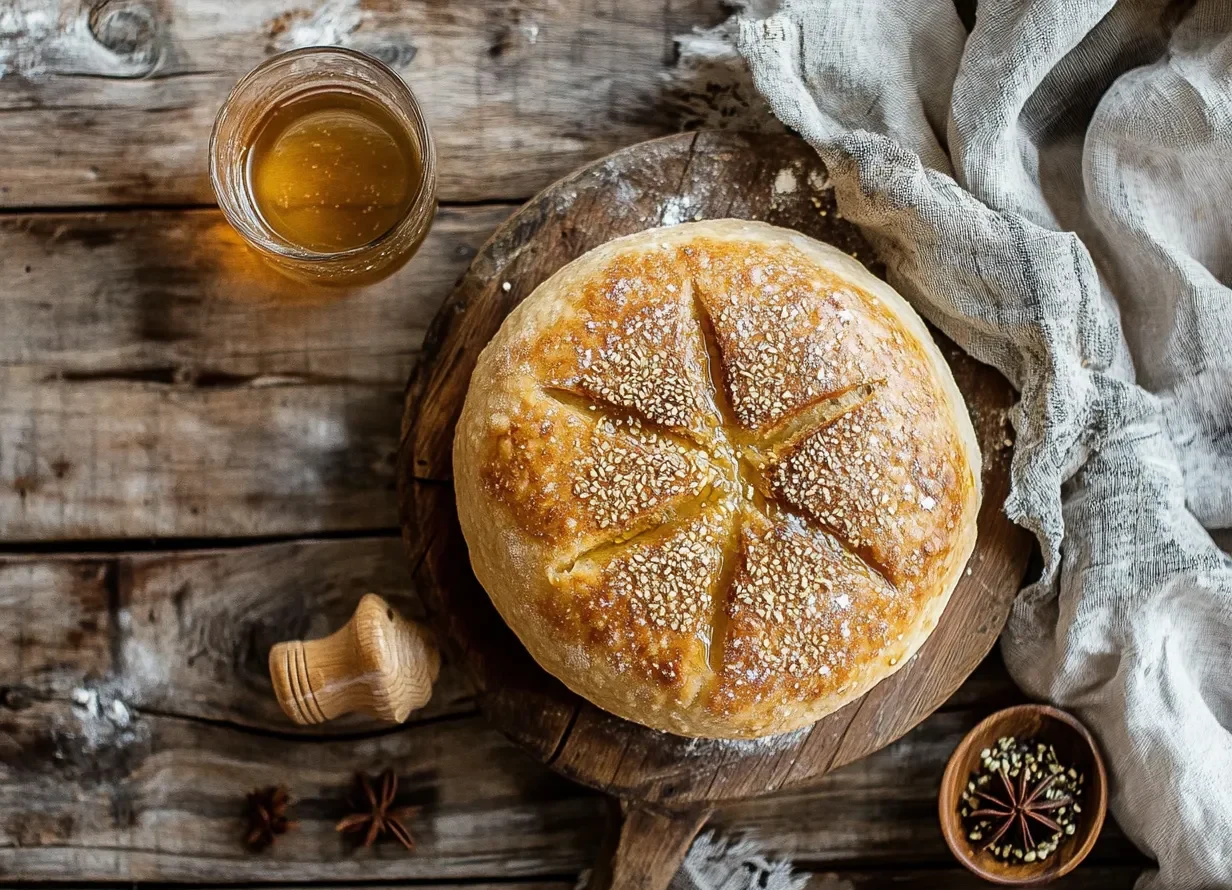
Table of Contents
Key Takeaways
- Khobz Mkafer is a Moroccan semolina bread flavored with aromatic anise seeds, perfect for breakfast or tea time.
- It pairs beautifully with mint tea, honey, butter, and savory dishes like tagines.
- Easy to store and reheat you can freeze it sliced for later and revive it in the oven or toaster.
- Rich in culture, this bread represents more than food it’s a celebration of Moroccan heritage and community.
- Great for bakers of all skill levels with simple ingredients and step-by-step guidance.
Cultural Significance in Moroccan Traditions
Bread, or khobz, is sacred in Moroccan culture. It represents hospitality, community, and care. Baking Khobz Mkafer at home is often a shared experience, especially among women, who gather to knead, shape, and chat over steaming mint tea. You’ll often find it served:
- During family gatherings and holidays
- As part of iftar meals in Ramadan
- With traditional Moroccan mint tea in the afternoon
Whether in the city or the countryside, it’s a recipe passed down like a well-loved heirloom.
When and How It’s Traditionally Served
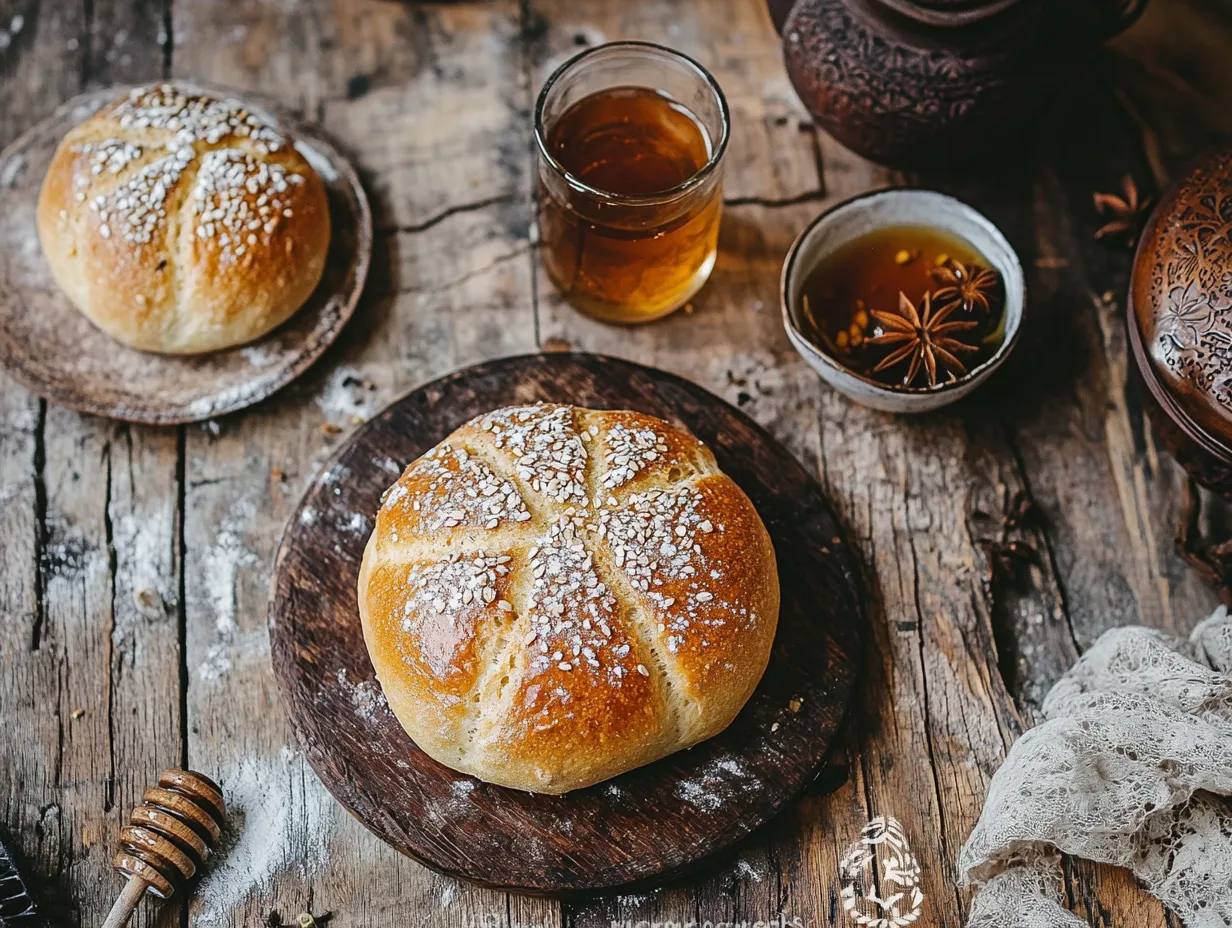
Wondering when to serve this sweet Moroccan bread? Here’s how locals typically enjoy it:
- Breakfast – Warm from the oven with butter and honey.
- Tea Time – Sliced and served alongside mint tea and olives.
- Ramadan Iftar – A comforting way to break the fast.
- Special Days – With jams, soft cheeses, or simply fresh from the pan.
However you serve it, Khobz Mkafer brings a little sunshine to the table.
Key Ingredients and Their Roles
Semolina vs. All-Purpose Flour
Ever wonder what gives Moroccan Anise-Scented Bread its tender yet slightly grainy texture? It’s all in the flour.
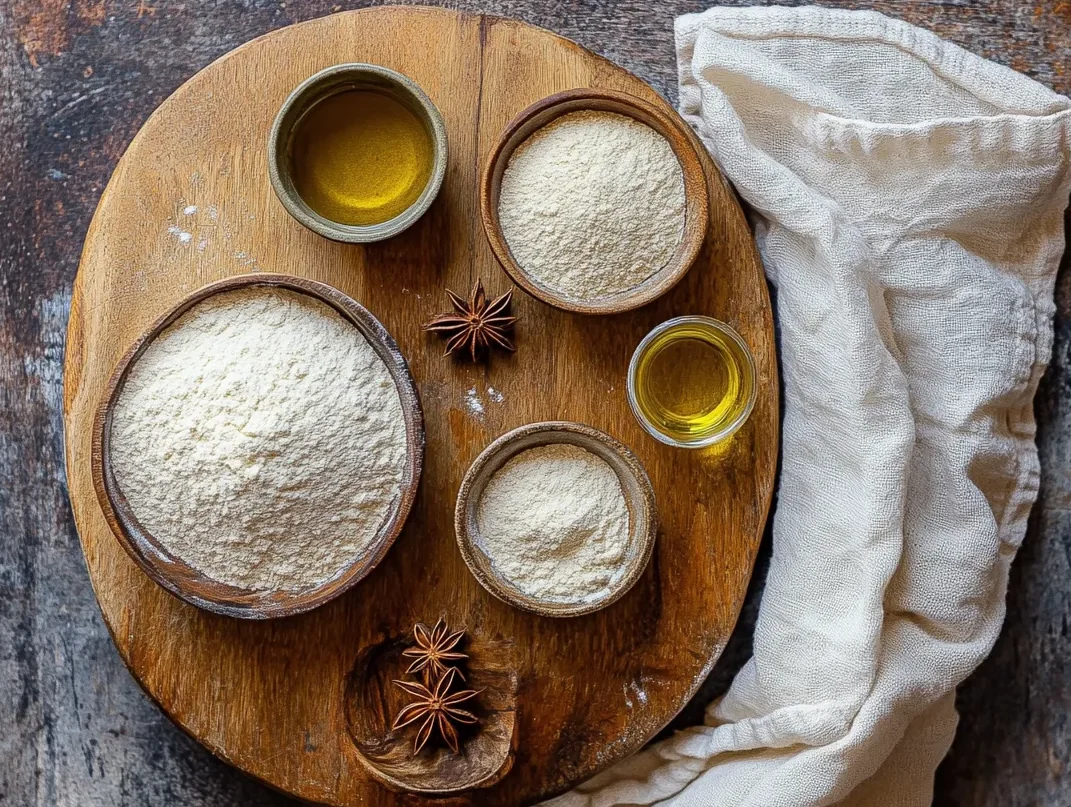
Khobz Mkafer typically combines semolina and all-purpose flour, each playing a unique role:
| Ingredient | Purpose in the Bread |
|---|---|
| Semolina (fine) | Adds a subtle crunch and golden color; enhances the bread’s rustic, authentic character |
| All-Purpose Flour | Provides structure, softness, and elasticity to the dough |
Using both flours balances fluffiness with a hearty bite essential for that traditional Moroccan bread experience.
Anise Seeds: Flavor and Health Benefits
The signature aroma of Khobz Mkafer comes from anise seeds tiny yet powerful.
Here’s why they matter:
- Flavor: Anise lends a sweet, licorice-like note that instantly sets this bread apart.
- Aromatherapy: The scent is warm and calming perfect for a comforting tea-time treat.
- Health Boost: Anise is known for aiding digestion, soothing the stomach, and supporting respiratory health.
Lightly toasting the seeds before mixing them into the dough can enhance both flavor and aroma.
Yeast and Dough-Rising Tips
If you’ve struggled with dense bread before, you’re not alone. But don’t worry getting that perfect rise is easier than you think.
- Use active dry yeast or instant yeast both work well for this recipe.
- Warm water (not hot!) activates the yeast without killing it.
- Let the dough rise in a warm, draft-free space for 1–1.5 hours until doubled in size.
- A second rise after shaping helps develop that soft, airy texture.
💡 Pro Tip: A small pinch of sugar in the dough feeds the yeast and enhances browning in the oven.
Optional Add-ins for Flavor Variety
While Khobz Mkafer is beautiful in its simplicity, you can get creative! Here are a few add-in ideas to elevate your loaf:
- Sesame seeds – for a nutty crunch.
- Orange blossom water – adds a fragrant floral note.
- Nigella seeds – an earthy, savory contrast.
- Raisins or dates – for a touch of sweetness.
These twists add your personal stamp to a beloved classic and they pair beautifully with Moroccan mint tea.
Detailed Ingredients Table for Moroccan Anise-Scented Bread
| Ingredient | Quantity | Purpose / Notes |
|---|---|---|
| Fine Semolina | 2 cups (250g) | Adds subtle crunch and golden color to the bread |
| All-Purpose Flour | 1.5 cups (190g) | Provides structure and softness |
| Warm Water | 1 cup (240ml) | Activates yeast and binds the dough |
| Active Dry Yeast | 2 ¼ teaspoons (1 packet) | Leavens the bread, making it rise |
| Sugar | 1 tablespoon | Feeds the yeast and enhances browning |
| Salt | 1 teaspoon | Balances sweetness and enhances overall flavor |
| Whole Anise Seeds | 1.5 tablespoons | Gives the bread its signature aromatic flavor |
| Olive Oil | 2 tablespoons | Adds moisture and richness to the dough |
| Optional: Orange Blossom Water | 1 tablespoon (optional) | Adds a delicate floral note, traditional in Moroccan baking |
| Optional: Sesame or Nigella Seeds | 1 tablespoon (for topping) | Adds texture and visual appeal when sprinkled on top before baking |
Chef’s Notes:
- Semolina: Use fine semolina, not coarse, to ensure a tender crumb.
- Yeast Activation: Ensure water is warm (about 105–110°F / 40–43°C) to activate yeast without killing it.
- Customization: Feel free to adjust sugar or anise quantity based on your taste preferences.
Step-by-Step Khobz Mkafer Recipe
A Bite of History Before You Bake
Before we dive into the flour and anise, let’s take a quick detour into the past.
Khobz Mkafer isn’t just a delightful loaf it carries centuries of culinary tradition. Rooted in North African cuisine, this bread likely evolved from early Berber flatbreads, with anise and semolina introduced through Andalusian and Arab culinary influences. Over time, it became a staple in Moroccan home cooking, especially among families who treasured baking as a communal act.
Baking this bread today continues that legacy connecting you to a heritage of warmth, sharing, and mindfulness.
So, ready to roll up your sleeves?
Let’s Make Moroccan Anise-Scented Bread!
Here’s a foolproof, step-by-step guide for making your own soft, golden Khobz Mkafer at home.
What You’ll Need:
- A large mixing bowl
- A clean kitchen towel
- Baking sheet or cast iron pan
- Parchment paper (optional)
- Your hands (or a stand mixer with a dough hook!)
Instructions:
1. Activate the Yeast
- In a small bowl, combine:
- 1 cup warm water
- 1 tablespoon sugar
- 2 ¼ teaspoons active dry yeast
- Stir gently and let sit for 5–10 minutes, until foamy.
💡 Tip: If it doesn’t foam, the yeast might be expired start again with fresh yeast!
2. Mix the Dough
In a large bowl, combine:
- 2 cups fine semolina
- 1.5 cups all-purpose flour
- 1 teaspoon salt
- 1.5 tablespoons whole anise seeds
Add the yeast mixture and:
- 2 tablespoons olive oil
- (Optional) 1 tablespoon orange blossom water
Mix until a shaggy dough forms.
3. Knead Until Smooth
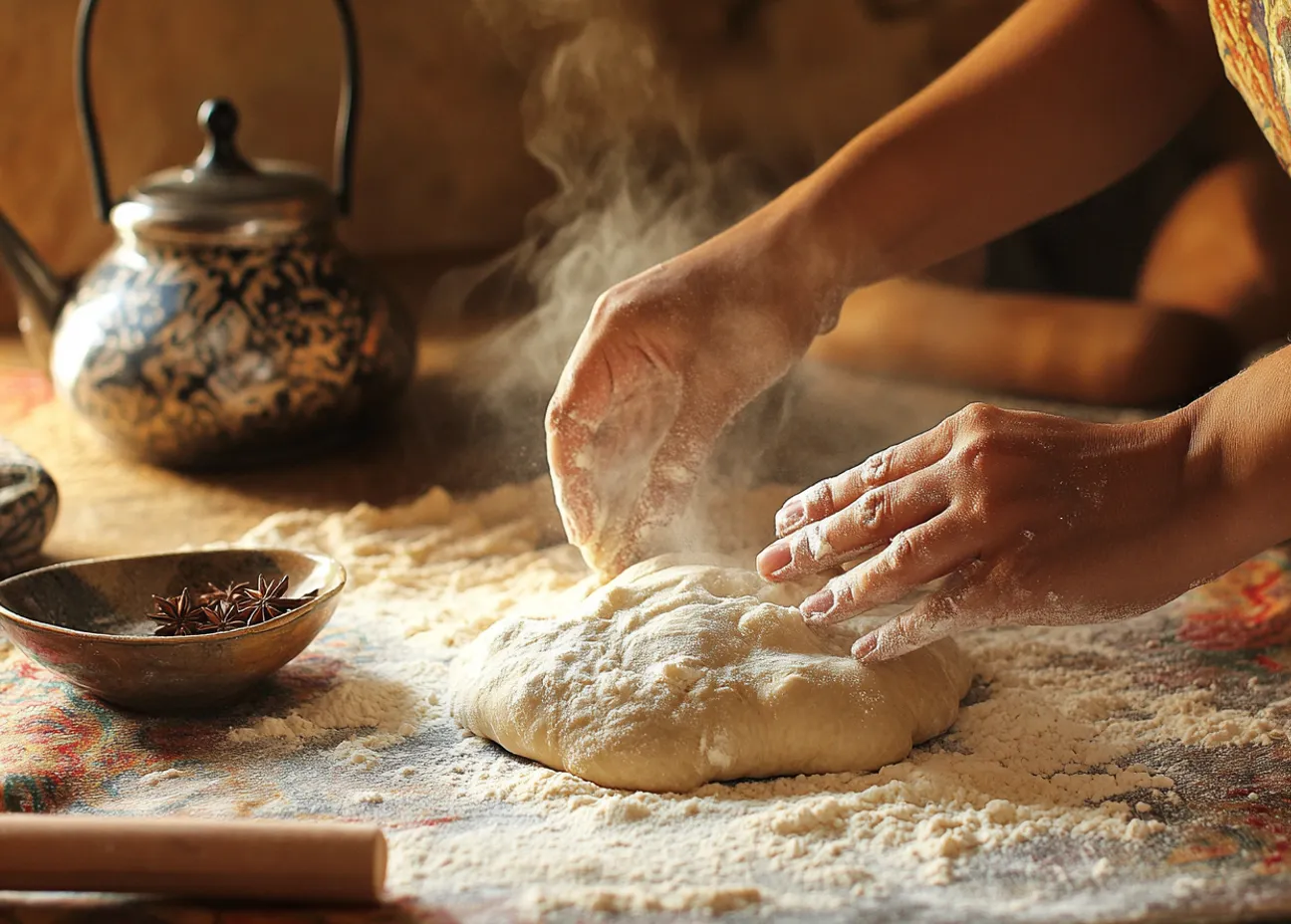
- Knead the dough on a lightly floured surface for 10–12 minutes (or 6–8 minutes in a stand mixer).
- You’re aiming for a smooth, elastic dough that bounces back when poked.
4. First Rise
- Place the dough in a lightly oiled bowl, cover with a damp towel, and let it rise in a warm place for 1–1.5 hours, or until doubled.
5. Shape the Dough
- Punch down the dough gently.
- Shape it into one or two round loaves, depending on your preference.
- Flatten each loaf slightly with your palms.
6. Second Rise
- Place on a baking tray lined with parchment.
- Cover and let rest for 30–40 minutes.
7. Bake to Golden Perfection
- Preheat your oven to 375°F (190°C).
- Score the top with a knife (a cross or diamond pattern works well).
- Bake for 25–30 minutes, or until golden brown and hollow-sounding when tapped.
Let it cool slightly before serving… if you can wait!
YouTube Tutorial:
Here’s a wonderful visual walkthrough to accompany your baking session:
Serving Suggestions & Pairings
How to Enjoy Khobz Mkafer Like a True Moroccan
You’ve just baked your beautiful, golden loaf of Moroccan Anise-Scented Bread. Now comes the best part serving it!
Whether you’re hosting a Moroccan brunch, craving something cozy for tea time, or simply want to enjoy a soulful slice with family, Khobz Mkafer is incredibly versatile.
Let’s explore some classic and creative ways to enjoy it:
Traditional Moroccan Pairings
Here are the top ways Moroccan families serve this fragrant bread:
- With Moroccan Mint Tea
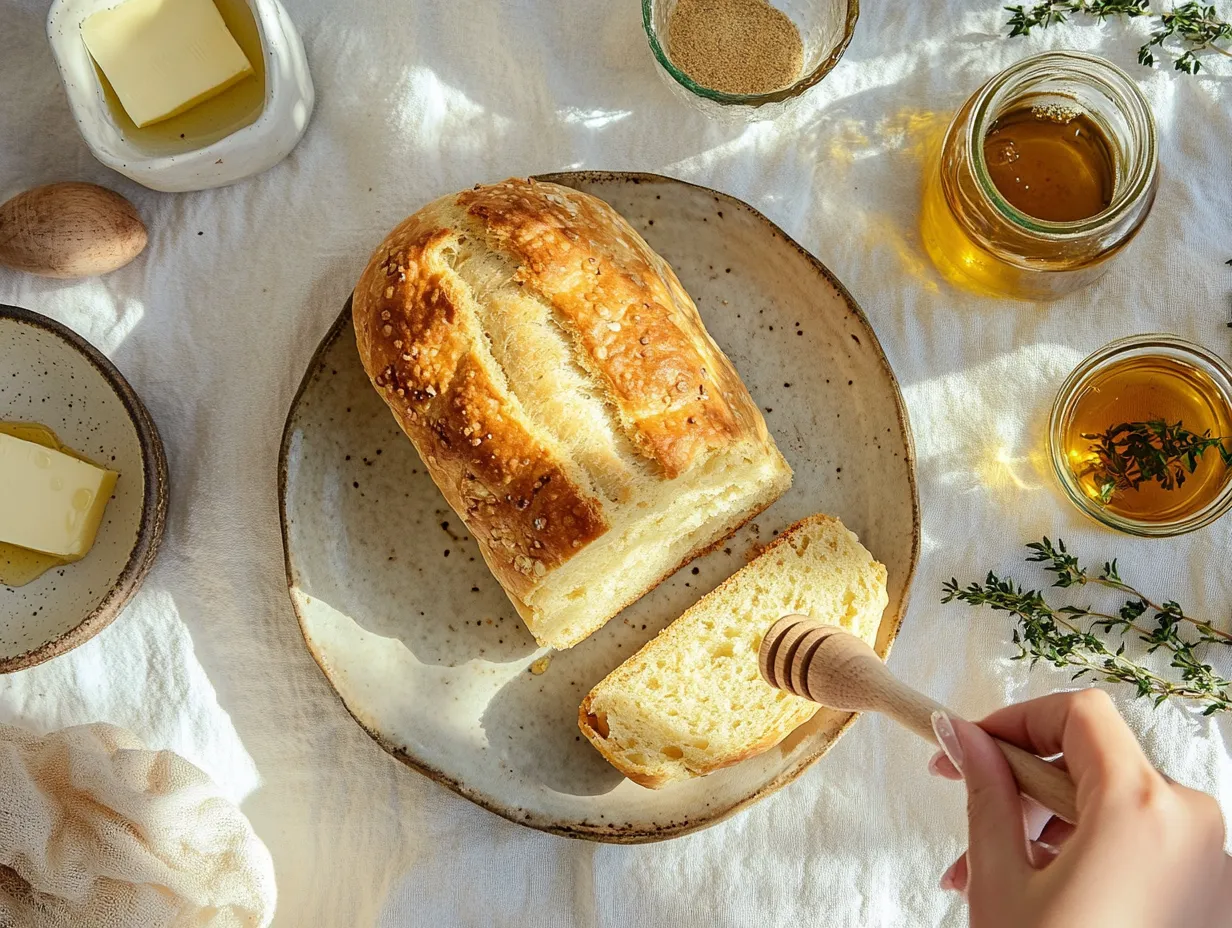
This is the quintessential pairing the light sweetness of the tea enhances the anise notes of the bread. Serve warm, with a sprig of fresh mint. - Honey & Butter Spread
Slice it while still warm, slather it with softened butter, and drizzle honey over the top. The flavors are nostalgic and deeply comforting. - Olive Oil & Thyme (Za’atar style)
Dip a chunk of Khobz Mkafer into extra virgin olive oil and a mix of thyme or za’atar. Simple, earthy, and delicious.
Modern & Savory Pairing Ideas
Want to take it up a notch? Here are some unexpected (yet delicious) ways to enjoy it:
- With Cream Cheese & Orange Marmalade
The sweetness of the marmalade complements the anise beautifully, and the cream cheese adds creaminess. - Grilled Cheese Moroccan-Style
Use slices of Khobz Mkafer for a twist on the classic stuff with mild cheese and herbs, then toast in a pan. - Dipping into Tagine Sauce
Mop up the spiced sauce from a chicken or lamb tagine with this bread. It’s a match made in Maghrebi heaven.
Quote to Inspire the Moment
“Bread is the warmest, kindest of all words. Write it always with a capital B, it becomes Bread that nourishes us, both body and soul.”
— M.F.K. Fisher
This quote captures the soul of Khobz Mkafer it’s more than food; it’s a connection to culture, comfort, and family.
Storage Tips & Reheating Advice
Keep Your Khobz Mkafer Fresh & Flavorful
So, you’ve baked the perfect loaf of Moroccan Anise-Scented Bread (Khobz Mkafer) golden, soft, and aromatic. But what if you don’t finish it all in one go? No worries! With a few simple storage tricks, you can keep your bread tasting freshly baked for days.
Let’s walk through how to store and reheat Khobz Mkafer the right way.
Short-Term Storage (1–2 Days)
If you plan to eat the bread within a day or two:
- Wrap the cooled loaf in a clean kitchen towel or parchment paper.
- Place it in a bread box or loosely covered container at room temperature.
Avoid sealing it in plastic this traps moisture and can make the crust soggy.
Medium-Term Storage (Up to 5 Days)
Need a bit more shelf life?
- Wrap your Khobz Mkafer in foil or parchment and place it in an airtight container.
- Store it in the refrigerator, ideally in the vegetable drawer where it’s less dry.
When ready to eat:
- Toast a slice or warm it in the oven (instructions below) to revive the crust and aroma.
Long-Term Freezing (Up to 3 Months)
Yes, you can freeze Moroccan bread!
Here’s how:
- Let the bread cool completely.
- Slice it first (optional but convenient).
- Wrap tightly in plastic wrap, then again in foil or place in a freezer bag.
- Label with the date.
This method locks in freshness and makes it easy to reheat just what you need.
Best Ways to Reheat Khobz Mkafer
To enjoy your bread as if it just came out of the oven:
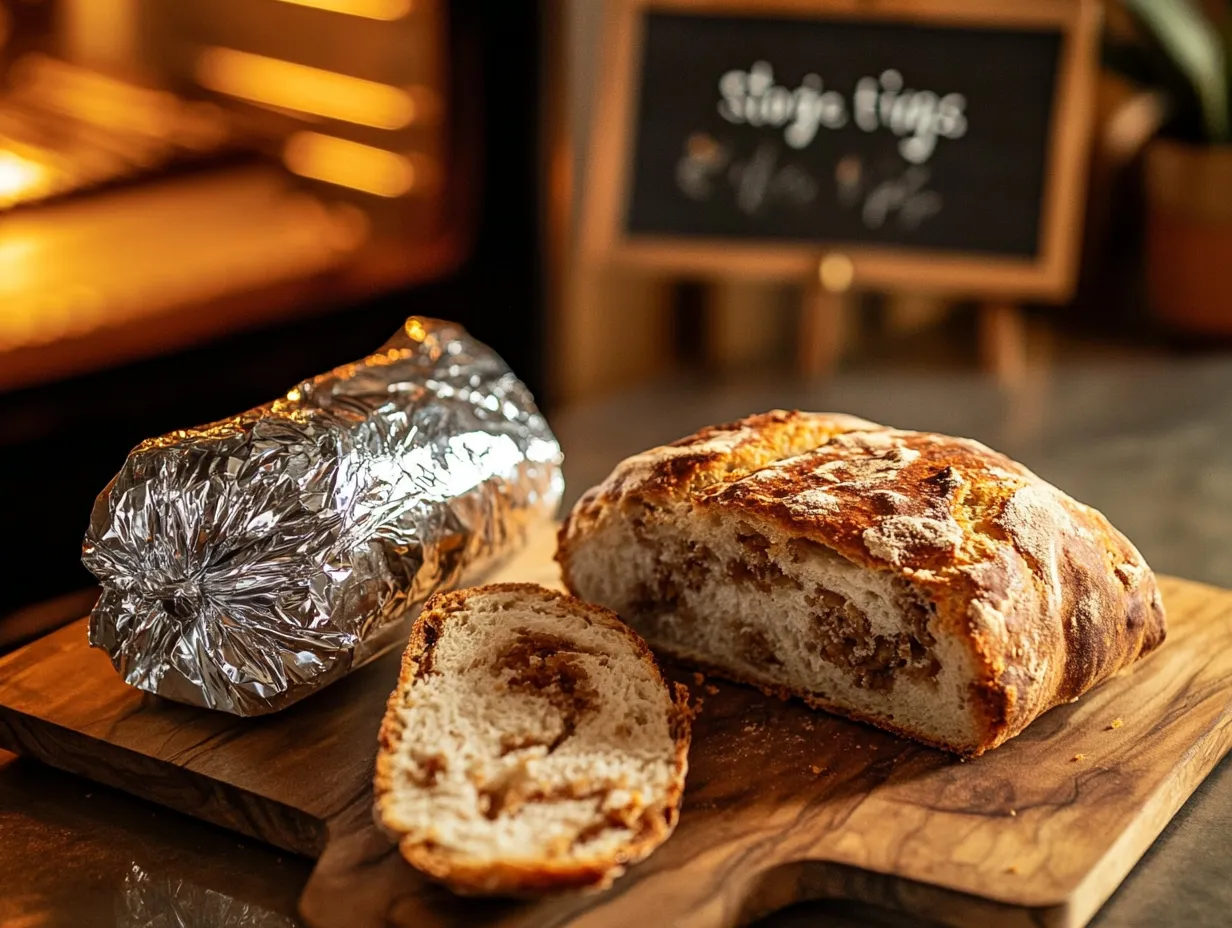
- In the Oven: Preheat to 350°F (175°C), wrap the bread in foil, and warm for 8–10 minutes.
- On the Stove: Heat slices on a dry skillet over medium heat for 2–3 minutes per side.
- In the Toaster: For crisp edges, toast slices straight from the fridge or freezer.
Avoid microwaving unless absolutely necessary it can make the bread rubbery.
Quick Pro Tips:
- Slice before freezing if you’ll only need a few pieces at a time.
- Store slices between parchment layers to avoid sticking.
- Always let bread return to room temperature before reheating if frozen.
Conclusion: Your Moroccan Culinary Adventure Begins Here
Ready to make your kitchen smell like a Moroccan bakery? You don’t need fancy tools or rare ingredients just a love for comfort food with character.
By baking Moroccan Anise-Scented Bread, you’re doing more than creating a tasty loaf. You’re honoring generations of tradition and adding your own story to this beautiful culinary legacy.
So go ahead roll up your sleeves, sprinkle in some anise, and bake a bread that speaks to the soul. And remember: every loaf you bake brings you closer to Morocco’s heart, one slice at a time.
Q&A: Your Khobz Mkafer Questions Answered
❓Can I use all-purpose flour instead of semolina?
Yes, you can! While semolina adds a slightly nutty texture, all-purpose flour will still give you a soft, delicious loaf. A mix of both works great too.
❓Is Khobz Mkafer sweet or savory?
It’s a mildly sweet bread, thanks to the anise seeds, but it leans neutral. That’s why it pairs well with both honey and cheese.
❓Can I skip the anise?
Absolutely. While anise gives Khobz Mkafer its signature aroma, feel free to substitute with fennel seeds or leave it plain if preferred.
❓How long does it last?
Fresh for 2 days at room temperature, up to 5 days refrigerated, and freezable for up to 3 months.
❓Can I make this gluten-free?
Yes, but results may vary. Opt for a gluten-free all-purpose blend, and consider adding a binding agent like psyllium husk.