
Discover the Magic of Moroccan Ghriba Sesame Cookies
Have you ever bitten into a cookie so tender it crumbles at the slightest touch, releasing a rich, nutty aroma that feels like a warm hug from a Moroccan grandmother? That, my friend, is the charm of Ghriba sesame cookies a beloved treat rooted in tradition, yet incredibly easy to make in your own kitchen.
These iconic cookies, also known as Ghriba Bahla, are a staple during Moroccan holidays, tea times, and celebrations. Their rustic cracks, toasted sesame crunch, and irresistible melt-in-your-mouth texture are what make them unforgettable.
In this post, we’ll walk through everything from what makes Ghriba unique to step-by-step baking, serving tips, storage hacks, and more. Whether you’re here out of curiosity or craving an authentic Moroccan flavor at home, you’re in the right place.
So, tie on your apron, grab your sesame seeds, and let’s get baking!
Key Takeaways: The Essence of Ghriba at a Glance
Here’s a quick summary for skimmers and recipe savers:
- Origin: Traditional Moroccan cookie known for its signature cracked top and rich sesame flavor.
- Texture: Crumbly, soft, and slightly chewy in the center.
- Flavor Profile: Nutty, mildly sweet, and comforting.
- Best Served With: Moroccan mint tea or strong coffee.
- Dietary Note: Eggless and easily adaptable for vegan diets.
- Prep Time: Less than 30 minutes to whip up and bake a batch.
💡 Bonus: These cookies make excellent edible gifts or additions to dessert trays for Ramadan, Eid, or tea parties.
Table of Contents
The Rich History Behind Moroccan Ghriba Cookies
Origins of Ghriba in Moroccan Culture
Have you ever taken a bite of a cookie and felt like you were traveling through time? That’s the magic of Ghriba one of Morocco’s most beloved traditional treats. These iconic cookies aren’t just sweet bites of sesame-laced joy; they’re cultural time capsules.
Ghriba (sometimes spelled gh’riba or ghoriba) traces its roots to centuries-old Moroccan kitchens, where families gathered around rustic tables, preparing pastries for joyous celebrations like Eid, weddings, and family gatherings. Its name comes from the Arabic word ghariba, meaning “strange” or “unique,” a nod to the cookie’s signature cracked surface.
Unlike Western-style cookies that aim for uniformity, Ghriba’s charm lies in its rustic appearance and crumbly texture intentionally imperfect, yet profoundly beautiful. It’s that contrast between the simple ingredients and the rich story that makes this cookie so irresistible.
Why Sesame Is Essential in Moroccan Sweets
You might wonder, “Why sesame?” In Moroccan baking, sesame seeds are far more than a topping. They’re deeply symbolic, representing prosperity and abundance in Moroccan culture. Sesame seeds add a toasty aroma and nutty crunch that elevates the cookie’s flavor, making it distinct from other Ghriba variations like almond or coconut.
And here’s a fun fact: many Moroccan families toast their own sesame seeds at home, filling kitchens with a warm, nutty scent that instantly signals something delicious is baking. That fragrance? It’s pure nostalgia in the making.
Ghriba’s Role in Festive Traditions Like Eid
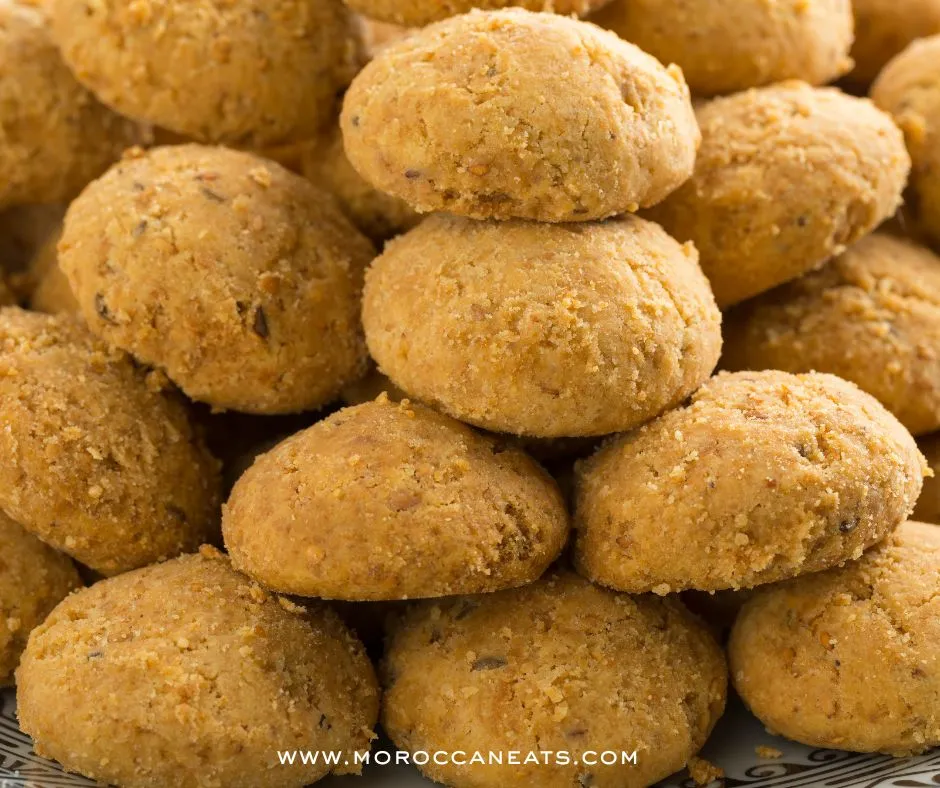
During Eid al-Fitr, when homes are buzzing with excitement, trays of assorted Moroccan cookies take center stage and Ghriba often leads the parade. It’s a cookie that brings generations together: elders pass down the recipe, children shape the dough, and guests admire its signature cracks.
In these moments, Ghriba becomes more than a dessert it’s a symbol of togetherness, generosity, and Moroccan hospitality. Whether served with mint tea or packed as a thoughtful gift, it carries an emotional sweetness that goes beyond sugar.
Regional Variations of Ghriba Recipes
Just like Moroccan dialects shift from Casablanca to Chefchaouen, so does the Ghriba recipe. While sesame Ghriba is a staple in many households, some regions put their own spin on the classic:
- Ghriba Bahla: A version made with flour and butter, famous for its deep cracks and toasted flavor.
- Coconut Ghriba: Light and chewy, often flavored with orange zest.
- Almond Ghriba: Rich and slightly chewy, sometimes dipped in powdered sugar.
- Semolina Ghriba: A heartier version with a coarse texture and deep flavor.
Each variation tells its own story but all remain proudly Moroccan.
Ingredients That Add a Magical Twist
Traditional Ingredients: Simple Yet Soulful
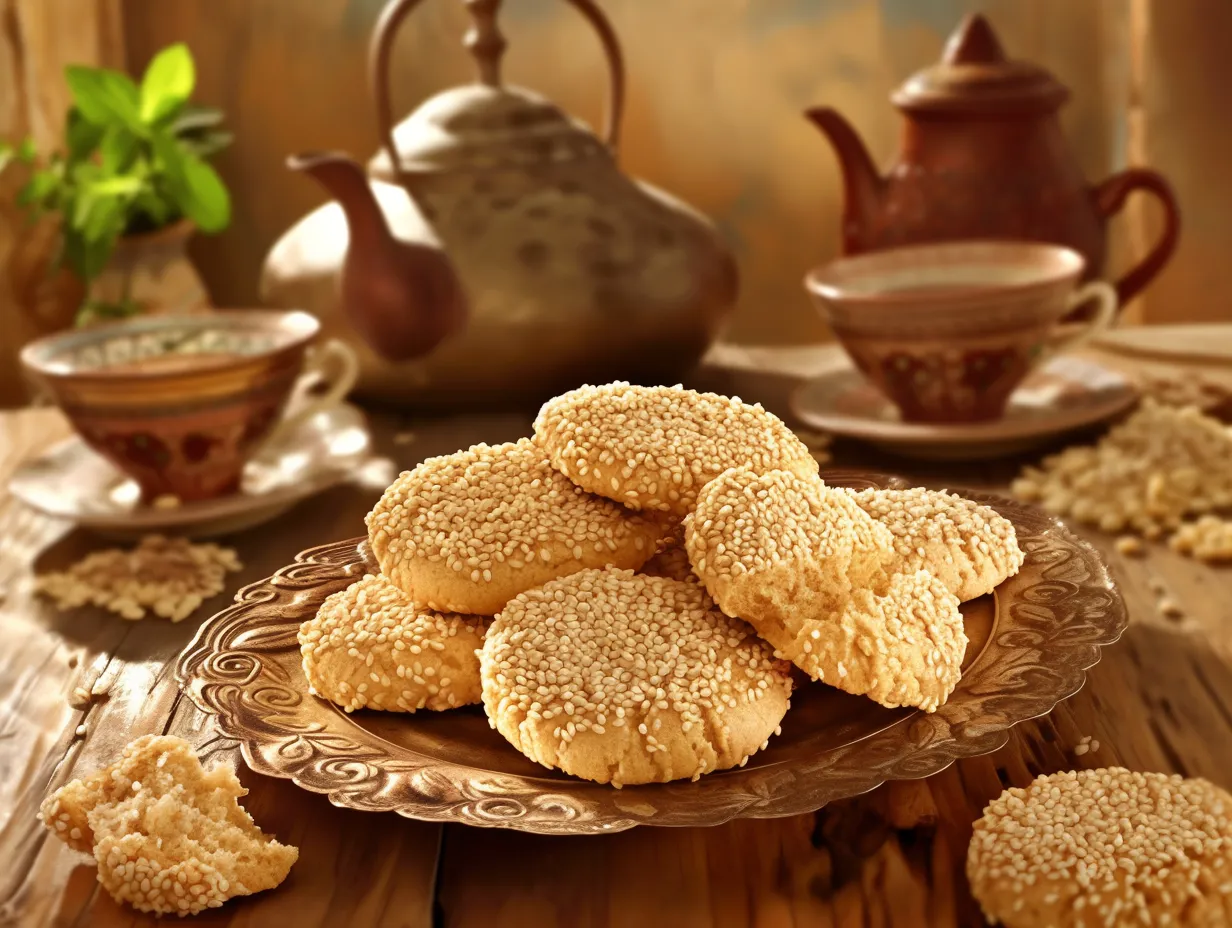
Let’s start with the heart of the recipe the ingredients. Moroccan Ghriba sesame cookies may look rustic, but their ingredient list is purposefully simple. Why? Because it’s not about complexity; it’s about balance and tradition.
Here are the core ingredients that form the backbone of authentic Ghriba:
- All-purpose flour – Gives the cookie its structure.
- Toasted sesame seeds – The star ingredient with deep, nutty flavor.
- Powdered sugar – For a smoother texture and even sweetness.
- Vegetable oil or melted butter – Adds moisture and richness.
- Baking powder – For the slight lift and softness.
- Salt – Just a pinch to round out the flavor.
Don’t let the simplicity fool you when combined just right, these ingredients create something truly magical.
Unique Twists: From Floral to Spiced Aromas
Now, here’s where things get interesting. Want to give your Ghriba a signature twist? Small changes can unlock bold flavors.
Here are some optional magical touches you can experiment with:
- Orange blossom water – Adds floral depth and an authentic Moroccan flair.
- Ground anise or cinnamon – For warmth and complexity.
- Almond flour – A nutty upgrade for extra tenderness.
- Lemon zest – Introduces a bright, citrusy finish.
These aren’t required, but they’re what turn a good cookie into a memorable one.
Optional Add-ins: Customizing Your Ghriba
Love to personalize your bakes? You’re in good company. Moroccan home bakers often customize their Ghriba for family preferences or festive occasions.
Some creative additions include:
- Chopped dates or raisins – Natural sweetness and chew.
- Honey glaze – A glossy, slightly sticky finish.
- Crushed pistachios or walnuts – For a satisfying crunch.
- Coconut flakes – A tropical twist that pairs beautifully with sesame.
Just remember: less is more. Pick one or two add-ins to avoid overwhelming the cookie’s delicate balance.
Ingredient Substitutes for Dietary Needs
Whether you’re baking for health reasons or lifestyle choices, Ghriba can be surprisingly flexible. Here’s a quick guide to adapting the recipe:
| Ingredient | Substitute Option | Why It Works |
|---|---|---|
| All-purpose flour | Gluten-free baking mix | For celiac-friendly cookies with good structure |
| Butter or oil | Coconut oil or vegan butter | Keeps them moist while staying plant-based |
| Powdered sugar | Coconut sugar (blended to powder) | Lower glycemic option with caramel flavor |
| Orange blossom water | Rose water or vanilla extract | Offers a different aromatic profile |
| Sesame seeds | Sunflower seeds (lightly toasted) | A nutty alternative with similar texture |
As you can see, Ghriba is one of those rare traditional cookies that welcomes creativity without losing its soul.
Step-by-Step Guide to Baking Perfect Ghriba
Preparing and Toasting Sesame Seeds
If there’s one aroma that instantly transports you to a Moroccan kitchen, it’s toasted sesame seeds. And trust me, getting this step right sets the tone for the entire recipe.
Here’s how to toast them to perfection:
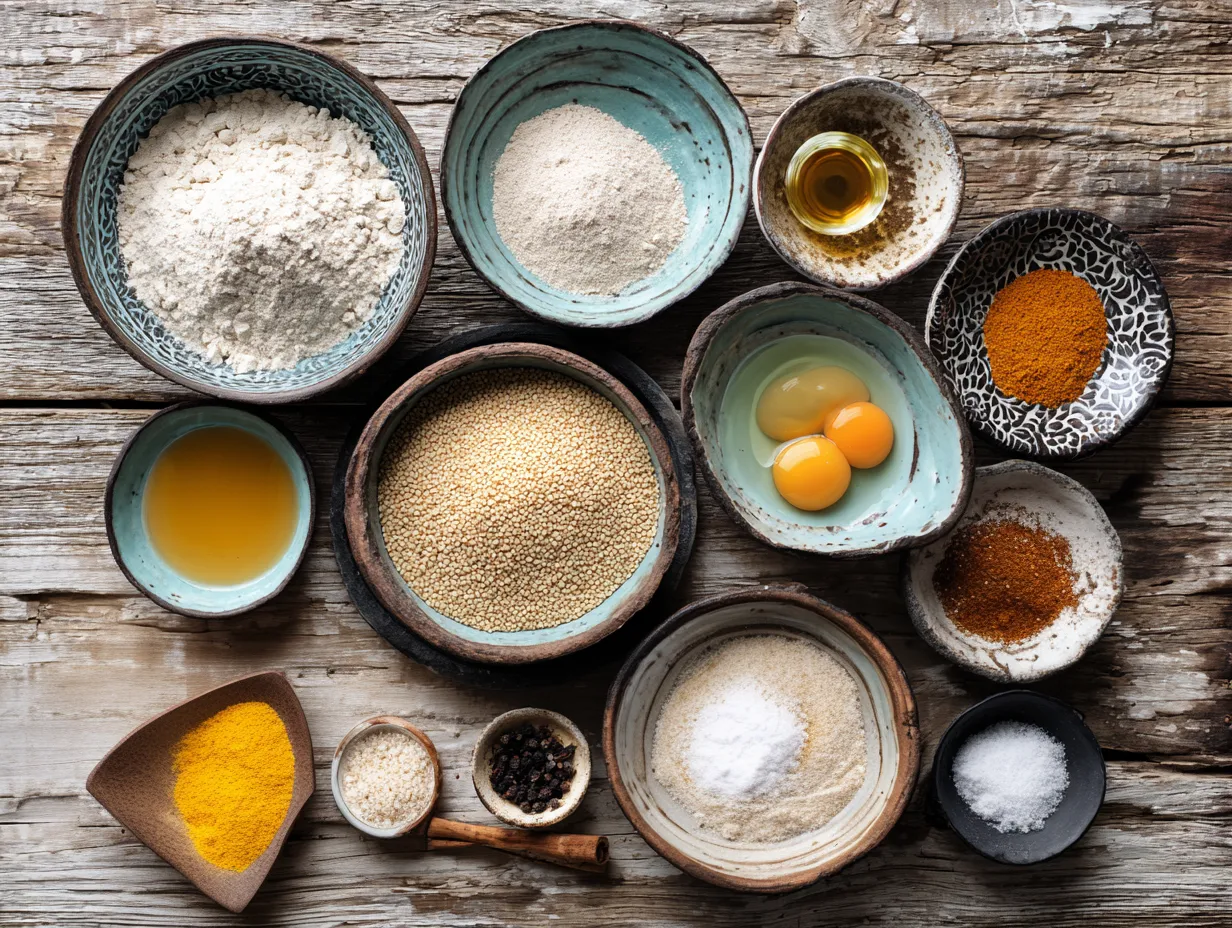
- Place raw sesame seeds in a dry skillet over medium heat.
- Stir continuously for 5–7 minutes, or until golden brown and fragrant.
- Remove immediately and let them cool to avoid over-toasting.
Pro Tip: Toast a large batch and store extras in an airtight jar your future self will thank you.
Mixing the Dough for the Right Texture
The soul of any good cookie lies in the dough. Ghriba dough is unique: soft, slightly crumbly, and rich with sesame flavor. Here’s how to get that melt-in-your-mouth texture just right.
Step-by-step mixing instructions:
- In a large bowl, combine toasted sesame seeds, powdered sugar, baking powder, and a pinch of salt.
- Add your flour, then drizzle in vegetable oil or melted butter gradually while mixing.
- The dough should be slightly moist but not sticky easy to form into balls without crumbling apart.
💡 Optional: Add a splash of orange blossom water here for a subtle, floral boost.
Baking Tips: Oven Settings and Cooling Time
Even the best dough can be ruined with the wrong oven setting. Here’s how to bake your Ghriba to golden, crackled perfection.
Baking Instructions:
- Preheat your oven to 180°C (350°F).
- Line a baking tray with parchment paper.
- Roll the dough into small balls (about 1 inch), then flatten them slightly.
- Place them 1 inch apart to allow for spreading.
- Bake for 12–15 minutes, or until the bottoms are golden (tops may remain pale).
After baking, allow the cookies to cool completely on the tray they’re fragile right out of the oven but firm up beautifully.
Don’t rush the cooling. That delicate, crumbly texture depends on patience.
Common Mistakes and How to Avoid Them
Even seasoned bakers trip up when making Ghriba for the first time. Here’s a quick list to help you avoid the most common pitfalls:
- Too much flour? Your cookies will be dry and dense. Stick to the recipe measurements.
- Overmixing? You’ll lose that signature tenderness. Mix until just combined.
- Overbaking? Ghriba isn’t meant to brown on top watch the bottoms closely.
- No cracks? The dough may be too moist. Try adding a bit more flour next time.
Ghriba rewards attention to detail but don’t stress. With practice, it’s a beautifully forgiving recipe.
How to Serve Ghriba for Maximum Delight
Pairing Ghriba with Traditional Moroccan Drinks
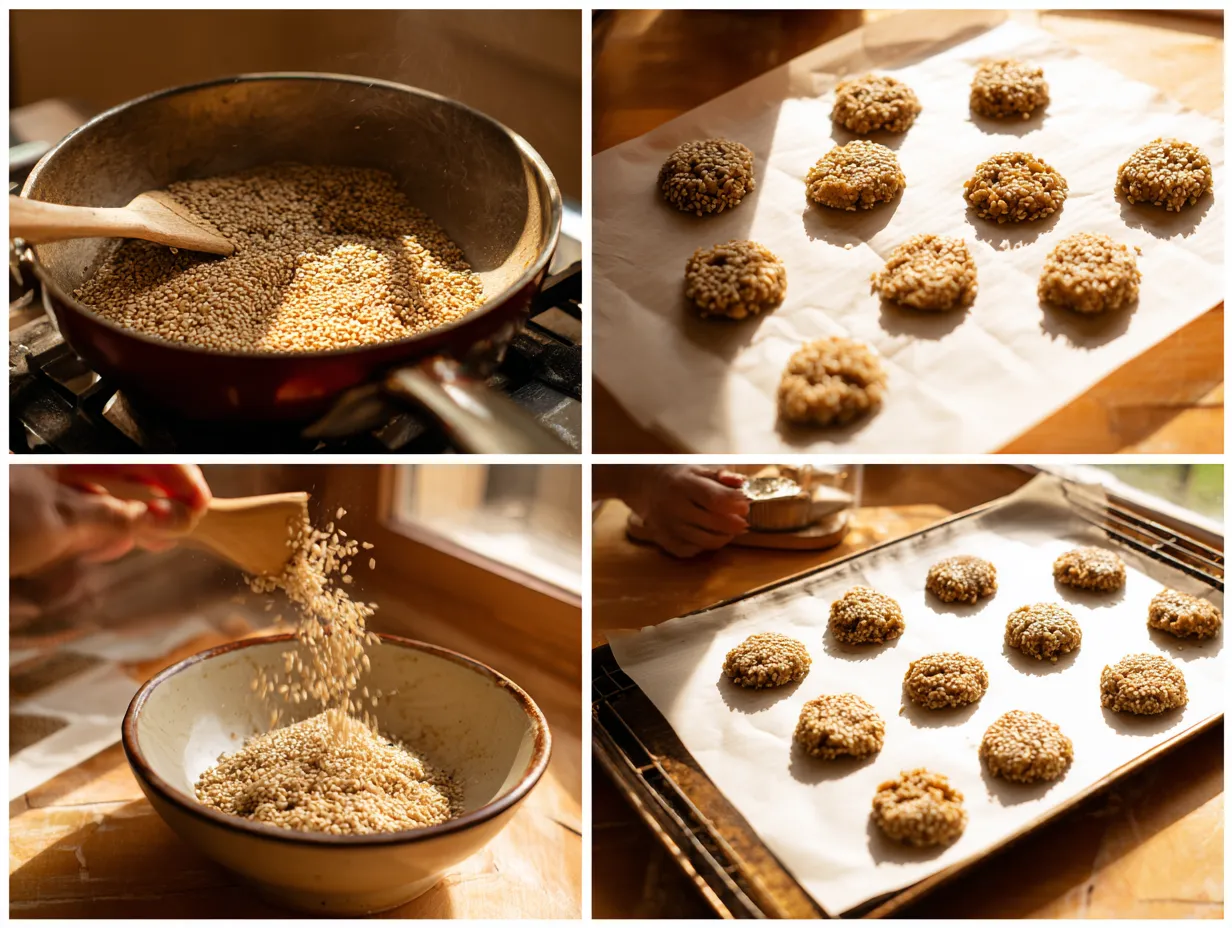
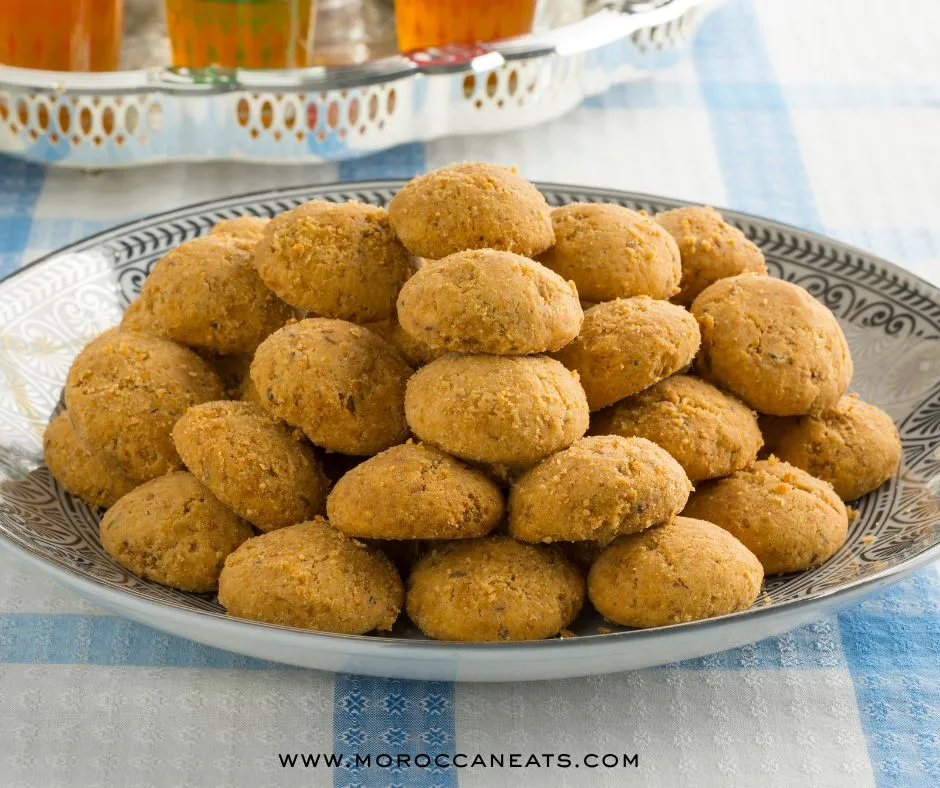
Imagine this: a crumbly, nutty Moroccan Ghriba sesame cookie, still slightly warm, melting in your mouth as you sip a glass of sweet, fragrant Moroccan mint tea. Absolute heaven, right?
Traditionally, Ghriba is served with:
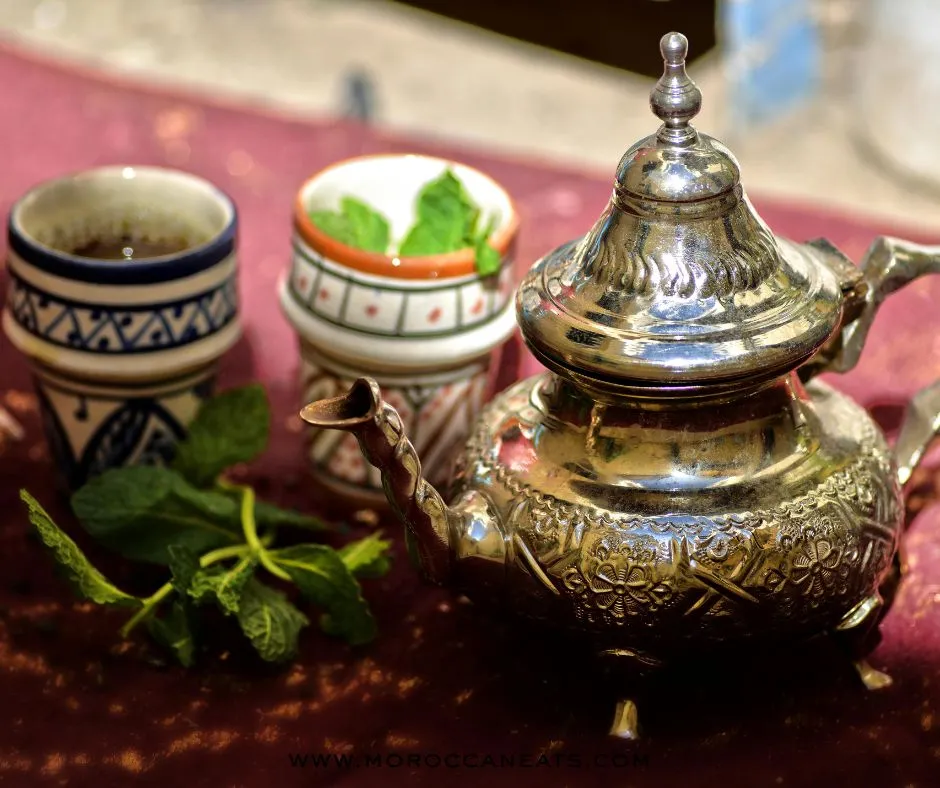
- Atay b’naanaa (Moroccan mint tea) – A sweet, herbal green tea served in ornate silver teapots. The freshness of mint balances the richness of the cookie.
- Strong black coffee – Especially during holidays or late-night visits with family.
- Almond milk or spiced herbal infusions – Popular in modern Moroccan homes, especially during Ramadan.
Serving Tip: Use small decorative glasses for mint tea it enhances both the presentation and experience.
Presentation Ideas for Celebrations and Guests
Presentation matters. And in Morocco, even simple sweets like Ghriba are elevated through visual storytelling.
Whether you’re entertaining friends or preparing a festive tray for Eid, here are some elegant presentation ideas:
- Arrange cookies on a traditional brass or silver tray lined with a lace doily.
- Garnish the plate with a few sprigs of fresh mint, cinnamon sticks, or dried orange slices.
- Serve alongside a colorful tagine dish filled with dates, figs, or other Moroccan pastries.
Not only does this make your cookies look spectacular it also evokes Moroccan hospitality and warmth.
💡 Style it like a souk bakery window, and your guests will feel transported!

Storing Ghriba for Freshness and Flavor
These cookies store beautifully which makes them perfect for gifting or prepping ahead of holidays.
Here’s how to store Ghriba the right way:
- Cool completely before storage to prevent moisture buildup.
- Place in an airtight container lined with parchment paper.
- Store at room temperature for up to 1 week.
- For longer freshness, you can freeze them for up to a month. Just let them thaw at room temp before serving.
Still wondering if they lose their crunch? Not at all. In fact, Ghriba often tastes better the next day, as the flavors settle and deepen.
“In Morocco, even the simplest cookie is an invitation to connect, to share stories, and to celebrate life.”
Fatima El-Wafi, Moroccan culinary storyteller
Nutritional Facts and Smart Storage Tips
What’s Inside a Ghriba? (Nutrition Breakdown)
Let’s be honest cookies aren’t meant to be diet food. But when it comes to Moroccan Ghriba sesame cookies, there’s something refreshing about how real the ingredients are. No additives. No preservatives. Just pure goodness in every bite.
Here’s a quick nutritional overview (based on one average-sized cookie, approx. 25g):
- Calories: ~120
- Total Fat: 6–7g (from sesame seeds and oil)
- Protein: ~2g
- Sugar: ~5–6g
- Carbs: 12–14g
- Fiber: ~1g
And don’t forget the bonus sesame seeds are packed with:
- Calcium
- Magnesium
- Healthy fats (unsaturated)
- Plant-based protein
So, while Ghriba is undeniably a treat, it’s also one of the more wholesome options in the cookie universe. Just stick to a couple and savor slowly.
Small indulgences can be part of a balanced lifestyle especially when made from scratch with love.
How to Store Ghriba for Peak Freshness
You’ve baked a batch of golden, nutty perfection now how do you keep them just as good on day three (or even day ten)? Here’s your quick guide to smart storage:
Short-Term (Up to 7 Days):
- Store in an airtight container at room temperature.
- Separate layers with wax or parchment paper to preserve texture.
- Keep away from sunlight and heat Ghriba prefers cool, dark spaces.
Medium-Term (1–4 Weeks):
- Place in a sealed tin or Tupperware and refrigerate.
- Let cookies come to room temperature before serving to bring back flavor and texture.
Long-Term (Up to 1 Month):
- Freeze in a zip-lock bag or vacuum-sealed pouch.
- To serve, thaw on the counter for 1–2 hours. They’ll taste freshly baked!
Avoid microwaving to thaw Ghriba is delicate and can dry out easily.
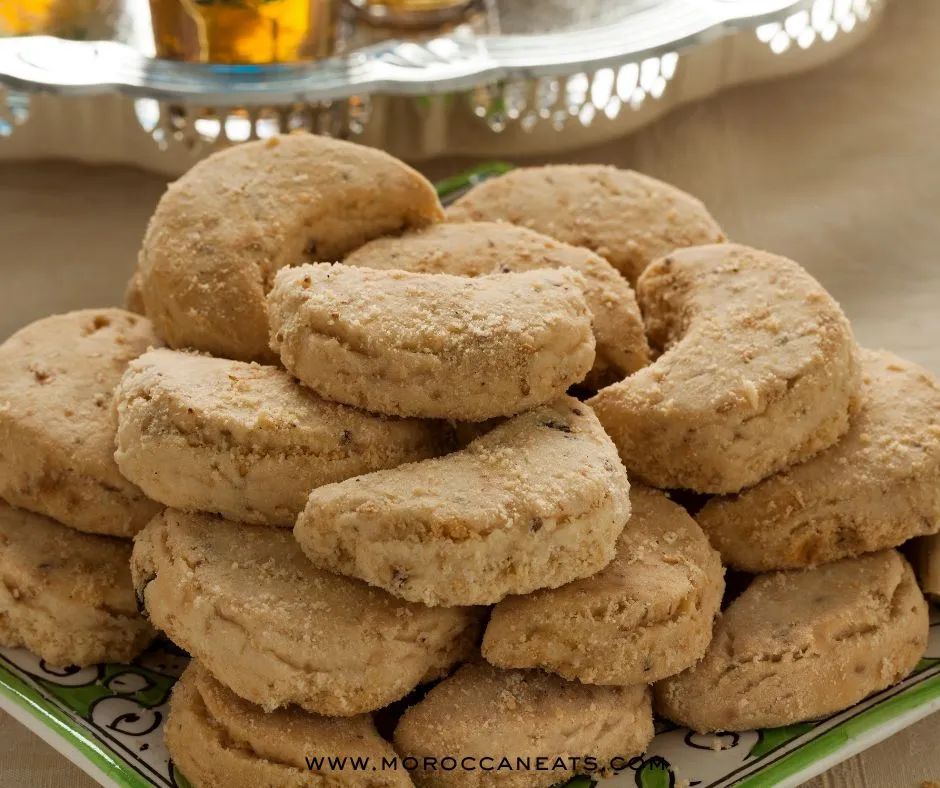
Whether you’re prepping for holidays or gifting them to friends, storing them properly keeps that signature Ghriba melt-in-your-mouth experience intact.
Conclusion: A Cookie That Feels Like Home
There’s something special about recipes that are passed down through generations, and Moroccan Ghriba is no exception. It’s more than a cookie it’s a story, a celebration, and a symbol of Moroccan hospitality.
And the best part? You don’t need to travel to Marrakesh or have a culinary degree to enjoy this magic. With just a few pantry ingredients and a bit of love, you can bring a bite of Morocco into your own kitchen.
So the next time you crave something comforting, cultural, and completely delicious, you know where to turn. Happy baking and don’t forget to share (or not… we won’t judge!).
Q&A: Your Ghriba Questions, Answered
Q: Can I make Ghriba cookies without sesame seeds?
A: Absolutely! You can substitute sesame with ground almonds or even coconut flakes for a twist, though it will slightly alter the traditional taste and texture.
Q: Why didn’t my Ghriba cookies crack on top?
A: Cracks are key! If they didn’t appear, the dough might’ve been too moist. Try adding a little more flour next time, and avoid flattening the cookies too much before baking.
Q: Are Ghriba cookies gluten-free?
A: Traditionally, Ghriba is made with regular flour. But you can try gluten-free flour blends or almond flour for a GF-friendly version.
Q: How long can I store Ghriba?
A: Stored in an airtight container, they stay fresh for 5–7 days at room temp, and up to a month in the freezer.
Q: Is orange blossom water necessary?
A: Not at all, but it adds a beautiful, floral depth that enhances the authentic Moroccan flavor. Totally optional—yet delightful!