
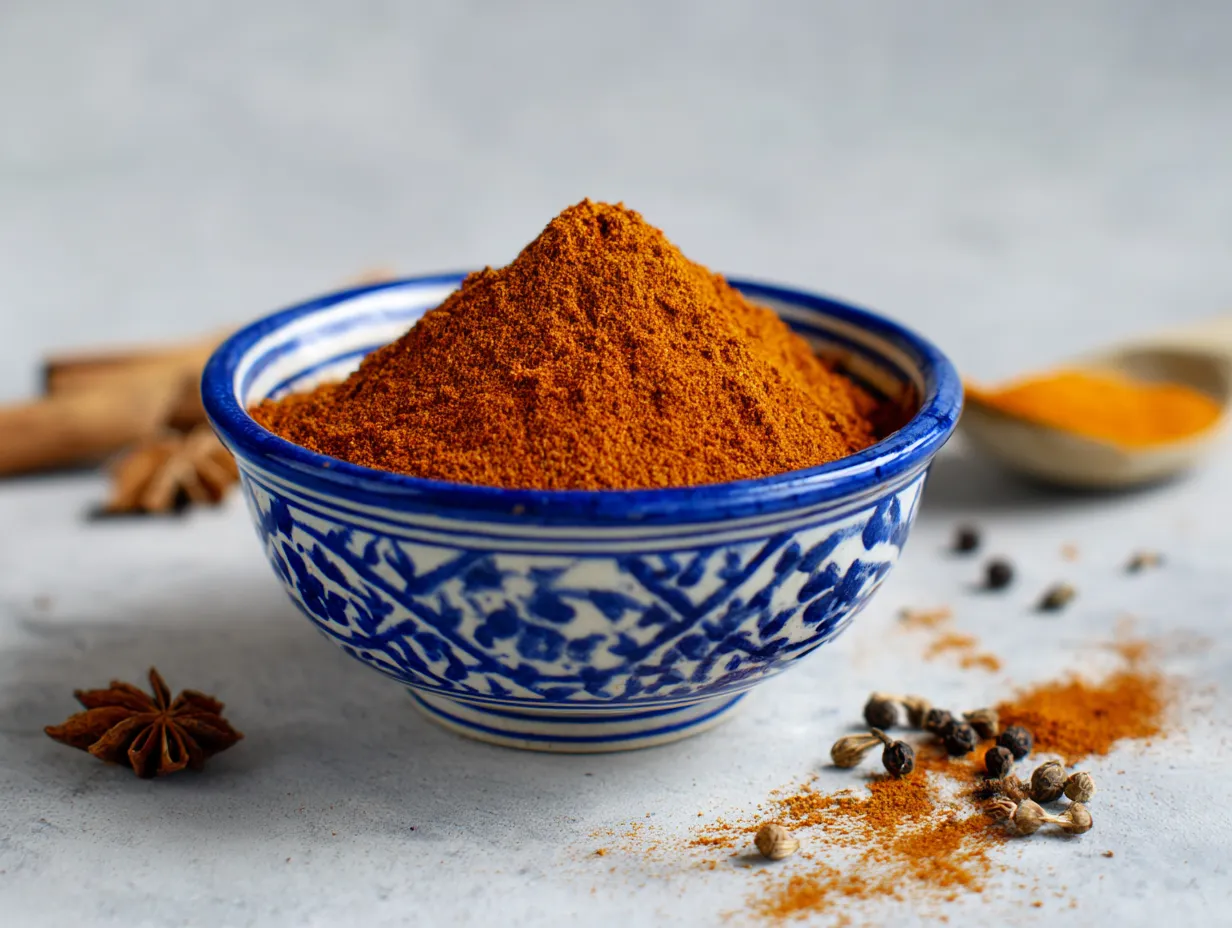
Introduction: Unlock the Magic of Ras El Hanout in Minutes
Ever wish your dishes could taste like they came straight out of a Moroccan kitchen rich, fragrant, and unforgettable?
That’s exactly what the Ras El Hanout spice blend brings to your table.
In just 5 minutes, you can craft a powerful, aromatic mix that transforms everyday meals into flavorful journeys. Whether you’re new to Moroccan cooking or a seasoned spice lover, this DIY recipe puts authentic North African flavor right at your fingertips.
So grab your spices, and let’s blend a little magic.
Key Takeaways at a Glance
If you’re short on time or just skimming, here are the essentials you need to know:
- Ras El Hanout means “top of the shop” and represents a curated mix of a spice seller’s best.
- The blend is fully customizable use as few as 10 spices or as many as 30.
- It adds depth to tagines, couscous, grilled meats, veggies, and even popcorn.
- You can make a batch in just 5 minutes using common pantry spices.
- Proper storage keeps your blend fresh for 4–6 months.
- Toasting whole spices before grinding elevates the flavor dramatically.
Table of Contents
What Is Ras El Hanout?
Origins in Moroccan Cuisine
If you’ve ever wandered through a spice market in Marrakech or even just browsed a world foods aisle you’ve likely encountered the term Ras El Hanout. But what exactly is it?
Let’s demystify this magical Moroccan spice blend.
Ras El Hanout literally translates to “head of the shop” in Arabic, and for good reason. Traditionally, it’s a hand-selected combination of the best spices a merchant has to offer the top-shelf stuff. There’s no one-size-fits-all recipe; each blend is a unique signature, often passed down through generations.
That’s what makes Ras El Hanout so exciting: it’s less a recipe, and more a story told through scent and flavor.
Meaning of “Ras El Hanout”
This phrase isn’t just poetic it tells you something about the luxurious nature of this spice mix. Merchants prided themselves on crafting a blend that showcased their finest offerings, often including 12 to 30 spices like:
- Warm cinnamon
- Earthy coriander
- Fragrant cardamom
- Sweet allspice
- Smoky paprika
- Golden turmeric
Think of it as Morocco’s answer to a culinary symphony complex, balanced, and deeply aromatic.
How It Differs from Other Spice Blends
You might be wondering: Isn’t this just another curry mix or garam masala?
Not quite.
While it shares some common ingredients with Indian or Middle Eastern blends, Ras El Hanout is uniquely North African, often incorporating exotic additions like rose petals, lavender, or even dried ash berries giving it a floral yet spicy depth that’s hard to replicate.
Here’s how it stands out:
| Feature | Ras El Hanout | Garam Masala | Curry Powder |
|---|---|---|---|
| Origin | Morocco/North Africa | India | UK-Indian Fusion |
| Common Ingredients | Cinnamon, cumin, rose petals | Clove, cinnamon, nutmeg | Turmeric, coriander, fenugreek |
| Floral Notes | Often included | Rare | Almost never |
| Heat Level | Mild to medium | Medium | Medium to hot |
Traditional vs. Modern Versions
Traditionally, spice sellers would grind your Ras El Hanout fresh on the spot often asking about your cooking preferences. Today, you can find pre-blended versions in stores, but making it yourself takes just 5 minutes and allows for full customization (yes, even with what’s already in your pantry).
Modern versions often simplify the blend for convenience, but you can still capture the magical aroma and layered complexity of the traditional recipe with the right combination of homemade spices.
Why It Belongs in Every Kitchen
Whether you’re simmering a lamb tagine, seasoning roasted veggies, or upgrading a grain bowl, Ras El Hanout adds an unmistakable warmth and depth that transforms ordinary meals into something extraordinary.
🟠 Pro Tip: Start small. A half teaspoon goes a long way, especially if you’re new to Moroccan cooking.
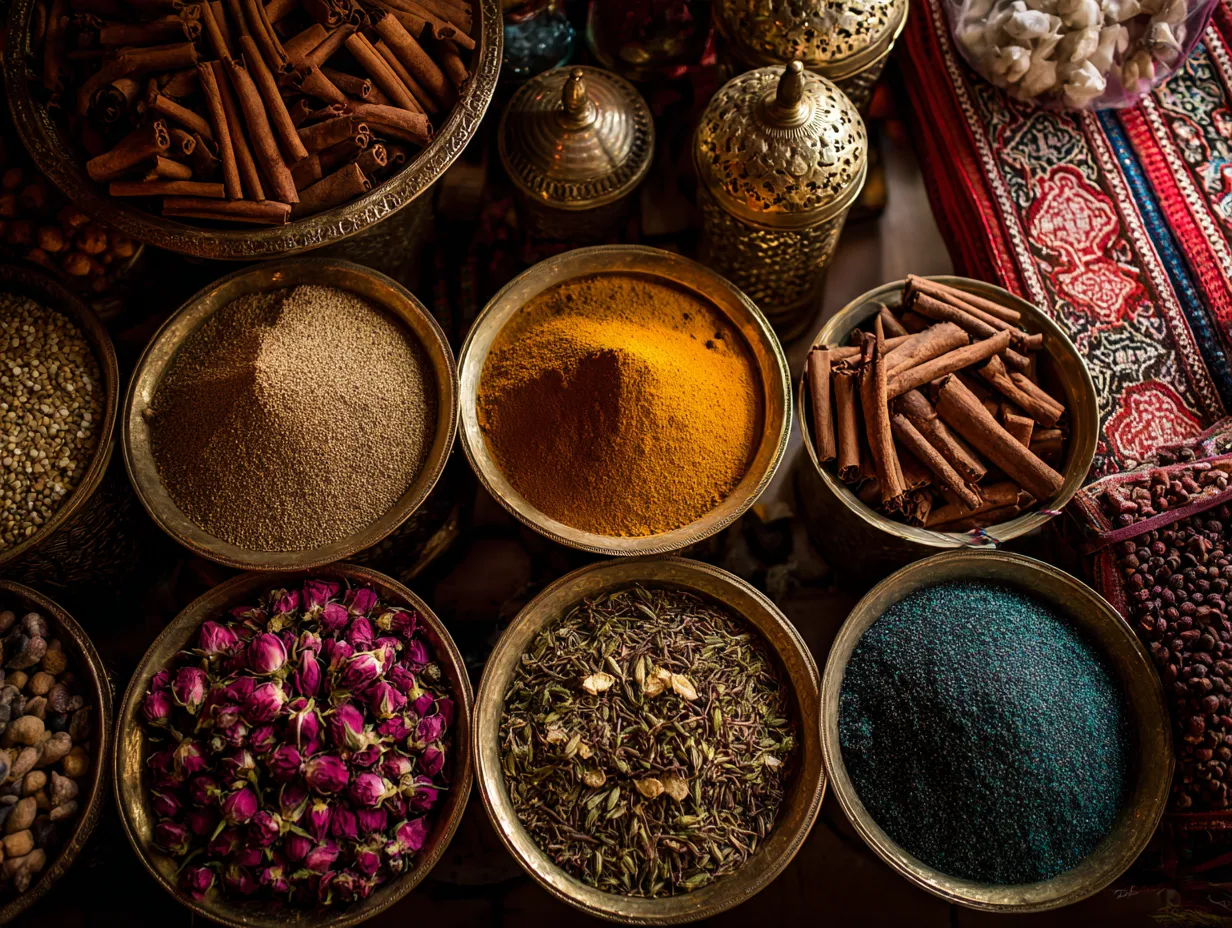
Ingredients You’ll Need
Common Spices in Ras El Hanout
So, what exactly goes into a Ras El Hanout spice blend?
Here’s the magic: there’s no single “authentic” recipe but there is a winning combination of aromatic, earthy, and subtly sweet spices that makes this blend unforgettable.
Let’s break it down into the essentials you’ll want in your own kitchen. These are easy to source, pantry-friendly, and form the base of a warm, Moroccan spice mix you’ll reach for again and again.
Whether you’re blending for a tagine or spicing up roasted veggies, this is your flavor foundation.
Essential Ingredient List
| Quantity | Ingredient |
|---|---|
| 2 tsp | Ground cumin |
| 2 tsp | Ground coriander |
| 1½ tsp | Ground cinnamon |
| 1½ tsp | Ground ginger |
| 1 tsp | Ground turmeric |
| 1 tsp | Sweet paprika |
| 1 tsp | Ground black pepper |
| ½ tsp | Ground cardamom |
| ½ tsp | Ground allspice |
| ¼ tsp | Ground nutmeg |
| ¼ tsp | Ground cloves |
| Optional pinch | Ground cayenne (for heat) |
| Optional ½ tsp | Crushed rose petals (for floral note) |
| Optional pinch | Saffron threads (for luxury) |
Optional Luxury Spices
Want to level up? Some traditional Moroccan spice sellers add a few extravagant touches perfect if you’re aiming for a truly authentic North African spice blend.
Consider adding:
- 🌹 Dried rose petals – for a fragrant floral finish
- 💎 Saffron threads – rare, but incredibly aromatic
- 🌿 Lavender buds – subtle but sophisticated
These aren’t necessary, but they add layers of complexity that make your homemade Ras El Hanout feel like it came straight from a Marrakech market stall.
Substitutions & Smart Swaps
Don’t have everything on hand? No stress. Try these smart swaps without losing the soul of the spice blend:
- Coriander substitute: Try fennel for a sweet, herbal note.
- Turmeric missing? Add a bit more ginger for warmth.
- Paprika out? Smoked paprika adds depth and a twist.
This flexibility makes DIY Ras El Hanout perfect for experimentation, especially if you’re new to homemade spice blends.
Where to Buy High-Quality Spices
Not all spices are created equal. If you’re not grinding them fresh, aim for organic and non-irradiated options from:
- Local spice shops or cooperatives
- Online stores like Burlap & Barrel, Spice House, or Mountain Rose Herbs
- International markets with Middle Eastern or North African ingredients
🟢 Pro Tip: Store your blend in an airtight jar, away from light and heat. It’ll stay vibrant for up to 6 months.
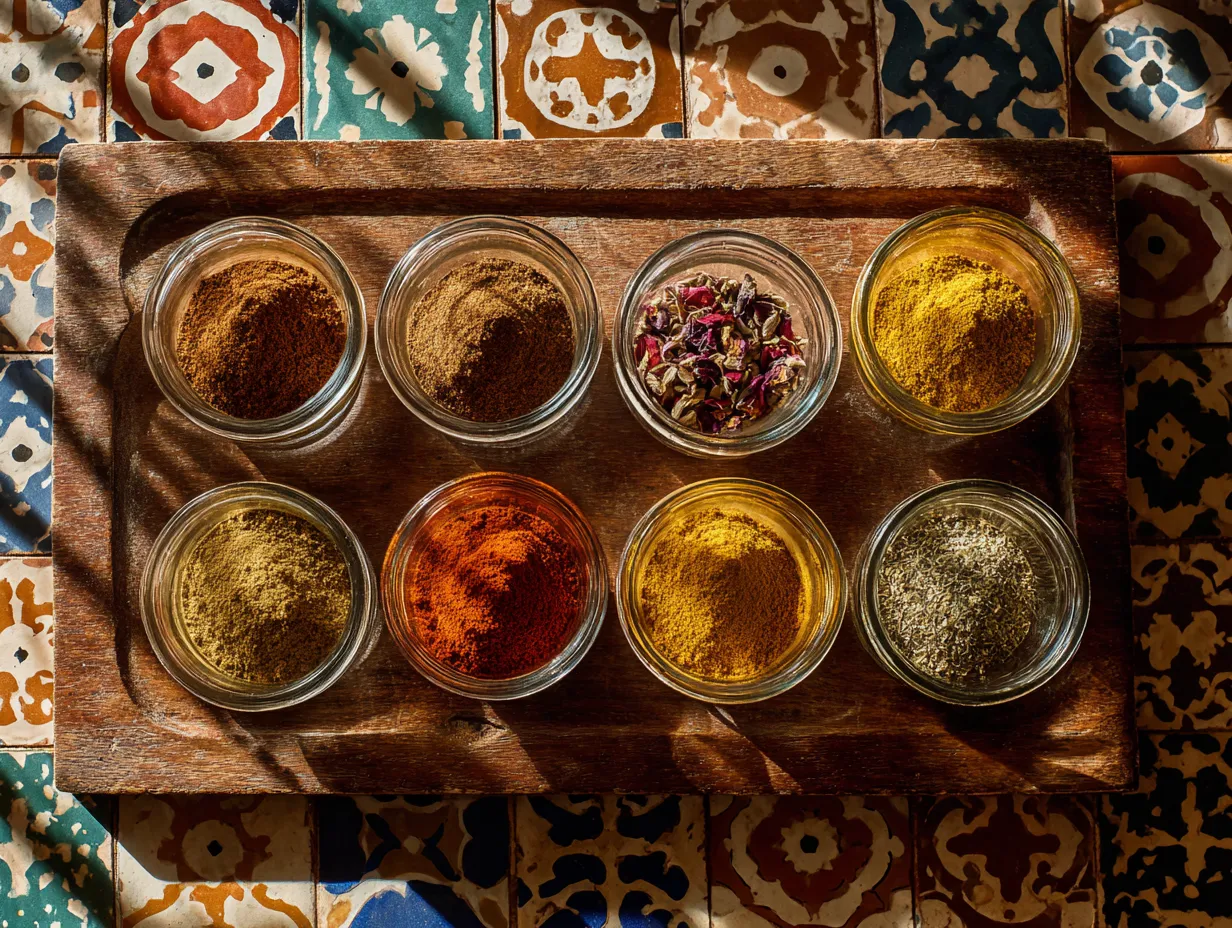
How to Make Ras El Hanout in 5 Minutes
Step-by-Step Mixing Guide
Ready to bring the magic of Moroccan flavor to your kitchen in just five minutes?
Whether you’re a culinary enthusiast or a beginner who’s just starting to explore homemade spice blends, this quick process delivers big on aroma, taste, and satisfaction. You’ll be amazed how just a few pantry staples, when combined thoughtfully, can turn into a powerhouse blend.
Here’s how to do it in three easy steps:
1. Gather Your Spices
Make sure all your ingredients are pre-measured and laid out. You’ll want your spices ground finely for best results (you can use a coffee grinder or mortar and pestle if starting from whole seeds).
This is your mise en place moment!
2. Mix Them Thoroughly
In a small bowl or spice jar, combine your spices. Here’s where the magic happens.
💡 Pro Tip: Sift the blend through a fine-mesh strainer to remove clumps and ensure even texture.
Gently stir or shake the mix until it’s completely blended. Your kitchen should smell warm, floral, and just a little spicy that’s how you know it’s working!
3. Store It Right
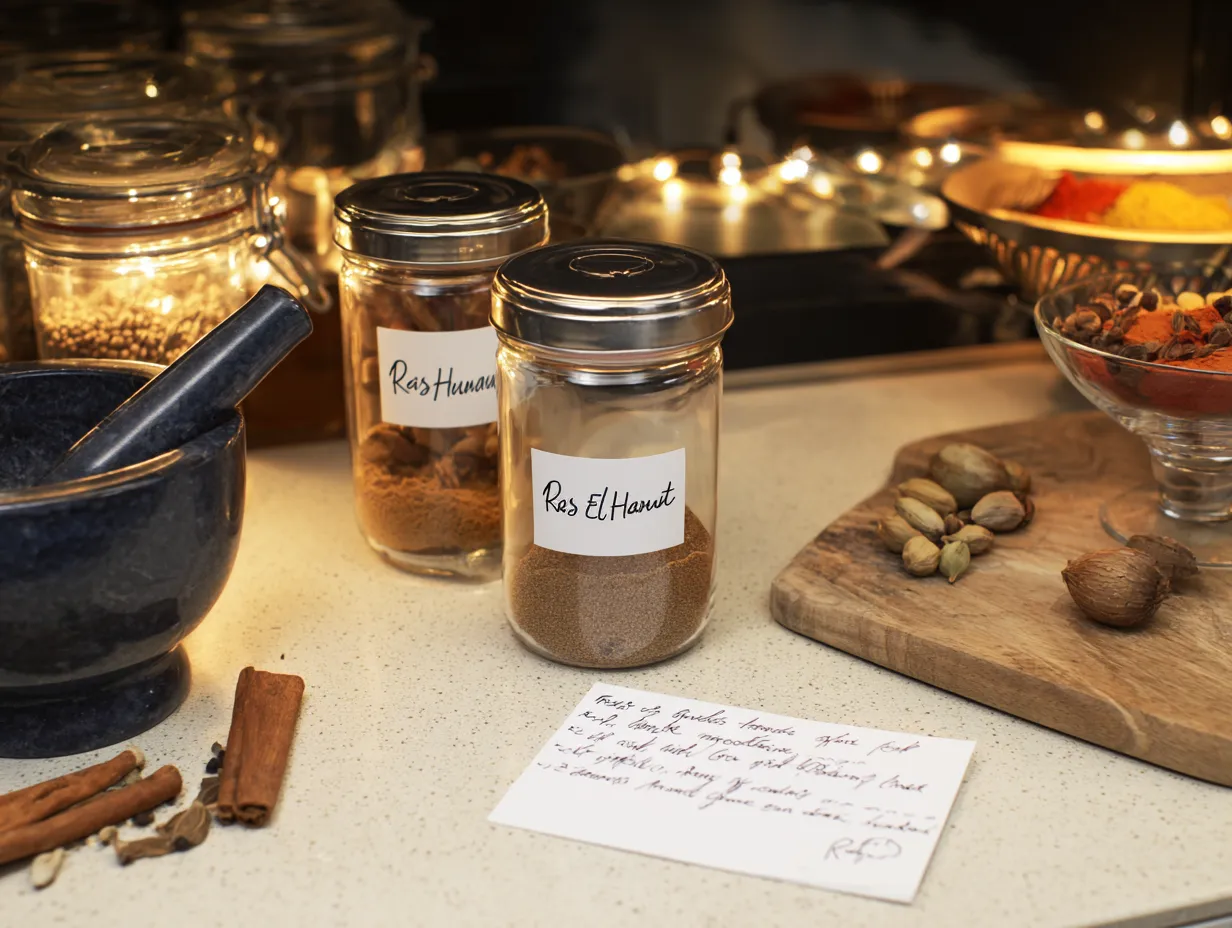
Transfer your Ras El Hanout blend to an airtight glass jar. Label it with the date and name you’ll thank yourself later!
Storage Tips:
- Keep in a cool, dark place
- Use within 6 months for maximum potency
- Avoid storing near heat sources like stoves or ovens
Tools and Storage Tips
Don’t overcomplicate it. Here’s what you need:
- ✅ Small mixing bowl or glass jar
- ✅ Measuring spoons
- ✅ Funnel (for mess-free transfers)
- ✅ Optional: mortar & pestle or spice grinder
Batch Size and Scaling Options
Cooking for a crowd or prepping gifts? No problem!
To double the recipe:
- Multiply each spice by 2
- Mix and store in a larger jar
You can also create Small Sample Jars as thoughtful homemade gifts perfect for foodies or host/hostess baskets!
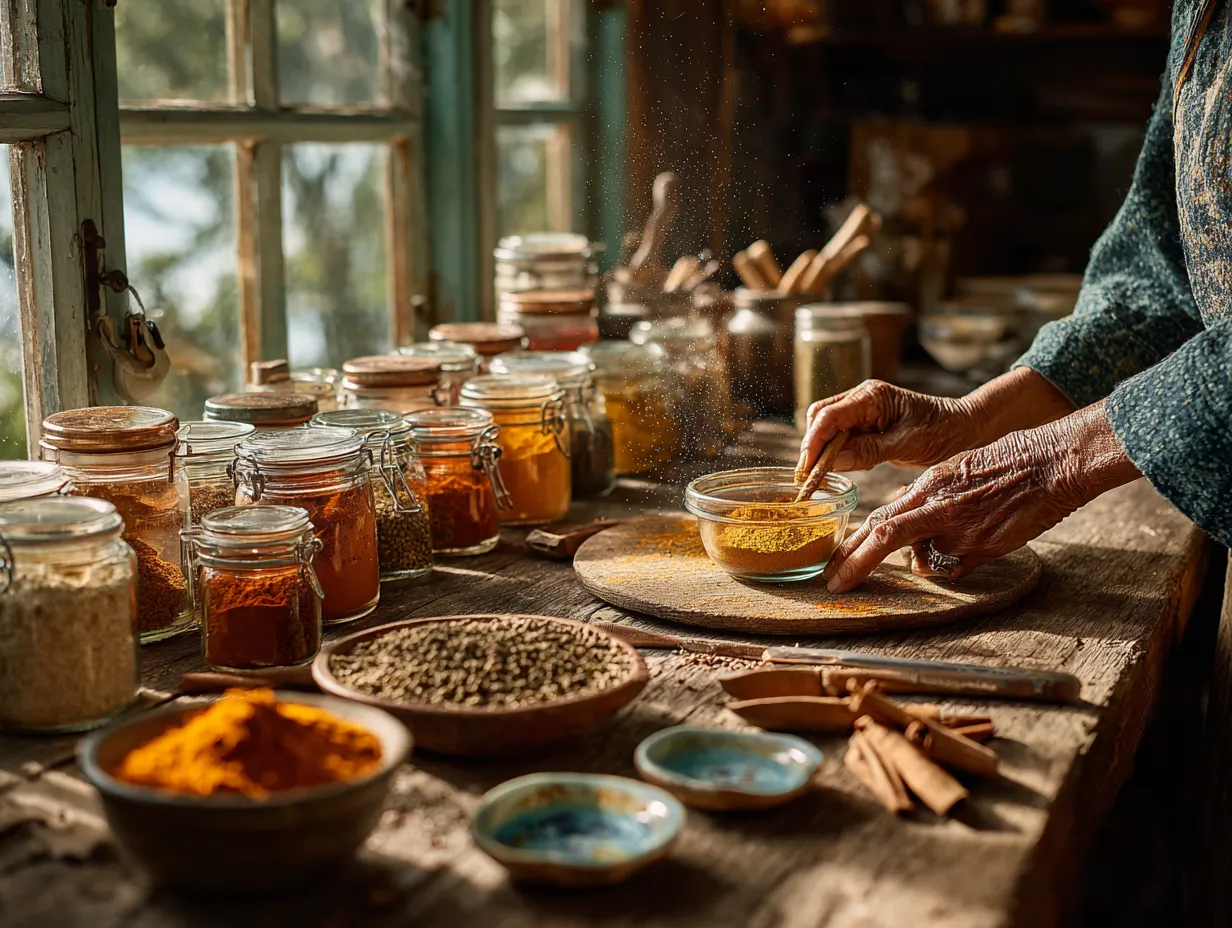
How to Use Ras El Hanout in Cooking
Best Dishes to Try
So, you’ve made your own Ras El Hanout. Now what?
This blend is incredibly versatile think of it as your shortcut to authentic Moroccan flavor. It adds warmth, depth, and that mysterious “what’s in this?” quality to almost any dish.
Here are a few classic ways to use it:
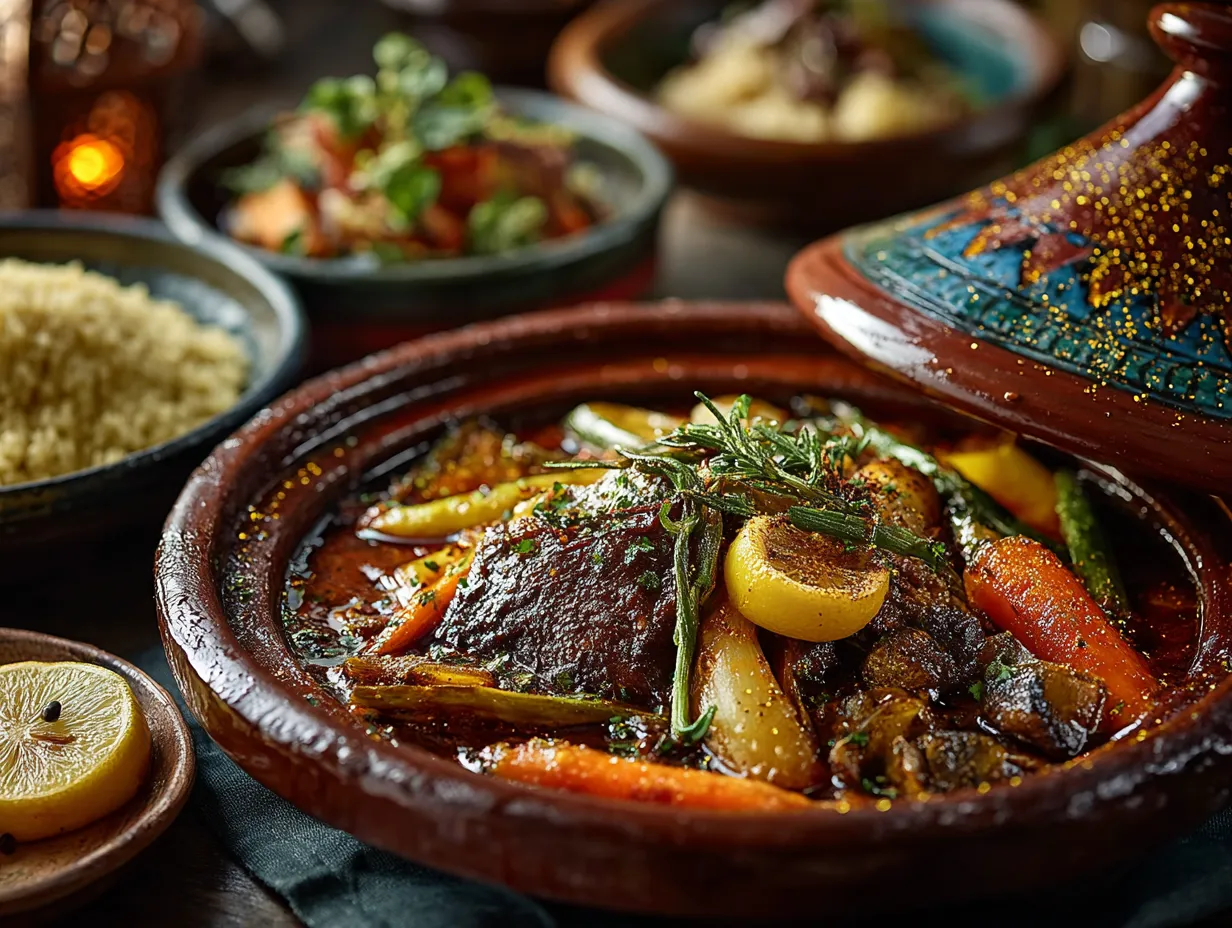
- 🍲 Tagines – This is where Ras El Hanout truly shines. Add 1–2 teaspoons to a lamb or vegetable tagine for a rich, spiced profile.
- 🍚 Couscous or rice dishes – Stir a pinch into the cooking water for a subtly aromatic base.
- 🥘 Soups and stews – Add at the sauté stage with onions and garlic for an extra layer of depth.
Creative Uses You’ll Love
The beauty of this spice mix is how well it works beyond traditional Moroccan recipes. Don’t be afraid to experiment:
- Dry rub for meats or tofu – Combine Ras El Hanout with olive oil and salt for a mouthwatering marinade.
- Spice up salad dressings – Mix a pinch into lemon juice and olive oil for an exotic vinaigrette.
- Dust it on roasted veggies or popcorn – A game-changer for snack time.
💡 Tip: Less is more. Start with ½ teaspoon and adjust to taste you want to enhance, not overpower.
Dos and Don’ts When Cooking with It
Like all powerful flavors, Ras El Hanout works best with a little finesse. Here are a few helpful pointers:
✅ DO:
- Bloom the spices in oil before adding other ingredients
- Pair it with sweet elements like dried apricots or honey
- Use it in layered dishes like casseroles or grain bowls
❌ DON’T:
- Overuse it start small, especially if you’re unfamiliar with the blend
- Add it at the end of cooking it needs time to meld with the dish
- Combine it with too many other spice blends (let it lead!)
Flavor Profile & Pairings
Ras El Hanout offers a warm, earthy base, lifted by floral, sweet, and slightly spicy notes. It pairs beautifully with:
- Proteins: lamb, chicken, chickpeas, lentils
- Veggies: carrots, sweet potatoes, zucchini
- Grains: couscous, quinoa, farro
The result? Rich, soul-warming meals that feel both familiar and exotic.
“Spices are the storytellers of cuisine. Ras El Hanout? That’s a novel in every bite.” Amina Belkadi, Moroccan Food Historian
Final Tips and Flavor Enhancements
How to Toast Spices for Extra Aroma
Want to take your Ras El Hanout to the next level?
A simple technique like toasting your spices can unlock even more depth and richness. It’s an optional step but one that makes a noticeable difference, especially if you’re starting with whole spices.
Here’s how to do it:
- Use a dry skillet over medium heat.
- Add whole spices (like cumin, coriander, or fennel seeds).
- Toast for 1–2 minutes, stirring often, until fragrant.
- Cool completely before grinding and mixing.
Toasting releases the natural oils in spices, intensifying their flavor and adding subtle smokiness. It’s a small step with big rewards.
Preserving Freshness and Aroma
Like all good things, freshness matters especially when you’re crafting homemade blends.
Here’s how to make sure your Ras El Hanout stays vibrant and aromatic for months:
- 🫙 Store in an airtight glass jar (avoid plastic, which can leach odor)
- ☁️ Keep it cool and dark a pantry or spice drawer is ideal
- 📅 Label it with the date and use within 4–6 months for peak potency
If you’re making large batches, consider dividing them into smaller jars and sealing the extras in vacuum bags.
Customizing Your Blend to Taste
Ras El Hanout is personal it’s a reflection of your flavor preferences. Don’t hesitate to tweak your blend as you explore different recipes or cuisines.
Here are some ways to personalize it:
- 💐 Want a floral edge? Add a bit more rose petal or lavender.
- 🌶️ Craving heat? Increase the cayenne or add Aleppo pepper.
- 🍊 Prefer a citrusy lift? Add dried orange peel or lemon zest.
- 🍫 Looking for depth? A pinch of cocoa powder can round out the blend beautifully.
✨ Think of it as your kitchen’s signature spice blend one that evolves with your tastes.
Common Mistakes to Avoid
Even seasoned home cooks can run into spice-blend hiccups. Here’s what to watch out for:
❌ Don’t:
- Overload with too many strong spices (like cloves or nutmeg)
- Forget to grind your spices finely it affects texture and taste
- Store near heat or light (your stove is not your spice rack!)
✅ Do:
- Start with small batches until you perfect your personal blend
- Taste as you go when cooking with Ras El Hanout it’s potent!
- Keep experimenting it’s a flexible blend, not a fixed formula
Final Thought:
The beauty of Ras El Hanout isn’t just in the taste it’s in the journey of making it your own. You’ve learned to blend, mix, cook, and enhance like a Moroccan spice master. Now all that’s left is to bring the flavor to your table.
Conclusion: Your Signature Spice Awaits
The beauty of making your own Ras El Hanout isn’t just in the aroma or taste it’s in the ownership. You’re not just replicating Moroccan cuisine; you’re participating in it, honoring tradition while creating something distinctly your own.
So go ahead:
- Experiment.
- Personalize.
- Spice boldly.
Once you experience the warmth, complexity, and subtle sweetness this blend offers, you’ll never go back to store-bought again.
Q&A: Common Questions About Ras El Hanout
Q1: Can I use Ras El Hanout in non-Moroccan recipes?
Absolutely! It’s fantastic in roasted vegetables, stews, rice, rubs for grilled meats, and even vinaigrettes. Get creative!
Q2: What if I don’t have all the spices?
Start with what you have focus on warm spices like cumin, cinnamon, and coriander. Then build out your blend over time.
Q3: Is Ras El Hanout spicy?
It’s usually mild to medium. You can control the heat by adjusting the amount of cayenne or chili powder.
Q4: How long does a homemade spice blend last?
If stored properly in a cool, airtight jar, your Ras El Hanout will stay fresh and flavorful for up to 6 months.
Q5: What dishes pair best with Ras El Hanout?
Start with lamb tagine, couscous, and roasted carrots. Then try it in quinoa bowls, rubs, soups, or even lentil stew.