
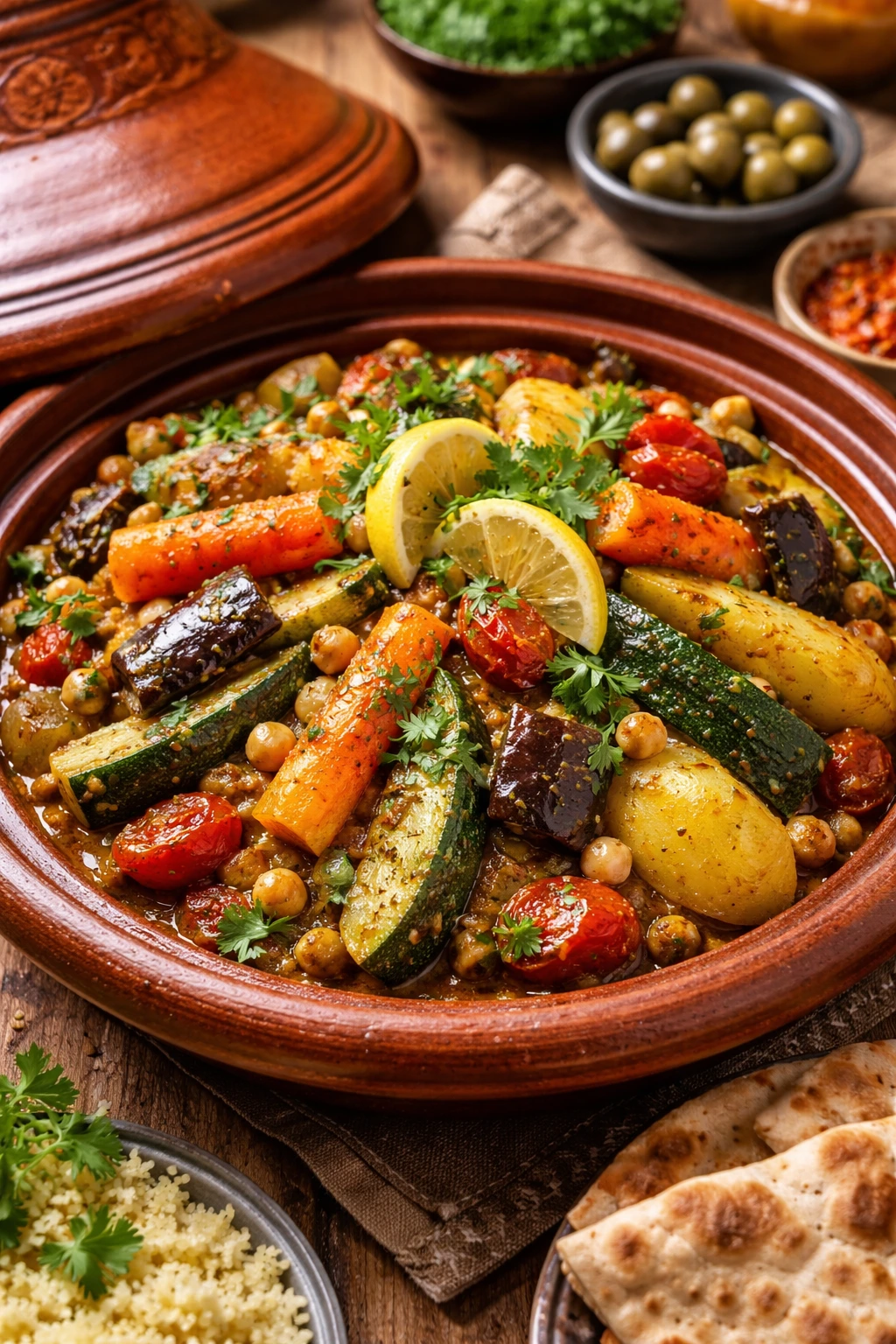
Understanding a Hearty Vegetable Dish
What exactly makes a meal feel hearty the kind that satisfies you deeply, even without meat? If you’ve ever finished a bowl of slow-cooked vegetables and felt genuinely comforted, you already know the answer isn’t about portion size alone. A hearty dish of vegetables with traditional seasoning is about intention, balance, and flavor built the right way.
This kind of dish doesn’t rush. It invites you in. And most importantly, it proves that vegetables when treated with care can be just as filling and memorable as any classic comfort food.
What Makes a Dish Truly “Hearty”?
“Hearty” is one of those words we feel before we define. From a culinary perspective, it usually means a dish that delivers:
- Depth of flavor developed through layering herbs, spices, and aromatics
- Textural contrast, often from root vegetables paired with softer elements
- Satisfaction, where you feel nourished, not just fed
A hearty vegetable dish relies on smart combinations think slow-cooked onions, tender carrots, earthy potatoes, and a seasoning profile that builds warmth over time. Traditional seasoning plays a huge role here, anchoring the dish in familiar, comforting flavors that feel timeless rather than trendy.
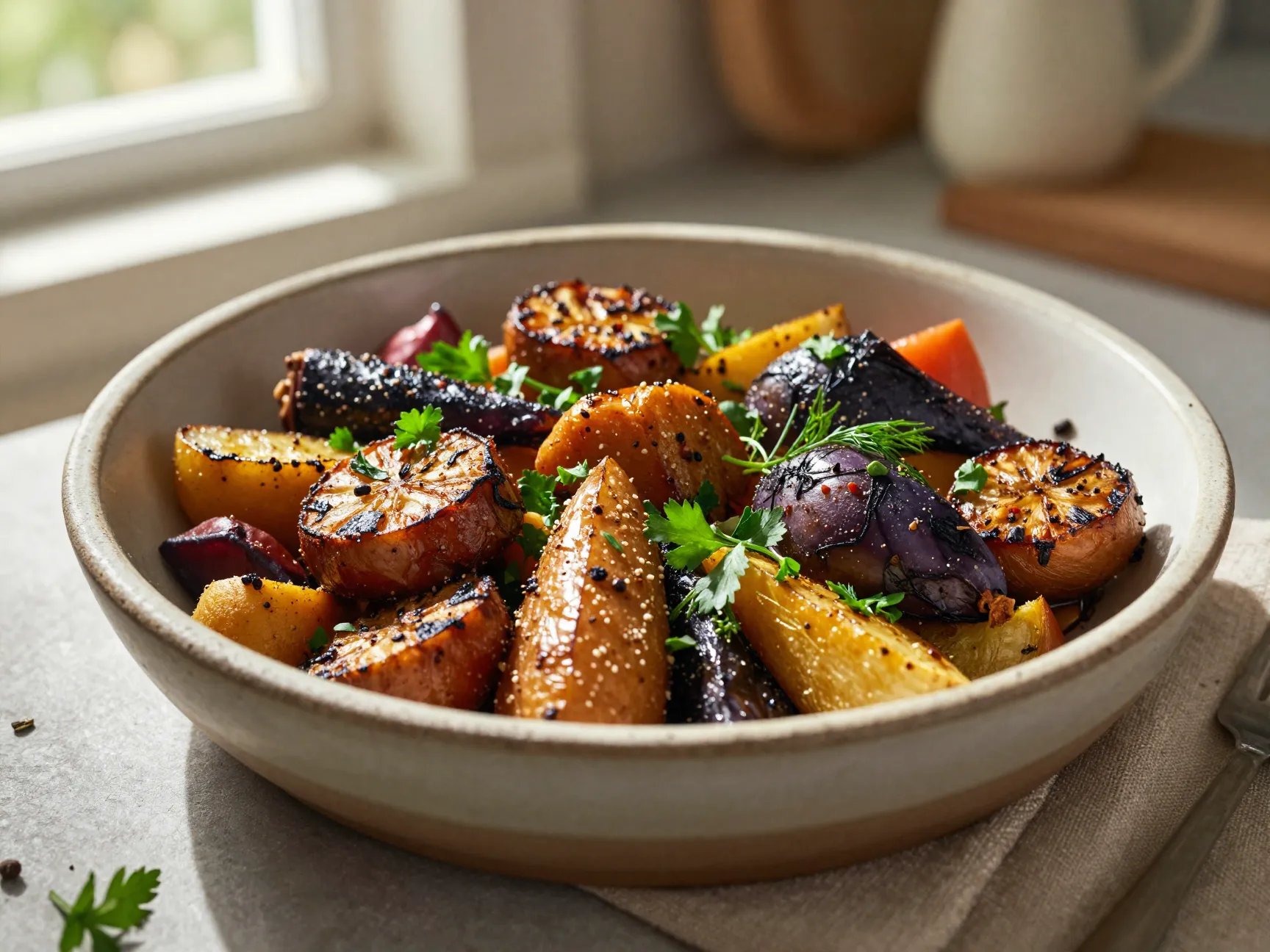
Why Vegetables Excel in Comfort Cooking
Here’s a question worth asking: why do vegetables work so well in comfort food when prepared traditionally?
The answer lies in how vegetables respond to classic cooking methods. When simmered, roasted, or gently stewed, vegetables naturally release sugars and absorb seasoning, creating richness without heaviness. This is why rustic vegetable meals have endured across cultures they’re practical, affordable, and deeply satisfying.
Key reasons vegetables shine in hearty recipes include:
- They absorb herbs and spices exceptionally well
- Seasonal vegetables offer peak flavor and nutrition
- Plant-based comfort meals feel filling without feeling heavy
For readers looking to eat more plant-forward meals, a well-seasoned vegetable dish becomes an easy, welcoming entry point rather than a compromise.
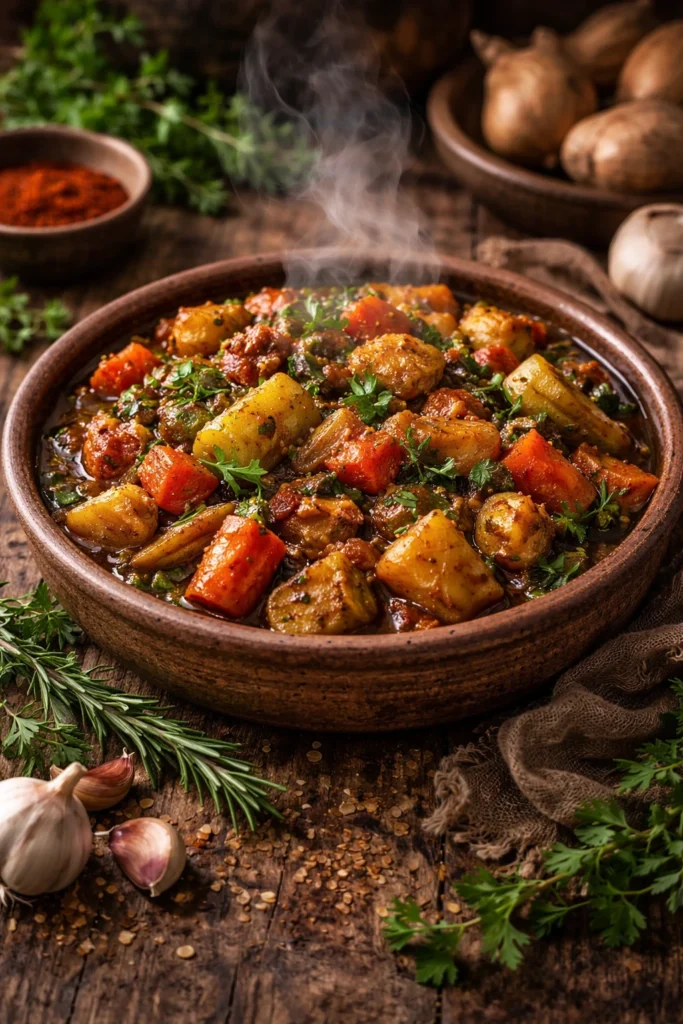
The Role of Traditional Seasoning in Flavor Magic
Traditional seasoning is where the “magic” truly happens. Unlike modern, shortcut-heavy blends, classic seasoning focuses on balance herbs, spices, fat, and time working together. Garlic, onions, dried herbs, and gentle spices don’t compete; they collaborate.
This approach creates:
- Consistency – flavors that develop evenly from first bite to last
- Cultural connection – tastes passed down through generations
- Natural umami – depth without relying on artificial enhancers
If you enjoy exploring flavor, this is the perfect place to experiment subtly adjusting herb ratios or cooking time while staying true to traditional roots. You might even enjoy pairing this dish with other rustic recipes or learning more about regional seasoning techniques to expand your kitchen confidence.
Key Takeaways
By now, it’s clear that a hearty dish of vegetables with traditional seasoning is much more than a simple meal it’s a celebration of flavor, culture, and mindful cooking. Before we wrap up, let’s highlight the core insights that will help you create a dish that’s both comforting and memorable:
- Vegetables are the foundation – choosing the right combination of root, seasonal, and tender vegetables creates a balanced and filling dish.
- Traditional seasoning builds depth – herbs, spices, and aromatics layered thoughtfully transform simple vegetables into a rich, flavorful experience.
- Cooking methods matter – slow-cooking, one-pot techniques, and careful layering preserve nutrients and enhance natural flavors.
- Cultural and regional influences inspire creativity – understanding how traditions shape seasoning and ingredient choices allows you to personalize your dish while respecting its roots.
- Patience and intention make the magic – the difference between ordinary and unforgettable meals often comes down to time, care, and flavor awareness.
Remember: a great seasoned vegetable dish is as much about process as it is about ingredients. When you embrace these principles, you create food that nourishes both body and soul.
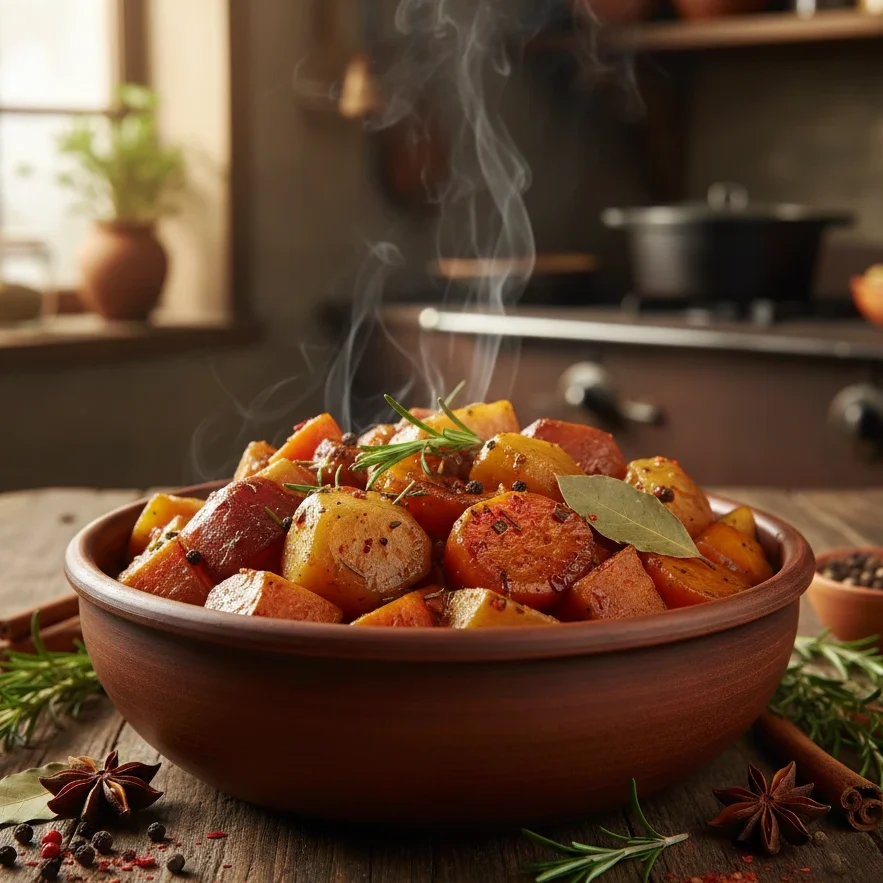
Traditional Seasonings That Define the Flavor
If vegetables are the foundation of a hearty dish, traditional seasoning is the soul. Have you ever noticed how the same vegetables can taste completely different depending on how they’re seasoned? That’s no accident. Classic seasoning methods have been refined over generations to bring out depth, warmth, and balance without overwhelming the natural character of the vegetables.
In a hearty dish of vegetables with traditional seasoning, restraint matters just as much as richness. The goal isn’t to mask flavors but to guide them, letting each ingredient play its part while contributing to a comforting whole.
Core Herbs and Spices Used in Traditional Cooking
Traditional vegetable dishes tend to rely on a small but purposeful group of herbs and spices. These ingredients are familiar, accessible, and incredibly effective when layered properly.
Commonly used seasonings include:
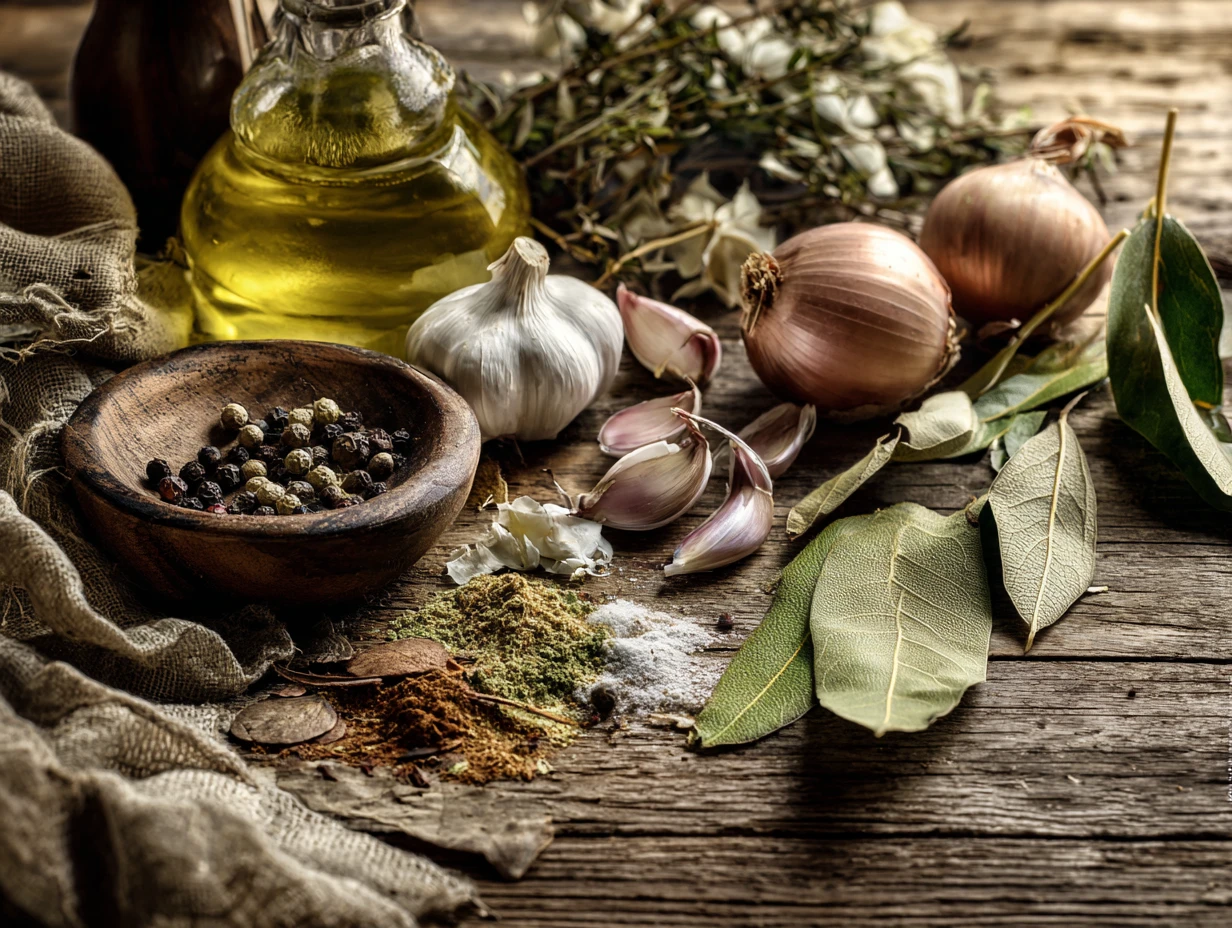
- Garlic and onions for savory depth
- Bay leaves to add subtle bitterness and aroma
- Black pepper for gentle warmth
- Dried herbs like thyme or oregano for earthy balance
These elements work best when added at different stages of cooking. Early additions build a base, while later seasoning fine-tunes the final flavor a technique often used in rustic vegetable meals across many cultures.
Ingredient Quantities for Balanced Seasoning
Getting the right quantities is where many home cooks hesitate. Too little seasoning leads to bland results; too much overpowers the vegetables. The table below offers a balanced starting point for seasoning a traditional vegetable dish designed to serve four people.
| Ingredient | Quantity |
|---|---|
| Olive oil | 2 tablespoons |
| Onion (chopped) | 1 medium |
| Garlic cloves (minced) | 3 |
| Bay leaf | 1 |
| Dried thyme or oregano | 1 teaspoon |
| Black pepper | ½ teaspoon |
| Salt | To taste |
Think of this as a flexible framework. As you gain confidence, you can adjust quantities based on vegetable density, cooking time, and personal preference.
Here’s a comprehensive ingredient table for your hearty dish of vegetables with traditional seasoning, combining all the vegetables, aromatics, and seasonings from the sections above. Quantities are estimated for 4 servings.
| Ingredient | Quantity | Notes / Purpose |
|---|---|---|
| Olive oil | 2 tablespoons | Base for sautéing aromatics and vegetables |
| Onion (chopped) | 1 medium | Adds savory depth |
| Garlic cloves (minced) | 3 | Aroma and flavor layering |
| Carrots (chopped) | 2 medium | Sweetness and texture |
| Potatoes (cubed) | 2 medium | Hearty base and body |
| Parsnips (chopped) | 1 medium | Earthy flavor |
| Turnips (optional, chopped) | 1 medium | Adds depth and slight bitterness |
| Cabbage (chopped) | 1 cup | Adds freshness and color |
| Kale or spinach | 1 cup | Tender leafy vegetable for contrast |
| Zucchini or squash | 1 medium | Soft, delicate texture |
| Green beans | 1 cup | Adds snap and variation |
| Bay leaf | 1 | Subtle aroma and bitterness |
| Dried thyme or oregano | 1 teaspoon | Earthy herb flavor |
| Black pepper | ½ teaspoon | Mild heat and complexity |
| Salt | To taste | Enhances all flavors |
| Optional: toasted nuts or seeds | 2 tablespoons | Garnish and texture |
| Optional: fresh herbs (parsley, cilantro) | 2 tablespoons | Garnish and freshness |
Notes for flexibility:
- Seasonal vegetables can be swapped in based on availability.
- Adjust spices to taste; start conservatively and add toward the end for fine-tuning.
- Leafy greens should be added near the end to preserve color and texture.
How Traditional Seasoning Creates Comfort and Depth
What makes traditional seasoning so effective is its layered approach. Instead of adding everything at once, flavors are built gradually, allowing the vegetables to absorb seasoning naturally.
Here’s how that depth develops:
- Aromatics like onion and garlic soften first, creating a savory base
- Herbs infuse slowly during cooking, enhancing warmth and aroma
- Final seasoning balances the dish just before serving
This method results in a seasoned vegetable recipe that feels complete, comforting, and deeply satisfying exactly what people look for in plant-based comfort food.
If you enjoy experimenting, try pairing this seasoning approach with different seasonal vegetables or exploring regional herb variations to discover how small changes create entirely new experiences.
Essential Vegetables for a Hearty Base
When it comes to building a hearty dish of vegetables with traditional seasoning, the vegetables themselves do a lot of the heavy lifting. Ever wonder why some vegetable dishes feel filling and comforting while others fall flat? It usually comes down to structure, density, and balance. Choosing the right vegetables creates a base that absorbs seasoning beautifully and delivers real staying power.
This is where thoughtful selection matters not every vegetable plays the same role, and that’s a good thing.
Root Vegetables That Create Substance
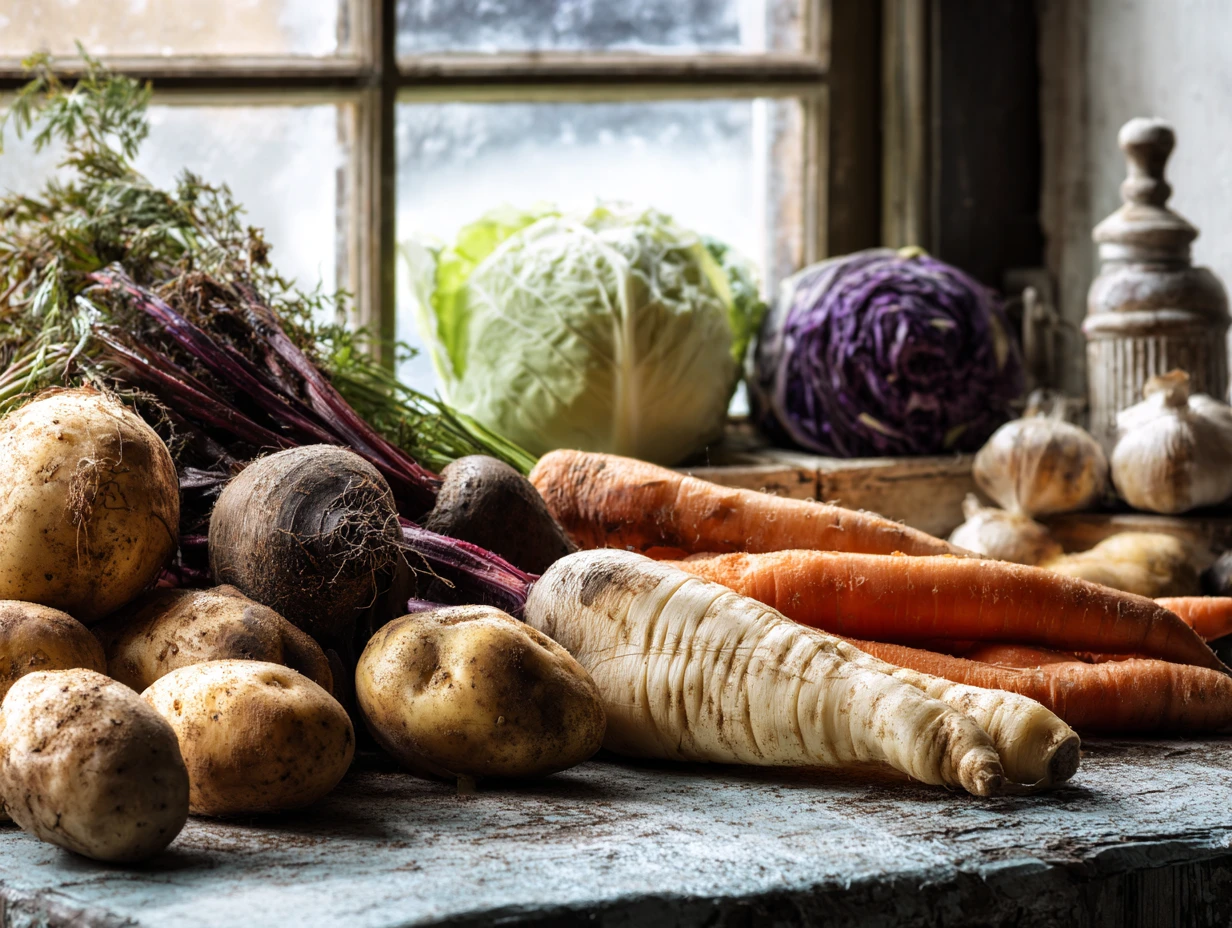
Root vegetables are the backbone of most rustic vegetable meals. They’re naturally dense, slightly sweet, and hold their shape during long cooking times, making them ideal for slow-simmered comfort dishes.
Some of the most effective options include:
- Potatoes for body and creaminess
- Carrots for subtle sweetness and color
- Parsnips or turnips for earthy depth
These vegetables soak up traditional seasoning gradually, releasing starches that help thicken the dish and create that “stick-to-your-ribs” feeling people expect from hearty comfort food.
Seasonal Vegetables That Add Balance
While root vegetables provide weight, seasonal vegetables add contrast and freshness. Think of them as the supporting cast that keeps the dish from feeling heavy or one-note.
Depending on the season, you might include:
- Cabbage or kale for structure and nutrition
- Zucchini or squash for tenderness
- Green beans for subtle snap
Using seasonal vegetables not only improves flavor but also aligns with traditional cooking practices rooted in availability and sustainability.
How to Combine Vegetables for Maximum Flavor
The magic happens when you combine vegetables with different textures and cooking behaviors. A good rule of thumb? Mix firm vegetables that cook slowly with softer ones added later.
A simple approach:
- Start with root vegetables and aromatics
- Add mid-density vegetables halfway through cooking
- Finish with tender vegetables near the end
This layering technique ensures every bite feels intentional and well-balanced key to creating a truly seasoned vegetable recipe that feels complete.
Cooking Methods That Create Magic
A hearty dish of vegetables with traditional seasoning isn’t just about ingredients it’s about how you cook them. Have you ever followed a recipe exactly, only to feel something was missing? Often, the difference between “good” and memorable comes down to technique. Traditional cooking methods slow things down, allowing flavors to develop naturally and vegetables to reach their full potential.
This is where patience pays off and where simple vegetables transform into comfort food worth savoring.
Slow-Cooking for Deeper Flavor
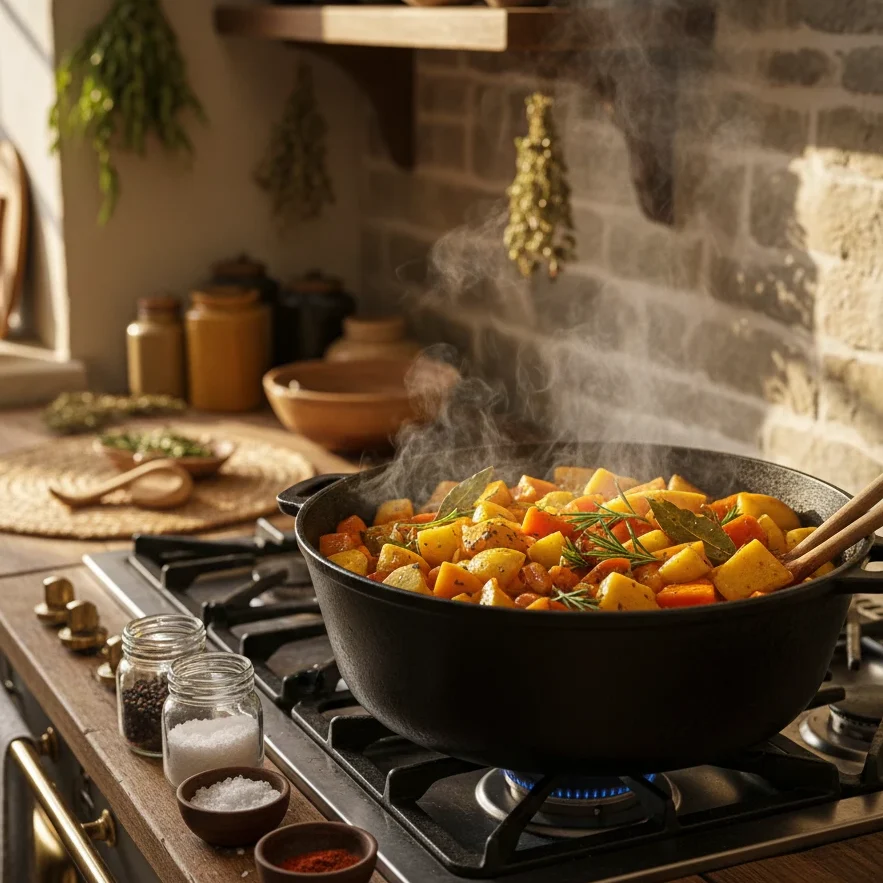
Slow-cooking is one of the most powerful tools in traditional vegetable cooking. By giving vegetables time, you encourage them to soften gradually, release natural sugars, and absorb seasoning evenly.
Why slow-cooking works so well:
- It builds layered flavor without added fats
- It enhances the natural sweetness of vegetables
- It creates a cohesive, well-rounded dish
Whether you’re simmering on the stovetop or using a low oven, this method is ideal for rustic vegetable meals that feel rich but balanced.
“Time is the most underrated ingredient in traditional cooking it turns simple vegetables into something unforgettable.”
One-Pot and Rustic Cooking Techniques
One-pot cooking isn’t just convenient it’s deeply traditional. Cooking everything together allows flavors to mingle naturally, creating harmony rather than separation. This approach is common in homestyle vegetable cooking because it minimizes waste while maximizing taste.
Key benefits include:
- Even seasoning distribution
- Less moisture loss during cooking
- Easier texture control
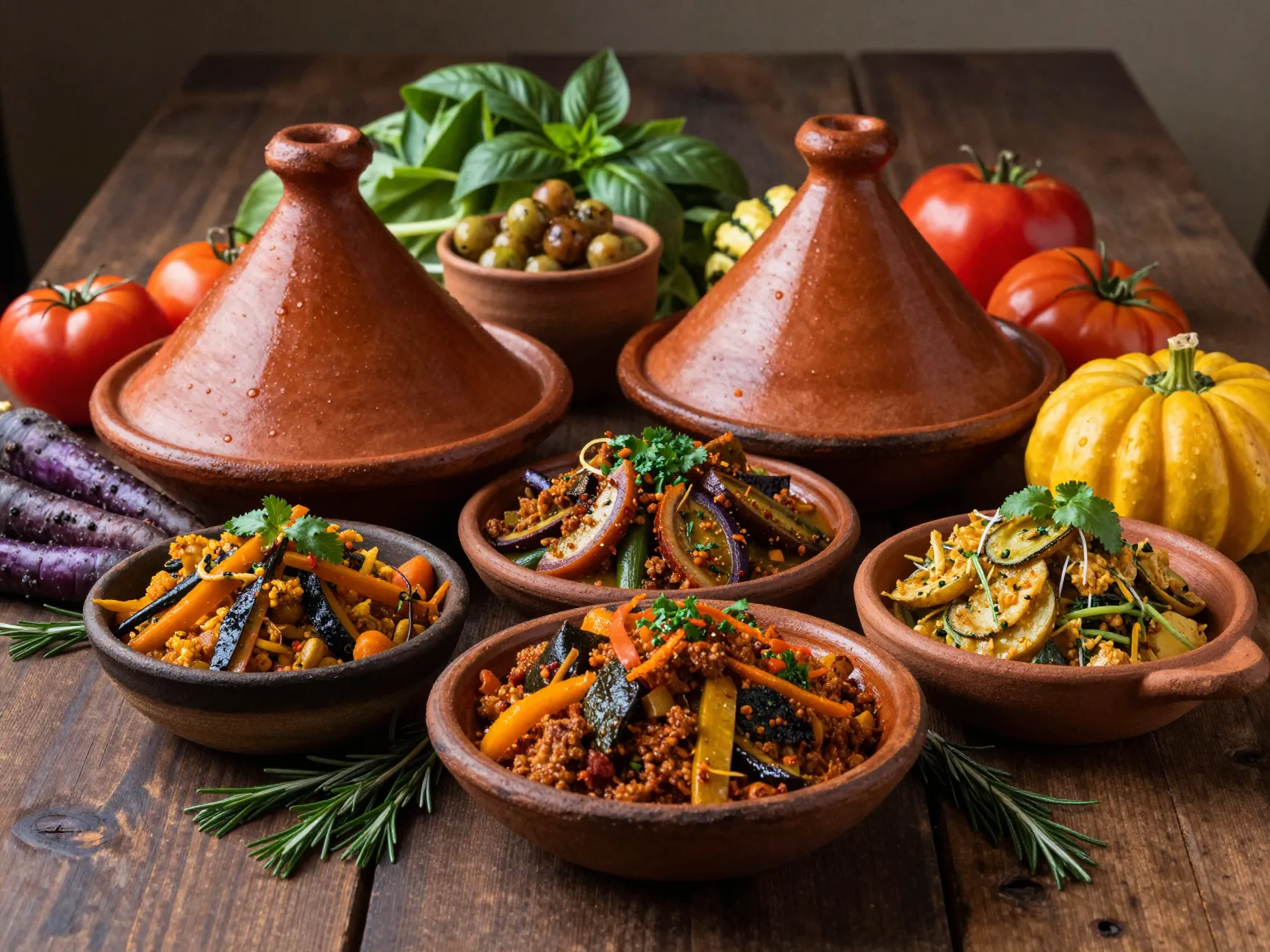
From clay pots to heavy-bottomed pans, the vessel itself often plays a role in how heat is retained and flavors develop.
Preserving Nutrients Without Sacrificing Comfort
A common myth is that hearty comfort food can’t be nutritious. In reality, traditional cooking methods often preserve nutrients better than high-heat shortcuts. Gentle simmering and controlled roasting help vegetables maintain structure while reducing nutrient loss.
Smart techniques to keep dishes nourishing:
- Avoid excessive boiling
- Use cooking liquids as part of the dish
- Add delicate vegetables toward the end
The result is a seasoned vegetable recipe that feels indulgent but still supports mindful, plant-forward eating.
Cultural and Regional Influences
Every hearty dish of vegetables with traditional seasoning tells a story often one shaped by geography, climate, and family tradition. Have you ever tasted a vegetable dish and felt like it carried a sense of place? That’s no coincidence. Across the world, cultures have relied on vegetables as staple foods, seasoning them in ways that reflect local ingredients and long-standing customs.
Understanding these influences doesn’t just deepen appreciation it helps you cook with more intention and authenticity.
How Traditions Shape Seasoning Choices
Traditional seasoning practices are rarely random. They’re built around what grows locally and what preserves well over time. In colder regions, hearty root vegetables and dried herbs dominate, while warmer climates lean toward lighter vegetables with aromatic spices.
Cultural influences often determine:
- Which herbs are used daily versus sparingly
- How heat, bitterness, or sweetness is balanced
- When seasoning is added during cooking
These decisions shape rustic vegetable meals that feel familiar and comforting to the people who grew up with them and intriguing to those discovering them for the first time.
Regional Variations of Hearty Vegetable Dishes
While the foundation remains similar, regional variations create endless diversity. The same cooking method can produce dramatically different results depending on seasoning traditions and vegetable combinations.
For example:
- Mediterranean-style dishes favor olive oil, herbs, and slow-simmered vegetables
- Central European recipes often rely on root vegetables and warm spices
- Rural cuisines worldwide emphasize simplicity and resourcefulness
Exploring these variations allows home cooks to adapt traditional vegetable dishes while still honoring their roots. It’s a reminder that plant-based comfort food has always existed long before modern food trends gave it a name.
Passing Recipes Through Generations
One of the most powerful aspects of traditional vegetable cooking is how knowledge is passed down. These recipes aren’t just written they’re remembered, adjusted, and shared through experience.
Generational cooking teaches:
- Flavor intuition rather than strict measurements
- Respect for ingredients and seasons
- The value of patience in the kitchen
By embracing these lessons, you don’t just recreate a seasoned vegetable recipe you become part of a much larger culinary story.
Conclusion
Creating a hearty dish of vegetables with traditional seasoning isn’t just cooking it’s storytelling on a plate. Every vegetable, herb, and spice has a purpose, and every step in the process adds layers of flavor and comfort. By combining the right vegetables, respecting traditional seasoning methods, and honoring regional influences, you’re not only making a meal you’re connecting with centuries of culinary wisdom.
So next time you prepare a rustic vegetable meal, think of it as more than dinner. Think of it as an experience: warming, wholesome, and rooted in tradition. Whether for a cozy weeknight dinner or sharing with friends, this approach guarantees a dish that’s unforgettable.
Q&A
Q1: Can I use frozen vegetables for a hearty dish?
Absolutely! Frozen vegetables are a convenient option and often retain nutrients well. Just adjust cooking times slightly, as they release moisture faster than fresh vegetables.
Q2: How can I make the dish more filling without adding meat?
Focus on root vegetables, beans, or lentils. These ingredients add texture, natural sweetness, and protein while keeping the dish fully plant-based.
Q3: Can I adjust traditional seasonings for dietary restrictions?
Yes. For example, reduce salt or replace butter with olive oil. You can also experiment with herbs and spices to suit your taste while keeping the authentic flavor profile.
Q4: What’s the best way to store leftovers?
Store in an airtight container in the refrigerator for up to 4 days. For longer storage, freeze in portions just remember that slow-cooked vegetables may soften slightly upon reheating.
Q5: How do I elevate the dish visually for presentation?
Garnish with fresh herbs, drizzle with high-quality olive oil, or add a sprinkle of toasted nuts or seeds for texture and color contrast.