
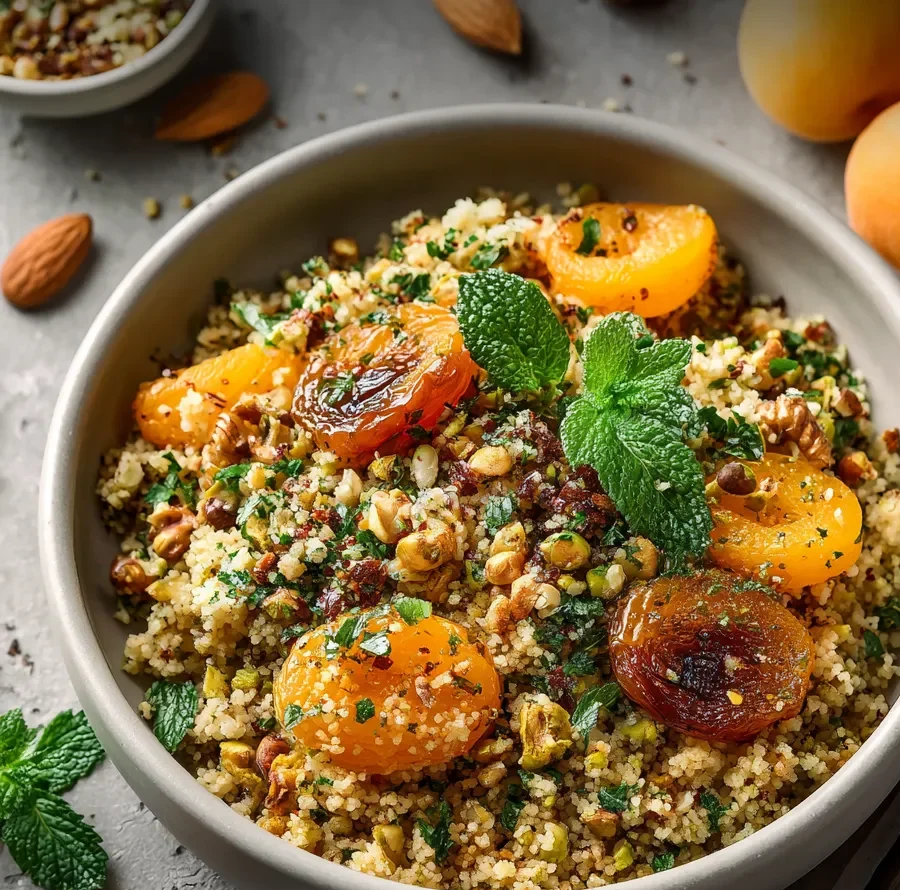
Introduction: A Sweet & Savory Moroccan Treasure
Have you ever had a dish so unexpected, so perfectly balanced between sweet and savory, that it made you pause with every bite?
Moroccan Apricot and Pistachio Couscous is exactly that kind of dish.
Rooted in North African tradition and full of flavor surprises, this recipe blends the nuttiness of roasted pistachios with the natural sweetness of dried apricots. It’s enhanced with warm spices and aromatic touches like orange blossom water, all folded into fluffy, golden couscous.
But here’s the real magic: it’s incredibly simple to make, yet elegant enough for guests. Whether you’re new to Moroccan cuisine or just looking to impress at your next dinner party, this dish deserves a spot on your table.
In this post, you’ll discover:
- The cultural backstory behind this vibrant dish
- The health benefits and flavor dynamics of its key ingredients
- A step-by-step walkthrough of how to make it at home
- Smart ways to serve it for any occasion
So grab your apron, a few pantry staples, and get ready to explore Morocco one forkful at a time.
Key Takeaways
Before we dive into the full recipe, here are a few reasons you’ll want to bookmark this one:
- Versatile Dish – Works as a side, main course, or even a cold salad
- Nutrient-Rich – Packed with fiber, healthy fats, and antioxidants
- Flavor Explosion – A beautiful marriage of sweet, savory, and spice
- Quick & Easy – Ready in under 30 minutes with minimal prep
- Culturally Inspired – A taste of Morocco without the plane ticket
Table of Contents
The Cultural Charm Behind Moroccan Couscous
A Taste of Moroccan Heritage
When you think of Moroccan cuisine, what comes to mind first? For many, it’s the fragrant blend of spices, vibrant colors, and deeply rooted traditions that make every dish feel like a celebration. One of the most beloved staples in Moroccan kitchens is couscous especially when it’s transformed into something as enchanting as Moroccan Apricot and Pistachio Couscous.
This isn’t just a side dish. It’s a story told through flavor one where sweet dried apricots mingle with earthy roasted pistachios, brought to life by hints of orange blossom water and warm spices. Each spoonful invites you into the heart of a North African tradition that has been passed down for generations.
But have you ever wondered how a grain like couscous became such an iconic part of Moroccan meals?
Why Apricots and Pistachios Matter in North Africa
Apricots and pistachios aren’t just delicious they’re deeply cultural. In Moroccan and broader North African cuisine, fruits and nuts are often combined with grains to create beautifully balanced dishes. The sweet and savory contrast is more than a flavor trick; it reflects the Moroccan culinary philosophy of harmony and hospitality.
In ancient trade cities like Fez and Marrakesh, dried fruits like apricots were prized not just for their sweetness but for their long shelf life perfect for desert climates. Pistachios, meanwhile, were a sign of abundance and festivity, often reserved for special occasions.
So when you pair these ingredients with couscous, you’re creating something that’s:
- Nutritionally rich
- Historically meaningful
- Visually stunning
- And honestly? Just plain irresistible
Influence of Spices in Moroccan Cooking
The secret to the unforgettable taste of this dish lies in Morocco’s love affair with spices. Think of:
- A hint of cinnamon for warmth
- A dash of cumin for earthiness
- And maybe a sprinkle of ras el hanout, a traditional Moroccan spice blend known as the “top of the shop”
These spices don’t just add flavor they build layers, turning simple ingredients into a dish that feels gourmet.
Where This Dish Fits in Moroccan Meals
While couscous is often served with hearty tagines or grilled meats, this version shines on its own. It’s commonly enjoyed:
- As a festive side dish at weddings or family gatherings
- As a light vegetarian main course during warm evenings
- Or even chilled as a salad for a refreshing twist
It’s flexible, flavorful, and full of personality just like Moroccan culture itself.
In short? Moroccan Apricot and Pistachio Couscous is more than a meal. It’s a bridge to a culture that celebrates food not just for nourishment, but as a way to connect, honor, and delight.
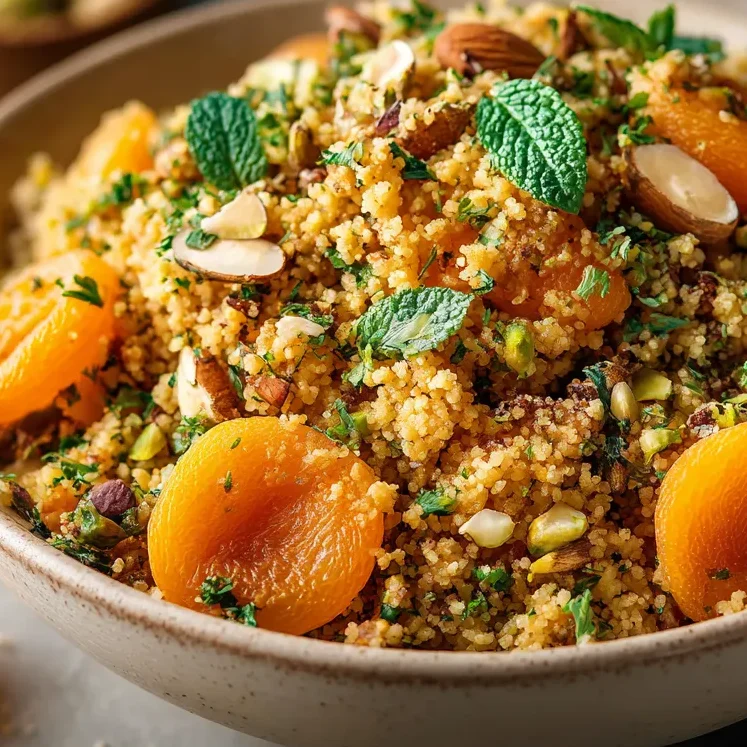
Ingredients That Make It Special
Choosing the Right Couscous
Let’s start with the base: couscous. But not just any kind.
For this recipe, traditional Moroccan couscous those fine, golden granules made from semolina is the best choice. It soaks up flavor quickly and fluffs up beautifully with just a little boiling water or broth.
If you’re feeling adventurous, you can experiment with pearl couscous which has a heartier bite. Just keep in mind, it requires boiling and has a different texture.
Here’s a quick comparison to help you choose:
| Couscous Type | Texture | Cooking Time | Best Use Case |
|---|---|---|---|
| Moroccan Couscous | Light & fluffy | 5–10 mins | Sweet-savory recipes like this one |
| Pearl Couscous | Chewy & hearty | 10–15 mins | Warm salads or as a grain substitute |
| Whole Wheat | Nutty & wholesome | 5–10 mins | Health-focused meal preps |
Flavor Boosters: Orange Blossom & Spices
What transforms couscous from bland to bold? It’s all in the flavor layering.
This recipe gets its exotic edge from:
- Orange blossom water – A few drops add a floral, almost citrusy aroma that’s pure Morocco.
- Cinnamon – Sweet, warming spice that pairs beautifully with apricots.
- Cumin or Ras el Hanout – These deepen the dish with earthy complexity.
Don’t be afraid to taste as you go. Start small with spices and build to your liking. Moroccan cooking is all about intuition and balance.
Health Benefits of Apricots and Pistachios
Aside from tasting divine, apricots and pistachios bring serious nutritional value:
- Apricots are rich in fiber, potassium, and antioxidants like beta-carotene.
- Pistachios are loaded with healthy fats, plant protein, and vitamin B6.
Together, they:
- Support heart health
- Boost your immune system
- Offer long-lasting energy
So yes, this dish is indulgent, but also smart.
Optional Add-ins to Try
Want to make this couscous your own? Go for it. Here are some fun, flavorful add-in ideas:
- Chickpeas – For added protein
- Preserved lemon peel – For a tangy kick
- Caramelized onions – Sweet and savory depth
- Chili flakes or harissa – For a subtle heat
Whether you keep it classic or customize, this dish is built to impress.
Full Ingredient List (Quick Reference Table)
| Ingredient | Amount | Notes |
|---|---|---|
| Moroccan couscous | 1 cup | Or substitute with pearl couscous |
| Dried apricots | ½ cup, chopped | Unsulfured if possible for deeper flavor |
| Pistachios (shelled) | ⅓ cup, roasted | Lightly crushed for texture |
| Orange blossom water | 1–2 tsp | Optional, but highly recommended |
| Ground cinnamon | ½ tsp | Adds sweet warmth |
| Ground cumin | ½ tsp | Or ras el hanout for a spicier profile |
| Salt | To taste | Enhances flavor |
| Olive oil or butter | 1 tbsp | For richness and to fluff the couscous |
| Hot water or broth | 1¼ cups | For steaming couscous |
| Fresh herbs (mint/parsley) | Optional garnish | Adds color and freshness |
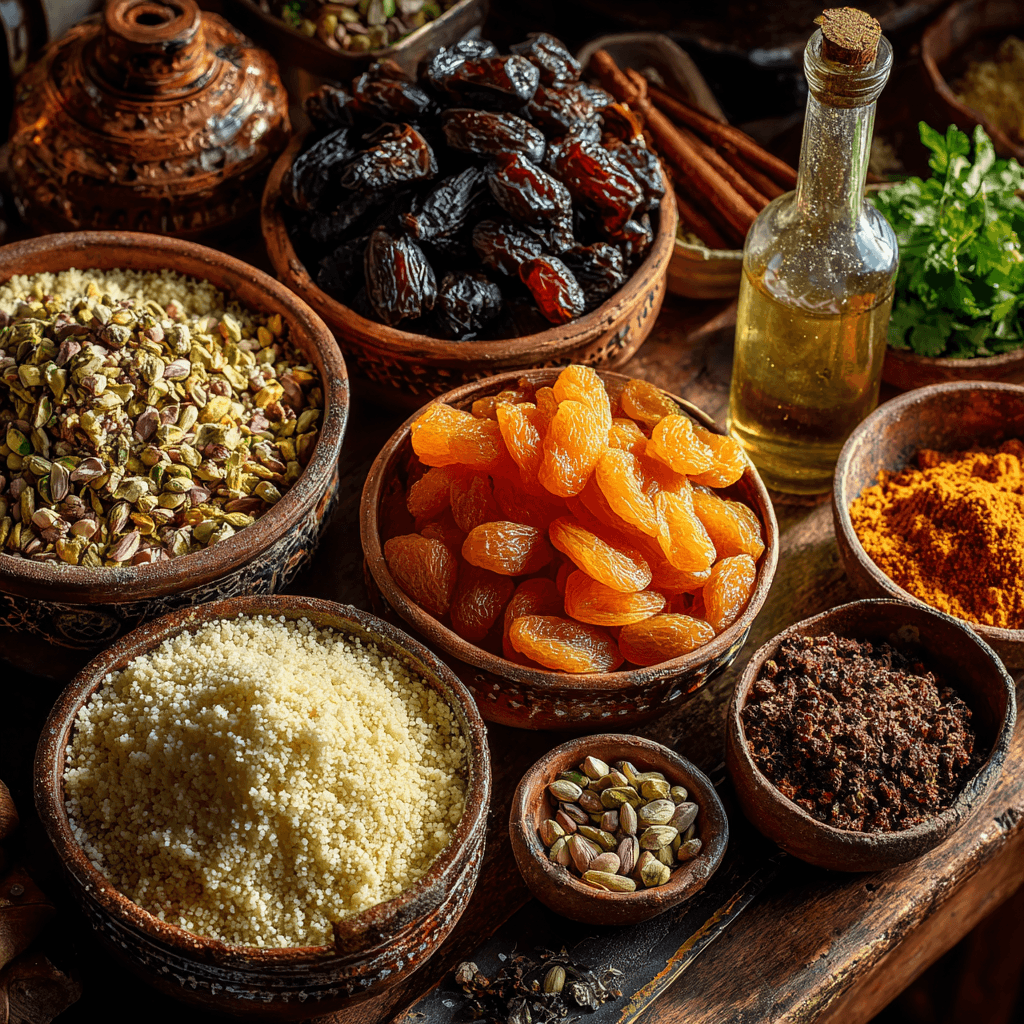
Step-by-Step: How to Make Moroccan Apricot and Pistachio Couscous
Let’s Cook Together
Making this dish is surprisingly quick about 20 to 25 minutes total. All you need is a saucepan, a mixing bowl, and a little creativity.
Here’s how to bring it to life:
Step 1: Prep the Couscous Base
- In a medium heatproof bowl, add 1 cup of couscous and a pinch of salt.
- Pour 1¼ cups of boiling water or vegetable broth over the couscous.
- Cover tightly with a lid or plate and let it steam for 5–7 minutes.
- Fluff with a fork and drizzle with 1 tbsp olive oil or butter to separate grains.
💡 Pro Tip: Using broth instead of water adds extra depth and richness.
Step 2: Sweet & Savory Harmony
- While the couscous steams, finely chop ½ cup of dried apricots.
- Lightly toast ⅓ cup of shelled pistachios in a dry skillet for 2–3 minutes until fragrant.
- Optional: Sauté thinly sliced onions in olive oil until caramelized for added sweetness.
Step 3: Add the Moroccan Magic
- Stir the apricots, pistachios, and optional onions into the fluffed couscous.
- Add your spices:
- ½ tsp cinnamon
- ½ tsp ground cumin or ras el hanout
- Drizzle in 1–2 tsp orange blossom water and toss gently.
✨ Smell that? That’s the aroma of North Africa filling your kitchen.
Step 4: Taste, Garnish, Serve
- Adjust seasoning with a pinch of salt (and pepper if desired).
- Top with fresh herbs like mint or parsley for a pop of color.
- Serve warm or room temperature in a large shallow bowl.
Quick Recap (at a glance)
- Total time: 25 minutes
- Serves: 2–3 as a main, 4–5 as a side
- Flavor profile: Sweet, nutty, spiced, aromatic
- Difficulty: Beginner-friendly
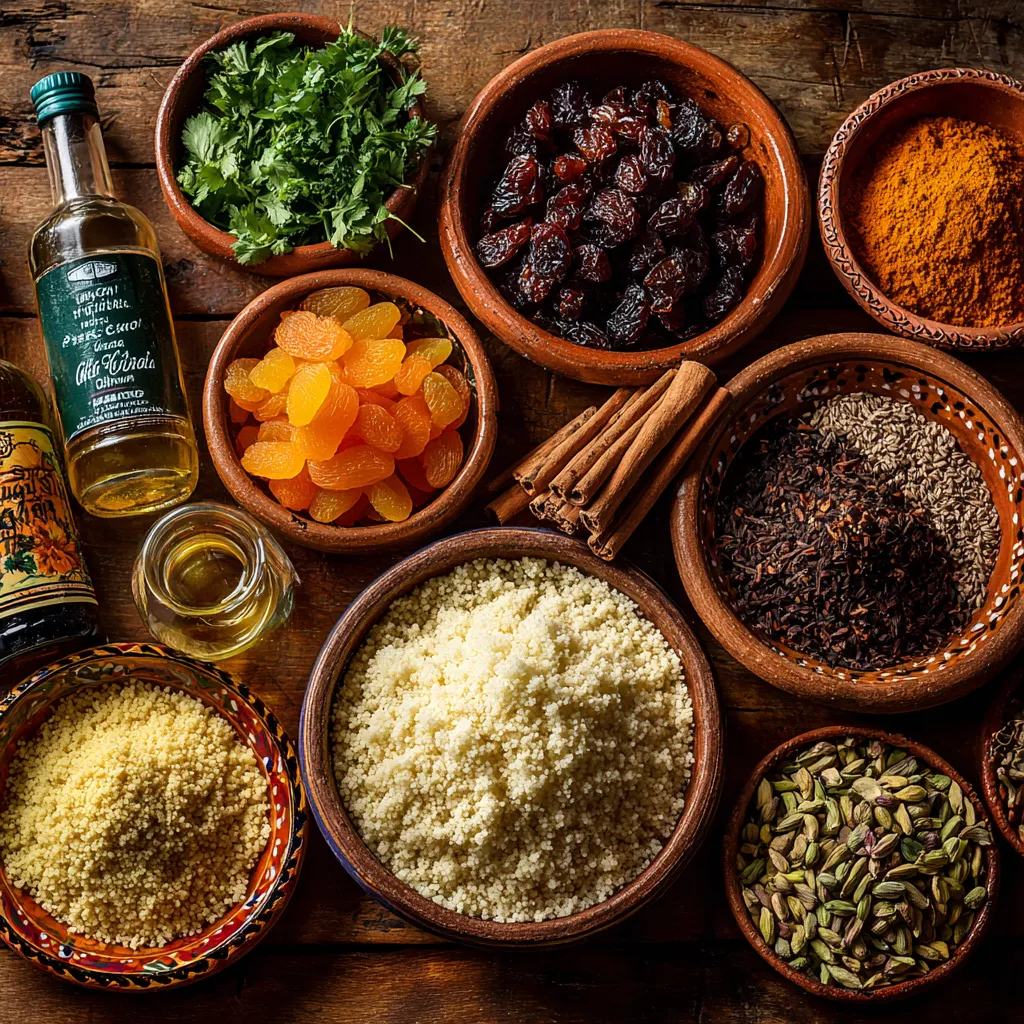
Flavor Pairings and Serving Suggestions
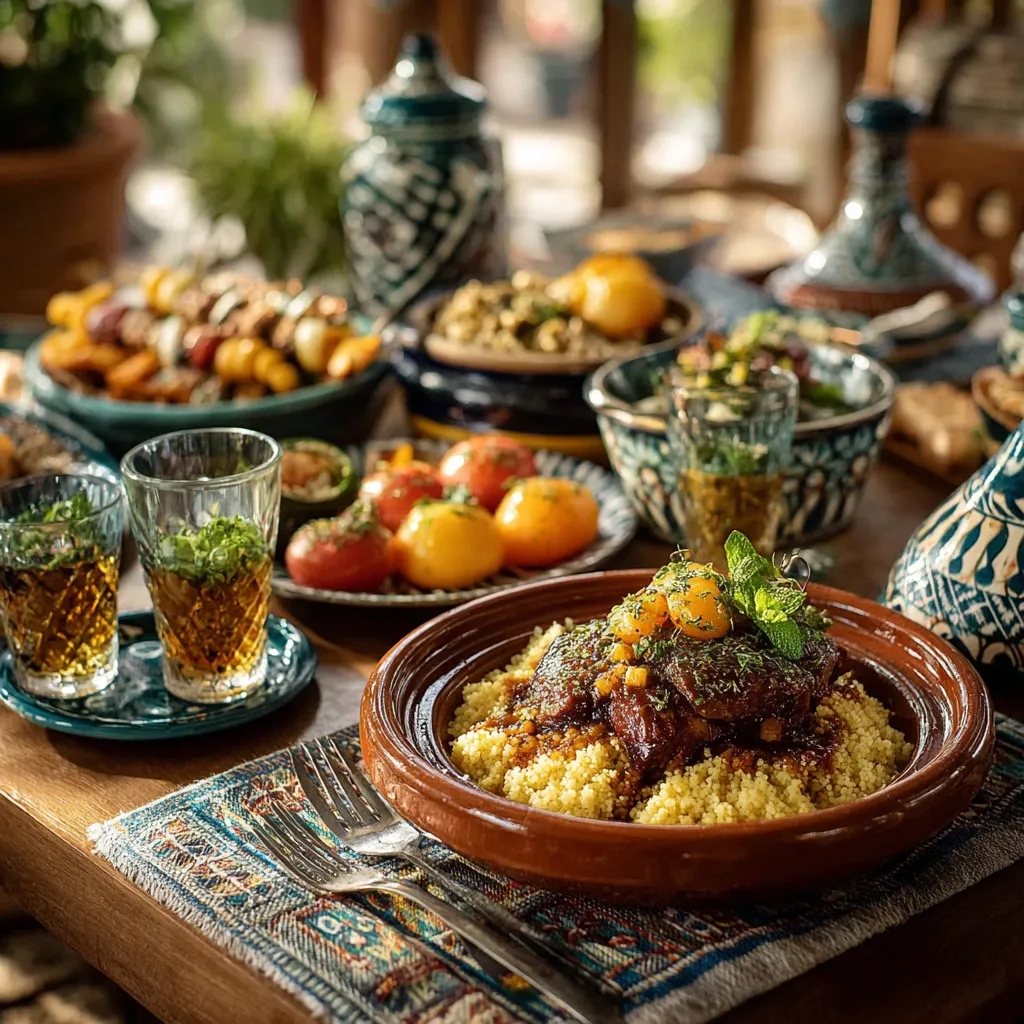
Elevate Your Plate: What to Serve with Moroccan Couscous
Wondering how to turn this couscous into a complete meal? Whether you’re hosting a Moroccan-inspired dinner or just treating yourself to a weeknight delight, this dish pairs beautifully with a variety of mains and sides.
Here are some mouthwatering pairings that complement its sweet-savory flavor:
Vegetarian Favorites
- Grilled Halloumi or Feta-Stuffed Peppers – Adds a salty contrast
- Roasted Vegetables with Za’atar – Earthy, spiced veggies enhance texture
- Stuffed Eggplant (Imam Bayildi style) – For rich, Mediterranean depth
Protein Companions
- Lemon-Herb Grilled Chicken – Zesty and juicy, this balances sweetness
- Lamb Kofta Skewers – A traditional Moroccan touch
- Baked Salmon with Harissa Glaze – Smoky heat meets natural sweetness
Best Drinks to Pair
- Mint Tea – A refreshing, traditional Moroccan drink
- Sparkling Citrus Water – Clean and bright
Creative Serving Ideas
Want to wow your guests or just spice up your plating? Try these:
- Serve in a Tagine – For that authentic Moroccan presentation
- Garnish with Edible Flowers – Especially for spring/summer gatherings
- Layer in a Jar for Meal Prep – A visually stunning and practical lunch option
Nutrition Facts & Dietary Tips
Is Moroccan Apricot and Pistachio Couscous Healthy?
Short answer: Yes very!
But let’s unpack why this dish doesn’t just taste good it does your body good, too.
This couscous blend is more than a side dish. It’s a smart, nutrient-dense option that fits beautifully into a balanced diet. Here’s what you’re feeding your body with every forkful:
Nutritional Breakdown (Per 1 Serving Approx.)
| Nutrient | Amount | Benefits |
|---|---|---|
| Calories | ~310 kcal | Satisfying without being heavy |
| Carbohydrates | ~45g | Energy from couscous and apricots |
| Protein | ~7g | From pistachios and couscous |
| Healthy Fats | ~10g | From olive oil and pistachios |
| Fiber | ~5g | Promotes digestion, keeps you fuller longer |
| Vitamin A | ~30% DV | Supports eye health (thanks to apricots!) |
| Vitamin B6 | ~20% DV | Boosts brain function, found in pistachios |
| Potassium | ~300mg | Regulates fluid balance, great for heart health |
Note: Values vary slightly depending on the exact ingredients used.
Dietary-Friendly Tips
Whether you’re following a specific diet or cooking for guests with dietary needs, this dish is incredibly versatile:
Vegan or Vegetarian?
Absolutely! Just use water or vegetable broth to steam your couscous.
Gluten-Free?
Swap couscous with quinoa or millet you’ll still get that nutty texture and nutritional punch.
Low-Sodium?
Use unsalted pistachios and control salt by using homemade broth or water.
Looking for Extra Protein?
Toss in roasted chickpeas, grilled tofu, or a side of spiced lentils.
Why This Dish Is a Smart Choice
Not only is it easy to prepare, but it also checks off key wellness goals:
- ✅ Quick to make
- ✅ Heart-healthy fats
- ✅ Naturally sweetened
- ✅ Great for meal prep
- ✅ Loaded with antioxidants
So whether you’re looking to eat cleaner, cook faster, or simply try something new, this dish supports your goals without sacrificing flavor.
Conclusion: A Culinary Escape You Can Create Anytime
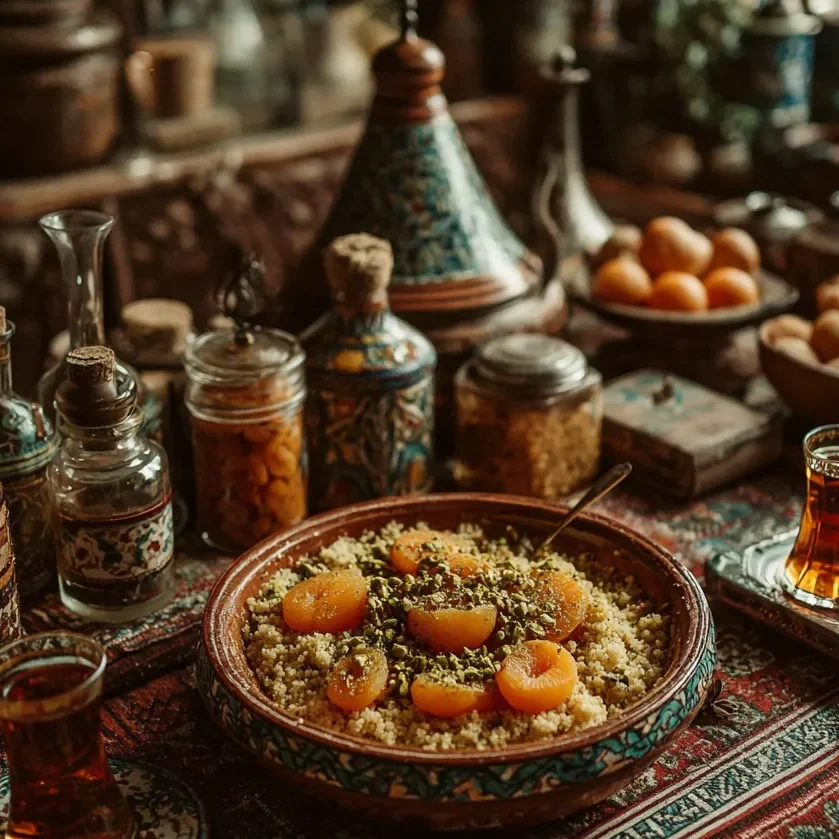
Moroccan Apricot and Pistachio Couscous isn’t just a recipe it’s an experience.
From the moment the couscous soaks up those fragrant spices to the final sprinkle of crunchy pistachios, this dish transports you. It’s colorful, vibrant, and layered with history, yet completely accessible for the modern home cook.
Whether you’re looking to spice up your weekly meal routine or explore new global flavors, this couscous recipe checks every box: easy, exotic, nutritious, and downright delicious.
Now that you’ve got the story, the flavors, and the know-how it’s time to cook.
Q&A: You Asked, We Answered
Q1: Can I use a different type of dried fruit?
A: Absolutely! Try golden raisins, chopped dates, or dried cranberries for a different twist. Just aim to maintain the sweet-savory balance.
Q2: What’s the best couscous to use?
A: Traditional Moroccan couscous (small granules) works beautifully. However, pearl couscous can offer a more substantial bite if you prefer a chewier texture.
Q3: Is this dish vegan-friendly?
A: Yes, it’s naturally vegan—no need for any substitutions unless you want to add protein like chickpeas or grilled halloumi.
Q4: Can I make it ahead of time?
A: Definitely. This couscous tastes even better after a few hours as the flavors meld. Store it in an airtight container and serve warm or chilled.
Q5: What dishes pair well with it?
A: It pairs wonderfully with grilled meats, roasted vegetables, or a simple cucumber yogurt salad for contrast.