


A Flatbread That Tells a Story
Imagine tearing into a warm, flaky flatbread, the scent of fresh herbs and warm spices rising with the steam. Now imagine that same flatbread carrying centuries of Moroccan tradition crafted by hand, shared with family, and seasoned with hospitality.
This isn’t just another bread recipe. It’s a bite of authentic Moroccan culture, wrapped in layers of herbs, love, and crisp golden edges. In this post, we’ll guide you step-by-step to make your own Moroccan herb-stuffed flatbread from ingredients to folding techniques, cooking tips, and how to serve it like a local.
Whether you’re craving something unique, or looking to bring global flavor into your home kitchen, you’re in the right place.
Key Takeaways
Here’s a quick summary of what you’ll walk away with:
- How to make herb-stuffed Moroccan flatbread (Mahjouba) from scratch
- The essential herbs, spices, and flours that create authentic flavor
- Pan-frying tips for getting that crispy golden crust
- Serving ideas with traditional pairings like mint tea and harissa
- A deeper appreciation of Moroccan street food and culinary culture
Table of Contents
Why You’ll Fall in Love with This Moroccan Flatbread
The Irresistible Flavor of Fresh Herbs and Spices
Have you ever bitten into something so unexpectedly flavorful that you paused mid-bite eyes wide, savoring every layer of taste? That’s exactly what happens with a well-made Moroccan herb-stuffed flatbread.
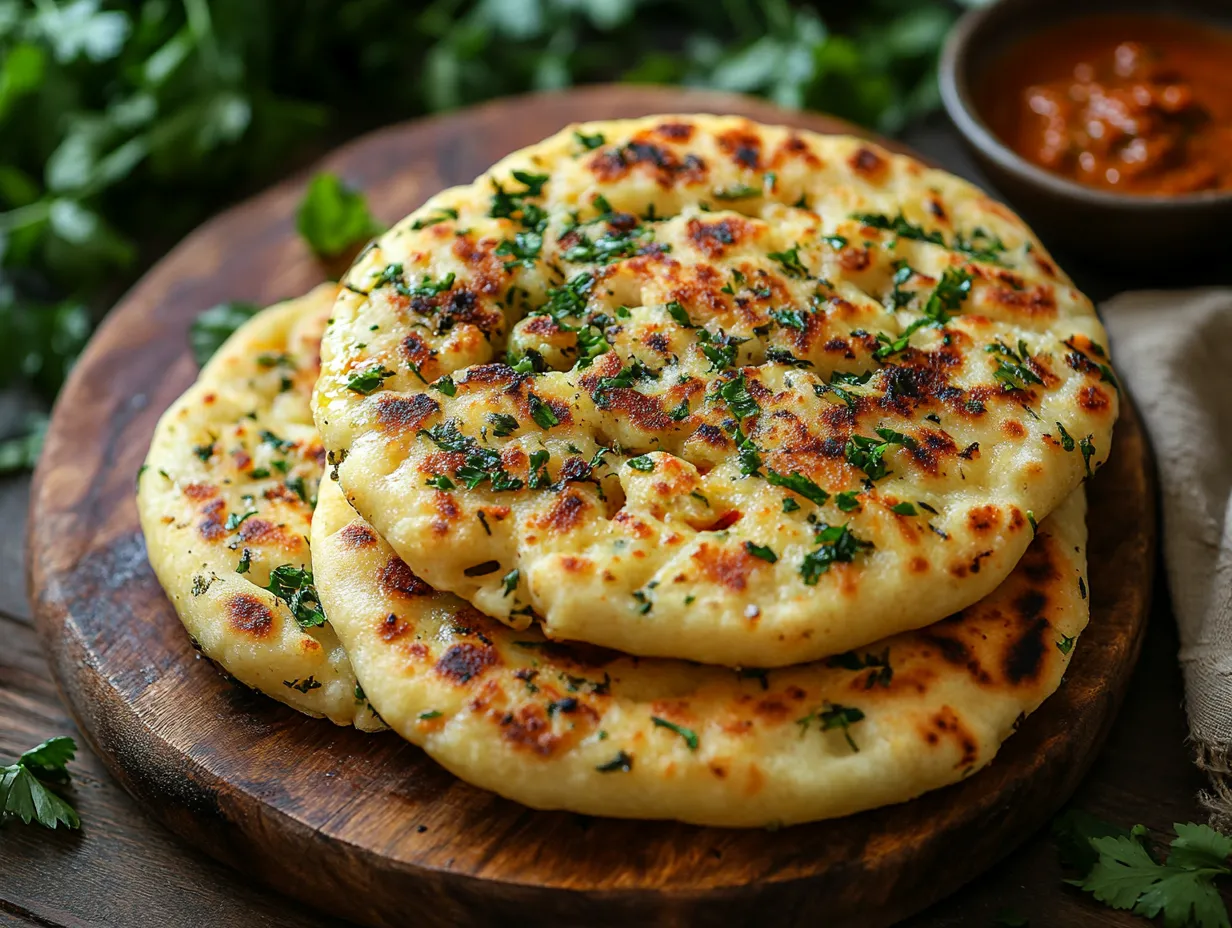
Packed with the aromatic punch of fresh parsley, cilantro, and mint, this flatbread isn’t just food it’s an experience. The herbs don’t just season the bread; they transform it, making each bite vibrant, earthy, and deeply satisfying.
But it’s not just about the herbs. The subtle warmth of traditional Moroccan spices like cumin and paprika blends beautifully into the filling. You’ll taste hints of sun-drenched gardens, bustling souks, and home kitchens where recipes are handed down like treasure.
💡 Pro tip: Use fresh herbs, not dried. The flavor difference is massive and totally worth it.
A Taste of Traditional Moroccan Street Food
If you’ve ever wandered the lively streets of Marrakesh or Fes, you’ve probably caught the scent of sizzling pan-fried flatbreads on every corner. Known locally as Msemen when plain or Mahjouba when stuffed, these savory bites are a staple of Moroccan street food culture.
Vendors often serve them hot off the griddle, folded into golden layers, and filled with a fragrant blend of herbs, onions, and spices. The result? A portable, flavor-packed treat that’s both comforting and adventurous.
Bringing that same street-food energy into your kitchen gives you more than just food it gives you a connection to Moroccan tradition.
How This Recipe Connects to Moroccan Family Meals
In Moroccan homes, bread isn’t just a side it’s central to the meal, often used in place of utensils. Stuffed flatbreads are especially popular during family gatherings and religious holidays. They’re shared, torn, dipped, and savored always fresh, always handmade.
By learning how to make this herb-stuffed version, you’re not just cooking. You’re stepping into a legacy of hospitality and home-cooked love.
The Comfort and Aroma of Homemade Flatbread
There’s something magical about making bread from scratch the feel of the dough beneath your fingers, the warm scent filling your kitchen, the crispy edges as it sizzles in the pan.
This flatbread delivers on all fronts:
- ✅ Crispy on the outside
- ✅ Soft and layered on the inside
- ✅ Packed with savory, herbaceous flavor
- ✅ Versatile serve it for breakfast, as a snack, or alongside tagines
It’s the kind of recipe that turns everyday ingredients into a culinary escape and keeps everyone coming back for more.
Essential Ingredients for Authentic Flavor
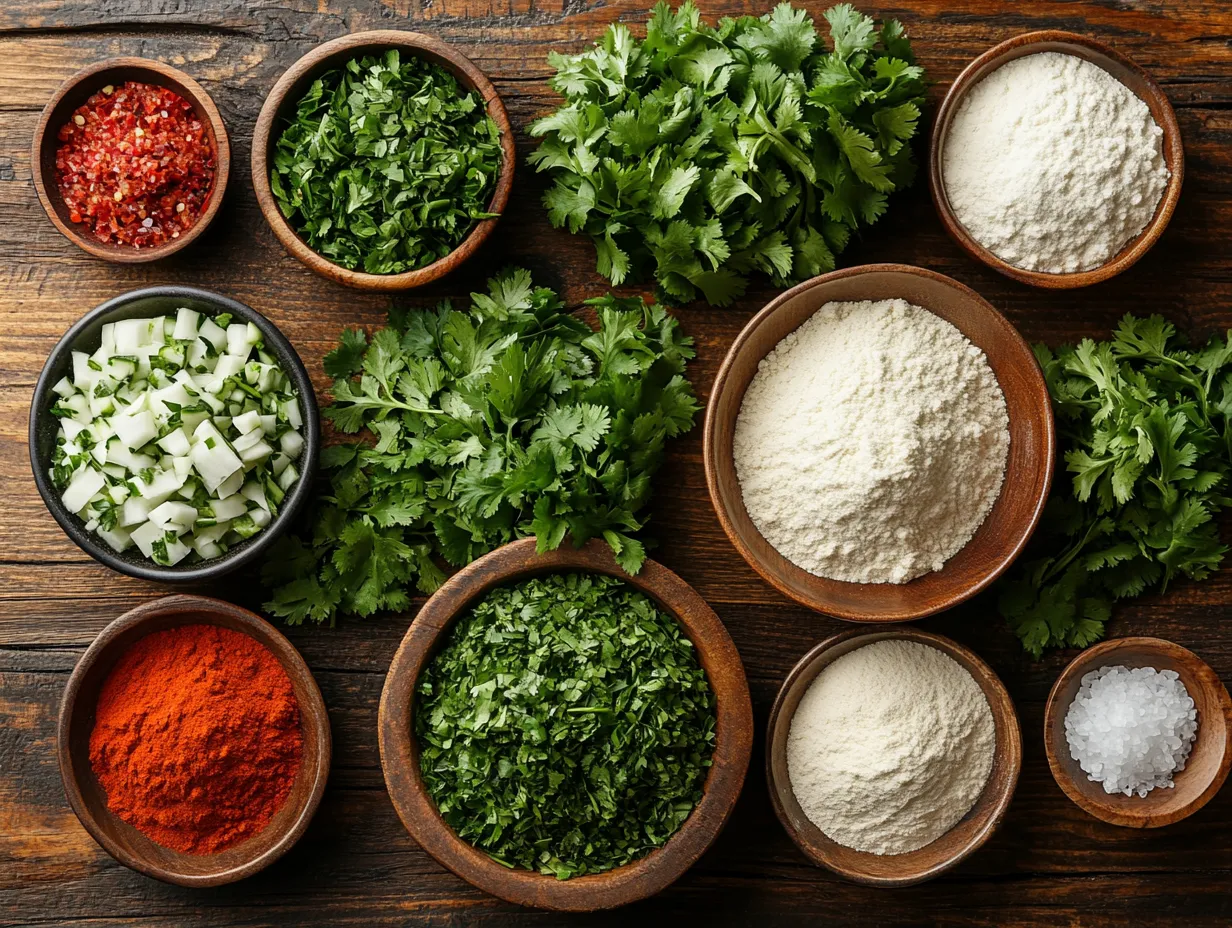
Must-Have Herbs: Parsley, Cilantro, and Mint
Let’s talk herbs because in this herb-stuffed flatbread, they’re not just a garnish. They’re the soul of the recipe.
You’ll want a bold trio:
- Parsley for freshness
- Cilantro for a zesty, slightly citrusy bite
- Mint for that cooling contrast that balances the richness of the dough
When chopped finely and mixed with aromatics, these herbs create a filling that tastes alive. You’re layering in color, texture, and flavor with every leaf.
Spices That Define Moroccan Cuisine
If herbs bring the soul, spices bring the story.
In traditional Moroccan cooking, spice doesn’t mean heat it means warmth, depth, and complexity. For this recipe, keep it simple yet impactful:
- Cumin – earthy, grounding
- Paprika – sweet and smoky
- Black pepper – sharp, to balance the herbs
- Optional: a pinch of chili flakes if you want a touch of fire
Together, they infuse the herb mix with a signature North African flair that’s both familiar and exciting.
Choosing the Right Flour and Semolina
Flour might seem basic, but it’s a big deal here. You need the right mix to get that perfect texture: soft and pliable on the inside, lightly crisped on the outside.
| Ingredient | Purpose | Notes |
|---|---|---|
| All-purpose flour | Forms the base of the dough | Choose unbleached for best results |
| Fine semolina | Adds slight graininess and stretch | Don’t skip this makes the magic |
| Salt | Enhances flavor | Use sea salt for purity |
| Water | Hydrates and binds everything together | Lukewarm is best for kneading |
| Olive oil | For elasticity and that golden crust | Use Moroccan or extra-virgin if you can |
✨ Using semolina helps create the characteristic flaky texture that sets Moroccan flatbread apart from typical stuffed breads.
Optional Fillings to Customize Your Flatbread
Once you’ve mastered the classic herb stuffing, the possibilities open wide. Depending on what’s in your fridge or your mood you can try:
- Caramelized onions for sweetness
- Grated carrots for texture
- Crumbled feta for a salty twist
- Chopped olives for a briny bite
This versatility is what makes it a go-to recipe: one dough, endless fillings.
Whether you’re craving something light and herbal or rich and savory, these ingredients form the blueprint for your authentic Moroccan flatbread recipe. Stick with the basics, then get creative once you’re comfortable. The base will always have your back.
Here’s a clear ingredient table for Moroccan Herb-Stuffed Flatbread (Msemen Maâmrin) a classic savory version filled with fresh herbs and spices:
| Category | Ingredient | Amount |
|---|---|---|
| For the Dough | All-purpose flour | 3 cups (375 g) |
| Fine semolina | ½ cup (80 g) | |
| Salt | 1 tsp | |
| Warm water | ~1¼ cups (300 ml) | |
| Vegetable oil | 2 tbsp | |
| For the Filling | Fresh parsley | ½ cup, finely chopped |
| Fresh cilantro | ½ cup, finely chopped | |
| Green onions | 3, finely sliced | |
| Fresh mint | 2 tbsp, finely chopped | |
| Ground cumin | 1 tsp | |
| Paprika | 1 tsp | |
| Salt | ½ tsp | |
| Olive oil | 3 tbsp | |
| For Cooking | Vegetable oil | As needed |
Cooking the Flatbread to Golden Perfection
How to Pan-Fry Evenly with Minimal Oil
Now that your flatbreads are shaped and stuffed, it’s time for the best part watching them sizzle to life in the pan.
But here’s the trick: you want them golden, not greasy.
Follow these tips for perfectly pan-fried flatbread every time:
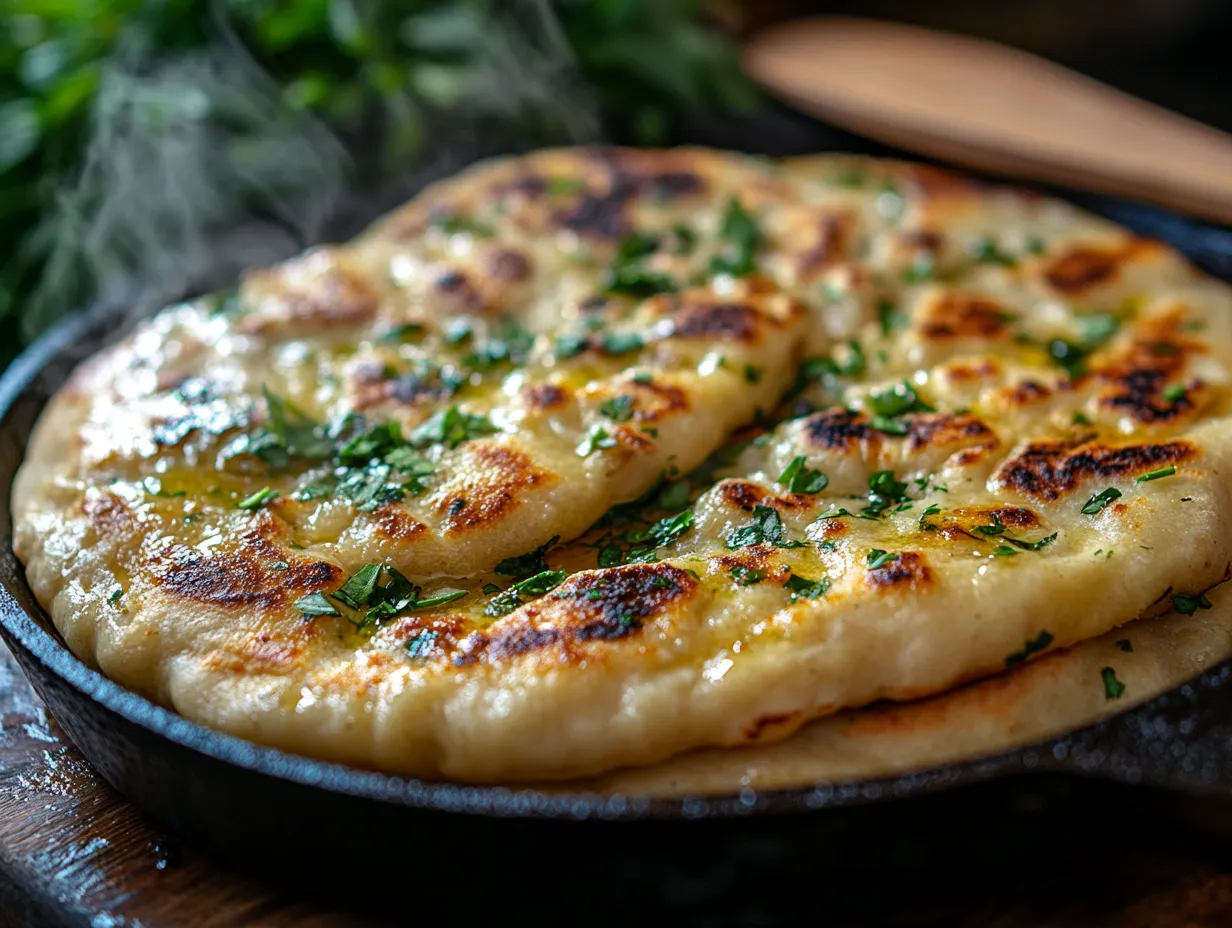
- Use a heavy-bottomed nonstick or Cast Iron Pan
It ensures even heat and that irresistible crispy edge. - Preheat the pan well
Medium heat is key. Too hot, and your flatbread will burn outside while staying raw inside. - Brush lightly with olive oil
No need to drench it. Just enough to create that golden, blistered surface. - Flip just once or twice
Resist the urge to over-flip. One side at a time, about 2–3 minutes each, is all you need.
“The sizzle of a flatbread hitting a hot pan is like applause from your kitchen telling you you’re doing something deliciously right.”
— Moroccan Cooking Proverb
Avoiding Common Cooking Mistakes
Even seasoned cooks can make simple errors. But don’t worry I’ve got your back. Here are a few things to avoid when cooking your Moroccan herb-stuffed flatbread:
- Overfilling the dough: It makes it hard to seal and leads to breakage.
- Using cold dough: Let it come to room temperature for better flexibility.
- Too much oil in the pan: It can make the flatbread soggy instead of crisp.
Keep it simple and intentional. This isn’t fast food it’s slow-cooked joy.
What to Expect in Texture and Color
When done right, your flatbread should be:
- Golden and crispy on the outside
- Soft, layered, and slightly chewy on the inside
- Speckled with blistered patches of brown
- Fragrant with herbs and spice, even before you bite in
Take a second to appreciate the look and smell before serving. It’s not just food it’s an edible snapshot of Morocco.
Keeping It Warm and Crispy Before Serving
Hosting guests or prepping a few ahead of dinner?
Here’s a trick: wrap the cooked flatbreads loosely in a clean kitchen towel and place them in a low oven (around 120°C / 250°F) until ready to serve. This keeps them warm without turning them rubbery.
For storage:
- Let cool completely
- Store in an airtight container
- Reheat in a dry pan for that fresh-off-the-griddle effect
Serving Suggestions and Cultural Touches
Pairing With Harissa, Olives, or Mint Tea
So, your Moroccan herb-stuffed flatbreads are hot off the pan now what?
The beauty of this dish is its versatility. Whether you’re enjoying it solo or building a full Moroccan spread, here are a few classic pairings to make every bite even more memorable:
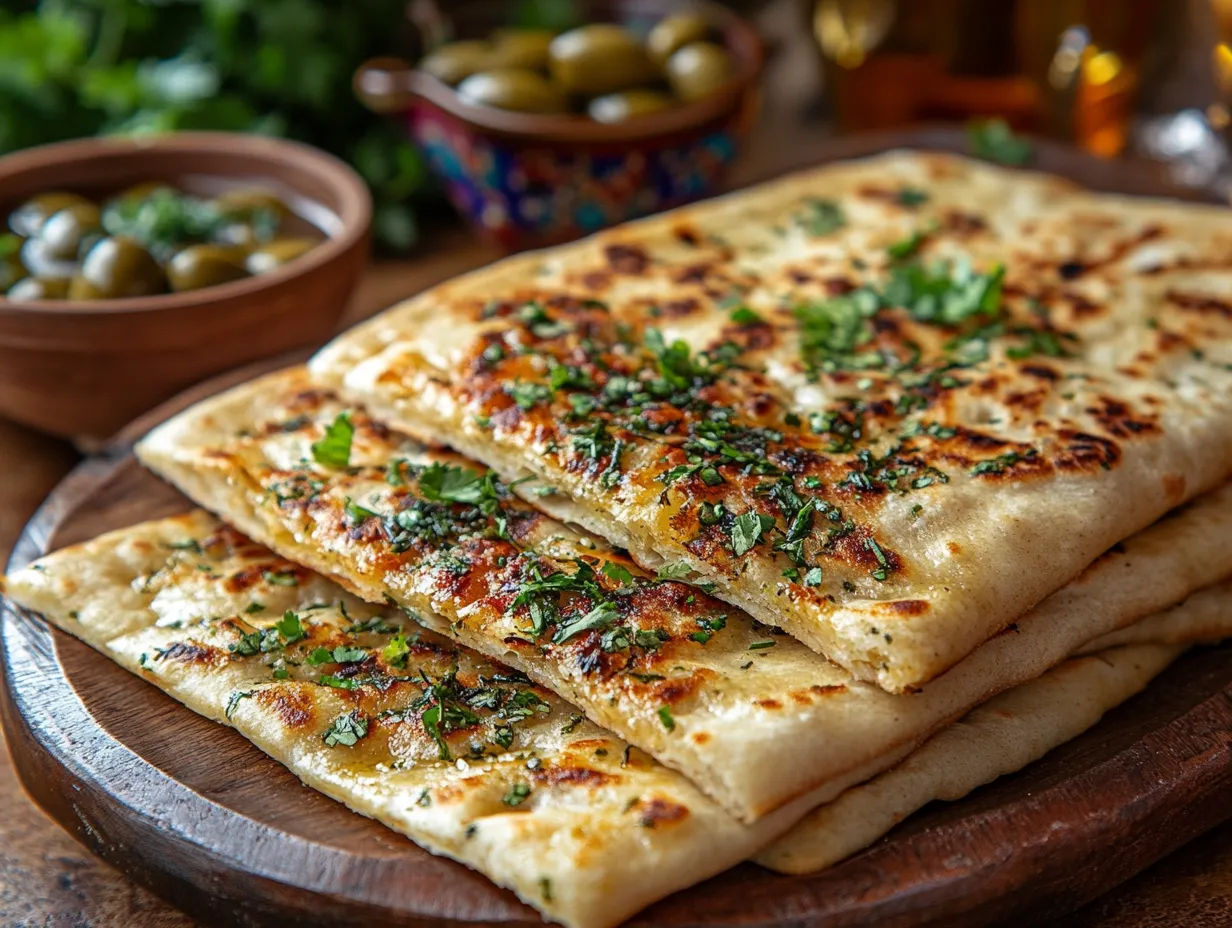
- Briny olives – The saltiness perfectly balances the herbaceous filling.
- Harissa paste – For those who love a kick, this spicy condiment is a bold contrast to the flatbread’s softness.
- Sweet mint tea – Not just a drink, but a ritual in Morocco. The cool, sweet flavor of mint tea complements the warm, savory notes of the flatbread.
Think of it like this: every element on the plate tells a story, and the flatbread is the main character.
Serving It as a Snack, Side, or Main Course
What’s fantastic about Moroccan herb-stuffed flatbread is how flexible it is in a meal plan. You can:
- Serve it as a starter with dips like hummus or labneh
- Slice it into quarters and pair with a hearty soup for lunch
- Stack it alongside a tagine for a more traditional Moroccan dinner
- Offer it as a snack during gatherings or picnics
Whether it’s a casual bite or part of a festive table, it fits right in. And let’s be honest there’s no wrong time for freshly pan-fried flatbread.
Sharing Moroccan Hospitality Through Food
In Moroccan culture, food is more than sustenance it’s an invitation. Bread is torn and shared, hands reach for food from communal platters, and the table becomes a place where stories, laughter, and flavors intertwine.
By making this flatbread at home, you’re not just cooking; you’re recreating that warm spirit of Moroccan hospitality. And that’s something truly special.
So whether you’re serving it to friends or savoring it on your own, remember: you’re not just feeding a belly you’re feeding a connection.
Conclusion: Bake, Share, and Savor the Moment
There’s something incredibly rewarding about making bread with your own two hands especially one that’s as rich in culture and taste as this one.
From the aromatic filling to the golden sear in the pan, Moroccan herb-stuffed flatbread brings something special to the table. It’s humble yet sophisticated, simple yet full of life. And once you taste that first flaky bite, you’ll understand why it’s a beloved staple in Moroccan homes.
So go ahead. Roll the dough, stuff it with herbs, and enjoy the journey. Because when you cook with intention and share with joy you’re doing more than feeding people. You’re connecting hearts across cultures.
Q&A: Your Flatbread Questions, Answered
Q: Can I use dried herbs instead of fresh?
A: Technically, yes but the flavor won’t be nearly as vibrant. Fresh parsley, cilantro, and mint are what give the filling its signature burst.
Q: Can I freeze the flatbreads?
A: Absolutely! Cooked flatbreads freeze well. Just cool completely, wrap individually, and reheat in a dry pan or oven for best results.
Q: What if my dough is too sticky or too dry?
A: Sticky? Add a bit of flour. Too dry? Add a teaspoon of warm water at a time. Dough consistency can vary by climate, so don’t worry adjust as needed.
Q: Is this the same as Msemen or Mahjouba?
A: It’s closely related! Msemen is often layered and plain, while Mahjouba is stuffed with a herb or onion mixture. This recipe blends the best of both.
