


Cooking is more than just a task it’s an experience that transports you. When you prepare a Traditional Moroccan Couscous Recipe, you’re not just making a meal; you’re inviting a centuries-old tradition into your kitchen. Couscous is the heart of Moroccan cuisine, bringing people together over rich flavors, tender meats, and wholesome vegetables. It’s a dish that’s as much about the cooking process as it is about the experience of sharing the meal with family and friends.
Whether you’re an experienced cook or just starting out, this guide will walk you through every step of preparing traditional Moroccan couscous, making sure you get it right every time. Get ready to learn about the key ingredients, the history, and the techniques that will elevate your cooking to new heights.
Table of Contents
What is Traditional Moroccan Couscous?
The Origins and Significance of Couscous
Couscous has been a staple in North Africa for centuries, with Morocco being one of the countries most synonymous with this beloved dish. Made from semolina wheat, couscous is steamed to fluffy perfection, often served with meat, vegetables, and a rich broth. It’s a dish that transcends borders, enjoyed in homes and on special occasions across Morocco.
In Moroccan culture, couscous isn’t just food it’s a symbol of hospitality and tradition. Often, it is served during family gatherings, especially on Fridays, when families come together after the workweek. Whether it’s served for a festive occasion or simply for Sunday lunch, couscous is a dish meant to be shared and savored.
Why Traditional Moroccan Couscous?
The key to authentic Moroccan couscous lies in the process. Traditional couscous requires steaming, which helps create a light and fluffy texture, unlike the quick-cooking version most people are familiar with. This method infuses the couscous with the flavors of the broth and spices, making it not just a side dish, but the centerpiece of the meal. The ritual of preparing and sharing couscous brings warmth and togetherness, allowing families to bond over something truly special.
Essential Ingredients for Traditional Moroccan Couscous
Before diving into the cooking process, it’s important to understand the ingredients that make Moroccan couscous stand out. Every component, from the couscous itself to the spices, plays a crucial role in creating a deliciously authentic dish.
Couscous: The Heart of the Dish
The most important ingredient in Moroccan couscous is, of course, the couscous itself. While many might turn to instant couscous, authentic Moroccan couscous is made from semolina wheat that’s carefully steamed. This type of couscous has a more delicate texture, and it absorbs the flavors of the broth, making each bite more flavorful.
If you’re using pre-packaged couscous, try to find one labeled as “Moroccan couscous” or “hand-rolled couscous.” Instant couscous, though convenient, lacks the depth of flavor and texture that traditional couscous provides.
Meats: The Perfect Protein
In a traditional Moroccan couscous recipe, you can use a variety of meats, but the most common choices are chicken, lamb, or beef. Lamb is especially popular for its tender, flavorful meat that pairs beautifully with the spices used in couscous. Chicken is another great option, offering a milder taste that complements the spices without overpowering them.
When cooking, the meat is often browned in olive oil to develop a deep flavor before being simmered with the vegetables and broth. The choice of meat depends on personal preference or what you have available, but each one offers a unique taste and texture to the final dish.
Vegetables: Adding Color and Flavor
The beauty of Moroccan couscous lies in its versatility. Traditionally, the dish includes a variety of vegetables such as carrots, zucchini, turnips, and pumpkin. These vegetables add a delightful contrast in texture and absorb the rich flavors of the stew. The soft sweetness of the pumpkin and carrots contrasts beautifully with the slight bitterness of the turnips and zucchini, creating a balance of flavors.
Spices and Herbs: The Moroccan Touch
No Moroccan dish is complete without spices. The essential spices in couscous include cumin, cinnamon, saffron, turmeric, ginger, and coriander. These spices create a rich, aromatic flavor profile that is characteristic of Moroccan cuisine. Cinnamon and saffron, in particular, give couscous its warm, slightly sweet flavor, while cumin and turmeric add depth and earthiness.
Fresh cilantro and parsley are often sprinkled on top just before serving to add a burst of freshness. This combination of spices and herbs is what transforms couscous from a simple grain into a flavorful, complex dish that’s bursting with character.
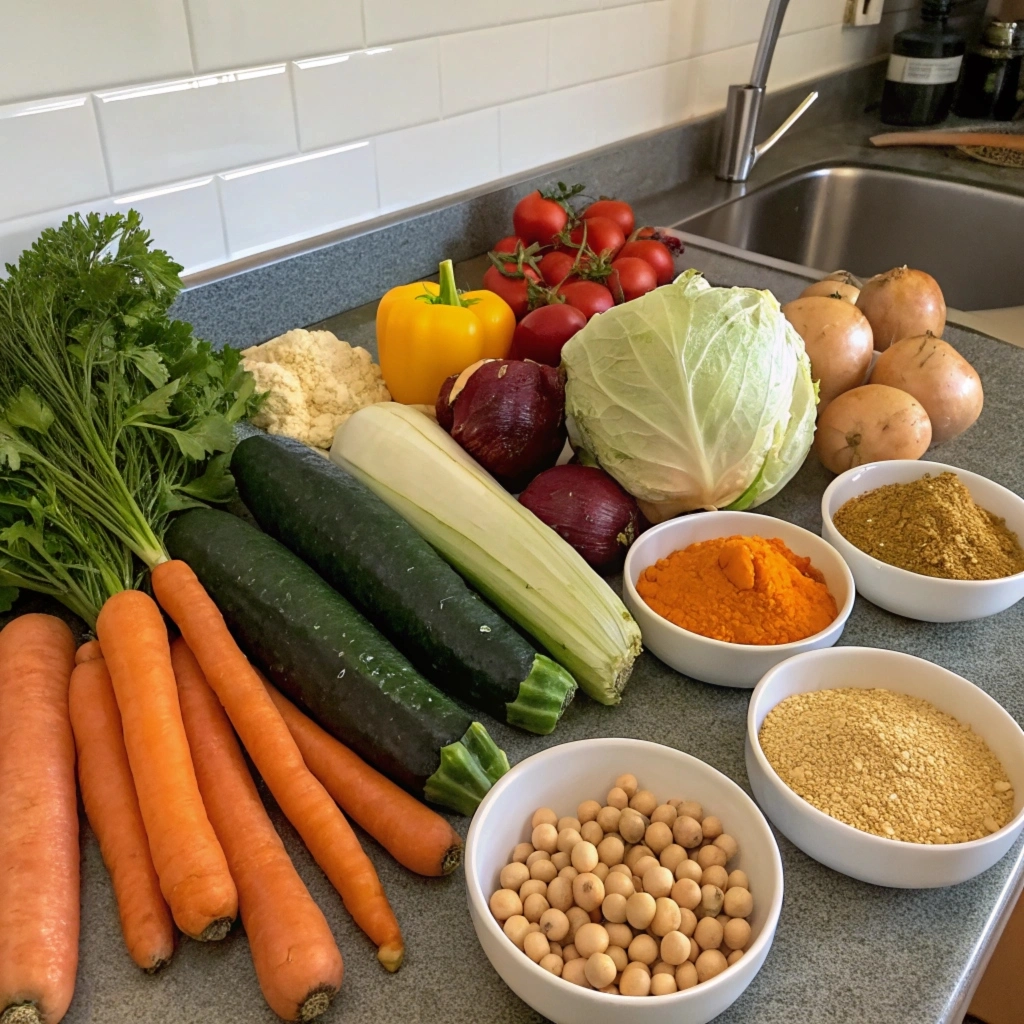
Traditional Moroccan Couscous Ingredients
| Ingredient | Amount | Notes |
|---|---|---|
| Couscous | 2 cups | Use traditional Moroccan couscous, not instant couscous |
| Chicken or Lamb | 1 lb | Cut into pieces, seasoned with Moroccan spices |
| Carrots | 2 | Peeled and cut into thick slices |
| Zucchini | 2 | Cut into thick slices |
| Pumpkin | 1/2 | Peeled and cut into cubes |
| Onion | 1 | Chopped finely |
| Garlic | 2 cloves | Minced |
| Cumin | 1 tsp | |
| Cinnamon | 1/2 tsp | |
| Saffron | 1 pinch | |
| Turmeric | 1 tsp | |
| Ginger | 1/2 tsp | |
| Coriander | 1 tsp | |
| Olive Oil | 2 tbsp | For browning the meat and sautéing the spices |
| Salt | To taste | |
| Pepper | To taste | |
| Water or Broth | 4 cups | To cook the meat and vegetables, adjust as needed |
How to Prepare Traditional Moroccan Couscous
Step-by-Step Instructions for Perfect Couscous
Now that you’re familiar with the key ingredients, it’s time to dive into the cooking process. While traditional couscous does take some time and attention, the result is well worth it. Follow these steps for a delicious and authentic Moroccan couscous experience:
1. Prepare the Couscous
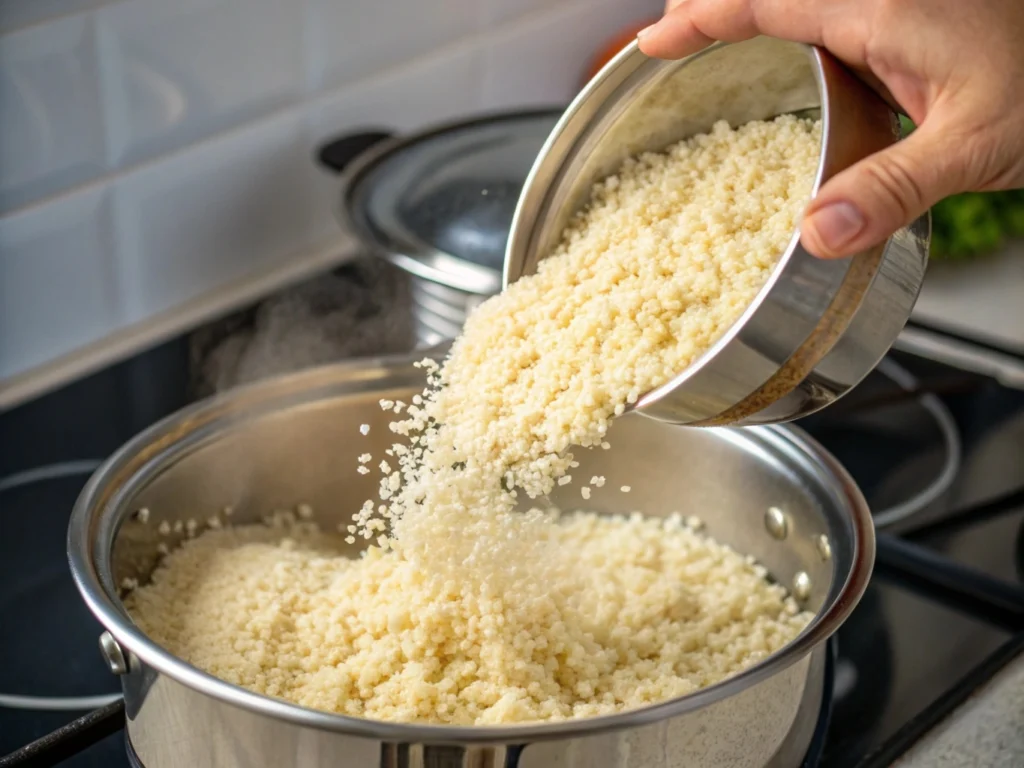
Start by steaming the couscous. If you’re using traditional couscous, place it in a large bowl and pour over just enough water to moisten it. Let it sit for about 10 minutes. Once the couscous absorbs the water, fluff it with a fork to separate the grains. Next, transfer the couscous to a couscousier (a special steamer used in Moroccan cooking), and steam it for about 20-30 minutes. You’ll need to fluff it again halfway through the process to ensure it cooks evenly.
2. Cook the Meat
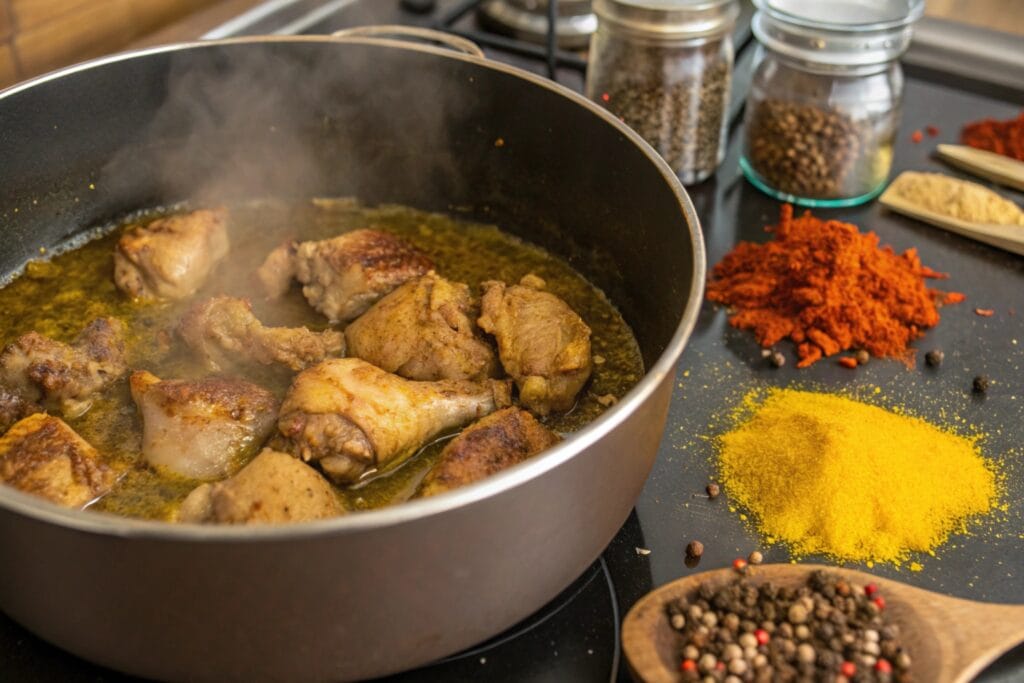
While the couscous is steaming, it’s time to prepare the meat. Heat a large pot with a little olive oil, then brown the meat (lamb, chicken, or beef) on all sides. Add chopped onions, minced garlic, and the Moroccan spices cumin, turmeric, ginger, and cinnamon. Stir to coat the meat with the spices, letting them toast and release their fragrance. Add a pinch of saffron, and then cover the meat with water or broth. Let it simmer for about 45 minutes or until the meat becomes tender and infused with the flavors.
3. Add the Vegetables
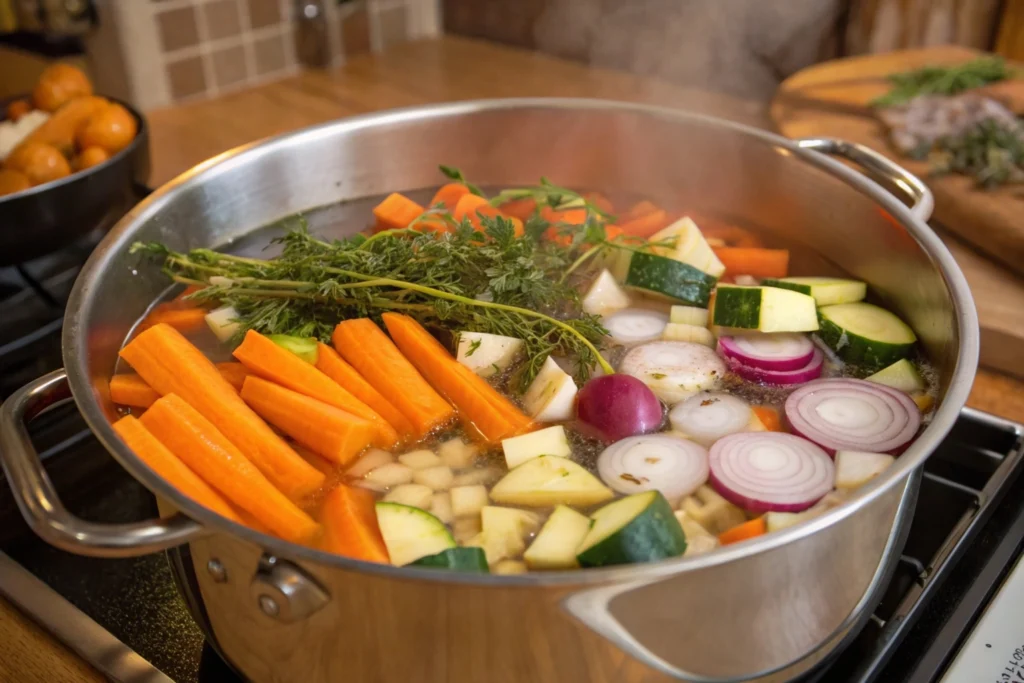
Once the meat is tender, it’s time to add the vegetables. Add your carrots, zucchini, pumpkin, and turnips to the pot, along with more water or broth to cover the ingredients. Let it simmer for another 30-40 minutes, or until the vegetables are tender and the flavors have melded together.
4. Combine the Couscous and Stew
Once the couscous is steamed and the meat and vegetables are ready, it’s time to combine everything. Pour the cooked couscous into a large serving dish. Make a well in the center and carefully spoon the stew (meat and vegetables) over the couscous. Ladle the broth on top to moisten the couscous and infuse it with flavor. Steam the couscous one more time to allow the flavors to absorb fully.
Variations of Moroccan Couscous
While the traditional Moroccan couscous is often made with meat and vegetables, there are several variations that you can try to make the dish your own.
Couscous with Lamb and Prunes
For a sweet and savory variation, try adding prunes and almonds to the stew. The prunes add a lovely sweetness that complements the spices and tender lamb, creating a harmonious balance of flavors.
Vegetarian Couscous
If you prefer a plant-based version, you can make a hearty vegetarian couscous by using more vegetables like bell peppers, eggplant, and tomatoes. You can also add chickpeas or lentils for extra protein, making this a filling and satisfying dish.
Couscous with Fish
In coastal regions of Morocco, couscous is often made with fish, particularly sardines or white fish. This version is lighter but still full of flavor, with the fish absorbing the spices and adding a fresh, savory note to the dish.
Serving and Pairing Your Traditional Moroccan Couscous
Couscous is typically served in a large, communal dish, with the
stew poured over the couscous in the center. Traditionally, the host will serve the meal by ladling couscous and stew onto individual plates, making sure everyone gets a portion of both the couscous and the flavorful broth.

Side Dishes and Pairings
Couscous pairs beautifully with a variety of side dishes. You can serve it alongside a fresh Moroccan salad, made with tomatoes, cucumbers, and olives, or enjoy it with a side of warm, fluffy flatbread. A refreshing mint tea is the perfect drink to accompany your meal.
Frequently Asked Questions (FAQs)
How do I make couscous fluffier?
The key to making couscous fluffy is steaming it rather than just boiling it. Steaming helps separate the grains and gives it a light texture.
Can I use instant couscous?
While you can use instant couscous, it won’t have the same texture or depth of flavor as traditional couscous. For the best results, use hand-rolled or Moroccan couscous.
How long does couscous last in the fridge?
Leftover couscous can be stored in an airtight container in the fridge for up to 3 days. You can also freeze couscous for longer storage.
Conclusion: Bringing Moroccan Flavor to Your Home
Cooking a Traditional Moroccan Couscous Recipe is about more than just preparing food it’s about creating an experience that brings the warmth of Moroccan culture right into your home. With tender meats, flavorful vegetables, and fluffy couscous, you can enjoy a meal that’s rich in history and taste. Now that you have the tools, ingredients, and knowledge, it’s time to gather your supplies and start cooking. Try this recipe today and bring the taste of Morocco to your table!
