
The Essence of Moroccan Lamb with Artichoke and Pea Tagine
Imagine the aroma of slow-cooked lamb infused with warm Moroccan spices, mingling with the earthy sweetness of artichokes and the delicate pop of peas. This is the magic of Lamb with Artichoke and Pea Tagine a dish that embodies the heart of Moroccan cuisine.
Rooted in tradition, this tagine is more than just a meal, it’s a cultural experience, often prepared for special gatherings, family feasts, and celebrations. The slow simmering process allows the lamb to become fall-apart tender while the vegetables soak up the deeply spiced sauce, creating a rich and comforting dish.
If you’re looking to elevate your Moroccan cooking skills, this guide will walk you through every step, from selecting the best ingredients to mastering the art of slow cooking. Whether you’re using a traditional clay tagine, a Dutch oven, or a slow cooker, these tips will help you achieve restaurant-quality results at home.
Table of Contents
Key Takeaways
- Traditional Moroccan Comfort Food – A rich, flavorful dish perfect for special occasions.
- Balanced Sweet & Savory Notes – Spiced lamb pairs beautifully with artichokes and peas.
- Cooking Methods – Works well in a tagine, Dutch oven, or slow cooker.
- Spice Blend is Key – Using cumin, turmeric, saffron, and cinnamon creates depth.
- Best Served With – Crusty Moroccan bread, couscous, or saffron-infused rice.
- Make-Ahead Friendly – Tastes even better the next day as flavors develop.
The History and Cultural Significance of Moroccan Tagines
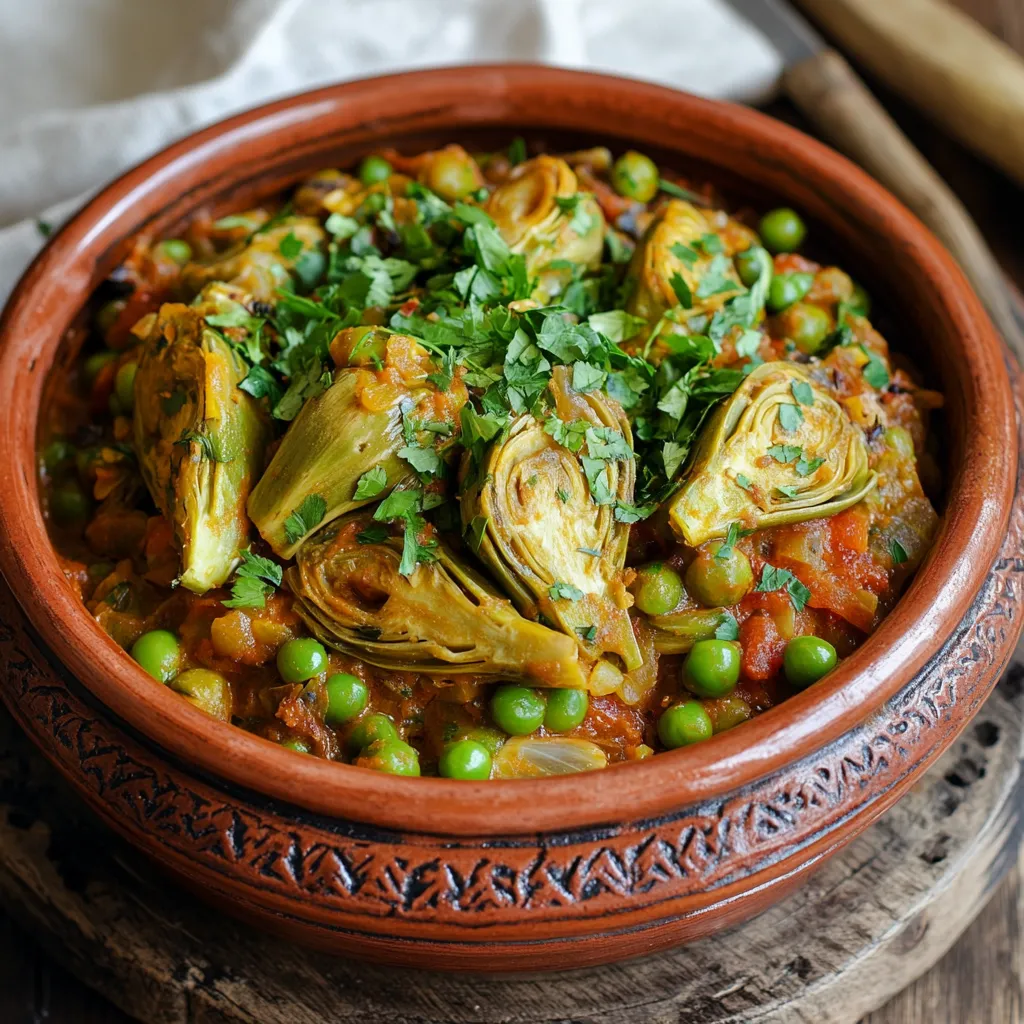
When you think of Moroccan cuisine, what comes to mind? If you said rich flavors, spices, and hearty stews, you’re on the right track. And if you haven’t yet experienced the magic of a lamb with artichoke and pea tagine, you’re in for a treat! But before we dive into how to make this flavorful dish, let’s take a moment to appreciate the history and cultural significance of tagines in Moroccan cooking.
A tagine is more than just a dish; it’s a symbol of Moroccan heritage, a cooking method passed down through generations. This unique, slow-cooked stew is traditionally prepared in a clay pot that shares its name the tagine. The pot’s design, with its conical lid, helps to trap moisture and steam, resulting in tender, flavorful dishes. Imagine the aromas of perfectly spiced lamb, artichokes, peas, and more, slowly mingling in the pot as it cooks over a low flame. It’s a recipe for comfort and nostalgia in every bite.
But what makes lamb with artichoke and pea tagine so special? Well, lamb has long been a staple in Moroccan cuisine, especially during special occasions and family gatherings. Artichokes and peas add a seasonal touch, making this dish both versatile and deeply connected to the land’s rich produce. Each ingredient has its own story to tell, contributing to the flavor profile and bringing layers of cultural history to the table.
Essential Ingredients for an Authentic Lamb Tagine
A lamb with artichoke and pea tagine is only as good as the ingredients you use. Moroccan cuisine is known for its bold flavors, and this dish is no exception. Let’s break down what you’ll need to create an authentic version of this comforting tagine.
Choosing the Right Cut of Lamb
The key to a successful lamb tagine is choosing the right cut of lamb. Shoulder or shank cuts are ideal for tagines, as they become tender and flavorful when slow-cooked. These cuts have enough fat and connective tissue to break down during cooking, resulting in fall-apart tender lamb that is juicy and full of flavor.
The Role of Artichokes and Peas in the Dish
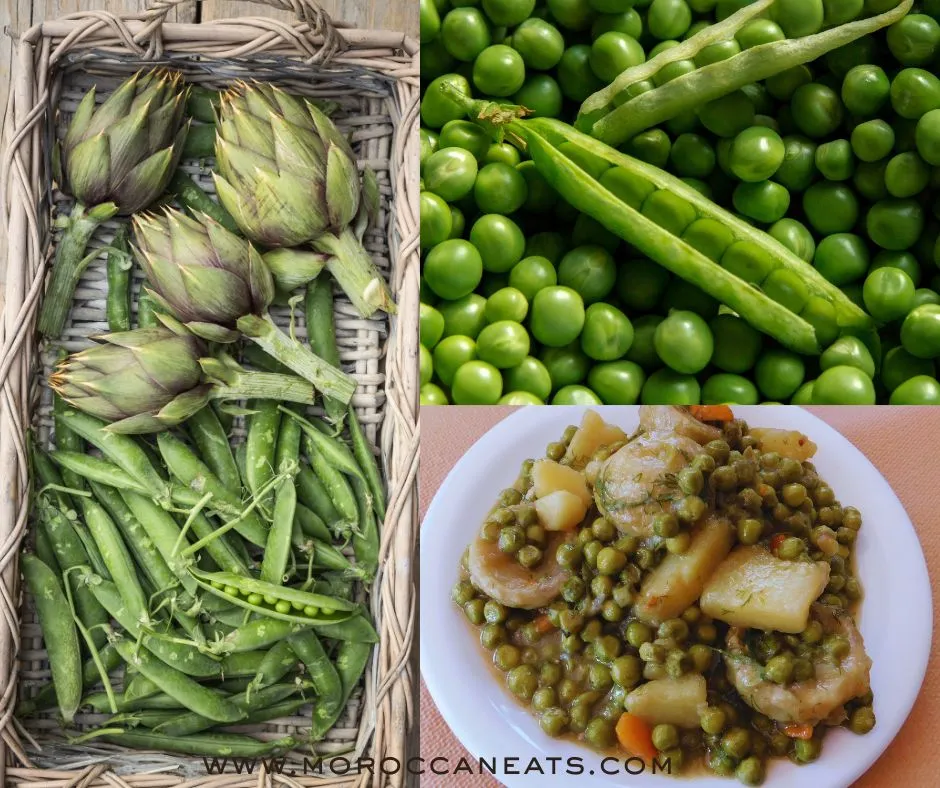
Artichokes and peas are both essential ingredients in a traditional lamb with artichoke and pea tagine. The artichokes add a slight bitterness and earthiness, balancing out the richness of the lamb. Fresh peas (or frozen, if fresh isn’t available) bring a pop of sweetness and texture that complements the tender lamb and the soft artichokes. These ingredients not only enhance the flavor but also tie the dish to the seasons of Morocco, where fresh vegetables are a key part of everyday meals.
Must-Have Moroccan Spices and Herbs
A Moroccan tagine is nothing without its signature spices. Here are the essential ones for lamb with artichoke and pea tagine:
- Ras el Hanout: A fragrant blend of spices that could include cumin, cinnamon, ginger, and turmeric. It’s the heart of Moroccan spice mixes and gives the tagine its complex flavor.
- Saffron: This luxurious spice imparts a subtle earthy flavor and a golden hue to the dish.
- Coriander and cumin: These spices help to bring depth and warmth to the tagine, complementing the richness of the lamb.
- Cilantro: Fresh cilantro adds a refreshing note that balances the earthy spices.
Table: Essential Ingredients for Lamb with Artichoke and Pea Tagine
| Ingredient | Purpose |
|---|---|
| Lamb Shoulder/Shank | Provides tender, flavorful meat that falls apart when slow-cooked. |
| Artichokes | Adds a slight bitterness and earthy flavor to balance the richness of the lamb. |
| Peas | Sweetness and texture to complement the lamb and artichokes. |
| Ras el Hanout | Signature spice blend for complex Moroccan flavor. |
| Saffron | Imparts a subtle earthy taste and a golden hue to the dish. |
| Coriander & Cumin | Adds depth and warmth to the tagine. |
| Cilantro | Fresh herb that balances the earthy spices. |
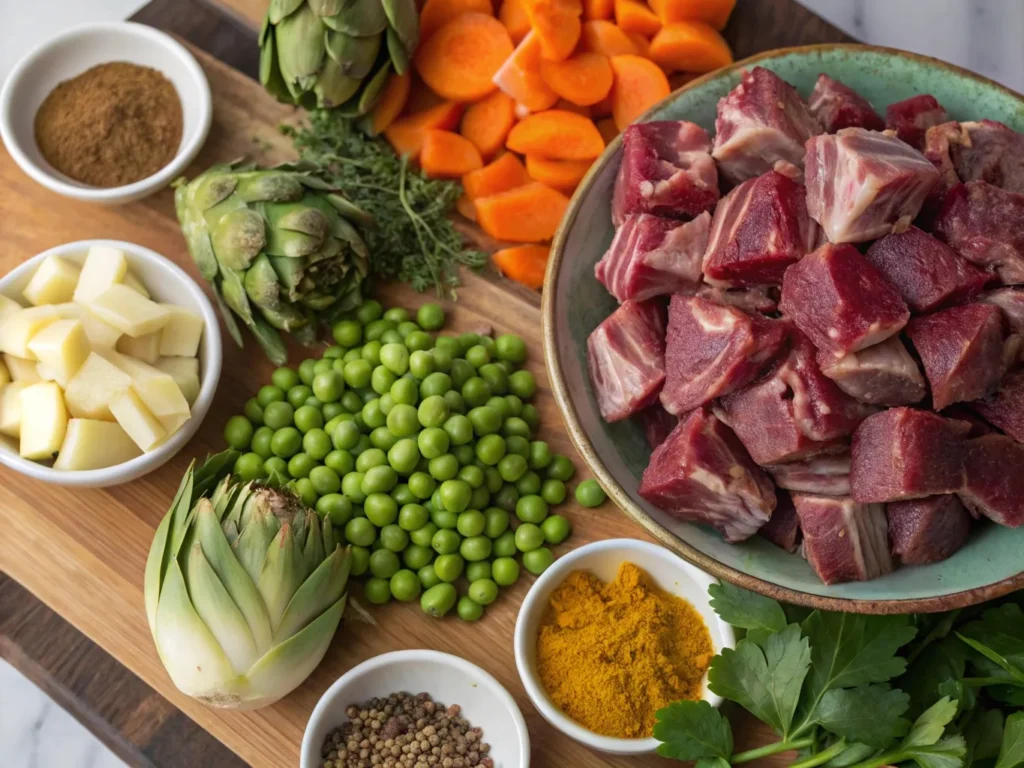
Ingredients Table for Lamb with Artichoke and Pea Tagine
| Ingredient | Quantity |
|---|---|
| Lamb Shoulder or Shank | 2 lbs (900g), cut into chunks |
| Artichokes | 4 medium, trimmed and quartered |
| Frozen or Fresh Peas | 1 cup (150g) |
| Onion | 1 large, chopped |
| Garlic Cloves | 4 cloves, minced |
| Ras el Hanout Spice Blend | 1 tablespoon |
| Ground Cumin | 1 teaspoon |
| Ground Coriander | 1 teaspoon |
| Ground Cinnamon | 1/2 teaspoon |
| Ground Ginger | 1/2 teaspoon |
| Saffron Threads | A pinch (optional) |
| Cilantro | 1/4 cup, chopped |
| Olive Oil | 2 tablespoons |
| Salt | To taste |
| Black Pepper | To taste |
| Water or Broth | 3 cups (720ml) |
| Lemon | 1, sliced (optional) |
This table includes the ingredient labels alongside the quantities needed for your Lamb with Artichoke and Pea Tagine. It’s structured to make it easy to identify the main components in your dish and ensure you have everything required for a perfect tagine!
Cooking the Lamb with Artichoke and Pea Tagine to Perfection
When it comes to preparing a Lamb with Artichoke and Pea Tagine, the key is to cook the ingredients slowly, allowing all the flavors to meld together. Whether you’re using a traditional clay tagine or a heavy Dutch oven, the process remains the same: gentle heat, patience, and a dash of Moroccan magic.
Step 1: Searing the Lamb
Start by heating the olive oil in your tagine or pot over medium-high heat. Once hot, add the lamb chunks and brown them on all sides. This searing process locks in the flavors, creating a rich base for the tagine. Tip: Don’t overcrowd the pot to ensure even searing. You may need to do this in batches.
Step 2: Adding the Aromatics
Once the lamb is seared, remove it from the pot and set it aside. In the same pot, add the chopped onion and garlic. Sauté them until soft and fragrant, about 4 minutes. This step brings out the sweetness of the onions and the savory depth of the garlic.
Step 3: Layering in the Spices
Now it’s time to add the spices. Sprinkle in the ras el hanout, cumin, coriander, cinnamon, and ginger. Stir everything together, letting the spices toast in the oil for about 1 minute. Pro Tip: Toasting spices unlocks their essential oils, enhancing the flavors and making the dish incredibly aromatic.
Step 4: Adding the Liquid and Cooking the Lamb
Return the seared lamb to the pot, along with the saffron threads (if you’re using them). Pour in the water or broth, ensuring the lamb is just covered. Bring everything to a gentle simmer, then reduce the heat to low. Cover and cook for about 1.5 to 2 hours, or until the lamb becomes tender and starts to fall apart.
Step 5: Adding the Vegetables
Once the lamb is tender, it’s time to add the artichokes and peas. These vegetables will cook quickly, so don’t add them too early. Stir the vegetables into the simmering stew, then cover and cook for another 20-30 minutes, or until the artichokes are soft and the peas are bright green.
Step 6: Finishing Touches
Once the vegetables are tender and the flavors have had time to marry, check the seasoning. Add salt and black pepper to taste, and sprinkle freshly chopped cilantro on top for a burst of freshness.
How to Serve Lamb with Artichoke and Pea Tagine
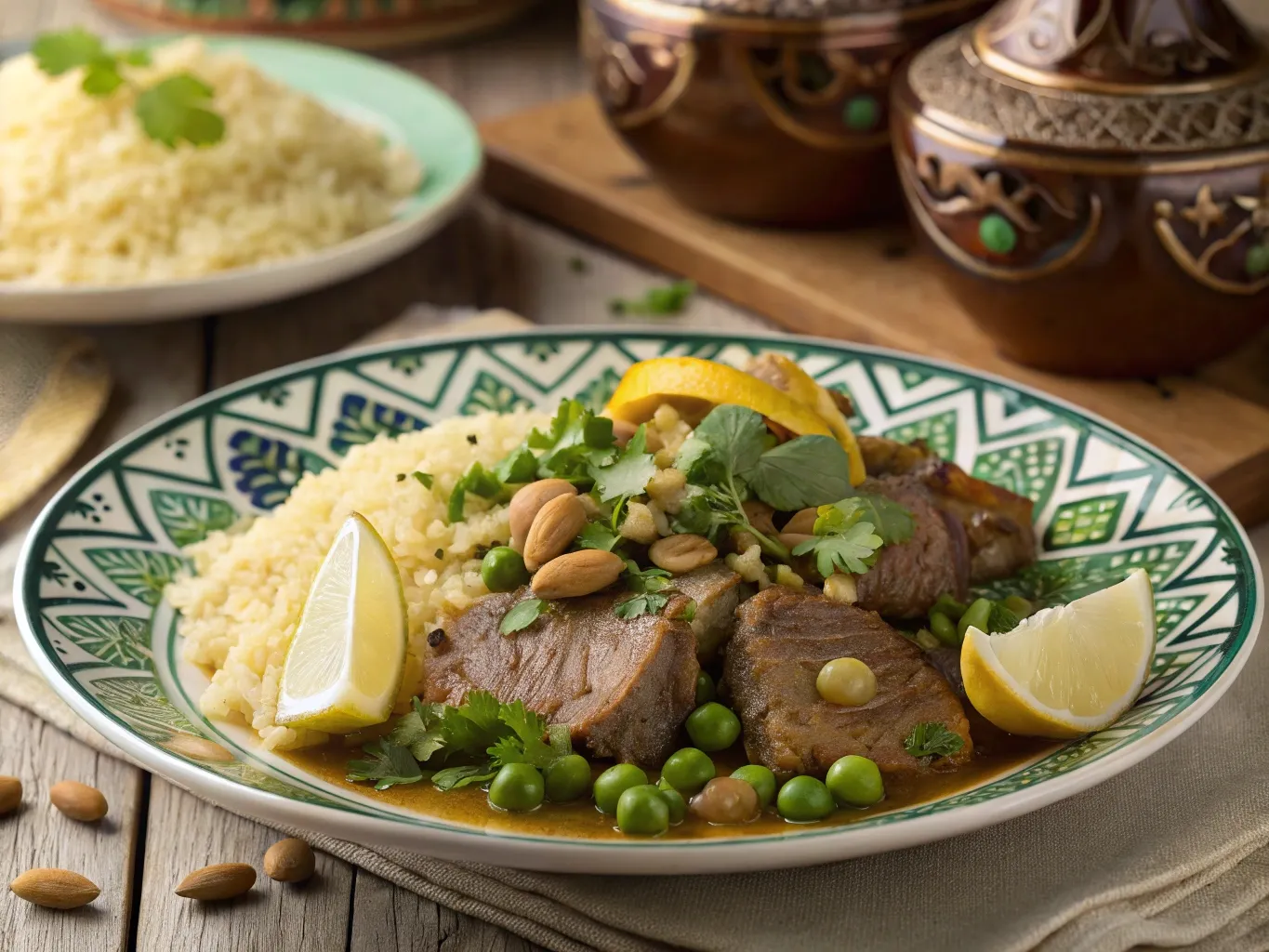
This dish is best served on its own or accompanied by a side of fluffy couscous or Warm Crusty Bread to soak up all the flavorful sauce. You can also garnish with a few lemon slices or olives to add a touch of tanginess.
The Cultural Significance of Tagine in Moroccan Cuisine
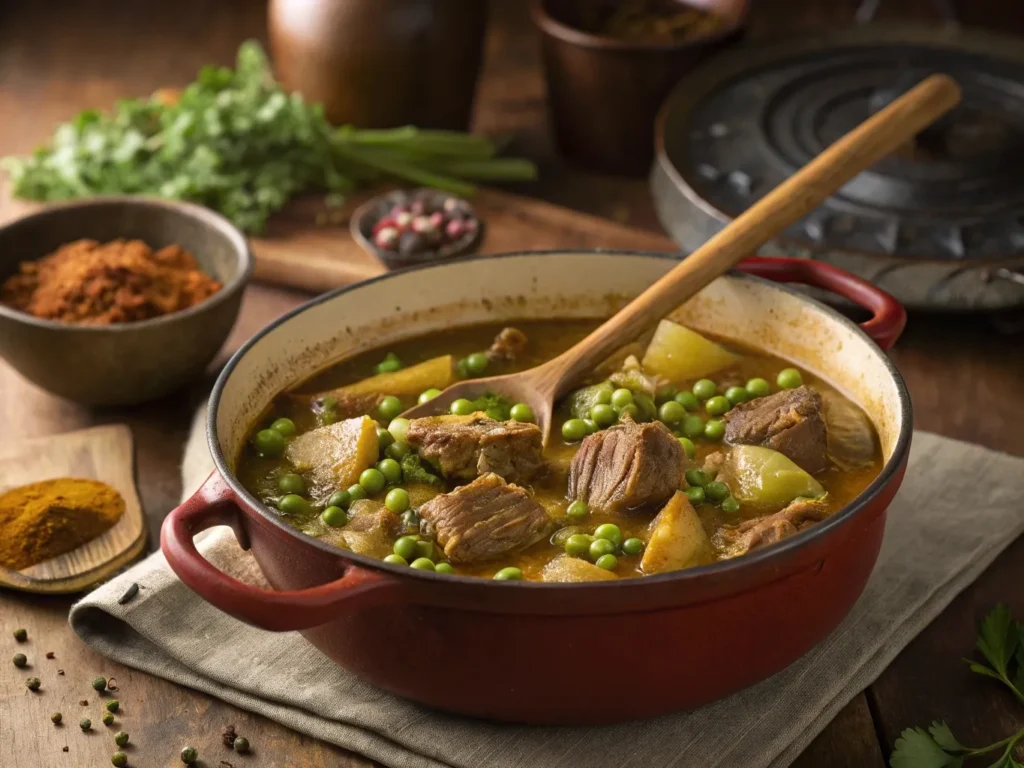
A Tagine is not just a dish it’s a cultural icon of Moroccan cuisine. This traditional, slow-cooked stew is named after the clay pot in which it’s prepared, a symbol of the country’s rich culinary history and cultural heritage. Let’s take a closer look at why tagines, like our Lamb with Artichoke and Pea Tagine, hold such an esteemed place in Moroccan kitchens.
The Heart of Moroccan Cooking
Tagine dishes are often associated with gatherings, family meals, and celebrations. The unique cooking vessel typically a clay pot with a conical lid was designed to retain moisture and circulate heat, ensuring the ingredients cook slowly and evenly. The slow-cooking method not only brings out the deep, rich flavors of the ingredients but also symbolizes the communal nature of Moroccan cooking. In Morocco, meals are often shared in large, family-style portions, with everyone gathered around a single tagine, eating together and enjoying each other’s company.
Why Slow Cooking?
In traditional Moroccan culture, cooking was often done in the morning or afternoon to allow the family to enjoy their meals together in the evening. The slow-cooked tagine was an essential part of this ritual. The extended cooking time allowed the flavors to develop fully, and the spices to infuse the meat and vegetables with warmth and depth. Additionally, slow cooking helps to tenderize tougher cuts of meat like lamb, making them melt-in-your-mouth soft. Did you know? The conical lid of the tagine helps retain steam, which circulates back into the dish, ensuring that the ingredients stay moist and juicy without needing much additional water.
A Symbol of Hospitality
One of the key elements of Moroccan culture is hospitality. Offering guests a steaming tagine dish is a way to show respect and generosity. Meals are not just about nourishment they’re about connection, tradition, and creating lasting memories. Sharing a tagine at the table creates a communal bond, reinforcing the idea of hospitality and warmth that is central to Moroccan culture.
Tagine as an Expression of Regional Diversity
Moroccan cuisine is incredibly diverse, with regional variations in ingredients, cooking methods, and flavor profiles. From the coastal cities to the inland mountains, each region puts its own spin on the tagine. For instance, in the northern regions of Morocco, seafood tagines might dominate, while in the Atlas Mountains, lamb and vegetables are more common. The ingredients for your Lamb with Artichoke and Pea Tagine may vary depending on the local market, season, and availability of produce reflecting the ever-changing nature of Moroccan cuisine.
Quote:
“In Morocco, food is not just about feeding the body; it’s about nourishing the soul. A tagine is an invitation to gather, to share, and to savor life’s simplest pleasures.” — Moroccan proverb.
Expert Tips for Perfecting Your Lamb with Artichoke and Pea Tagine
Making a Lamb with Artichoke and Pea Tagine at home can seem intimidating at first, but with a few expert tips and tricks, you can ensure that your dish turns out perfect every time. Here are some practical tips to help you get the best results and elevate your tagine game to the next level.
1. Use Fresh, Quality Ingredients
The key to any great tagine is the quality of its ingredients. Fresh, seasonal vegetables and tender cuts of meat are the foundation of this dish. Lamb shoulder is the ideal cut for this recipe, as it becomes beautifully tender during slow cooking. When selecting artichokes, choose ones that are firm and heavy, with vibrant green leaves. Fresh peas are always the best option, but if you’re using frozen peas, make sure to add them toward the end of the cooking process to maintain their bright color and texture.
2. Don’t Rush the Cooking Process
Tagine is meant to be cooked slowly, so resist the urge to turn up the heat. The long cooking time allows the flavors to meld together, creating a rich, flavorful sauce. Set your tagine over low heat and let the ingredients cook slowly, stirring occasionally. This method is crucial for tenderizing the lamb and ensuring the artichokes and peas are cooked to perfection.
3. Layer Your Flavors
When making tagine, the layering of spices is essential to creating the dish’s complex flavor profile. Start by browning the lamb, then build up your spices, such as ginger, cumin, cinnamon, and turmeric, before adding the vegetables. This ensures that the meat and vegetables are infused with the spices, making every bite full of flavor. A tip: Toast your spices in the pot before adding liquids for a deeper, more aromatic flavor.
4. Adjust the Liquid for the Right Consistency
One of the most important aspects of tagine cooking is managing the liquid. You don’t want a dry dish, but you also don’t want a soupy tagine. The ideal consistency is a rich, saucy dish that coats the lamb and vegetables. Keep an eye on the pot while it’s cooking and add a little water or broth if needed. The moisture released from the vegetables and lamb should be enough, but be ready to add more liquid if you find the dish is getting too dry.
5. Garnish for a Beautiful Finish
Once your lamb and artichokes are tender and your tagine is ready, it’s time to serve. Garnish your dish with a few sprigs of fresh herbs, like cilantro or parsley, and a sprinkle of toasted almonds for an added crunch. A drizzle of extra virgin olive oil and a squeeze of lemon juice can also elevate the dish, enhancing its vibrant flavors.
6. Pairing Your Tagine
A tagine is a meal on its own, but pairing it with some traditional Moroccan sides can enhance the dining experience. Serve your Lamb with Artichoke and Pea Tagine with a side of couscous, or enjoy it with some warm Moroccan flatbread. A fresh, citrusy salad on the side can add a refreshing contrast to the richness of the lamb, while a glass of red wine or Moroccan mint tea will complement the flavors beautifully.
Conclusion: A Dish to Savor and Share
Cooking Lamb with Artichoke and Pea Tagine is a rewarding experience, bringing together bold Moroccan flavors in a slow-cooked masterpiece. This dish is not just about the ingredients; it’s about tradition, patience, and the joy of sharing a meal with loved ones.
Whether you’re making it for a festive occasion or a cozy dinner, the rich flavors and melt-in-your-mouth lamb will transport you straight to the vibrant streets of Morocco. So, grab your spices, fire up your tagine (or Dutch oven), and let the magic unfold in your kitchen!
Q&A: Everything You Need to Know
❓ Can I use frozen artichokes and peas?
Yes! Frozen artichokes and peas work well and can be a great time-saver. Just ensure they are thawed before adding to the tagine.
❓ What is the best cut of lamb for tagine?
Lamb shoulder or lamb shank is ideal for slow cooking, as they become incredibly tender and absorb the spices beautifully.
❓ Do I need a traditional clay tagine to make this dish?
No, while a clay tagine enhances authenticity, a Dutch oven or slow cooker will also yield delicious results.
❓ How can I make this dish ahead of time?
This tagine tastes even better the next day! Store it in an airtight container in the refrigerator and reheat gently on the stovetop.
❓ What can I serve with lamb and artichoke tagine?
Traditional Moroccan bread (khobz), fluffy couscous, or a light salad with preserved lemons are excellent choices.