

Discover the Secret to Authentic Moroccan Fresh Bread Recipe
Imagine stepping into a bustling Moroccan kitchen, where the aroma of freshly baked bread fills the air. The crust is golden, crisp, and inviting, while the soft, pillowy interior promises the perfect bite. Whether you’re sitting around a family table in Morocco or preparing to enjoy this delicious treat at home, Moroccan bread is not just a meal it’s an experience. In this article, you will uncover the secrets to making authentic Moroccan fresh bread, a staple in every Moroccan home. With simple ingredients and easy-to-follow steps, you can bring the heart of Morocco into your kitchen.
Table of Contents
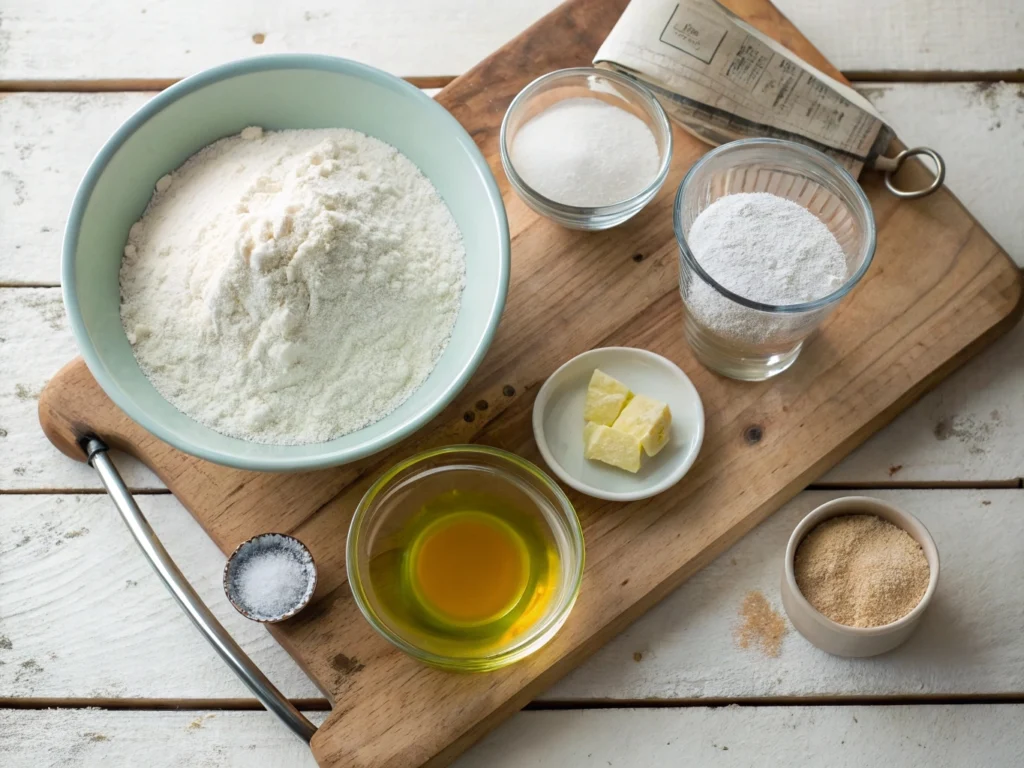
Ingredients for Moroccan Fresh Bread – What You’ll Need
Before you dive into the bread-making process, it’s essential to gather all the ingredients that will help create this traditional Moroccan delight. The good news is, most of the ingredients are already in your pantry. Let’s go over what you’ll need.
Ingredients Table:
| Ingredient | Amount (Metric) | Amount (Imperial) |
|---|---|---|
| All-purpose flour | 500g | 4 cups |
| Yeast (active dry) | 7g | 1 packet (2 1/4 tsp) |
| Warm water | 350ml | 1 1/2 cups |
| Olive oil | 30ml | 2 tbsp |
| Salt | 10g | 1 1/2 tsp |
| Sugar | 10g | 1 tbsp |
Key Notes:
- Flour: Use high-quality all-purpose flour for the best texture. You can also experiment with a mixture of all-purpose and whole wheat flour for a rustic flavor.
- Yeast: Active dry yeast is a reliable choice. Just make sure it’s fresh.
- Water: The water should be warm, not too hot, or cold, to activate the yeast properly.
- Olive Oil: Extra virgin olive oil adds a subtle richness to the bread. Feel free to adjust the amount if you prefer a lighter texture.
Step-by-Step Guide to Making Moroccan Fresh Bread
Now that you’ve gathered your ingredients, it’s time to roll up your sleeves and start baking! Follow these steps to ensure that your Moroccan bread turns out perfectly every time.
Preparing the Dough
The process of making the dough is crucial to achieving the ideal bread texture. Here’s how to do it:
- Activate the Yeast: In a bowl, combine the warm water with sugar and active dry yeast. Let it sit for about 5-10 minutes until it becomes foamy. If the mixture doesn’t foam, your yeast might be expired, so try again with fresh yeast.
- Combine Flour and Salt: In a large mixing bowl, combine the flour and salt. Make a well in the center to add the yeast mixture later.
- Mixing the Dough: Gradually pour the yeast mixture into the well of flour. Add the olive oil. Stir the mixture together until a dough begins to form.
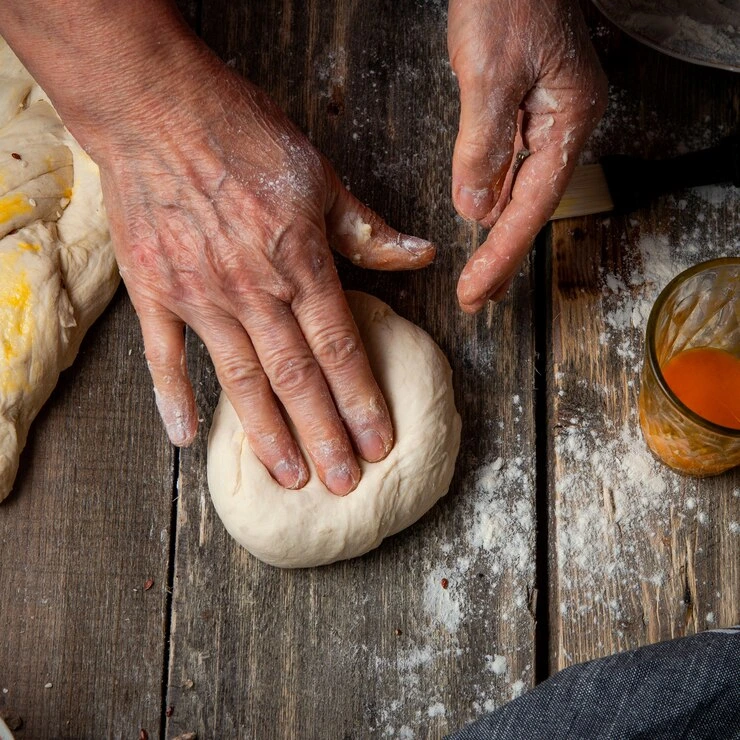
- Kneading: Turn the dough out onto a clean surface and knead for about 8-10 minutes, until the dough becomes smooth and elastic. This step is essential to achieving the soft, airy texture of Moroccan bread. Take your time, and don’t rush!
Rising the Dough
Once the dough is kneaded, it’s time to let it rise:
- First Rise: Place the dough in a lightly oiled bowl and cover it with a damp cloth. Let it rest for 1 to 1.5 hours in a warm place until it doubles in size. The dough should feel light and airy when you punch it down.
- Optional Second Rise: If you want an even fluffier texture, punch the dough down and let it rise again for another 30 minutes.
Shaping the Dough
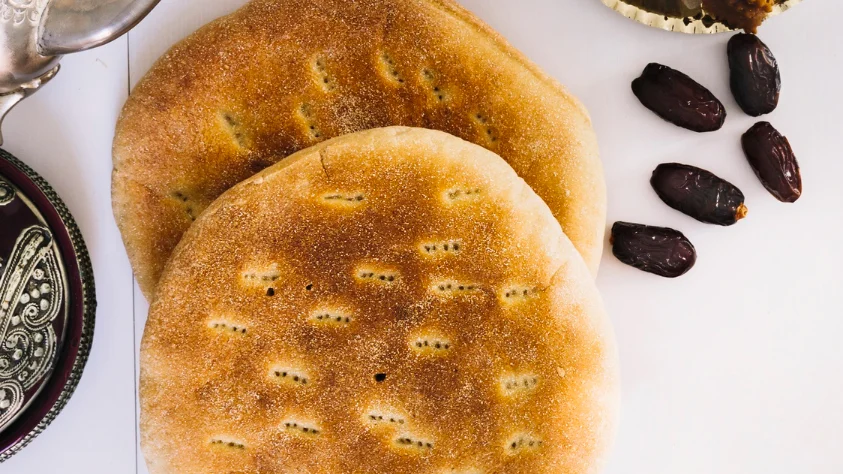
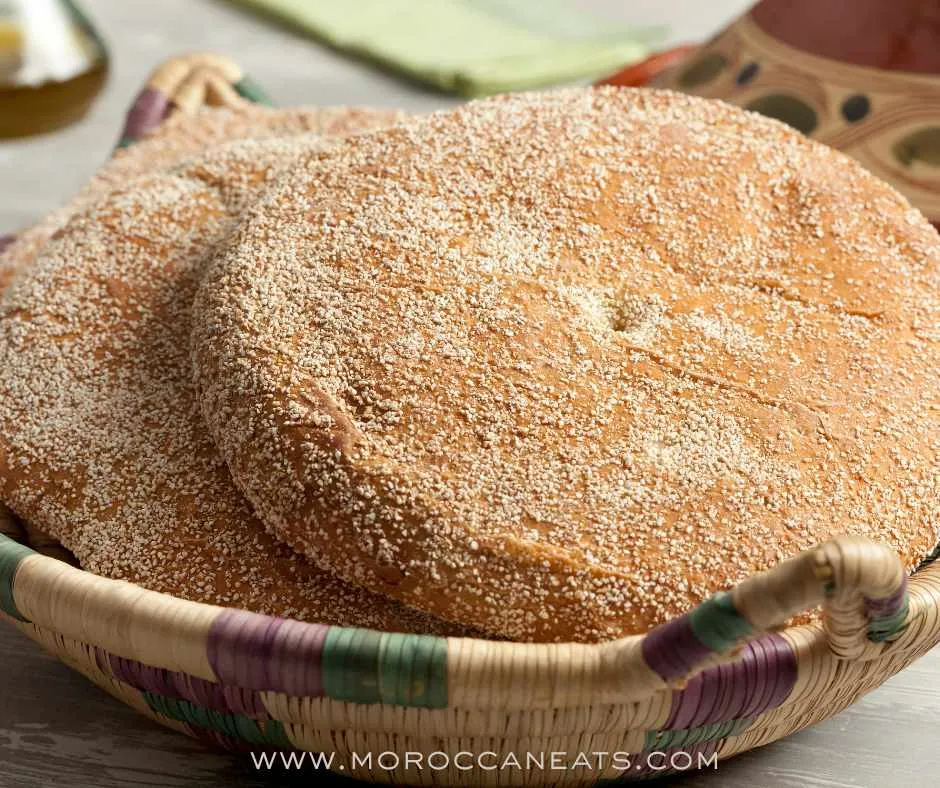
Shaping the bread is where you can get creative. Traditionally, Moroccan bread (called Khobz) is round and slightly flattened.
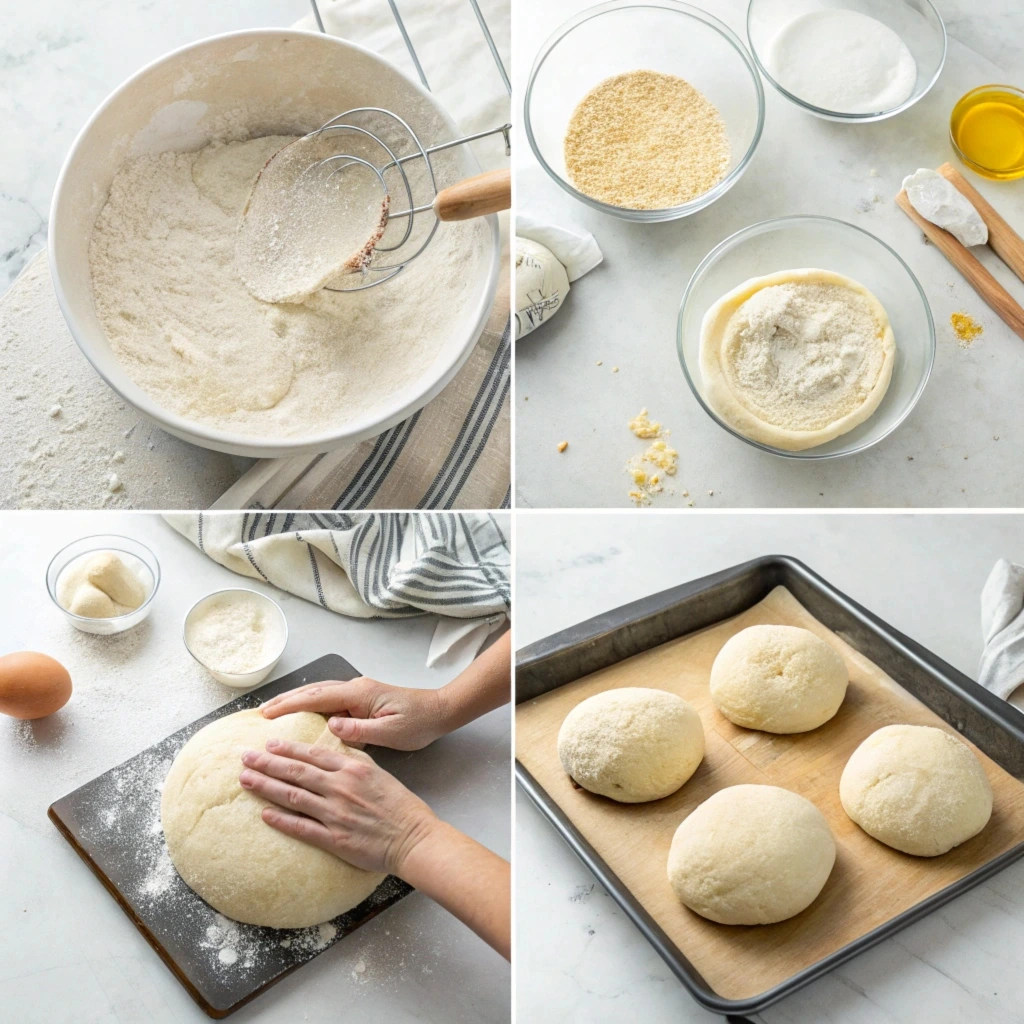
- Divide the Dough: After the dough has risen, punch it down and divide it into two equal portions. You can make two round loaves or one large loaf, depending on your preference.
- Shape the Dough: Roll each portion into a ball. Then flatten the dough gently with your fingers into a disc shape. Traditional Moroccan bread is a little thicker in the center with slightly rounded edges.
- Optional Design: For a traditional touch, score the top of the bread with a sharp knife. This can be done in a criss-cross pattern or simply as a line down the middle.
Baking the Moroccan Fresh Bread – Perfecting the Crust and Texture
Baking is where the magic happens. The right oven temperature and steam are essential for achieving the perfect Moroccan bread crust.
Preparing the Oven
To get that crispy, golden crust that is characteristic of Moroccan bread, preheat your oven to 220°C (430°F).
- Steam for the Crust: Place a small pan of water on the lower rack of the oven. The steam will help create the crunchy exterior of the bread while keeping the inside soft and fluffy.
Baking the Bread
- Place the Dough on a Baking Sheet: Transfer the shaped dough onto a baking sheet lined with parchment paper to prevent sticking.
- Bake for 20-25 Minutes: Bake the bread in the preheated oven for 20-25 minutes, or until the top is golden brown, and the bread sounds hollow when tapped on the bottom. This is the sign of perfectly baked bread.
- Cool and Serve: Once the bread is done, remove it from the oven and let it cool for a few minutes before slicing. The bread will continue to set as it cools, so be patient
Tips and Tricks for Perfect Moroccan Fresh Bread Every Time
Achieving perfect Moroccan bread can take some practice, but with a few tips, you’ll master the process in no time.
- Knead Well: Don’t skimp on the kneading time. Kneading for at least 8 minutes will ensure that the bread has a light, airy texture.
- Resting Time: Be patient with the dough. Letting it rest fully allows the gluten to develop, which helps with the texture and flavor of the bread.
- Use Semolina Flour for Extra Texture: If you want a more traditional Moroccan feel, dust the baking sheet with semolina flour before placing the dough on it. This will give the bread a unique texture and a slightly different flavor.
- Experiment with Flours: You can try mixing all-purpose flour with whole wheat or even adding a little rye flour for a more rustic bread.
Why Moroccan Fresh Bread is a Staple in Every Household
Moroccan bread is not just a side dish; it’s a cultural symbol, a representation of family, and a cornerstone of Moroccan hospitality.
Cultural Significance
In Moroccan culture, bread is often shared among family members or guests, symbolizing unity and prosperity. It’s not uncommon to see a large round loaf placed in the center of a meal, with everyone tearing off a piece to dip into stews or tagines. The bread connects people and brings them together.
Health Benefits
Moroccan fresh bread is made from simple, natural ingredients, without the additives and preservatives found in many store-bought loaves. If you want to make your bread even healthier, consider using whole wheat flour for added fiber and nutrients. Plus, baking your own bread at home allows you to control the ingredients, making it a wholesome choice for you and your family.
Common Mistakes to Avoid When Baking Moroccan Fresh Bread
Baking bread is an art, and it’s easy to make mistakes if you’re not careful. Here are a few pitfalls to avoid:
- Incorrect Yeast Activation: Ensure that your water temperature is not too hot or too cold. If it’s too hot, the yeast will die. If it’s too cold, it won’t activate. The perfect water temperature is between 100-110°F (37-43°C).
- Over-Kneading the Dough: While it’s important to knead, overworking the dough can result in dense bread. Aim for a smooth, elastic texture without overdoing it.
- Skipping the Steam: Steam helps create the crispy crust that’s a signature of Moroccan bread. Don’t skip this step!
Conclusion: Enjoying the Fruits of Your Labor – Moroccan Fresh Bread Done Right
Now that you have all the steps and tips, it’s time to bake your own Moroccan fresh bread. From the simple ingredients to the easy preparation steps, this bread is not just delicious it’s a connection to Moroccan culture and hospitality. Share it with your loved ones, serve it with a delicious tagine, or enjoy it on its own with olive oil and herbs. The possibilities are endless.
Get ready to enjoy that first bite of warm, fluffy, and authentic Moroccan bread made with your own hands! If you’ve tried this recipe, share your experience with us on social media. Tag us using #MoroccanFreshBread, and we’d love to feature your bread-baking creations!
FAQ – Moroccan Fresh Bread Recipe
Can I use whole wheat flour for Moroccan fresh bread?
Yes, whole wheat flour can be used in place of some or all of the all-purpose flour. The bread will have a denser texture and a more rustic flavor.
How can I store Moroccan bread?
Store Moroccan bread in an airtight container at room temperature for up to 3 days. You can also freeze it for up to a month just let it thaw at room temperature when you’re ready to enjoy.
Why is my Moroccan bread dense?
Dense bread is often the result of over-kneading or improper yeast activation. Ensure your yeast is fresh and activate it with the right water temperature, and avoid overworking the dough.
Can I make Moroccan bread without yeast?
While traditional Moroccan bread uses yeast, you can make a no-yeast version by substituting baking powder. The texture will differ, but the flavor will still be delicious.
By following this step-by-step guide, you’ll be able to make authentic Moroccan bread that rivals anything you’d find in Morocco itself. Happy baking!
Izza…
2 thoughts on “Moroccan Bread Freshly Made recipe Called Khobz”