
Intro: Discover the Magic of Festive Moroccan R’fissa
Are you ready to fall in love with a dish that’s equal parts comfort food and cultural treasure? Meet Moroccan R’fissa a soul-warming, spice-infused celebration of tradition. This isn’t your average chicken-and-lentil stew. R’fissa is layered, slow-cooked, and deeply personal.
Made with shredded msemen (or trid), savory lentils, warming spices like ginger and saffron, and sometimes enriched with aged smen (fermented butter), this dish is as nutritious as it is nostalgic. Whether you’re cooking for a postpartum mama, honoring Eid traditions, or simply craving something soulful, R’fissa never disappoints.
You’ll walk away from this post with not only a foolproof Moroccan R’fissa recipe, but also a deeper understanding of why this dish matters so much to culture, to families, and maybe soon, to you too.
Key Takeaways
- ✅ R’fissa is more than food it’s a cultural expression of comfort, care, and celebration in Moroccan households.
- ✅ The dish combines slow-cooked chicken, lentils, fenugreek, and spices layered over msemen or trid.
- ✅ Traditionally served to new mothers for healing and strength, but enjoyed during festive occasions and family gatherings.
- ✅ Easily adaptable to modern kitchens using crepes or flatbread and pressure cookers without losing its soul.
- ✅ Cooking R’fissa is a way to preserve tradition and create unforgettable shared meals.
Table of Contents
What Makes R’fissa a Cherished Moroccan Tradition?
Cultural Significance During Eid & Celebrations
Have you ever tasted a dish so rich in tradition that it instantly transported you to a different time and place? That’s exactly what R’fissa does it’s not just a meal; it’s a whole experience steeped in Moroccan heritage and celebration.
This traditional Moroccan food holds a special place in festive occasions like Eid al-Mawlid (the Prophet’s birthday), weddings, and family reunions. The moment you lift the lid and the aroma of saffron, fenugreek, and ras el hanout fills the air, you know something extraordinary is about to happen.
R’fissa is not simply about taste it’s about togetherness.
Here’s why it’s so beloved during celebrations:
- Symbol of hospitality: Serving R’fissa to guests is a gesture of honor and generosity in Moroccan culture.
- Large-portion dish: It’s perfect for feeding a crowd during special events and religious holidays.
- Slow-cooked goodness: This dish isn’t rushed just like meaningful celebrations, it’s savored slowly and with intention.
It’s a perfect example of how Moroccan family gatherings are centered around hearty meals that nourish more than just the body they feed the soul.
The Role of R’fissa in Postpartum Healing
Surprisingly, R’fissa is more than just a festive favorite it also has medicinal value in Moroccan households, especially after childbirth. Traditionally, mothers are served this dish during the postpartum period to promote healing and strength.
Why? Because its ingredients aren’t just flavorful they’re functional.
Let’s break it down:
- Fenugreek seeds aid in lactation and digestion.
- Smen (fermented butter) is believed to restore strength and energy.
- Warming spices like ginger and cinnamon boost circulation and immunity.
The comfort this dish brings makes it a heartfelt staple passed from generation to generation, continuing the cycle of care and tradition.
How Moroccan Families Celebrate with Food
Walk into any Moroccan home during a festive season, and you’re likely to find the entire family gathered around a massive dish of R’fissa no forks, just shared bread and laughter. Food in Morocco isn’t served in isolation; it’s an expression of love and community.
You’ll often hear stories, music, and see multiple generations bonding over this steaming, savory dish.
If you’ve ever wondered how a simple recipe can hold so much meaning, look no further than R’fissa it’s the thread that weaves together Morocco’s past and present, celebration and healing, taste and tradition.
Origins and History of R’fissa
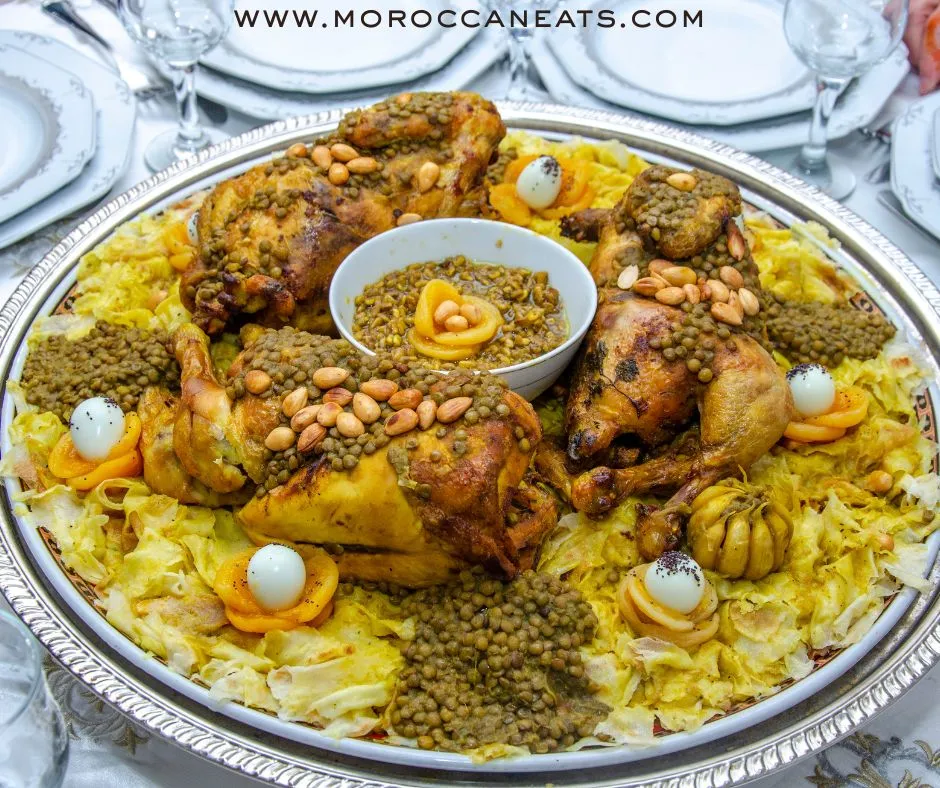
So, where did R’fissa come from? Historians trace its roots to rural Moroccan kitchens, where Msemen or trid (shredded flatbreads) were paired with rich, spiced stews made from humble ingredients. Over time, it evolved into a festive Moroccan R’fissa recipe loved across the country.
From Fez to Casablanca, each region adds its own twist some prefer more fenugreek, others enrich the broth with saffron threads and smen but the essence remains the same: tradition, comfort, and joy on a plate.
Ingredients That Bring R’fissa to Life
Traditional Moroccan Spice Blend
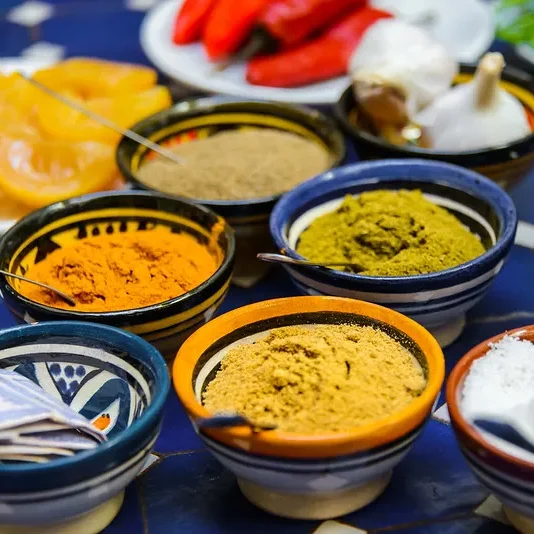
What makes R’fissa so unforgettable? It all begins with the spices those deeply aromatic Moroccan spices that awaken your senses and transport you to the heart of a Moroccan kitchen.
This dish isn’t spicy-hot, but it’s layered with warmth and complexity, thanks to ingredients like:
- Turmeric – for that signature golden color and anti-inflammatory power
- Ginger – to add earthy depth and warmth
- Black pepper – a subtle, spicy kick
- Ras el Hanout – a robust Moroccan spice blend (optional, but a flavor booster)
- Saffron threads – luxurious and fragrant, often used during celebrations
These spices create a broth that’s both soothing and bold, making every bite of chicken and lentil R’fissa a deeply satisfying experience.
Importance of Smen and Msemen (or Trid)
Ask any Moroccan cook, and they’ll tell you: smen is the soul of R’fissa. It’s a type of fermented butter with a pungent, aged flavor that transforms a good dish into something extraordinary.
Now let’s talk about the foundation of the dish msemen or trid.
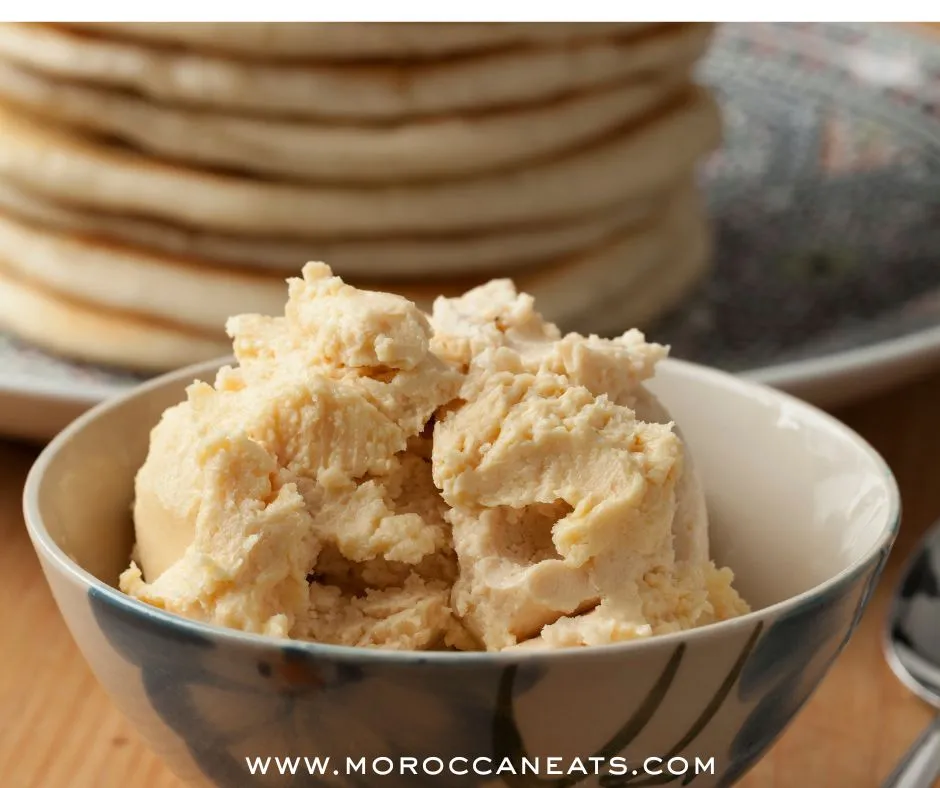
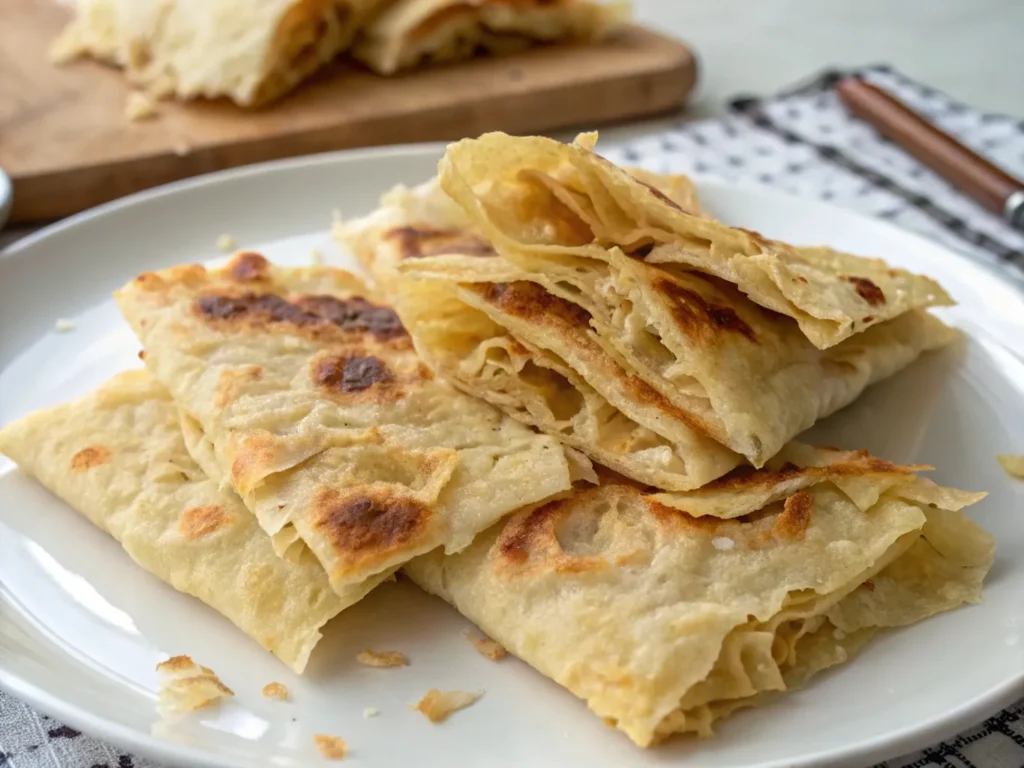
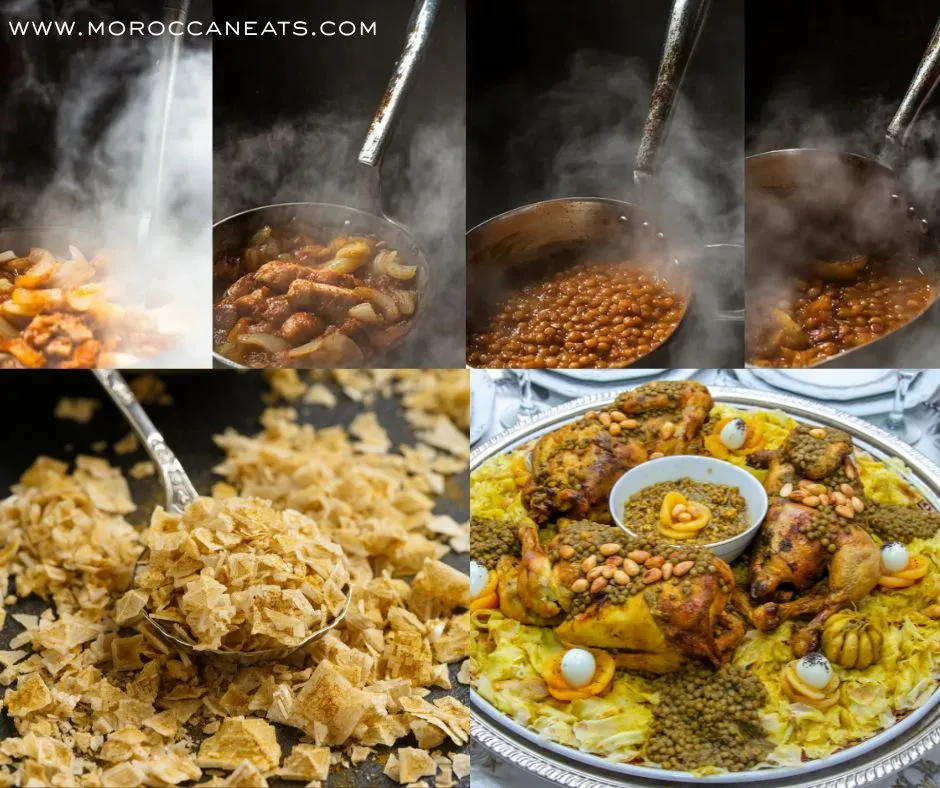
These are layered Moroccan flatbreads, hand-folded and cooked until golden, then shredded to serve as the base. Once soaked in the rich broth, they soak up every drop of flavor, creating a tender, hearty texture unlike anything else.
Pro tip: If you don’t have time to make msemen from scratch, day-old Moroccan pancakes or even phyllo layers can work in a pinch (though nothing beats homemade!).
Chicken, Lentils, and Fenugreek Seeds
At the heart of every authentic R’fissa lies a comforting trio of:
- Tender chicken, often bone-in for deeper flavor
- Lentils, which add protein and absorb spices beautifully
- Fenugreek seeds, a traditional ingredient that adds an earthy, slightly bitter touch (and is revered for its health benefits)
These ingredients come together in a nutrient-rich stew that’s both indulgent and nourishing.
Saffron’s Role in Color and Aroma
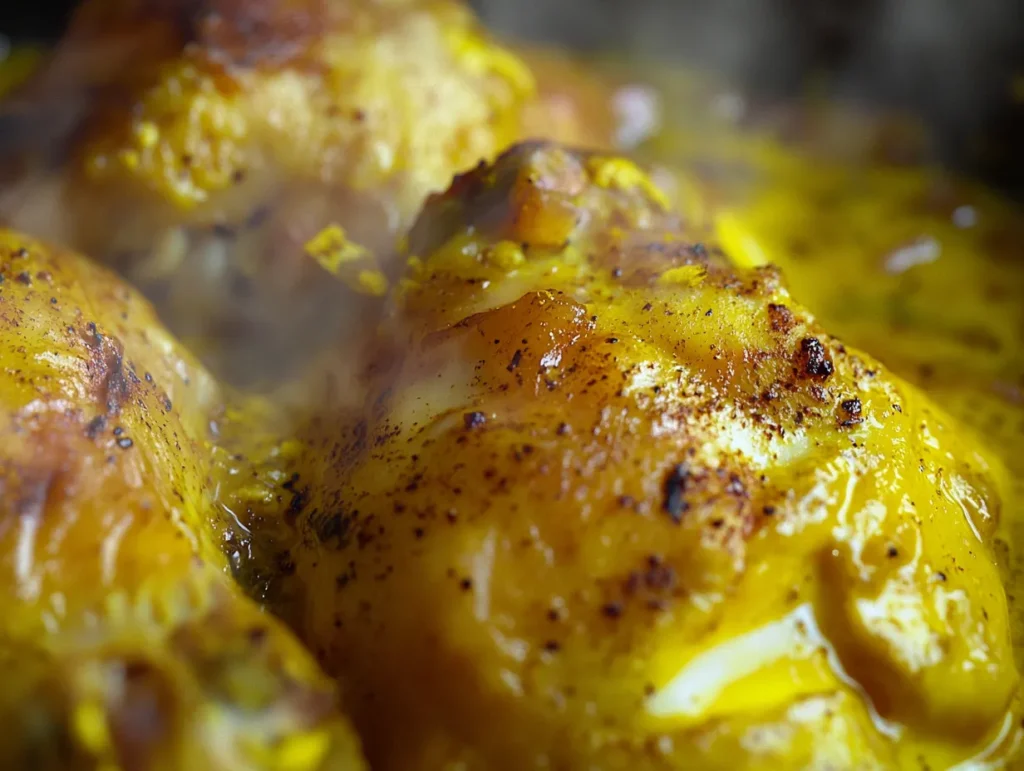
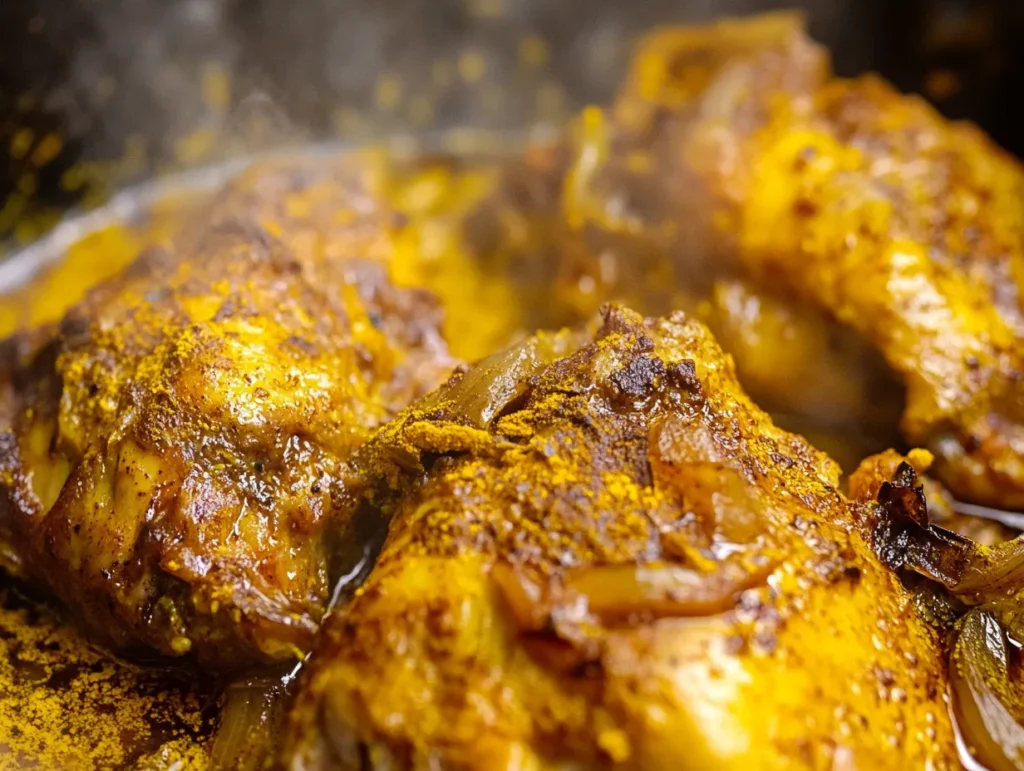
Saffron isn’t just for show it’s the secret to the golden glow and delicate aroma that sets R’fissa apart from other Moroccan stews. Just a pinch goes a long way, infusing the broth with luxury and tradition.
When used alongside turmeric and smen, saffron transforms the dish into a feast for the senses which is why it’s often reserved for celebrations and family milestones.
🧾 Ingredient Overview Table
| Ingredient | Quantity |
|---|---|
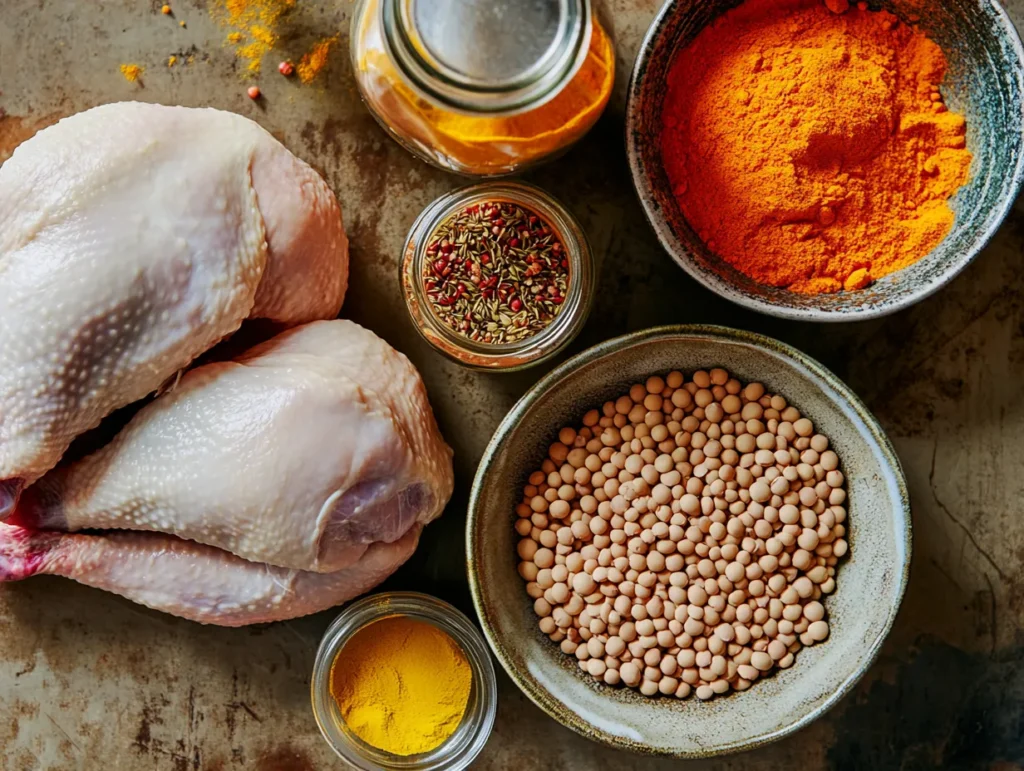
| Whole chicken (cut into pieces) | 1 large (about 1.5 – 2 kg) |
| Brown or green lentils | 1 cup (soaked for 1–2 hours) |
| Onion (thinly sliced) | 2 large |
| Garlic cloves (minced) | 4–5 cloves |
| Msemen or Trid | 10–12 pieces (shredded) |
| Smen (fermented butter) | 1 tablespoon |
| Olive oil | 3–4 tablespoons |
| Turmeric | 1 teaspoon |
| Ground ginger | 1.5 teaspoons |
| Ground black pepper | 1 teaspoon |
| Salt | To taste |
| Saffron threads | A generous pinch (soaked in warm water) |
| Fenugreek seeds (helba) | 1 tablespoon (soaked overnight) |
| Water or chicken broth | 1.5 to 2 liters |
| Ras el Hanout (optional) | 1 teaspoon |
| Fresh coriander and parsley (tied in a bouquet) | 1 small bunch (optional) |
Step-by-Step Guide to Cooking Authentic R’fissa
Preparing the Chicken and Spice Base
Let’s get into the heart of it how to cook Moroccan R’fissa from scratch.
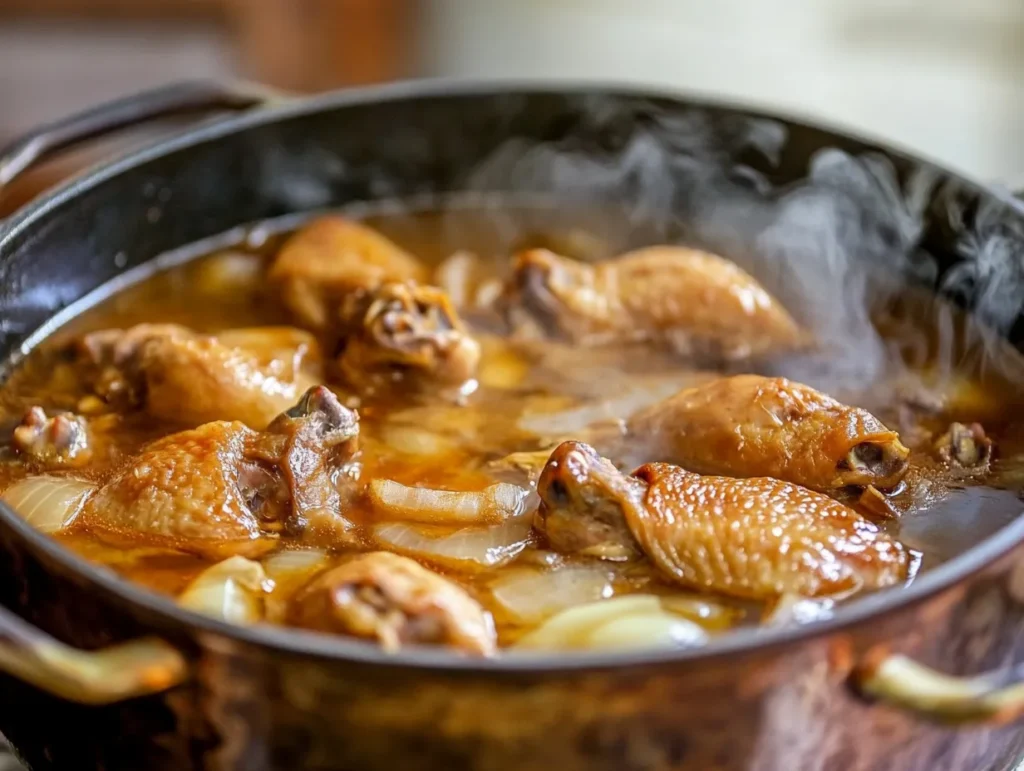
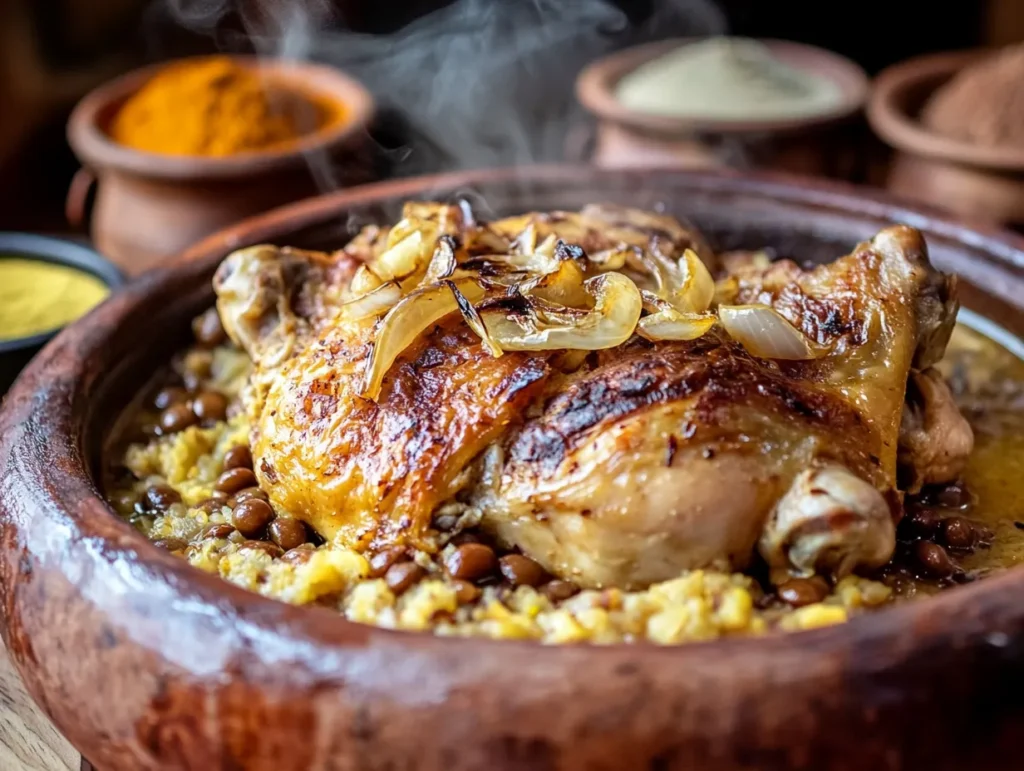
Start by heating olive oil and smen in a large, heavy-bottomed pot or tagine. Add sliced onions and cook until soft and golden. Then add your chicken pieces, minced garlic, and all your glorious spices: ginger, turmeric, black pepper, and a pinch of saffron soaked in warm water.
Stir well to coat the chicken completely this is where the flavor magic begins.
Cook on medium heat for 10–15 minutes, turning occasionally until the chicken is well-browned and infused with spices.
Making the Lentil and Fenugreek Stew
Next, add your soaked lentils and fenugreek seeds into the pot. These ingredients are what give R’fissa its signature earthy, wholesome flavor and a boost of nutritional power, especially when served postpartum.
Pour in 1.5 to 2 liters of water or broth, add salt to taste, and toss in a herb bouquet of tied parsley and coriander if you’re using them. Bring it all to a gentle boil, then reduce the heat and let it simmer for 45–60 minutes.
By now, your kitchen should smell like a Moroccan souk warm, spiced, and absolutely mouthwatering.
Layering the Msemen or Trid Properly
While your stew simmers, it’s time to prep the msemen (or trid) the foundation of R’fissa.
Here’s how to do it right:
- Shred your msemen into bite-sized strips.
- Arrange them in a deep serving platter (preferably a tagine-style dish).
- Once your chicken and lentils are fully cooked, spoon the mixture directly over the msemen.
- Pour extra broth generously R’fissa should be moist but not soupy.
Allow the msemen to soak for 10–15 minutes so it absorbs all that fragrant broth.
Simmering for Rich Flavor Fusion
To finish, cover the dish lightly and let it rest. This helps the flavors meld beautifully, and the msemen becomes infused with every note of spice and herb.
Some families even return the layered R’fissa to the pot for a final 5-minute steam on low heat if you have time, give it a try.
The result? A rich, golden, soul-satisfying dish that tastes like love and celebration.
▶️ Recommended YouTube Tutorial
For a visual walkthrough, check out this beautiful step-by-step recipe :
Pro Tips & Smart Substitutions for Perfect R’fissa
Making the Dish Work for Your Kitchen
Let’s be honest traditional Moroccan cooking can seem a little intimidating at first. But the beauty of R’fissa is that once you understand the basics, you can easily adapt it to your own kitchen without losing its soul.
So whether you’re making this dish for a postpartum friend or hosting an Eid celebration, here are some practical, kitchen-tested tips to make it foolproof and flexible.
Top Tips for R’fissa Success
✔ Don’t rush the onions: Take your time sautéing them until they’re caramelized. They form the foundation of a flavorful broth.
✔ Use bone-in chicken: It adds depth to the sauce and keeps the meat juicy and tender.
✔ Skim the broth: For a cleaner, more refined flavor, occasionally skim the top of the simmering stew to remove excess fat and foam.
✔ Let the msemen rest: Once layered with the stew, give it time to soak. This step makes the dish feel like a hug in food form.
Smart Ingredient Swaps (Without Losing Authenticity)
Running low on time or specific ingredients? No problem. Here’s how to substitute without sacrificing flavor:
- No msemen or trid? Use shredded whole wheat tortillas, crepes, or even pita bread for a modern twist.
- Can’t find smen? Try a mix of butter and a dash of olive oil you won’t get the aged funk, but you’ll still get that rich flavor.
- Sensitive to fenugreek? Reduce the quantity or replace it with a small amount of ground mustard seed for a gentler, earthy note.
- No saffron? Turmeric alone will still give that golden hue just increase slightly and enhance with a bay leaf or ras el hanout.
Modern vs. Traditional Techniques
Some cooks now make R’fissa in a pressure cooker or Instant Pot and yes, it works! While the stovetop version is deeply traditional, using modern tools doesn’t take away from the soul of the dish.
If you go the modern route:
- Use a sauté function for onions and chicken.
- Pressure-cook the lentils and spices together.
- Add extra broth to balance evaporation.
“Tradition isn’t about doing things the old way it’s about keeping meaning alive, no matter how you get there.”
Bonus Tricks for Special Occasions
Hosting a gathering? Here’s how to take it up a notch:
- Serve in a large clay or ceramic dish for that Moroccan wow factor.
- Garnish with caramelized onions or crispy lentils for texture.
- Add a sprinkle of roasted almonds or sesame seeds to surprise your guests.
Little touches like these elevate the dish while staying true to its heart.
R’fissa: A Taste of Heritage, Heart, and Home
A Dish That Nourishes More Than Just the Body
Have you ever tasted something so comforting, so layered with memory, that it felt like a warm embrace? That’s R’fissa in a nutshell. It’s more than a meal it’s an experience passed down through generations of Moroccan kitchens, often whispered from grandmothers to daughters, then joyfully shared during life’s most meaningful moments.
From celebrating a new mother’s recovery to honoring family during Eid or milestone gatherings, R’fissa holds space at the heart of Moroccan life. Each spoonful carries the warmth of tradition, the care of those who prepared it, and the communal joy of sharing food at a crowded table.
My First Taste of R’fissa (and Why It Stuck with Me)
I still remember my very first R’fissa. The kitchen was buzzing with laughter, spice-laced air wrapped around us, and the smell oh, the smell was hypnotic. I didn’t just eat R’fissa. I felt it.
It was the kind of dish that made you pause between bites, savoring every spoonful of silky msemen soaked in golden broth, each piece of chicken falling apart in its tenderness, each flavor more comforting than the last.
“R’fissa isn’t just food it’s a feeling of belonging served on a plate.”
How R’fissa Bridges Generations and Stories
This humble-yet-regal dish is a storyteller in its own right. Its roots stretch back centuries, from rural farms to city rooftops. And whether it’s cooked over a clay kanoun or simmered in a modern Dutch oven, it’s always telling the same story:
- Of a mother’s nurturing touch
- Of rituals that make meals sacred
- Of unity around food that speaks without words
Even in today’s fast-paced world, when you make R’fissa, you’re carrying on something sacred. That makes every effort in preparing it feel more meaningful because it is.
Why We Need Dishes Like This Now More Than Ever
In a world obsessed with speed and shortcuts, R’fissa invites us to slow down. To soak, simmer, and share. To gather and give thanks.
So next time you make this dish, know that you’re not just following a recipe you’re preserving culture, honoring ancestors, and feeding the soul.
Conclusion: Why R’fissa is a Recipe Worth Remembering
As you’ve now seen (and maybe even smelled in your imagination), Moroccan R’fissa is more than just a recipe it’s a ritual.
It encourages patience, respect for ingredients, and the kind of cooking that pulls you into the moment. Whether you’re preparing it for a cultural occasion or simply exploring authentic Moroccan food, this dish teaches us the value of slowing down, gathering together, and feeding each other with intention.
So, next time you find yourself in need of warmth be it physical or emotional consider making R’fissa. Let its fragrant steam and savory richness carry you straight to a Moroccan kitchen full of laughter, stories, and shared memories.
Q&A: Frequently Asked Questions About Moroccan R’fissa
Can I make R’fissa vegetarian?
Absolutely! Swap the chicken for mushrooms or chickpeas, and use vegetable broth instead. You’ll still get all the earthy goodness of the spices and lentils.
What’s the best substitute for smen (fermented butter)?
A blend of salted butter and a touch of olive oil works well. You can also add a tiny bit of aged cheese or ghee for a deeper flavor.
Can I freeze leftover R’fissa?
You can! Store the broth and msemen separately for best texture. Reheat slowly and allow msemen to reabsorb moisture before serving.
Do I need a tagine to make R’fissa?
Not at all. While a tagine enhances the presentation, a large pot or Dutch oven works perfectly. Focus more on technique than tools.