

Moroccan msemen is more than just a flatbread it’s a culinary tradition deeply woven into Moroccan culture. Whether served at breakfast with honey and mint tea or enjoyed as a savory treat, msemen’s crisp, buttery layers make it a favorite in Moroccan households.
In this guide, you’ll discover how to make homemade msemen from scratch, along with pro tips for achieving the perfect soft yet crispy texture. Whether you’re a beginner or a seasoned cook, this step-by-step guide will help you master the art of msemen and impress your family and friends!
Table of Contents
Key Takeaways
✔ Msemen is a traditional Moroccan layered flatbread, enjoyed sweet or savory.
✔ A mix of all-purpose flour and semolina gives msemen its soft yet crispy texture.
✔ Resting the dough is essential for elasticity and easy folding.
✔ Cooking on medium heat ensures a golden, crispy finish.
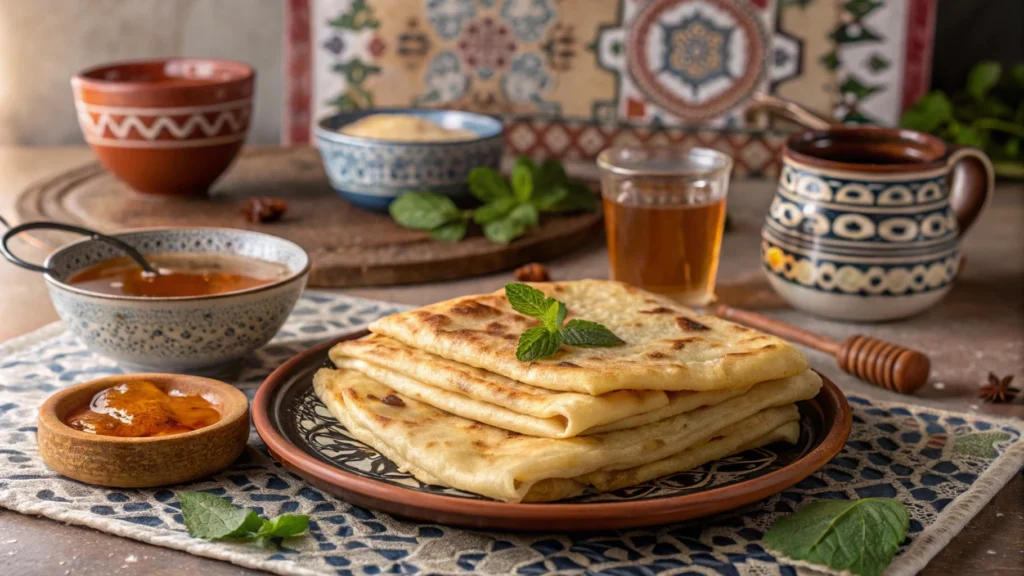
✔ Msemen pairs perfectly with honey, cheese, and Moroccan mint tea.
What is Moroccan Msemen?
The Origins and Cultural Significance of Msemen
Imagine waking up to the comforting aroma of golden, flaky flatbread sizzling on a pan, served with a drizzle of warm honey or a generous spread of butter. That’s Moroccan Msemen, a beloved staple in North African cuisine that has been passed down through generations.
Msemen is more than just a bread it’s a cultural experience. Originating from Morocco, this layered and buttery flatbread has deep roots in Berber and Arab culinary traditions. Whether enjoyed at breakfast with Moroccan mint tea or as an afternoon snack, msemen is a cherished dish that brings families and friends together.
Across Morocco, you’ll find street vendors flipping msemen on large griddles, filling the air with its irresistible aroma. It’s not just about eating it’s about tradition, hospitality, and sharing moments over food.
Difference Between Msemen, Rghaif, and Malwi
If you’ve ever explored Moroccan cuisine, you might have heard of rghaif and malwi flatbreads that look quite similar to msemen. But what makes msemen unique?
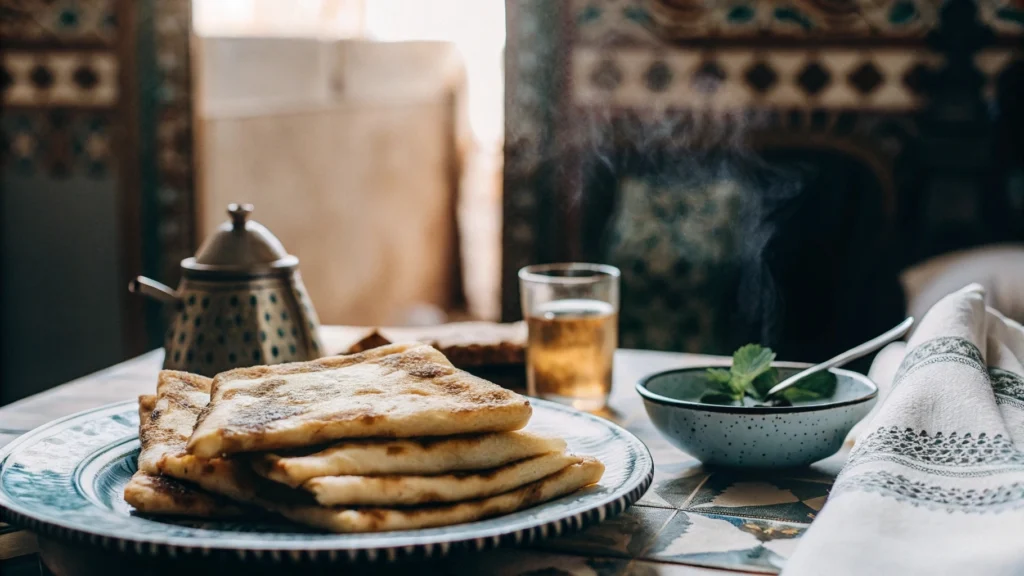
- Msemen: Soft yet crispy, msemen is folded into a square shape, giving it multiple flaky layers.
- Rghaif: A broader term for various Moroccan flatbreads, sometimes used interchangeably with msemen.
- Malwi: Unlike msemen, malwi is rolled into a spiral before being flattened, resulting in a slightly different texture.
Understanding these differences helps you appreciate the rich diversity of Moroccan bread-making traditions!
Why Msemen is a Breakfast Staple in Morocco
Msemen is to Morocco what croissants are to France a breakfast classic! But what makes it so special?
✔ Perfect Texture: Crisp on the outside, soft and chewy on the inside.
✔ Rich Flavor: A balance of buttery goodness and slight sweetness when paired with honey.
✔ Versatile: Enjoy it plain, stuffed with spiced fillings, or dipped in aromatic sauces.
Many Moroccans start their day with msemen alongside fresh mint tea, making breakfast a warm and comforting ritual. Whether made at home or bought from a street vendor, msemen is an essential part of Moroccan mornings!
Essential Ingredients for Making Msemen
Choosing the Right Flour – All-Purpose vs. Semolina
The secret to perfect homemade msemen starts with the flour. But what’s the best choice?
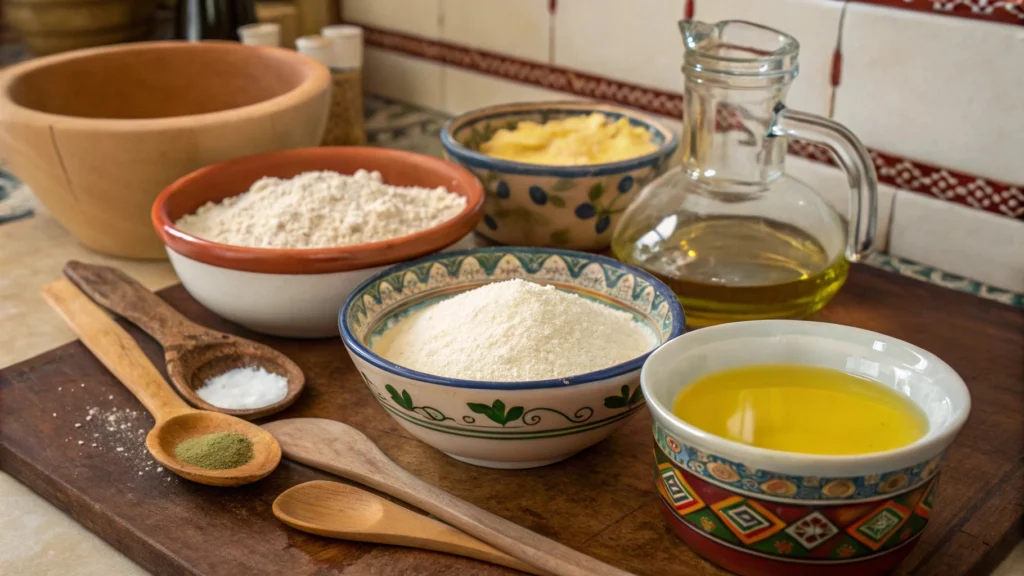
- All-purpose flour: Creates a soft, chewy texture, making it easier to stretch the dough.
- Fine semolina: Adds a subtle crunch and richness, giving msemen its signature crispiness.
- A combination of both: The best of both worlds! Using a mix of all-purpose flour and semolina results in soft yet crispy msemen with well-defined layers.
If you love a crispier bite, increase the semolina ratio. For a softer texture, stick to more all-purpose flour.
Importance of Olive Oil and Butter for Flakiness
Moroccan msemen gets its rich, buttery layers from a blend of butter and olive oil. But why both?
✔ Butter: Adds richness, helping to create soft and flaky layers.
✔ Olive oil: Prevents the dough from becoming too heavy, making it easier to fold and stretch.
Brushing each layer with a mix of melted butter and oil is the key to achieving that distinct, crispy, and golden texture.
Water Temperature and Hydration for a Perfect Dough
Water temperature can make or break your msemen dough. Here’s how to get it right:
- Warm water (100-110°F / 37-43°C): Helps activate the gluten, making the dough elastic.
- Cold water: Can lead to a tougher, less stretchable dough.
- Hydration balance: Too little water = dry dough; too much water = sticky mess.
A properly hydrated dough should be soft, pliable, and slightly sticky but still manageable. Adding a little oil while kneading prevents sticking and enhances stretchability.
Ingredients for Moroccan Msemen
| Ingredient | Amount | Purpose |
|---|---|---|
| All-purpose flour | 2 cups (250g) | The base flour for a soft and elastic dough. It gives structure and flexibility. |
| Fine semolina | 1 cup (120g) | Adds a light crunch and enhances the texture of the msemen. |
| Warm water | 1 cup (240ml) | Activates the gluten and helps in kneading a smooth dough. |
| Butter | 1/4 cup (60g), melted | Adds richness and a buttery flavor, essential for creating flaky layers. |
| Olive oil | 1/4 cup (60ml) | Makes the dough soft and helps in achieving a crisp texture when cooked. |
| Salt | 1 tsp | Enhances flavor and balances the richness of the butter and oil. |
| Sugar | 1 tbsp | Adds a touch of sweetness to the dough for balance. |
| Semolina (for dusting) | 1/4 cup | Used to dust the dough and prevent sticking while rolling and folding. |
Step-by-Step Guide to Making Homemade Msemen
Kneading and Resting the Dough – Key Techniques
Making Moroccan msemen requires patience, especially during the kneading and resting process. If you rush this step, your msemen may turn out dense rather than light and flaky.
How to Knead the Dough Properly:
- Start with the right texture – The dough should be slightly sticky but elastic. If it’s too dry, add small amounts of warm water.
- Use the palm of your hand – Push the dough forward, then fold it back, repeating the process for about 10-15 minutes.
- Let the dough rest – Cover the dough with a damp towel and allow it to rest for 30-45 minutes. This helps develop gluten, making the dough stretchable for folding.
💡 Pro Tip: A well-rested dough stretches effortlessly, leading to beautifully layered msemen!
The Art of Folding and Layering Msemen
Msemen gets its signature flakiness from proper folding techniques. Here’s how to achieve perfect layers:
- Divide the dough into equal balls – Lightly coat them with oil to prevent sticking.
- Flatten each ball into a thin sheet – Use your fingers or palms to gently stretch the dough.
- Brush with a mix of butter and oil – This ensures crispy layers.
- Fold into a square – Bring in the edges to form a compact square shape.
- Let it rest again – Another 10-15 minutes before cooking allows the layers to settle.
Cooking Msemen on a Griddle – Temperature and Timing
The final step is cooking msemen to golden perfection. Here’s what you need to do:
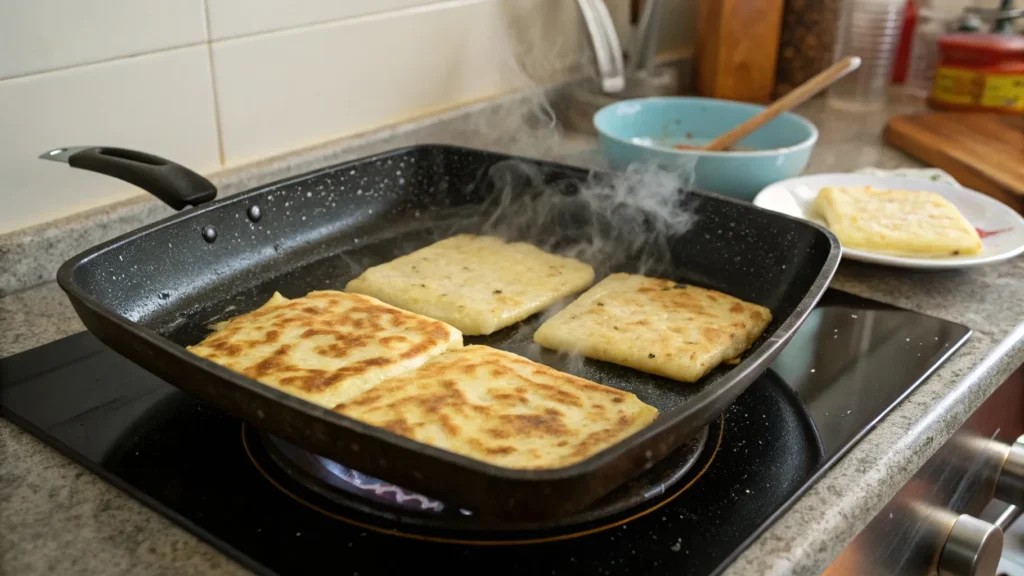
- Heat a griddle or non-stick pan on medium heat.
- Brush lightly with oil to prevent sticking.
- Cook each msemen for 2-3 minutes per side, pressing lightly with a spatula to ensure even cooking.
- Flip 2-3 times until both sides are golden brown and crispy.
Once done, place msemen on a paper towel to absorb excess oil. Serve warm with honey or cheese for an authentic Moroccan experience!
What is the Ideal Pan for Making Msemen?
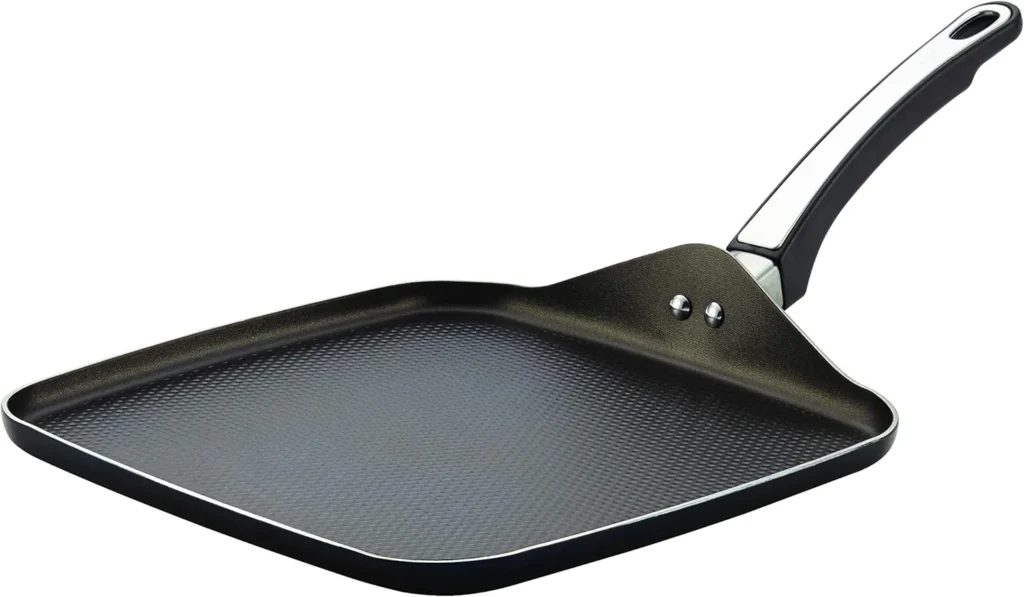
The ideal pan for making Msemen (Moroccan square pancakes) should have the following characteristics:
1. Non-Stick Surface
- A non-stick griddle or frying pan prevents Msemen from sticking and ensures even browning.
- Traditional Msemen is cooked with butter and oil, so a non-stick surface makes flipping easier.
2. Heavy-Duty Material
- Cast Iron Griddle or Skillet: Retains heat well and distributes it evenly, creating a crisp and golden texture.
- Thick Aluminum Pan: Lightweight and heats up quickly, making it easier to maneuver when flipping Msemen.
3. Flat, Wide Surface
- A flat-bottom pan allows even cooking without burning edges.
- A wide pan (at least 10 inches/25 cm) provides enough space to spread and fold Msemen without crowding.
4. Even Heat Distribution
- Granite or Ceramic-Coated Pans: Ensure even heat without hot spots.
- Stainless Steel with an Aluminum Core: Can work if well-seasoned, but may require more oil.
5. Suitable for Medium Heat Cooking
- Msemen should be cooked over medium heat to prevent burning.
- Avoid thin pans that cause uneven browning or overheating.
Best Pans to Use:
| Type of Pan | Benefits |
|---|---|
| Cast Iron Griddle | Best for heat retention, crisp exterior |
| Non-Stick Skillet | Easy to use, requires less oil |
| Heavy-Duty Aluminum Pan | Heats quickly, lightweight |
| Granite or Ceramic-Coated Pan | Even cooking, eco-friendly |
5 Pro Tips for Soft and Crispy Msemen
Tip #1: Use a Mix of Butter and Oil for Authentic Texture
A butter-oil combination is the secret to msemen’s delicate texture. Butter adds richness, while oil prevents it from becoming too heavy.
Tip #2: Let the Dough Rest to Develop Gluten
Resting the dough at least twice ensures maximum elasticity, making it easier to stretch and layer.
Tip #3: Stretch and Fold Evenly for Perfect Layers
Consistent folding creates even layers, giving msemen its crispy outside and soft inside.
Tip #4: Cook on Medium Heat for Crispy Edges
High heat burns msemen, while low heat makes it chewy. Medium heat is the perfect balance for crispy edges and a soft center.
Tip #5: Serve Immediately or Reheat Properly
Msemen is best enjoyed fresh! If reheating, use a dry pan for 1-2 minutes to bring back its crispiness.
“Good food is the foundation of genuine happiness.” – Auguste Escoffier
Serving Suggestions and Variations
Traditional Pairings – Honey, Cheese, and Mint Tea
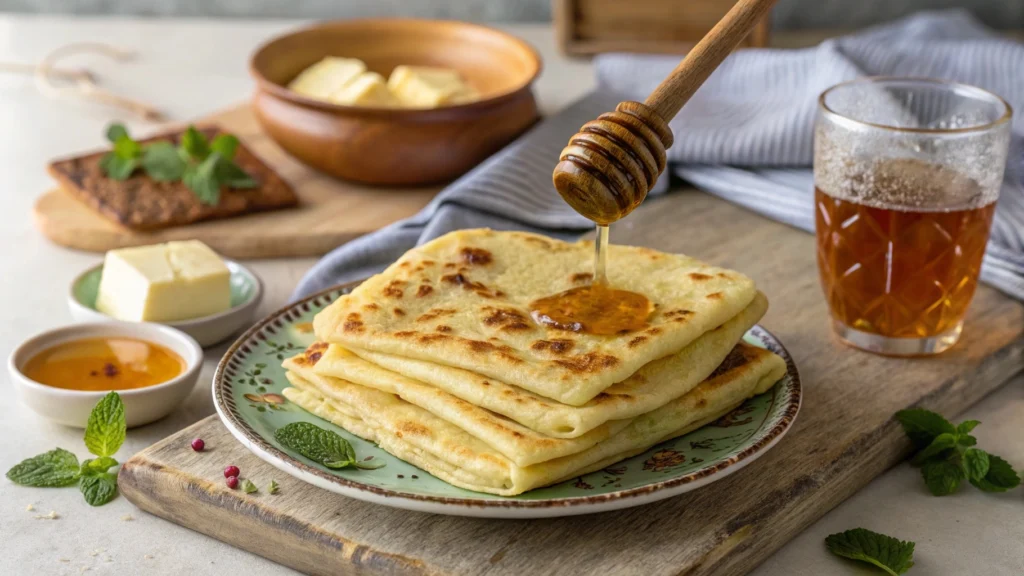
- Honey & butter: The most classic way to enjoy msemen!
- Creamy cheese: Pairs wonderfully with the crisp layers.
- Moroccan mint tea: The ultimate refreshing drink to accompany msemen.
Savory Msemen – Filling Ideas with Meat and Vegetables
- Ground beef & spices – A hearty twist on traditional msemen.
- Spinach & feta cheese – Perfect for a lighter option.
How to Store and Reheat Msemen for Later
- Fridge: Store in an airtight container for up to 3 days.
- Freezer: Layer between parchment paper and freeze for up to 2 months.
- Reheating: Heat in a dry pan for 1-2 minutes per side.
Conclusion
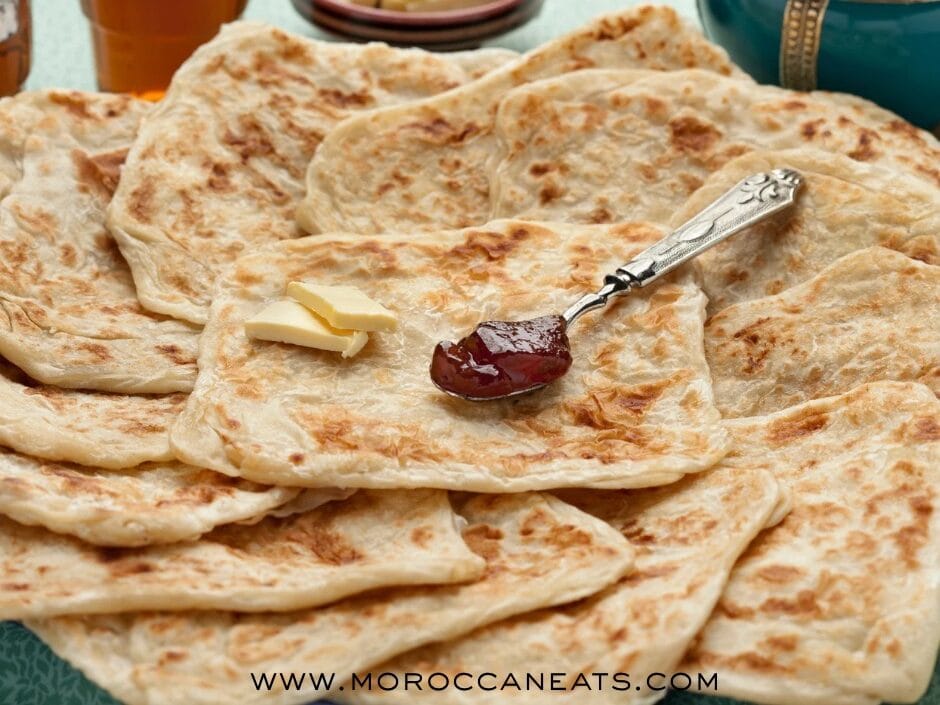
Mastering homemade Moroccan msemen takes patience, but the results are incredibly rewarding. By following the right techniques kneading properly, letting the dough rest, folding evenly, and cooking at the right temperature you can achieve msemen that is just as delicious as the ones served in Morocco.
So, why not try making msemen at home? Whether you serve it sweet with honey or stuffed with savory fillings, msemen is a delightful treat that will transport your taste buds straight to Morocco.
Frequently Asked Questions (FAQs)
Q1: Can I make msemen without semolina?
Yes! You can use only all-purpose flour, but msemen will have a softer texture and lack the slight crispiness that semolina provides.
Q2: How do I keep msemen soft for longer?
Store msemen in an airtight container and warm it on a dry pan before serving to maintain its texture.
Q3: What’s the best way to freeze and reheat msemen?
Freeze msemen in layers with parchment paper between them. When ready to eat, reheat directly on a pan over medium heat no need to thaw!