
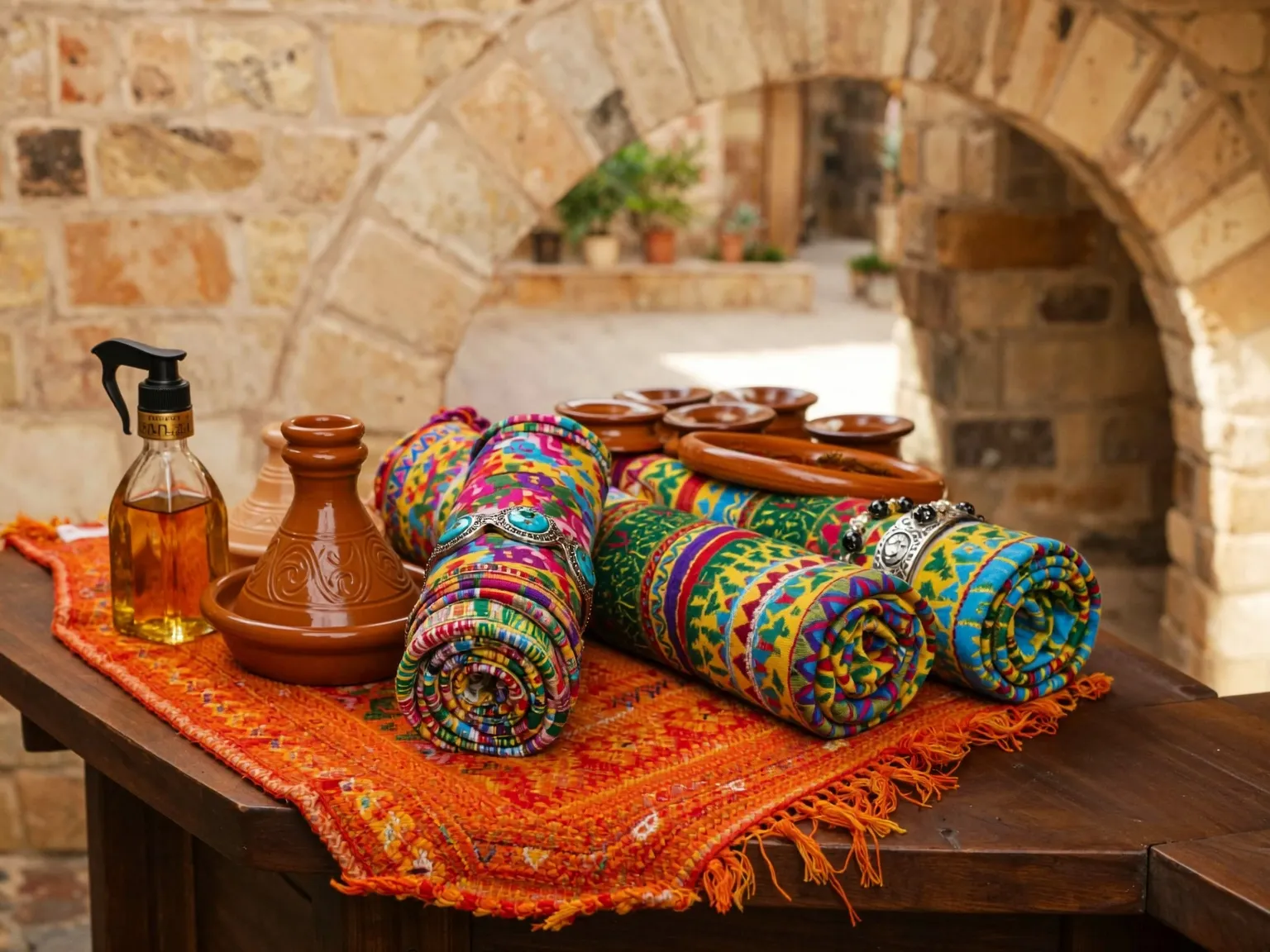
Liquid Gold and Natural Beauty Essentials
Imagine stepping into a bustling Moroccan souk, the air filled with exotic scents. Amidst the vibrant colors and sounds, you discover the secrets to radiant skin and luscious hair – treasures that locals have cherished for centuries. If you’re wondering what truly unique Moroccan gifts to bring home, especially those that promise a touch of natural luxury, you’ve come to the right place! Morocco isn’t just about stunning landscapes and rich history; it’s also a powerhouse of natural beauty remedies. Forget generic souvenirs; these are the authentic finds that will transform your self-care routine.
Pure Cosmetic Argan Oil
Let’s talk about liquid gold! When it comes to Morocco souvenirs, nothing quite compares to pure cosmetic Argan oil. You might have seen it in high-end beauty products worldwide, but have you experienced it directly from its source? This precious oil is harvested from the nuts of the Argan Tree, which grows exclusively in the semi-desert regions of Morocco. It’s truly one of nature’s miracles!
- Why it’s a Must-Have:
- Versatile Elixir: Think of it as a multi-tasking hero. It’s incredible for moisturizing your skin, taming frizzy hair, strengthening nails, and even soothing minor skin irritations.
- Rich in Nutrients: Packed with Vitamin E, antioxidants, and essential fatty acids, Argan oil deeply nourishes without feeling greasy.
- Authenticity Matters: Buying it directly in Morocco ensures you’re getting the highest quality, often cold-pressed by local cooperatives. This isn’t just a beauty product; it’s a piece of Moroccan heritage!
When you apply this pure oil, you’re not just hydrating; you’re indulging in a centuries-old tradition. Many visitors report visible improvements in skin elasticity and hair shine after just a few weeks of use. Look for bottles labeled “100% pure Argan oil” and check for a slightly nutty scent – that’s how you know it’s the real deal!
Aker Fassi (Poppy Lipstick)
Ready for a truly ancient beauty secret that will add a pop of natural color to your look? Meet Aker Fassi, a traditional Moroccan beauty product that’s as unique as it is beautiful. This isn’t your average lipstick; it’s a natural, long-lasting stain made from dried poppy petals and pomegranate rind, often sold in small terracotta pots.
- Why it’s a Must-Have:
- Natural & Pigmented: Aker Fassi delivers a gorgeous, buildable red hue to your lips and cheeks using only natural ingredients.
- Eco-Friendly: Ditch the plastics and chemicals! This sustainable beauty item is a testament to Morocco’s natural approach to cosmetics.
- Cultural Charm: It’s more than just makeup; it’s a piece of Moroccan artistry and history, making it a fantastic and compact unique Moroccan item to bring home.
To use it, simply wet a fingertip or a brush and rub it gently inside the pot to pick up the pigment. A little goes a long way to create a vibrant, natural flush! It’s an experience, not just a purchase.
Savon Noir (Moroccan Black Soap)
Have you ever wondered how Moroccans achieve such incredibly soft and smooth skin? The secret lies in Savon Noir, or Moroccan Black Soap. This isn’t your everyday bar soap; it’s a plant-based, gel-like soap made from black olives and olive oil, traditionally used in the Hammam (Moroccan bathhouse) ritual.
- Why it’s a Must-Have:
- Deep Exfoliation: When combined with a kessa glove (a coarse exfoliating mitt), Savon Noir works wonders to remove dead skin cells, leaving your skin incredibly smooth and radiant.
- Detoxifying & Nourishing: Rich in Vitamin E, it deeply cleanses and detoxifies the skin while providing essential moisture.
- Authentic Experience: Bringing Savon Noir home lets you recreate a part of the luxurious Moroccan Hammam experience right in your own bathroom. It’s a truly authentic Morocco shopping find.
Many visitors rave about the immediate difference Savon Noir makes, transforming rough skin into silky softness. It’s a potent, natural way to achieve a healthy glow and makes for an excellent, practical Moroccan souvenir that you’ll actually use and love. Pair it with a kessa glove for the full effect!
Timeless Textiles and Cozy Comforts
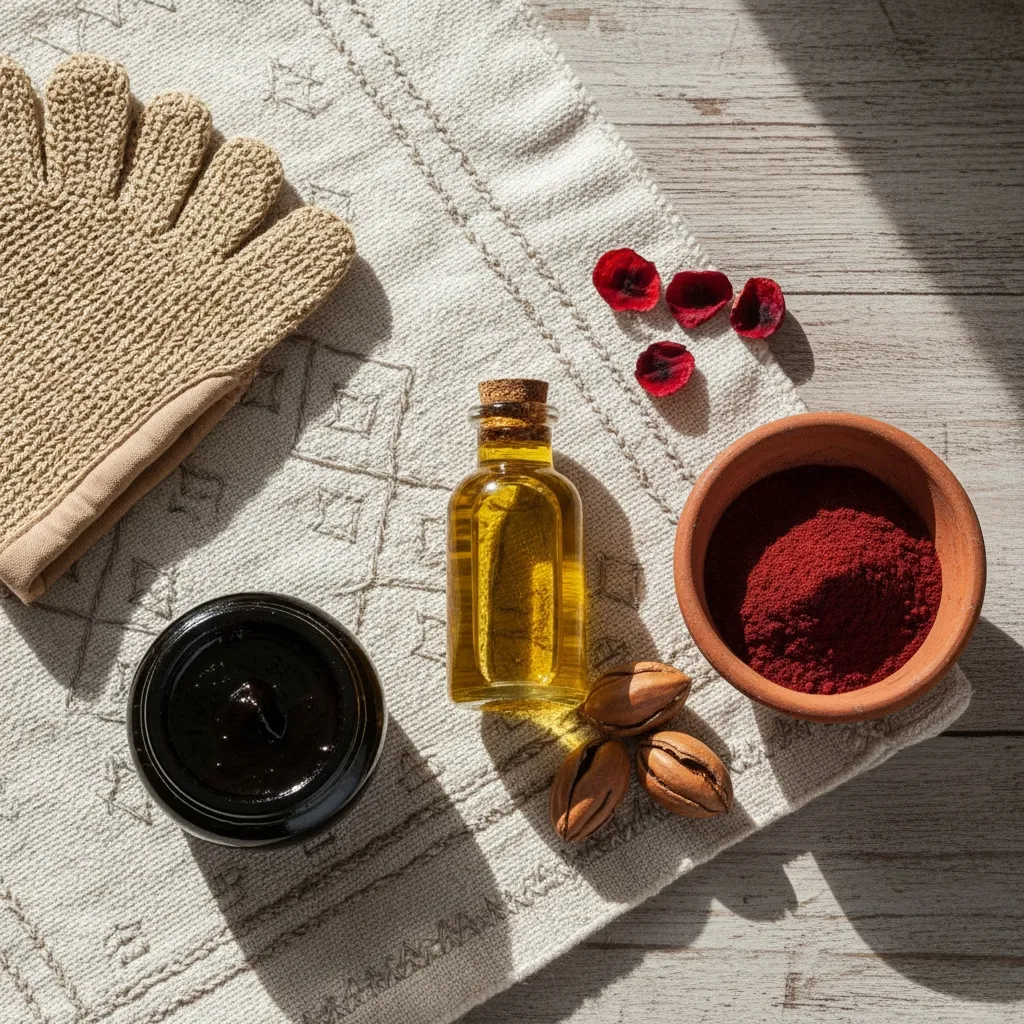
When you wander through the labyrinthine streets of the Marrakech or Fes Souk, the first thing that often catches your eye—and nose—is the incredible world of Moroccan textiles and leather goods. These aren’t just items; they are pieces of functional art woven with history and tradition. Bringing home a textile is like taking a warm, cozy piece of Morocco with you, and it easily ranks high among the best things to buy in Marrakech. Whether you’re decorating a minimalist apartment or a rustic farmhouse, these finds will instantly infuse your space with soulful North African flair.
Beni Ourain Rugs (or Boujaad/Azilal)
If there is one item that defines Moroccan home décor, it has to be the authentic Berber rug. When you’re searching for Moroccan rugs, you’ll quickly encounter the famous Beni Ourain style. These beautiful carpets, hand-knotted by the Berber tribes of the Atlas Mountains, are celebrated for their simple, geometric designs and incredibly soft, thick piles. They are truly an investment and one of the most treasured Moroccan gifts.
- The Difference is in the Weave: While Beni Ourain rugs are typically creamy white with black or brown patterns, you might also fall in love with the vibrant, kaleidoscopic colors of Boujaad rugs or the intricate, abstract patterns of Azilal rugs.
- A Story in Every Stitch: Each genuine rug is unique, with the patterns often telling a personal story of the weaver’s life, family, and region. Don’t be afraid to ask about the symbols!
- Bargaining is Essential: Remember that authentic Morocco shopping experience involves friendly negotiation! You’ll need to haggle to secure the best price for these unique Moroccan items.
| Rug Type | Typical Quantity | Primary Ingredient |
| Beni Ourain | One-of-a-kind piece | 100% natural, undyed sheep’s wool |
| Boujaad / Azilal | One-of-a-kind piece | Mixed or dyed sheep’s wool and sometimes recycled textiles |
| Vintage Kilim | One-of-a-kind piece | Flat-woven wool, often featuring brighter colors |
Leather Poufs (Unstuffed)
A stylish and practical item for any living space is the classic Moroccan leather pouf. These versatile floor cushions are often intricately stitched and come in a dazzling array of colors, from rich tan and chocolate brown to vibrant turquoise and shocking pink.
- Easy to Transport: A crucial insider tip for travelers: Always buy them unstuffed! The sellers in the souks will happily deflate them so they flatten down completely, making them easy to pack into your suitcase.
- Fill It Yourself: Once you get home, you can stuff your pouf with old clothes, blankets, or towels a sustainable and simple way to give it volume and save on shipping costs.
- Authentic Material: Look for high-quality goat or camel leather, often tanned using traditional methods. This ensures you’re taking home an authentic Morocco souvenir.
Handira (Moroccan Wedding Blanket)
For something truly magical and visually stunning, seek out a Handira, or Moroccan Wedding Blanket. These blankets, traditionally woven by Berber women for a bride, are believed to bestow good luck and fertility.
- Visual Appeal: They are distinctively covered in hundreds of shiny metal sequins, creating a stunning texture that shimmers with every movement.
- Modern Use: While historically ceremonial, today they are stunning as decorative throws on a bed or sofa, or even hung on the wall as captivating textile art.
- The Shimmer Factor: The intricate bead and sequin work makes them a dazzling example of handmade Moroccan crafts.
Colorful Babouche Slippers
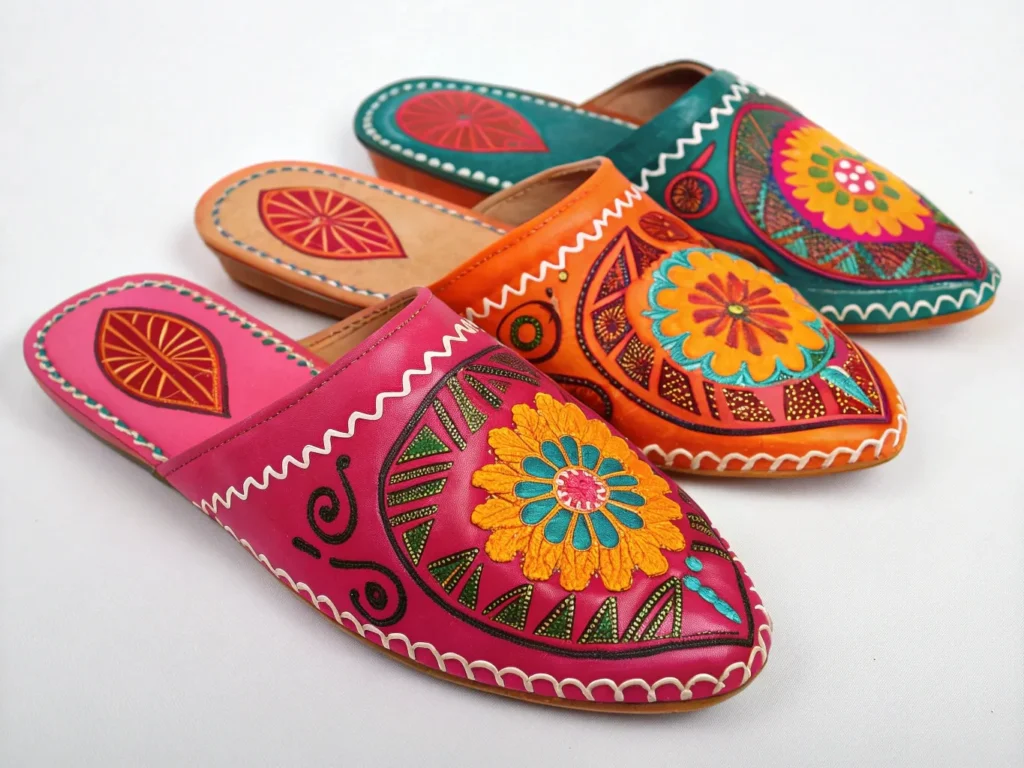
Want a little piece of everyday Moroccan life you can wear? Babouche slippers are traditional leather slip-ons known for their bright colors and pointed, sometimes curled, toe.
- Perfect for Home: These are primarily indoor slippers comfortable, light, and surprisingly durable.
- Shopping Tip: While the softest goat-leather babouche may flatten for easy packing, the quality can vary widely. Inspect the stitching and the sole carefully before purchasing this classic Moroccan gift.
Culinary Treasures for the Kitchen
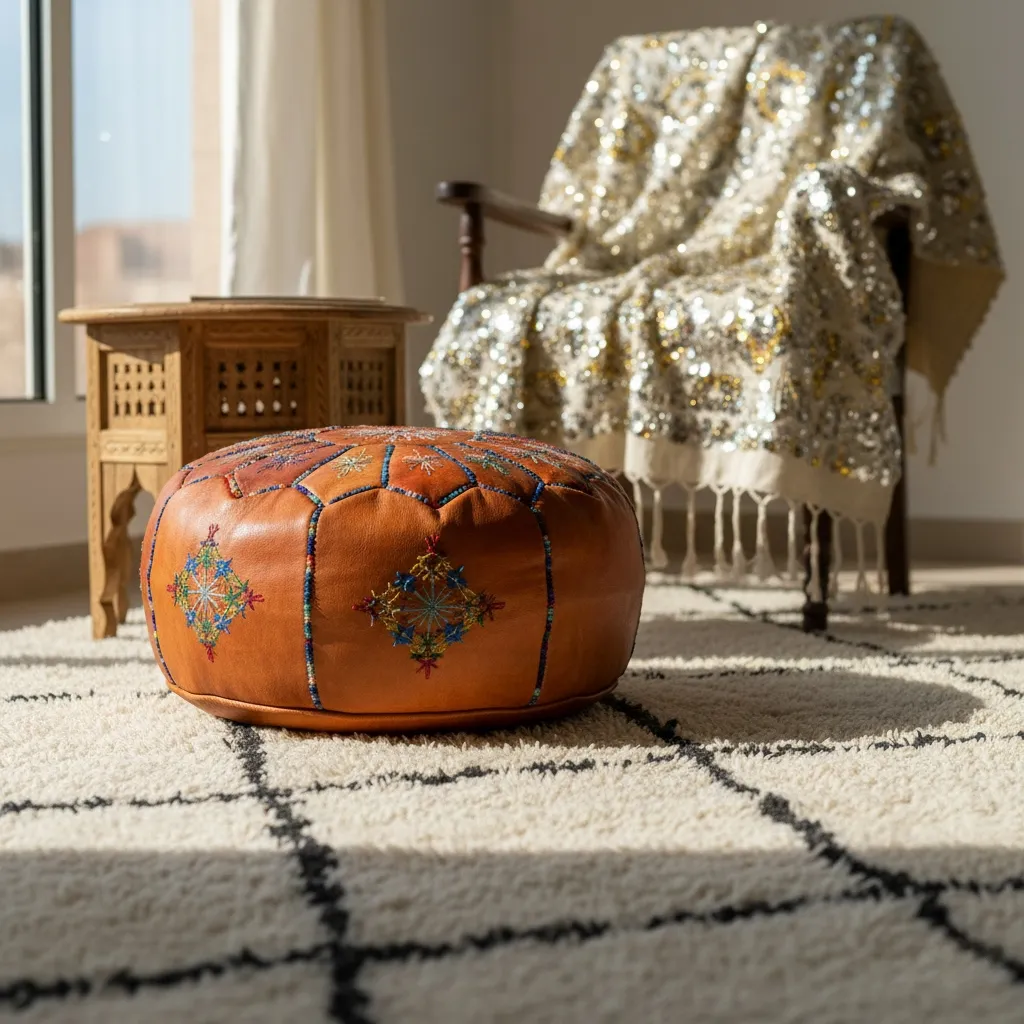
Morocco’s soul isn’t just in its architecture; it’s richly woven into its food. For the culinary traveler, the Moroccan souk offers some of the most flavorful and practical unique Moroccan items you can possibly bring home. These are the authentic Morocco shopping finds that will allow you to recreate the vibrant, complex tastes of North African cuisine right in your own kitchen. Think of these as delicious memories you can savor long after your flight lands!
Ras El Hanout Spice Blend
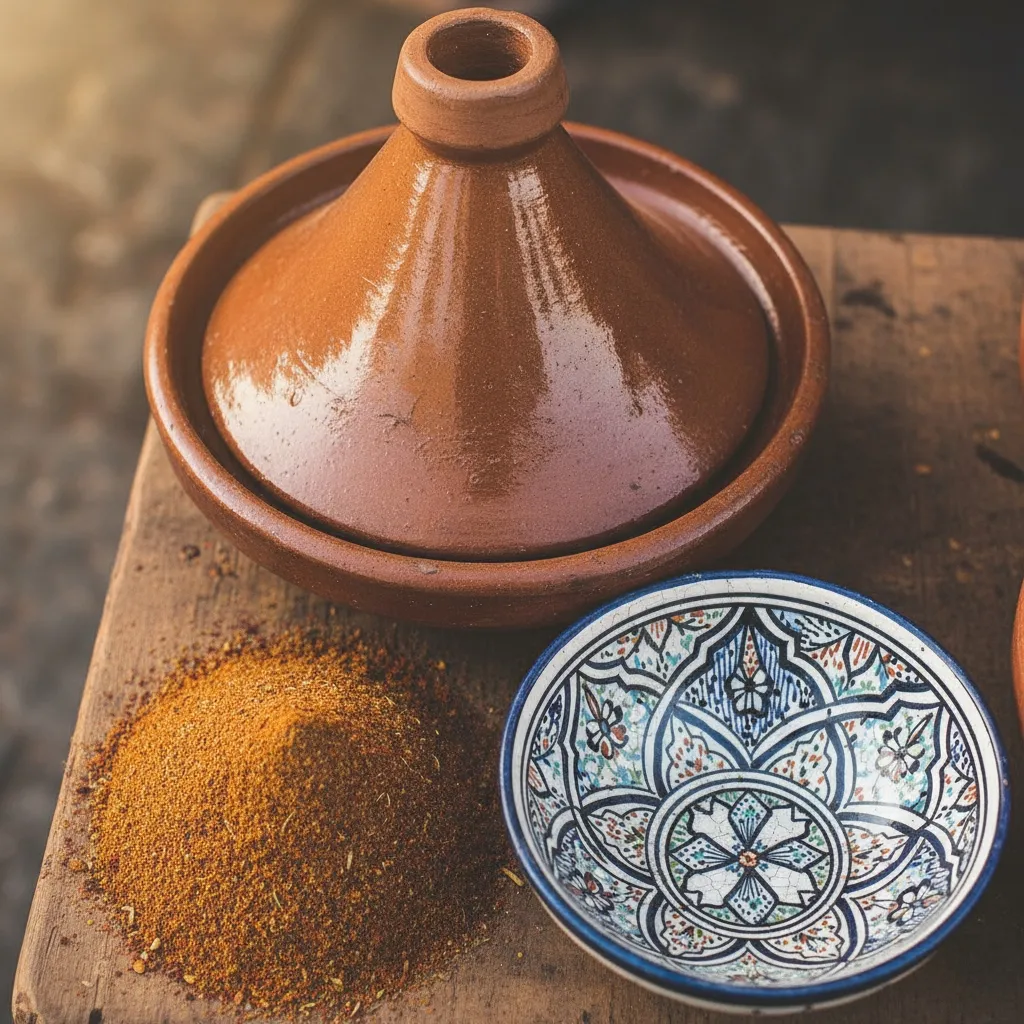
If you only buy one spice blend, make it Ras El Hanout. This name literally translates to “head of the shop,” meaning it’s the spice merchant’s signature blend—the very best they have to offer! While the exact recipe can vary wildly from vendor to vendor (some contain over 30 spices!), it typically includes a warming, aromatic mix that might feature cinnamon, cardamom, mace, nutmeg, and turmeric.
- A Flavor Revelation: This complex blend offers an incredible balance of sweet, warm, and savory notes, transforming simple dishes like roasted vegetables, rice, or meats into something truly exotic.
- Buy Whole, Grind Fresh: For the most potent and fragrant flavor, try to purchase a blend made from whole spices. If that’s not possible, ensure your pre-ground Ras El Hanout is sealed well for freshness.
- The Perfect Gift: It’s a lightweight, easy-to-pack Moroccan gift that brings a massive punch of flavor, making it a thoughtful present for any foodie in your life.
Hand-Painted Fes Ceramics
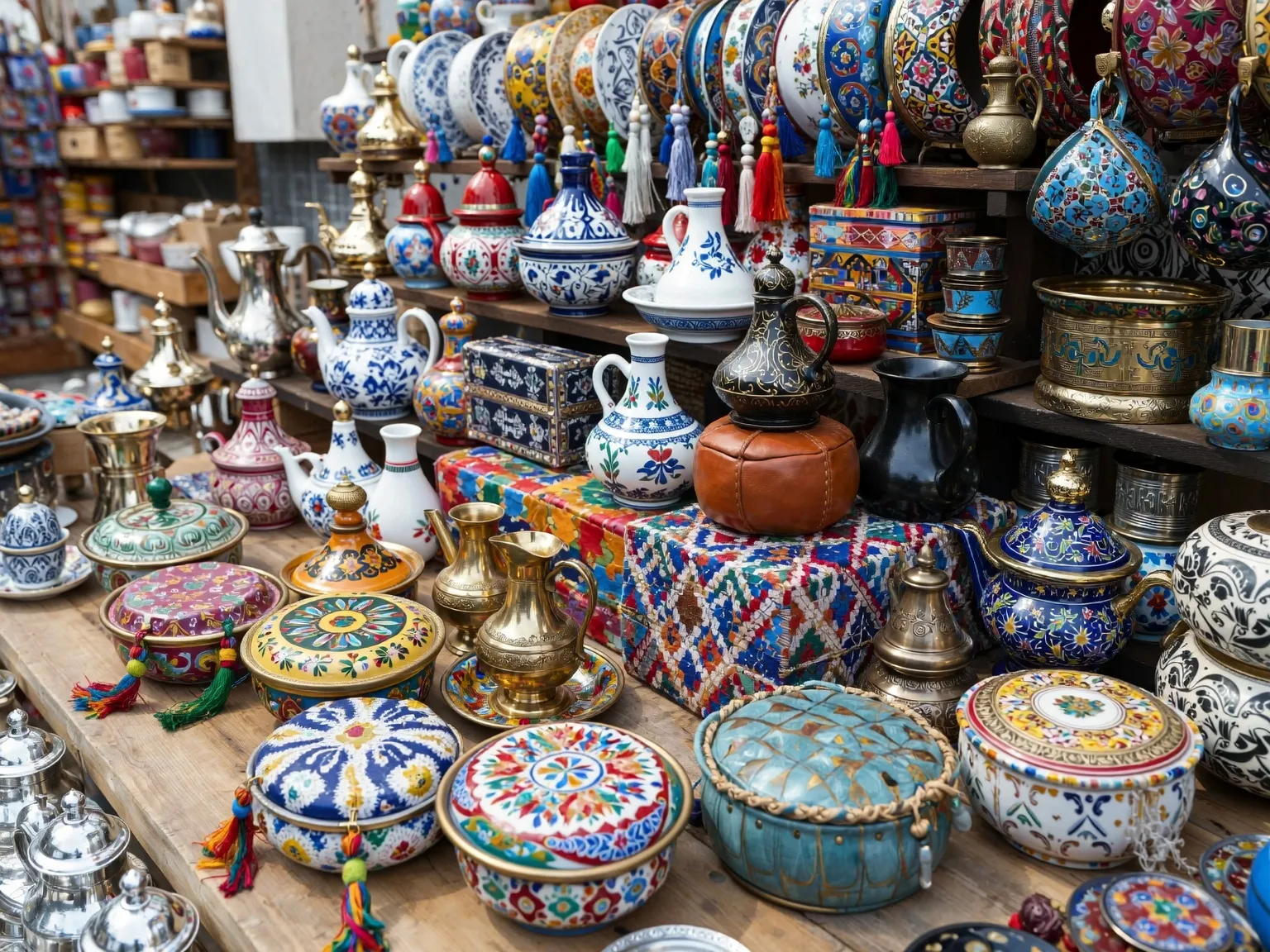
Moroccan ceramics are instantly recognizable by their vibrant, geometric patterns, often utilizing deep blues, greens, and yellows. The city of Fes is particularly famous for its pottery, especially pieces painted in the striking blue and white that reflects the intricate tilework (Zellige) found throughout the country.
- Serving vs. Cooking: Be mindful when purchasing. Some items, like bowls and shallow serving dishes, are designed purely for food presentation. Others, like certain durable plates, might be suitable for warm food.
- Art for the Table: A few hand-painted bowls are perfect for serving dips, olives, or, of course, a side of couscous, instantly adding a pop of authentic Moroccan flair to your dinner table. They are beautiful Morocco souvenirs that function as everyday art.
Traditional Clay Tagine Pot
The tagine is perhaps the most iconic symbol of Moroccan cooking. This is the heavy, earthenware pot with the signature conical lid that you see simmering fragrant stews across the country. The unique shape of the lid traps condensation, ensuring the meat stays tender and the flavors meld perfectly.
- Practical Use: If you plan on actually cooking with a tagine, ask for one made from sturdy, unglazed clay or a glazed cooking version. Avoid the beautifully painted ones with thin bases, as these are meant only for serving.
- Seasoning is Key: A new cooking tagine must be “seasoned” before its first use (soaked in water and slowly cured in an oven). Be sure to ask your seller for instructions!
- A Lifetime Purchase: Treat it right, and this authentic Moroccan item will be a centerpiece for countless future meals. It’s truly a must-have for anyone serious about Moroccan cuisine.
Mystical Scents and Artistic Metalwork
Beyond the tangible beauty of textiles and the delicious flavor of spices, a journey through Morocco is an assault on the senses in the most wonderful way! This final section explores those smaller, more delicate Moroccan gifts that capture the very essence of the country: its signature scents, shimmering light, and intricate craftsmanship. These are the lightweight, affordable, and incredibly atmospheric Morocco souvenirs that truly make the best mementos.
Mint Tea and Fresh Herbs
What is the sound of Moroccan hospitality? It’s the gentle clinking of tiny glasses and the high pour of sweet, fragrant mint tea. While you can’t exactly pack the entire welcoming ritual, you can bring home the ingredients! Freshly dried mint (often a specific variety called nana mint) and other herbs like verbena and thyme are staples in every household.
- Aromatherapy in a Bag: A bag of high-quality, dried Moroccan mint provides a powerful, uplifting aroma that lasts much longer than packaged tea bags.
- The Ritual: Pairing this mint with a beautiful box of traditional green tea and some cone-shaped sugar creates the complete experience—a fantastic, consumable authentic Moroccan item.
- Pro Tip: Look for the herbs at a local herboriste (herbalist) rather than a general spice stall for the freshest quality.
Lanterns and Metal Artistry
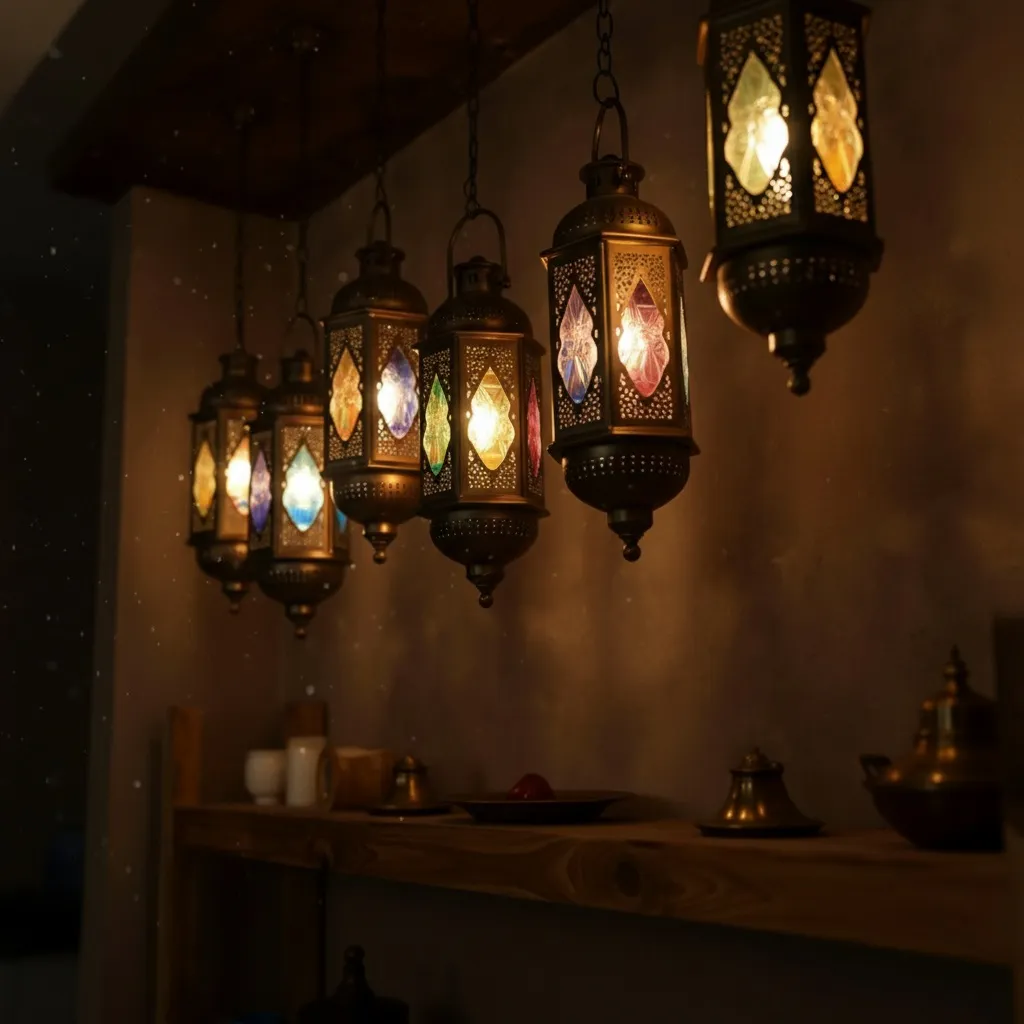
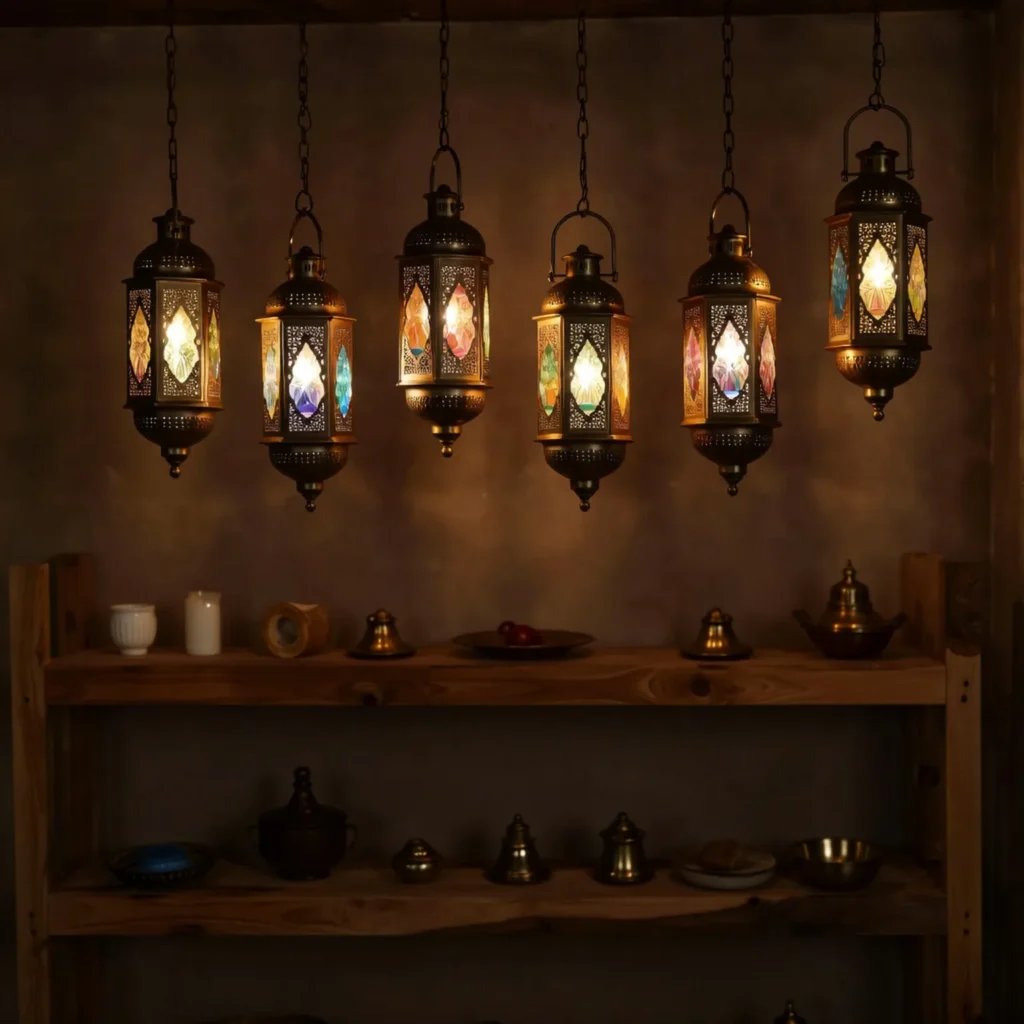
Have you ever stood in a Moroccan courtyard at dusk and watched the shadows play as the lamps are lit? The effect is truly mesmerizing. Moroccan lanterns, often crafted from intricate punched metal or stained glass, are designed to cast beautiful, complex patterns on the walls. They are a classic and romantic Marrakech or Fes souk find.
- Shine a Light: These metal lanterns range from tiny, candle-sized pieces to large, elaborate floor lamps. They make for beautiful décor, whether used with actual candles or a small LED light.
- Intricate Craftsmanship: Look closely at the detail. The work on these pieces known as fer forgé or wrought iron is done by skilled artisans, making each lantern a unique, light-casting sculpture.
- Travel Smart: Opt for smaller, foldable designs if possible, or ensure the glass components are securely wrapped before packing.
“The real voyage of discovery consists not in seeking new landscapes, but in having new eyes.”
— Marcel Proust (A sentiment perfectly captured when you see the souk’s hidden light)
Small Bottles of Essential Oils
Moroccan aromatherapy is deeply rooted in natural ingredients, a perfect complement to the cosmetic Argan oil you might have purchased earlier. The stalls often overflow with tiny, potent bottles of essential oils distilled from roses, amber, musk, and jasmine. These are excellent, affordable Moroccan souvenirs that carry the rich, heady scents of the North African atmosphere.
- Scent Memories: A drop of these oils on a lightbulb or diffuser will instantly transport you back to the lively souk lanes.
- Quality Check: Be wary of cheap, heavily diluted oils. The genuine, high-quality oils should be potent a small bottle should last a very long time.
Bringing home these scents and lights is the final step in turning your Moroccan trip into a permanent, sensory fixture in your life, providing lasting beauty and comfort.
Wearable Art and Symbolic Jewelry
Your journey through the Moroccan souk wouldn’t be complete without discovering the incredible artistry of its wearable treasures. These are the Moroccan gifts that carry deep cultural meaning and serve as dazzling, personal reminders of your travels. Forget mass-produced trinkets; this section is dedicated to the truly authentic Morocco shopping experiences where you can find unique pieces steeped in Berber and Andalusian history.
Authentic Berber Silver Jewelry
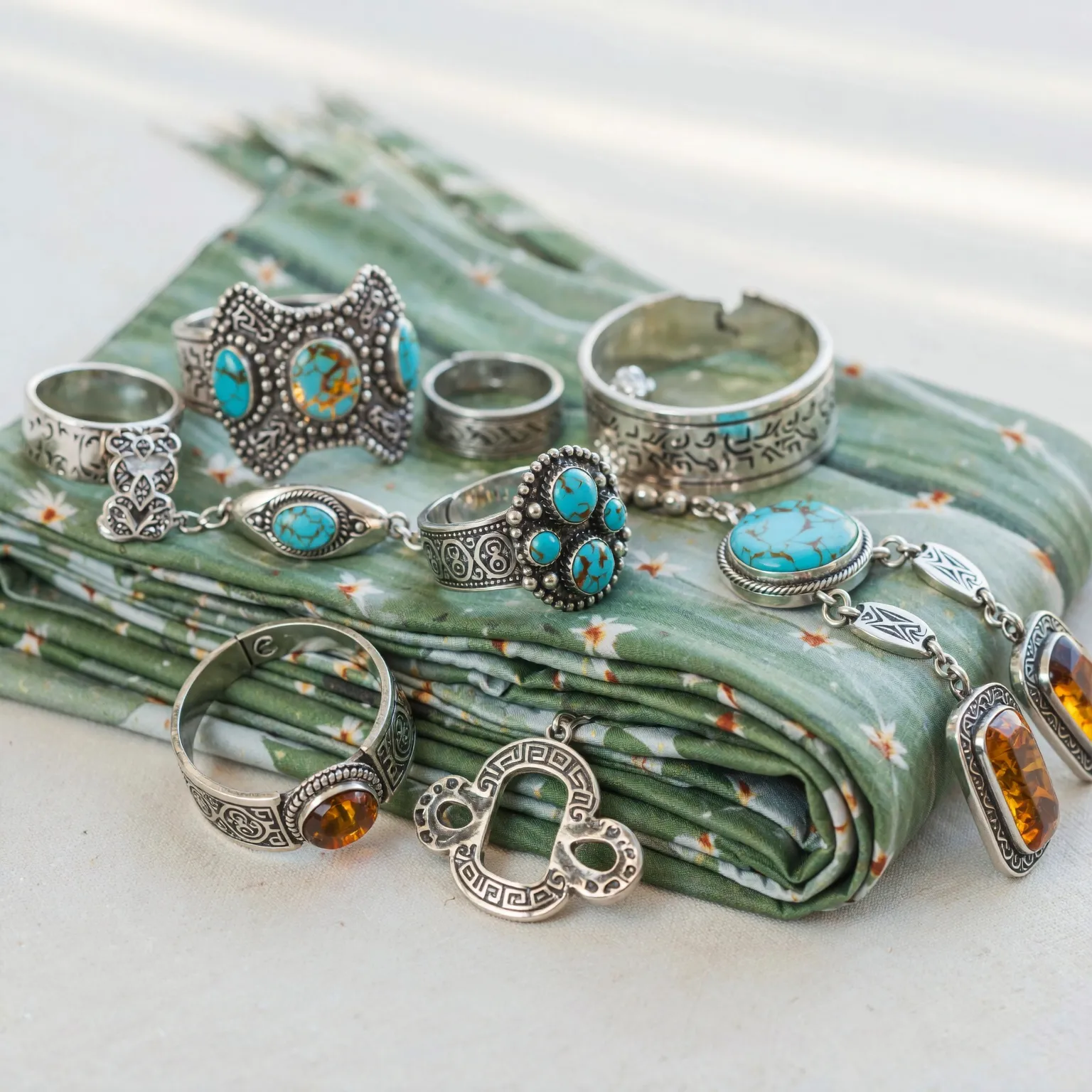
For centuries, the Berber (or Amazigh) people have been master silversmiths, particularly in regions like Tiznit. Their jewelry is distinctive, often featuring bold, chunky designs, geometric patterns, and inlayed stones like amber, coral, or turquoise. When searching for the best things to buy in Marrakech, these pieces stand out because they are more than just ornamentation they are symbolic heirlooms.
- Symbolism is Key: Many pieces feature traditional Amazigh symbols representing protection, fertility, or nature. Buying a piece allows you to carry a small piece of this powerful heritage.
- A Solid Investment: While gold is common in some cities, authentic Berber jewelry is typically heavy, high-quality silver. It’s an unforgettable Morocco souvenir that holds its value and its story.
- Check the Craftsmanship: Look for sturdy clasps and precise detailing. A knowledgeable vendor can explain the origin and meaning of the piece, enhancing your purchase experience.
Cactus Silk (Sabra) Scarves
If you need a lightweight, vibrant, and incredibly versatile souvenir, look no further than the Sabra scarf. Often mislabeled as ‘cactus silk,’ this beautiful fabric is typically made from the fibers of the agave plant, which are harvested and dyed with brilliant natural colors. They are incredibly popular and make for excellent unique Moroccan items that you can wear immediately.
- Soft and Sustainable: Despite its fibrous origin, the final product is soft, drapes beautifully, and is breathable, making it perfect for both sunny days and cool evenings.
- Easy to Pack: These scarves fold down to almost nothing, making them the ultimate easy-to-transport Morocco souvenir. Stock up on several colors!
- Dye Secrets: The gorgeous, rich colors from saffron yellow to indigo blue often come from traditional, natural dyes, adding another layer of authenticity to this handmade Moroccan craft.
Khamsa (Hand of Fatima) Pendants
The Khamsa, also known as the Hand of Fatima, is a powerful and ancient symbol found throughout Morocco (and the Middle East and North Africa). It is a universal sign of protection, often worn as a pendant or hung in homes to ward off the evil eye.
- A Meaningful Gift: Whether you choose a simple silver pendant or an elaborately decorated one, the Khamsa is a deeply thoughtful Moroccan gift that symbolizes blessings, power, and strength.
- Variety of Forms: You’ll find Khamsa designs integrated into necklaces, wall hangings, and even door knockers. This ubiquitous symbol is a must-buy for anyone seeking a piece of cultural symbolism.
- A Universal Charm: While rooted in tradition, its meaning of protection transcends borders, making it a globally appreciated authentic Moroccan item.
The Art of the Souvenir: Bringing Morocco Home
So, we’ve journeyed together through the captivating lanes of the Marrakech souk, uncovering everything from liquid gold Argan oil and aromatic Ras El Hanout to cozy Berber rugs and protective Khamsa jewelry. What is the single most important takeaway? That the best things to buy in Marrakech and other Moroccan cities are not just goods; they are vessels of culture, history, and incredible craftsmanship.
The true magic of authentic Morocco shopping lies in the human connection the shared smile with the vendor, the friendly bargaining, and the knowledge that your purchase directly supports a family or a cooperative. These Moroccan gifts are more than souvenirs; they are stories waiting to be told.
Navigating the Souk: Your Final Shopping Strategy
Ready to put your knowledge into practice? Use these tips to ensure a successful and rewarding shopping experience in any Moroccan souk:
- Embrace the Haggling: Friendly negotiation is expected, particularly for high-value items like Moroccan rugs and large leather goods. Start low (around 30-50% of the initial price) and meet somewhere in the middle. It’s an interaction, not a confrontation!
- Quality Check is Crucial: For high-end items like cosmetic Argan oil or traditional ceramics, don’t be afraid to ask about the source and production method. If buying Argan oil, look for pure, cold-pressed quality.
- Cash is King: While some larger shops accept cards, smaller stalls often prefer cash (dirhams). Carry small denominations for ease of transaction.
- Mind the Weight: Planning your purchases around your luggage allowance is key. Remember the trick for buying unstuffed leather poufs and lightweight Sabra scarves!
What are you waiting for? Your authentic, unique pieces of Morocco are waiting to be discovered.
Your Souvenir Questions Answered
We know you might have a few lingering questions before you dive into the bustling market atmosphere. Here are some quick answers to help you shop with confidence!
Q: Is it safe to buy spices and food items from the souk?
A: Absolutely, but use common sense! Stick to reputable spice stalls that have a high turnover of goods, ensuring freshness. Spices like Ras El Hanout and saffron are generally excellent quality, but buy whole ingredients when possible and grind them at home for maximum flavor.
Q: How can I tell if a Berber rug is genuine and handmade?
A: Genuine Moroccan rugs (like Beni Ourain or Azilal) are almost always one-of-a-kind and rarely perfectly symmetrical. Look at the fringe: if it is part of the warp (the foundation fibers of the rug), it’s hand-knotted. Mass-produced rugs often have fringes sewn on separately. Also, feel the wool it should be thick, soft, and substantial.
Q: Are there any specific scams or things to watch out for?
A: The most common issues are aggressive touts who lead you to specific shops and overpaying for a souvenir. Firmly decline unwanted help, and always comparison shop before making a final purchase. For Argan oil, be aware of cheaper cooking oil being passed off as cosmetic grade.
Q: Which city is best for souvenir shopping: Marrakech or Fes?
A: Both are incredible! Marrakech has the largest, most famous souks and generally better accessibility for a first-time shopper. Fes, however, is often lauded for its high-quality leather and ceramics, as the city has a stronger tradition of specific craft guilds. Our advice? Shop a little in both!