

Introduction
If you’ve ever searched for a natural solution that works wonders for skin, hair, and even your kitchen, chances are you’ve come across argan oil. Often referred to as “liquid gold,” this nutrient-packed oil has been cherished in Morocco for centuries and now it’s winning hearts around the world.
But what makes argan oil so special? Is it just another trend, or is there real science behind its benefits? In this guide, we’ve explored its origins, benefits, uses, and tips to help you make the most of this golden elixir. Whether you’re looking to tame frizz, nourish your skin, or add a nutty twist to your meals, argan oil might just be the multi-tasker you’ve been searching for.
Key Takeaways
- 🌿 Multi-purpose marvel: Argan oil supports skin, hair, nails, and even culinary dishes.
- 💧 Deep hydration: Its fatty acids and Vitamin E restore moisture naturally.
- ✨ Anti-aging benefits: Antioxidants help reduce fine lines and protect against free radicals.
- 🍯 Culinary delight: Roasted argan oil adds a rich, nutty flavor to Moroccan recipes.
- 🛍️ Choose wisely: Always opt for 100% pure, cold-pressed argan oil in dark glass bottles.
Table of Contents
What Is Argan Oil?
Have you ever asked yourself why argan oil is called “liquid gold” in the beauty world? This isn’t just clever marketing it’s a title that reflects centuries of tradition, science-backed nutrients, and remarkable versatility. Let’s explore why this oil has earned such a glowing reputation.
Origins in Morocco
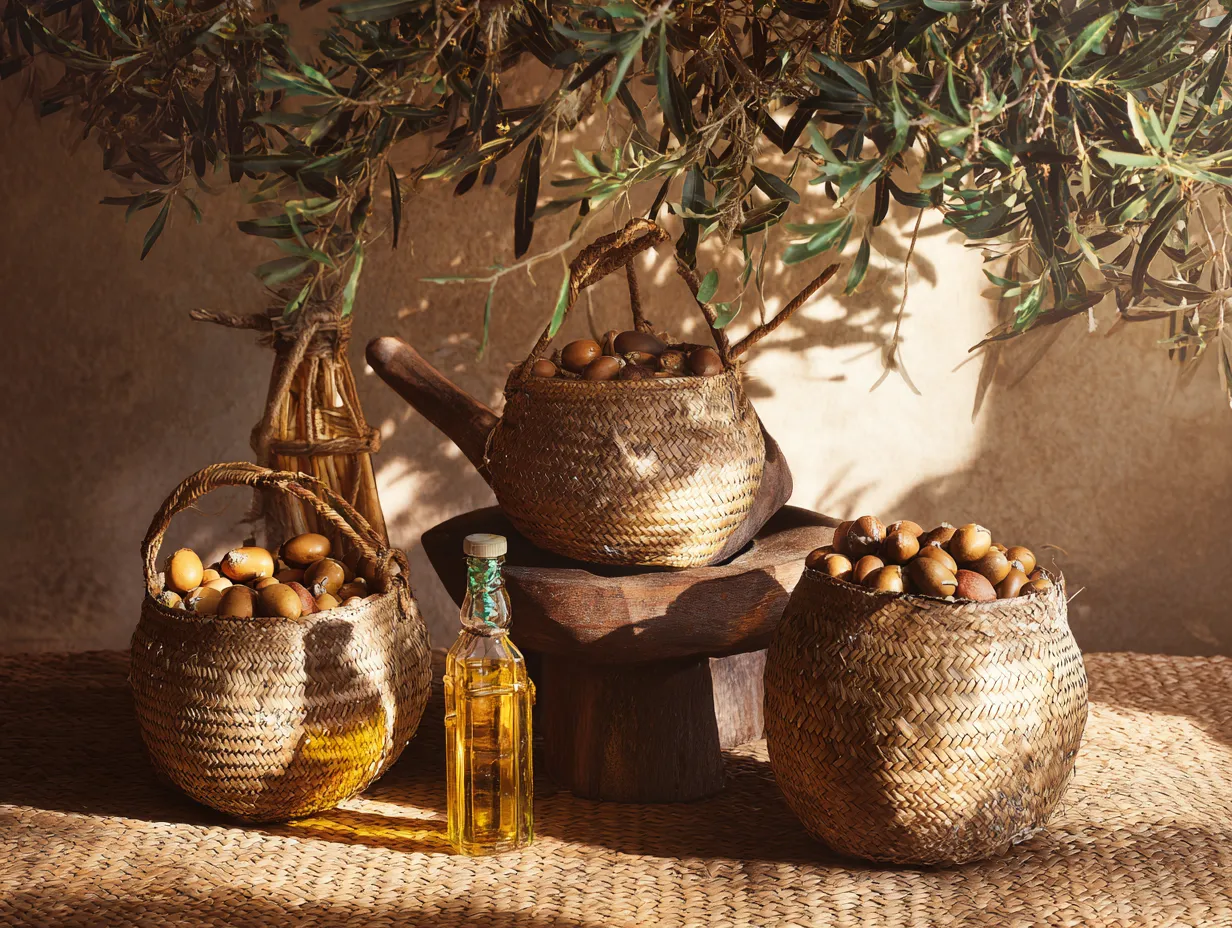
Argan oil has deep roots in Morocco, where the argan tree grows almost exclusively. Local Berber communities have been extracting and using this oil for generations not only for beauty but also for food and wellness. What’s fascinating is that many cooperatives producing pure argan oil today are run by women, empowering local economies while preserving sustainable farming practices.
Fun fact: The argan forest is recognized by UNESCO as a biosphere reserve, which means every drop of this oil connects you to a rich heritage and a protected ecosystem.
Extraction Process (Cold-Pressed)
When it comes to quality, the method of extraction makes all the difference. The cold-pressed technique avoids heat and harsh chemicals, ensuring the oil keeps its natural properties intact.
Here’s why cold-pressed argan oil is worth the investment:
- Pure and unrefined → no additives or fillers.
- Nutrient-rich → higher levels of Vitamin E and antioxidants.
- Long-lasting potency → better results for skin and hair care.
If you’re shopping, always scan the label for “100% pure cold-pressed argan oil.” It’s your best guarantee of authenticity.
Key Nutrients: Vitamin E & Fatty Acids
So, what exactly makes argan oil a must-have in your self-care routine? It’s packed with skin- and hair-loving nutrients:
- Vitamin E – Helps fight free radicals, which can cause premature aging.
- Essential Fatty Acids – Nourish and repair dry, damaged strands and skin.
- Antioxidants – Shield against pollution and daily environmental stress.
Think of argan oil as nature’s multitasker: a hydrator, protector, and rejuvenator all in one small bottle.
💡 Pro Tip: Want to dig deeper into natural oils? Explore our guide on argan oil vs. coconut oil to see which one suits your lifestyle best.
Argan Oil Benefits for Hair
Is your hair feeling dry, dull, or impossible to manage? You’re not alone and here’s where argan oil shines. Often called a natural hair savior, it’s rich in fatty acids and antioxidants that nourish from root to tip. Whether you’re dealing with frizz, breakage, or lack of shine, this golden oil can transform your hair care routine.
Strengthening Weak Strands
Argan oil penetrates the hair shaft, helping to rebuild and strengthen weak strands from within. Unlike heavy oils that sit on the surface, its lightweight texture makes it suitable for daily use without weighing hair down.
Fighting Frizz & Split Ends
Humidity is the ultimate enemy of smooth hair. But thanks to its moisture-locking abilities, argan oil tames frizz and minimizes split ends. A few drops on damp hair can make your blow-dry smoother and silkier.
Natural Shine & Softness
Who doesn’t love glossy, touchable hair? The Vitamin E in argan oil restores natural luster while keeping hair soft and manageable. It’s like giving your strands a spa treatment at home.
DIY Argan Oil Hair Mask Recipe
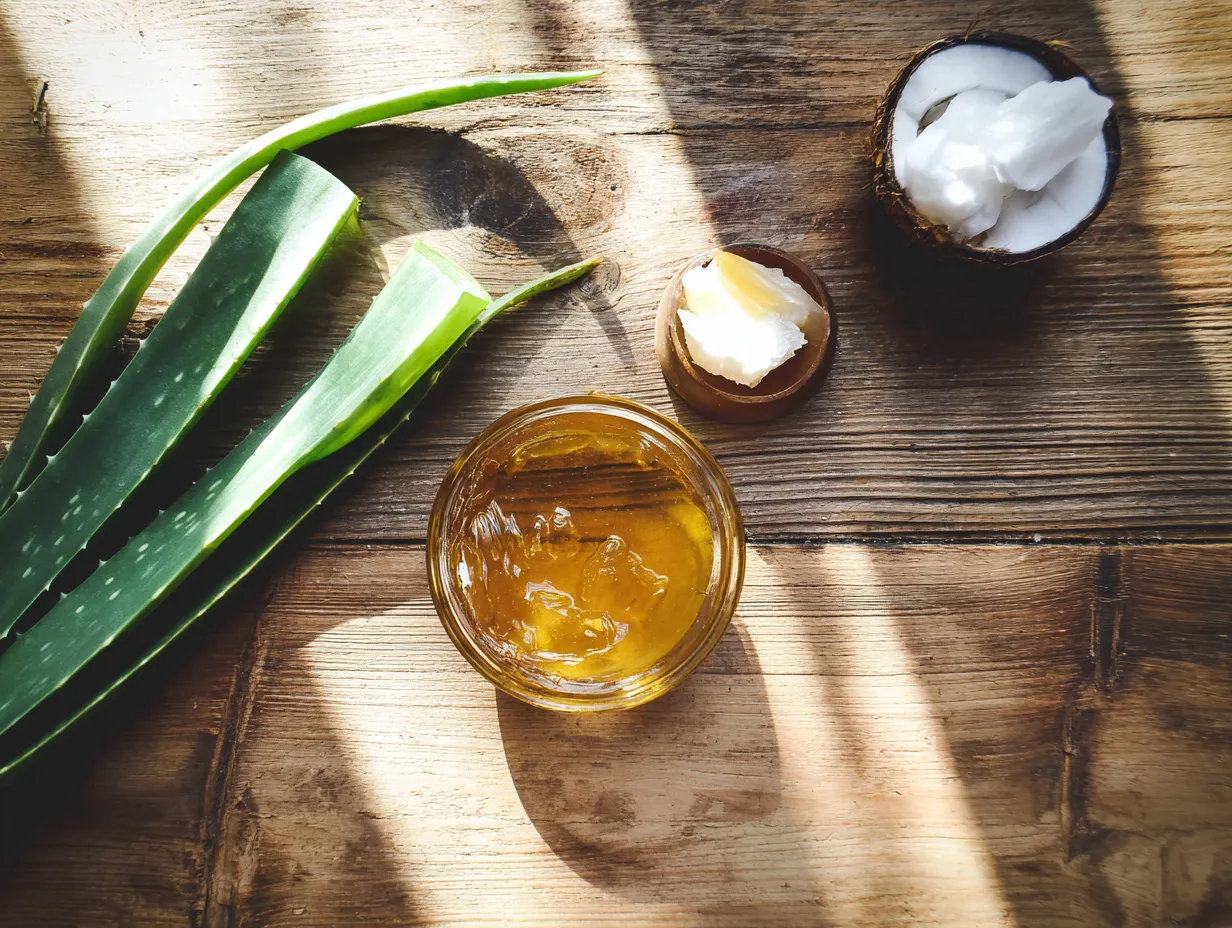
If you want to experience these benefits firsthand, try this simple argan oil hair mask. It combines nourishing ingredients to restore hydration and shine.
| Ingredient | Quantity |
|---|---|
| Pure Argan Oil | 2 tablespoons |
| Organic Coconut Oil | 1 tablespoon |
| Raw Honey | 1 tablespoon |
| Aloe Vera Gel | 2 teaspoons |
How to use:
- Mix all ingredients in a small bowl.
- Apply evenly from mid-length to hair ends.
- Leave for 20–30 minutes under a warm towel.
- Rinse thoroughly with a mild shampoo.
✨ Pro tip: Use this mask once a week for noticeably softer, stronger, and shinier hair.
Argan Oil Benefits for Cooking
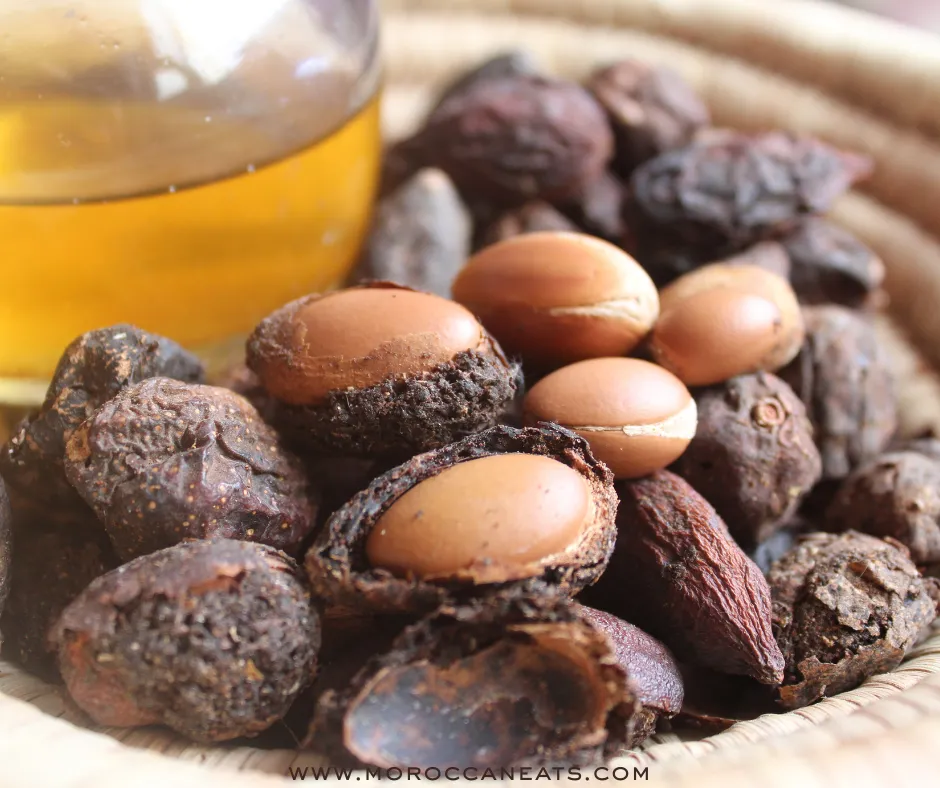
When most people think of argan oil, beauty routines come to mind but did you know it’s also a prized ingredient in Moroccan cuisine? Culinary argan oil is slightly different from the cosmetic version. It’s roasted, giving it a warm, nutty flavor that instantly elevates dishes. Beyond taste, it’s rich in antioxidants, Vitamin E, and healthy fats that make it a smart choice for your kitchen.
Enhances Flavor with a Nutty Twist
Culinary argan oil has a deep, roasted aroma and flavor that pairs beautifully with both sweet and savory meals. Think of it as Morocco’s answer to extra virgin olive oil only nuttier and more complex.
Rich in Nutrients

Packed with essential fatty acids and antioxidants, argan oil not only makes food taste amazing but also contributes to heart health and overall wellness. Studies suggest that regular consumption of argan oil can help regulate cholesterol levels and support healthy digestion.
A Versatile Ingredient
From drizzling over salads to blending into dips or even baking, argan oil adapts to almost any dish. It’s best used as a finishing oil to preserve its delicate flavor and nutrients, rather than for high-heat cooking.
Traditional Moroccan Amlou Recipe (Dip)
One of the most beloved culinary uses of argan oil is Amlou, a delicious Moroccan dip often enjoyed with bread at breakfast.
| Ingredient | Quantity |
|---|---|
| Culinary Argan Oil | ½ cup |
| Raw Almonds (toasted) | 1 cup |
| Pure Honey | 3 tablespoons |
How to prepare:
- Toast almonds until golden and blend into a smooth paste.
- Slowly add argan oil while blending.
- Stir in honey until creamy.
- Serve with warm Bread or drizzle over fruit.
✨ Tip: Store in a sealed jar Amlou can last for weeks and makes a wholesome, energy-packed spread.
Argan Oil Benefits for Skin
Have you ever noticed how some people seem to have naturally radiant, glowing skin? Chances are, argan oil is part of their secret. Known for its lightweight texture and nutrient-rich profile, this oil is one of the most effective natural moisturizers you can add to your routine. Unlike heavy creams that clog pores, argan oil absorbs quickly, leaving your skin soft, smooth, and protected.
Hydration & Moisture Retention
Dry skin is no match for argan oil. Thanks to its high content of essential fatty acids, it restores the skin’s natural barrier, locking in hydration for hours. A few drops massaged onto damp skin can keep dryness at bay without leaving a greasy residue.
Anti-Aging & Wrinkle Reduction
Argan oil is loaded with Vitamin E and antioxidants, which fight free radicals the culprits behind premature aging. Regular use may help reduce fine lines and improve skin elasticity, making it a natural alternative to expensive anti-aging serums.
Healing Acne & Scars
Here’s something surprising: argan oil works even for oily and acne-prone skin. Its non-comedogenic properties mean it won’t clog pores, while its anti-inflammatory compounds help calm redness and irritation. With consistent use, it may even reduce the appearance of acne scars and dark spots.
💡 Pro Tip: For best results, apply argan oil at night as part of your skincare routine. Your skin will soak up the nutrients while you sleep, giving you a healthy glow by morning.
Different Uses of Argan Oil
Have you ever wished one product could simplify your beauty, wellness, and even cooking routine? That’s exactly what argan oil offers. This versatile oil is not just for skin and hair it can be incorporated into a variety of everyday applications to nourish, protect, and enhance.
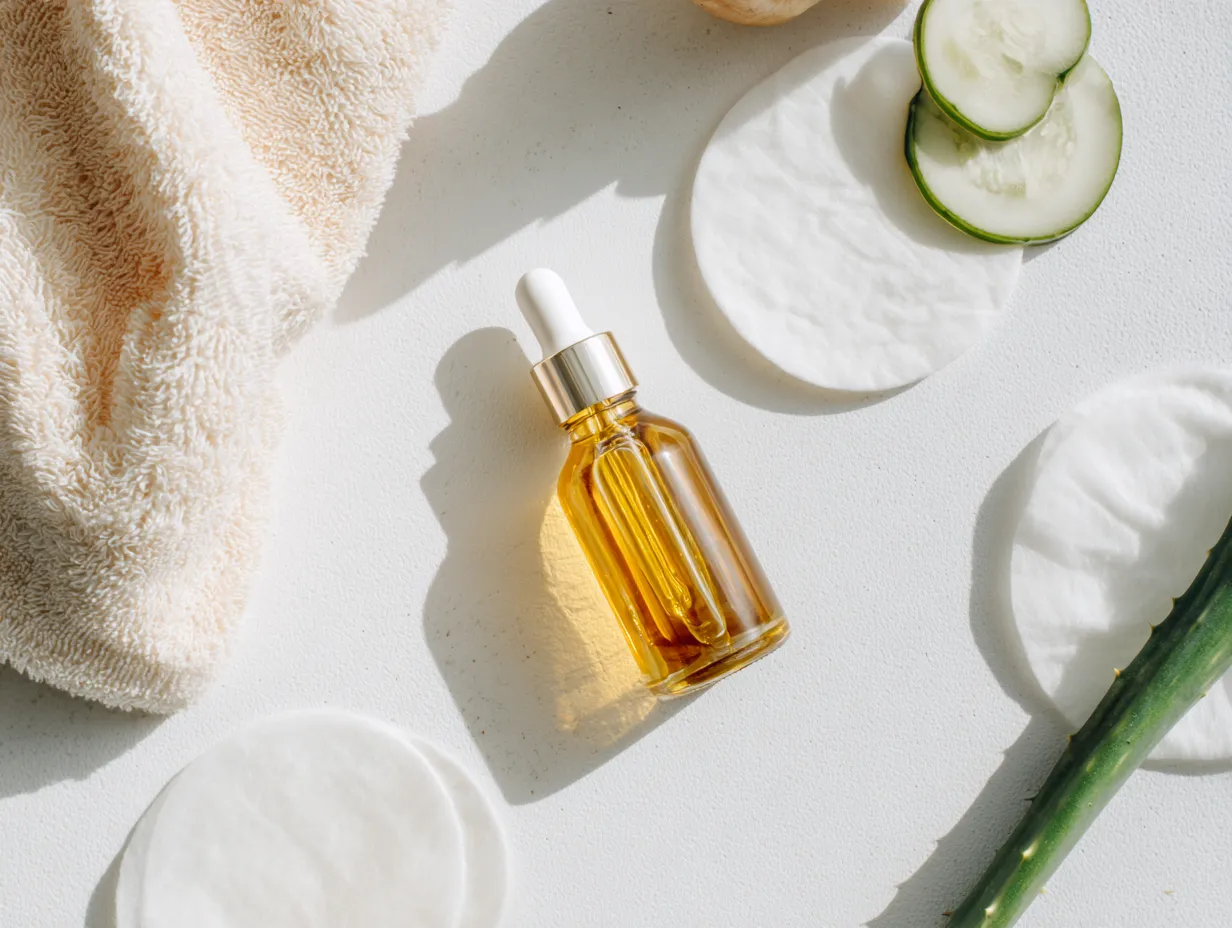
Daily Skincare Routine
Integrating argan oil into your skincare is simple and highly effective. Use it as:
- Moisturizer: Massage a few drops onto your face and neck to hydrate without clogging pores.
- Night Serum: Apply before bed to allow Vitamin E and antioxidants to repair skin overnight.
- Cuticle Treatment: Keep nails and cuticles healthy by massaging in argan oil daily.
“Nature gives the best remedies, and argan oil is a shining example of how simple ingredients can deliver extraordinary results.”
DIY Hair Masks & Treatments
Beyond applying argan oil directly, you can mix it into masks for targeted hair care. Try:
Culinary & Wellness Uses
- A deep-conditioning mask with honey and argan oil for extra shine.
- Split-end repair treatment with aloe vera gel and argan oil.
- Frizz control serum by blending a few drops with coconut oil.
Culinary argan oil is roasted, bringing out a rich, nutty flavor perfect for:
- Drizzling over salads or roasted vegetables.
- Mixing into dips like Moroccan Amlou for a nutritious spread.
- Finishing cooked grains or pasta for a delicate nutty aroma.
✨ Pro Tip: Use argan oil as a finishing touch in recipes rather than high-heat cooking to preserve nutrients and flavor.
How to Choose the Best Argan Oil
Navigating the shelves (or online stores) for argan oil can feel overwhelming. With so many options cosmetic, culinary, pure, blended it’s important to know what to look for to ensure you’re getting the highest quality product that delivers real results.
Spotting Pure vs. Diluted Oils
Not all argan oils are created equal. Many products are diluted with cheaper oils, which reduces their effectiveness. Here’s how to identify pure argan oil:
- Look for “100% pure” on the label.
- Check if it’s cold-pressed this method preserves nutrients.
- Avoid oils with artificial fragrances or additives.
Importance of Cold-Pressed Extraction
Cold-pressed argan oil retains the maximum amount of Vitamin E, antioxidants, and essential fatty acids. This ensures the oil performs optimally for your hair, skin, and even cooking needs.
Packaging & Shelf Life
Quality argan oil is sensitive to light and air:
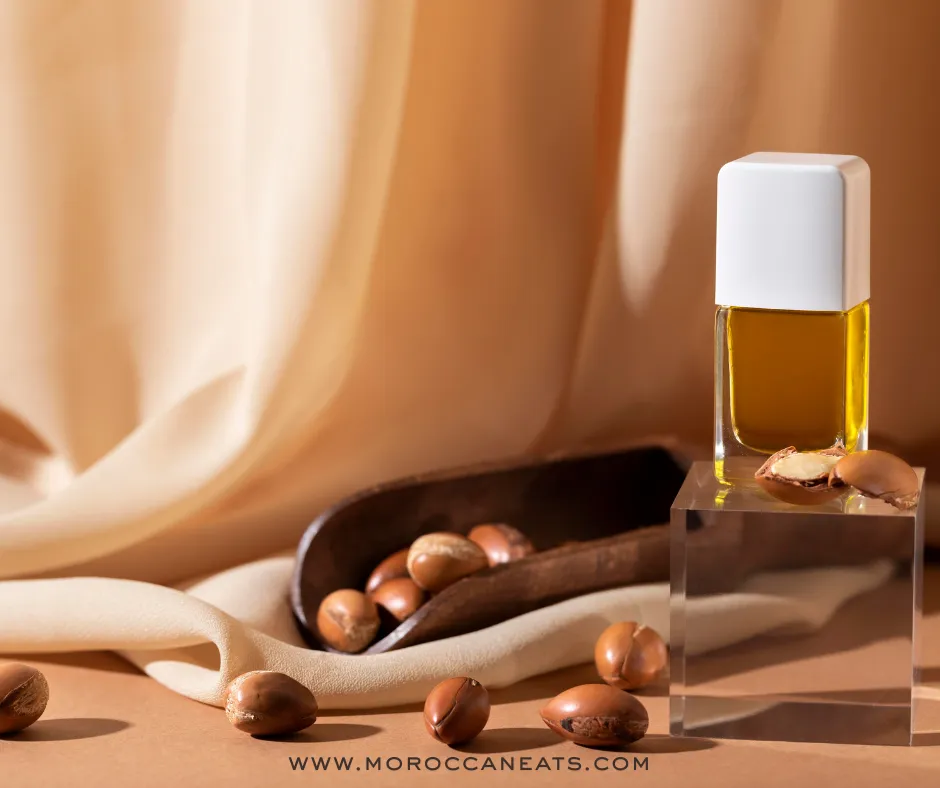
- Opt for dark glass bottles to protect against UV damage.
- Store in a cool, dry place.
- Note the expiration date fresh oil is always more effective.
By keeping these points in mind, you can confidently choose argan oil that truly nourishes, heals, and enhances your daily routine.
Conclusion
Argan oil is more than just a beauty trend it’s a timeless natural remedy with a proven track record. From hydrating skin to strengthening hair and even enhancing your favorite recipes, it truly earns its reputation as liquid gold.
The key is to choose authentic, high-quality oil and use it consistently. Start small maybe a drop in your moisturizer or a drizzle over your salad and see how it transforms your daily routine.
👉 At the end of the day, argan oil isn’t just about looking good it’s about embracing a healthier, more natural lifestyle.
Frequently Asked Questions
1. Can I use argan oil on my face every day?
Yes, pure argan oil is lightweight and non-comedogenic, making it safe for daily use on most skin types.
2. Is culinary argan oil the same as cosmetic argan oil?
No. Culinary argan oil is roasted for flavor, while cosmetic oil is cold-pressed and unroasted. Both are beneficial, but they serve different purposes.
3. Does argan oil help with dandruff?
Absolutely. Its moisturizing properties can soothe dry scalps and reduce flakiness over time.
4. How long does argan oil last?
When stored in a dark glass bottle away from sunlight, pure argan oil typically lasts 12–24 months.
5. Can argan oil replace my regular cooking oil?
Not entirely. It’s best used as a finishing oil drizzle it over salads, grains, or dips to preserve its nutrients and flavor.