
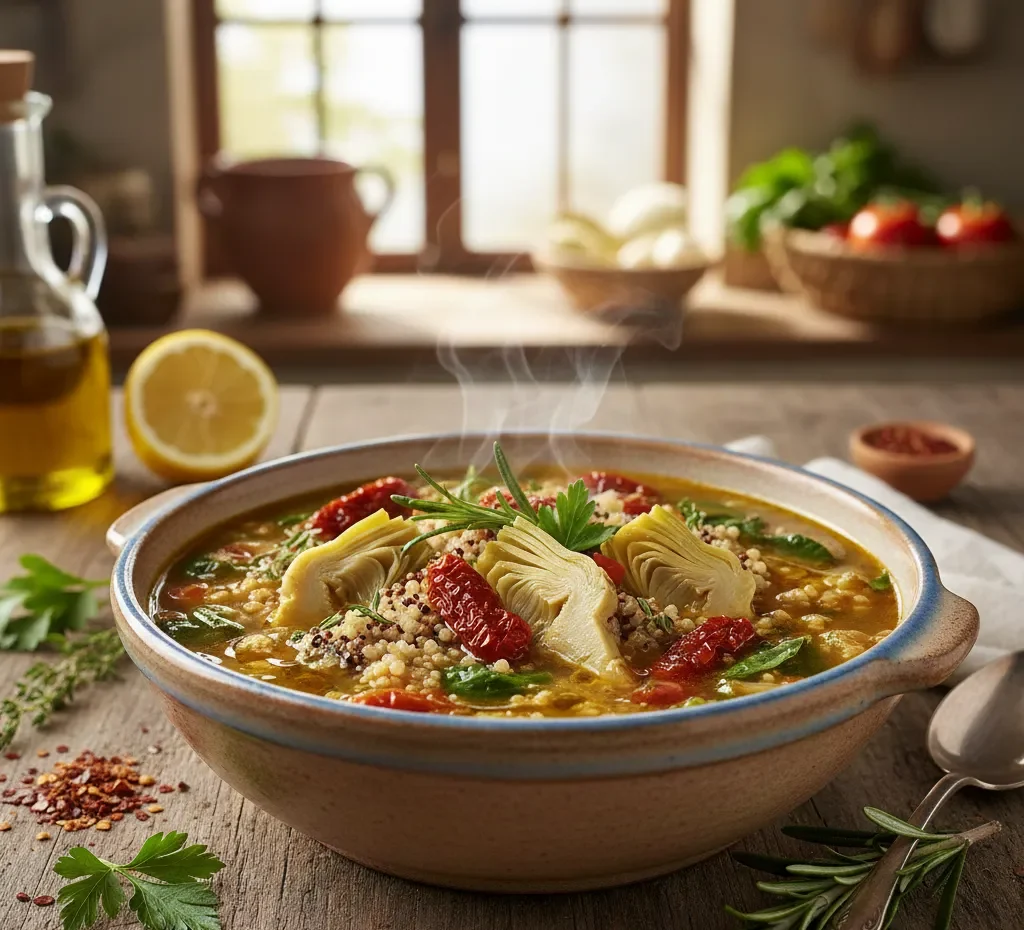
Why This Mediterranean Quinoa Soup is a Nutritional Powerhouse
Have you ever wondered if comfort food could also be incredibly good for you? When it comes to our Elite Slow Cooker Mediterranean Quinoa Soup Recipe, the answer is a resounding yes. This isn’t just another easy dinner; it’s a carefully balanced symphony of ingredients designed to nourish your body and delight your taste buds. We’re talking about a one-pot plant-based meal that champions the very best of the Mediterranean diet, making healthy eating both simple and extraordinarily delicious. Let’s break down why this soup earns its “powerhouse” title.
The Complete Protein Profile of Quinoa
If you’re looking for plant-based protein, quinoa is your secret weapon. This isn’t just any grain; it’s technically a “pseudocereal” and stands out because it contains all nine essential amino acids. What does that mean for you?
- A Building Block for Everything: Your body uses these amino acids to build and repair tissues, make enzymes, and support overall health.
- Unique in the Plant Kingdom: Unlike most plant proteins, quinoa offers a complete protein profile, making it a stellar choice for vegetarians, vegans, and anyone looking to reduce their meat intake without compromising nutrition.
- Sustained Energy: The combination of protein and complex carbohydrates in quinoa helps keep you feeling full and energized for longer, preventing those mid-afternoon slumps.
Incorporating quinoa into your diet through dishes like our Mediterranean Quinoa Soup is an effortless way to boost your protein intake and ensure you’re getting all the vital building blocks your body craves.
Heart-Healthy Fats from Olive Oil and Artichokes
When we talk about healthy fats, the Mediterranean diet immediately comes to mind, and for good reason! Our soup leans heavily on these nutritional champions:
- Extra Virgin Olive Oil: This liquid gold is a cornerstone of Mediterranean cuisine, celebrated for its monounsaturated fats. These fats are known to help lower bad cholesterol levels and reduce the risk of heart disease. We use it not just for sautéing, but also for its distinctive flavor that perfectly complements the other ingredients.
- Artichoke Hearts: Beyond their unique flavor and tender texture, artichokes are surprisingly good for your heart. They are packed with fiber, which can aid in digestion and further contribute to healthy cholesterol levels. Plus, they add a wonderful earthy depth that makes this artichoke quinoa slow cooker meal truly special.
Together, these ingredients contribute to a meal that supports cardiovascular wellness while delivering rich, satisfying flavors. It’s a delicious way to care for your heart, one spoonful at a time.
Anti-Inflammatory Benefits of Mediterranean Herbs
The vibrant flavors of the Mediterranean aren’t just for taste; they bring a wealth of health benefits, particularly when it comes to fighting inflammation. We’ve carefully selected herbs that do double duty:
- Rosemary & Oregano: These aromatic heroes are more than just seasonings. They are loaded with antioxidants and anti-inflammatory compounds that help protect your cells from damage.
- Thyme: Another powerful herb, thyme contributes both a distinct flavor and a potent dose of beneficial compounds known for their anti-inflammatory properties.
- The Power of Lycopene: Don’t forget the sun-dried tomatoes! They’re not just for intense flavor; they’re a concentrated source of lycopene, a powerful antioxidant that’s been linked to reducing inflammation and protecting against certain diseases.
By infusing our high-fiber vegetarian stew with these incredible herbs and ingredients, we’re not just creating a delicious meal we’re crafting a bowl of wellness that actively works to support your body’s natural defenses. Isn’t it amazing how something so simple can be so profoundly good for you?
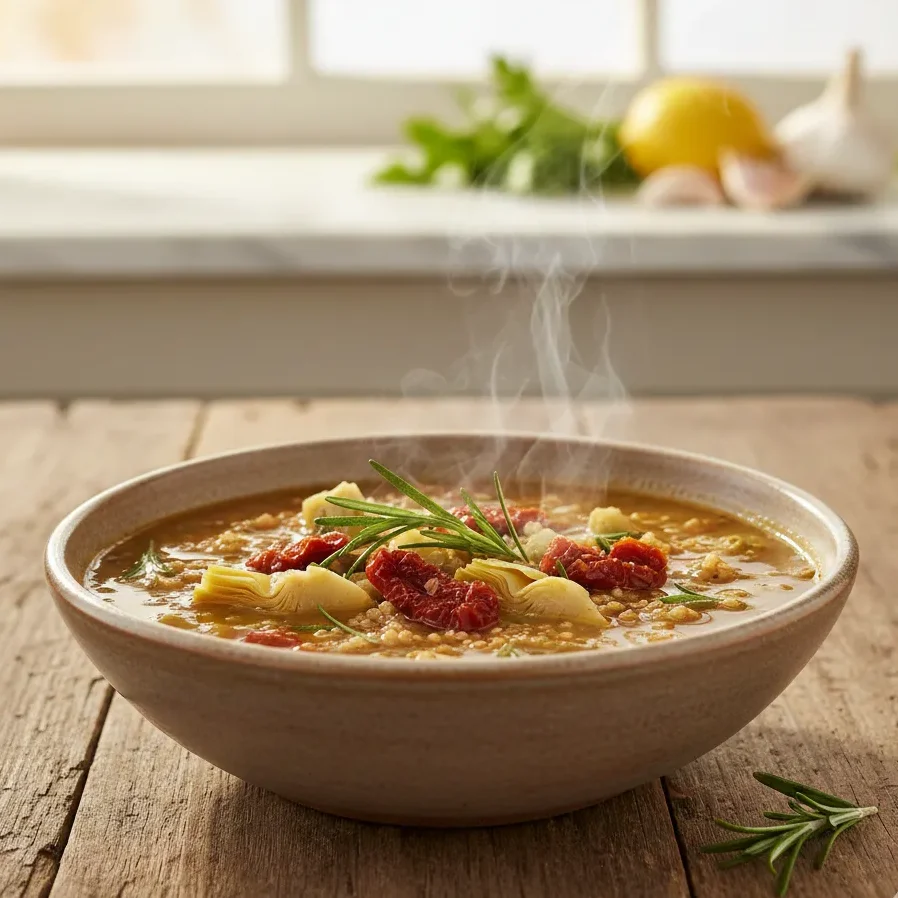
Essential Ingredients for the Ultimate Flavor Depth
Ever had a soup that tasted just “fine” but lacked that certain spark? To transform a standard meal into an Elite Slow Cooker Mediterranean Quinoa Soup, we have to look beyond the basic grocery list. It’s all about layering specific textures and acidic notes to create what chefs call “flavor depth.”
Since we are aiming for a high-fiber vegetarian stew that actually satisfies, every ingredient here has a job to do. From the briny tang of the artichokes to the concentrated sweetness of sun-dried tomatoes, let’s look at the components that make this recipe a standout.
Choosing the Best Artichoke Hearts: Canned vs. Frozen
The star of our show is undoubtedly the artichoke. But which type should you grab at the store? Your choice actually changes the “soul” of the soup.
- Frozen Artichoke Hearts: These are the “purist’s” choice. They offer a clean, nutty flavor and hold their structural integrity beautifully during the long simmer. If you want a fresh-from-the-garden vibe, go frozen.
- Canned or Jarred (in Water/Brine): These bring a subtle, vinegary brightness to the broth. Because they are already softened, they meld into the soup, adding a silky texture.
- A Word on Marinated: While delicious, marinated artichokes can sometimes overpower the delicate quinoa with excess oil and spices. Stick to plain hearts for this specific recipe to maintain control over your seasoning.
The Secret Role of Sun-Dried Tomatoes and Lemon Zest
How do we achieve that “elite” status? It’s all about the balance of acid and umami. Most slow cooker meals can end up tasting a bit flat because they cook for so long. We solve that with two “bright” ingredients:
- Sun-Dried Tomatoes: These are like little umami bombs. They provide a chewy texture and a concentrated sweetness that fresh tomatoes simply can’t match in a slow cooker environment.
- Fresh Lemon Zest: This is our “finishing touch.” Adding the zest right before serving cuts through the richness of the olive oil and awakens the earthy notes of the quinoa.
Vegetable Broth vs. Bone Broth for Maximum Umami
While we often think of this as a one-pot plant-based meal, the liquid base you choose is the canvas for all other flavors.
- High-Quality Vegetable Broth: Look for brands that use roasted root vegetables to ensure a deep, golden color and a savory foundation.
- Bone Broth (Non-Vegan Option): If you aren’t strictly plant-based, a chicken bone broth adds a velvety mouthfeel and extra collagen, though it will shift the flavor profile toward a traditional “homestyle” stew.
The Elite Ingredient Checklist
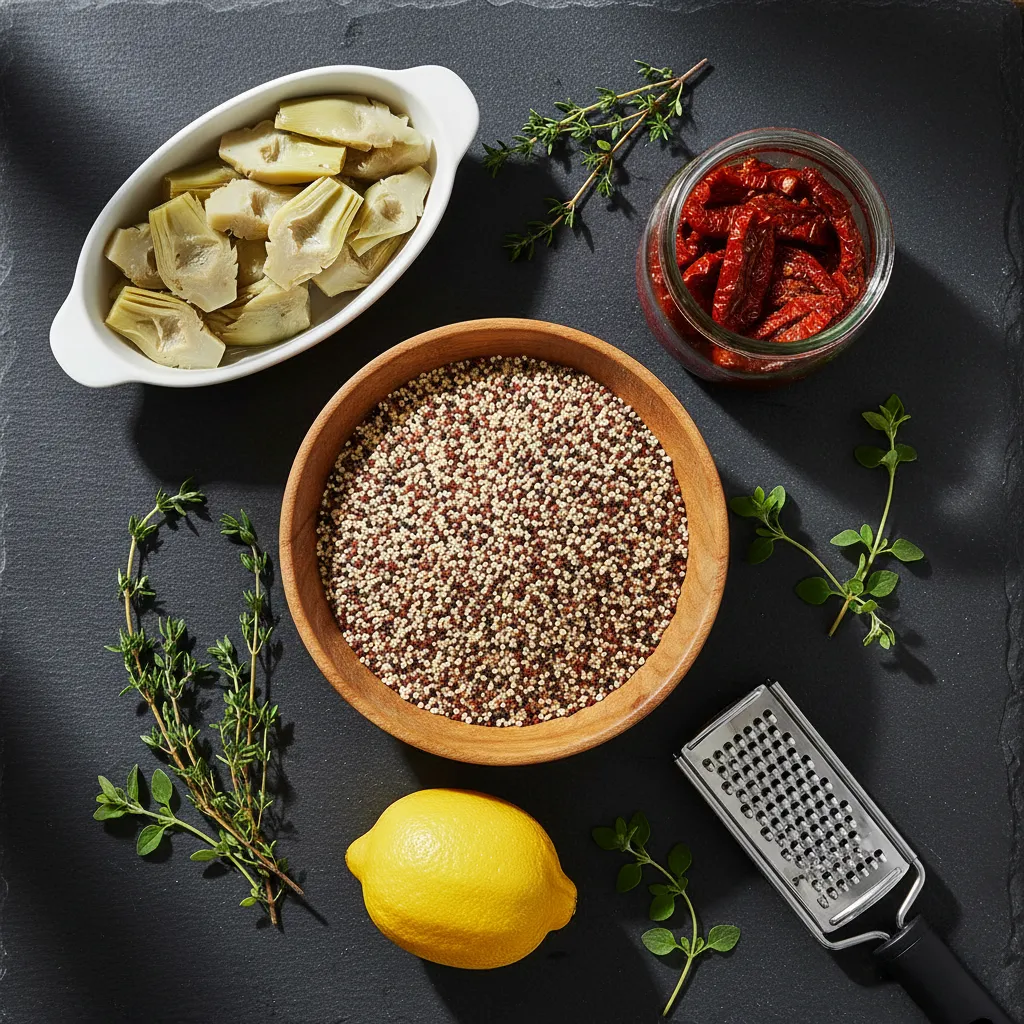
To make your prep easier, here is exactly what you’ll need to assemble this Mediterranean masterpiece:
| Ingredient | Quantity | Purpose |
| White or Tri-Color Quinoa | 1 Cup | The protein-rich base; adds “pop” |
| Artichoke Hearts (Frozen or Canned) | 14 oz | The meaty, fiber-packed star |
| Sun-Dried Tomatoes (Julienned) | 1/2 Cup | Concentrated sweetness and umami |
| Vegetable Broth (Low Sodium) | 6 Cups | The savory liquid foundation |
| Red Onion (Finely Diced) | 1 Medium | Sweetness and aromatic depth |
| Garlic Cloves (Minced) | 4 Cloves | Essential Mediterranean pungency |
| Extra Virgin Olive Oil | 2 Tbsp | Heart-healthy fats and richness |
| Fresh Lemon (Zest & Juice) | 1 Large | Brightness and acidity to finish |
| Dried Oregano & Thyme | 1 tsp each | Classic Mediterranean herbal notes |
| Baby Spinach or Kale | 2 Cups | A burst of color and nutrients |
Step-by-Step Slow Cooking Guide for Success
Have you ever finished a slow cooker meal only to find it tastes a bit… soapy? Or perhaps your grains turned into a singular, mushy mass? Don’t worry; it happens to the best of us! When making our Elite Slow Cooker Mediterranean Quinoa Soup Recipe, the secret isn’t just in the ingredients, but in the technique. Since we are crafting a gluten-free slow cooker dinner that needs to hold its own as a gourmet meal, we need to treat our grains and veggies with a little extra care.
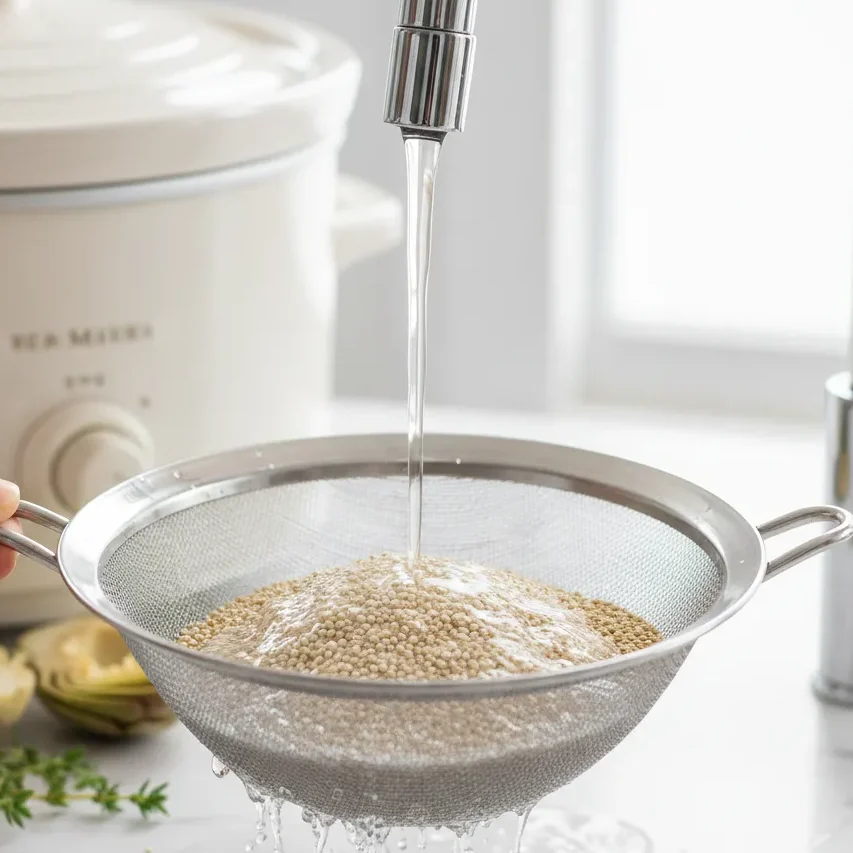
How to Rinse Quinoa to Remove Saponin Bitterness
If you’ve skipped this step in the past, your taste buds likely paid the price. Quinoa has a natural outer coating called saponin. While it protects the plant in the wild, it tastes incredibly bitter and can be tough on the stomach.
- The Fine-Mesh Trick: Use a fine-mesh strainer (the holes in a standard colander are usually too big!) and run cold water over your quinoa for at least 30 to 60 seconds.
- The Agitation Method: Use your fingers to swirl the grains under the water. You’ll notice the water looks a bit sudsy at first—that’s the saponin leaving the building!
- The Final Check: Once the water runs perfectly clear, your quinoa is ready to absorb all those delicious Mediterranean broth flavors instead of competing with them.
Layering Ingredients: What Goes in First?
Believe it or not, the order in which you “dump” your ingredients into the crockpot actually matters for heat distribution. To ensure a perfectly cooked one-pot plant-based meal, follow this simple layering logic:
- The Aromatics: Place your onions, garlic, and sun-dried tomatoes at the very bottom. Being closest to the heat source helps them soften and release their oils into the entire pot.
- The Hearty Solids: Add your rinsed quinoa and spices next. This allows the grains to be partially submerged and start absorbing the seasoned liquid immediately.
- The Liquid Gold: Pour your vegetable broth over the top. This washes the spices down into the crevices of the other ingredients.
- The Delicate Stars: Save the leafy greens (like spinach) and lemon zest for the very end of the cooking process to keep them vibrant and fresh.
Timing the Artichokes to Avoid Mushiness
Artichoke hearts are the crown jewel of this soup, but they can be delicate. If you are using frozen artichoke hearts, you can add them at the beginning; they are sturdy enough to handle the 4-6 hour simmer. However, if you are using canned or jarred hearts, they have already been processed. To maintain that “elite” texture, consider adding them during the last 30 minutes of cooking. This ensures they are heated through and infused with flavor without losing their satisfying bite.
For a quick visual on getting that perfect quinoa texture every time, check out this helpful guide :
Creative Variations and Customization Ideas
One of the most beautiful things about a Mediterranean Diet Soup is its inherent flexibility. While our base recipe is designed to be “elite” on its own, your kitchen is your laboratory! Have you ever looked at a recipe and thought, “This looks great, but I wish it was a bit heartier” or “I wonder if I could give this a spicy kick?” The answer is almost always a resounding yes. Since we are building a high-fiber vegetarian stew, we have a robust foundation that can handle a variety of “plug-and-play” additions without losing that signature Mediterranean soul. Let’s explore how you can tailor this bowl to fit your specific cravings or dietary needs.
Adding Lean Protein: Chickpeas or Shredded Chicken
While quinoa provides a surprising amount of plant-based protein, sometimes you want a meal that feels a bit more “substantial,” especially if you’ve had a long day at the gym or in the office.
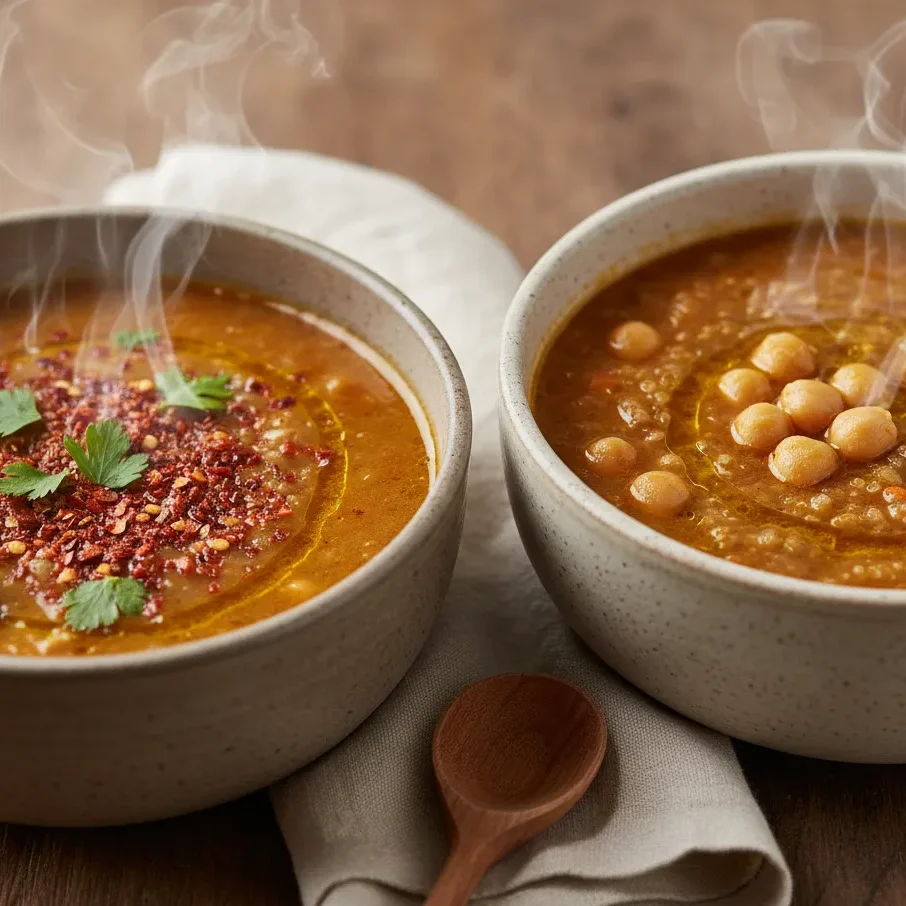
- For the Plant-Based Purist: Stir in a can of drained and rinsed chickpeas (garbanzo beans) during the last hour of cooking. They add a buttery texture and even more fiber, making this an incredibly satiating one-pot plant-based meal.
- For the Meat-Eater: If you aren’t strictly vegetarian, you can add two boneless, skinless chicken breasts to the slow cooker at the start. Once cooked, shred the meat directly into the broth. It absorbs the lemon and oregano perfectly, creating a Mediterranean version of the classic chicken and rice soup.
Spicy Mediterranean: Incorporating Aleppo Pepper
If you’re someone who keeps a bottle of hot sauce on the table, this variation is for you. Traditional Mediterranean flavors are often mild and earthy, but adding a “clean” heat can elevate the entire experience.
Instead of standard crushed red pepper flakes, I highly recommend seeking out Aleppo Pepper. It offers a complex, fruity heat that isn’t overwhelming. It bridges the gap between the sweetness of the sun-dried tomatoes and the earthiness of the artichoke quinoa slow cooker base. Just a teaspoon stirred in toward the end of the cooking cycle will wake up every other flavor in the pot.
Vegan Garnishes: Nutritional Yeast and Fresh Parsley
How you finish the dish is just as important as how you start it. If you are keeping things vegan but miss that salty, savory finish of Parmesan cheese, Nutritional Yeast is your best friend.
- The “Cheesy” Finish: A tablespoon of nutritional yeast stirred into each bowl provides a nutty, savory depth that mimics aged cheese beautifully.
- The Burst of Freshness: Never underestimate the power of flat-leaf parsley. Chopped finely and sprinkled on top right before serving, it provides a hit of chlorophyll and vitamin C that makes the soup taste “alive.”
“The Mediterranean diet is not a restrictive list of ‘don’ts,’ but rather a vibrant celebration of ‘dos’ do use fresh herbs, do enjoy healthy fats, and do make the meal uniquely your own.”
Expert Storage and Reheating Tips
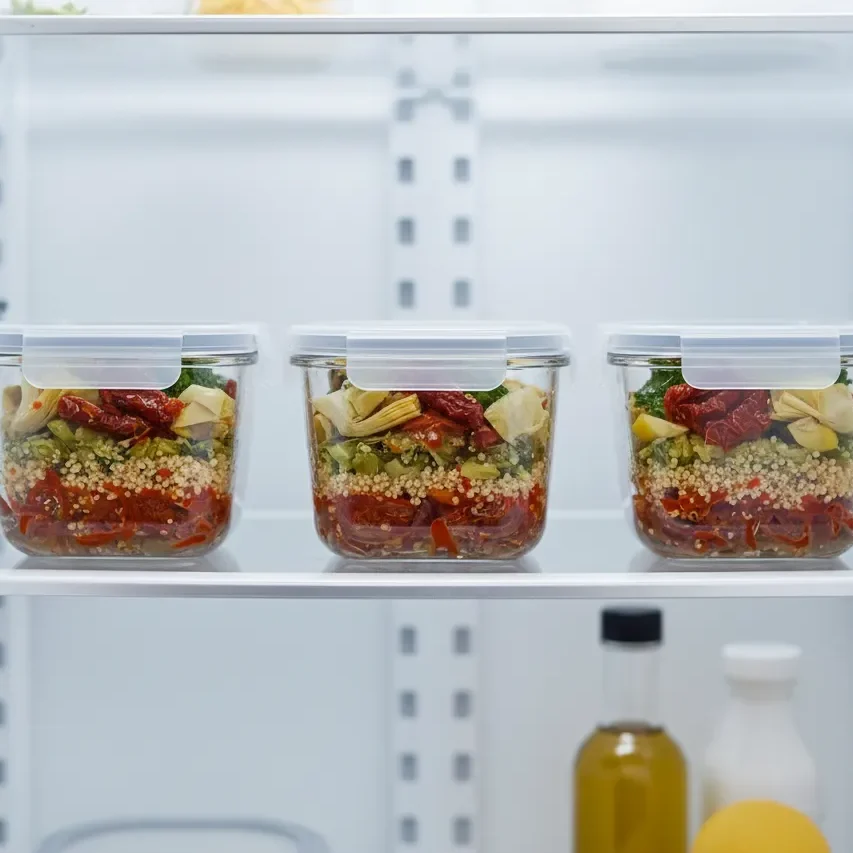
You’ve done the work, your kitchen smells like a Mediterranean dream, and you’ve just enjoyed a bowl of our Elite Slow Cooker Mediterranean Quinoa Soup Recipe. But what about tomorrow? One of the best things about a high-fiber vegetarian stew is that the flavors often deepen and improve after a night in the fridge. However, because quinoa is a thirsty little grain, storing and reheating it requires a bit of strategy to keep that “elite” quality intact.
How can you ensure your meal prep stays as fresh on Thursday as it was on Monday? Let’s dive into the best practices for preserving your soup’s texture and taste.
How to Freeze Quinoa Soup Without Losing Texture
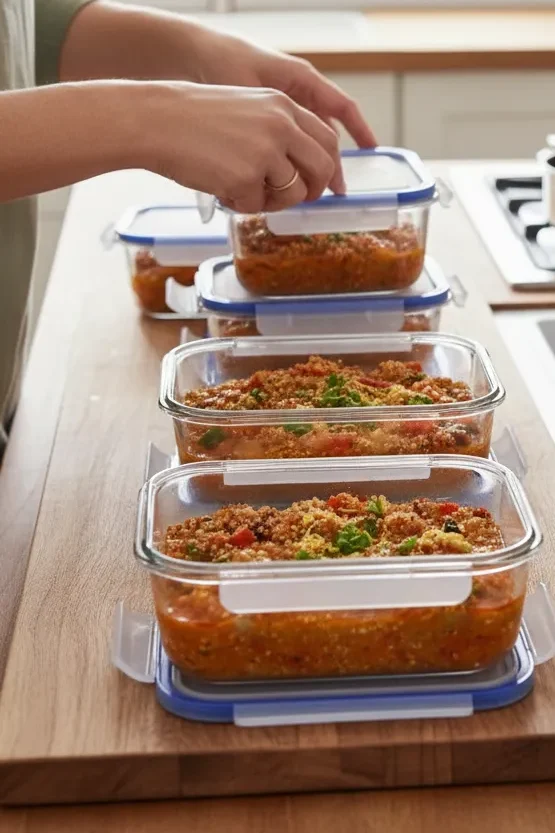
If you’ve made a large batch and want to save some for a rainy day, freezing is a fantastic option. Quinoa holds up remarkably well to the cold, but there are a few “pro tips” to follow:
- The Cool-Down Phase: Never put hot soup directly into the freezer. This creates steam and ice crystals that can degrade the texture of the vegetables. Let your soup reach room temperature first.
- Airtight is Everything: Use heavy-duty freezer bags or airtight glass containers. If using bags, squeeze out as much air as possible and lay them flat to save space.
- Leave Room for Expansion: Remember that liquids expand when they freeze. Leave about an inch of “headspace” at the top of your container to prevent any messy freezer accidents.
- The Three-Month Rule: For the best flavor, try to enjoy your frozen artichoke quinoa slow cooker meal within three months.
The Best Way to Reheat on the Stovetop
While the microwave is convenient for a quick office lunch, the stovetop is where the magic happens for leftovers. Why? Because it gives you total control over the consistency.
- Low and Slow: Place your soup in a small saucepan over medium-low heat. This prevents the quinoa from scorching on the bottom while gently warming the broth.
- The Freshness Boost: As you reheat, add a small squeeze of fresh lemon or a sprinkle of fresh herbs. This “wakes up” the bright notes that might have dimmed while chilling.
Adjusting Liquid Levels After Overnight Refrigeration
Have you ever opened a container of leftover soup only to find it looks more like a thick pilaf? Don’t panic! This is completely normal for a Mediterranean Diet Soup. Quinoa acts like a sponge, continuing to absorb liquid even after the slow cooker is turned off.
To bring it back to its original glory, simply add a splash of vegetable broth or filtered water during the reheating process. Start with a quarter cup and stir until you reach your desired “soupy” consistency. This simple adjustment ensures every spoonful is just as balanced as the first.
Conclusion: Your Journey to Elite Mediterranean Flavor
So, there you have it your comprehensive guide to mastering the Elite Slow Cooker Mediterranean Quinoa Soup Recipe. We’ve explored everything from the nutritional power of quinoa and heart-healthy artichokes to the subtle art of layering ingredients and extending your meal prep with smart storage.
This isn’t just about following a recipe; it’s about understanding why certain techniques and ingredients make a difference. It’s about empowering you to create a one-pot plant-based meal that is not only incredibly delicious but also a true nutritional powerhouse. We hope you feel confident in bringing these vibrant, health-boosting flavors into your own kitchen. Whether you’re aiming for a cozy weeknight dinner or an impressive gluten-free slow cooker dinner for guests, this recipe is designed to deliver.
Now, go forth and embrace the simplicity and depth of Mediterranean cooking! We promise your taste buds (and your body) will thank you.
Your Questions Answered: Slow Cooker Mediterranean Quinoa Soup
We know you might have a few lingering questions about this delicious high-fiber vegetarian stew. Here are some of the most common inquiries we receive:
Q1: Can I make this soup without a slow cooker? A1: Absolutely! While designed for the slow cooker, you can adapt this recipe for the stovetop. Sauté your aromatics in a large pot, add the broth, quinoa, and other ingredients (reserving delicate items like spinach and canned artichokes for later). Simmer on low for 20-25 minutes, or until the quinoa is tender and the soup has thickened to your liking.
Q2: Is this soup suitable for meal prepping? A2: Yes, it’s perfect for healthy meal prep ideas! As discussed in our storage section, this soup tastes even better the next day. Just be prepared to add a splash of extra broth or water when reheating, as the quinoa will continue to absorb liquid. Portion it into individual containers for quick, grab-and-go lunches.
Q3: Can I add other vegetables to this Mediterranean Quinoa Soup? A3: Definitely! This recipe is incredibly versatile. Consider adding diced zucchini, bell peppers, green beans, or even some finely chopped kale (added with the spinach at the end). Just remember that tougher vegetables like carrots or potatoes will need to be added at the beginning of the slow cooking cycle, while softer ones can go in later.
Q4: I don’t like artichokes. What’s a good substitute? A4: If artichokes aren’t your favorite, you could try using chopped hearts of palm for a similar texture and a mild, slightly sweet flavor. Alternatively, you could increase the amount of other vegetables like zucchini or even add some finely chopped cauliflower for a different twist on this artichoke quinoa slow cooker recipe.
Q5: What’s the best way to serve this soup? A5: We love serving this soup with a drizzle of high-quality extra virgin olive oil, a sprinkle of fresh parsley, and a wedge of lemon for an extra burst of brightness. A side of crusty whole-grain bread or a light green salad makes it a complete and satisfying meal.