
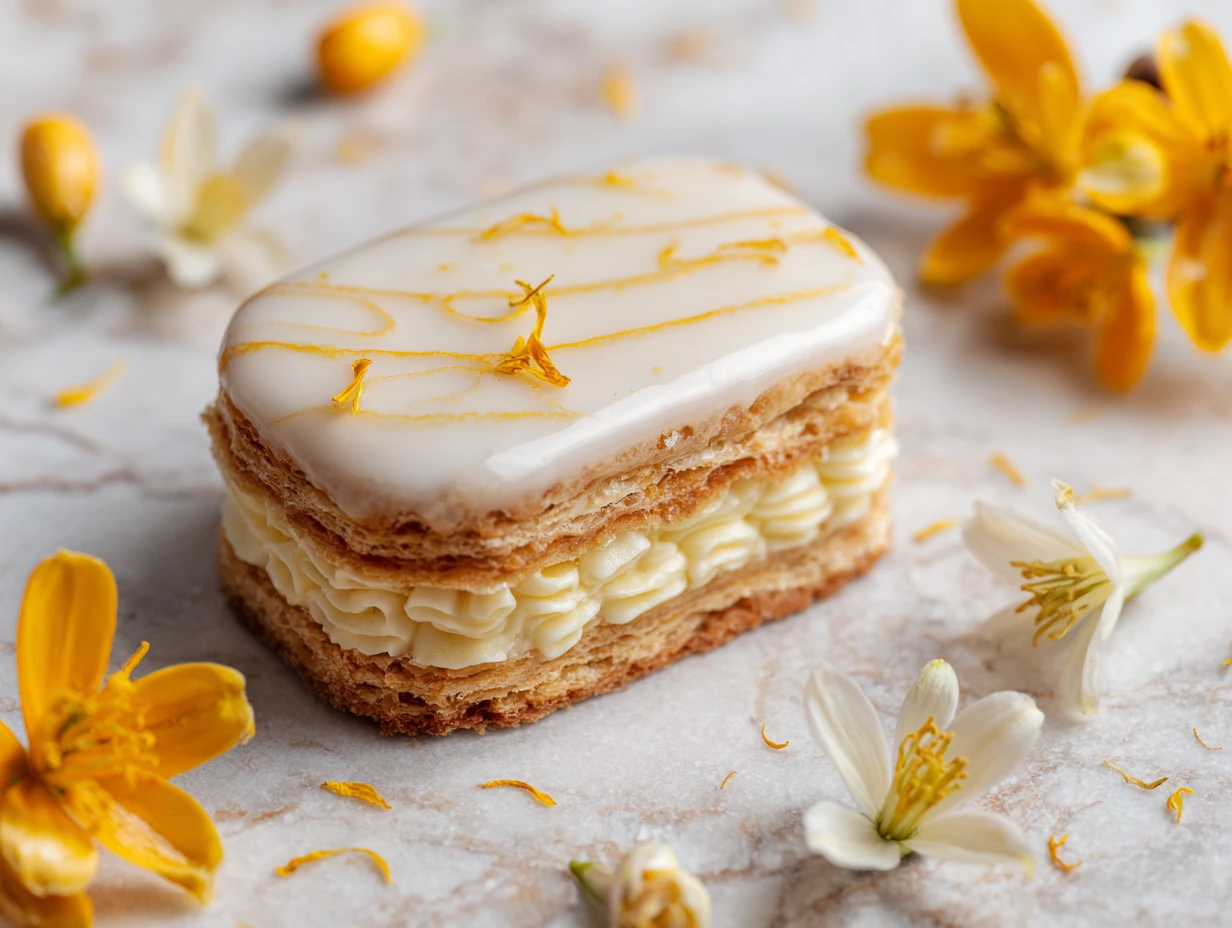
The Emotional Appeal of Orange Blossom Desserts
There’s something quietly irresistible about a sweet pastry with cream perfumed with orange blossoms. Have you noticed how a single bite can feel comforting and indulgent at the same time? That’s not accidental. Floral aromas especially orange blossom have a unique way of speaking directly to our emotions, turning a simple dessert into a memorable experience.
Unlike louder flavors such as chocolate or caramel, orange blossom works subtly. It doesn’t shout. It lingers. And that lingering quality is exactly why this lux pastry feels refined, intimate, and emotionally satisfying. For readers who crave desserts that feel elegant rather than excessive, this flavor profile delivers balance, softness, and depth.
Table of Contents
Table of Contents
Why Floral Aromas Trigger Indulgent Emotions
Floral notes are deeply tied to how our brains process pleasure and memory. Orange blossom water, in particular, is known for its calming and uplifting aromatic qualities. When infused into cream-filled pastries, it creates a sensory bridge between taste and emotion.
Here’s why it works so well:
- Aromas reach the brain faster than taste, activating emotional responses almost instantly
- Orange blossom offers a clean, citrus-floral scent that feels fresh rather than heavy
- The contrast between rich cream and delicate perfume creates a feeling of controlled indulgence
If you’re the kind of reader who enjoys desserts that feel thoughtful and intentional, this is exactly the experience you’re tapping into. It’s not about sweetness alone it’s about how the dessert makes you feel.
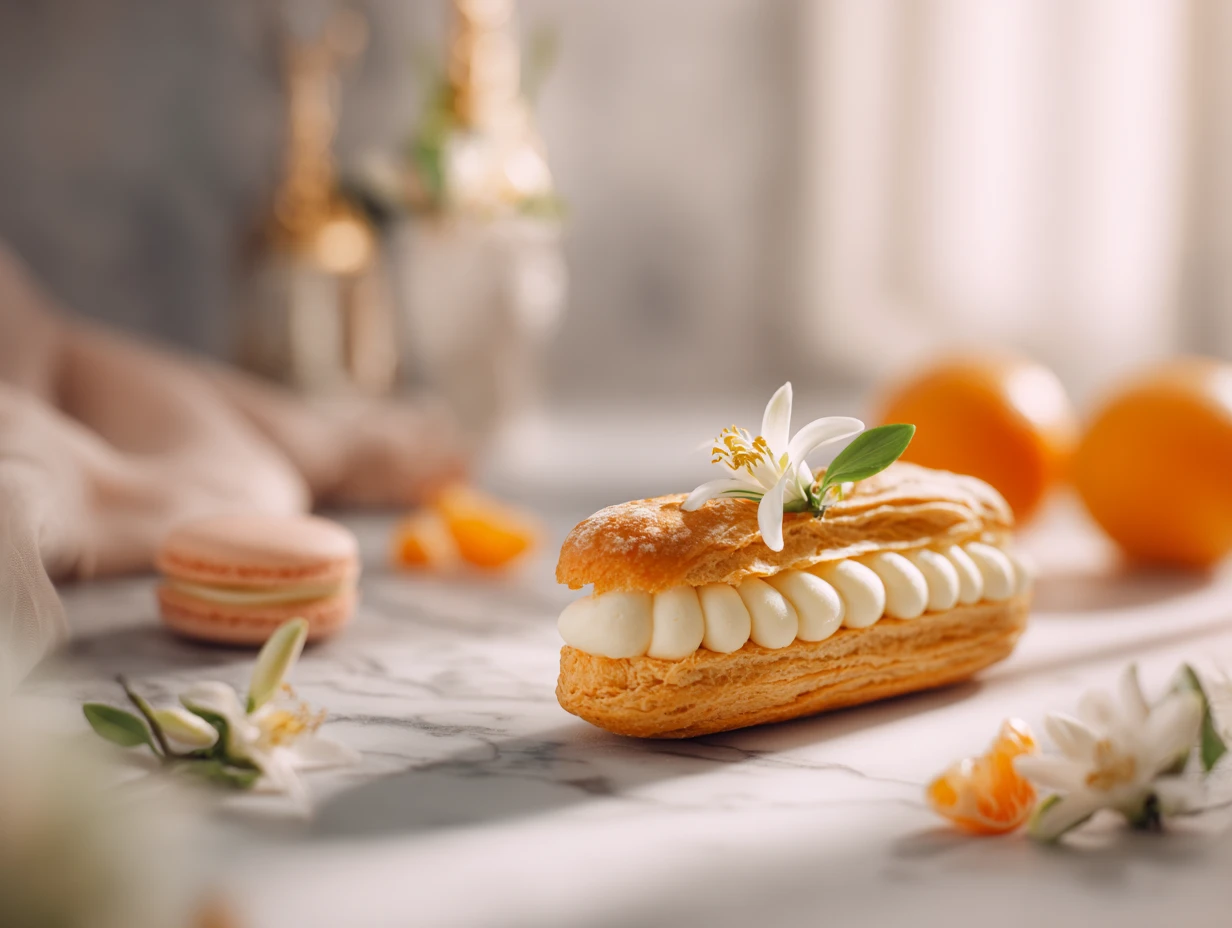
The Nostalgic Power of Orange Blossom Scent
Smell is strongly connected to memory, and orange blossom has been used for centuries in Mediterranean and Middle Eastern desserts. For many people, it evokes family kitchens, special celebrations, or pastries enjoyed during meaningful moments.
That nostalgic pull matters especially in modern food culture, where readers are looking for more than just recipes. They want stories, heritage, and emotional connection.
Ask yourself (and your readers):
- Does this dessert remind you of travel, tradition, or home?
- Do you associate floral desserts with special occasions rather than everyday sweets?
By leaning into nostalgia, a sweet pastry with cream perfumed with orange blossoms becomes more than a luxury dessert it becomes a shared emotional language.
Luxury Perception in Perfumed Pastries
Luxury in desserts isn’t always about rare ingredients or complex techniques. Often, it’s about restraint and balance. Orange blossom exemplifies that idea perfectly.
Used correctly, it:
- Elevates classic pastry cream without overpowering it
- Signals craftsmanship and attention to detail
- Appeals to readers seeking gourmet flavors with a light, modern touch
From a content strategy perspective, this positions the pastry as both approachable and premium a key factor for engaging diverse audiences, from home bakers to pastry enthusiasts.
👉 If you’re curious how this aroma is traditionally used, exploring classic orange blossom based desserts can deepen your appreciation before moving on to preparation techniques in later sections.
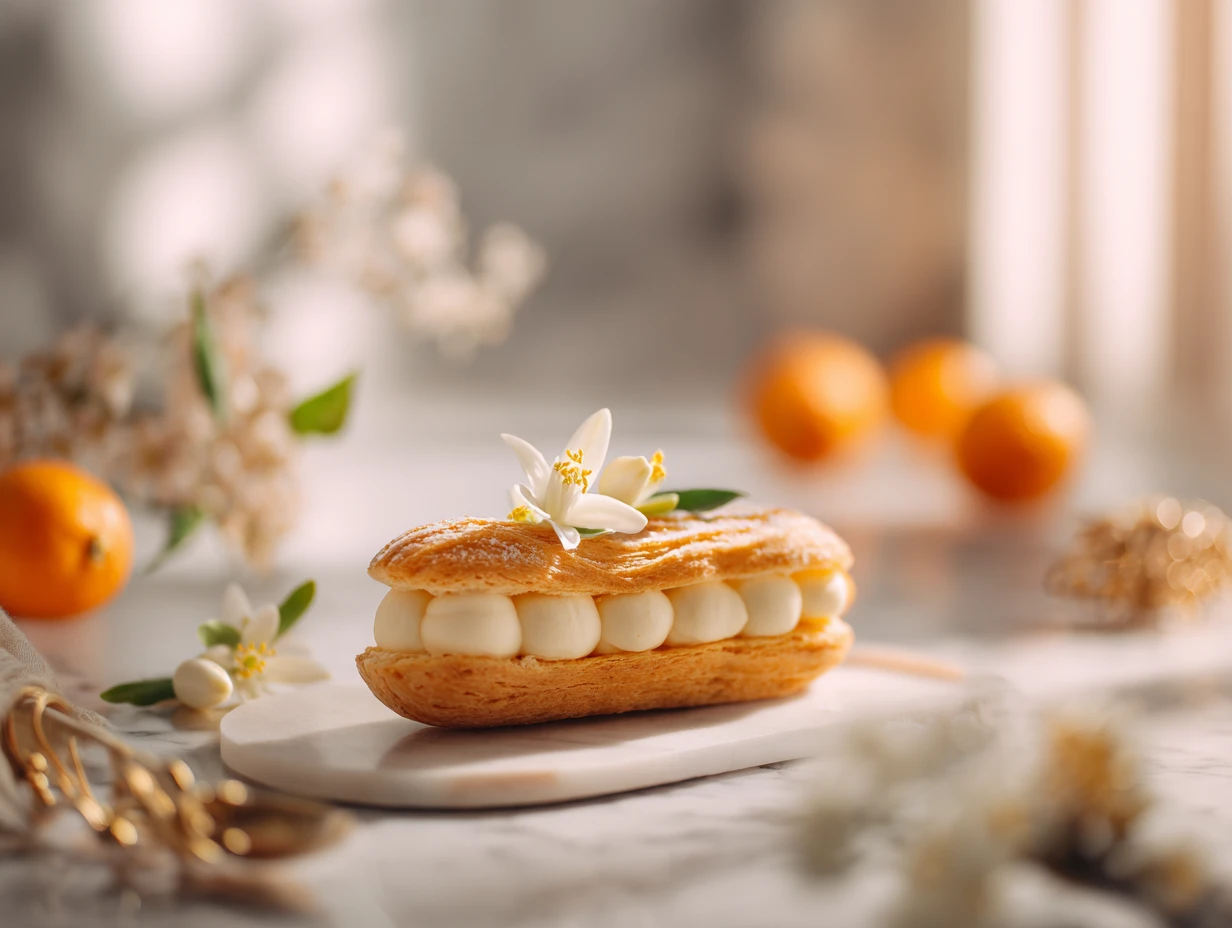
Origins of Sweet Pastries with Orange Blossom Cream
Every sweet pastry with cream perfumed with orange blossoms carries a story one shaped by geography, trade, and centuries of shared culinary knowledge. Have you ever wondered why this delicate aroma feels both exotic and familiar at the same time? That’s because orange blossom desserts sit at the crossroads of multiple cultures, each adding its own layer of meaning and refinement.
This section explores where this lux pastry tradition comes from and why it has endured, adapting beautifully to modern tastes without losing its soul.
Mediterranean Roots of Orange Blossom Water
Orange blossom water has long been a quiet star in Mediterranean cuisine. Derived from bitter orange tree flowers, it became popular in regions where citrus trees thrived particularly North Africa, Southern Europe, and the Levant.
Historically, it was valued not just for flavor but for symbolism and preservation. Pastry makers learned early on that a small amount could transform cream-filled pastries into aromatic desserts with remarkable depth.
Key reasons it became a staple:
- Bitter orange trees were widely cultivated in Mediterranean climates
- Floral waters offered aroma without sweetness, ideal for balanced desserts
- Orange blossom became associated with celebration and hospitality
Even today, when readers search for orange blossom desserts, they’re often unknowingly tapping into this centuries-old culinary heritage.
French Pastry Traditions and Floral Notes
As pastry techniques evolved in France, floral aromatics found a new role. French patisserie embraced precision measured infusions, restrained use, and elegant presentation. Orange blossom water fit perfectly into this philosophy.
In luxury French pastries:
- Creams are lightly perfumed, never dominant
- Floral notes enhance butter and dairy richness
- The goal is harmony, not intensity
This is why modern interpretations of sweet cream-filled pastries often feel refined rather than nostalgic. French influence helped elevate orange blossom from a traditional ingredient to a marker of gourmet craftsmanship.
Cultural Symbolism of Orange Blossoms
Beyond flavor, orange blossoms carry meaning. Across cultures, they symbolize:
- Purity and renewal
- Celebration and joy
- New beginnings (often used in weddings and festive desserts)
When you serve or write about a pastry infused with orange blossom cream, you’re not just sharing a dessert you’re sharing a symbol. That emotional layer is powerful for readers seeking food experiences with depth and intention.
Traditional Ingredient Foundation
To better understand how these origins translate into actual pastries, here’s a simplified look at the classic ingredient base used in orange blossom cream pastries.
| Ingredient | Quantity |
|---|---|
| Whole milk | 500 ml |
| Egg yolks | 4 |
| Granulated sugar | 100 g |
| Cornstarch | 40 g |
| Orange blossom water | 1–2 tsp |
| Butter | 30 g |
| Pastry base (choux or puff) | As needed |
Tip: Traditional recipes favor small quantities of orange blossom water. More does not mean better restraint is key to achieving that luxurious aroma.
👉 If you enjoy learning about culinary heritage, exploring other Mediterranean pastries can deepen your appreciation before moving into modern preparation techniques.
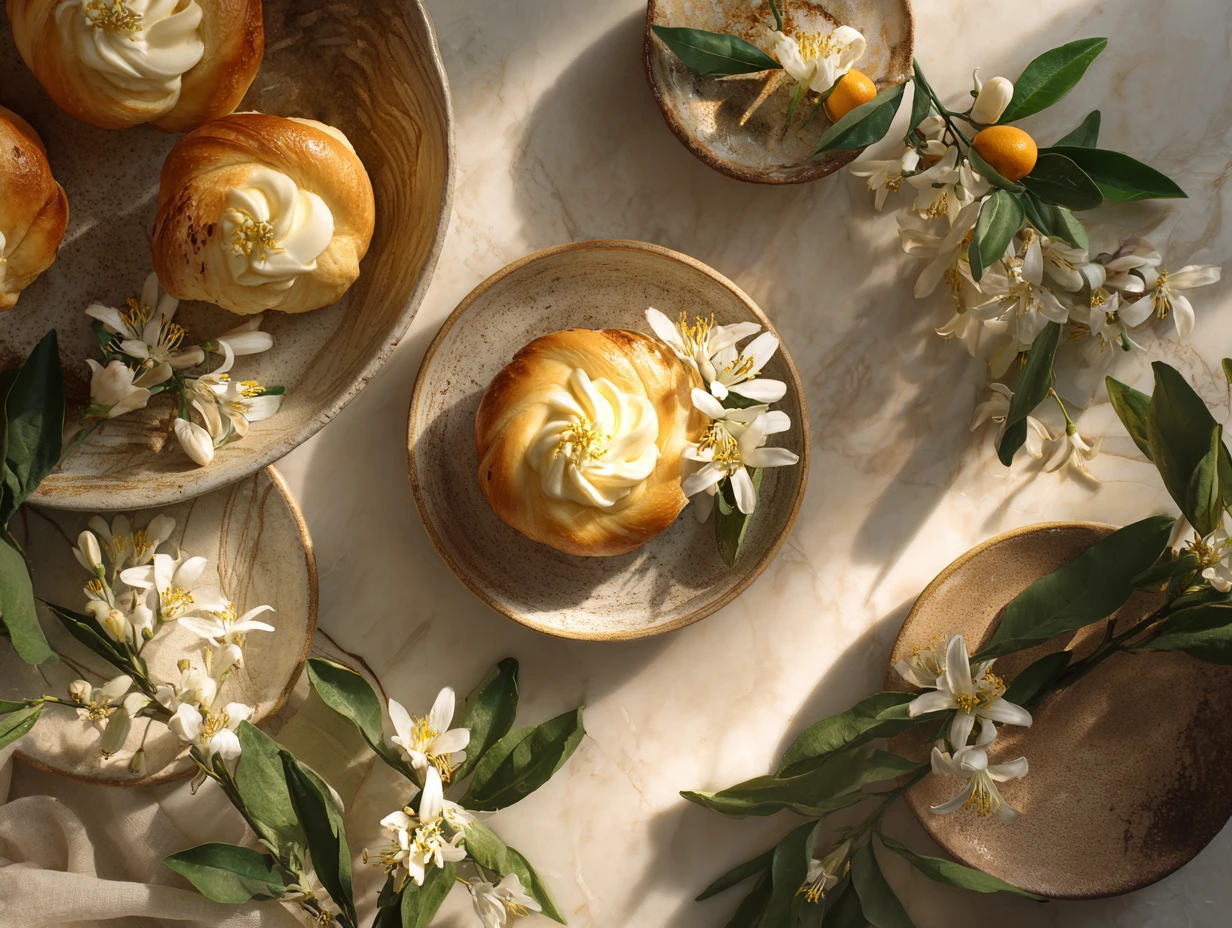
Key Ingredients That Define This Lux Pastry
What truly separates a good dessert from a luxury sweet pastry with cream perfumed with orange blossoms? Spoiler: it’s not complexity it’s ingredient intelligence. Each component plays a precise role, and when one is off, the whole experience falls flat. Let’s break down the elements that give this pastry its signature elegance, aroma, and balance.
If you’re someone who believes ingredients tell the real story, this section is where everything clicks.
Orange Blossom Water Aroma, Balance, and Restraint
Orange blossom water is the soul of this pastry. But here’s the catch: more is not better. Used sparingly, it adds a floral lift that perfumes the cream without tasting soapy or overpowering.
Why it matters:
- Adds aromatic complexity without sweetness
- Enhances cream rather than masking it
- Signals authenticity and culinary heritage
A good rule of thumb? The aroma should be noticeable after the bite, not before. That delayed floral note is what makes readers and eaters describe the dessert as refined.
Cream Fillings and Texture Perfection
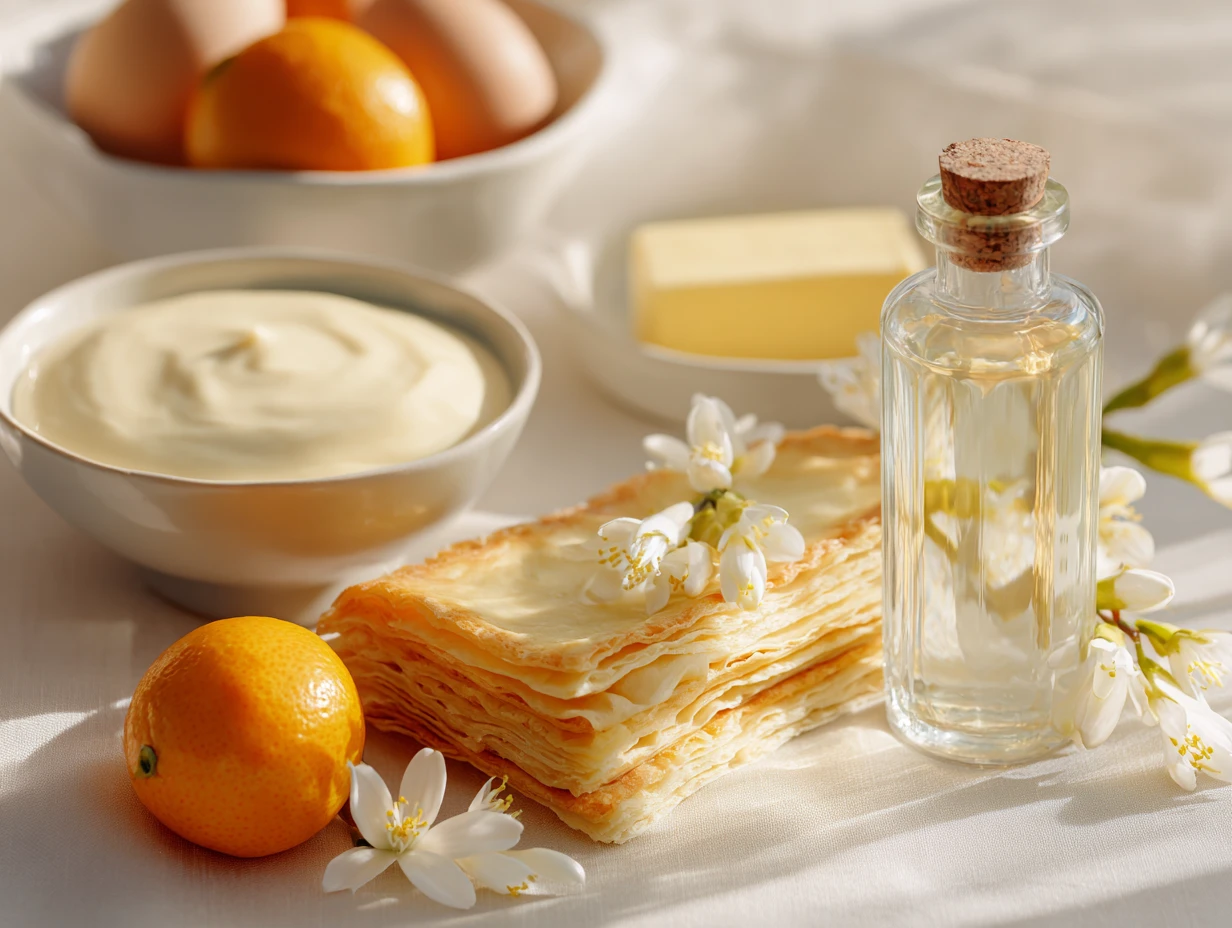
At the heart of every orange blossom cream pastry is a silky, well-structured cream. Typically based on classic pastry cream, the goal is smoothness with enough body to hold its shape.
What defines a high-quality cream filling:
- Whole milk for richness and mouthfeel
- Egg yolks for structure and color
- Cornstarch for clean, stable thickening
- Butter added at the end for gloss and depth
Texture is non-negotiable. A grainy or overly thick cream instantly breaks the luxury illusion.
Pastry Bases Used in Luxury Desserts
The pastry shell does more than hold the cream it provides contrast. Most versions of this sweet cream-filled pastry rely on one of three bases:
- Puff pastry for crisp, flaky layers
- Choux pastry for lightness and airiness
- Brioche-style dough for a softer, richer bite
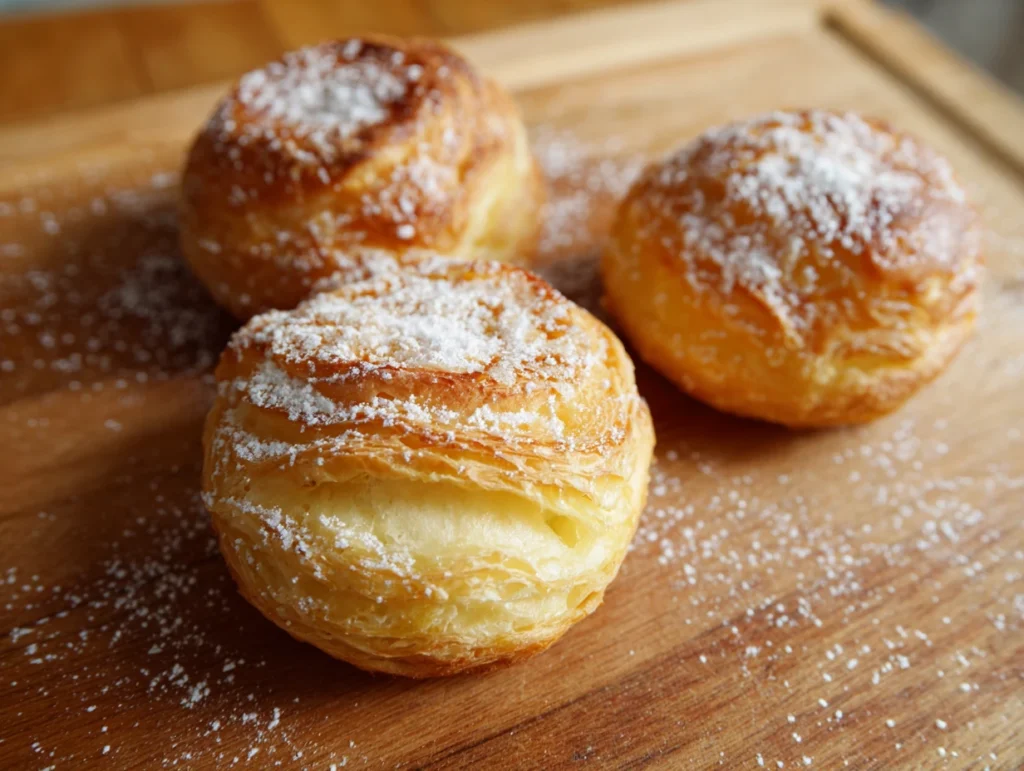
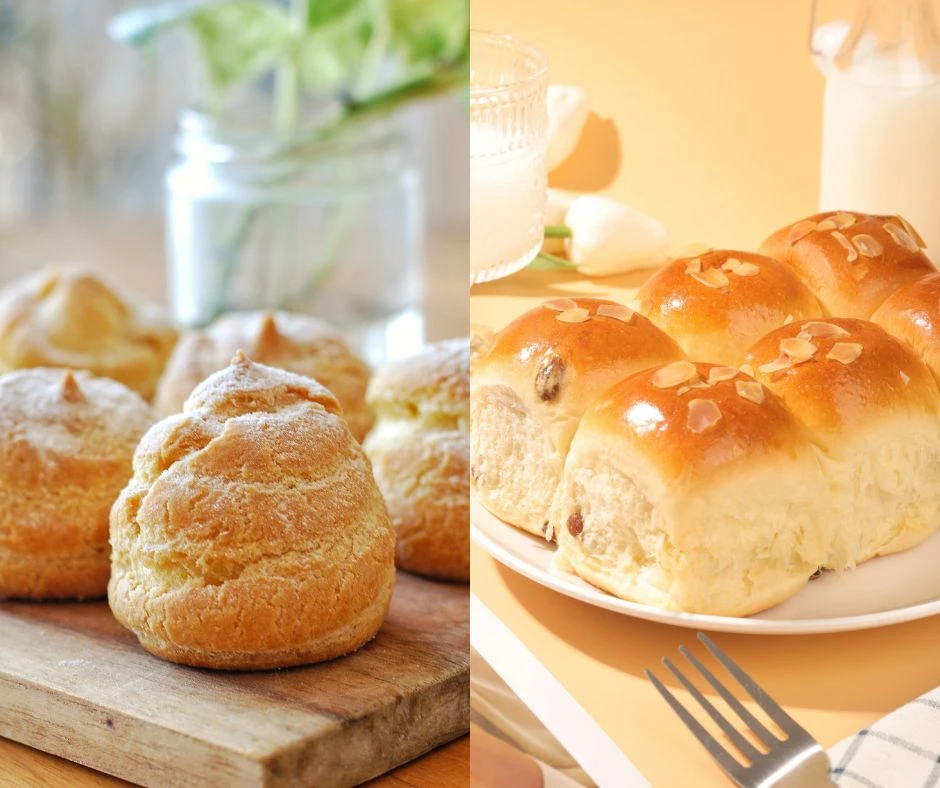
The best choice depends on the experience you want to deliver. Crisp versus soft. Airy versus indulgent. There’s no wrong answer only intentional design.
Ingredient Overview at a Glance
| Ingredient | Purpose |
|---|---|
| Orange blossom water | Floral aroma and identity |
| Whole milk | Creamy base |
| Egg yolks | Structure and richness |
| Sugar | Balanced sweetness |
| Cornstarch | Smooth thickening |
| Butter | Flavor and shine |
| Pastry base | Texture contrast |
👉 If you’re experimenting at home, start with the cream first. Mastering that balance makes every pastry base taste better.
Watch & Learn (Recommended Video)
For a clear, technique-focused visual explanation of pastry cream fundamentals (essential for this dessert), this video is especially helpful:
How Sweet Pastry with Cream Perfumed with Orange Blossoms Is Made
So how does a sweet pastry with cream perfumed with orange blossoms go from a handful of simple ingredients to a dessert that feels unmistakably luxurious? The secret isn’t speed or shortcuts it’s patience, precision, and knowing when to stop. This is where technique quietly does the heavy lifting.
If you’ve ever wondered why some orange blossom pastries taste refined while others feel overwhelming, this section holds the answer.
Preparing Aromatic Pastry Cream the Right Way
Everything starts with the cream. A well-made pastry cream should be smooth, glossy, and gently aromatic never dense or perfumey. The process itself is straightforward, but attention to detail makes all the difference.
A classic approach looks like this:
- Warm whole milk slowly to avoid scorching
- Whisk egg yolks, sugar, and cornstarch until pale and smooth
- Temper the eggs with hot milk to prevent curdling
- Cook gently until thickened, stirring constantly
- Remove from heat before adding orange blossom water
That last step matters more than most people realize.
Infusing Cream Without Overpowering the Flavor
Orange blossom water is potent. Add too much, or add it too early, and it dominates everything else. The goal is subtle perfume not floral syrup.
Smart infusion tips:
- Always add orange blossom water off heat
- Start with a few drops, then taste
- Let the cream rest before adjusting aroma
This resting period allows the flavor to bloom naturally, giving you better control. It’s one of the easiest ways to elevate an orange blossom cream pastry from good to exceptional.
“Luxury in pastry isn’t about excess it’s about restraint, balance, and timing.”
That philosophy applies perfectly here.
Assembly and Finishing Techniques
Once the cream is chilled and silky, it’s time to assemble. Whether you’re working with puff pastry, choux, or brioche-style dough, consistency is key.
For a polished finish:
- Fill pastries evenly to avoid leaks
- Keep cream cool to maintain structure
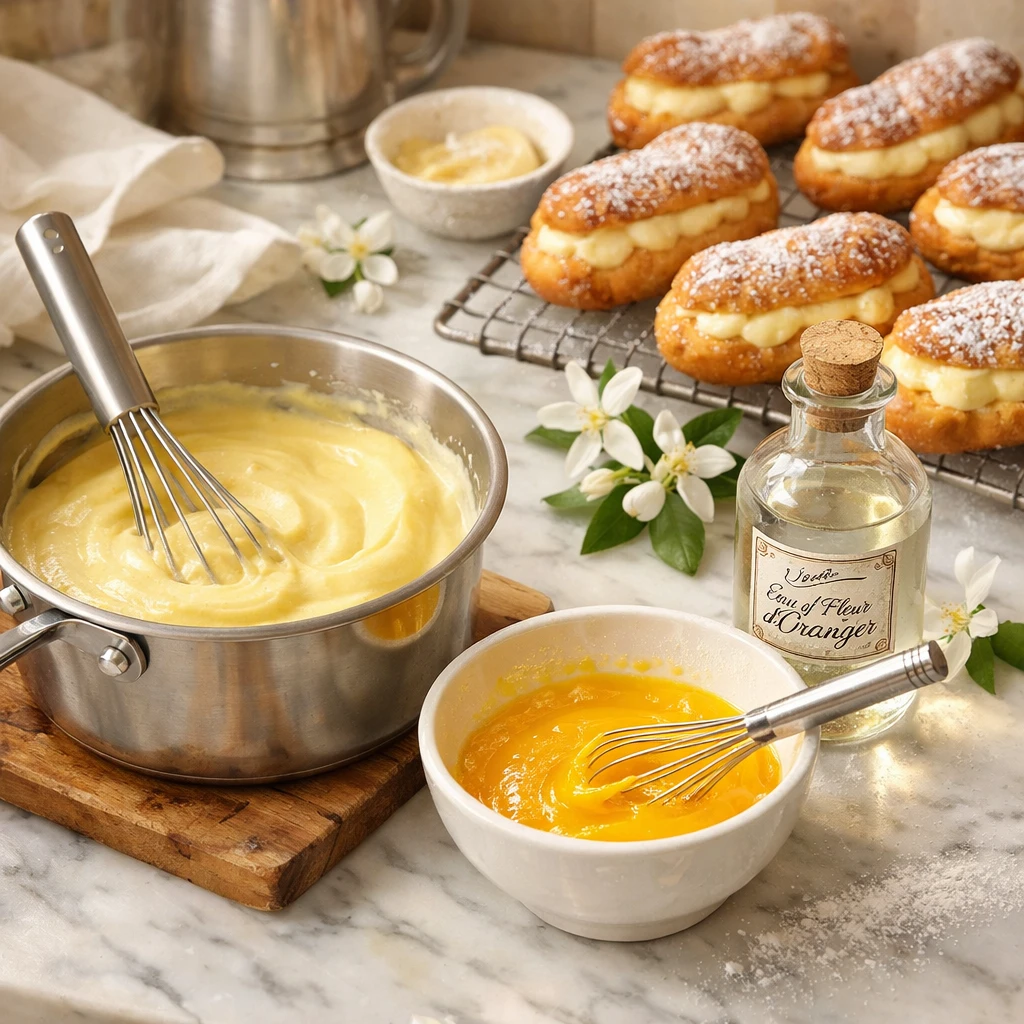
- Dust lightly with powdered sugar or glaze sparingly
The final result should feel intentional. Crisp meets creamy. Floral meets dairy. Nothing competes everything cooperates.
👉 If you enjoy mastering technique, experimenting with different pastry bases can completely change the eating experience while keeping the same aromatic cream.
Why This Pastry Is Considered a Luxury Dessert
Have you ever wondered what makes a sweet pastry with cream perfumed with orange blossoms feel indulgent rather than just sweet? The answer lies in a combination of quality, craftsmanship, and sensory design. Luxury desserts aren’t about excess they’re about precision, subtlety, and the way each element interacts with the others. This pastry exemplifies that philosophy perfectly.
When you taste it, you’re experiencing more than flavor you’re experiencing intention.
Ingredient Quality and Craftsmanship
Luxury starts with ingredients. Using top-notch components transforms a simple recipe into a refined experience. Here’s what sets this pastry apart:
- Premium orange blossom water for a natural, clean aroma
- Fresh, high-fat cream and butter for silky texture and depth
- High-quality pastry dough (puff or choux) for crisp, light layers
Every step emphasizes precision over quantity. That’s why professional patissiers and home bakers alike recognize this dessert as a symbol of elegance.
Sensory Experience: Taste, Aroma, Texture
A luxury pastry engages all your senses. It’s not just about sweetness it’s about the way sweetness interacts with aroma and texture. Consider:
- Aromatics: Orange blossom perfume lingers after the bite, creating a memorable experience
- Taste: Balanced creaminess complements subtle floral notes
- Texture: Crisp pastry meets smooth cream, delivering contrast that feels intentional
This harmonious sensory layering is what elevates a sweet cream-filled pastry from ordinary to exquisite.
Presentation and Gourmet Appeal
Finally, the visual and aesthetic experience matters. A dessert that looks elegant enhances perceived value:
- Light dusting of powdered sugar or a delicate glaze
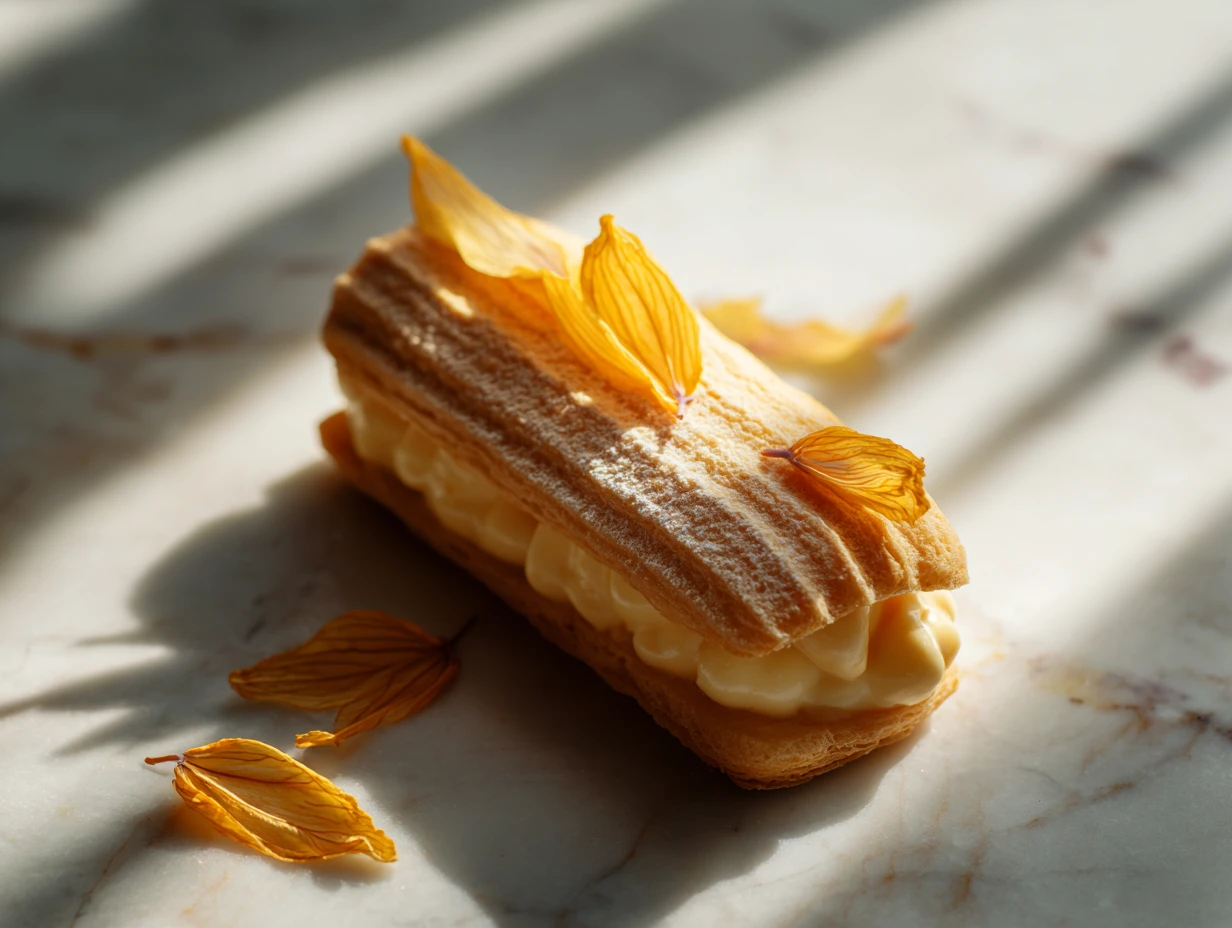
- Thoughtful plating with minimal, natural accents (like small orange blossom petals)
- Portioning designed to feel indulgent but refined
Presentation communicates luxury before a single bite is taken capturing attention, curiosity, and desire.
Takeaway
Creating a luxury pastry isn’t about complicated techniques alone it’s about choosing the right ingredients, balancing sensory layers, and crafting an intentional experience. This is exactly why a sweet pastry with cream perfumed with orange blossoms stands out in both taste and memory.
Conclusion
So, why does this dessert captivate so many? Because it perfectly balances aroma, flavor, texture, and visual elegance. Every element from the delicate orange blossom scent to the creamy filling and crisp pastry shell is carefully orchestrated to delight the senses.
Whether you’re baking for yourself, entertaining guests, or writing about pastry for an audience, remember this: luxury desserts aren’t about excess; they’re about precision, restraint, and emotion. By understanding the origins, ingredients, and techniques behind this sweet pastry, you’re equipped to create something truly memorable.
Now it’s your turn try making your own orange blossom cream pastry, experiment with textures, and savor the process. After all, the most exquisite desserts are as much about joy and mindfulness as they are about flavor.
Q&A
Q1: Can I substitute orange blossom water if I can’t find it?
Yes! A few drops of rose water or a mild citrus extract can work, but keep it subtle. Overpowering alternatives can disrupt the delicate flavor balance.
Q2: How do I prevent the cream from curdling when cooking?
Temper the egg yolks by slowly adding warm milk while whisking constantly. Cook over medium heat and remove from heat as soon as the cream thickens.
Q3: Which pastry base is easiest for beginners?
Choux pastry is forgiving and versatile, while puff pastry requires careful handling but gives exceptional crisp layers. Start with what feels manageable, then experiment.
Q4: Can this dessert be made ahead?
Absolutely. Prepare the cream a day in advance and assemble shortly before serving to maintain freshness and texture.