

Bissara: Moroccan Split Pea and Fava Bean Soup Recipe – A Bowl of Comfort and Tradition
There’s a certain magic in transforming simple, humble ingredients into a dish that feels like a warm embrace. Bissara, a Moroccan split pea and fava bean soup, is one such creation. Rooted in tradition and celebrated for its rich, creamy texture, bissara has long been a staple in Moroccan households, offering both nourishment and flavor. Whether you’re new to Moroccan cuisine or seeking to recreate a taste of home, this guide will walk you through every step of crafting the perfect bowl of bissara.
Key Takeaways
- Rich in Nutrients: Moroccan Bissara is packed with protein, fiber, and essential vitamins.
- Simple and Wholesome: Made with easy-to-find ingredients like fava beans, garlic, and olive oil.
- Cultural Significance: A traditional Moroccan comfort food that has stood the test of time.
- Healthy for All: Ideal for vegetarians, vegans, and those seeking a nutrient-dense meal.
A Warm Introduction to Moroccan Bissara
Moroccan cuisine is a treasure trove of flavors, rich in history and tradition. Among the many comforting dishes, Moroccan Bissara stands out as a hearty soup that not only satisfies your hunger but also nourishes your body. This fava bean-based dish, often enjoyed in colder months, is a true representation of the simplicity and warmth that Moroccan food brings to the table. Whether you’re familiar with Moroccan food or are just beginning your culinary journey, this dish is the perfect introduction to the country’s vibrant flavors.
In this post, we will delve into the rich history of Moroccan Bissara, explore its health benefits, and walk you through a step-by-step recipe to make it at home. From traditional ingredients to modern twists, you’ll learn everything you need to create a bowl of Bissara that’s as nourishing as it is delicious.
Table of Contents
What is Bissara?
Bissara is more than just soup; it’s a symbol of simplicity and sustenance. Often enjoyed as a hearty meal on chilly days or during the holy month of Ramadan, this dish is beloved for its versatility. Made from split peas or dried fava beans, bissara boasts a creamy consistency and an earthy flavor enhanced by cumin, paprika, and olive oil. Depending on the consistency, it can be served as a soup or as a dip for bread.
In Morocco, bissara is often prepared in large quantities, shared with family and friends, and served with a drizzle of high-quality olive oil. Its origins reflect the resourcefulness of Moroccan cuisine, turning pantry staples into something truly special.
The History and Cultural Significance of Bissara
Have you ever wondered how traditional Moroccan dishes came to be? Bissara’s roots trace back to ancient Morocco, where fava beans were commonly grown. The dish quickly became a staple in Moroccan households, enjoyed by families for both its nutritional value and simplicity. During colder months, it’s often paired with hearty Moroccan bread for a fulfilling meal. The cultural significance of Bissara also extends to its role as a nourishing dish, shared among loved ones in times of celebration or as a comforting meal during Ramadan.
Traditional vs. Modern Bissara Variations
While the traditional Moroccan Bissara recipe focuses on fava beans, garlic, olive oil, and cumin, many modern twists are now emerging. You might find variations that include the addition of spices such as paprika, or even blending in other beans like split peas for a richer texture. However, the essence of the dish remains the same simple ingredients that come together to create a deeply satisfying meal.
Key Ingredients in Moroccan Bissara
The heart of Bissara lies in its key ingredients, which are not only flavorful but also packed with nutrients. These include:
- Fava beans: Full of protein, fiber, and essential vitamins.
- Garlic: Adds a subtle depth of flavor and boosts the dish’s health benefits.
- Olive oil: A source of healthy fats, it enhances the richness of the soup.
- Cumin and paprika: These spices are essential for giving Bissara its signature Moroccan flavor.
This combination of ingredients makes Moroccan Bissara both a hearty and healthy option.
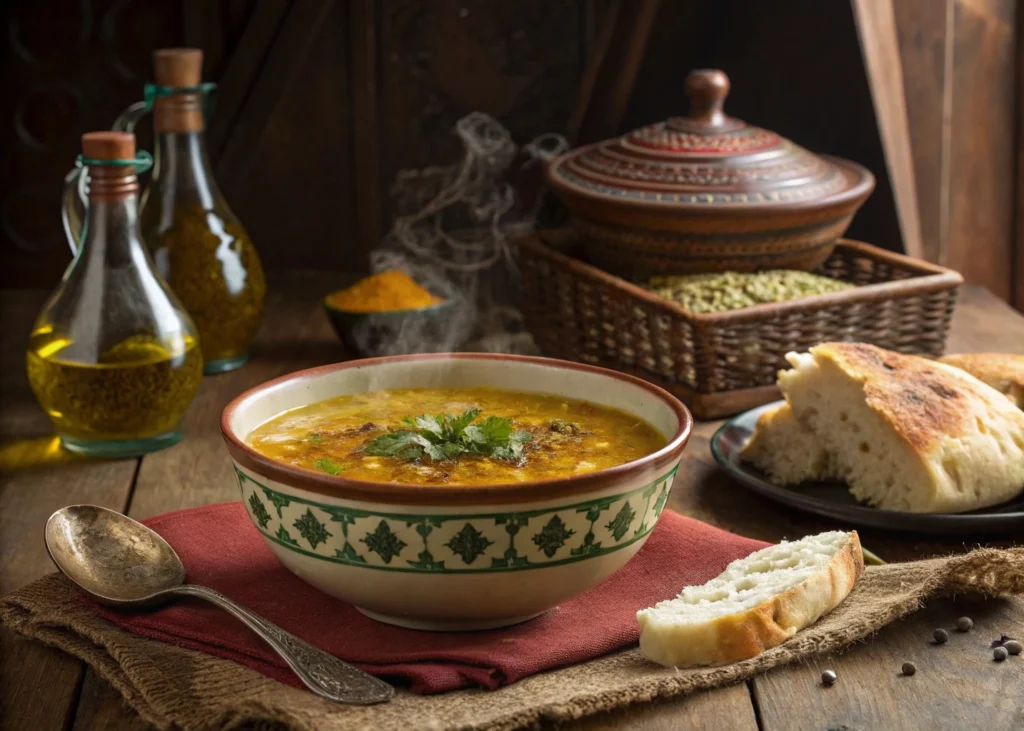
Health Benefits of Moroccan Bissara
Not only is Moroccan Bissara a delicious dish, but it also comes with a myriad of health benefits. This nutrient-dense soup offers an abundance of vitamins, minerals, and essential nutrients, making it an ideal meal for anyone looking to boost their health.
Rich in Protein and Fiber
Fava beans are a primary source of protein and fiber, making Bissara an excellent meal for vegetarians, vegans, or anyone seeking to add more plant-based protein to their diet. Protein helps to build and repair tissues, while fiber aids in digestion and helps maintain a healthy heart.
Packed with Essential Vitamins and Minerals
Bissara is loaded with essential vitamins and minerals, including Vitamin A, Vitamin C, folate, iron, and magnesium. These nutrients play crucial roles in maintaining a strong immune system, boosting energy levels, and supporting bone health.
Supports Digestive Health
Due to the high fiber content of fava beans, Bissara is great for digestive health. Fiber promotes regular bowel movements, prevents constipation, and helps maintain gut health by encouraging the growth of beneficial bacteria in the intestines.
“Food is not just fuel; it’s a way to share love, culture, and tradition. A bowl of Moroccan Bissara brings warmth to the soul, one spoonful at a time.”
Table: Nutritional Benefits of Moroccan Bissara
| Nutrient | Benefits |
|---|---|
| Protein | Essential for tissue repair and muscle growth |
| Fiber | Aids digestion, promotes heart health |
| Vitamin A | Supports vision and immune system health |
| Iron | Crucial for red blood cell production |
| Magnesium | Supports bone health and energy production |
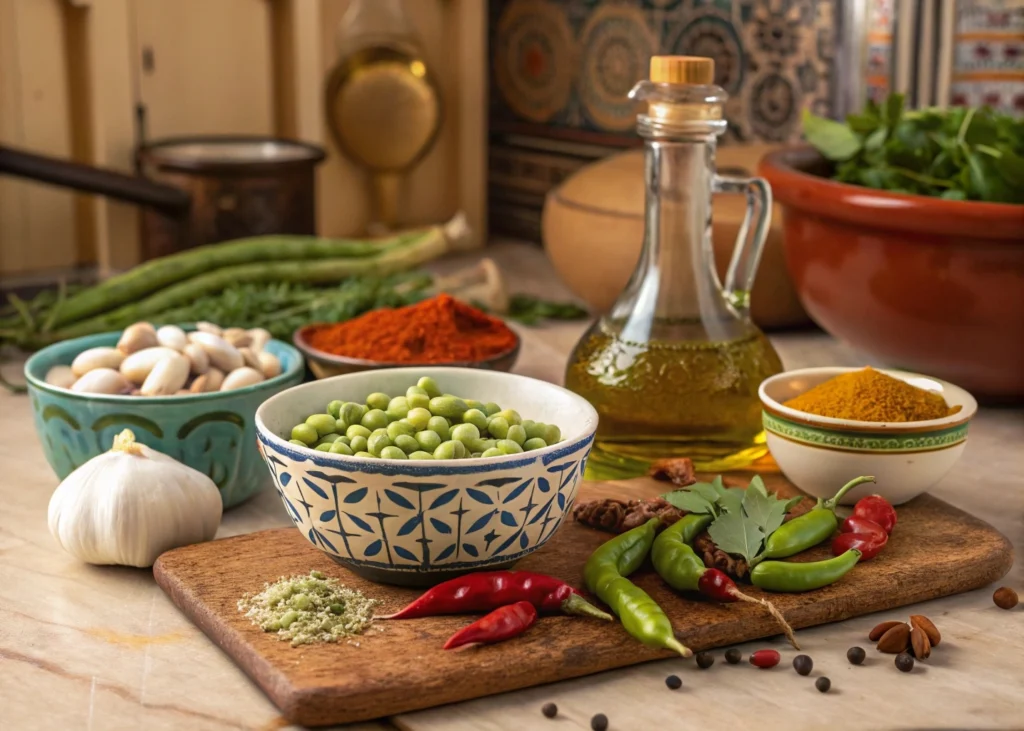
Step-by-Step Moroccan Bissara Recipe
Now that you know the health benefits and history behind Bissara, let’s get into the kitchen! Here’s a simple, step-by-step guide to making authentic Moroccan Bissara from scratch.
Ingredients You’ll Need
Before you start, make sure you have the following ingredients on hand:
| Ingredient | Quantity | Notes |
| Split peas or fava beans | 2 cups | Soak overnight to soften and reduce cooking time. |
| Garlic cloves | 3–4 cloves | Fresh garlic adds a robust flavor. |
| Olive oil | 3 tbsp | Use extra virgin olive oil for richness. |
| Ground cumin | 1 tsp | A staple spice for Moroccan dishes. |
| Paprika | 1 tsp | Adds warmth and a touch of smokiness. |
| Lemon juice | 2 tbsp | Brightens and balances the flavors. |
| Salt and pepper | To taste | Essential for seasoning. |
| Water or vegetable broth | 6 cups | Adjust for desired consistency. |
| Chili powder or cayenne | Optional | Adds a spicy kick for heat lovers. |
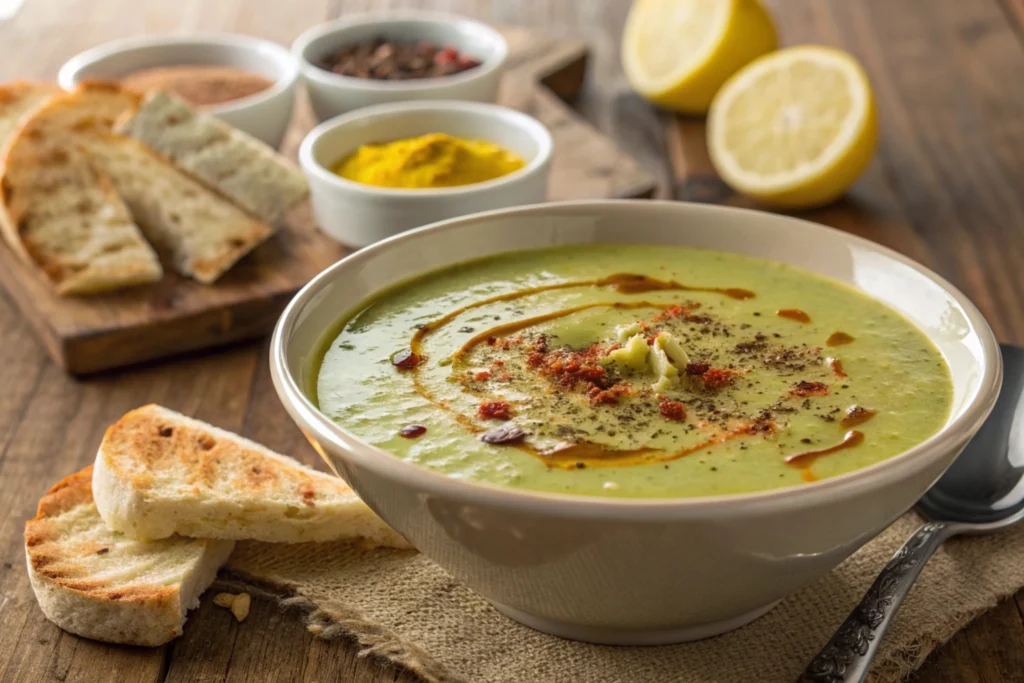
Preparing the Ingredients
- Soak the split peas or fava beans overnight in water. This step softens them, ensuring they cook evenly.
- Peel and crush the garlic cloves to release their flavor.
Cooking the Legumes
- Drain and rinse the soaked legumes.
- Place them in a large pot and add the garlic. Pour enough water or vegetable broth into the pot to cover the legumes, then bring it to a boil.
- Once boiling, lower the heat to a gentle simmer and let it cook for 45–60 minutes, or until the legumes are soft and tender.
Blending the Soup
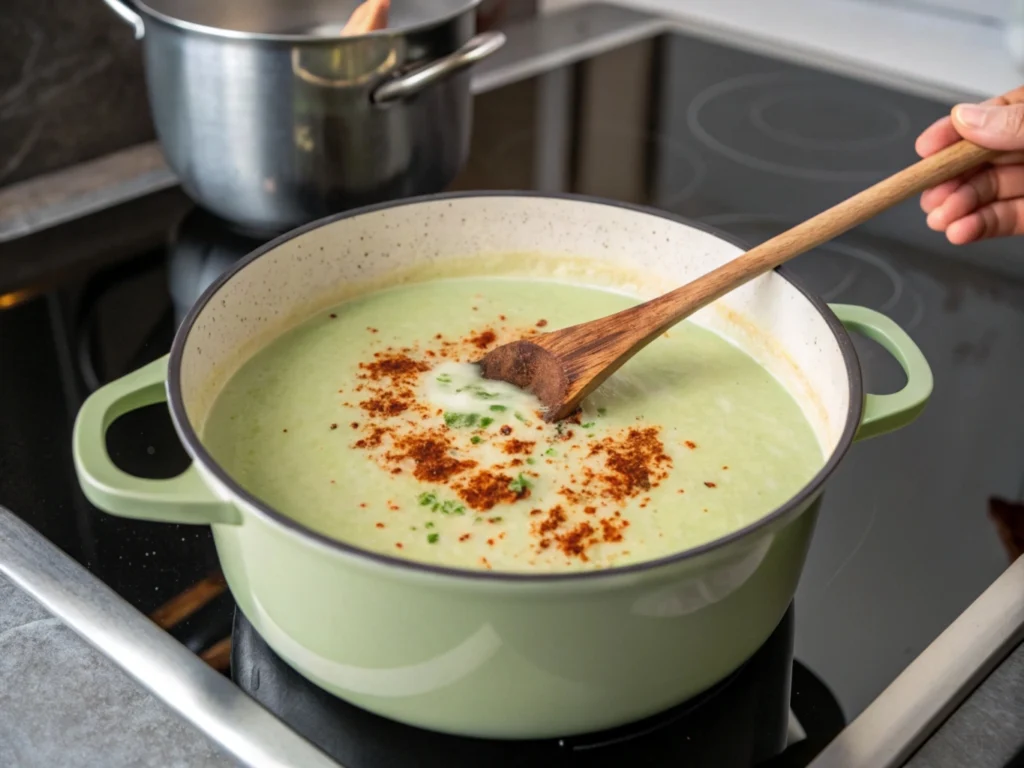
- Use an immersion blender to blend the soup until it reaches a creamy consistency. If an immersion blender isn’t available, carefully transfer the soup in portions to a countertop blender and puree until smooth.
- Adjust the texture by adding more water or broth as needed.
Seasoning and Garnishing
- Mix in the cumin, paprika, salt, and pepper, then taste and adjust the seasoning to your preference.
- Serve the soup warm, drizzled with olive oil and sprinkled with cumin or paprika. Finish with a squeeze of fresh lemon juice to brighten the flavors and add a tangy touch.
Serving and Pairing Moroccan Bissara
Moroccan Bissara is often enjoyed as a comforting meal on its own, but it can also be paired with a variety of dishes to enhance the experience. Let’s explore the best ways to serve and enjoy this soup.
Best Side Dishes for Bissara
- Moroccan Bread: The classic pairing for Bissara, Moroccan bread is perfect for dipping into the creamy soup.
- Salads: A simple green salad with fresh vegetables complements the rich flavor of the soup.
- Olives: Serve with some tangy Moroccan olives for a burst of flavor.
How to Serve Bissara Traditionally
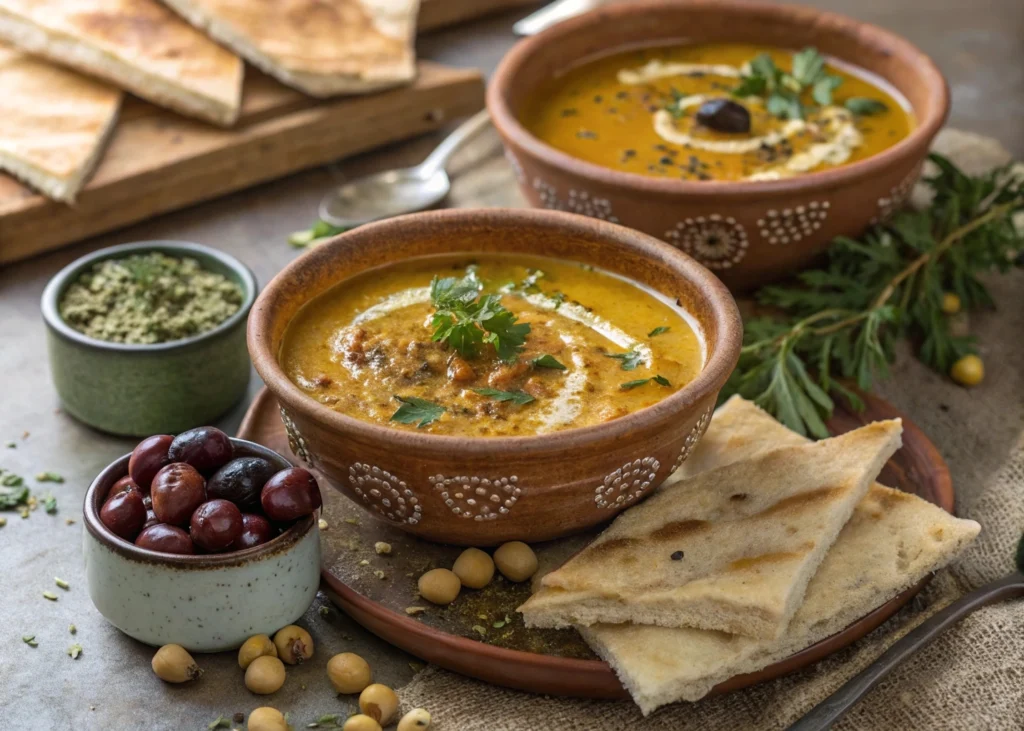
Traditionally, Bissara is served in individual bowls with a drizzle of olive oil and a sprinkle of cumin or paprika on top. It’s also common to enjoy it with Moroccan flatbread, which is perfect for dipping into the creamy soup.
Presentation Tips for an Authentic Experience
For an authentic presentation, serve Bissara in rustic ceramic bowls, and garnish with fresh herbs or a squeeze of lemon for an extra layer of flavor.
Tips for the Best Bissara
- Soak Your Legumes: Overnight soaking ensures a smooth texture and reduces cooking time.
- Use Fresh Spices: Freshly ground cumin and paprika elevate the flavors.
- Adjust the Consistency: Prefer a thick dip? Use less water. For a soup-like consistency, add more broth.
- Garnish Generously: Olive oil and lemon juice are not just for flavor but also for visual appeal.
- Serve Fresh: While bissara reheats well, it’s best enjoyed fresh and steaming.
Variations of Moroccan Bissara
Bissara can be tailored to your preferences:
- Split Pea Version: For a milder taste and vibrant green color.
- Fava Bean Bissara: Richer and earthier, perfect for a traditional touch.
- Mixed Legumes: Combine split peas and fava beans for a unique flavor profile.
- Spicy Bissara: Add cayenne or chili powder for those who love heat.
Each variation brings its own charm, ensuring there’s a bissara for everyone.

Serving Suggestions
- Serve bissara as a soup with crusty bread or warm Moroccan khobz.
- Offer it as a dip alongside fresh vegetables or pita chips.
- Pair it with a light salad for a balanced, healthy meal.
- Relish it as a cozy and satisfying meal, perfect for lunch or dinner on chilly days.
Bissara’s versatility makes it a perfect addition to your culinary repertoire.
Frequently Asked Questions About Bissara
Can I Make Bissara Without Fava Beans?
Yes! While fava beans are the traditional base, you can substitute them with other beans, like split peas or chickpeas, to create variations of the dish. However, this will alter the flavor and texture slightly.
How Long Does Bissara Last in the Fridge?
Bissara can last in the fridge for up to 3 days. Store it in an airtight container to preserve freshness. Simply reheat before serving.
Is Bissara Suitable for a Vegan Diet?
Yes, Bissara is naturally vegan, making it a great choice for plant-based eaters. The dish contains no animal products, and the olive oil adds a rich, creamy texture.
Conclusion: Why You Should Try Bissara
Bissara is more than just a dish; it’s a celebration of Moroccan culinary tradition. Its simplicity, affordability, and nourishing qualities make it a perfect choice for anyone looking to explore Moroccan cuisine. Whether served as a soup or a dip, bissara delivers comfort and flavor in every bite.
So, what are you waiting for? Gather your ingredients, follow this recipe, and treat yourself to a bowl of this Moroccan classic. Don’t forget to share your experience and any creative twists in the comments below!