


Discover the Authentic Moroccan Harira Recipe
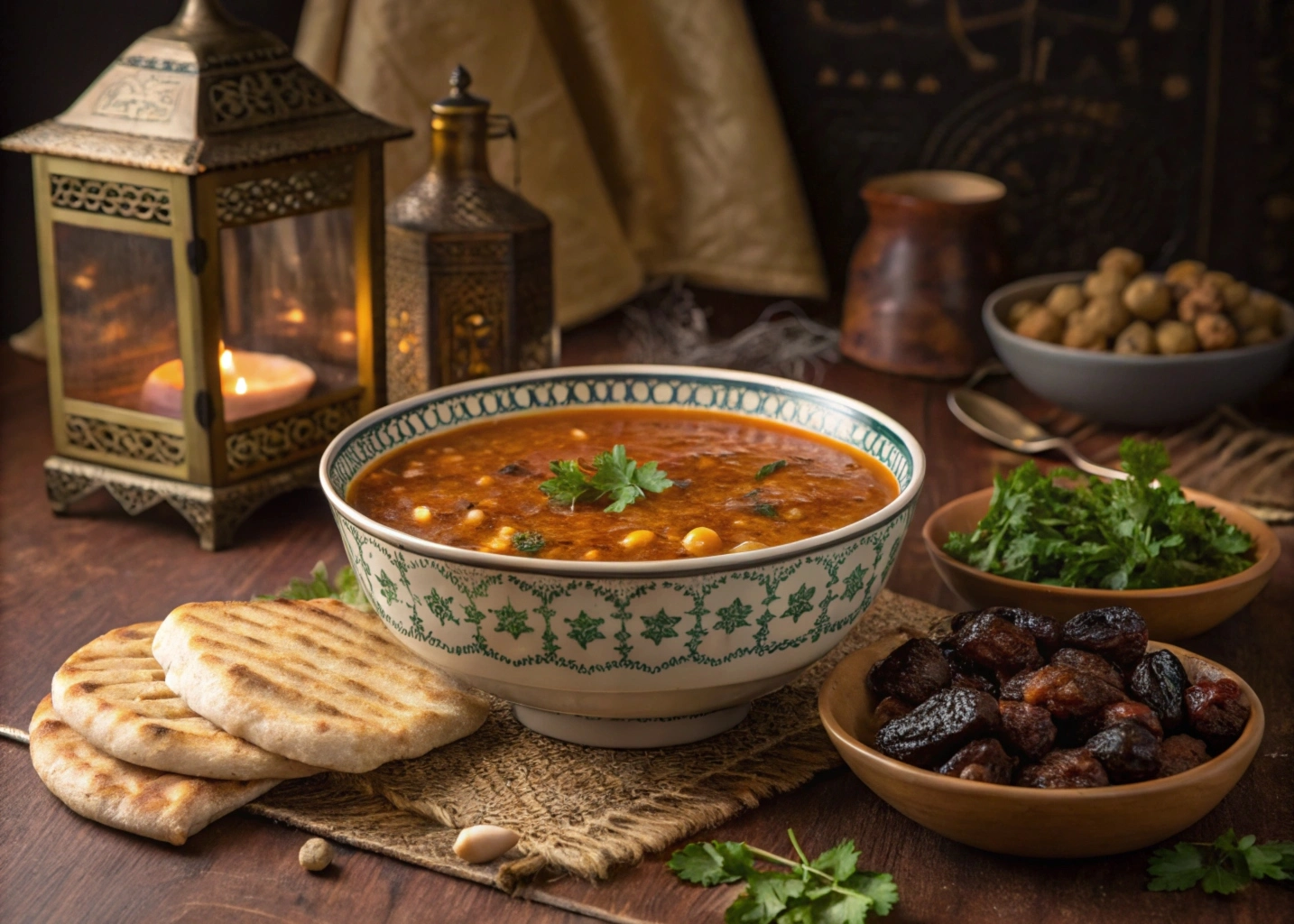
Welcome to a culinary journey into one of Morocco’s most cherished dishes Harira. This traditional Moroccan soup is a perfect blend of flavors and textures, combining meat, legumes, and aromatic spices into a hearty, comforting meal. Whether you’re enjoying it during the holy month of Ramadan or on any chilly evening, Harira offers warmth and nourishment that speaks to the heart of Moroccan cuisine. Follow our step-by-step guide and expert tips to create an authentic Harira that will delight your taste buds and leave you craving more.
Table of Contents
Key Takeaways:
- Harira is a rich, flavorful soup made with meat, chickpeas, lentils, and a blend of aromatic spices like cinnamon, ginger, and saffron.
- Fresh ingredients like cilantro, parsley, and preserved lemon are essential to creating an authentic Harira with vibrant flavor.
- The soup is traditionally served with khobz (Moroccan bread), dates, olives, and a sprinkle of fresh herbs.
- Harira is most commonly eaten during Ramadan to break the fast, but it’s perfect for any occasion that calls for a comforting, nourishing meal.
- Storage: Leftovers can be stored in the fridge for up to 3 days or frozen for up to 1 month, making Harira a great meal to prepare in advance.
The History and Significance of Harira in Moroccan Culture
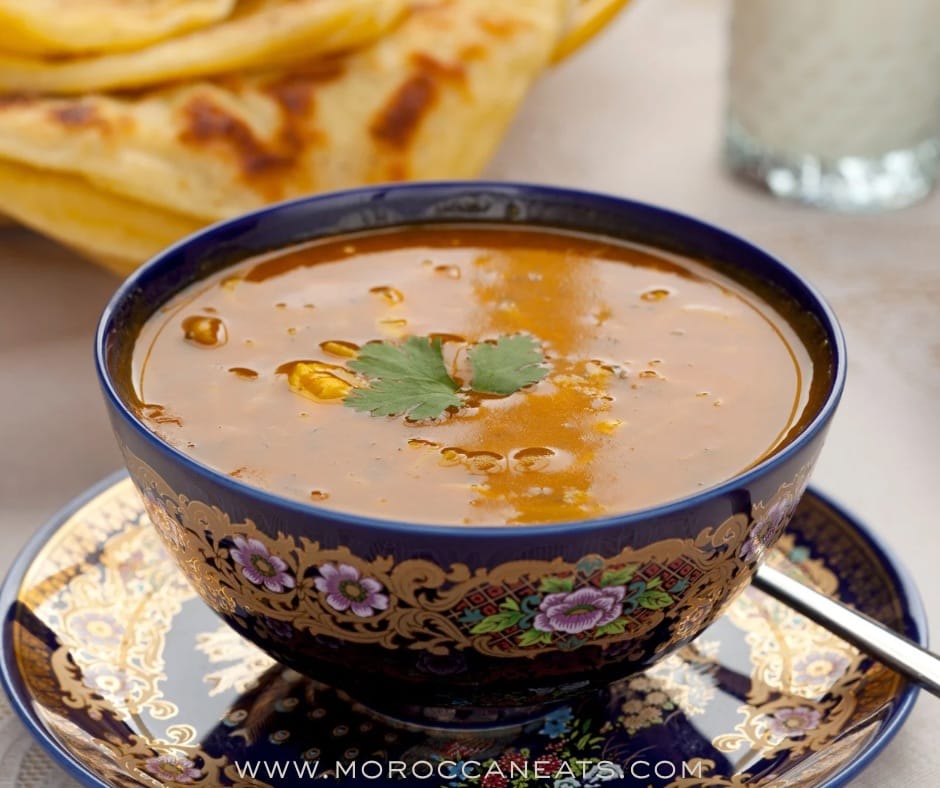
Harira isn’t just a soup it’s a symbol of Moroccan heritage. This rich, flavorful dish has been passed down through generations, representing the heart of Moroccan hospitality and culinary tradition. But what makes this soup so special? Let’s dive into the history of Harira and understand why it’s so much more than just a meal.
A Soup Steeped in Tradition
Moroccans have been enjoying Harira for centuries, and it plays an essential role in both everyday life and festive occasions. While Harira is popular year-round, it takes on particular significance during Ramadan. It’s a comforting dish to break the fast after a long day of abstaining from food and drink. The hearty combination of chickpeas, lentils, and meat creates a nourishing meal that restores energy, making it a perfect choice for this spiritual time.
Did you know? In Morocco, it’s not uncommon for families to prepare Harira in large batches, ensuring everyone, from family members to neighbors, gets a taste of this iconic dish. It brings people together whether it’s for a casual family meal or as part of community celebrations.
Regional Variations of Harira
One of the fascinating things about Harira is that its preparation varies by region and family tradition. In some parts of Morocco, you might find a richer, more meat-forward version, while in others, the soup is lighter, focusing more on the vegetables and legumes. Tomatoes, cilantro, parsley, and spices like ginger and cinnamon make this dish versatile yet distinctly Moroccan.
Moroccans have a special way of making Harira their own, so even though the base recipe remains largely the same, each region adds its unique twist, ensuring that every bowl of Harira is a little different but always satisfying.
Why Harira is Essential During Ramadan
Ramadan is a time of fasting, but it’s also a time of reflection and togetherness. Harira provides nourishment for the body and soul, making it a quintessential part of iftar (the evening meal to break the fast). Its nutritious and filling qualities are perfect for rehydrating and energizing after hours of fasting.
Aside from the physical benefits, Harira also carries spiritual significance. It’s a dish that connects Moroccans to their past and to each other. Whether shared with family, friends, or strangers, it’s a reminder of the importance of community, charity, and tradition.
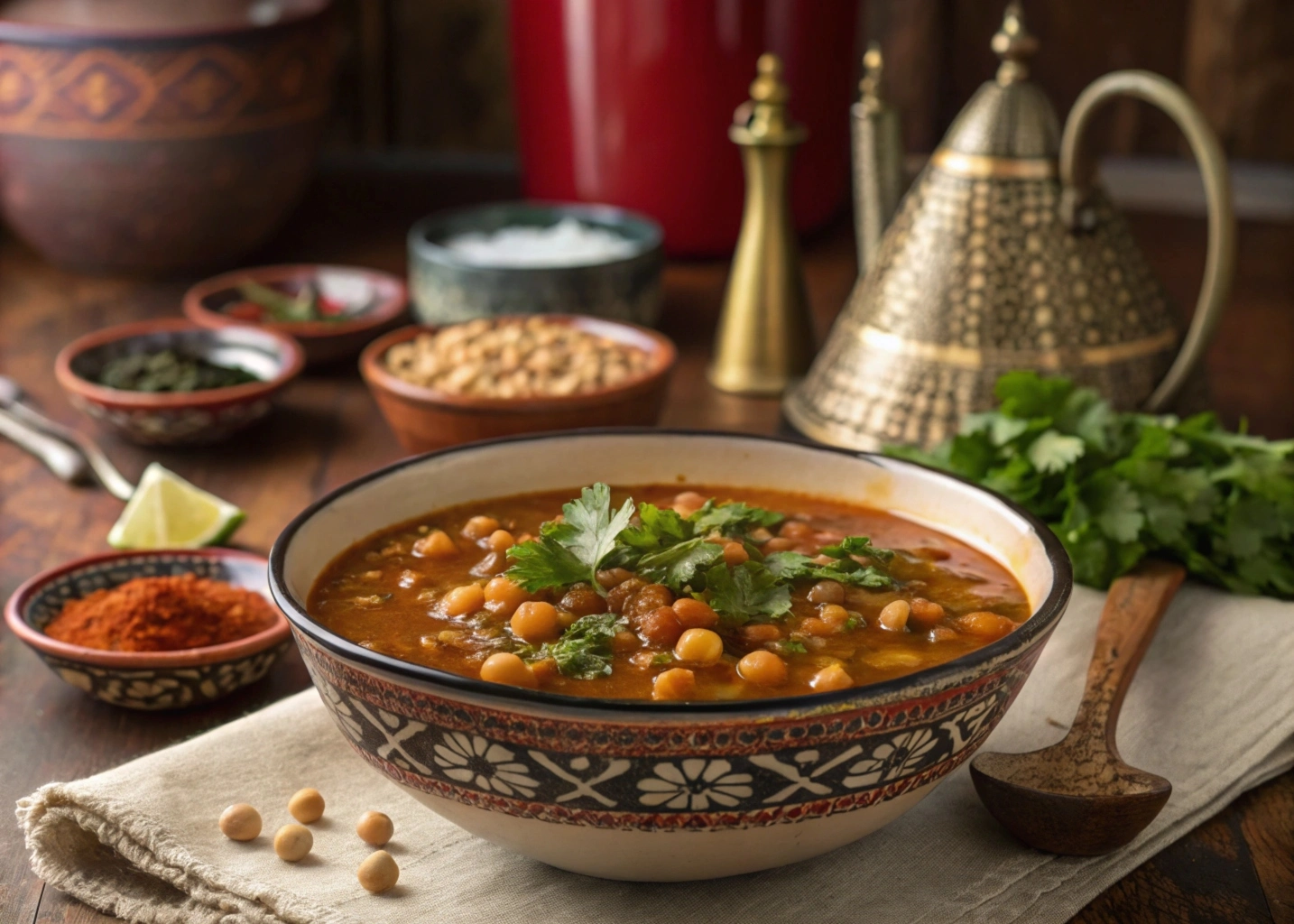
Key Ingredients for an Authentic Moroccan Harira
When making an authentic Moroccan Harira, the ingredients you choose play a crucial role in determining the depth of flavor and overall success of the dish. Harira is known for its complex blend of spices, legumes, and meat, all of which come together to create a deliciously balanced and hearty soup. Let’s explore the essential ingredients you’ll need to make this iconic dish.
Essential Spices and Herbs
Moroccan cuisine is synonymous with its vibrant and aromatic spices, and Harira is no exception. The base flavor of Harira is built with a mixture of ginger, cinnamon, turmeric, and saffron. These spices give the soup its rich, warm undertones, making it deeply flavorful.
- Ginger adds a slight heat, balancing the richness of the other ingredients.
- Cinnamon lends a touch of sweetness, complementing the savory elements of the soup.
- Turmeric brings a mild earthiness and a golden hue to the dish.
- Saffron a luxurious spice gives Harira its distinct color and an aromatic flair.
In addition to these spices, fresh cilantro and parsley are added for a burst of freshness that brightens the soup.
Protein Sources: Chickpeas, Lentils, and Meat
The heartiness of Harira comes from the combination of chickpeas and lentils both packed with protein and fiber. These legumes not only add texture but also help make the soup incredibly filling, providing sustenance after a day of fasting.
- Chickpeas bring a mild, nutty flavor that pairs perfectly with the spices.
- Lentils contribute to the soup’s thickness and absorb the flavors of the spices, creating a satisfying consistency.
While vegetarian versions of Harira exist, the meat usually lamb or beef is often included for added richness and depth. The meat is slow-cooked, allowing it to break down into tender pieces that blend perfectly with the soup’s texture.
Fresh vs. Preserved Ingredients
Using fresh ingredients will always elevate your Harira, but the dish can also be made with preserved ingredients for convenience. For example, canned tomatoes can be used instead of fresh ones, though using ripe, in-season tomatoes will give the soup a fresher, more vibrant flavor.
- Fresh tomatoes provide acidity and sweetness that balance the richness of the meat and legumes.
- Preserved lemon (if using) adds a zesty tang and a unique flavor that complements the soup’s spices.
Using the best quality ingredients you can find will ensure that your Harira is bursting with flavor, making it a true Moroccan delicacy.
Essential Ingredients for Authentic Harira
Traditional Moroccan Harira Ingredients
This recipe serves approximately 6 to 8 people.
| Ingredient | Quantity |
| Beef or Lamb | 250g (cubed small) |
| Dried Chickpeas | 1 cup (soaked overnight) |
| Dried Green Lentils | 1/2 cup |
| Fresh Tomatoes | 500g (grated/pureed) |
| Celery | 1/2 cup (finely chopped) |
| Fresh Cilantro | 1/2 cup (finely chopped) |
| Fresh Parsley | 1/2 cup (finely chopped) |
| Yellow Onion | 1 large (grated or minced) |
| Tomato Paste | 2-3 tablespoons |
| Ginger Powder | 1 teaspoon |
| Turmeric | 1 teaspoon |
| Black Pepper | 1/2 teaspoon |
| Cinnamon Stick | 1 small piece |
| Smen (Preserved Butter) | 1 teaspoon |
| Fine Vermicelli | 1/2 cup |
| Flour & Water | 3 tbsp flour + 1 cup water |
| Water | 2 to 2.5 Liters |
Pro-Tips for the Best Harira
- The Squeeze: Always serve with fresh lemon wedges on the side. The acidity cuts through the richness and wakes up the spices.
- The Texture: The final soup should be velvety, not like a thin broth or a thick porridge. If it gets too thick after adding the flour slurry, just add a splash of boiling water.
- The Sides: Traditionally enjoyed with sweet Chebakia (honey cookies) or dates to balance the savory and sour notes.

Step-by-Step Guide to Preparing Moroccan Harira
Now that you have your ingredients ready, it’s time to bring it all together. Making Moroccan Harira requires a bit of patience, but the results are absolutely worth it. Here’s a step-by-step guide to help you prepare this delicious, hearty soup, with each stage building on the last to create the perfect bowl of Harira.
Preparing the Base Broth
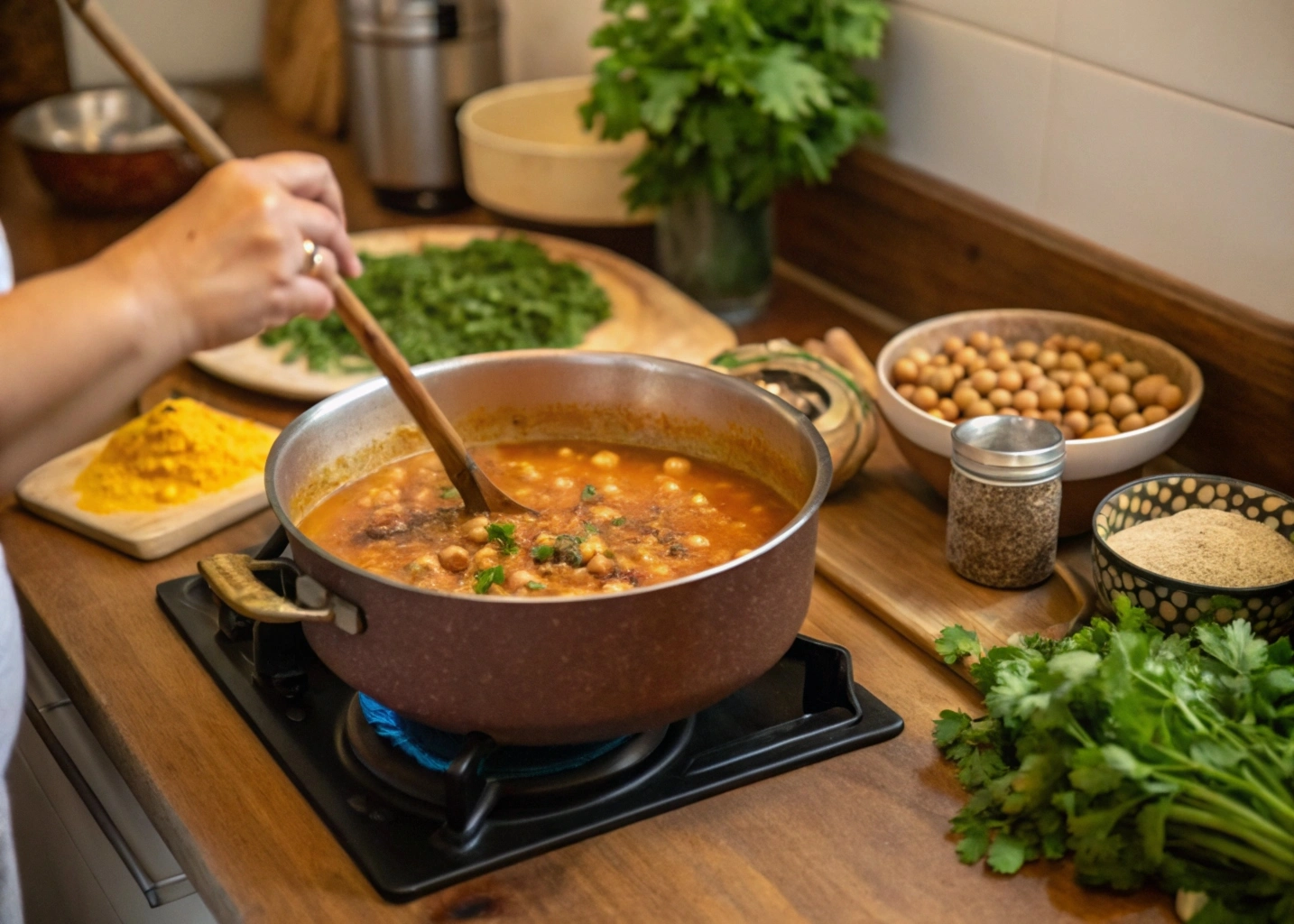
The foundation of a great Harira starts with a flavorful broth. To begin, brown the meat (if using) in a large pot with a bit of olive oil. This step seals in the flavors and ensures the meat adds depth to the soup. Once browned, remove the meat, and sauté your onions and garlic in the same pot. This builds a strong flavor base.
- Tip: Be sure not to burn the onions or garlic; you want them softened and translucent to release their sweetness.
Next, add your tomatoes (fresh or canned) and let them cook down until they form a rich, concentrated base. Now, it’s time to add the spices ginger, cinnamon, turmeric, and saffron to the mixture. Stir them in and let the spices bloom, filling your kitchen with that unmistakable Moroccan aroma.
Adding Key Ingredients in Sequence
Once your broth base is prepared, it’s time to layer in the lentils and chickpeas. These legumes need time to cook through and absorb the flavors from the broth, so give them plenty of time to simmer. Add water or stock to the pot to create the desired consistency.
- Pro Tip: Some people like to blend a portion of the soup to give it a smoother texture. You can also mash some of the lentils with a fork to thicken the soup without changing the overall feel.
As your soup simmers, the meat can be added back in (if using), allowing it to break down and incorporate its flavors. If you’re using preserved lemon, add it at this stage to give the soup a signature tang.
Perfecting the Final Touches
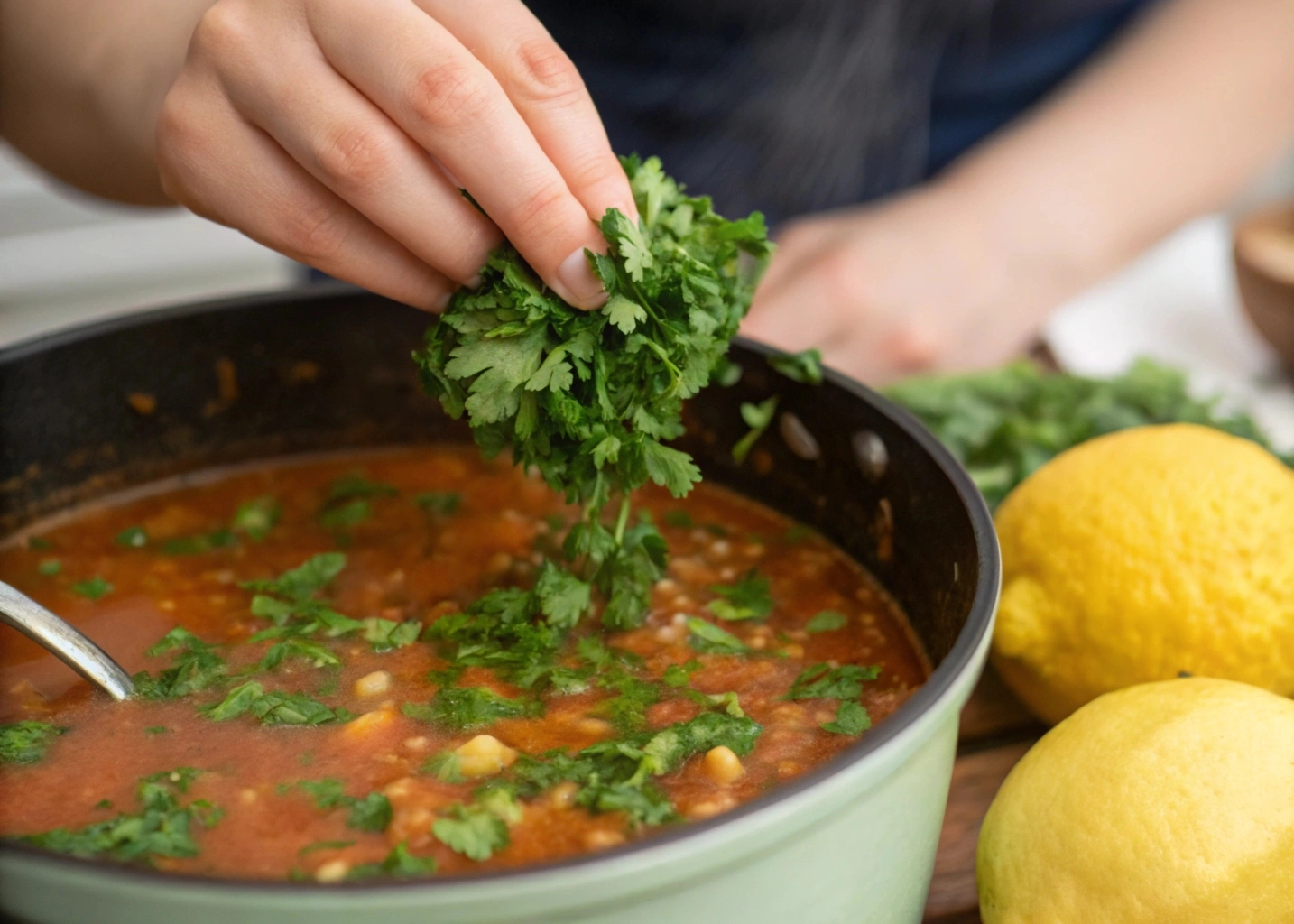
As your soup nears completion, the final touches are key to perfecting your Moroccan Harira. Once the lentils and chickpeas are tender, stir in fresh cilantro and parsley, adding a burst of freshness to the soup. At this point, adjust the seasoning by tasting and adding more salt or spices as needed.
For an extra layer of flavor and richness, you can stir in a small amount of flour or rice, which is often used in Harira to thicken the soup. Allow the soup to simmer for a few more minutes to incorporate these final ingredients.
Expert Tips and Tricks for Making the Perfect Harira
To truly master Moroccan Harira, it’s essential to follow a few expert tips that can elevate your dish from good to great. These simple tricks will help you adjust the flavor, texture, and presentation, ensuring that every bowl of Harira you serve is as delicious as the one in a traditional Moroccan home.
1. Don’t Rush the Cooking Process
Harira requires time and patience. The slow simmering process allows the flavors to develop fully, giving the soup its depth and richness. While it might be tempting to speed things up, remember that quality takes time. Let your soup simmer gently, and don’t be afraid to let it cook for 1.5 to 2 hours if needed.
- Tip: The longer it cooks, the more intense the flavors will be. So, allow the soup to develop and deepen over time for a richer taste.
2. Adjust the Consistency to Your Liking
Harira can be made as thick or as thin as you like. Some people enjoy a thicker version, almost like a stew, while others prefer a lighter, broth-like consistency. If you like a thicker soup, you can use a blender to puree part of the soup. Alternatively, mash some of the lentils or chickpeas to achieve the desired consistency.
- Pro Tip: You can also add more water or stock to thin the soup if it becomes too thick during cooking.
3. Use Homemade Stock for Extra Flavor
While store-bought stock can work in a pinch, nothing compares to the flavor of a homemade stock. If you have time, consider making your own stock from lamb or beef bones. This homemade stock will infuse the soup with an extra layer of depth that is hard to beat.
- Tip: When making stock, include some vegetables like onions, carrots, and celery, along with herbs like bay leaves, to enhance the overall flavor.
4. Don’t Skimp on Fresh Herbs
Herbs like cilantro and parsley are crucial in Harira, adding brightness and freshness to balance out the rich flavors. Make sure to use fresh herbs, and consider adding some extra as a garnish just before serving for a pop of color and aroma.
- Pro Tip: You can also use a herb bundle (tied together with kitchen twine) and toss it into the pot for easy removal once the soup is done.
5. The Importance of Preserved Lemon
While preserved lemon is optional, it adds an unmistakable tangy, citrusy kick that takes Harira to the next level. If you don’t have preserved lemon, you can substitute with a small amount of fresh lemon juice. However, the unique flavor that preserved lemon imparts cannot be replicated, so try to include it if you can.
Serving and Enjoying Moroccan Harira
The final step in your journey to a perfect Moroccan Harira is serving it up for a delicious, satisfying meal. Whether you’re preparing this dish for a family gathering, a special occasion, or just because you’re craving something comforting, there are a few key tips to ensure your Harira is as enjoyable as it is flavorful.
1. Serve it with Traditional Accompaniments
In Morocco, Harira is often served with a variety of side dishes to complement its hearty, spiced flavors. One of the most common accompaniments is khobz a traditional Moroccan flatbread. This bread is perfect for dipping into the soup, soaking up the rich broth and spices.
- Other Popular Sides:
- Dates: A sweet treat to balance the savory soup.
- Olives: Their briny flavor enhances the richness of the Harira.
- Bastilla: A pastry filled with spiced meat, often served alongside Harira in special celebrations.
2. Garnish for a Beautiful Presentation
When serving Harira, the way you garnish the soup is important for both flavor and presentation. After ladling the soup into bowls, sprinkle it generously with fresh cilantro and a few lemon wedges on the side. These bright touches not only add visual appeal but also allow guests to squeeze fresh lemon juice over the soup for an added burst of flavor.
- Tip: You can also drizzle a little olive oil on top of the soup just before serving for an extra layer of richness.
3. Enjoying Harira During Special Occasions
While Harira is enjoyed year-round, it’s especially popular during Ramadan, as it’s traditionally eaten to break the fast. Its rich blend of protein, legumes, and spices makes it a nourishing and energizing meal after hours of fasting.
- Pro Tip: If you’re preparing Harira during Ramadan, consider serving it with a cup of Moroccan mint tea, which is often served after meals as a refreshing drink.
4. Storing and Reheating Harira
If you find yourself with leftovers (which is highly likely with such a large pot of soup), Harira stores well in the fridge for up to 3 days. You can also freeze it for up to a month. Just be sure to allow it to cool completely before storing. When reheating, add a bit of water if the soup has thickened too much.
- Tip: Harira tastes even better the next day, as the flavors continue to meld and develop.
Health Benefits of Harira Soup
Not only is Harira incredibly delicious, but it’s also packed with nutrients that make it a healthy choice for any meal. Here’s why Harira is more than just comfort food:
- High in Protein: Thanks to the chickpeas, lentils, and meat, Harira is a great source of plant-based and animal protein, making it a filling and satisfying meal.
- Rich in Fiber: The lentils and chickpeas provide plenty of fiber, which is essential for digestive health. Fiber also helps keep you feeling full longer.
- Antioxidants: The tomatoes, herbs, and spices in Harira are rich in antioxidants, which help fight inflammation and boost your immune system.
- Good for Hydration: With its liquid base, Harira helps keep you hydrated, especially when served warm on a cool day.
Conclusion:
Creating a perfect pot of Moroccan Harira is easier than you might think, especially with the right recipe and a little guidance. The combination of lentils, chickpeas, and meat in a spiced broth makes Harira an unforgettable dish that embodies the warmth and hospitality of Moroccan culture. Whether you’re a seasoned chef or a beginner, following these expert tips will ensure your Harira is full of flavor and authenticity. So, gather your ingredients, invite your friends or family over, and enjoy this classic Moroccan soup together.
Q&A:
Q: Can I make Harira without meat?
A: Absolutely! If you prefer a vegetarian version, simply omit the meat and use vegetable stock instead of beef or lamb stock. You can also add extra legumes like green beans or zucchini for more texture.
Q: How can I make Harira spicier?
A: To give your Harira an extra kick, add ground chili or harissa paste along with the spices. Adjust to taste for the perfect level of heat.
Q: Can I use canned chickpeas and lentils?
A: Yes! Canned legumes will save you time, but make sure to rinse them well before adding them to the soup. You may need to adjust the cooking time slightly, as canned chickpeas and lentils are already cooked.
