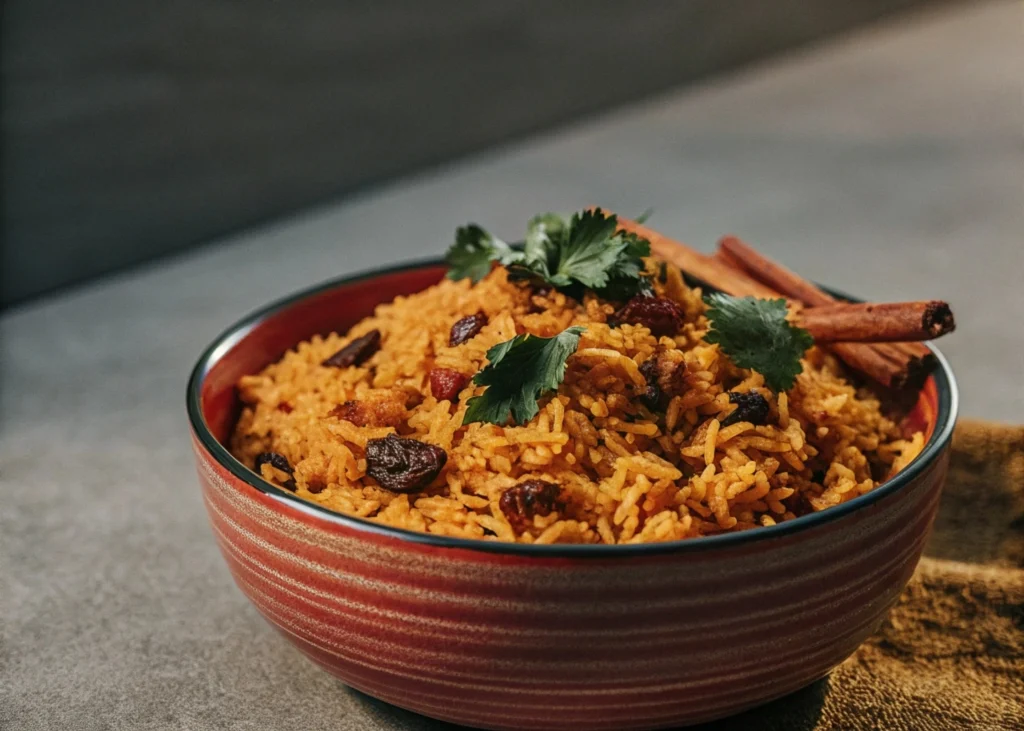

Moroccan Spiced Rice Authentic Recipe: Your Guide to Perfectly Flavored Comfort Food
Moroccan cuisine is a symphony of bold flavors, vibrant colors, and rich aromas that transport you to a world of exotic spices and warm hospitality. Among its many treasures, Moroccan spiced rice stands out as a versatile and flavorful dish, perfect for any occasion. Whether you’re preparing a cozy family meal or hosting a festive gathering, this recipe brings the essence of Morocco into your kitchen.
In this comprehensive guide, you’ll discover how to create authentic Moroccan spiced rice, learn the cultural significance behind its ingredients, and pick up tips to make it your own. Let’s dive into this culinary journey.
Table of Contents
Why Moroccan Spiced Rice is a Must-Try Dish
Moroccan Spiced Rice is more than just a side dish it’s a vibrant tapestry of flavors, aromas, and textures that captures the essence of Morocco’s rich culinary heritage. This dish exemplifies the country’s centuries-old tradition of blending spices, grains, and fresh ingredients to create meals that are both nourishing and unforgettable.
A Symphony of Spices and Aromas
At the heart of Moroccan Spiced Rice lies the masterful use of spices and aromatics. Common spices include cumin, turmeric, cinnamon, paprika, coriander, and saffron, often complemented by garlic, onions, and fresh herbs like parsley or cilantro. Each spice adds its own distinct note: cumin provides earthy warmth, cinnamon introduces subtle sweetness, and saffron lends a luxurious golden hue. Together, these elements create a balanced and complex flavor profile that is unmistakably Moroccan.
A Blend of Textures and Ingredients
Moroccan Spiced Rice often includes an array of complementary ingredients that provide layers of texture and taste. Dried fruits like raisins, apricots, or dates add natural sweetness, while toasted nuts such as almonds or pine nuts offer a delightful crunch. Vegetables like carrots, peas, or bell peppers bring vibrancy and freshness, while occasional additions of meat or seafood make the dish heartier and more substantial.
Cultural Significance
In Moroccan culture, food is more than sustenance it’s a symbol of hospitality, community, and tradition. Moroccan Spiced Rice is often served during festive gatherings, family meals, and celebratory feasts. Whether paired with tagines, grilled meats, or enjoyed as a standalone dish, it embodies the spirit of sharing and togetherness.
The dish also reflects Morocco’s historical role as a crossroads of trade routes, particularly through the ancient spice trade. The spices used in Moroccan cuisine often tell a story of cultural exchange with regions as far-reaching as the Middle East, Sub-Saharan Africa, and even Europe.
Nutritional Benefits
Moroccan Spiced Rice isn’t just flavorful it’s also nutritious. The spices offer various health benefits, such as anti-inflammatory and antioxidant properties from turmeric and cumin. Nuts and dried fruits provide healthy fats, fiber, and essential vitamins, while rice itself serves as a great source of energy.
Versatility and Global Appeal
One of the key reasons Moroccan Spiced Rice has gained international recognition is its versatility. It can be served as a main dish, a side accompaniment, or even as part of a larger spread. The dish adapts well to different dietary preferences, whether vegetarian, vegan, or protein-rich with chicken, lamb, or seafood.
A Culinary Journey in Every Bite
Every spoonful of Moroccan Spiced Rice offers a sensory experience from the aromatic spices tickling your nose to the burst of sweetness from dried fruits and the satisfying texture of perfectly cooked rice grains. It’s not just a dish; it’s a journey through Morocco’s bustling souks, sun-soaked landscapes, and age-old traditions.
In essence, Moroccan Spiced Rice isn’t merely food it’s an expression of culture, history, and flavor, making it an absolute must-try for anyone seeking an authentic taste of Moroccan cuisine.
Ingredients for Moroccan Spiced Rice
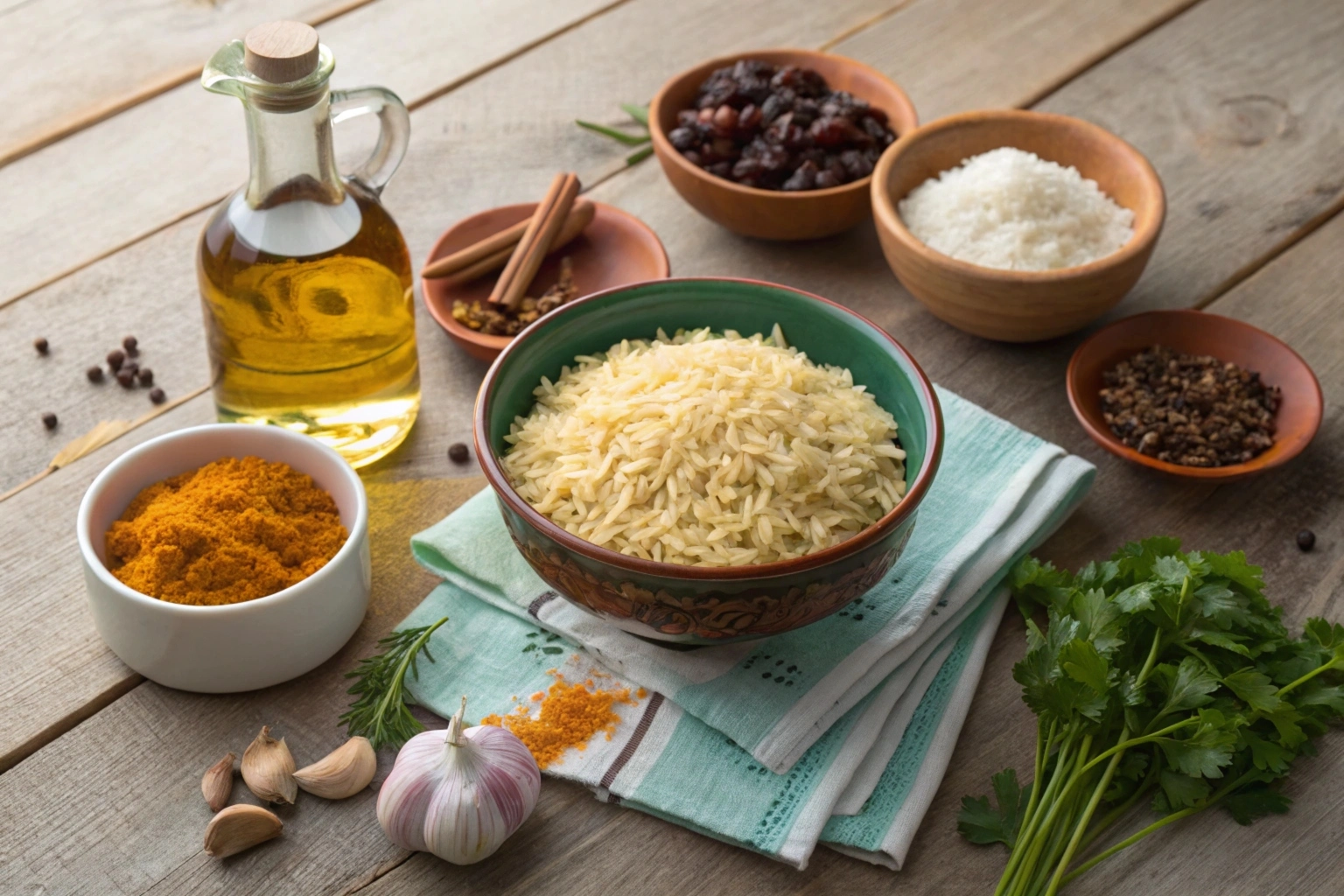
Key Ingredients at a Glance
| Ingredient | Quantity | Notes |
| Basmati rice | 2 cups | Soaked and rinsed |
| Olive oil | 2 tablespoons | For sautéing |
| Onion | 1 large | Finely chopped |
| Garlic | 3 cloves | Minced |
| Ground cumin | 1 teaspoon | Warm, earthy flavor |
| Ground cinnamon | 1/2 teaspoon | Adds subtle sweetness |
| Turmeric | 1 teaspoon | Bright color and aroma |
| Raisins | 1/2 cup | Optional, for sweetness |
| Vegetable stock | 3 cups | For cooking the rice |
| Fresh parsley | To garnish | Adds freshness |
Step-by-Step Instructions for Perfect Moroccan Spiced Rice
Preparing the Ingredients
- Start by washing and soaking the rice for about 20 minutes. This helps achieve a light, fluffy texture.
- Chop your onions, mince the garlic, and measure out the spices for seamless cooking.
Cooking the Rice
- Warm the olive oil in a large saucepan over medium heat.
- Add the diced onion and cook until it becomes translucent.
- Mix in the minced garlic and sauté until it releases its aroma.
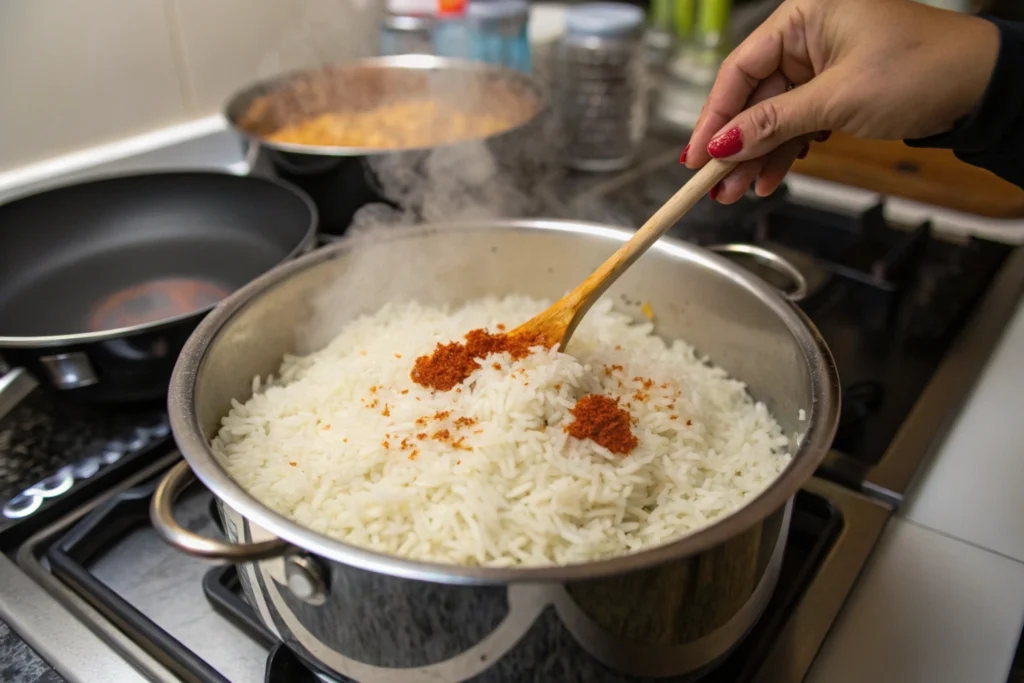
- Sprinkle the cumin, cinnamon, and turmeric into the pan, allowing the spices to bloom and release their aromas.
- Add the rice and raisins, stirring to coat each grain with the spiced mixture.
- Pour in the vegetable stock, bring to a boil, then reduce the heat to low.
- Cover the pan and simmer for 15-20 minutes, or until the liquid is absorbed.
- Use a fork to fluff the rice, then garnish with fresh parsley before serving.
Pro Tips for Perfect Moroccan Spiced Rice
Choose the Right Rice
Basmati or long-grain rice works best for this recipe due to its fluffy texture and ability to absorb flavors without becoming mushy.
Balance the Flavors
- Adjust the sweetness by increasing or reducing the amount of raisins.
- For extra depth, consider adding toasted almonds or dried apricots.
Pairing Suggestions
This spiced rice is an ideal companion to Moroccan chicken, lamb tagine, or roasted vegetables. Its robust flavors also make it a delightful standalone dish.
Cultural Notes and Variations
A Glimpse Into Moroccan Spice Markets
The use of warm spices like cinnamon and turmeric is deeply rooted in Moroccan cooking, symbolizing the country’s rich trade history and its love for bold, aromatic dishes.
Customizing to Your Taste
- To make it spicier, sprinkle in a pinch of cayenne pepper or chili flakes.
- To make it heartier, toss in cooked chickpeas or roasted vegetables.
Frequently Asked Questions (FAQ)
Can I use brown rice instead of basmati?
Yes, you can substitute brown rice, but you’ll need to adjust the cooking time and liquid ratio to accommodate its longer cooking process.
How do I store leftovers?
Store leftover spiced rice in an airtight container in the refrigerator for up to three days. Reheat with a splash of water or stock to restore its moisture.
Is it possible to adapt this dish to be vegan or gluten-free?
Absolutely! The recipe is naturally vegan and gluten-free as long as you use a vegetable stock that fits these criteria.
Conclusion
Moroccan spiced rice is more than just a side dish it’s a celebration of flavor and tradition. With its aromatic spices and vibrant colors, this recipe promises to become a favorite in your home. Whether you’re introducing your taste buds to Moroccan cuisine for the first time or revisiting a beloved classic, this dish is sure to impress.
So, why wait? Gather your ingredients, follow these simple steps, and embark on a flavorful journey to Morocco. Don’t forget to share your experience in the comments below!