The Ultimate Guide to Making Moroccan Kefta Meatballs
Welcome to your go-to resource for mastering the art of Moroccan Kefta meatballs! This flavorful dish, known for its aromatic spices and tender texture, is a beloved staple in Moroccan cuisine. Whether you’re preparing it for a family meal or hosting a dinner party, these meatballs will impress everyone at the table. In this guide, we will take you through the step-by-step process of making perfect Kefta meatballs, as well as providing you with tips, serving suggestions, and insights into the cultural significance of this dish. Let’s dive into this delicious Moroccan classic!
Table of Contents
Key Takeaways:
- Authentic Moroccan Kefta meatballs are made with ground lamb or beef, seasoned with aromatic spices like cumin, paprika, and cilantro.
- The secret to tender meatballs lies in not overmixing the meat and chilling them before cooking to retain their shape.
- Serving suggestions include pairing Kefta meatballs with couscous, flatbread, and refreshing vegetable salads for a well-rounded meal.
- Moroccan hospitality shines through in this dish, as Kefta meatballs are often served at family gatherings, celebrations, and festive occasions.
Introduction to Moroccan Kefta Meatballs
What are Moroccan Kefta Meatballs?
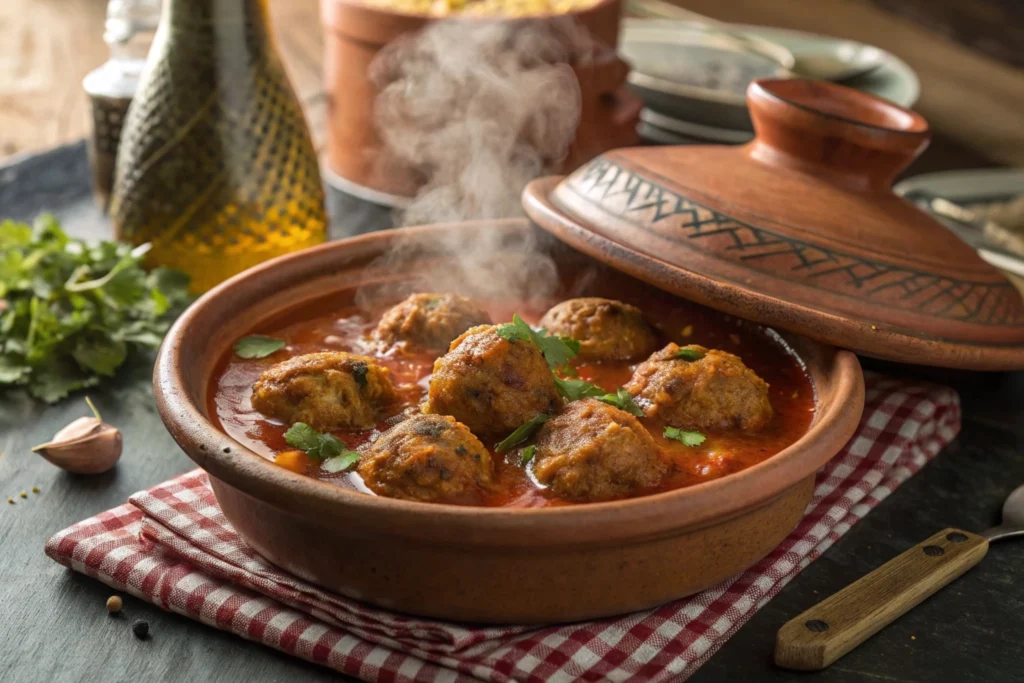
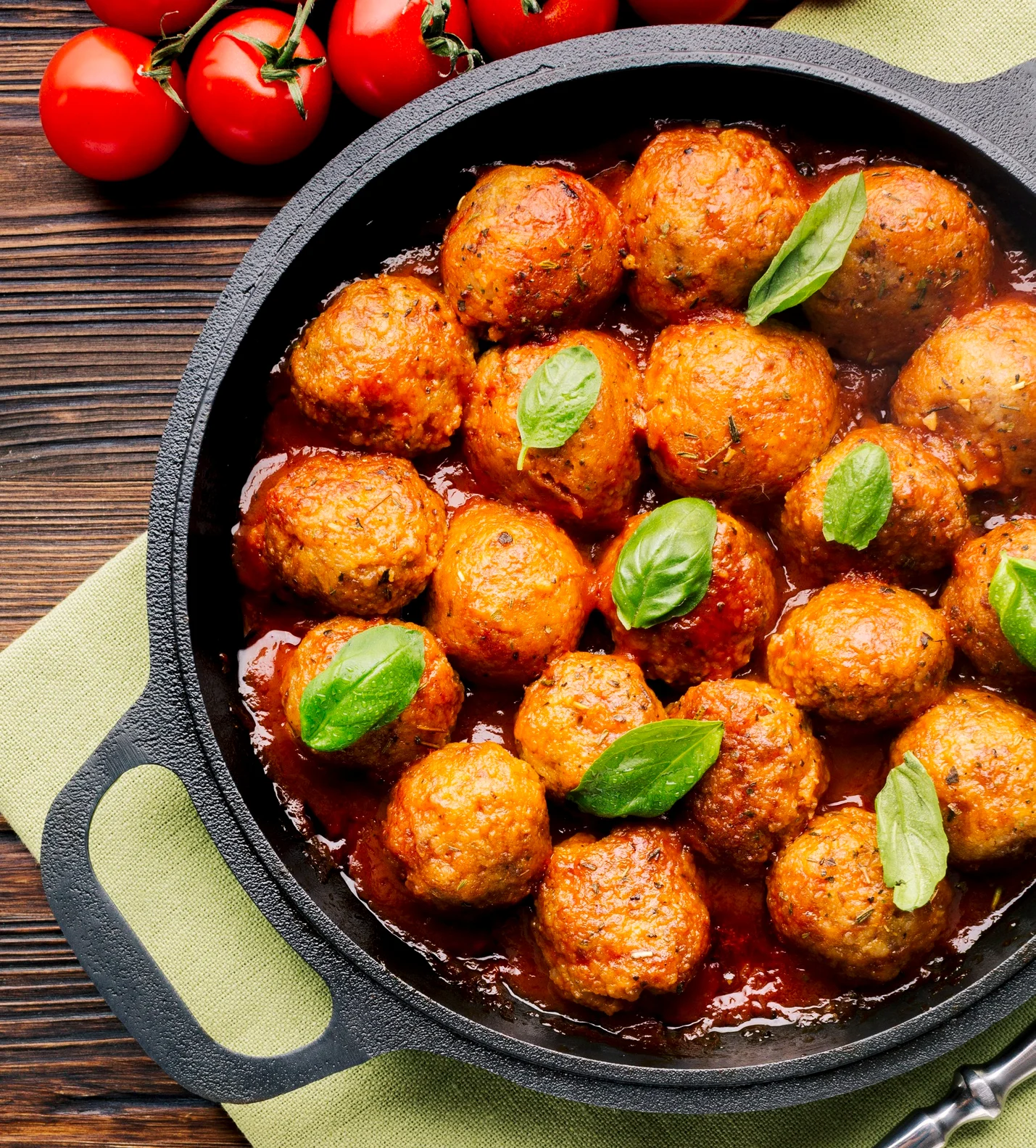
Moroccan Kefta meatballs are a flavorful and hearty dish that is beloved in Moroccan cuisine. Made with finely ground lamb or beef mixed with a variety of spices and herbs, these tender meatballs are often served in a tomato-based sauce or with grilled vegetables, making them a perfect comfort food. The key to making the best Kefta meatballs is the mix of traditional spices like cumin, paprika, and garlic, creating a burst of rich, aromatic flavor in every bite.
Brief History of Kefta in Moroccan Cuisine
Kefta, a staple in Moroccan cooking, is said to have roots in the region’s ancient trading and culinary exchanges. The dish combines influences from Berber, Arab, and Mediterranean traditions. Over the centuries, Moroccan chefs have perfected their Kefta meatball recipes, passing them down through generations. They are often enjoyed during family gatherings, celebrations, or as a delicious street food snack, making them a versatile and cherished part of the Moroccan culinary heritage.
Why Kefta Meatballs are a Popular Dish
Kefta meatballs have gained popularity not only for their delicious flavor but also because of their versatility. Whether served as a main course with couscous or paired with fresh flatbread, these meatballs fit seamlessly into any meal. Their simple preparation makes them perfect for both novice and experienced home cooks, while their rich spices provide a unique twist on traditional meatball dishes. Plus, Kefta meatballs can easily be adapted to suit various dietary preferences, such as substituting ground beef for lamb or using plant-based proteins.
Essential Ingredients for Moroccan Kefta Meatballs
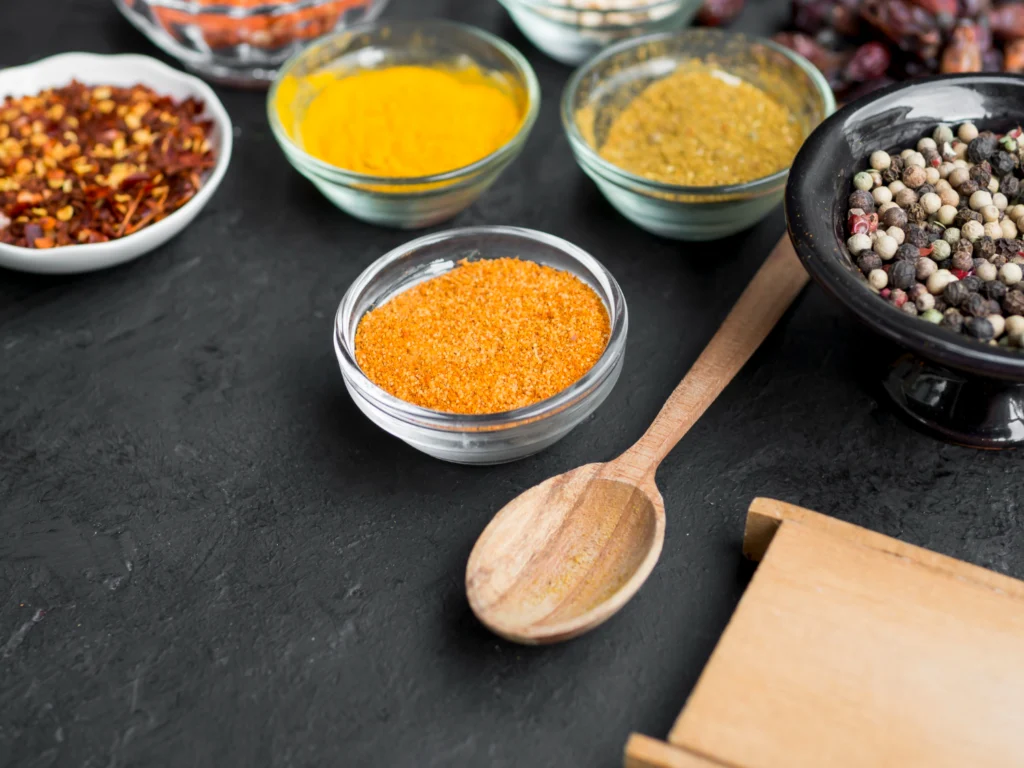
Key Spices and Herbs (Cumin, Paprika, Parsley)
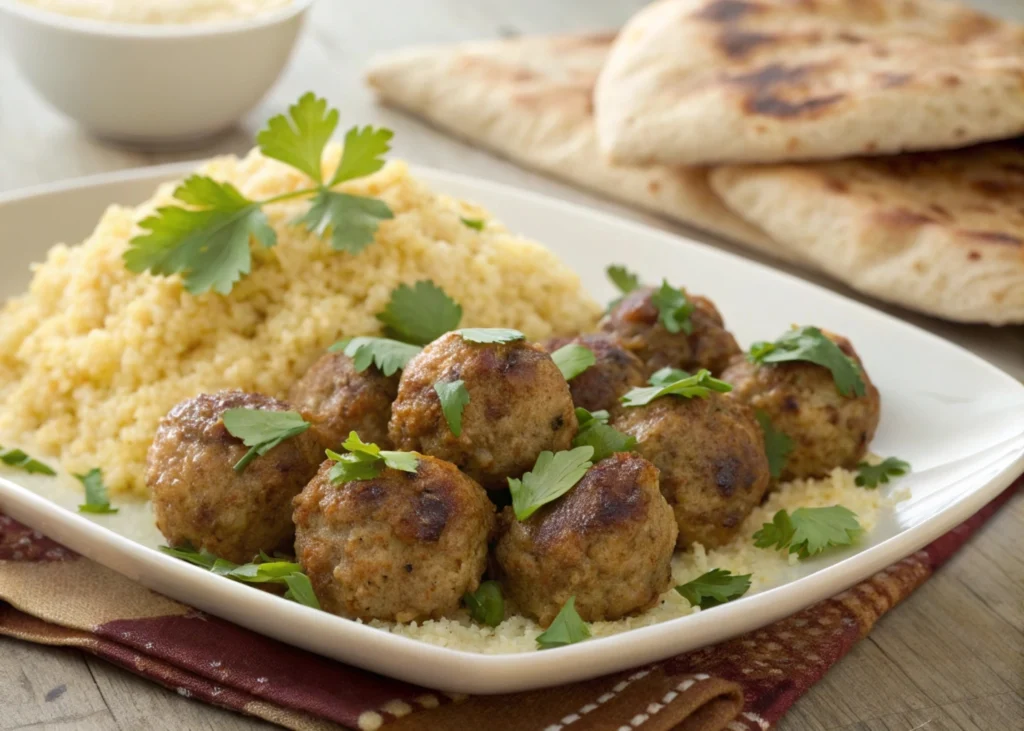
The heart of Moroccan Kefta meatballs lies in the combination of spices and herbs. Cumin and paprika provide the base, offering a warm, earthy flavor that is typical of Moroccan dishes. Fresh parsley brings a burst of freshness to the meatballs, while garlic, onions, and cilantro add layers of complexity. Together, these ingredients elevate the humble meatball into a flavorful Moroccan delicacy.
Choosing the Best Ground Meat (Lamb vs. Beef)
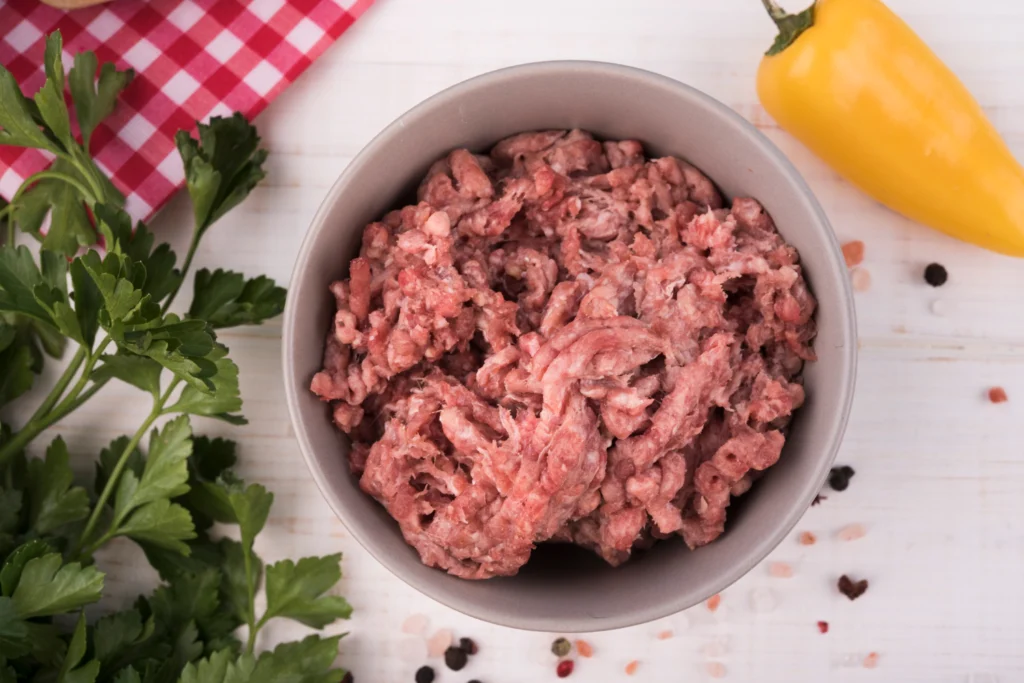
Traditionally, Kefta meatballs are made with ground lamb, which adds a rich and juicy texture. However, ground beef is often used as a more accessible alternative, providing a slightly leaner option without sacrificing flavor. Both meats work wonderfully in this recipe, so it’s a matter of personal preference. For an authentic taste, lamb is the preferred choice.
Other Common Ingredients (Garlic, Onion, Olive Oil)
In addition to the primary spices, garlic and onion are essential for building flavor. The aromatic base of these ingredients infuses the meatballs with a savory depth. Olive oil is used to bind the ingredients and add moisture to the mixture, ensuring the meatballs stay tender and juicy throughout the cooking process.
Step-by-Step Recipe for Moroccan Kefta Meatballs
Preparing the Meat Mixture
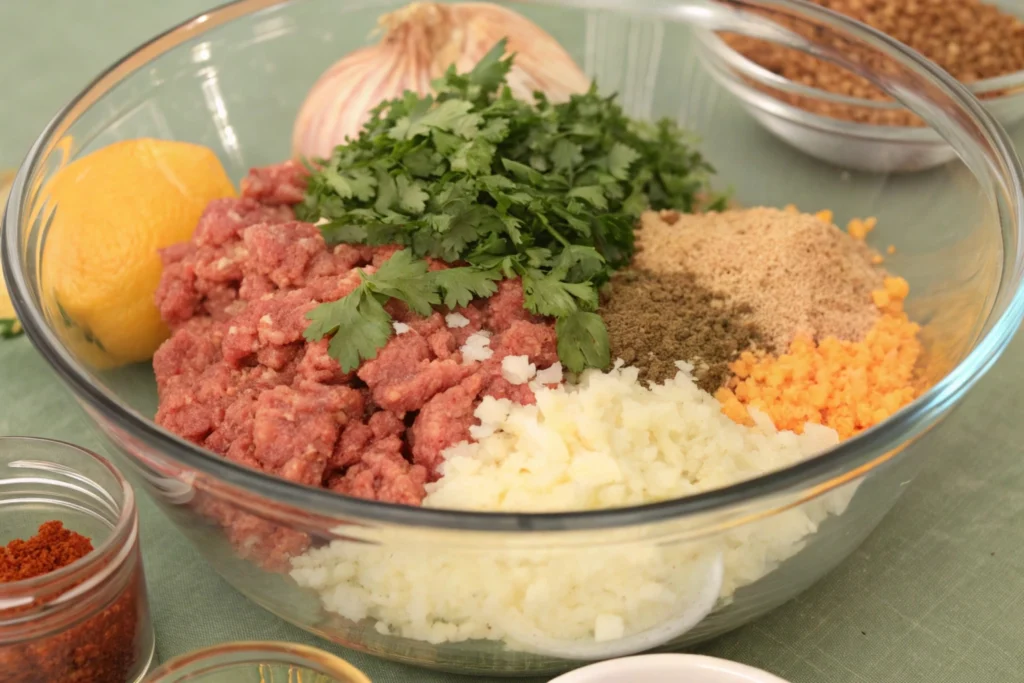
The first step in making these irresistible Moroccan Kefta meatballs is preparing the meat mixture. Whether you’re using ground lamb or beef, start by placing the meat in a large mixing bowl. Add the key spices cumin, paprika, garlic powder, and ground coriander and mix them into the meat until they are evenly distributed. Next, add finely chopped fresh parsley, cilantro, and onion. These ingredients will infuse the meat with a fresh, aromatic flavor that is characteristic of Moroccan cuisine.
To bind the mixture together and enhance the texture, add a beaten egg and a few tablespoons of breadcrumbs or crushed crackers. The egg helps to hold the meatballs together while baking or frying, while the breadcrumbs ensure they remain tender and juicy. Use your hands to mix everything thoroughly until the meat has absorbed the flavors and the mixture is well-combined.
Shaping and Cooking the Meatballs
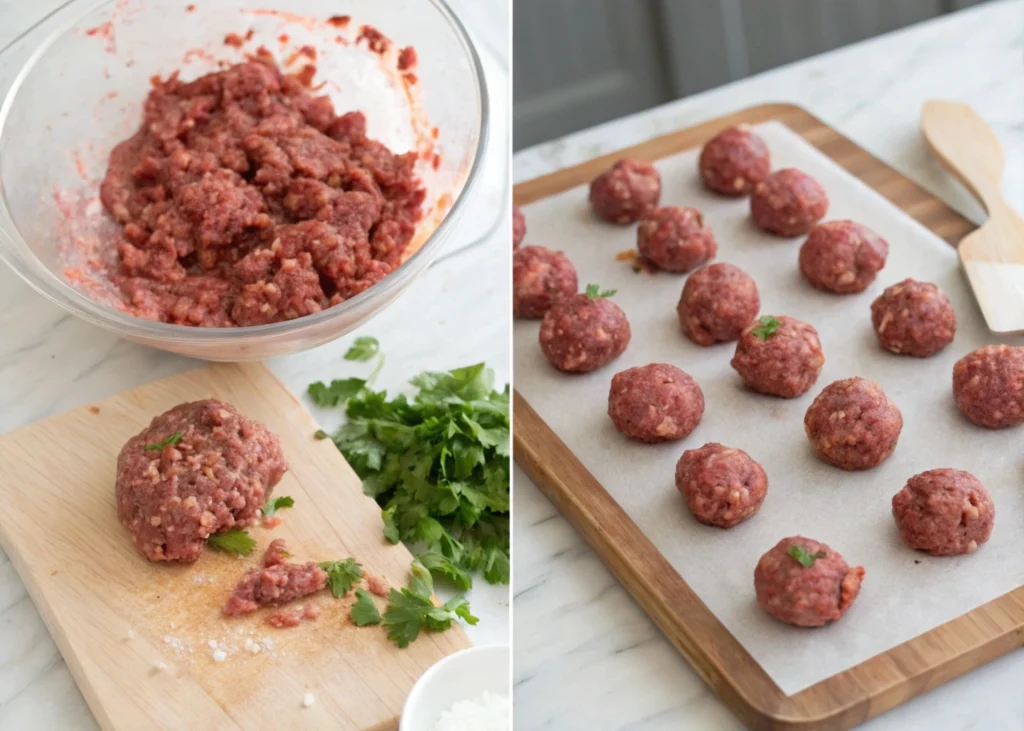
Once the meat mixture is ready, it’s time to shape the meatballs. Take a small portion of the mixture and roll it into a ball about 1-2 inches in diameter. You can shape them into round balls or elongated oval shapes, depending on your preference. The uniformity of the meatballs ensures they cook evenly.
For cooking, you have two options: frying or baking. If you prefer a crispy exterior, heat a few tablespoons of olive oil in a skillet over medium heat and fry the meatballs until they are golden brown on all sides. If you’d like a healthier alternative, bake the meatballs on a parchment-lined baking sheet at 375°F (190°C) for about 15-20 minutes, or until fully cooked.
Tips for Perfectly Cooked Kefta Meatballs
- Don’t Overmix the Meat: Overworking the meat can result in dense meatballs. Mix just until the ingredients are combined.
- Chill the Meatballs Before Cooking: After shaping the meatballs, refrigerate them for 30 minutes. This helps them maintain their shape during cooking.
- Test for Doneness: To check if the meatballs are fully cooked, insert a meat thermometer. The internal temperature should reach 160°F (71°C) for beef or lamb.
Key Ingredients and Cooking Instructions
| Ingredient | Amount |
|---|---|
| Ground Lamb or Beef | 1 lb (450g) |
| Cumin | 1 tsp |
| Paprika | 1 tsp |
| Ground Coriander | 1 tsp |
| Fresh Parsley | 2 tbsp, chopped |
| Fresh Cilantro | 2 tbsp, chopped |
| Onion | 1 small, finely chopped |
| Garlic | 3 cloves, minced |
| Egg | 1, beaten |
| Breadcrumbs or Crushed Crackers | 3 tbsp |
| Olive Oil | 2 tbsp (for frying) |
| Salt and Pepper | To taste |
| Step | Instructions |
|---|---|
| Prepare Meat Mixture | Mix ground meat, spices, fresh herbs, egg, and breadcrumbs until well combined. |
| Shape Meatballs | Roll the mixture into 1-2 inch meatballs. |
| Cook the Meatballs | Fry in olive oil until golden brown or bake at 375°F for 15-20 minutes. |
| Test for Doneness | Ensure meatballs reach an internal temperature of 160°F (71°C). |
Serving Suggestions and Pairing with Other Moroccan Dishes
Traditional Accompaniments (Couscous, Flatbread)
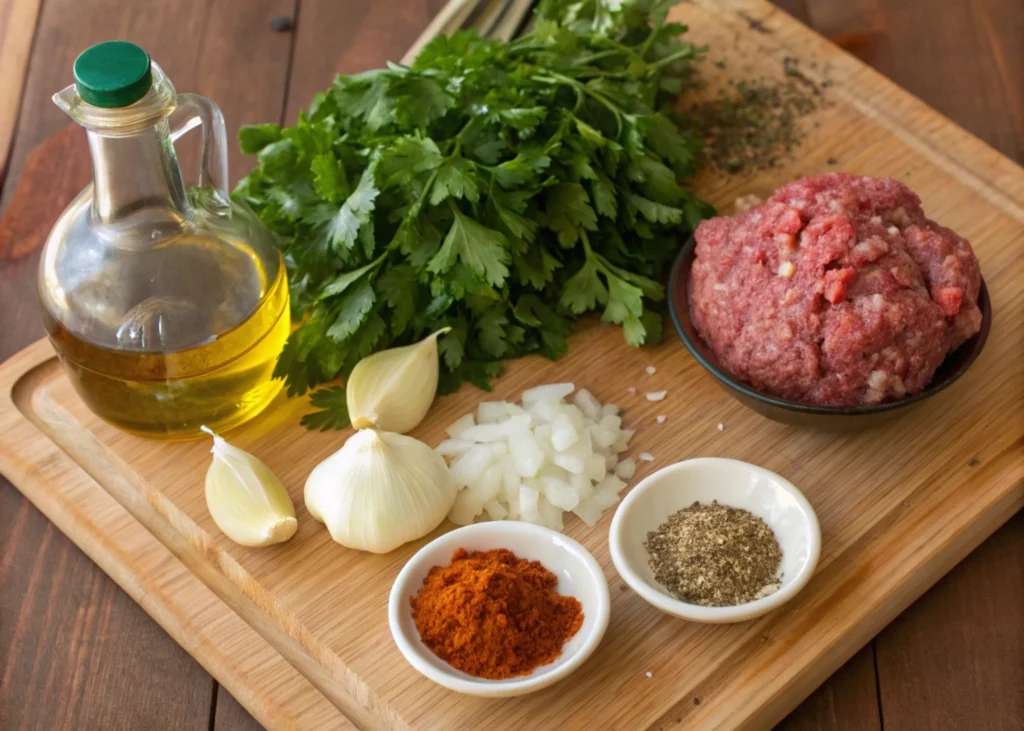
Moroccan Kefta meatballs are best served with traditional accompaniments that complement their rich flavor. Couscous, a fluffy and light grain, makes an excellent side dish to balance the richness of the meatballs. You can also serve them with warm Moroccan flatbread to soak up the delicious sauce or juices from the meatballs.
Pairing with Moroccan Sauces and Sides
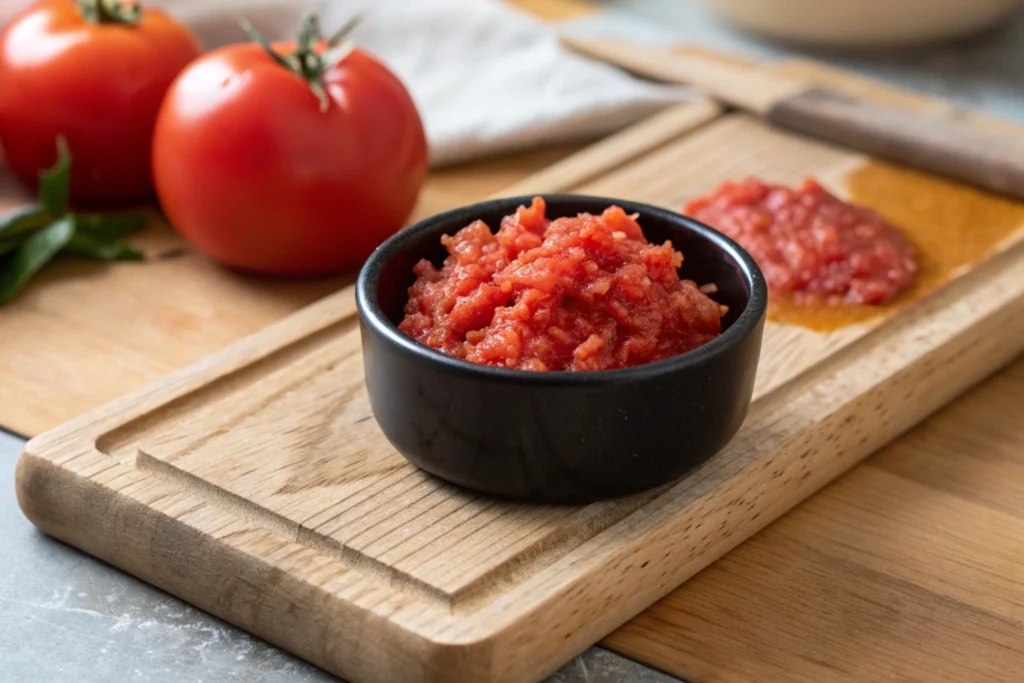
For an added touch of flavor, serve the Kefta meatballs with a spicy tomato-based sauce. Harissa, a popular North African chili paste, pairs wonderfully with these meatballs, adding a vibrant kick to the dish. You can also serve them with tzatziki or a simple cucumber and yogurt salad to add freshness and contrast to the spiced meatballs.
Serving in a Tagine or Skillet
For an authentic presentation, serve the Kefta meatballs in a tagine, a traditional Moroccan clay pot. The tagine helps to retain the meat’s moisture and flavors, infusing them during cooking. Alternatively, you can serve them in a skillet, especially if you’re cooking them in a savory sauce.
Tips for Perfectly Cooked Kefta Meatballs
Don’t Overmix the Meat
One of the most important things to remember when making Kefta meatballs is not to overmix the meat. While it’s tempting to mix everything thoroughly, overworking the meat can lead to dense, tough meatballs. Simply mix until all the spices and herbs are evenly distributed. The texture should remain light and tender, allowing the meatballs to cook up perfectly.
Chill the Meatballs Before Cooking
After shaping the meatballs, place them in the fridge for at least 30 minutes before cooking. Chilling the meatballs helps them hold their shape during cooking, preventing them from falling apart. If you’re baking them, this step also ensures they cook evenly, so they retain their moist and juicy interior.
Make Use of a Meat Thermometer
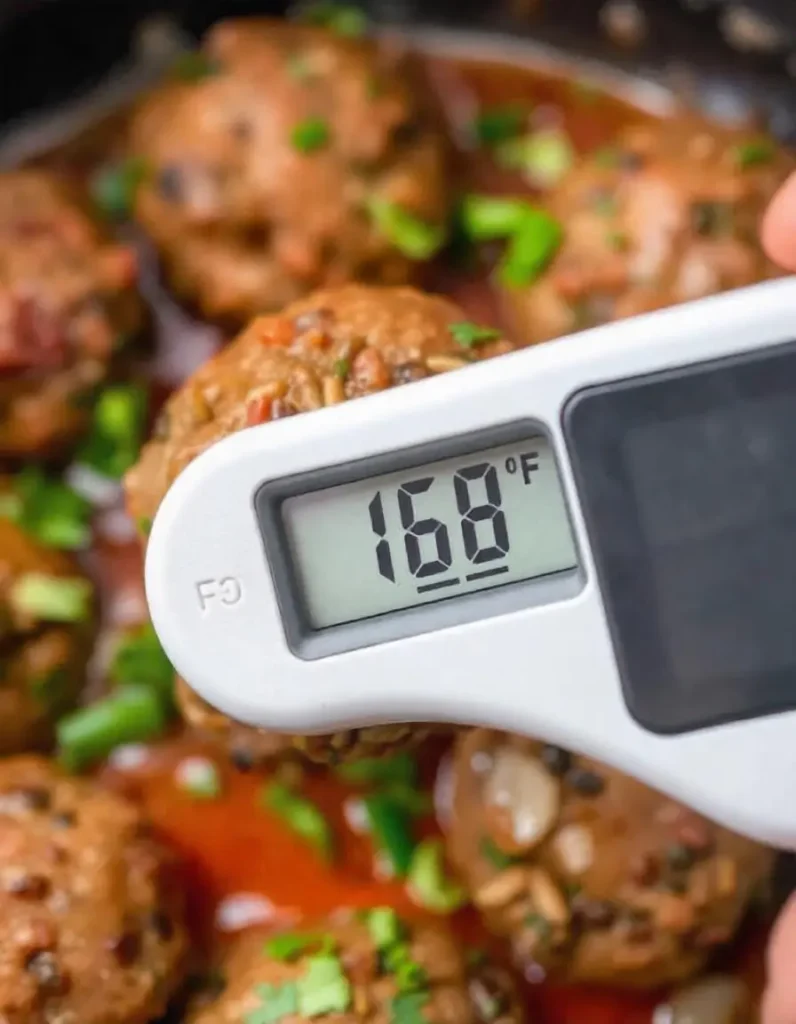
For the best results, a meat thermometer is your best friend. The internal temperature of the meatballs should reach 160°F (71°C) for lamb or beef. This ensures that they are fully cooked and safe to eat, without being overcooked or dry. Insert the thermometer into the center of the thickest meatball to check the temperature.
The Cultural Significance of Moroccan Kefta Meatballs
Kefta’s Role in Moroccan Hospitality
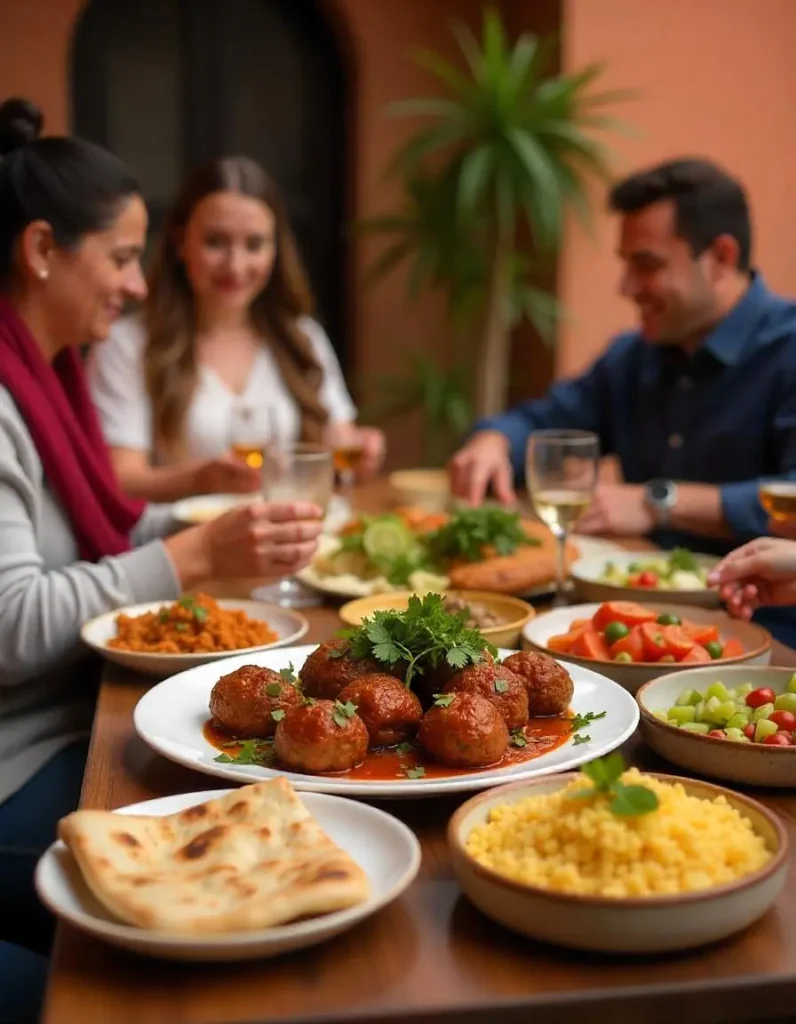
In Moroccan culture, food is much more than just sustenance it is a symbol of hospitality, family, and tradition. Moroccan Kefta meatballs are often served during gatherings and celebrations, playing a central role in bringing people together. The dish is typically enjoyed with family and friends, shared around a table as a sign of generosity and warmth. As a symbol of Moroccan hospitality, offering a plate of Kefta meatballs is an invitation to share in the rich flavors of Moroccan culinary tradition.
A Dish Passed Down Through Generations
The art of making Kefta meatballs has been passed down through generations, with each family adding their own subtle twist to the recipe. This dish has withstood the test of time, from the bustling streets of Marrakech to the quiet, serene corners of rural Morocco. Whether prepared by a grandmother, a mother, or a modern cook, the love and care put into each batch of Kefta meatballs remain unchanged. It’s a testament to the enduring nature of Moroccan culinary culture and the importance of preserving food traditions.
Moroccan Kefta and the Global Appeal
While Kefta meatballs are deeply embedded in Moroccan culture, their appeal has transcended borders. Today, people from all over the world enjoy Moroccan Kefta as part of the broader Middle Eastern and North African culinary movement. From food festivals to home kitchens, Kefta meatballs have earned a place on menus and dinner tables far beyond Morocco, uniting diverse cultures through their bold flavors and simple preparation.
“Food is the bridge that connects us to each other. In Morocco, sharing a meal of Kefta meatballs is an expression of hospitality and love.” Traditional Moroccan Saying
How to Serve and Enjoy Moroccan Kefta Meatballs
Serving Suggestions for a Complete Meal
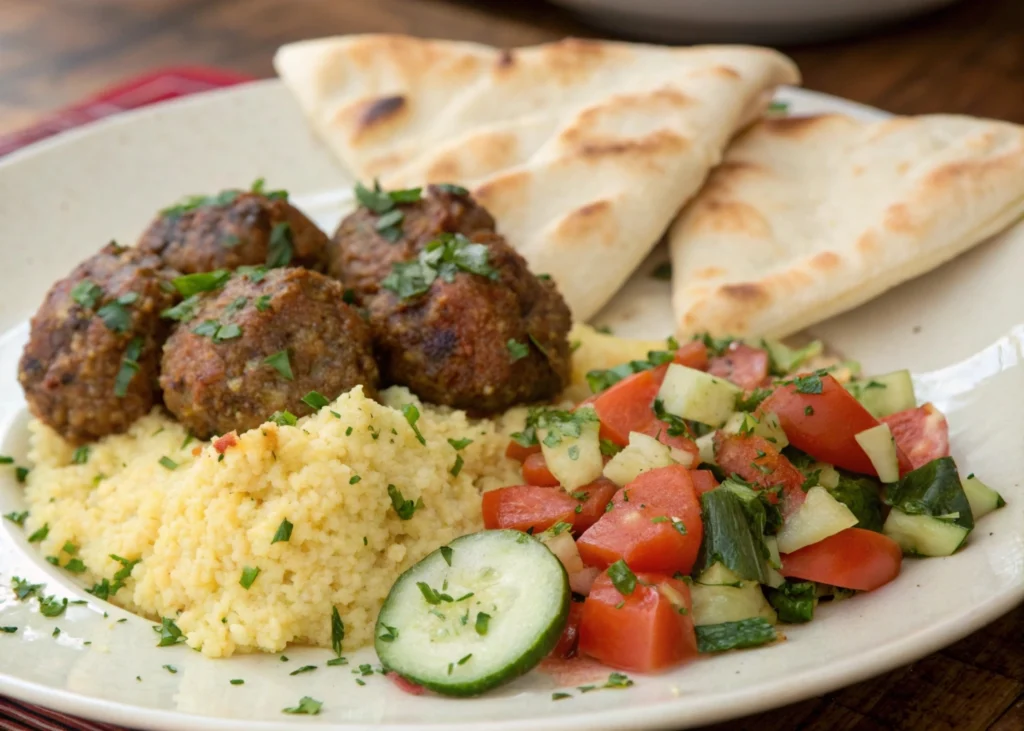
While Moroccan Kefta meatballs are absolutely delicious on their own, serving them with a variety of complementary dishes can elevate the meal experience. Consider pairing them with steamed couscous, which serves as a light and fluffy base, soaking up the savory juices from the meatballs. You can also serve them with Moroccan flatbread to scoop up the flavorful sauce, creating a satisfying balance of textures.
For a well-rounded meal, include vegetable salads, such as a cucumber and tomato salad with olive oil and lemon dressing, or a Moroccan carrot salad with spices. These side dishes not only add freshness but also introduce bright flavors that complement the spiciness of the Kefta meatballs.
Enjoying Kefta Meatballs with Couscous
In Morocco, Kefta meatballs are often served with a generous portion of couscous, a grain that absorbs all the rich, flavorful juices from the meatballs. To prepare couscous, steam it until it’s light and fluffy, then drizzle with olive oil or top it with roasted vegetables for added flavor. This combination is not only delicious but also a traditional way to enjoy the meal in Moroccan households.
Pairing with Moroccan Sweets
If you’re in the mood for dessert after your meal, Moroccan sweets are a perfect way to end the dining experience. Consider serving Baklava, Chebakia (a sesame and honey pastry), or a refreshing bowl of fresh fruit such as oranges with cinnamon and sugar for a light, sweet finish to the meal.
Conclusion: Bringing the Flavors of Morocco to Your Table
Moroccan Kefta meatballs are more than just a meal they’re an invitation to experience the warmth and hospitality of Moroccan culture. By following our detailed recipe and tips, you can create a dish that transports you straight to the bustling streets of Marrakech or a cozy Moroccan kitchen. Whether you’re serving them with couscous, flatbread, or a fresh salad, these meatballs are sure to become a favorite in your household. So gather your ingredients, fire up your stove, and enjoy the rich flavors of Morocco in every bite!
Q&A Section:
Q: Can I make Moroccan Kefta meatballs ahead of time?
A: Absolutely! You can prepare the Kefta meatballs and refrigerate them for up to 24 hours before cooking. This not only saves you time but allows the flavors to meld together, resulting in even more delicious meatballs.
Q: Can I freeze the Kefta meatballs for later use?
A: Yes, you can freeze the raw meatballs. Place them on a baking sheet, freeze for a couple of hours, then transfer them to an airtight container or freezer bag. When you’re ready to cook, simply thaw and cook as usual.
Q: What can I substitute for lamb in the recipe?
A: If you prefer not to use lamb, you can substitute it with ground beef, chicken, or even turkey. The spices and herbs will still deliver the authentic Moroccan flavor you crave.