

Introduction
- Briefly introduce Moroccan cuisine and its rich flavors.
- Highlight the Moroccan lamb tagine as a traditional, aromatic, and hearty dish.
- Include the main ingredients (spices, lamb, apricots/prunes) to hook the reader.
Table of Contents
What is a Tagine?
A tagine is both a traditional North African dish and the distinctive clay pot in which it is cooked. Originating from Morocco, this centuries-old cooking method is deeply rooted in the region’s culinary culture, reflecting a harmonious blend of flavors, slow-cooking techniques, and practical design.
The Tagine Pot:
The tagine pot is a two-part vessel traditionally made from unglazed clay, though modern versions may also be crafted from glazed ceramic or even metal. It consists of:
- A wide, shallow base – designed to hold the ingredients and allow liquids and sauces to simmer gently.
- A conical lid – which fits snugly on the base and is key to the tagine’s unique cooking method. The cone-shaped lid traps steam as the food cooks, allowing moisture to condense and drip back down into the dish. This natural self-basting mechanism keeps the food tender, flavorful, and prevents it from drying out, even during long cooking times.
Traditionally, tagines were cooked over charcoal braziers, allowing for slow, even heat distribution. Today, they are commonly used on stovetops, in ovens, or over open flames, with heat diffused carefully to prevent cracking.
The Cooking Method:
Cooking in a tagine emphasizes slow simmering over low heat, which allows flavors to meld beautifully. Ingredients are layered strategically, often starting with onions and aromatics at the base, followed by meats, vegetables, dried fruits, and spices. Common spices in tagine recipes include cumin, coriander, cinnamon, saffron, and turmeric.
The dish typically combines savory and sweet flavors, with ingredients like preserved lemons, olives, dates, apricots, and almonds playing a prominent role. The slow-cooking process not only tenderizes tougher cuts of meat, such as lamb or chicken, but also allows the spices and seasonings to fully infuse the dish.
Tagines are not just about cooking; they represent a social and cultural experience in Moroccan households. Traditionally, they are served communally, with everyone gathering around the pot to share the meal directly, using pieces of warm bread to scoop up the flavorful sauce and tender ingredients.
The tagine’s ability to create rich, complex flavors with minimal water and energy makes it an environmentally friendly and efficient cooking method, adding to its enduring appeal both in Morocco and around the world.
The Cultural Significance: Linking the Dish to Moroccan and Berber Culinary Traditions
The tagine is far more than just a cooking vessel or a dish it is a symbol of Morocco’s rich culinary heritage and a reflection of the diverse cultural influences that have shaped the country’s identity. Deeply rooted in Berber traditions, the tagine has evolved over centuries, incorporating Arab, Moorish, Andalusian, and even Ottoman culinary elements.
Berber Origins and Heritage
The Berbers, North Africa’s indigenous people, are credited with the invention of the tagine. Historically, the Berbers were semi-nomadic, and the tagine pot served as an ideal cooking tool for their lifestyle. Its design allowed for slow cooking with minimal water an essential feature in arid desert regions where water was scarce. The tagine’s ability to tenderize tough cuts of meat and infuse dishes with complex flavors made it invaluable in their daily lives.
Tagine recipes often reflect traditional Berber values, emphasizing local ingredients such as lamb, chicken, root vegetables, preserved lemons, and olives. Each Berber community has its own unique tagine recipes, passed down orally through generations, with spices and techniques varying by region.
A Symbol of Moroccan Hospitality
In Moroccan culture, food is deeply tied to hospitality, family, and community. The tagine is a centerpiece of social gatherings, celebrations, and important life events. Whether shared during a festive occasion, a family dinner, or offered to guests as a sign of respect and generosity, tagine dishes embody the Moroccan principle of “baraka” a blessing or spiritual grace often associated with shared meals.
The act of serving a tagine is also symbolic. Traditionally, the pot is brought directly to the table, with the conical lid lifted in front of guests, releasing an aromatic burst of steam that tantalizes the senses. Everyone gathers around, eating communally from the same pot, using pieces of warm bread to scoop up the tender meat, vegetables, and sauce. This communal eating style fosters connection, unity, and a sense of belonging.
Culinary Diversity and Regional Influence
While tagines are a unifying symbol of Moroccan cuisine, regional variations highlight the country’s culinary diversity:
- In the Atlas Mountains: Berber tagines often feature simple, earthy flavors with local vegetables, herbs, and hearty cuts of meat.
- In coastal regions: Seafood tagines are popular, featuring fish, shrimp, and squid paired with chermoula (a marinade made of garlic, coriander, parsley, and spices).
- In Fez and Marrakesh: More elaborate tagines incorporate dried fruits such as dates, apricots, and raisins, alongside almonds and honey, creating a sweet-savory balance.
Spices: A Legacy of Trade and Cultural Exchange
The rich spice blends used in tagines tell the story of Morocco’s historical position as a hub for trans-Saharan and Mediterranean trade routes. Spices like saffron, cinnamon, cumin, turmeric, and ginger were introduced through these trade networks, and they remain fundamental to tagine preparation today.
A Culinary Ambassador
In recent decades, the tagine has transcended its cultural origins to become a global culinary icon. Moroccan expatriates and food enthusiasts have carried this tradition worldwide, introducing international audiences to the warmth, flavor, and cultural depth of tagine cooking.
In essence, the tagine is not just a meal it is a living tradition that carries the stories, values, and flavors of Morocco and its Berber roots. Every bite speaks of history, resilience, and the importance of sharing meals as a gesture of love and community.
Why You’ll Love This Lamb Tagine with Prunes and Almonds Recipe
- Perfect balance of sweet and savory flavors.
- Ideal for family gatherings or special occasions.
- Packed with traditional Moroccan spices and aromas.
- Nutritious and wholesome meal.
Ingredients for Lamb Tagine with Prunes and Almonds
Main Ingredients
| Ingredient | Quantity |
|---|---|
| Lamb (shoulder or shank) | 1 kg |
| Prunes | 200g |
| Almonds | 100g |
| Onion (finely chopped) | 2 large |
| Garlic (minced) | 4 cloves |
| Olive oil | 3 tbsp |
| Spices (cumin, cinnamon, ginger) | As required |
| Chicken stock | 500ml |
| Honey | 2 tbsp |
| Fresh coriander | For garnish |
Optional Garnish
- Sesame seeds
- Fresh mint leaves
Why Lamb?
Lamb holds a special place in Moroccan cuisine and is one of the most traditional and cherished proteins used in tagine cooking. Its prominence in Moroccan tagines is not merely a matter of taste but is deeply rooted in cultural, historical, and practical reasons.
1. Historical and Cultural Significance
Lamb has been a staple in North African and Middle Eastern diets for centuries, dating back to ancient times when sheep farming thrived in the arid and semi-arid regions of Morocco. Sheep are well-suited to the Moroccan climate and landscape, making lamb and mutton readily available to households across the country.
In Moroccan culture, lamb is often associated with celebration and hospitality, commonly served during religious festivals such as Eid al-Adha, weddings, and other special gatherings. Preparing lamb in a tagine is not just about creating a delicious meal but also about honoring traditions and showing respect to guests.
2. Flavor and Texture
Lamb’s rich, slightly gamey flavor pairs exceptionally well with the bold and aromatic spices used in Moroccan cuisine, such as cumin, coriander, cinnamon, saffron, and turmeric. The slow-cooking method of a tagine works particularly well with lamb because it breaks down the meat’s connective tissues over time, resulting in tender, succulent meat that practically melts in your mouth.
Additionally, lamb absorbs the flavors of the surrounding ingredients beautifully. The combination of lamb with dried fruits like dates, apricots, or prunes, along with preserved lemons and olives, creates a unique balance of savory, sweet, and tangy flavors that is a hallmark of Moroccan tagines.
3. Versatility and Availability
Lamb is a versatile meat that can be prepared using various cuts, such as shoulder, shank, or neck, each bringing its unique texture and richness to the dish. Tougher cuts, which are often more affordable, become exceptionally tender when slow-cooked in a tagine, making it a practical choice for both everyday meals and festive feasts.
In Morocco, lamb is widely available in local markets, and its prominence in traditional cooking reflects both its accessibility and cultural importance.
4. Nutritional Value
Lamb is a nutrient-rich protein, providing essential vitamins and minerals such as iron, zinc, vitamin B12, and niacin. These nutrients are vital for maintaining energy levels, supporting immune function, and promoting overall health. In a country where hearty and fulfilling meals are valued, lamb serves as an ideal protein source in traditional dishes like tagines.
5. Symbol of Luxury and Generosity
Historically, lamb was considered a luxury meat, often reserved for special occasions or shared with honored guests. Serving a lamb tagine at a gathering symbolizes generosity, warmth, and a willingness to share the best of what one has.
In essence, lamb’s cultural symbolism, exceptional flavor profile, adaptability to slow cooking, and nutritional benefits make it the ideal choice for Moroccan tagines. It’s not just an ingredient it’s a reflection of Moroccan heritage, hospitality, and culinary artistry.
Step-by-Step Cooking Instructions
Step 1: Preparing the Lamb
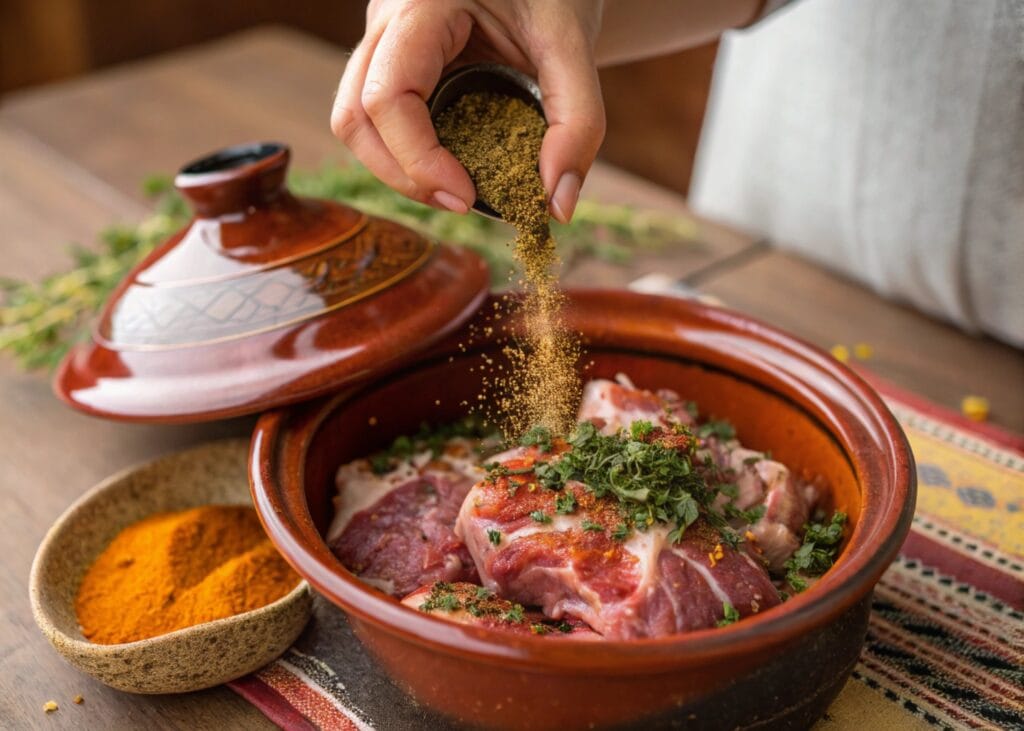
- Marinate the lamb with spices and olive oil.
- Sear the lamb in a heavy-bottomed tagine or Dutch oven.
Step 2: Cooking the Base
- Sauté onions and garlic until golden.
- Add spices and cook until fragrant.
Step 3: Slow-Cooking the Tagine
- Add seared lamb, prunes, chicken stock, and honey.
- Simmer on low heat for 2-3 hours.
Step 4: Adding Almonds
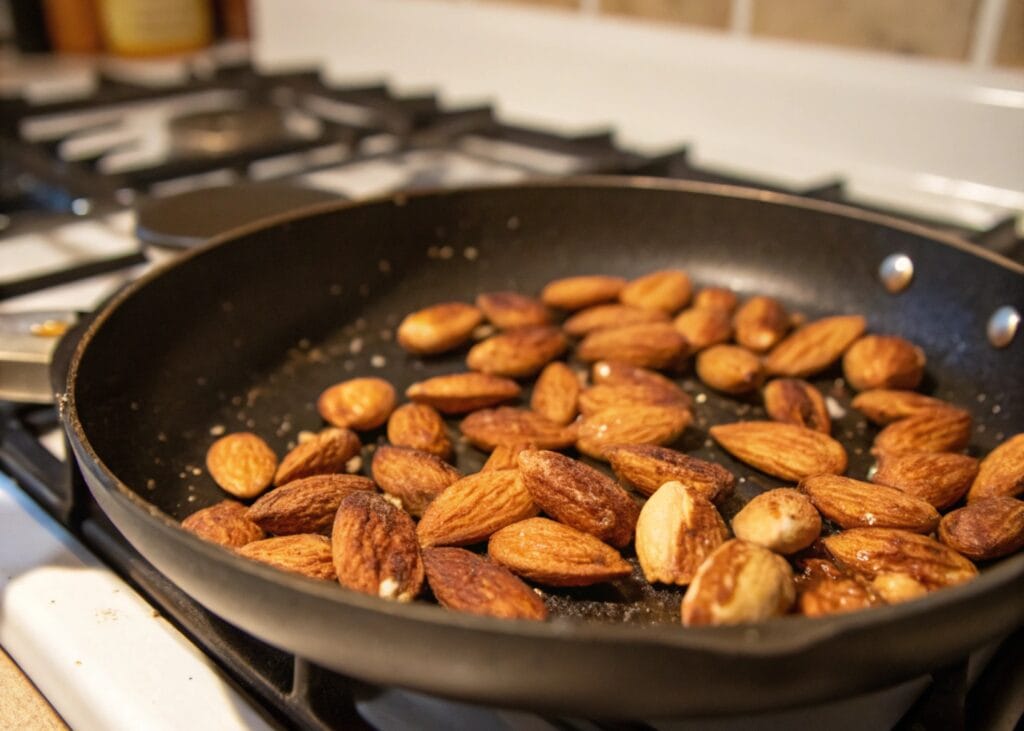
- Toast almonds and add them to the dish.
- Let simmer for an additional 10 minutes.
Step 5: Serving
- Garnish with fresh coriander, sesame seeds, or mint leaves.
- Serve with couscous or crusty bread.
Why Moroccan Lamb Tagine is Perfect for Any Occasion
Moroccan lamb tagine is a versatile, flavorful, and aromatic dish that can elevate any meal, whether you’re hosting a festive gathering or enjoying a quiet dinner at home. The combination of rich spices, tender lamb, and complementary sweet and savory flavors makes it an ideal choice for a variety of occasions, from casual family meals to sophisticated dinner parties.
1. A Meal That Appeals to Everyone’s Taste Buds
One of the reasons lamb tagine is so perfect for any occasion is its complex balance of flavors. The dish often incorporates spices like cumin, cinnamon, saffron, and turmeric, giving it an aromatic depth that pleases both adventurous eaters and those who prefer milder flavors. The addition of dried fruits like apricots, dates, or raisins creates a sweet contrast to the richness of the lamb, while olives and preserved lemons bring a tangy note to the dish. This balance of savory, sweet, and tangy flavors makes Moroccan lamb tagine universally appealing, ensuring that it satisfies a wide range of tastes.
2. Perfect for Special Occasions and Celebrations
Lamb has long been associated with special occasions in many cultures, including Morocco. It’s a traditional meat used for feasts, celebrations, and religious holidays. In Morocco, lamb is often served during significant events like Eid, weddings, and family gatherings. Because of its rich flavor and the effort involved in preparing the dish, Moroccan lamb tagine adds an element of sophistication and festivity to any occasion. The slow cooking process, which tenderizes the meat and blends the flavors perfectly, makes it a great dish for impressing guests at a dinner party or family celebration.
3. Ideal for Hosting or Family Gatherings
The beauty of lamb tagine lies in its social and communal nature. Traditionally, tagines are served as a central dish, where family and friends gather around the table, breaking bread together and sharing the meal directly from the pot. This communal style of eating fosters a warm and inviting atmosphere, making Moroccan lamb tagine an excellent choice for hosting a group. It also requires little hands-on preparation during cooking, as the slow-simmering process does most of the work. This allows the host to spend more time interacting with guests, rather than being in the kitchen.
4. A One-Pot Wonder
Another reason Moroccan lamb tagine is perfect for various occasions is its practicality. The one-pot cooking method means that it’s easy to prepare, with minimal cleanup afterward. You can throw all the ingredients into the tagine and let the pot work its magic. Whether you’re cooking for a small family or a large group, the dish can easily be adapted in size. For a more luxurious version, you can also serve it with sides like couscous, flatbreads, or a fresh salad, making it a complete and satisfying meal without much hassle.
5. Versatility in Pairings and Customizations
Moroccan lamb tagine is incredibly versatile and can be customized to suit various dietary preferences and occasions. For instance, if you’re hosting a dinner with guests who prefer a different protein, lamb can be substituted with chicken, beef, or even vegetables. The spices and fruits used in the tagine can also be varied depending on what’s in season, allowing for a different twist every time you make it. Additionally, lamb tagine pairs beautifully with a variety of sides, such as fluffy couscous, rice, or a Moroccan-style salad, further expanding its appeal.
6. Makes for Great Leftovers
Lamb tagine’s slow-cooked nature means that it often tastes even better the next day. The flavors continue to develop as it sits in the fridge, and leftovers can be reheated for a delicious meal the following day. This makes it not only ideal for special occasions but also for easy-to-reheat meals during the week.
7. Showcasing Moroccan Culinary Heritage
Lastly, preparing Moroccan lamb tagine is a way to celebrate Moroccan culture and its rich culinary heritage. Moroccan cuisine is known for its use of bold spices and a perfect fusion of sweet and savory flavors, and lamb tagine exemplifies this artistry. Sharing this dish with others is a way to introduce people to the flavors of Morocco, making it a unique and exciting choice for those looking to expand their culinary horizons.
In summary, Moroccan lamb tagine is a perfect dish for any occasion due to its rich, versatile flavor profile, communal nature, and ease of preparation. Whether you’re celebrating a holiday, hosting a dinner party, or preparing a comforting meal for your family, lamb tagine provides an unforgettable and satisfying experience.
Tips for the Perfect Lamb Tagine with Prunes and Almonds
- Use high-quality lamb cuts.
- Adjust sweetness by modifying the honey-to-prune ratio.
- Let the dish rest before serving for enhanced flavors.
- Use a traditional clay tagine for an authentic taste.
- Stir occasionally to prevent sticking.
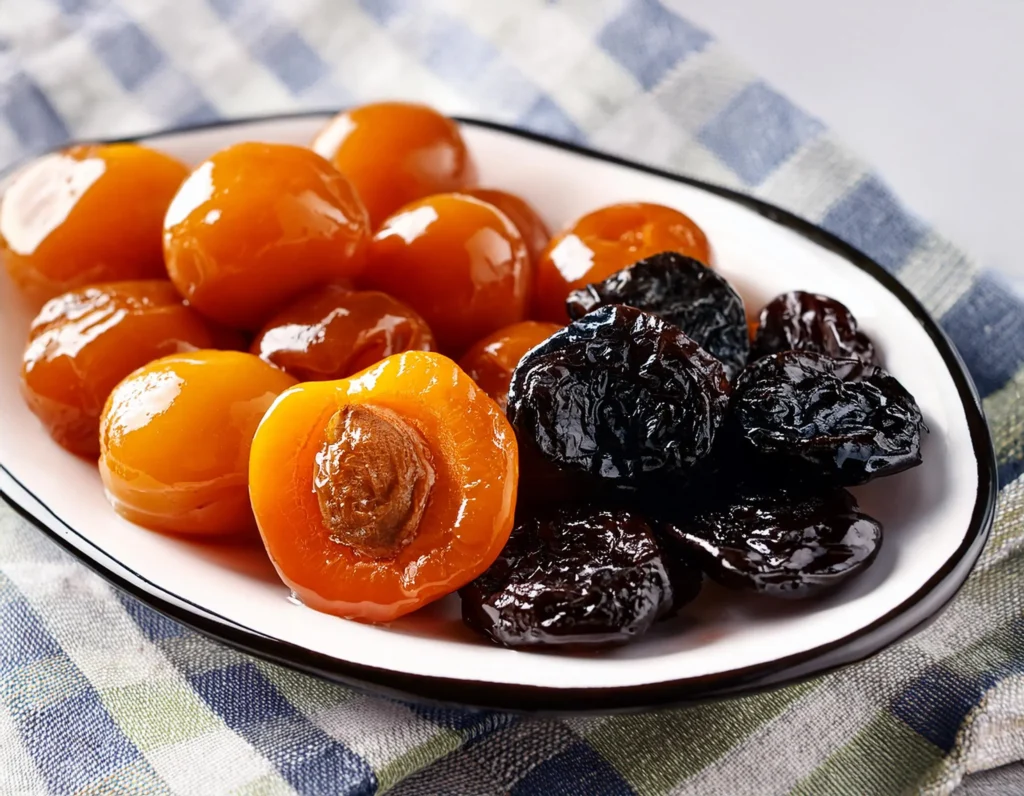
- Soak prunes beforehand to keep them soft and plump.
- Toast almonds lightly to enhance their flavor and texture.
- Add a pinch of saffron for an extra layer of luxury.
- Serve with freshly made flatbread for an authentic experience.
- Pair with Moroccan mint tea for a complete dining experience.
Nutritional Information
- Calories per serving: Approx. 500 kcal
- Protein: 35g
- Carbohydrates: 45g
- Fats: 20g

FAQs About Lamb Tagine with Prunes and Almonds Recipe
1. Can I use other dried fruits instead of prunes?
Yes, apricots or dates can be used for variation.
2. What’s the best cut of lamb for tagine?
Shoulder or shank is ideal due to its tenderness when slow-cooked.
3. How long can I store leftovers?
Up to 3 days in the refrigerator in an airtight container.
Conclusion
- Recap the highlights of the dish.
- Encourage readers to try the recipe.
- Invite them to share their experience or variations.