

Introduction
Have you ever tasted a dessert so enchanting that it instantly transported you to a different world?
That’s exactly the magic of Chebakya, Morocco’s beloved sweet treat, especially cherished during Ramadan.
This honey-coated pastry, rich with hints of orange blossom water and spices, isn’t just a dessert it’s a symbol of tradition, family, and celebration. Whether you’re a food lover eager to explore new flavors or simply someone craving a bit of sweetness in your life, Chebakya is a culinary experience you won’t forget.
In this post, we’ll dive deep into what makes Chebakya an irresistible part of Moroccan culture and by the end, you might just be ready to try making it yourself!
Key Takeaways: Why You’ll Fall in Love with Chebakya
Let’s break it down. Here’s why Chebakya deserves a spot in your dessert hall of fame:
- A Rich Tradition: Chebakya is a must-have on Moroccan tables during Ramadan, symbolizing community and celebration.
- Flavor Explosion: Sweet honey, fragrant spices, and crunchy sesame seeds create a mind-blowing taste combination.
- Artistic Beauty: The intricate floral shapes of Chebakya are almost too pretty to eat (almost!).
- Easy to Love: With its addictive crunch and sticky sweetness, one bite will never be enough.
- DIY Delight: With a few simple ingredients and some practice, you can craft your own Chebakya at home.
Each piece tells a story of heritage, craftsmanship, and the timeless power of good food to bring people together.
Table of Contents
What is Chebakya? An Iconic Moroccan Dessert
Origin and History of Chebakya
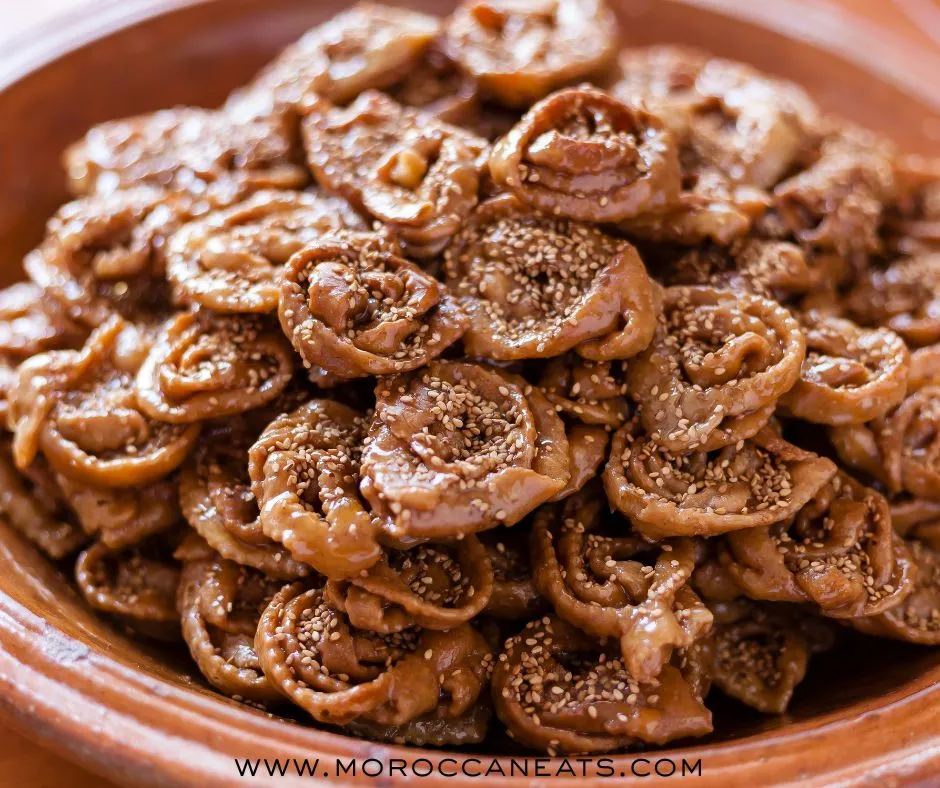
If you’ve ever strolled through the vibrant streets of Morocco during Ramadan, you’ve probably caught the irresistible scent of honey-drenched pastries floating through the air. That delightful aroma? It’s likely Chebakya a masterpiece of Moroccan sweets that holds a cherished place in the hearts (and kitchens) of locals.
But what exactly is Chebakya?
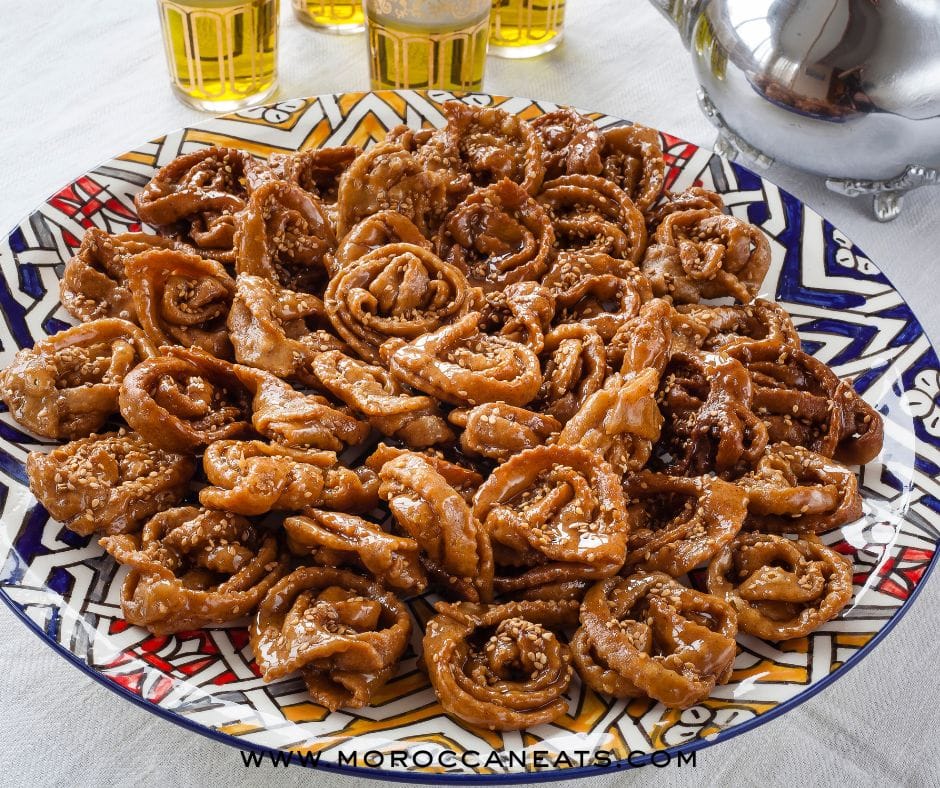
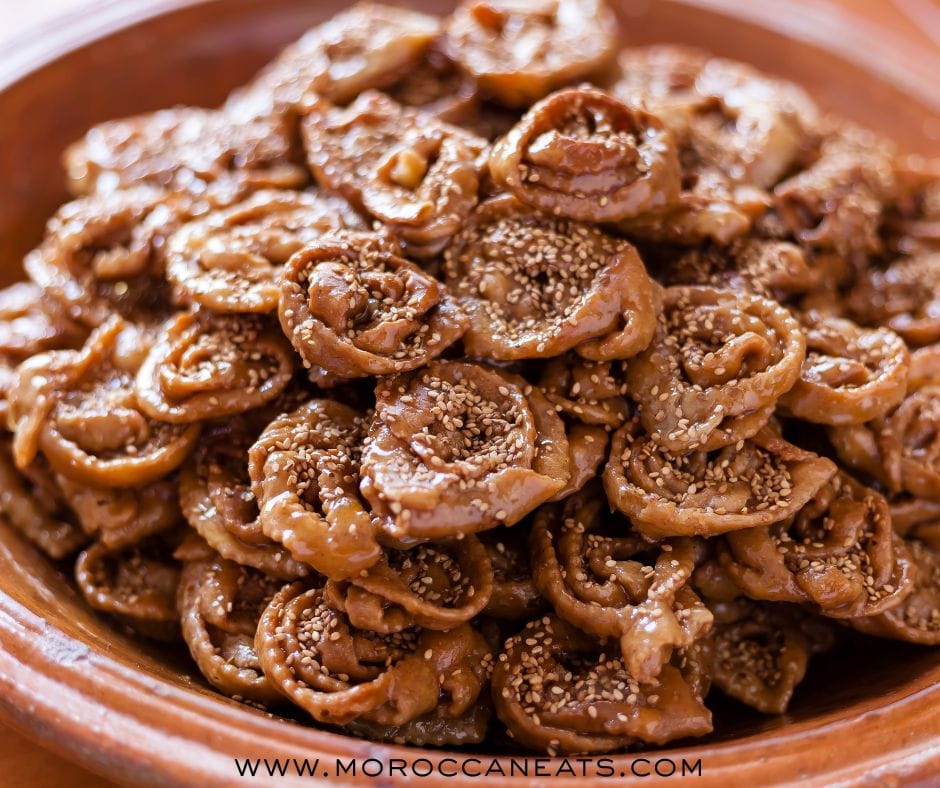
At its core, Chebakya is a golden, deep-fried pastry intricately shaped like a flower, soaked in rich honey, and sprinkled with toasted sesame seeds. Beyond its irresistible taste, this dessert carries centuries of tradition, reflecting Morocco’s rich history and vibrant culture.
Legend has it that Chebakya’s origins date back to Andalusian times, where culinary influences traveled across the Mediterranean and blended with Berber and Arab gastronomy. Over generations, Chebakya evolved, becoming a symbol of hospitality and spiritual connection, especially during the holy month of Ramadan.
Did you know? In Morocco, preparing Chebakya is often a family affair mothers, daughters, and grandmothers gather in warm kitchens, their laughter mixing with the sweet smell of fried dough and honey. It’s more than a dessert; it’s a shared memory.
Why Chebakya Matters During Ramadan
You might wonder: why is Chebakya so closely tied to Ramadan?
- Energy Booster: After a long day of fasting, the body craves immediate energy. Chebakya, with its sweet, carbohydrate-rich profile, offers a quick, satisfying boost.
- Tradition Keeper: In many Moroccan homes, it’s unthinkable to set an iftar table without a glistening pile of Chebakya next to a steaming pot of Mint Tea .
- Symbol of Generosity: Sharing Chebakya with neighbors and the less fortunate is a beautiful Ramadan tradition, emphasizing community and compassion.
The beauty of Chebakya isn’t just in its delicate twists or its honey-glazed finish it’s in the story it tells: a story of family, faith, and festivity.
Traditional Ingredients That Make Chebakya Special
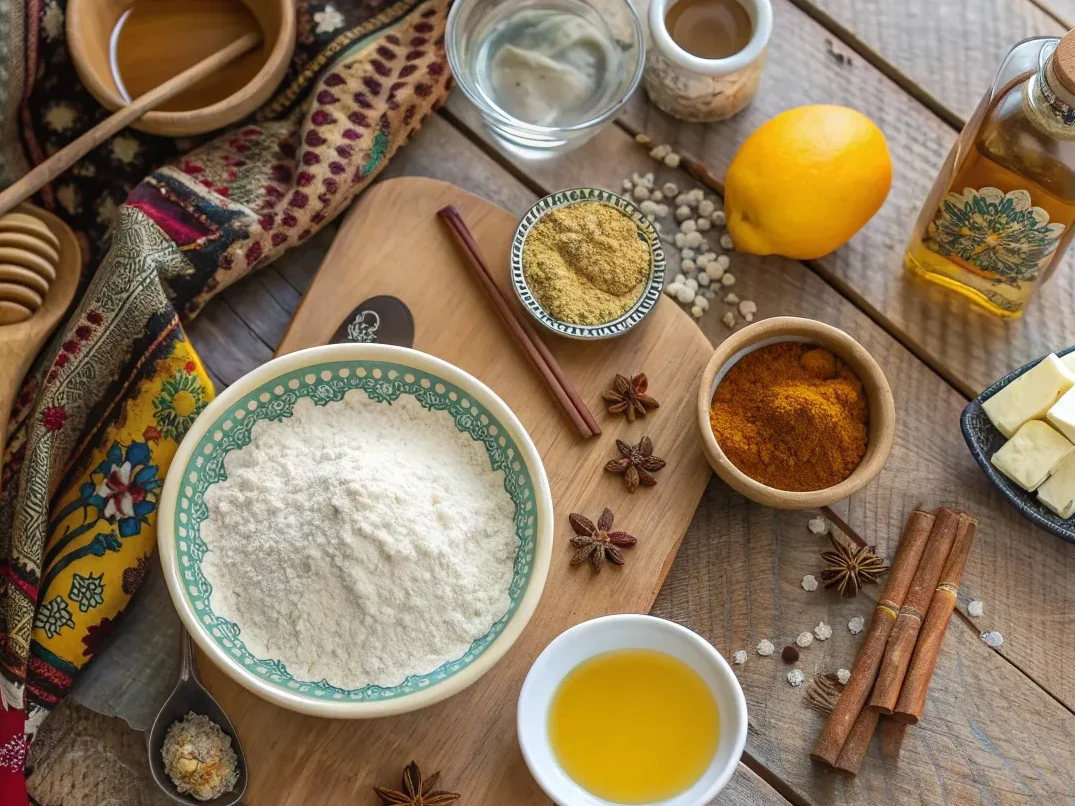
Key Ingredients: Honey, Sesame, and Spices
Have you ever wondered what gives Chebakya its unforgettable taste and signature aroma?
It’s all about the ingredients simple, natural, yet absolutely magical when combined with care.
Let’s take a closer look at what goes into crafting this iconic Moroccan dessert:
| Ingredient | Why It’s Essential |
|---|---|
| Flour | Forms the base of the dough, offering structure and softness. |
| Sesame Seeds | Toasted to perfection for a nutty crunch and earthy flavor. |
| Honey | The sweet coating that soaks into every fold, creating a luscious, sticky glaze. |
| Orange Blossom Water | Infuses the dough with a floral, aromatic depth that’s uniquely Moroccan. |
| Cinnamon & Anise Seeds | Adds warm, spicy undertones that enhance the overall complexity. |
| Turmeric | Gives the dough its beautiful golden hue and subtle earthiness. |
| Yeast | Helps make the dough light and easy to shape. |
Each ingredient isn’t just a component it’s a key player in building the flavor symphony that defines Chebakya.
The Role of Orange Blossom Water
If you ask any Moroccan baker about the secret to authentic Chebakya, they’ll probably whisper: orange blossom water.
This fragrant floral essence doesn’t just add a perfumed note it transforms the dough, giving it:
- A light, refreshing aroma that balances the richness of honey.
- A deeper, more complex flavor that lingers after every bite.
- A distinct identity that sets Chebakya apart from any other Ramadan dessert.
Tip: Always choose natural orange blossom water instead of synthetic flavorings for a true taste of Morocco!
Healthy Ingredient Variations
Looking to give your Chebakya a healthier twist without sacrificing tradition? You’re not alone many modern Moroccan households are getting creative!
Here are some smart swaps:
- Whole wheat flour instead of white flour for added fiber.
- Organic honey with minimal processing to keep nutrients intact.
- Baking instead of deep-frying for a lighter version (though purists might argue about the crunch!).
- Chia seeds or flax seeds mixed with sesame for a superfood boost.
Of course, the traditional recipe remains unbeatable, but it’s exciting to know that you can tweak Chebakya to suit your taste and lifestyle.
| Ingredient | Quantity | Notes |
|---|---|---|
| All-purpose flour | 500g (about 4 cups) | Sifted |
| Toasted sesame seeds | 100g (about 1 cup) | Finely ground, plus extra for topping |
| Honey | 500g (about 2 cups) | Warmed for coating |
| Orange blossom water | 4 tablespoons | For flavor and aroma |
| Butter | 50g (about ¼ cup) | Melted |
| Vegetable oil | 2 tablespoons | For dough mixture |
| White vinegar | 1 tablespoon | Enhances dough elasticity |
| Ground cinnamon | 1 teaspoon | For warmth and spice |
| Ground anise seeds | 1 teaspoon | Traditional Moroccan spice |
| Turmeric | ½ teaspoon | Natural coloring and subtle earthiness |
| Salt | 1 pinch | Balances sweetness |
| Dry yeast | 1 teaspoon | For lightness and slight fermentation |
| Water | As needed | To form a soft dough |
| Frying oil | For deep frying | Neutral oil like sunflower or canola |
Step-by-Step Guide: How to Make Authentic Chebakya
Preparing the Dough with Love
Making Chebakya might look complicated, but trust me once you understand the rhythm, it becomes a joyful ritual. Let’s dive right in!
Here’s how to start:
- Mix dry ingredients: In a large mixing bowl, combine your sifted flour, ground toasted sesame seeds, turmeric, cinnamon, anise seeds, yeast, and a pinch of salt.
- Incorporate the liquids: Add the melted butter, vegetable oil, vinegar, and orange blossom water to the dry mix. Gradually pour in lukewarm water, kneading gently.
- Form the dough: Knead until the dough is smooth and elastic, not sticky. Cover with a clean cloth and let it rest for about 30 minutes.
Pro Tip: A rested dough is easier to work with and gives Chebakya its tender bite!

Shaping the Iconic Flowers
This part is where the magic (and a little patience) happens!
Follow these easy steps:
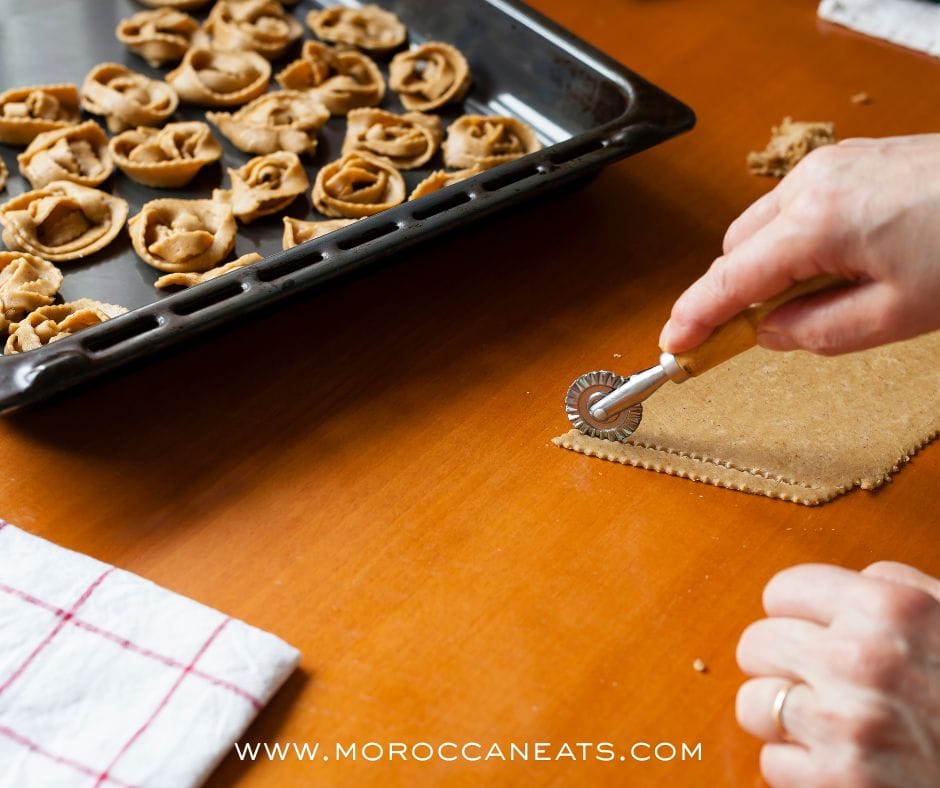
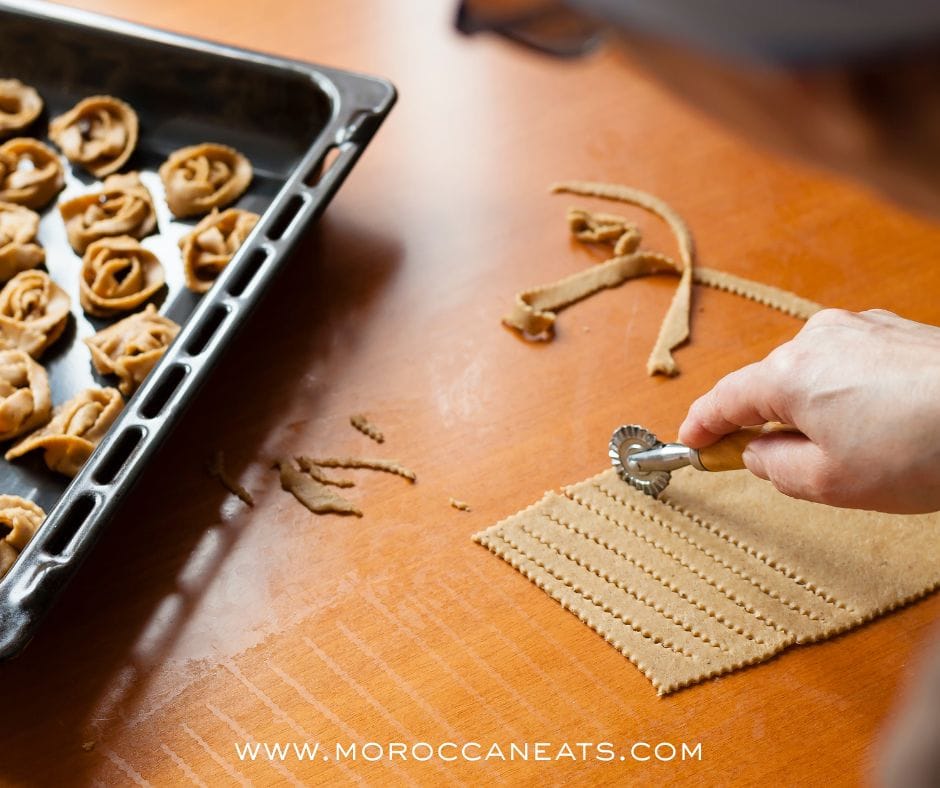
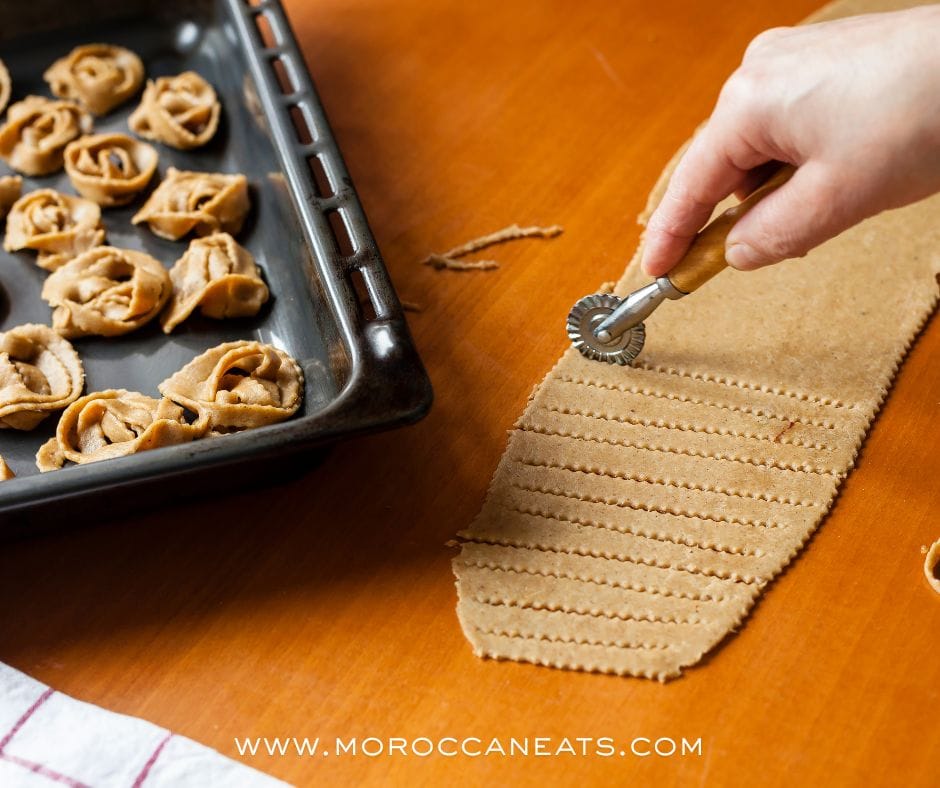
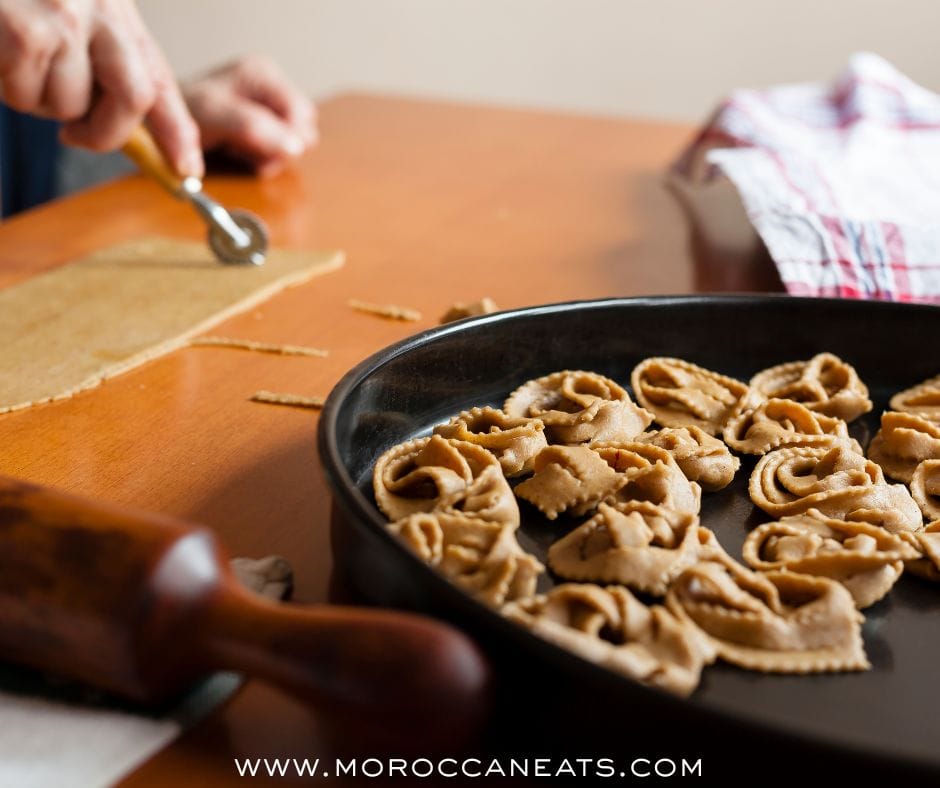
- Roll out the dough to about 3mm thickness.
- Cut into rectangles (around 8x5cm).
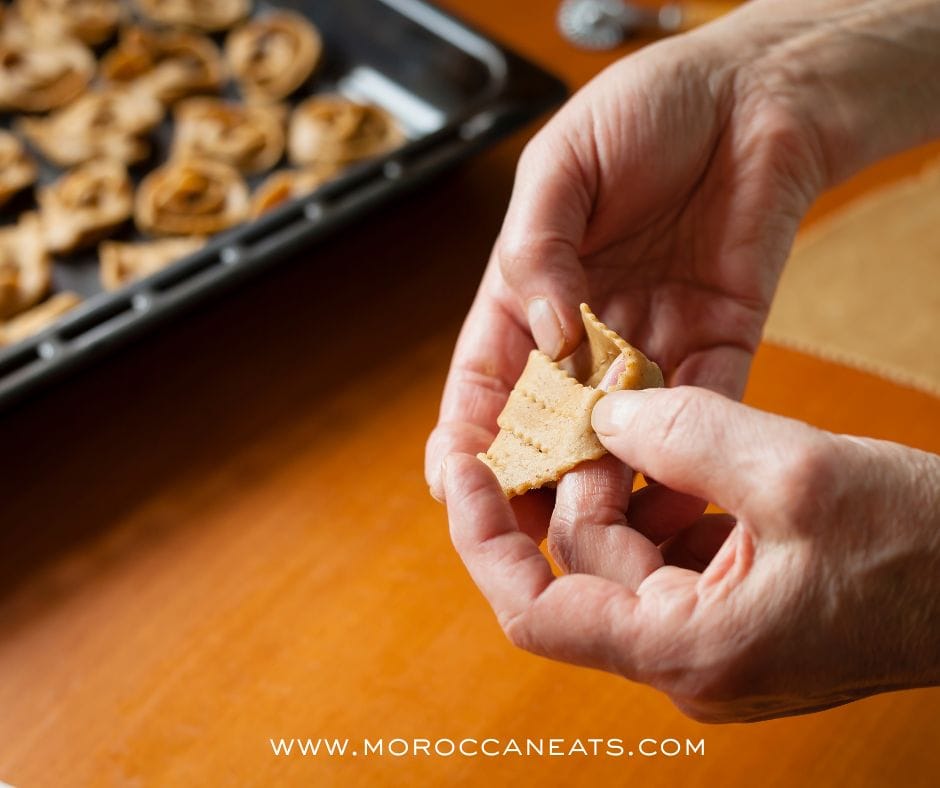
- Using a knife, make four to five small cuts across each rectangle without cutting all the way to the edges.
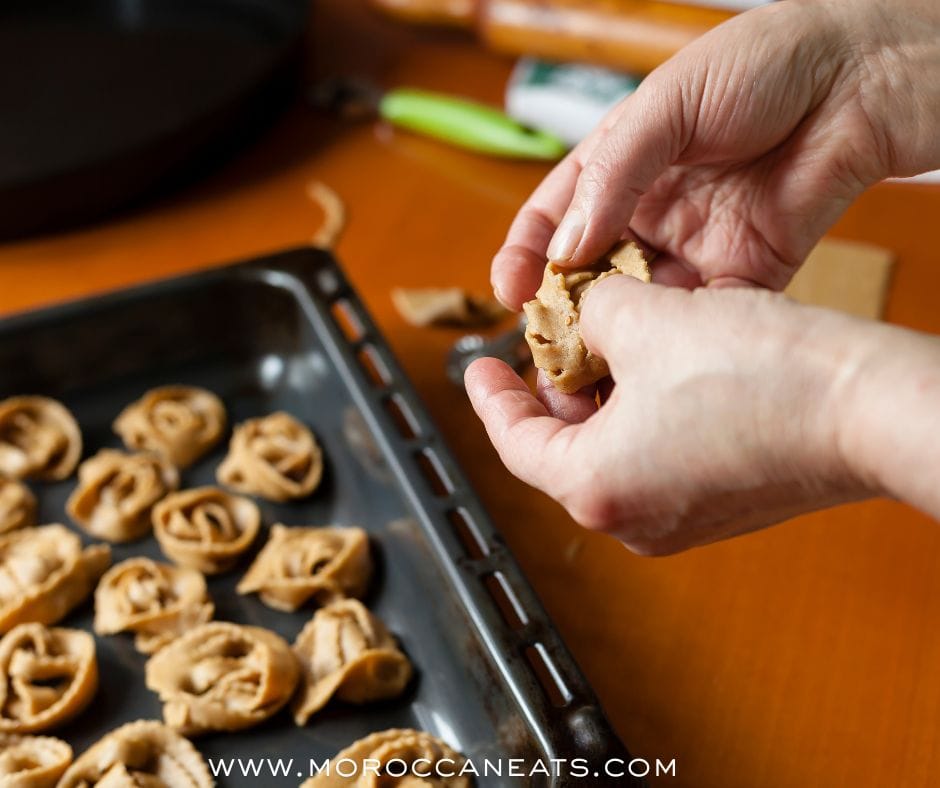
- Pick up the rectangle, weave your fingers through the slits, and pinch the ends together to create a beautiful flower shape.
Don’t worry if your first few flowers look a little “unique” shaping Chebakya is an art that improves with every try!
Frying and Glazing to Golden Perfection
Here comes the most satisfying part: turning the dough into golden, glossy delights.
Step-by-step frying and glazing:
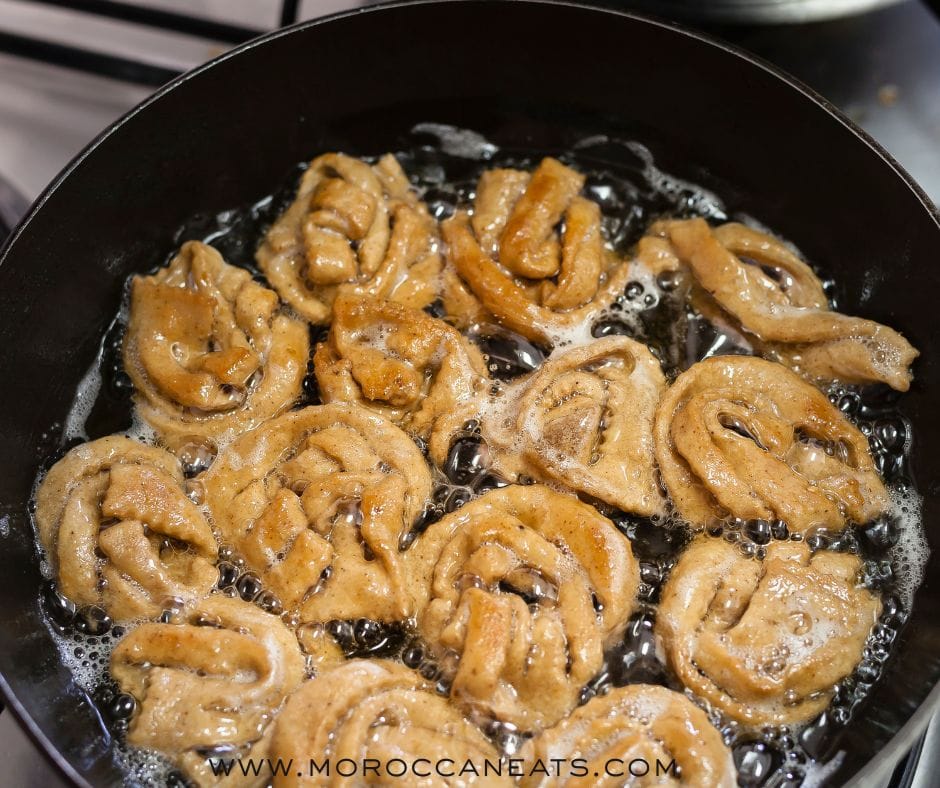
- Heat neutral oil (like sunflower oil) in a deep pan over medium heat.
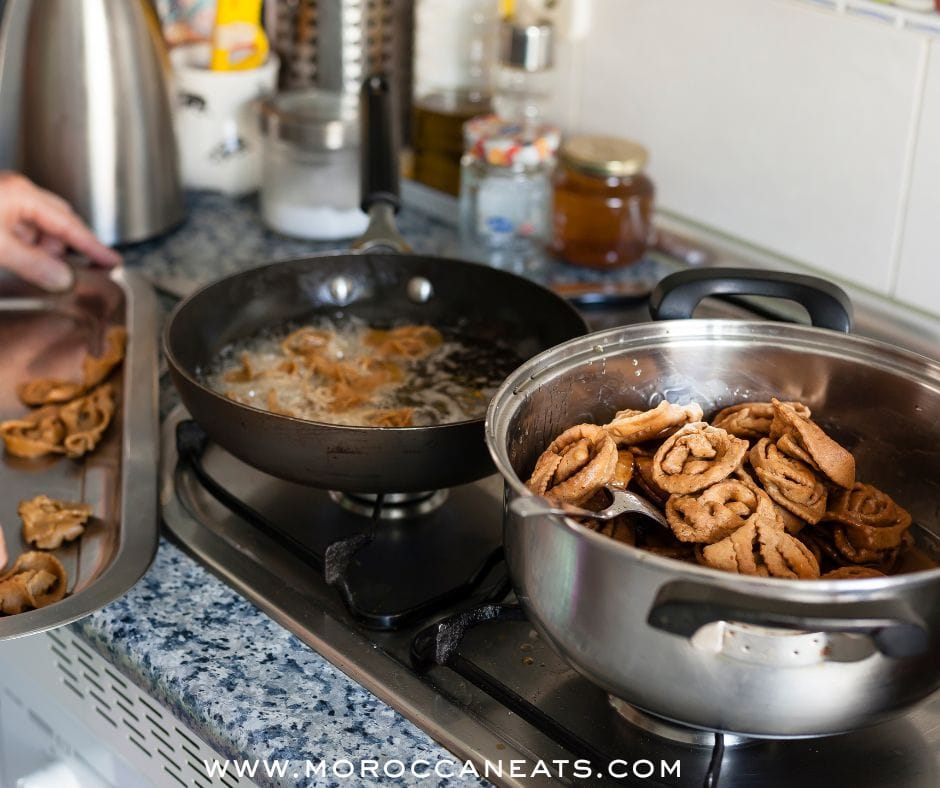
- Fry the shaped dough until golden brown, turning occasionally for even color.
- Drain briefly on paper towels to remove excess oil.
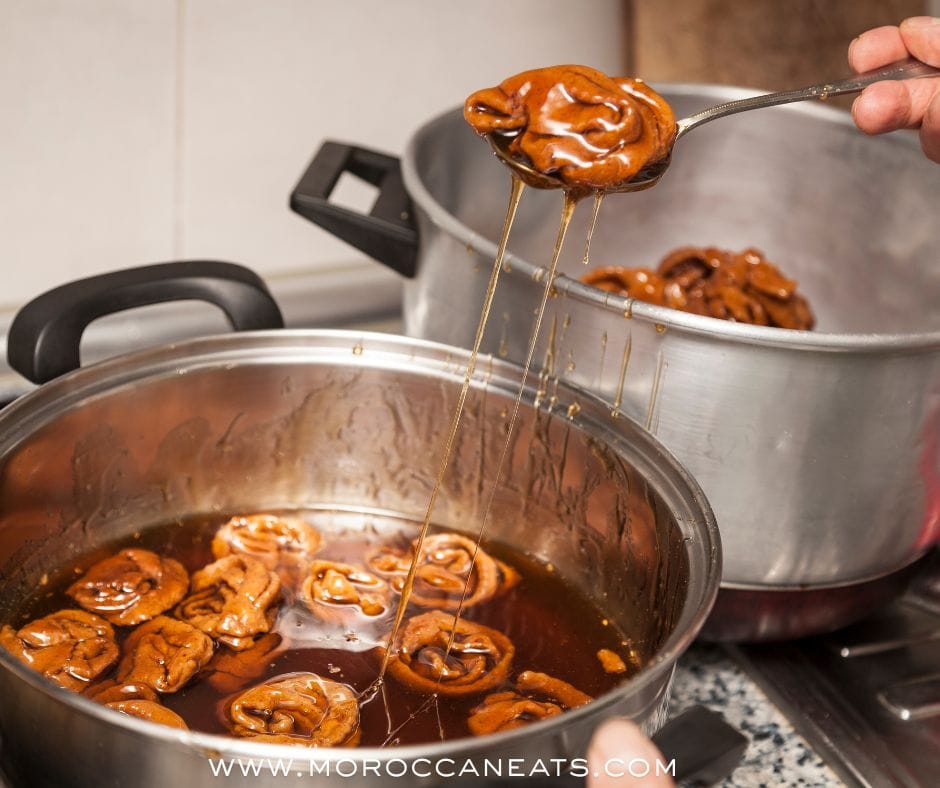
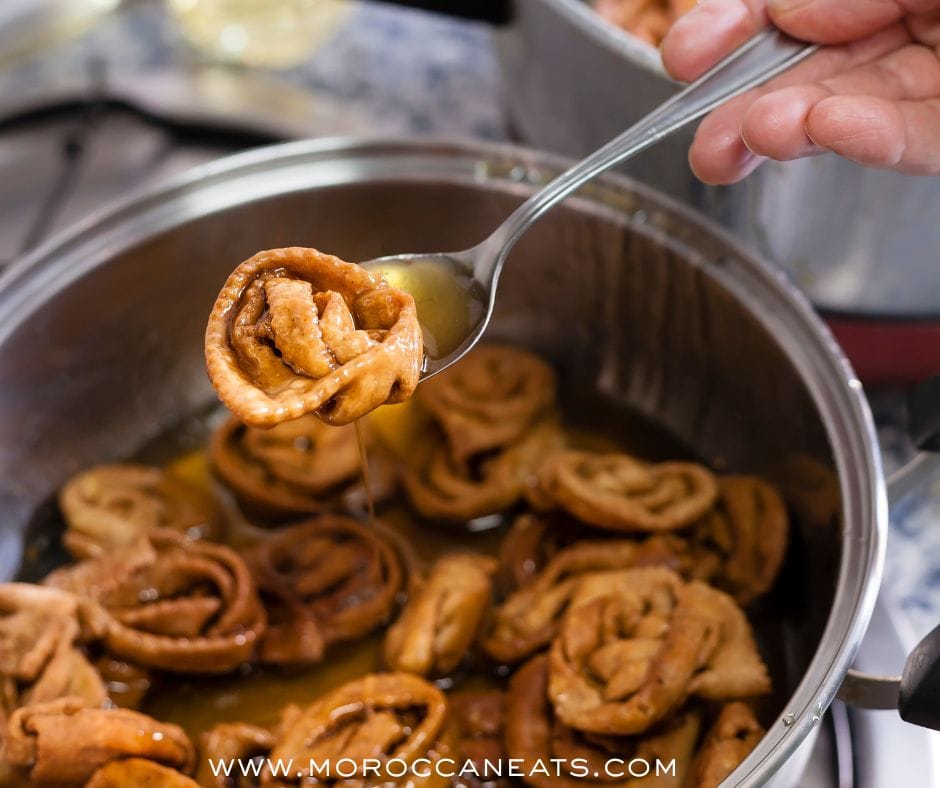
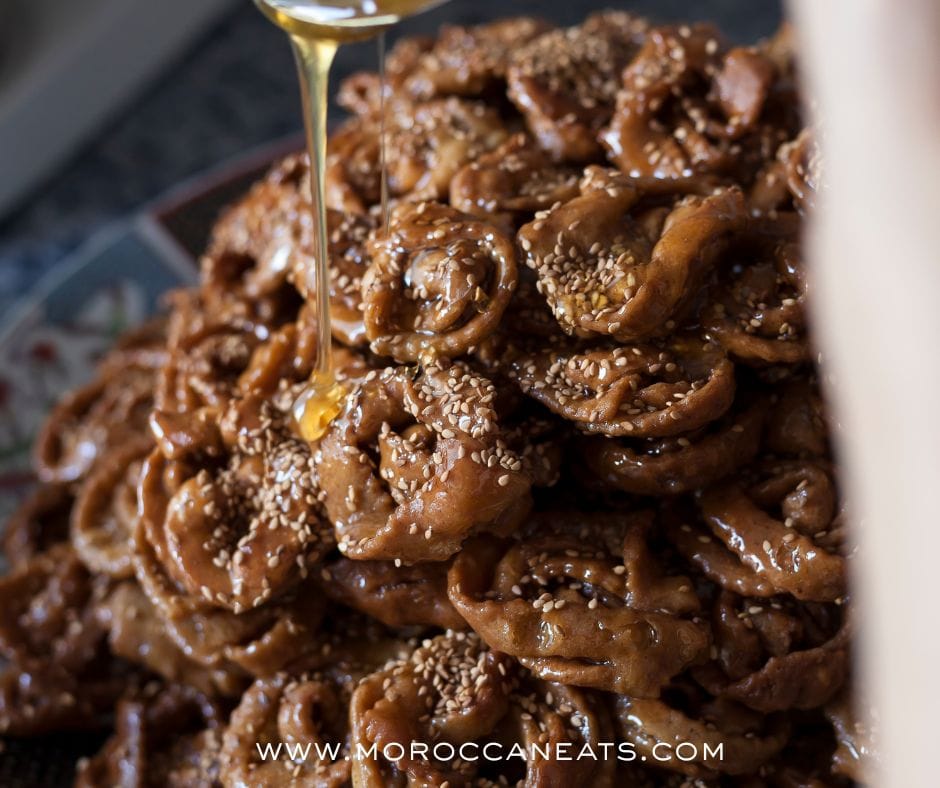
- Dip immediately into warm honey mixed with a splash of orange blossom water.
- Sprinkle toasted sesame seeds generously over the glazed pastries.
And voilà your kitchen now smells like a Moroccan dream!
Tips for Perfect Chebakya Every Time
Mastering the Dough Texture
If you’ve ever felt frustrated that your Chebakya turned out too tough or too soft, don’t worry you’re definitely not alone!
The secret lies in the dough’s elasticity.
Here’s how to get it just right:
- Use lukewarm water when mixing your dough it activates the yeast without killing it.
- Knead patiently for at least 10 minutes to build enough gluten for stretch and flexibility.
- Rest the dough under a damp cloth to prevent drying out before shaping.
“In every fold of dough lies a little piece of tradition knead it with patience, shape it with love.” — Moroccan Proverb
Shaping Like a Pro
Shaping Chebakya into its stunning flower-like designs can feel tricky at first, but don’t stress it gets easier with practice.
Follow these shaping tips:
- Flour your work surface lightly so the dough doesn’t stick but remains easy to weave.
- Cut consistent strips to ensure even frying and beautiful symmetry.
- Pinch firmly after weaving the strips, so they don’t unravel in the oil.
Pro Tip: If you’re making a big batch, cover the shaped pieces with a clean cloth while you work to prevent drying.
Frying and Dipping Secrets
Ever wonder why some Chebakya is gloriously crispy yet melts in your mouth, while others turn greasy or heavy?
Here’s the magic formula:
- Oil temperature matters: Heat oil to about 170°C (340°F) if it’s too hot, the pastries will burn; too cold, they’ll soak up oil.
- Don’t overcrowd the pan: Fry in small batches to keep the oil temperature steady.
- Warm your honey before dipping: This makes it thinner and easier for the Chebakya to absorb that golden sweetness without becoming soggy.

Why Chebakya Is a Must-Have for Ramadan and Celebrations
A Sweet Tradition on Every Iftar Table
Have you ever wondered why Chebakya is so deeply woven into the heart of Moroccan Ramadan celebrations? It’s more than just a dessert it’s a symbol of togetherness, generosity, and heritage.
During Ramadan, when families gather to break their fast at sunset, Chebakya holds a proud, central spot among the dishes. Its sweet, honey-soaked layers provide an instant boost of energy after a day of fasting, making it not just delicious but deeply practical.
Picture it: a golden platter of Chebakya, glistening under the soft glow of lanterns, next to a pot of fragrant Harira soup and fresh dates doesn’t that just feel like a warm hug after a long day?
More Than Just a Dessert A Symbol of Love
Chebakya isn’t only enjoyed during Ramadan. It’s a beloved guest at weddings, Eid celebrations, and family gatherings, where it symbolizes sweetness, happiness, and prosperity.
Here’s why Chebakya is so emotionally meaningful:
- Handcrafted with care: Every twist and fold speaks of the love poured into its preparation.
- Shared with others: Offering Chebakya is a beautiful Moroccan tradition of hospitality and generosity.
- Passed down through generations: Grandmothers teach granddaughters how to knead, shape, and fry preserving precious family traditions.
In Moroccan homes, Chebakya isn’t just food it’s a story passed from hand to hand, heart to heart.
Why Your Celebrations Need Chebakya Too
Even if you’re not Moroccan, adding Chebakya to your festive table will instantly elevate the atmosphere. Here’s why you should consider it:
- Unique cultural flair: It’s a conversation starter that introduces guests to Moroccan traditions.
- Perfect pairing: Chebakya pairs beautifully with mint tea, coffee, or even served as a luxurious brunch treat.
- Homemade magic: Few desserts capture the love and warmth of a homemade Chebakya it truly makes a celebration feel extra special.
If you’re looking to bring an authentic, unforgettable flavor to your next celebration, Chebakya is a choice your guests will rave about!
Conclusion: A Sweet Invitation to Moroccan Tradition
There’s something deeply magical about traditions that survive the test of time and Chebakya is no exception.
It’s more than a sweet; it’s a reminder of joyful gatherings, late-night talks over tea, and the universal language of delicious food. Whether you savor it with family during Ramadan or treat yourself on a cozy afternoon, Chebakya offers a heartwarming connection to Morocco’s rich culinary tapestry.
So why not bring a taste of Morocco into your own kitchen?
Trust me one bite of this addictive sweet sensation, and you’ll understand why Chebakya has captured hearts for centuries.

Q&A: Everything You Need to Know About Chebakya
Q: Is Chebakya only eaten during Ramadan?
A: While Chebakya is most famously associated with Ramadan, it’s also enjoyed during weddings, special gatherings, and festive celebrations throughout the year.
Q: How long can you store Chebakya?
A: Properly stored in an airtight container, Chebakya can stay fresh for up to 2-3 weeks. Some even say it tastes better a few days after making it!
Q: Can I make a healthier version of Chebakya?
A: Absolutely! You can bake the pastries instead of deep-frying and use natural sweeteners like organic honey for a lighter twist.
Q: What’s the secret to getting that perfect golden color?
A: The key is frying the pastries at the right temperature not too hot, not too cold and coating them in warm honey right after frying.