

Introduction
Have you ever wandered through a city where the streets themselves feel like a restaurant? That’s exactly what happens when you step into Morocco’s bustling food markets. The aroma of sizzling skewers, the sweetness of honey-dipped pastries, and the refreshing pour of mint tea create an experience that lingers long after your trip.
This guide is your ticket to exploring the most famous Moroccan street foods from savory dishes like tangia to sweet delights such as chebakia. Along the way, you’ll uncover not just flavors but also the culture, traditions, and hospitality that make Moroccan street food truly unforgettable.
Key Takeaways
- Moroccan street food is culture on a plate blending Berber, Arab, and Andalusian influences.
- Savory must-tries include tangia, msemen, brochettes, and harira.
- Sweet treats like chebakia, sfenj, and sellou balance richness with tradition.
- Street drinks such as mint tea, orange juice, and avocado-date smoothies complete the food experience.
- Best places to eat are Marrakech’s Jemaa el-Fnaa, Essaouira’s fish market, and Fez’s historic medina.
Table of Contents
The Rich Culture of Moroccan Street Food
Street food in Morocco isn’t just about grabbing a quick bite it’s a vibrant cultural experience that tells a story with every dish. Imagine walking through a bustling medina, the air filled with the aroma of sizzling brochettes, freshly baked msemen, and sweet pastries dripping with honey. You’re not only tasting food; you’re tasting centuries of tradition, history, and community spirit.
Why Street Food Is Central to Moroccan Life
In Morocco, food is more than nourishment it’s a way to connect. Street vendors aren’t just selling dishes; they’re sharing family recipes passed down through generations. Stopping by a food stall often leads to a warm conversation, a quick story about how the dish is made, or even an invitation to try something off the menu.
Here’s why Moroccan street food is so beloved:
- Accessibility: Affordable and available everywhere, from Marrakech to Essaouira.
- Community connection: Eating in markets like Jemaa el-Fnaa is a social activity, not a solitary one.
- Cultural heritage: Recipes often reflect Morocco’s mix of Berber, Arab, and Andalusian influences.
This explains why Moroccan street food is often called the “heartbeat of daily life.” Every bite carries a sense of belonging.
The Role of Spices in Moroccan Flavors
What makes Moroccan street food unforgettable? The spices. A simple skewer of meat transforms into a mouthwatering feast with the addition of cumin, paprika, saffron, or ras el hanout (a special spice blend unique to each vendor).
If you’ve ever wondered why dishes taste so complex yet balanced, it’s because Moroccan cooks master the art of layering flavors. Instead of overpowering ingredients, they let spices work together in harmony. The result? Food that excites your taste buds and lingers in your memory long after you leave the market.
Markets and Food Stalls as Social Hubs
Step into a Moroccan food market, and you’ll notice something instantly: these aren’t just places to eat they’re places to live. Stalls are filled with laughter, music, and the energy of locals and travelers coming together.
- Marrakech’s Jemaa el-Fnaa: Known for its lively evening food stalls.
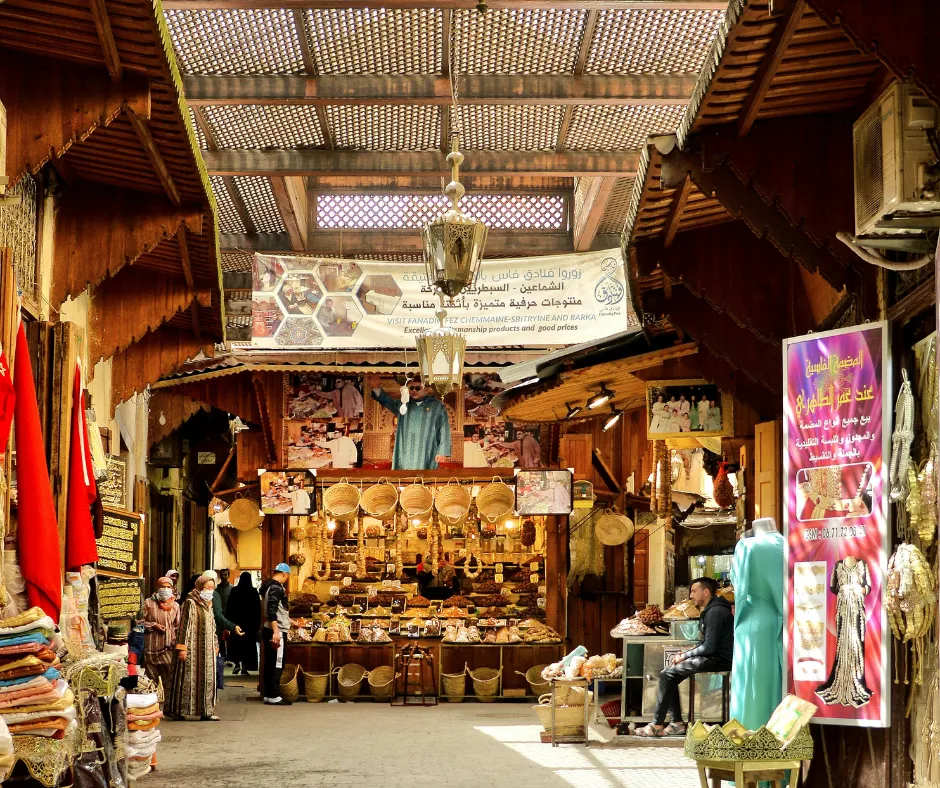
- Fez Medina: Narrow streets hide some of the best traditional snacks.
- Essaouira: Coastal markets where fresh seafood takes center stage.
It’s here that Moroccan street food becomes more than food it becomes an experience.
Must-Try Savory Moroccan Street Foods
Moroccan street food is where simple ingredients meet bold flavors. If you’ve ever walked through the lively streets of Marrakech or Fez, you’ll know the irresistible pull of sizzling grills, fresh bread, and bubbling clay pots. But which dishes are absolute must-tries? Let’s break down the savory stars you shouldn’t miss.
Tangia – Marrakech’s Iconic Clay-Pot Dish
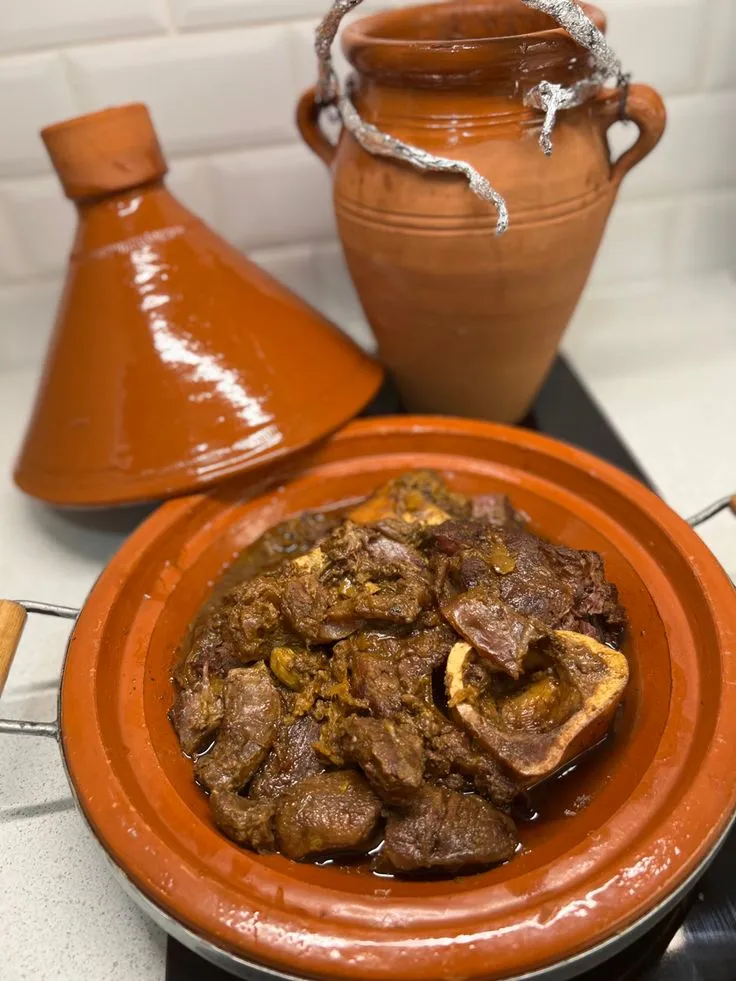
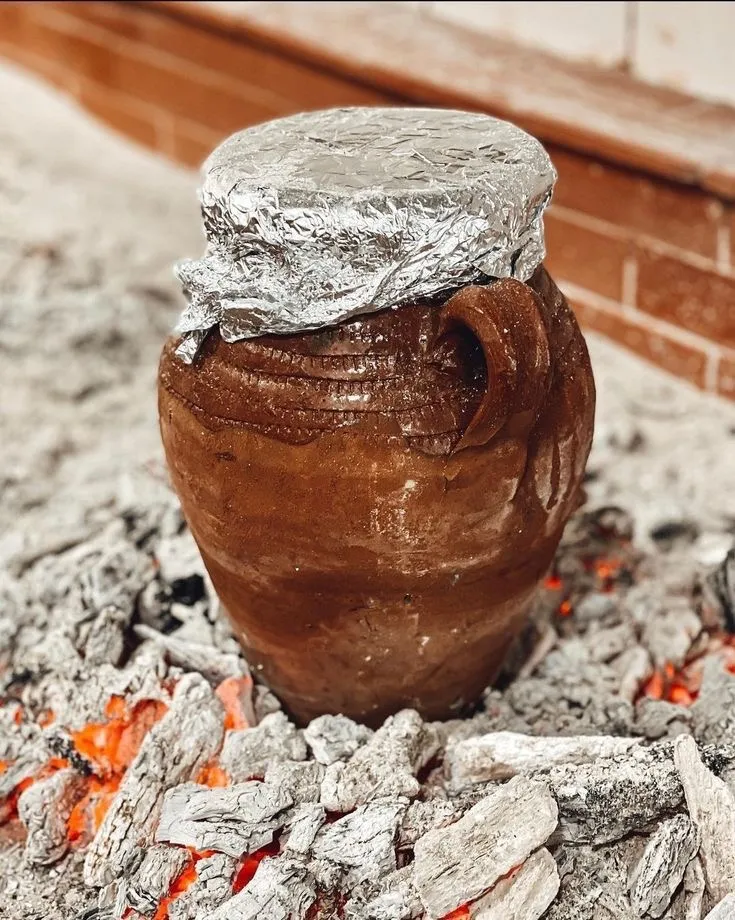
Tangia isn’t just food it’s a story in a pot. Traditionally slow-cooked by men and enjoyed in Marrakech, this dish combines tender lamb or beef with garlic, preserved lemons, saffron, and cumin. The clay pot is sealed and cooked in communal ovens, often at the local hammam, giving it a smoky depth of flavor.
Tangia Ingredient Essentials:
| Ingredient | Quantity |
|---|---|
| Lamb or beef | 1 kg |
| Garlic cloves | 5–6, minced |
| Preserved lemon | 1, chopped |
| Cumin | 2 tsp |
| Saffron threads | A pinch |
| Olive oil | 3 tbsp |
Msemen – Crispy Moroccan Flatbread
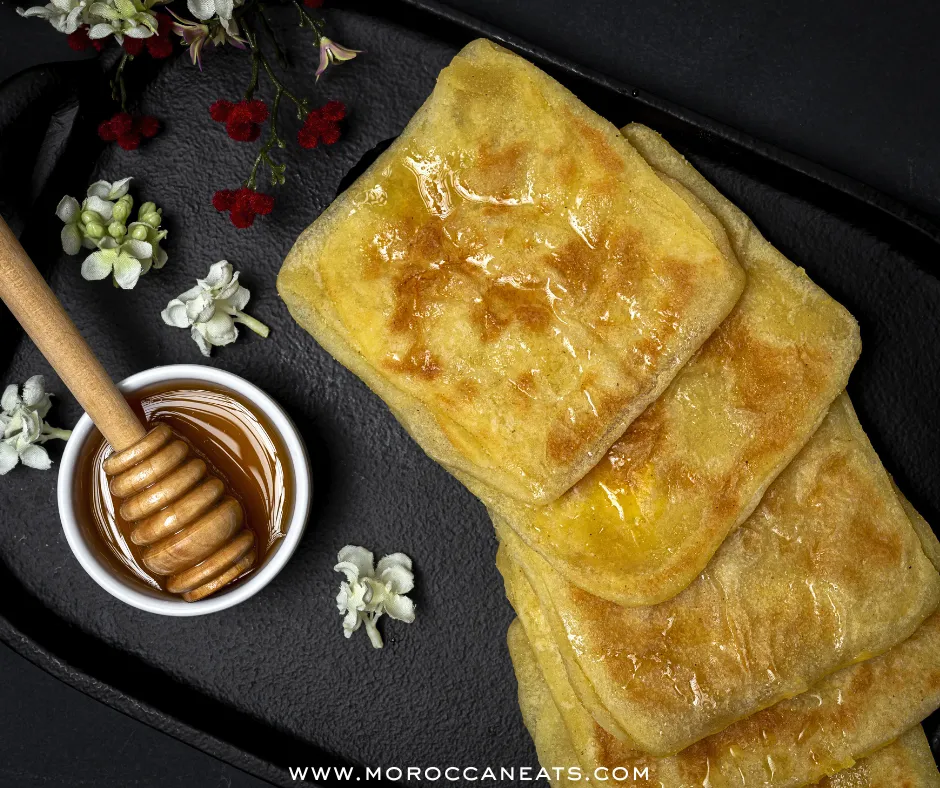
If you’ve never tried msemen, imagine a buttery, flaky flatbread that’s pan-fried to perfection. Often served with honey or stuffed with onions and spices, msemen is a quick street snack you’ll see everywhere. It pairs beautifully with a glass of mint tea.
What makes it special? Its texture a delightful mix of crisp edges and soft layers inside.
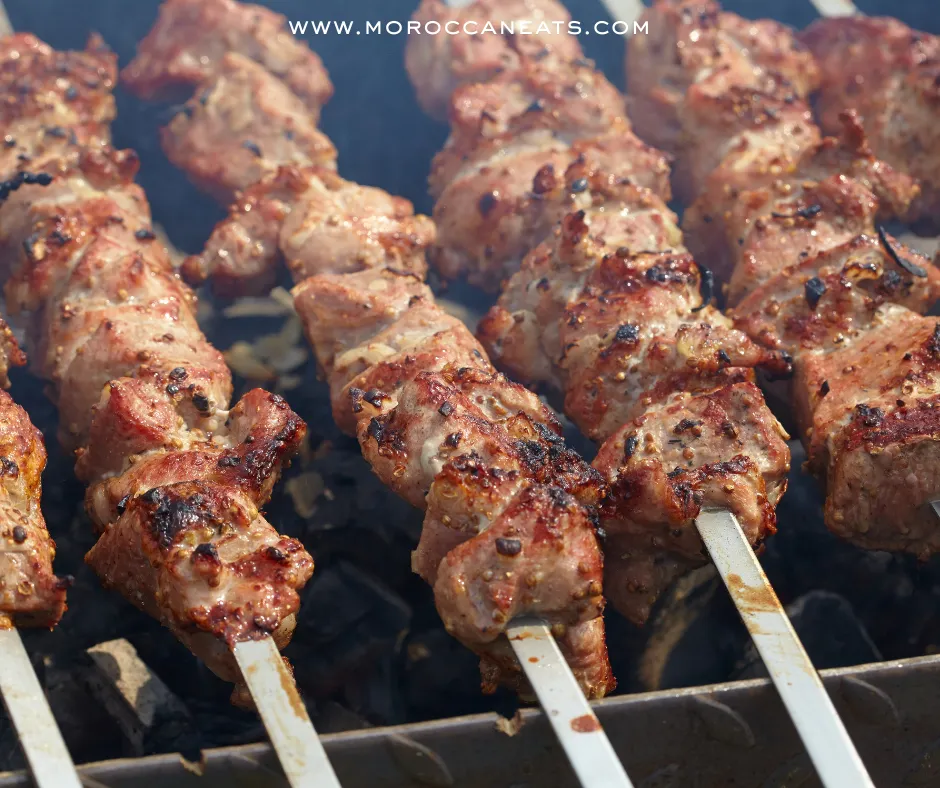
Brochettes – Grilled Moroccan Meat Skewers
Juicy, smoky, and seasoned to perfection, Moroccan brochettes are the ultimate grab-and-go street food. Vendors grill skewers of beef, lamb, or chicken over open flames, brushing them with spiced marinades.
Top tip: Always order them fresh off the grill for the best flavor.
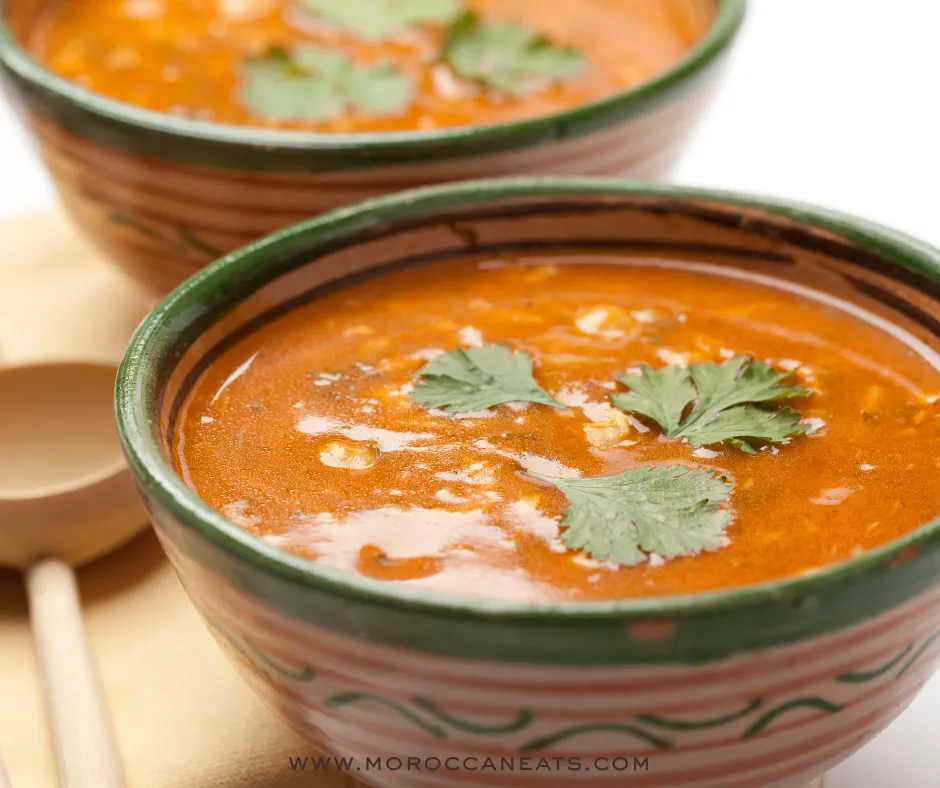
Harira – Nourishing Soup for All Occasions
Harira is more than a soup it’s a warm embrace in a bowl. Packed with tomatoes, lentils, chickpeas, and fresh herbs, it’s especially popular during Ramadan but is also a street favorite year-round. Vendors often serve it with dates or chebakia (sweet pastries) for balance.
Why These Savory Dishes Matter
Each of these foods reflects Morocco’s diversity:
- Tangia brings the slow-cooked traditions of Marrakech.
- Msemen offers comfort and versatility.
- Brochettes show Morocco’s love for grilled flavors.
- Harira reflects the balance of nourishment and hospitality.
Together, they tell the story of Morocco’s culinary soul accessible, flavorful, and rooted in community.
Sweet Moroccan Street Food Delights
Morocco’s street food isn’t only about savory flavors its sweets are just as iconic. Whether you’re exploring Marrakech at night or enjoying a quiet morning in Fez, you’ll find vendors serving golden pastries, honey-drenched treats, and simple fried delights that bring pure joy with every bite.
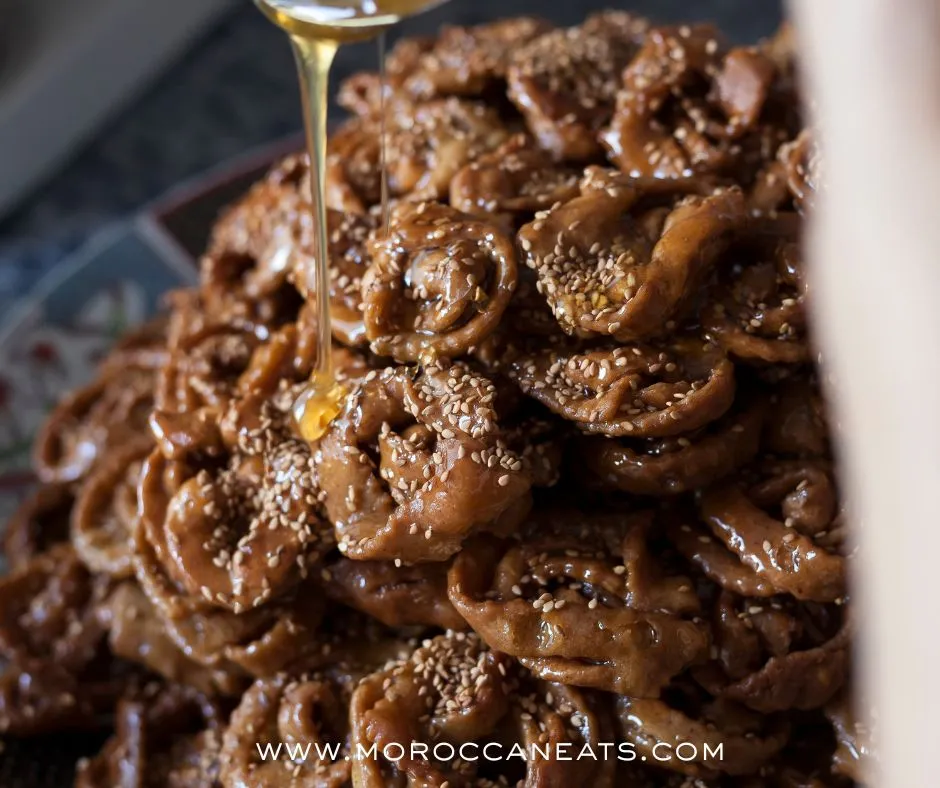
Chebakia – Honey-Coated Pastry
Chebakia is Morocco’s most beloved festive sweet, often prepared during Ramadan. These flower-shaped pastries are fried until golden, then dipped in honey and sprinkled with sesame seeds. Crunchy on the outside, sticky and sweet on the inside, they’re a true indulgence.
Perfect pairing: A warm bowl of harira soup to balance the sweetness.
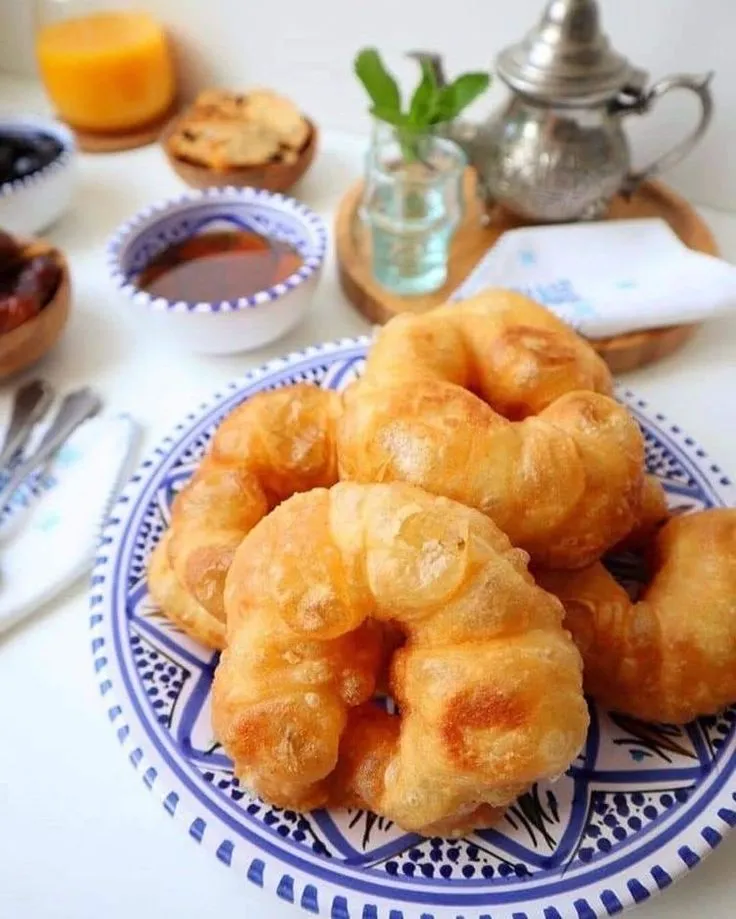
Sfenj – Moroccan Donuts
If you’re craving comfort food, look no further than sfenj. These deep-fried dough rings are Morocco’s answer to donuts crispy on the outside, fluffy inside, and dusted with sugar if you like a sweeter bite. Vendors serve them fresh, often early in the morning or late at night.
Pro tip: Dip them into Moroccan mint tea for a heavenly combo.
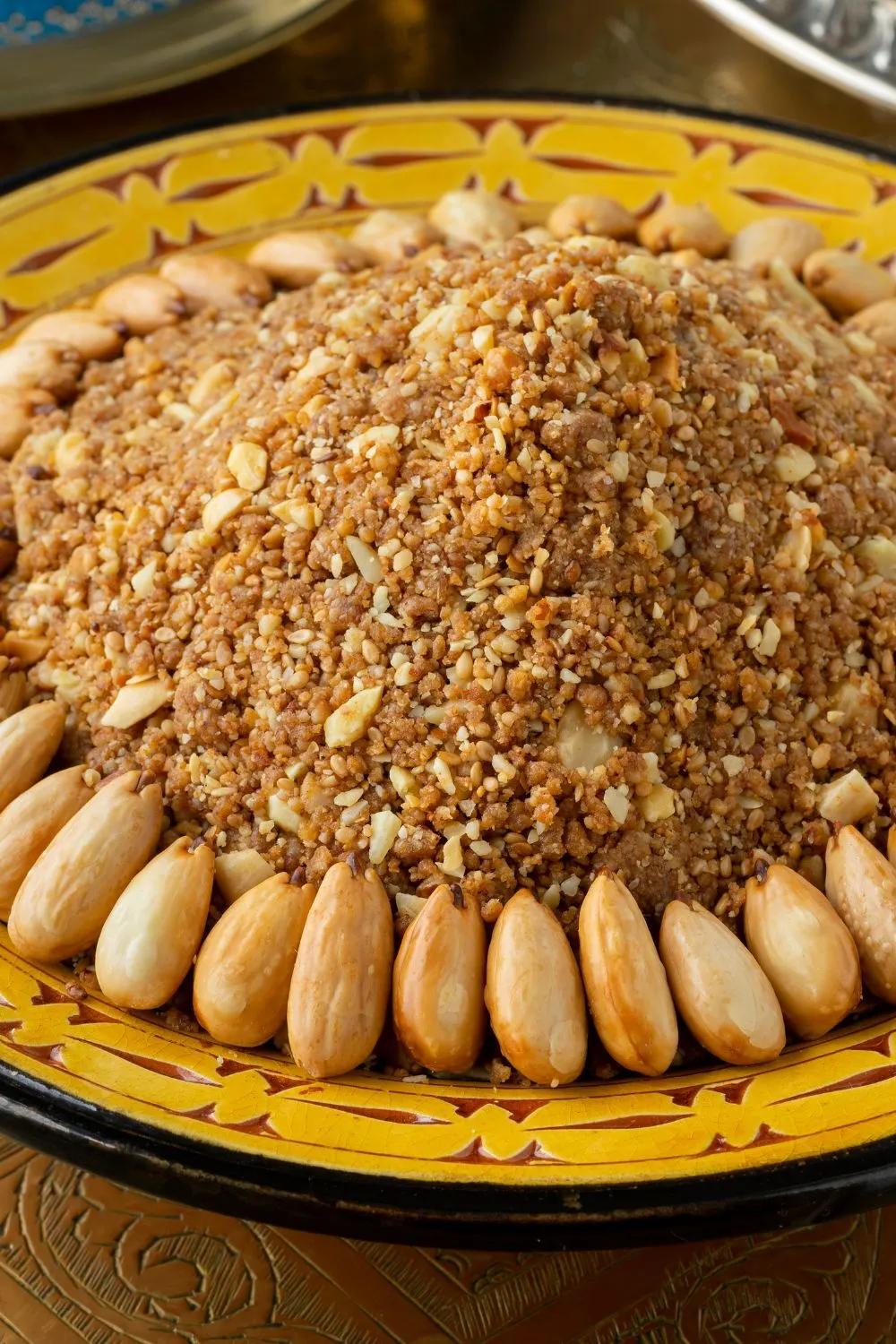
Sellou – Nutty Energy Snack
Sellou is a unique Moroccan sweet that combines roasted flour, almonds, sesame seeds, and honey into a crumbly, nutty mixture. Traditionally eaten during celebrations, it’s also a fantastic street snack that gives you an energy boost after a long day of exploring.
Why Moroccan Sweets Are Unforgettable
These sweet street foods stand out not just for their flavors, but for the role they play in Moroccan life. They:
- Celebrate tradition (Chebakia in Ramadan).
- Offer comfort (Sfenj with tea on chilly evenings).
- Provide energy (Sellou for busy days of travel).
If savory foods are Morocco’s heartbeat, its sweets are the warm embrace you’ll remember forever.
Street Drinks That Complete the Experience
No Moroccan street food journey is complete without the drinks that bring balance, refreshment, and an extra layer of joy. Whether you’re cooling down after a plate of brochettes or pairing sweets with something soothing, Moroccan street drinks are as essential as the food itself.
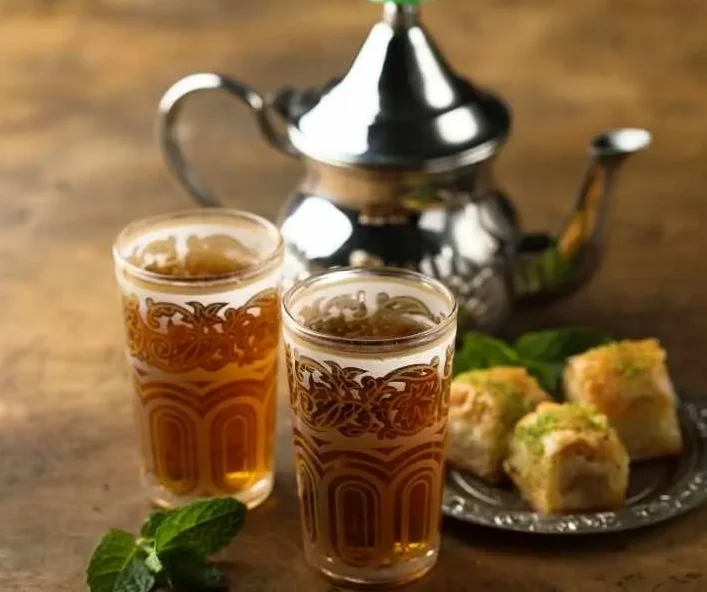
Moroccan Mint Tea
Known as “atay”, Moroccan mint tea is more than a drink it’s a ritual of hospitality. Vendors prepare it with green tea, fresh mint leaves, and plenty of sugar, pouring it from a height to create a foamy top.
- When to try it: Anytime, but especially after a rich meal.
- Why it’s special: The blend of freshness and sweetness feels like the perfect reset button for your palate.
- Cultural insight: Sharing mint tea is considered a gesture of welcome and friendship in Morocco.
Freshly Squeezed Orange Juice
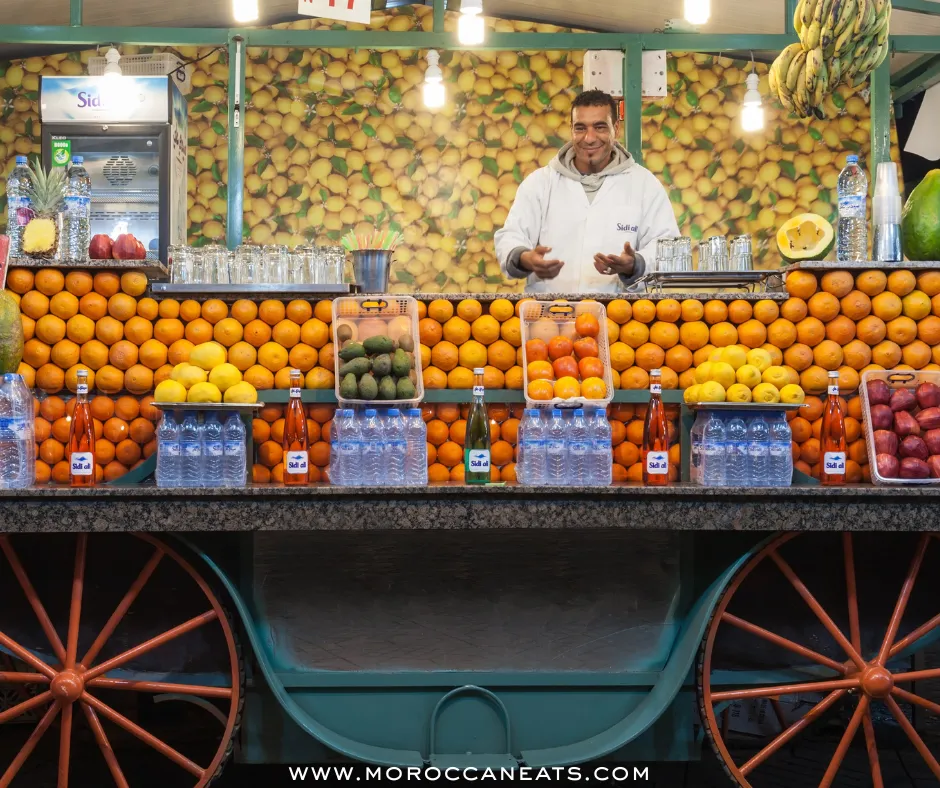
If you visit Jemaa el-Fnaa in Marrakech, the sight of orange juice stalls lined up is unforgettable. Vendors squeeze oranges right in front of you, serving a glass so fresh and sweet that you’ll wonder if you’ve ever truly tasted oranges before.
- Best enjoyed: During hot afternoons while exploring the market.
- Insider tip: Look for vendors with big crowds locals always know the best stalls.
Avocado & Date Smoothies
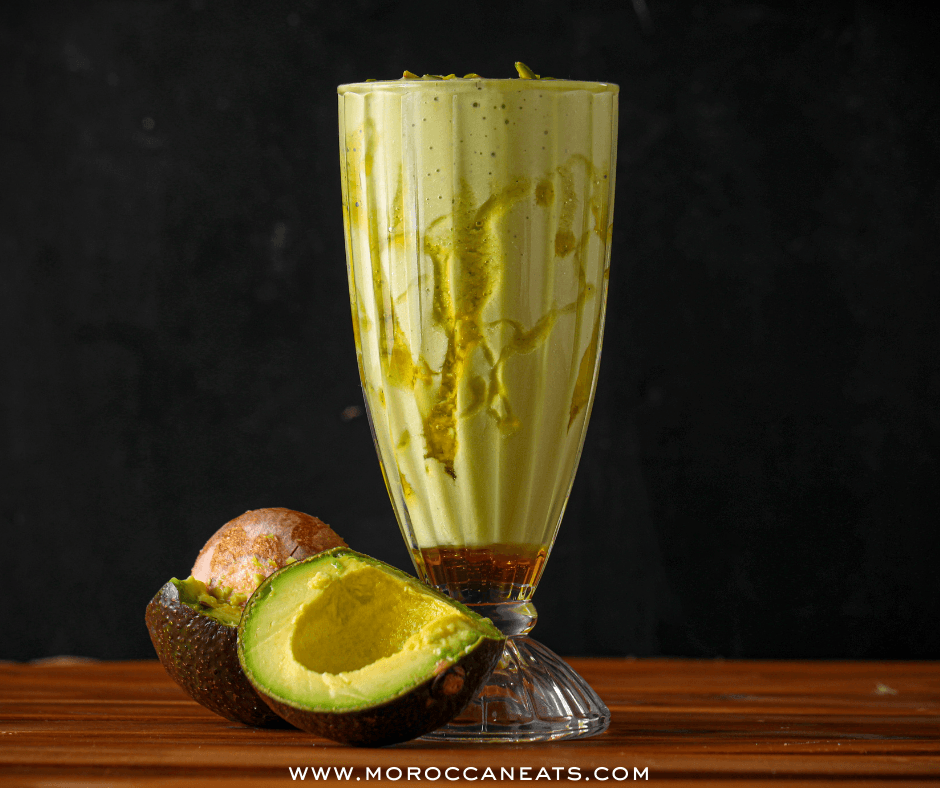
While mint tea and orange juice are the classics, avocado and date smoothies are Morocco’s modern street favorite. Blended until creamy, this drink is both refreshing and filling a natural energy boost for long walks through the medina.
- Why travelers love it: It’s sweet, nutritious, and uniquely Moroccan.
- Perfect pairing: Enjoy it with msemen or sfenj for a balanced street snack.
Why Moroccan Street Drinks Matter
What sets Moroccan street drinks apart is their connection to everyday life. They aren’t just refreshments; they reflect the country’s climate, culture, and hospitality. Whether it’s the elegance of mint tea, the simplicity of fresh juice, or the richness of smoothies, each drink completes the street food experience in its own way.
Best Places to Experience Moroccan Street Food
One of the best parts of exploring Morocco is discovering where its famous street foods come alive. Each city adds its own twist whether it’s the smoky flavors of Marrakech, the coastal freshness of Essaouira, or the historic charm of Fez. If you’re wondering where to dive in first, here are the top spots that truly capture Morocco’s street food magic.
Jemaa el-Fnaa in Marrakech
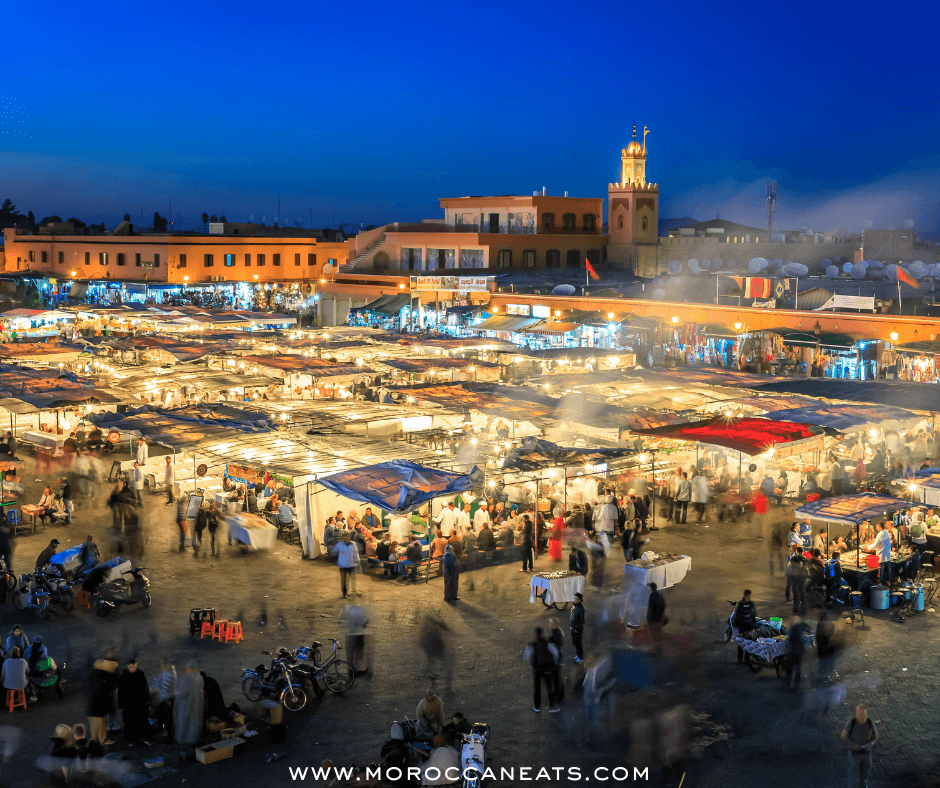
If there’s one place every foodie should visit, it’s Jemaa el-Fnaa, the beating heart of Marrakech. By day, the square is filled with snake charmers, musicians, and storytellers. By night, it transforms into a massive open-air food court, with dozens of stalls serving everything from tangia to sizzling brochettes.
- Signature dishes: Tangia, grilled meats, fresh orange juice.
- Best time to visit: Evening, when the square comes alive with music and lights.
- Why it’s special: It’s not just food it’s a sensory spectacle.
Essaouira Fish Market
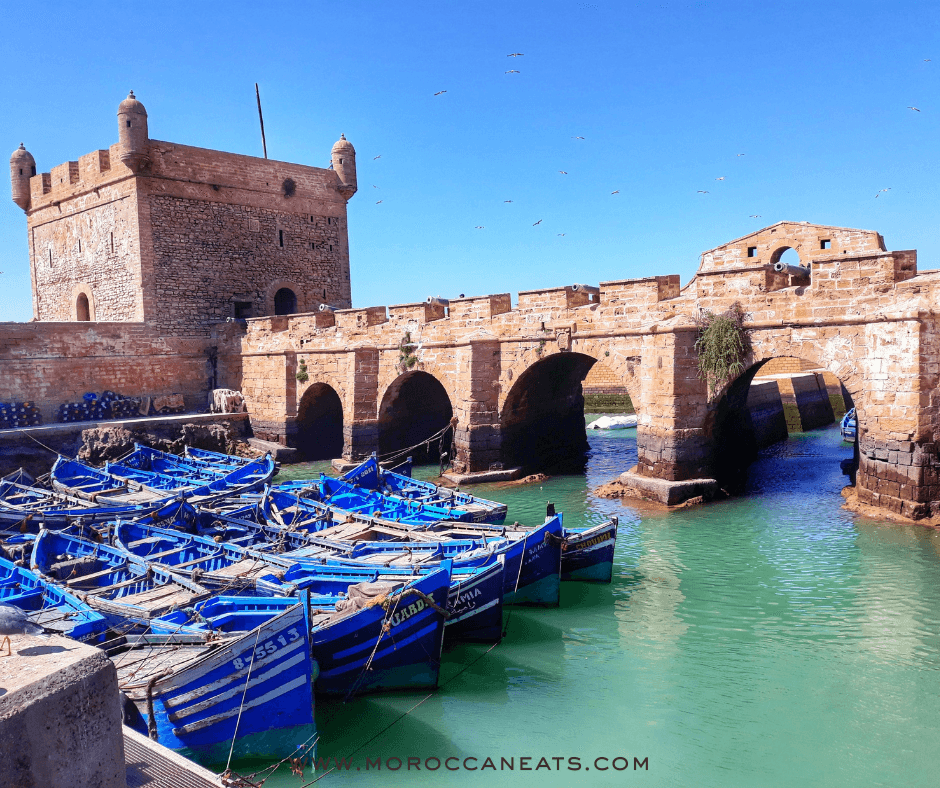
On Morocco’s breezy Atlantic coast, Essaouira is a paradise for seafood lovers. The fish market is where locals and travelers gather to select the day’s catch, which is then grilled to perfection right before your eyes.
- Signature dishes: Fresh sardines, grilled calamari, and shrimp skewers.
- Best time to visit: Midday, when the catch is freshest.
- Why it’s special: You get both ocean views and unforgettable flavors.
Fez Medina Food Stalls
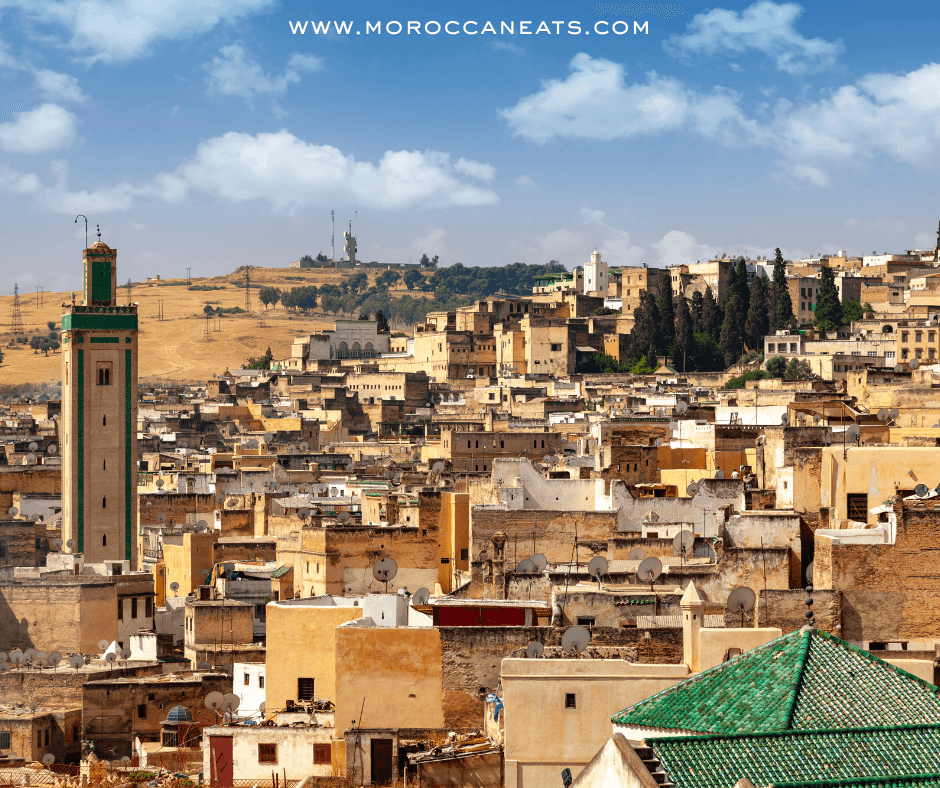
Fez is Morocco’s historic gem, and its medina is a labyrinth filled with food stalls offering centuries-old recipes. Here, you’ll find hearty dishes like harira and sweets such as chebakia.
- Signature dishes: Harira, msemen, and traditional pastries.
- Best time to visit: Late afternoon, when locals gather for snacks.
- Why it’s special: Every corner tells a story, blending history and flavor.
Why These Places Belong on Your List
Each of these destinations isn’t just about eating it’s about experiencing Moroccan culture in its purest form.
- Marrakech gives you the spectacle.
- Essaouira brings freshness from the sea.
- Fez offers tradition and history in every bite.
Together, they create a street food journey that’s both diverse and unforgettable.
Conclusion
Moroccan street food is more than a quick bite it’s a window into the country’s soul. Each dish carries a story, whether it’s tangia slow-cooked in Marrakech or a crispy msemen folded by hand at a Fez market stall. Together, they create a journey that is flavorful, authentic, and unforgettable.
So if you’re planning a trip to Morocco, don’t just wander the markets. Stop, taste, and connect. Because here, food isn’t just eaten it’s experienced.
Q&A
Q: What is the most famous Moroccan street food?
A: Tangia in Marrakech is iconic, but msemen and harira are just as popular across Morocco.
Q: Is Moroccan street food safe for travelers?
A: Absolutely! Stick to busy stalls with high turnover, and opt for freshly cooked items.
Q: Can vegetarians enjoy Moroccan street food?
A: Yes. Many dishes like msemen, harira (without meat), and vegetable tagines are vegetarian-friendly.
Q: What’s the best drink to pair with Moroccan sweets?
A: Mint tea is the classic choice, balancing the richness of chebakia or sfenj perfectly.