
Why Makrout Is the Soul of Moroccan Sweets
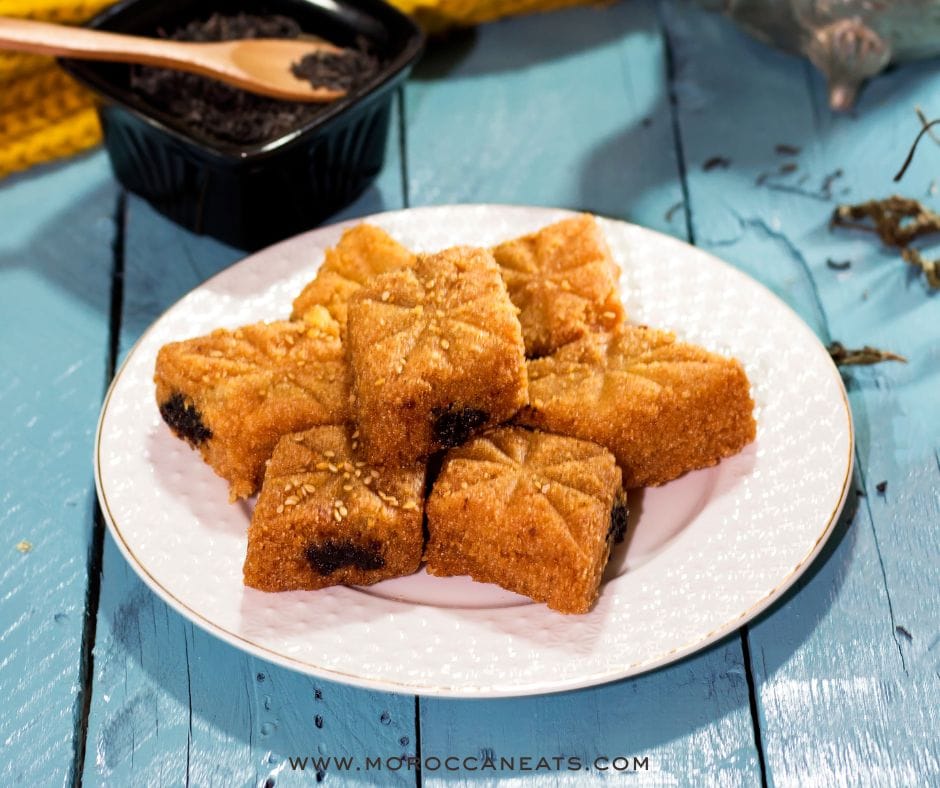
Have you ever tasted something so rich in flavor and history that it felt like stepping into another culture? That’s what happens the moment you bite into Makrout the beloved Moroccan date pastry with a golden crust, sweet heart, and centuries of tradition behind it.
More than just a treat, Makrout is a connection to family, to heritage, and to celebrations that bring people together across North Africa. Whether you’re exploring Moroccan cuisine for the first time or revisiting a cherished memory, this pastry delivers warmth, comfort, and a story worth savoring.
In this guide, you’ll uncover everything there is to know about Makrout from its origins and variations to how you can make it in your own kitchen. And yes, there are secrets only Moroccan grandmothers know… but we’ll get you pretty close.
So, ready to discover why Makrout is one of Morocco’s most treasured sweets? Let’s get started.
Key Takeaways: What You’ll Learn About Makrout
Here’s a quick overview of the delicious journey ahead:
- Historical Roots: How Makrout emerged from Berber culinary traditions
- Regional Variations: Discover the differences between Moroccan, Algerian, and Tunisian Makrout
- Key Ingredients: Learn why semolina, dates, and orange blossom water are essential
- Step-by-Step Recipe: Bake (or fry) your own batch with a foolproof guide
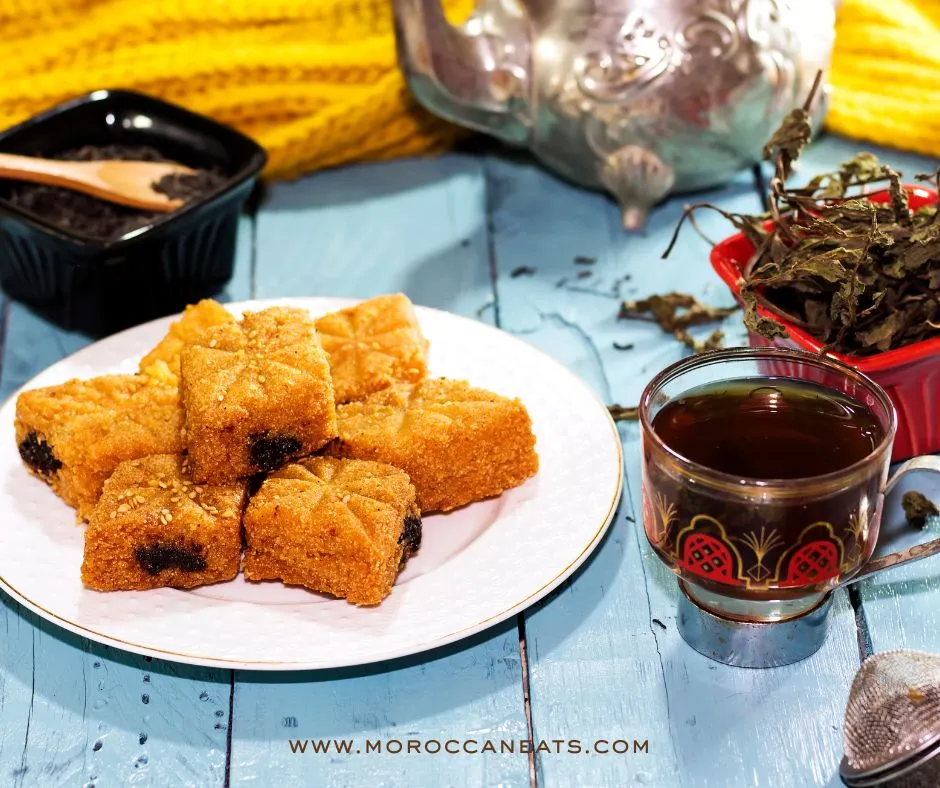
- Serving Ideas: Pair it with Mint Tea , serve it during Eid, or gift it in style
- Storage Tips: Keep your Makrout fresh and flavorful for days
- FAQs Answered: Everything curious readers want to know
Table of Contents
The Origins of Makrout: A Sweet Slice of History
Ancient Roots in North Africa
Have you ever bitten into a pastry so rich in flavor that it felt like a bite of history? That’s Makrout for you a traditional Moroccan date pastry whose legacy stretches across centuries and borders.
Makrout (also spelled maqrout or makroud) traces its origins back to ancient Berber communities in North Africa, particularly in Morocco, Algeria, and Tunisia. While it’s become a beloved dessert across the Maghreb, its humble beginnings were rooted in resourcefulness using locally available ingredients like semolina and dates to craft something comforting and memorable.
Unlike fleeting food trends, Makrout has stood the test of time. Why? Because it’s more than just a sweet it’s a cultural icon, passed down through generations with love and care.
Evolution Across Morocco, Algeria, and Tunisia
While the core elements of Makrout remain the same semolina dough wrapped around a sweet date filling each region adds its own touch:
- Moroccan Makrout often leans on aromatic orange blossom water and is sometimes baked for a softer finish.
- Algerian versions may be fried and dipped in honey syrup, giving them a golden, caramelized glaze.
- Tunisian twists bring in ingredients like rosewater and nuts, elevating the flavor with subtle complexity.
Despite these differences, one thing unites them all: Makrout is a celebration of identity and heritage.
Cultural Significance During Eid and Ramadan
Makrout isn’t just a dessert it’s a symbol of togetherness and joy, especially during religious and festive seasons.
During Eid al-Fitr and Ramadan, Moroccan households buzz with activity as trays of Makrout are prepared and shared among family, friends, and neighbors. It’s a way of expressing love, hospitality, and spiritual abundance.
Some families even reserve the first bite for honored guests a delicious tradition that speaks volumes about the pastry’s emotional and social weight.
How Makrout Connects Generations
In many Moroccan homes, the recipe for Makrout is a well-guarded family secret, passed from grandparents to grandchildren during weekend baking sessions.
These shared kitchen moments are more than culinary they’re bridges across time. They carry stories, traditions, and flavors that define a family’s roots. Every Makrout holds a memory.
So next time you bite into this golden pastry, remember: you’re not just tasting dates and semolina you’re tasting generations of history and heart.
Key Ingredients That Make Makrout Unforgettable
The Role of Fine and Coarse Semolina
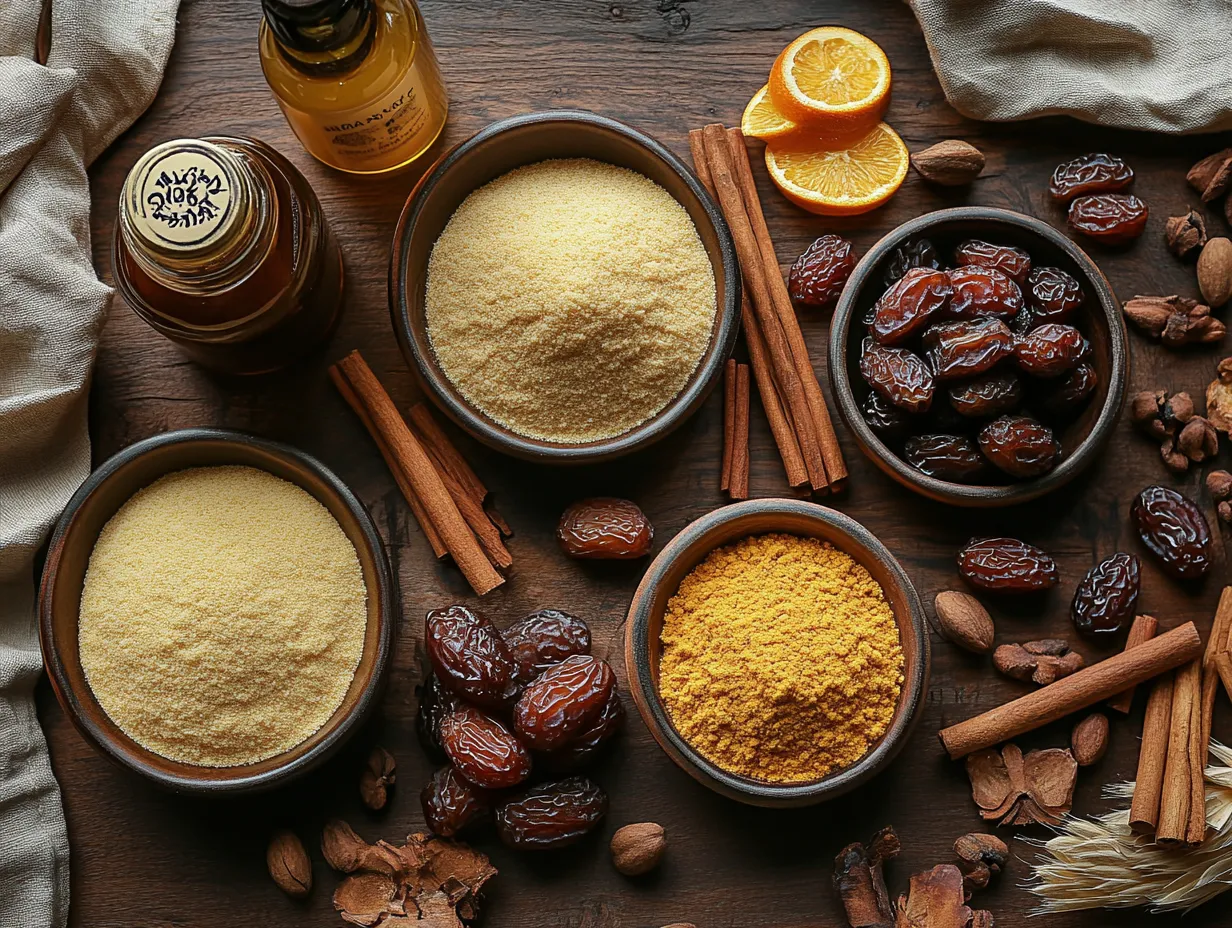
At the heart of every great Makrout lies semolina and not just one kind. What gives this pastry its distinct bite is the combination of coarse and fine semolina, working together to create a delicate yet satisfying texture.
- Coarse semolina adds crunch and structure.
- Fine semolina lends smoothness and helps bind the dough.
This blend is what makes Makrout stand out from other date-filled desserts. The semolina soaks up the subtle flavors of aromatic water and butter, creating a dough that’s both firm and flavorful.
Sweet Date Paste: A Heartwarming Core
The filling is where Makrout really steals hearts.
Rich, sticky, and naturally sweet, date paste forms the pastry’s luscious core. Often blended with warm spices like cinnamon or anise, it turns simple ingredients into a soul-soothing filling.
Some home cooks enhance it with:
- A drizzle of orange blossom water for a floral note
- A touch of nutmeg or clove for depth
- Even crushed almonds or walnuts for added texture
No matter how it’s made, the result is always comforting and full of character.
Infused Aromas: Orange Blossom & Cinnamon
What sets Makrout apart from other North African pastries is its sensory experience. One bite and you’re transported not just by taste but by scent.
- Orange blossom water adds a delicate floral fragrance.
- Cinnamon brings warmth and nostalgia.
Together, these ingredients transform Makrout from a simple snack into a culinary memory.
Finishing Touches: Honey Drizzle or Syrup
Now for the final flourish a generous soak in honey or syrup. This not only gives Makrout its signature golden glaze but also locks in moisture and enhances its sweetness.
Pro tip: Let the pastries rest in warm honey for a few minutes after cooking. This allows them to absorb the syrup evenly, resulting in a pastry that’s crispy on the outside and tender on the inside.
Step-by-Step Guide: How to Make Authentic Makrout
Preparing the Date Filling with Spices
Start by softening your dates. Blend them into a thick paste, then gently warm it with:
- Cinnamon
- A pinch of salt
- A touch of Orange Blossom Water
The result? A warm, spiced center that melts with every bite.
Mixing and Shaping the Semolina Dough
To make the dough:
- Mix fine and coarse semolina with a pinch of salt.
- Add melted butter and mix until it resembles wet sand.
- Slowly incorporate orange blossom water until the dough holds together.
Let it rest. This gives the semolina time to absorb flavor and moisture.
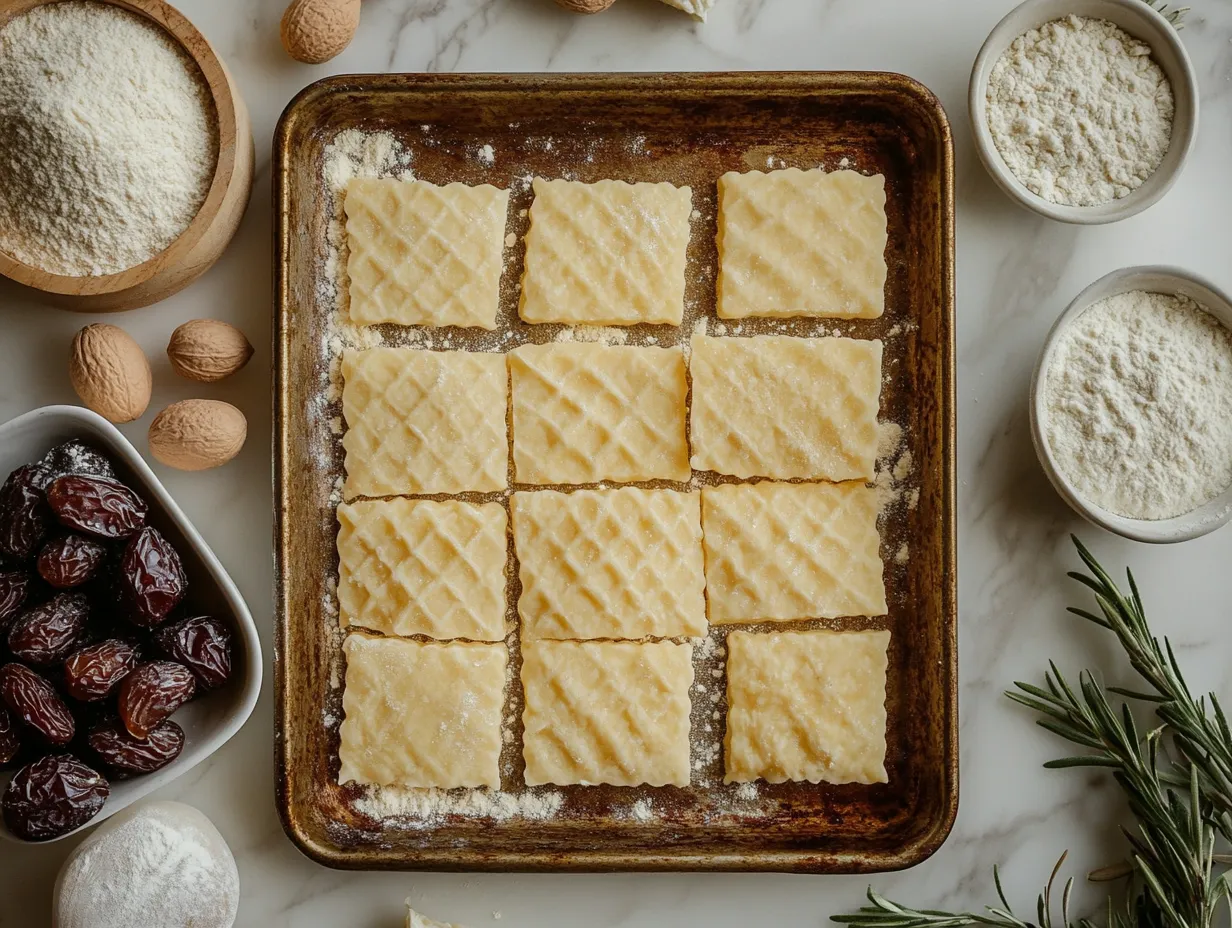
Cutting, Stuffing, and Shaping the Pastry
- Roll the dough into logs.
- Flatten the center and insert a rope of date filling.
- Close the dough over the filling, then gently press it into a diamond shape.
- Use a decorative knife or mold for an authentic touch.
Frying or Baking? Choosing Your Method
You’ve got two options:
- Frying gives a crunchy exterior and caramelized crust.
- Baking is lighter, ideal for a softer texture.
Either way, dip them in warm honey for that classic Makrout shine.
Variations Across the Maghreb: How Makrout Differs
Algerian Maqrout vs. Moroccan Makrout
While Moroccan Makrout is often baked and delicately sweet, Algerian Maqrout is fried and generously honeyed. The texture is crispier, and the aroma stronger.
Tunisian Twists: Rosewater and Nuts
In Tunisia, Makroud often features:
- Rosewater instead of orange blossom
- Pistachios or almonds inside the filling
- A lighter, more delicate dough
These tweaks bring a floral elegance to the dish.
Baked vs. Fried: Regional Preferences
- Baking is popular in urban Moroccan kitchens for ease and health.
- Frying is traditional and offers a deeper flavor.
Both methods are authentic it just depends on your taste!
Festive Makrout Designs and Presentations
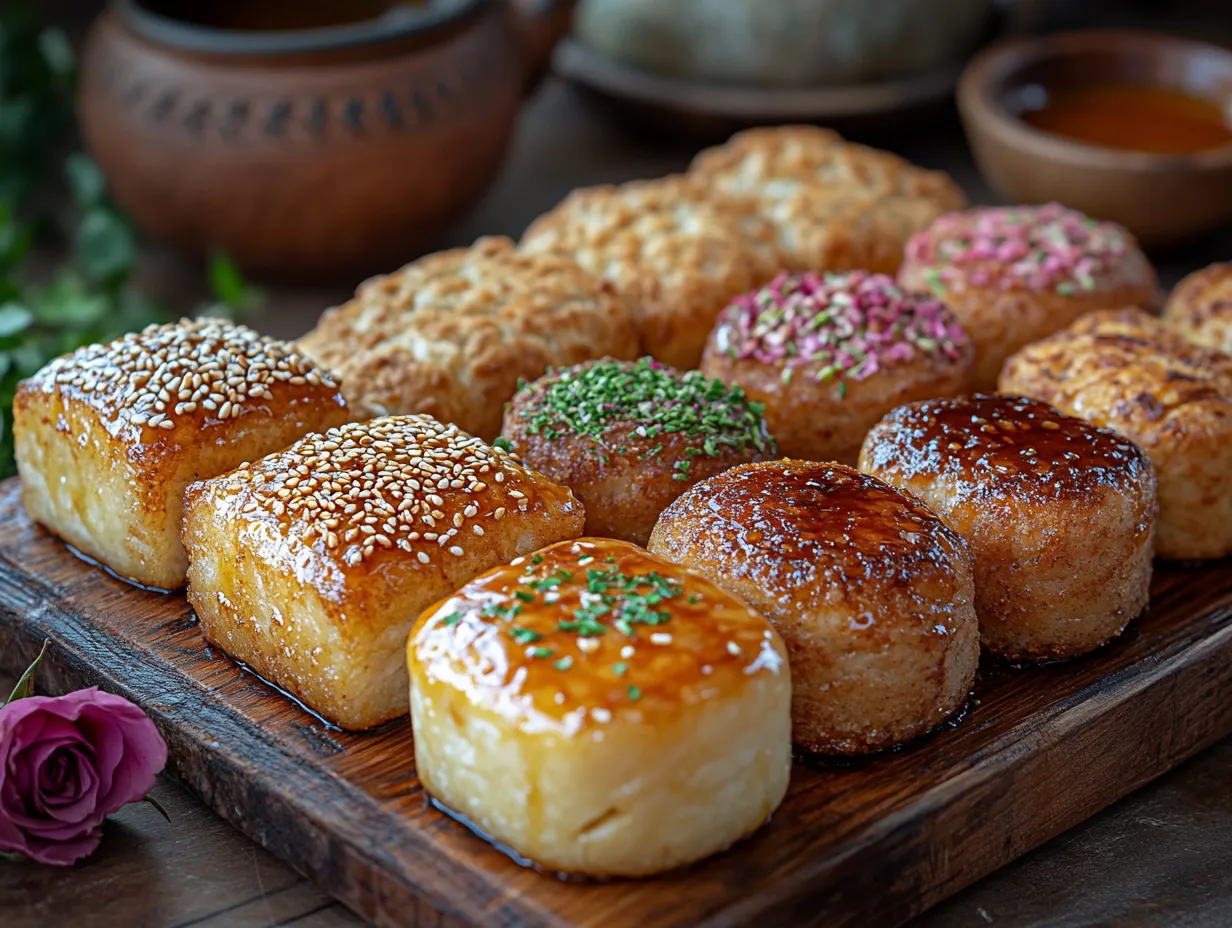
During holidays, Makrout is dressed up with:
- Sesame seeds
- Decorative pastry stamps
- Colored wrapping for gifting
Presentation matters it transforms the humble pastry into a festive centerpiece.
Serving & Storing Makrout: Tips from Moroccan Kitchens
Pairing with Mint Tea or Coffee
No Makrout experience is complete without Traditional Moroccan Mint Tea. Its fresh, slightly bitter taste perfectly balances the pastry’s sweetness.
Alternatively, pair Makrout with:
- Black coffee for depth
- Spiced tea like chai for warmth
How to Store Makrout to Retain Freshness
To keep Makrout soft and delicious:
- Store in an airtight container at room temperature.
- For longer storage, freeze them before dipping in honey, then reheat and glaze when ready.
They stay fresh for up to a week, and even longer if frozen properly.
Reheating Without Losing Texture
Warm them in the oven at 150°C (300°F) for a few minutes. This revives the crisp outside while keeping the inside moist.
Avoid microwaving it makes them soggy.
Gifting and Presentation Tips for Celebrations
Want to impress during holidays? Package Makrout in:
- Gold or silver boxes
- Decorative paper trays
- Tied with ribbons and dried flowers
It’s not just a dessert it’s a heartfelt gift.
Conclusion: Makrout Is More Than Just a Pastry It’s a Legacy
Makrout isn’t just something you eat it’s something you feel.
Whether you’re enjoying a handmade batch during Ramadan, gifting a box to your loved ones, or just savoring it with mint tea on a quiet afternoon, Makrout brings joy. It’s a dessert that travels through time and borders, carrying with it stories of family, celebration, and cultural pride.
And the best part? You don’t need to travel to Morocco to enjoy it. With a few simple ingredients and a heart open to tradition, you can bring this classic North African pastry to life right in your kitchen.
So why not start a new family tradition of your own? Once you’ve made Makrout from scratch, you’ll understand exactly why it has such a devoted following around the world.
Q&A: Your Makrout Questions, Answered
Is Makrout gluten-free?
No, traditional Makrout uses semolina, which contains gluten. However, there are gluten-free adaptations that use alternatives like rice flour or cornmeal, though texture and flavor may vary.
Can I freeze Makrout?
Yes! Freeze them before dipping in honey for the best results. When ready to serve, reheat and soak in warm honey to restore their fresh taste and texture.
How long does Makrout stay fresh?
Makrout can last up to 7 days at room temperature in an airtight container. If stored properly in the fridge or freezer, they can stay fresh even longer.
Can I use something other than dates for the filling?
Absolutely. While dates are traditional, some modern versions include fig paste, apricots, or nuts for variety. Just be sure to use a thick, sticky filling that holds well during baking or frying.
What’s the best drink to pair with Makrout?
The classic choice is Moroccan mint tea. Its slightly bitter, herbal notes perfectly balance the sweetness of Makrout. Strong coffee or even black tea also complement it well.