
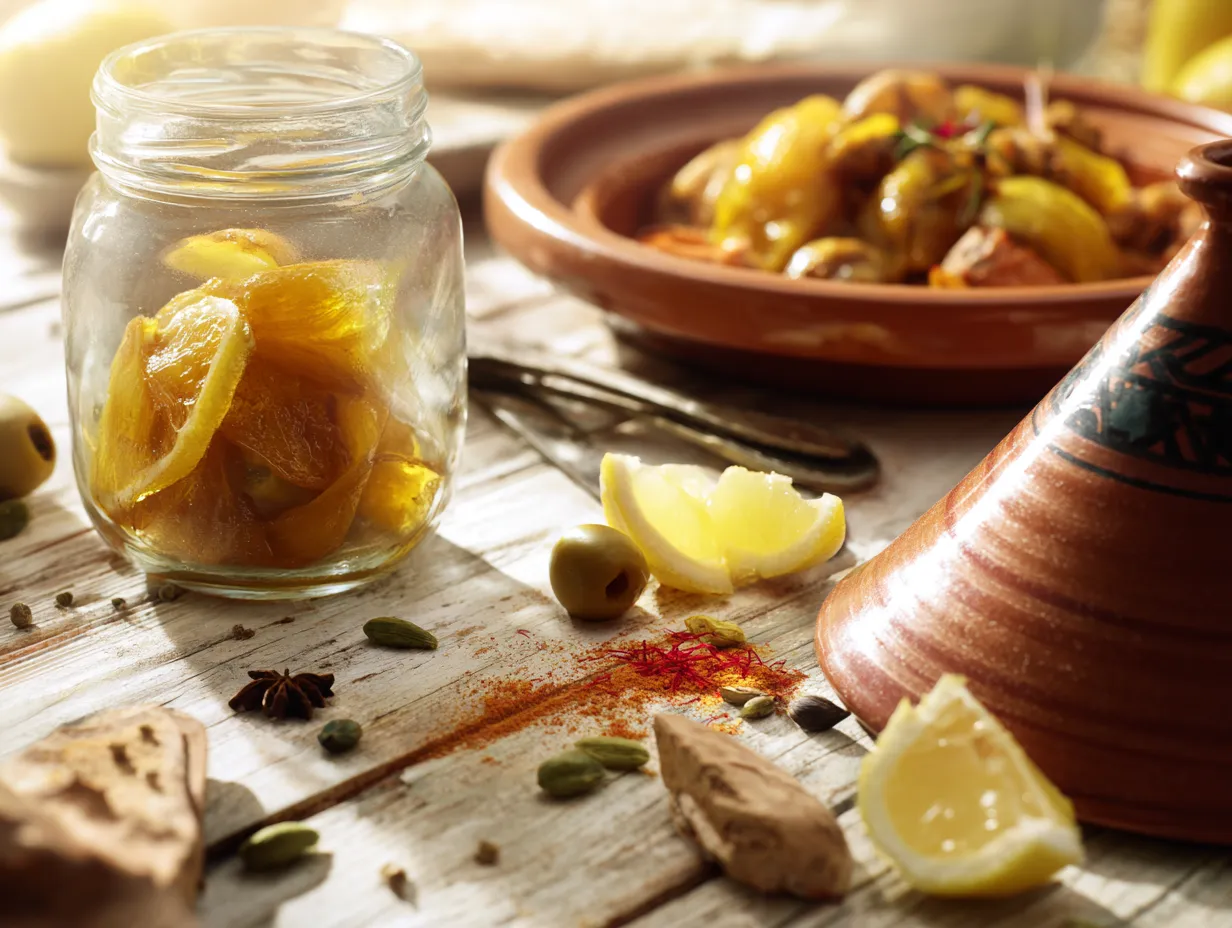
The Definitive Guide to Moroccan Preserved Lemons: Unlocking the Ultimate Tangy Delight
Welcome to the world of truly transformed flavor. Have you ever encountered an ingredient that completely redefines how you think about a cuisine? For centuries, Moroccan preserved lemons have played that transformative role in North African kitchens. They are not merely lemons; they are a culinary treasure a fusion of bright citrus, savory depth, and mellow acidity achieved only through the simple, patient process of salt-curing.
If you’re looking to elevate your cooking from “good” to “unforgettable,” this guide is your key. We will walk you through everything: what makes the native ‘Beldi’ lemon superior, the step-by-step process of preserving citrus, traditional and modern uses, and how to source the very best jars. Prepare to unlock the elusive umami citrus taste that forms the very soul of the most celebrated dishes in North African cuisine.
Key Takeaways: Your Preserved Lemon Cheat Sheet
Whether you are here to learn the preservation method or just quickly understand the ingredient’s magic, here are the essential facts about what makes salt-cured lemons an ultimate tangy delight:
- Beldi is Best: The native Moroccan Beldi lemon is preferred due to its thin skin, which absorbs the salt and essential oils better, yielding a softer texture and more intense floral flavor.
- Flavor Profile Transformation: The curing process significantly mellows the sharp acidity of a fresh lemon, replacing it with a complex, savory, and deep umami citrus taste.
- Storage is Simple: Always ensure your Moroccan preserved lemons remain completely submerged in their brine and store the jar in the refrigerator for maximum longevity they can last well over a year.
- Rind vs. Pulp: The rind (or peel) is the culinary prize. Always rinse it briefly before use to remove excess salt, then scrape and discard the pulp unless specified otherwise in the recipe.
- Beyond Tagines: While essential for North African cuisine like tagines and chermoula, the diced rind and flavorful brine can elevate everything from roasted vegetables to compound butters and cocktails.
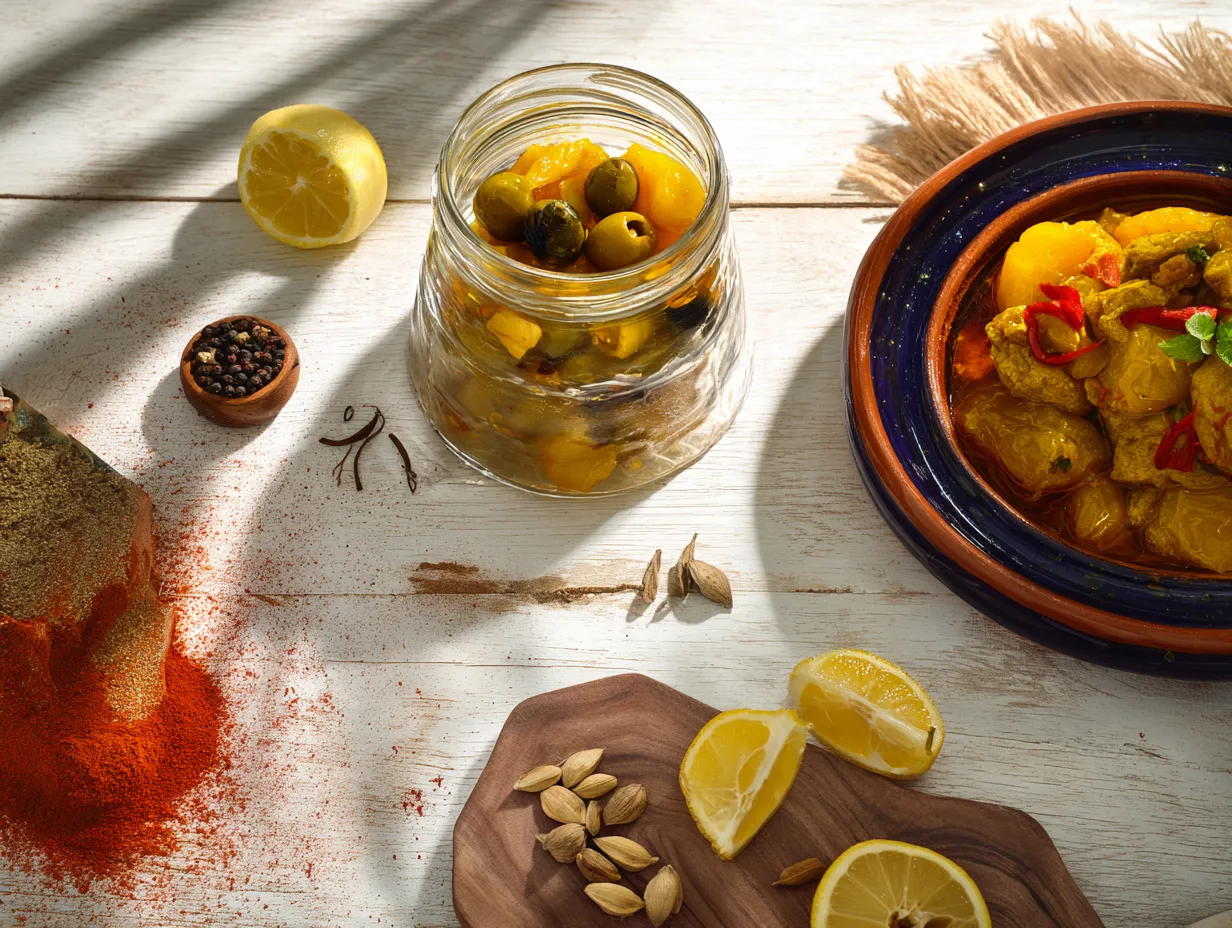
Table of Contents
What Makes Preserved Beldi Lemons Truly Ultimate?
Have you ever wondered what secret ingredient transforms good Moroccan dishes into unforgettable culinary experiences? It’s often the humble, yet incredibly potent, Moroccan preserved lemons. Far from your everyday lemon, these salt-cured wonders offer a depth of flavor that’s truly in a league of its own. If you’ve only ever cooked with fresh lemons, prepare for a revelation!
The ‘Beldi’ Difference: Beyond the Ordinary Lemon
So, what exactly sets a “Beldi” lemon apart, and why is it the star of preserved lemon recipes? The term ‘Beldi’ itself refers to something traditional, authentic, and local to Morocco – and these lemons embody that spirit perfectly. They are fundamentally different from the common Eureka or Lisbon lemons you find in most supermarkets.
Here’s why the Beldi lemon, especially when preserved, achieves an ultimate tangy delight:
- Thin Skin and Intense Fragrance: Unlike their thicker-skinned cousins, Beldi lemons boast a remarkably thin rind. This isn’t just a minor detail; it’s crucial for preservation. The thin skin means more of the aromatic oils are easily absorbed during the curing process, infusing the entire lemon with an incredibly concentrated, floral, and intensely citrusy aroma that’s simply unparalleled. Imagine that zesty fragrance amplified a hundredfold!
- The Mellowed Acidity of Salt-Curing: Fresh lemons are, let’s be honest, punch-you-in-the-face sour. While delicious, that sharp acidity isn’t always what a complex dish needs. The magic of salt-curing transforms this. The harsh, sharp acidity of a fresh lemon mellows out significantly, becoming softer, rounder, and more integrated. This process highlights the lemon’s vibrant fruit notes and profound citrus essence, without overwhelming the palate. It’s a nuanced tang, a sophisticated sourness that truly elevates dishes.
Understanding the Unique Umami Citrus Flavor
Beyond just tang, preserved Beldi lemons introduce a fascinating complexity often described as ‘umami citrus.’ Yes, umami – that savory fifth taste!
- The Role of the Rind vs. The Pulp: When you use preserved lemons, you’re primarily after the rind. The pith and pulp, while edible, often take a backseat. It’s the soft, translucent, incredibly flavorful rind that holds the treasure. The salt and time break down the cell walls, releasing and concentrating the essential oils and flavor compounds. This isn’t just “lemon flavor”; it’s an explosion of bright, saline, savory, and tangy notes all at once.
- Why They’re Irreplaceable in North African Cuisine: You simply cannot achieve the authentic taste of many classic Moroccan and North African dishes without Moroccan preserved lemons. They are the backbone of flavor in tagines, stews, and marinades like chermoula. Try substituting with fresh lemon zest, and you’ll immediately notice the missing depth, the lack of that signature savory brightness. They don’t just add a sour note; they weave a complex tapestry of flavor that defines the cuisine.
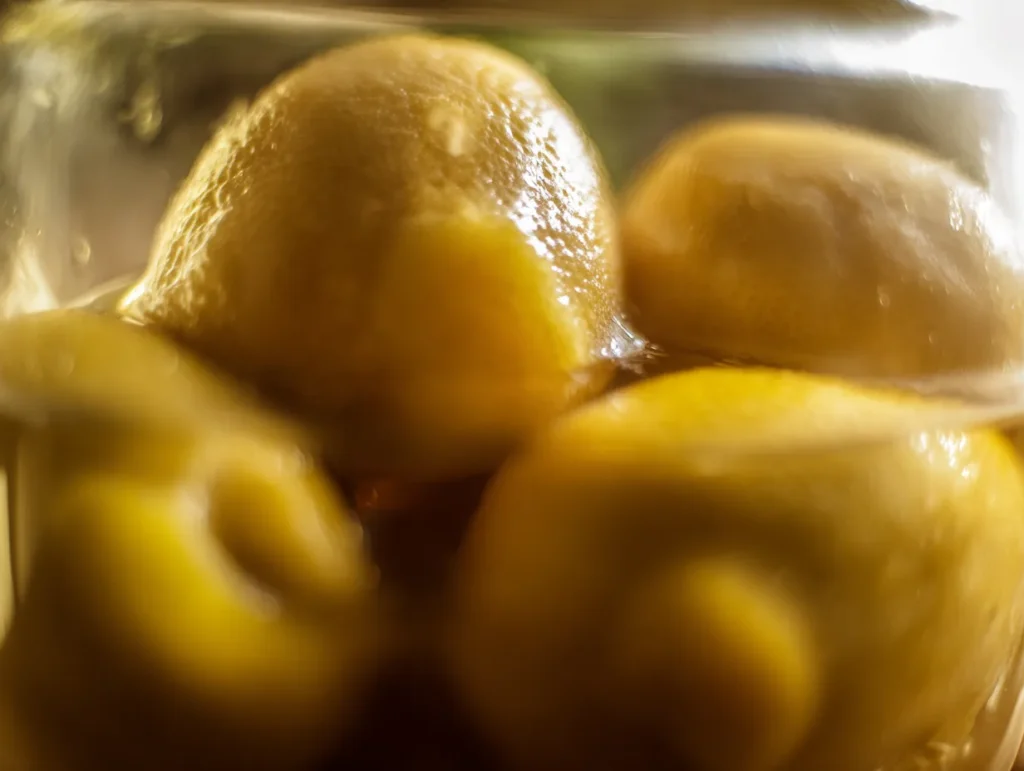
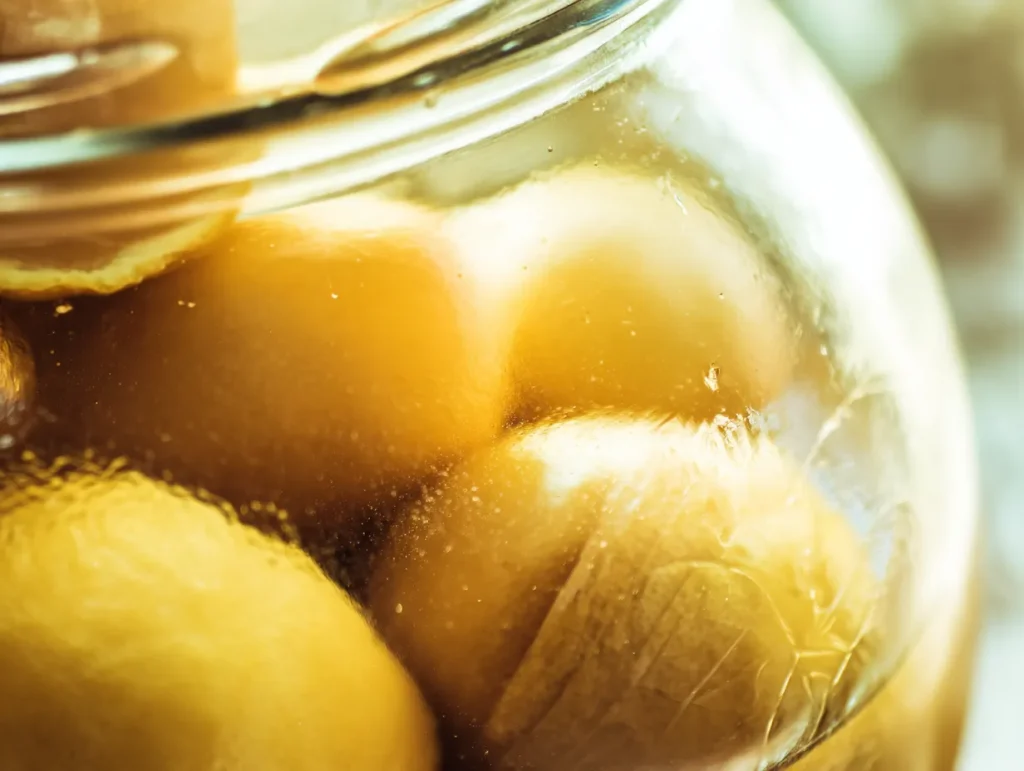

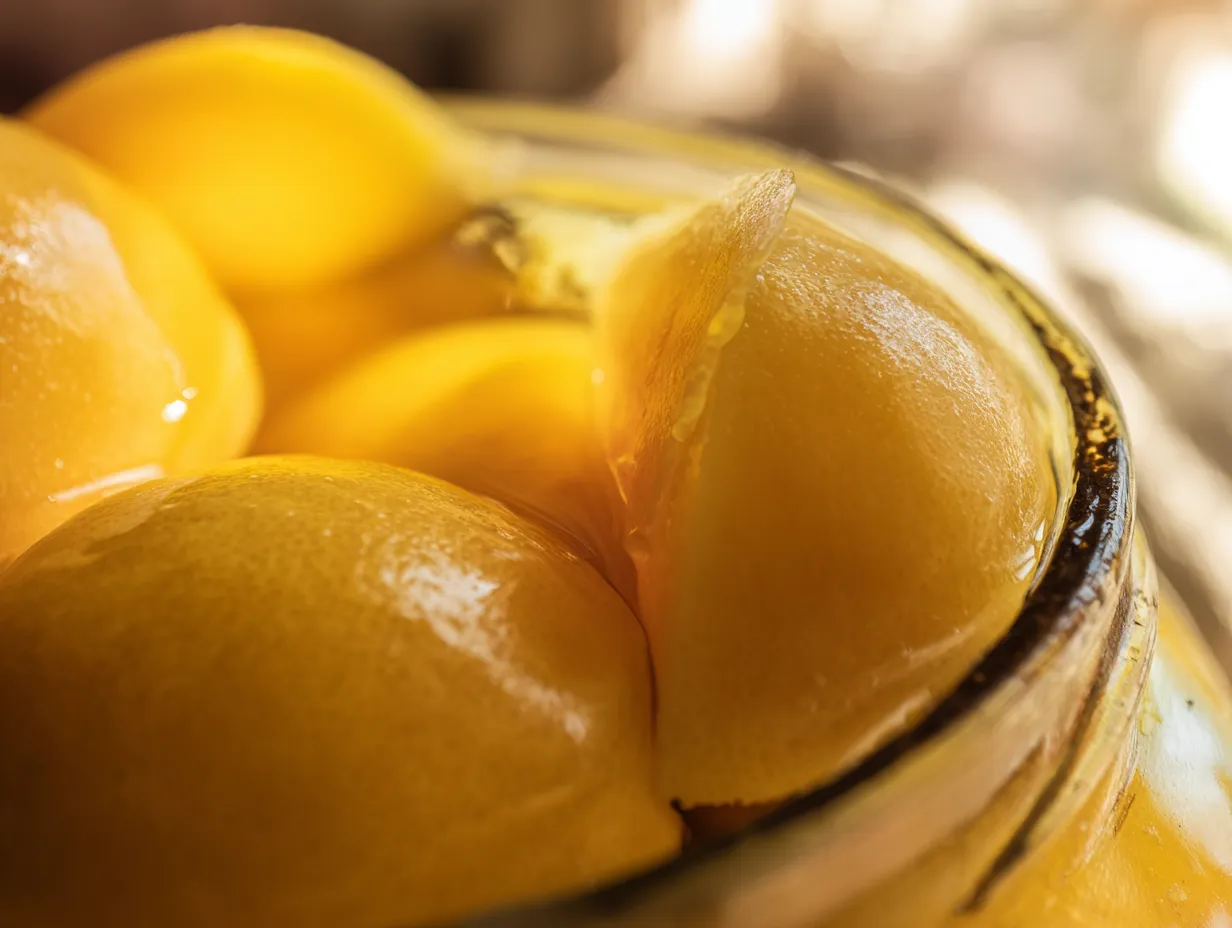
The Art of Salt-Curing: Making Your Own Tangy Delight
Ready to capture that incredible umami citrus taste right in your own kitchen? Makingc is not complicated, but it requires patience and adherence to a few key techniques. This simple act of salt-curing transforms fresh, sharp lemons into that soft, rich, and indispensable ingredient found in the heart of North African cuisine.
Essential Ingredients for Authentic Preservation
The beautiful simplicity of this recipe is that it relies on just a handful of high-quality components.
| Quantity | Ingredient | Notes on Selection |
| 8–10 | Fresh Lemons | Use organic, thin-skinned lemons if possible. Beldi lemons are ideal, but Meyer or high-quality Eureka lemons are excellent substitutes. |
| 1/2 cup | Coarse Sea Salt | Crucial for the brine fermentation process. Do not use iodized table salt, as the anti-caking agents can spoil the texture and flavor. |
| 1 cup | Fresh Lemon Juice | Used to top up the jar and ensure the lemons stay fully submerged in the acidic brine. |
| Optional | Spices (Bay leaves, Peppercorns, Cinnamon) | For a personalized flavor twist, though traditionally they are made with just salt and lemon. |
Selecting the Right Lemons (Beldi vs. Meyer)
While the preserved beldi lemons are the gold standard prized for their thin rind and intense oils they aren’t always accessible outside of Morocco. Don’t worry! You can still achieve exceptional results. I recommend choosing Meyer lemons if available, as they have a slightly sweeter, thinner skin than standard varieties. The thinner the skin, the faster and more intensely the beautiful essential oils will infuse the curing liquid.
The Importance of Coarse Sea Salt
Think of the salt as your preservation architect. It draws out the moisture and juice from the lemon flesh, creating a highly acidic, naturally protective brine. Coarse sea salt or kosher salt works best because it lacks the additives that can hinder the delicate brine fermentation. It’s the salt, not heat or vinegar, that tames the sharp acidity and gives these lemons their unique soft texture and savory quality.
Step-by-Step Curing Process
This is where you commit to a three- to four-week journey. While the prep is quick, the waiting is the hard part!
- Sterilization and Preparation: Always start with scrupulously clean hands and equipment. Sterilize your glass jar by running it through a hot dishwasher cycle or boiling it in water for ten minutes. Thoroughly wash and scrub your lemons, as you will be eating the rind.
- The Quarter-Cut and Tight Packing Method:
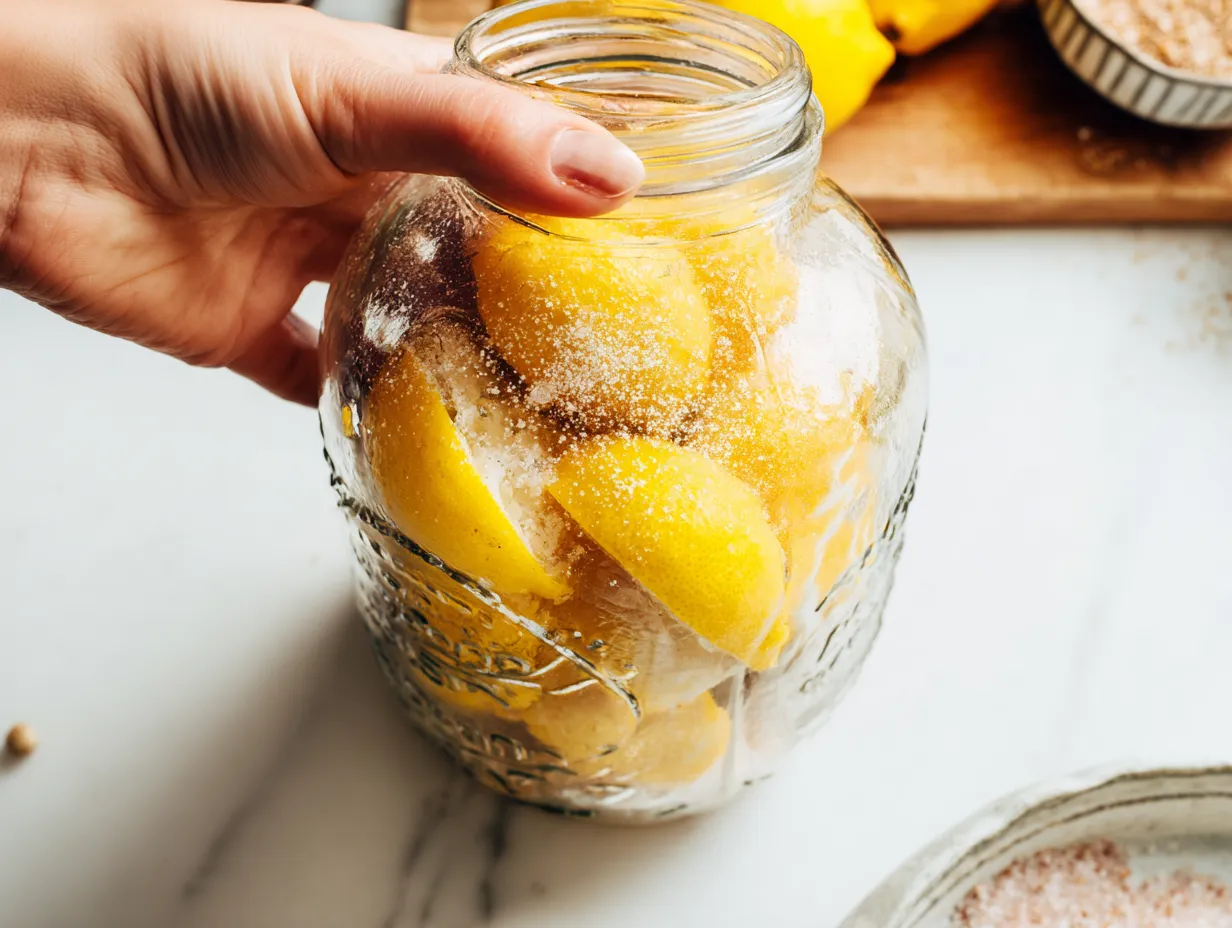
- Slice the lemons lengthwise into quarters, but do not cut all the way through the base; you want the quarters to remain attached.
- Stuff the incisions generously with coarse salt (about 1 tablespoon per lemon).
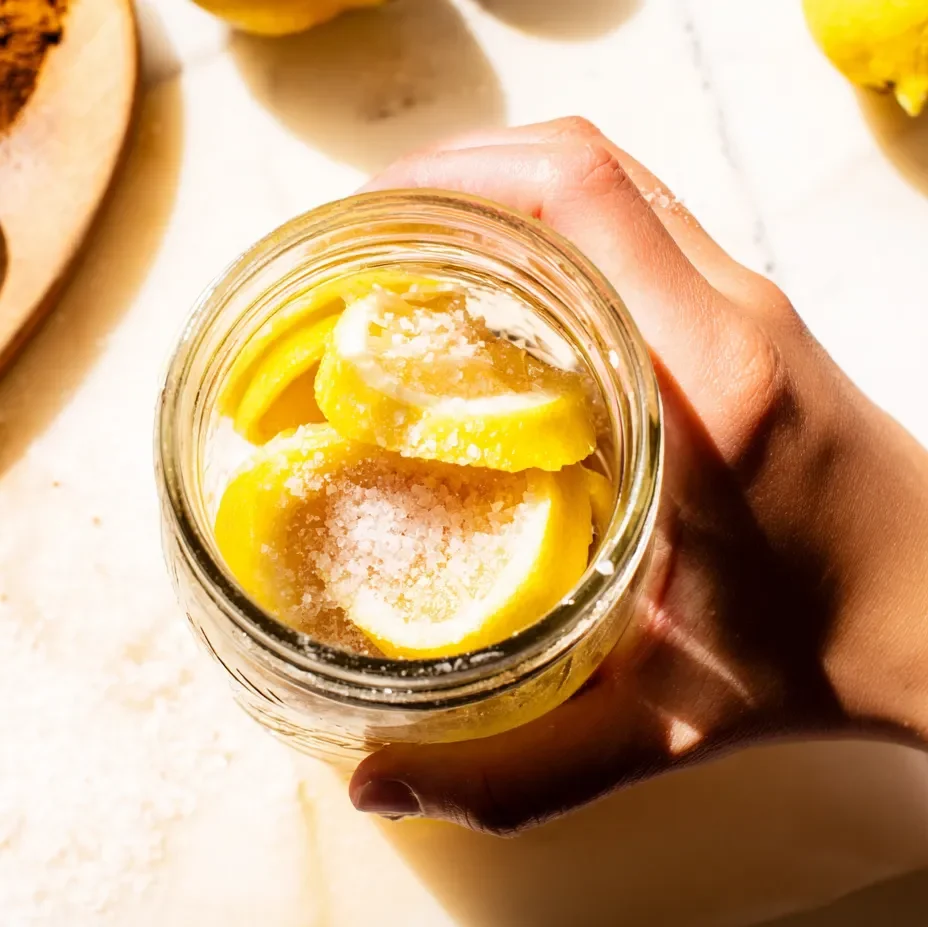
- Tightly pack these salt-filled lemons into your sterilized jar. You must press them down firmly this is key to encouraging them to release their own juices and start building the protective liquid.
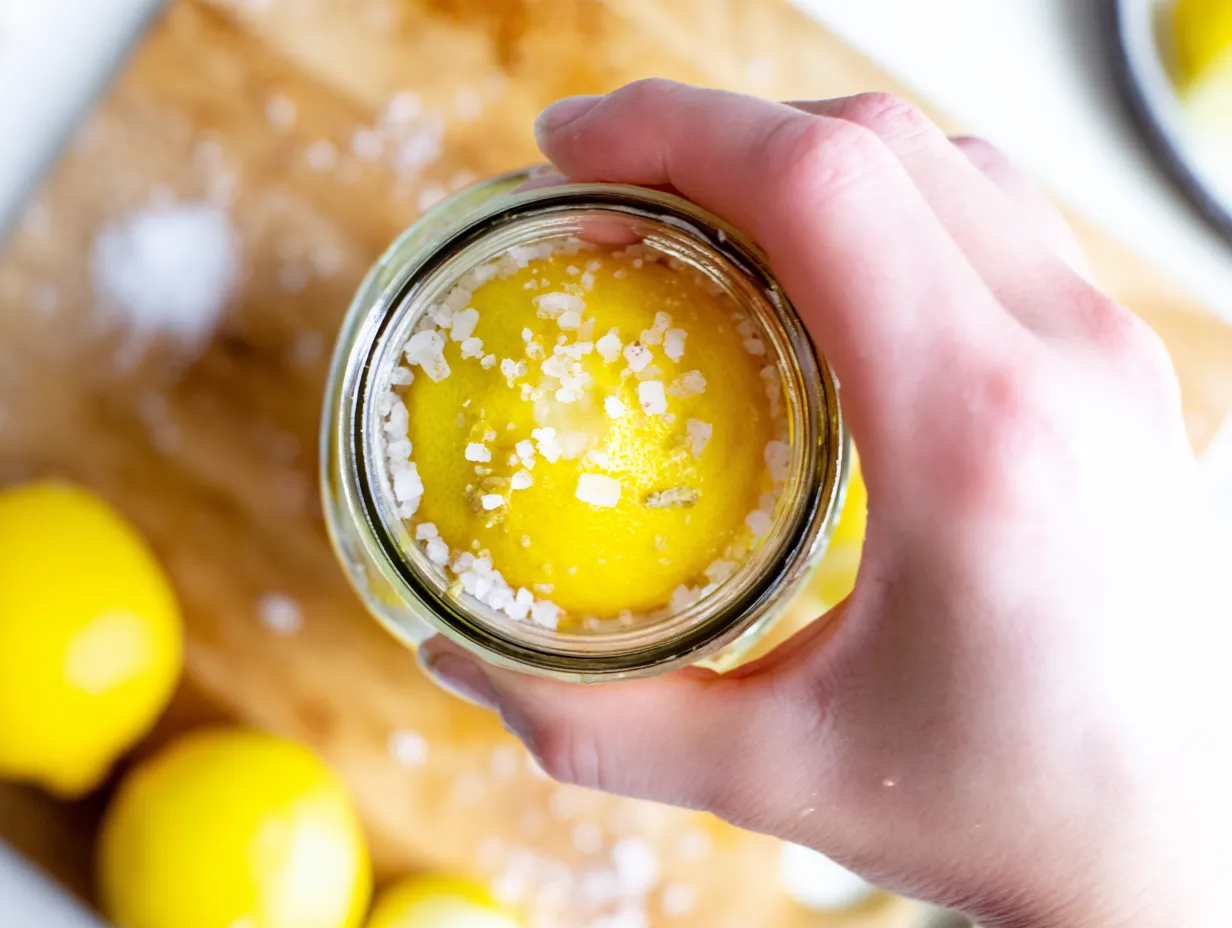
- The Long Wait: Monitoring the Brine: After packing, fill the jar with the additional lemon juice until the lemons are fully submerged. They must always be covered by liquid to prevent mold. Leave the jar at room temperature (ideally in a cool, dark pantry) for about a week, turning it upside down daily to distribute the salt. After this initial stage, the rinds should look softer. Move the jar to the refrigerator and wait approximately three to four weeks until the rinds become translucent and tender. Only then are your homemade salt-cured lemons ready to use!
Mastering the Moroccan Kitchen: Tagines and Classics
Now that you have your jar of golden, salt-cured wonders, it’s time to put them to work! The primary reason preserved lemons exist is to infuse the soulful, slow-cooked dishes of Morocco with their signature, deep citrus aroma. These are the recipes where the umami citrus taste truly shines, proving these are far more than just a garnish.
The Essential Role in Chicken Tagine with Olives
When someone mentions Moroccan preserved lemons, the first dish that comes to mind is almost always the legendary Chicken Tagine with Olives. The interplay of flavors here is a masterclass in balance salty olives, earthy saffron, warming ginger, and the bright, yet mellow, lemon rind.
- How to Incorporate the Rind for Maximum Flavor: Remember, the rind is the most flavorful component. Before adding it to your tagine, rinse the piece of lemon briefly under cold water to remove any excess surface salt. Scrape out the pulp (unless your recipe specifically calls for it) and finely dice the peel. Stir this diced rind into the tagine during the final 30 minutes of cooking. This allows the heat to gently release the concentrated essential oils without making the dish overly bitter.
- Balancing the Saltiness of the Brine: Because your salt-cured lemons are, well, cured in salt, you must be extremely cautious with any added table salt! Only season your dish (meat, vegetables, sauce) after you’ve added the preserved lemon. Taste first, then season. This single tip will save you from an overly aggressive, salty result.
Introducing Chermoula: The Zesty Marinade
Chermoula is the quintessential herbaceous marinade and condiment of North African cooking. While it often relies on fresh lemon juice, using the preserved rind adds an unparalleled depth and savory complexity, transforming the sauce from merely bright to truly vibrant and robust.
- Using Preserved Lemon in Fish and Vegetable Dishes: Chermoula is typically used to marinate fish, seafood, and firmer vegetables like cauliflower or carrots before grilling or roasting. A small amount of finely minced preserved lemon rind in your chermoula paste offers a floral, savory foundation that pairs perfectly with cilantro, parsley, garlic, and cumin. It helps the other spices pop.
- Salads, Couscous, and Cooked Moroccan Sides: The utility of preserved lemon extends far beyond the clay pot. Try folding small pieces of the rind into a simple side dish like steamed couscous or into a vibrant, cooked spinach salad with olives and spices. It’s an instant flavor upgrade.
If you are new to the world of North African cooking and want to see how these ingredients come together, this video provides a great visual guide:
Longevity and Care: Keeping Your Ultimate Tangy Delight Fresh
One of the most rewarding aspects of mastering the art of preserving citrus is the incredible shelf life of your finished product. Once the initial curing period is complete, your jar of Moroccan preserved lemons isn’t just an ingredient; it’s a long-term culinary investment.
Proper storage is key to maintaining that signature flavor, soft texture, and umami citrus taste for months, or even years, to come.
The Best Practices for Long-Term Storage
The beautiful thing about the salt-curing process is that the high acidity and salinity naturally inhibit spoilage, turning the contents into a stable, long-lasting product.
- The Refrigerator is Your Friend: While the lemons can cure at room temperature for the first week, they must be refrigerated for long-term storage. A cool, consistent temperature prevents excessive fermentation and keeps the rinds firm and flavorful.
- Keep Them Submerged: This is the golden rule of preservation. Always ensure your salt-cured lemons are fully submerged beneath the brine. Any pieces of lemon exposed to the air are susceptible to mold. If the liquid level drops, simply squeeze an extra half-lemon of juice and pour it into the jar to top it up.
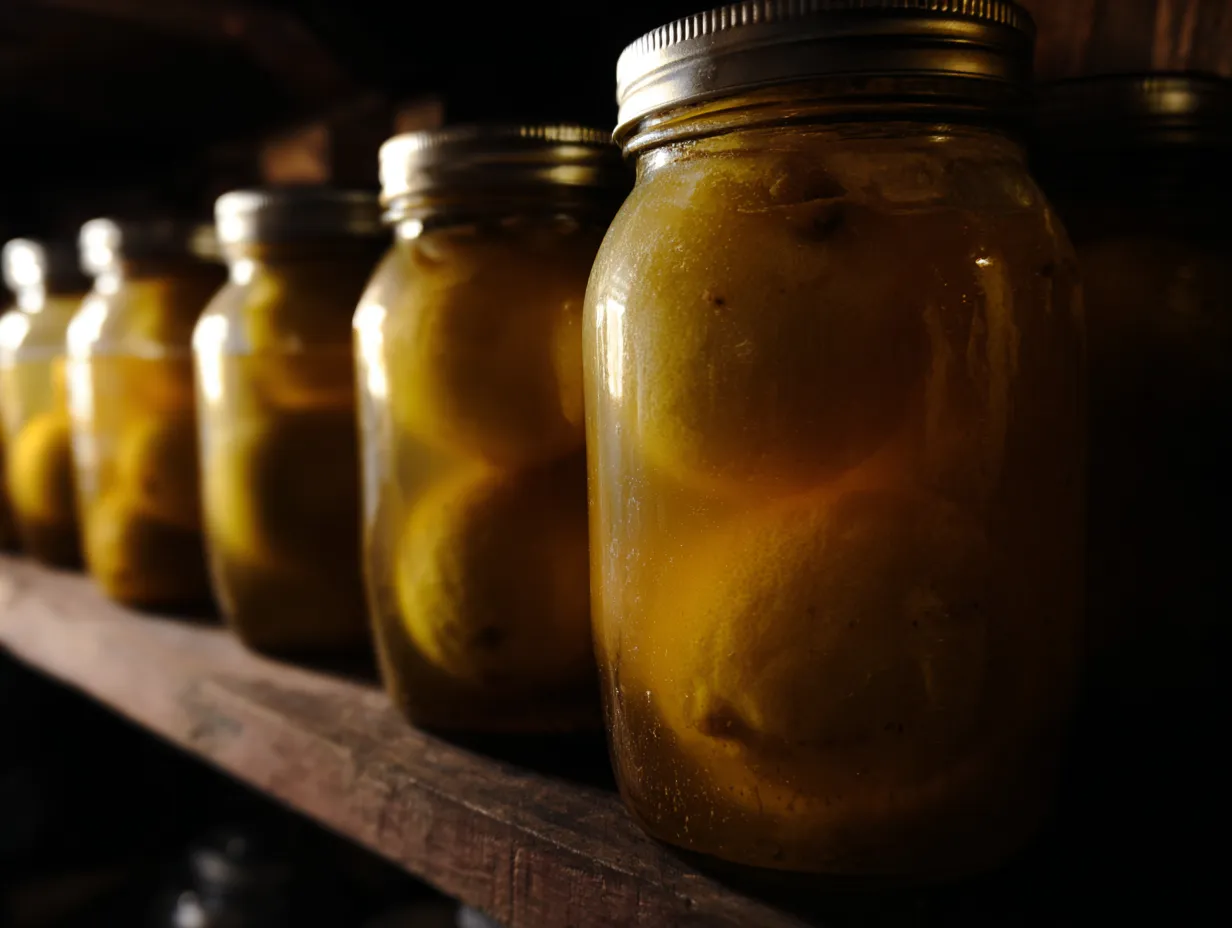
- The Longer, The Better? Unlike many ingredients, preserved lemons actually improve over time. The flavor deepens, the rinds soften further, and the unique complexity develops. As long as they remain submerged and refrigerated, they can easily last well over a year. The color may deepen from bright yellow to a richer, golden hue this is normal and desirable!
Maximizing the Flavor Investment
Every piece of preserved lemon rind carries tremendous flavor, so it’s worth thinking about how to use every bit. What happens when your beautiful jar is finally empty?
- The Final Use of the Brine: Once the lemons are gone, don’t pour the remaining brine down the drain! We discussed using it to season rice or add a kick to cocktails, but it’s also incredible as a pre-salting step for roasting vegetables like potatoes or fennel. A quick toss in the brine before roasting will give your vegetables a savory depth that simple salt cannot match.
- Embracing the Culinary Tradition: Preserved Beldi lemons connect your kitchen to the ancient, resourceful traditions of North African cuisine. The practice of preservation speaks to a history of making the most of a bounty and turning simple ingredients into concentrated flavor powerhouses.
It’s this ability to transcend seasonality and provide lasting, vibrant flavor that makes the effort of preservation so worthwhile. As the famous cookbook author and expert on Mediterranean food, Claudia Roden, once said about the simplicity of this culinary staple:
“The flavor of preserved lemons is hard to describe: salty, savory, lemony, but gentle and not sharply sour. It is a flavor that once tasted, you can never forget.”
Now it’s your turn to make that unforgettable flavor a permanent staple in your kitchen!
Sourcing the Best: What to Look for When Buying Preserved Lemons
Not everyone has the time (or the patience!) for the four-week salt-curing process. Maybe you need that unique umami citrus taste right now for a tagine, or perhaps you just want to test the waters before dedicating a jar in your own kitchen. Whatever your reason, successfully purchasing high-quality Moroccan preserved lemons requires knowing exactly what makes them special.
Don’t settle for a mass-produced jar that misses the mark on flavor and texture. Here’s your guide to selecting an ultimate tangy delight right off the shelf.
Assessing the Quality of Preserving Citrus
When you are examining a jar of preserved lemons, whether online or in a specialty food store, look beyond the price tag. Quality is defined by texture, appearance, and ingredient simplicity.
- Rind Thickness and Texture: The single biggest giveaway of high quality is the rind. Look for lemons with thin, somewhat translucent rinds this indicates they were made using the smaller, highly prized Beldi lemons or a similar thin-skinned variety. The rinds should appear soft and yielding, not thick and stiff. A soft rind means the brine fermentation was successful, and the flavor will be mellow, not bitter.
- Clarity and Simplicity of Ingredients: High-quality preserved lemons require only three things: lemons, salt, and maybe a little extra lemon juice (or water, though juice is better). Be wary of ingredients lists that include excessive stabilizers, preservatives, or artificial colors. The cleaner the list, the more authentic the product, and the purer the resulting Moroccan preserved lemons taste.
- Color and Appearance: The brine should be cloudy, perhaps even slightly thick. The lemons themselves should have a deep golden-yellow color, indicative of the oils being fully released and aged. Avoid jars with lemons that look unnaturally bright yellow, which may suggest excessive use of dyes or a very short curing time.
Where to Find Authentic Preserved Lemons
You might have a little trouble finding truly authentic jars at your regular grocery store, but there are excellent reliable sources.
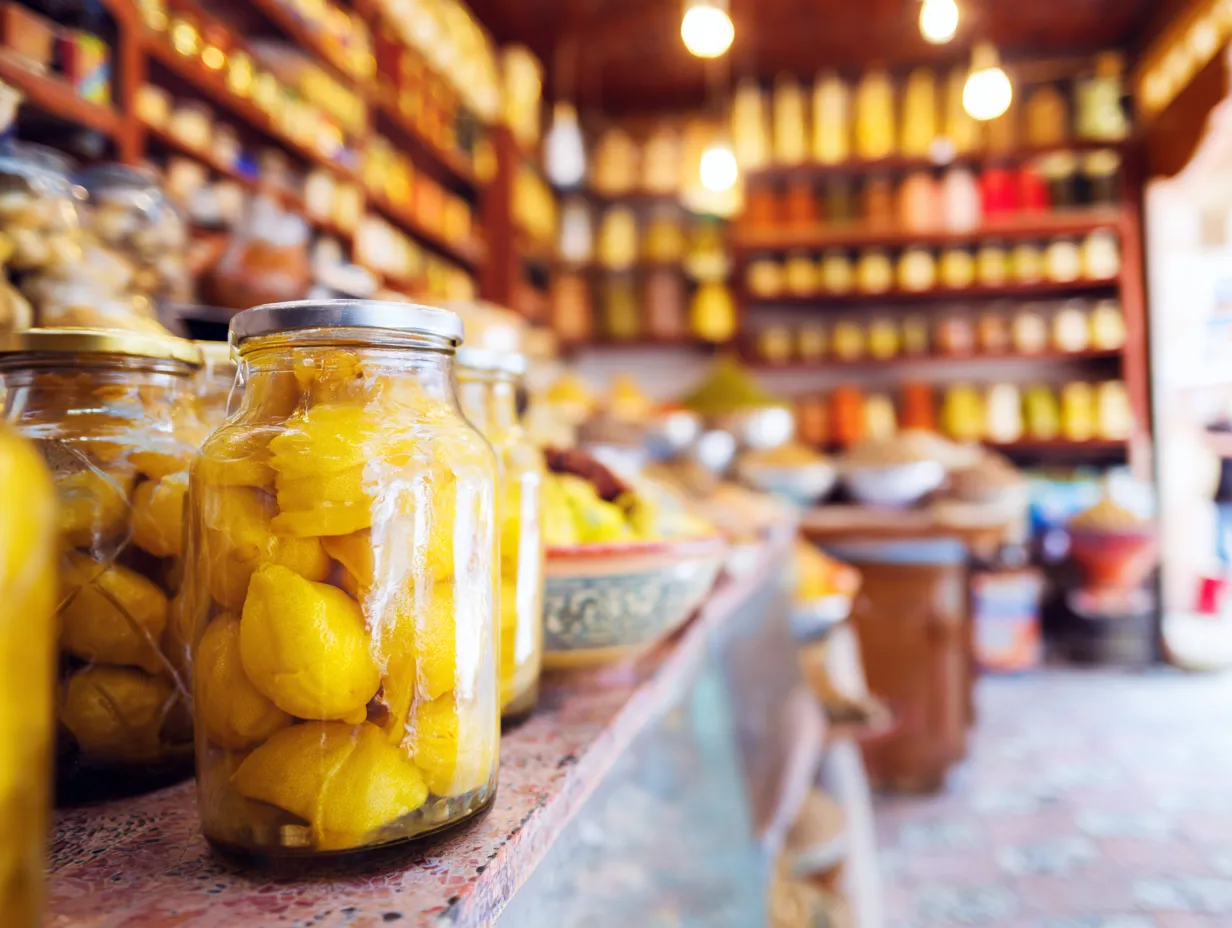
- International Markets: These are often your best bet. Stores specializing in Mediterranean, Middle Eastern, or North African goods will stock authentic imported jars. This is where you are most likely to find varieties explicitly labeled as being made with Beldi lemons.
- Online Specialty Retailers: Many boutique food producers now make and sell their own jars of high-quality, salt-cured lemons. Look for sellers who explicitly state the type of lemon used and the length of the curing process. Reviews emphasizing the flavor profile (salty, savory, mellow, not harsh) are a good sign.
- The Farmer’s Market Advantage: In some regions, local home preservers or small-scale farmers produce their own preserved lemons, often using highly aromatic local Meyer lemons. If you find these, grab them! They often offer a freshness that commercial jars simply can’t match.
Whether you choose to DIY with our preserving citrus guide or purchase a jar of this ultimate tangy delight, welcoming this ingredient into your kitchen is a permanent and rewarding culinary change.
Final Verdict: Why Preserving Citrus is Worth the Effort
We’ve explored the history, the mechanics, and the endless uses of this incredible ingredient. From the moment you slice that first preserved Beldi lemon releasing its powerful, savory-sweet aroma you will understand why this simple act of salt-curing has persisted for generations.
It is a connection to tradition, an act of patience rewarded by profound flavor, and perhaps most importantly, a guarantee that you always have an ultimate tangy delight on hand. Whether you are building the foundation of a classic North African cuisine dish or simply seeking that final, bright pop of umami citrus taste for a weeknight chicken dinner, the preserved lemon delivers.
Don’t just read about it try it! Making your own jar is a rewarding kitchen ritual. If you prefer to buy them, now you know exactly what to look for to guarantee the highest quality. We encourage you to start your own preserving citrus journey today and experience the difference this transformative ingredient makes.
Frequently Asked Questions (FAQ)
What part of the preserved lemon do I use?
You primarily use the rind (the soft, translucent peel). You should scoop out and discard the pulpy flesh inside (or save the pulp for blending into a vinaigrette if you don’t mind the texture). Always rinse the rind under cool water before chopping to remove excess salt, which helps you control the salinity of your final dish.
How long do salt-cured lemons last?
When kept properly submerged in their brine and stored in a sealed jar in the refrigerator, salt-cured lemons have an excellent shelf life and can last for a year or even longer. As long as there is no visible mold and they remain covered by the liquid, they are good to use.
Can I substitute fresh lemon juice or zest for preserved lemons?
While fresh lemon zest adds a bright note, it cannot fully substitute for the deep, complex flavor of Moroccan preserved lemons. Fresh zest lacks the unique mellowed acidity and savory, fermented umami citrus taste that the salt-curing process creates. A substitution will not yield the authentic flavor required for North African cuisine.
Why did my preserved lemons turn brown or dark?
It is perfectly normal for the lemons and brine to deepen in color from bright yellow to a rich, golden or slightly amber hue as they age. This is a sign of flavor development and concentration. As long as they smell pleasantly savory and acidic (not rancid or yeasty), they are safe and delicious to eat.