

Intro: A Zesty Moroccan Delight Worth Mastering
There’s something magical about the scent of fresh brioche baking in your kitchen and when you add a twist of citrus, it transforms into an unforgettable experience. Moroccan brioche with orange zest is more than just a sweet bread; it’s a cultural celebration wrapped in warmth, flavor, and family tradition.
Whether you’re already a fan of Moroccan pastries or just looking to spice up your baking routine, this recipe brings together fragrant ingredients and heartfelt techniques that turn a simple loaf into a treasured treat. Soft, slightly sweet, and infused with citrus notes, this brioche is perfect for breakfast, brunch, or a cozy afternoon snack.
So, are you ready to master this citrusy Moroccan gem? Let’s dive into everything you need to know from baking tips and serving suggestions to creative variations.
Key Takeaways
Here’s a quick summary to keep at your fingertips:
- Citrus Infusion: Orange zest is the star ingredient, giving Moroccan brioche its unique brightness.
- Soft & Buttery Texture: Achieved through careful kneading, proofing, and butter incorporation.
- Versatile Serving: Enjoy it with MINT TEA honey, or as French toast the options are endless!
- Perfect for All Occasions: Elegant enough for celebrations, simple enough for everyday joy.
- Freezer-Friendly: Bake ahead, freeze slices, and reheat for a warm treat any time.
Table of Contents
What Makes Moroccan Brioche So Special?
Unique Texture and Flavor of Moroccan Brioche
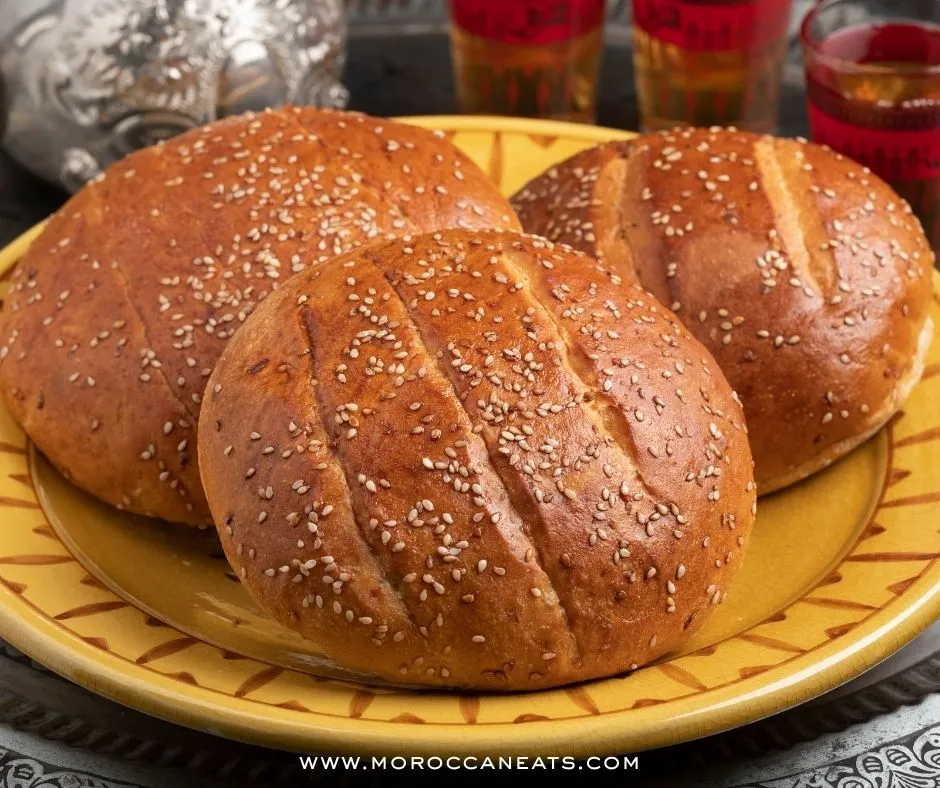
Ever bitten into something so soft, fragrant, and delicately sweet that it feels like a warm hug? That’s exactly what you get with Moroccan brioche, especially when it’s kissed with the bright zest of fresh oranges. Unlike the traditional French brioche, which is rich and buttery, Moroccan brioche with orange zest leans into a more airy, almost cloud-like texture less dense, but packed with flavor.
The magic lies in the dough itself. It’s subtly sweet, enriched with eggs and milk, and elevated with citrus notes that awaken your senses with every bite. Orange zest isn’t just an ingredient here it’s a star. It infuses the dough with a floral-citrus aroma that’s both nostalgic and exotic.
Pro tip: Grate the orange zest just before using it to capture the freshest oils and deepest fragrance.
The Role of Orange Zest in Moroccan Baking
You might be wondering, why orange zest? In Moroccan cuisine, citrus plays a significant role not just for flavor, but also for balance. Sweet breads like this orange zest brioche get their signature aroma and taste from the zest, which cuts through the richness and adds an invigorating brightness.
Here’s what orange zest brings to the table:
- Aromatic complexity: It’s not just about sweetness; it’s about scent and sensation.
- Flavor balance: Helps tone down the richness of eggs and sugar in the dough.
- Color and appeal: Tiny flecks of zest speckle the bread, adding visual charm.
It’s these small but powerful details that set Moroccan brioche apart.
Cultural and Traditional Significance
In Morocco, food is not just sustenance it’s a celebration. Moroccan sweet bread often makes appearances during special breakfasts, holidays, or weekend family gatherings. This brioche, in particular, is a cherished treat that evokes warmth and hospitality. You’ll often find it served alongside mint tea, honey, or homemade jam a moment of comfort and connection in every slice.
Traditionally baked in home kitchens rather than commercial bakeries, this recipe has been passed down through generations, tweaked lovingly with each baker’s personal touch. Orange zest? That’s Grandma’s trick to make it unforgettable.
Comparing Moroccan Brioche to French Brioche
Let’s clear something up: Moroccan brioche is not just a regional version of its French cousin. While they share a name and a few ingredients, their personalities are quite different.
| Feature | Moroccan Brioche | French Brioche |
|---|---|---|
| Texture | Light, fluffy, airy | Rich, buttery, dense |
| Flavor | Subtly sweet, citrus-forward | Creamy, deep butter flavor |
| Aromatics | Orange zest, anise (sometimes) | Mostly vanilla or plain |
| Use | Often eaten at breakfast or tea time | Common in desserts or gourmet sandwiches |
Both are delicious in their own right, but if you’re after something that feels comforting and gently sweet the kind of bread that begs to be shared on a sunny morning Moroccan brioche with orange zest is the one to bake.
Ingredients You’ll Need
Core Ingredients: Flour, Yeast, Sugar, Orange Zest
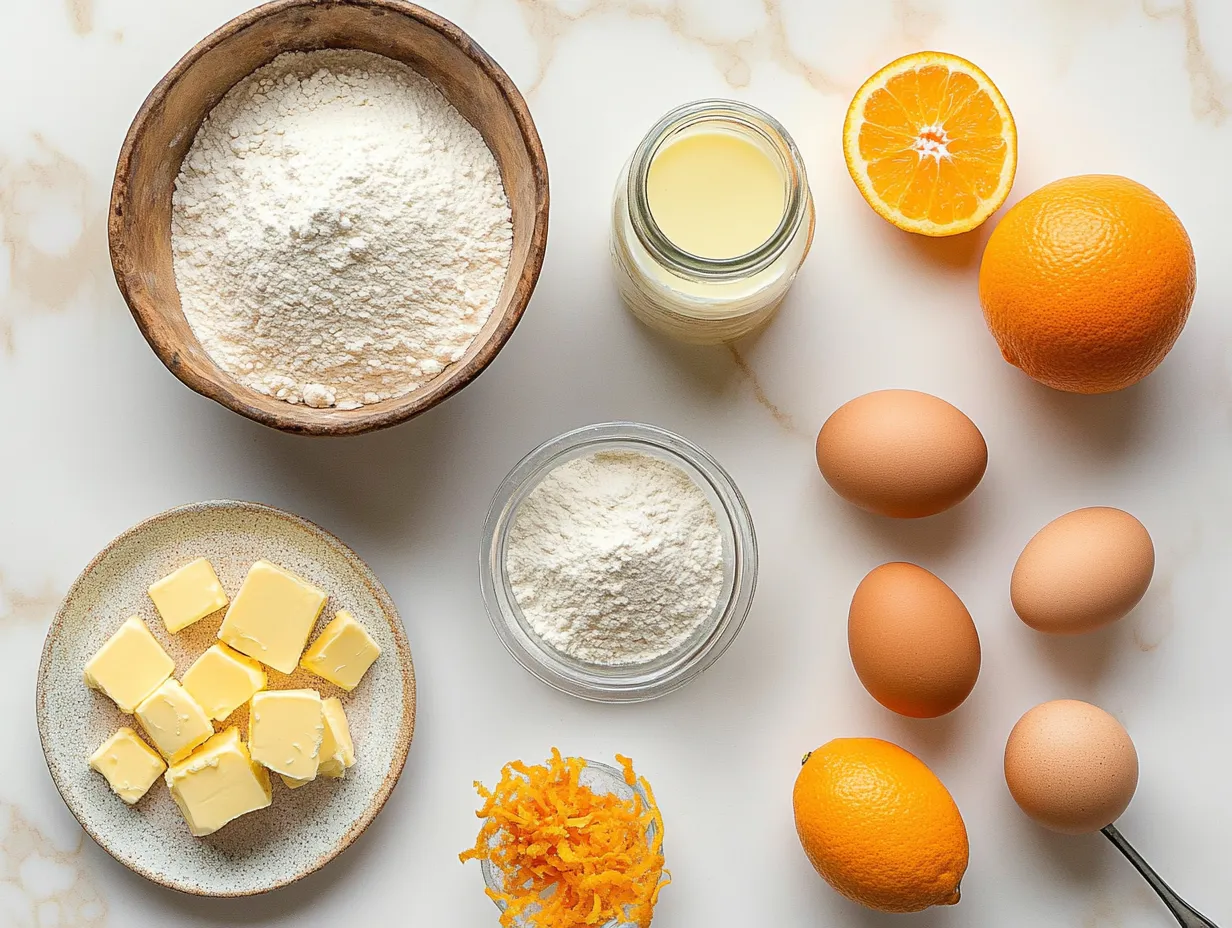
Let’s start with the basics because a truly unforgettable Moroccan brioche with orange zest recipe begins with the right ingredients. You don’t need anything overly fancy, just a mix of pantry staples and a touch of something special: fresh orange zest.
This brioche is all about balance. Soft and slightly sweet, it gets its richness from eggs and milk, while the orange zest adds that signature citrus lift. Every component has a role and trust me, once you smell the dough rising, you’ll understand why each one matters.
Here’s a breakdown of what you’ll need for the perfect Moroccan brioche loaf:
| Ingredient | Purpose |
|---|---|
| All-purpose flour | Forms the structure of the dough; gives a tender crumb |
| Instant yeast | Makes the dough rise; contributes to lightness |
| Sugar | Sweetens the bread and enhances browning |
| Eggs | Add richness and softness to the brioche |
| Milk | Helps create a soft, fluffy texture |
| Orange zest | Infuses the bread with bright citrus aroma |
| Salt | Balances flavors and enhances sweetness |
| Butter | Adds a slight richness without overpowering the citrus notes |
Quick Tip: Use organic oranges for zesting if possible they’re free from wax coatings and have a more vibrant flavor.
Optional Ingredients for Added Aroma
Want to personalize your loaf? Here’s where tradition meets creativity. Many Moroccan home bakers enjoy incorporating extra layers of fragrance. You can enhance the dough with:
- Orange blossom water – for an unmistakably Moroccan floral essence
- Anise seeds – subtle licorice flavor, often found in traditional North African baking
- Ground cinnamon or cardamom – warm spices that pair beautifully with citrus
These aren’t required, but if you’re feeling adventurous or want to channel that authentic Moroccan sweet bread vibe, give them a try!
Substitutes and Tips for Dietary Preferences
Need to tweak the recipe? No problem. Here are some easy swaps that won’t compromise flavor or texture:
- Dairy-free: Use almond milk or oat milk and plant-based butter
- Egg-free: Replace each egg with 1/4 cup of unsweetened applesauce or a flax egg
- Gluten-free: Use a high-quality gluten-free baking blend (look for one with xanthan gum)
Keep in mind, while substitutions work, they might slightly alter the texture but you’ll still get that sweet, citrus-scented satisfaction.
Where to Find Authentic Moroccan Ingredients
If you’re going for that extra layer of authenticity, you might want to source a few ingredients from specialty stores or online shops that focus on Mediterranean or Moroccan cuisine. Look out for:
- Pure orange blossom water (often labeled as “eau de fleur d’oranger”)
- High-quality semolina (if using in part for texture variation)
- Moroccan anise or mahia (optional, for traditional notes)
And don’t worry even if you keep things simple, this orange zest brioche will still shine. It’s about making it your own while staying connected to the comforting roots of Moroccan baking.
Step-by-Step Recipe Instructions
Preparing the Dough
Ready to bring the comforting aroma of homemade Moroccan brioche with orange zest into your kitchen? Let’s get hands-on.
Start by warming your milk slightly just enough to activate the yeast without cooking it. In a large mixing bowl (or stand mixer if you have one), combine the warm milk, yeast, and sugar. Let it sit for about 5 to 10 minutes until it turns foamy. This step is crucial it tells you the yeast is alive and ready to work its magic.
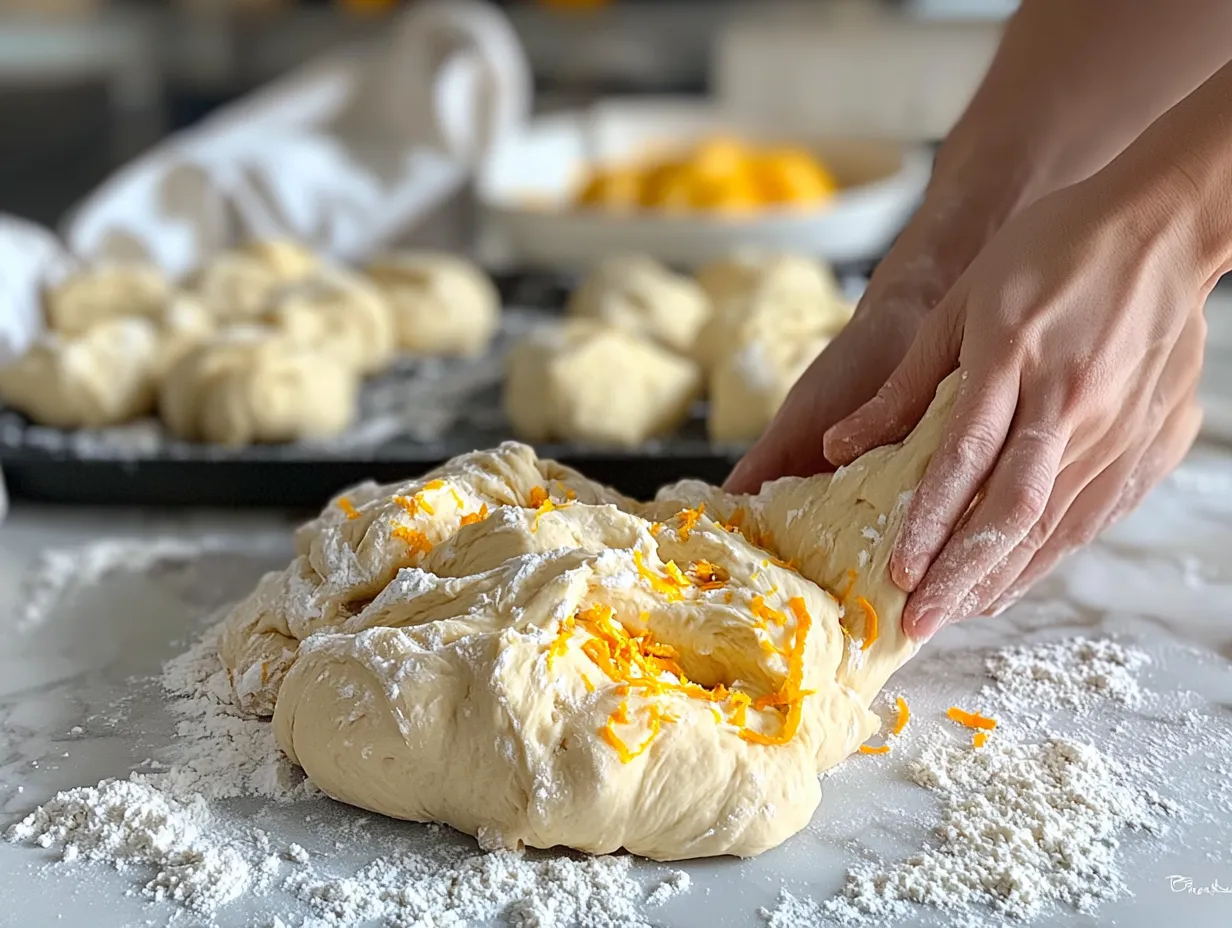
Now whisk in the eggs, orange zest, and a pinch of salt. Gradually add your flour, mixing until a shaggy dough begins to form. If you’re doing this by hand, don’t worry it gets smoother as you knead.
Pro tip: Add the butter last. Once the dough is soft but cohesive, knead in the softened butter for that luscious, tender crumb Moroccan brioche is known for.
First Rise and Shaping the Brioche
Once your dough is buttery and smooth, place it in a lightly oiled bowl and cover it with a clean towel. Let it rise in a warm place for about 1.5 to 2 hours, or until it doubles in size.
After the first rise, it’s time to shape. You can go traditional and form it into a round loaf or shape it into rolls for easy sharing. Braiding the dough also adds a gorgeous, rustic touch especially when brushed with an egg wash before baking.
Second Rise and Final Proof
After shaping, let the brioche rest again for another 30–45 minutes. This second proofing ensures that the dough becomes extra airy and light. You’ll notice it puff up gently a sign it’s ready for the oven.
Before baking, brush the top with a mixture of egg yolk and milk. This gives the bread a golden, glossy crust that makes it truly irresistible.
Optional: Sprinkle a bit of coarse sugar or crushed anise on top for texture and flair.
Baking and Aroma-Filled Reveal
Preheat your oven to 350°F (175°C). Bake the brioche for about 25–30 minutes if shaped as rolls, or up to 35–40 minutes for a larger loaf. You’ll know it’s done when it’s golden brown and sounds hollow when tapped on the bottom.
Let it cool slightly before slicing we know it’s tempting, but resting it allows the crumb to set perfectly.
And there you have it a warm, citrus-kissed Moroccan sweet bread that fills your home with nostalgia and your belly with joy.
Pro Tips for the Perfect Moroccan Brioche
Ideal Kneading and Proofing Techniques
Getting the dough just right is key to achieving that signature soft Moroccan brioche texture. So, how do you know when it’s ready?
Look for the “windowpane” effect when you can stretch a small piece of dough thin enough to let light through without it tearing. That means the gluten is well-developed, and your brioche will rise beautifully.
Here’s how to knead like a pro:
- Use a stand mixer for 8–10 minutes on medium speed, or
- Knead by hand for about 15 minutes, using the heel of your palm in a push-and-fold motion.
- Add butter slowly once the dough is elastic this helps it absorb evenly.
And when it comes to proofing, temperature matters. Find a warm, draft-free spot in your kitchen. If it’s cold, place the bowl inside your (turned-off) oven with a cup of hot water beside it to simulate warmth.
How to Achieve the Right Softness and Crust
The perfect orange zest brioche should be soft and pillowy on the inside, with a slightly crisp, golden crust on the outside. Here’s how to make that happen:
- Use room temperature ingredients – Cold eggs or milk can slow down yeast activity.
- Don’t over-flour the dough – It should be slightly sticky but not wet.
- Let it cool before slicing – This allows the crumb to set and prevents it from collapsing.
For a glossy, bakery-style finish, an egg wash (1 egg yolk + 1 tbsp milk) before baking works wonders.
“In baking, it’s the little details that elevate a recipe from good to unforgettable.”
Avoiding Common Baking Mistakes
Even experienced bakers can run into trouble with brioche. But don’t worry you’re not alone! Let’s troubleshoot a few common pitfalls:
- Dough didn’t rise? Your yeast may be expired, or the liquid was too hot and killed it.
- Dry texture? You may have added too much flour or overbaked it.
- Dense loaf? Not enough kneading or skipping the second proof can lead to this.
Just remember, baking is both a science and an art. Practice, adjust, and trust your senses.
Storage and Reheating Suggestions
One of the beautiful things about Moroccan sweet bread is that it keeps well and tastes just as magical the next day.
Here’s how to store it:
- Wrap tightly in foil or plastic wrap and keep at room temperature for up to 3 days.
- For longer storage, freeze slices individually in a zip-top bag for up to a month.
To reheat:
- Warm in a 300°F (150°C) oven for 5–7 minutes, or
- Lightly toast a slice and top with butter or honey for a comforting snack.
Conclusion: A Slice of Moroccan Comfort
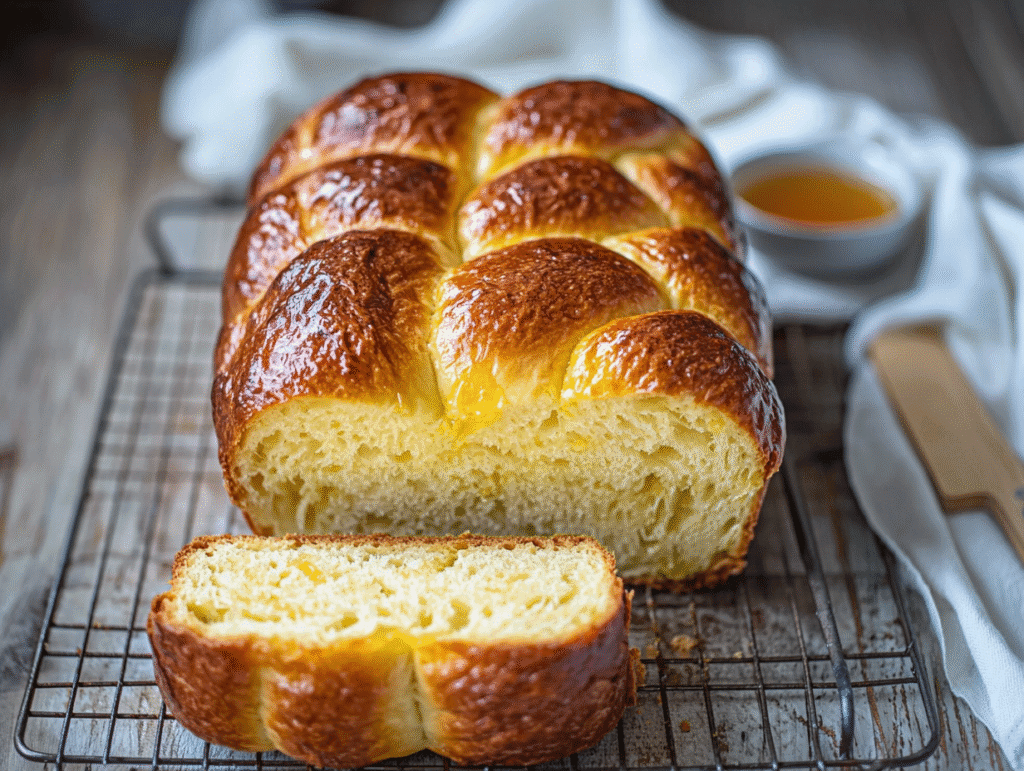
Baking Moroccan brioche with orange zest isn’t just about creating a delicious loaf it’s about savoring a tradition that connects people across kitchens, cultures, and generations.
Every step of the process, from mixing to kneading to sharing that first warm bite, is a small act of care. And when you see the golden crust, smell the citrus aroma, and hear the compliments at the table you’ll know it’s worth every minute.
Don’t be afraid to make it your own. Add a pinch of cardamom, swap in lemon zest, or shape it differently for a festive look. The beauty of Moroccan baking lies in its heart and flexibility.
So, go ahead. Get your apron on, zest those oranges, and create something beautiful.
Q&A: Frequently Asked Questions
Q1: Can I make Moroccan brioche without orange zest?
Yes! While orange zest is traditional and adds a signature flavor, you can substitute it with lemon zest, vanilla extract, or even orange blossom water.
Q2: My dough is too sticky. What should I do?
Sticky dough is normal with enriched breads like brioche. Lightly oil your hands or let the dough rest 10 minutes before kneading again. Avoid adding too much flour.
Q3: How long does Moroccan brioche stay fresh?
Stored properly in an airtight container at room temperature, it stays fresh for 2–3 days. For longer storage, freeze it in slices and toast as needed.
Q4: Can I make this brioche vegan?
Yes! Use plant-based milk, vegan butter, and a flax egg substitute (1 tbsp ground flax + 3 tbsp water = 1 egg). The texture may vary slightly but will still be delicious.