
Introduction
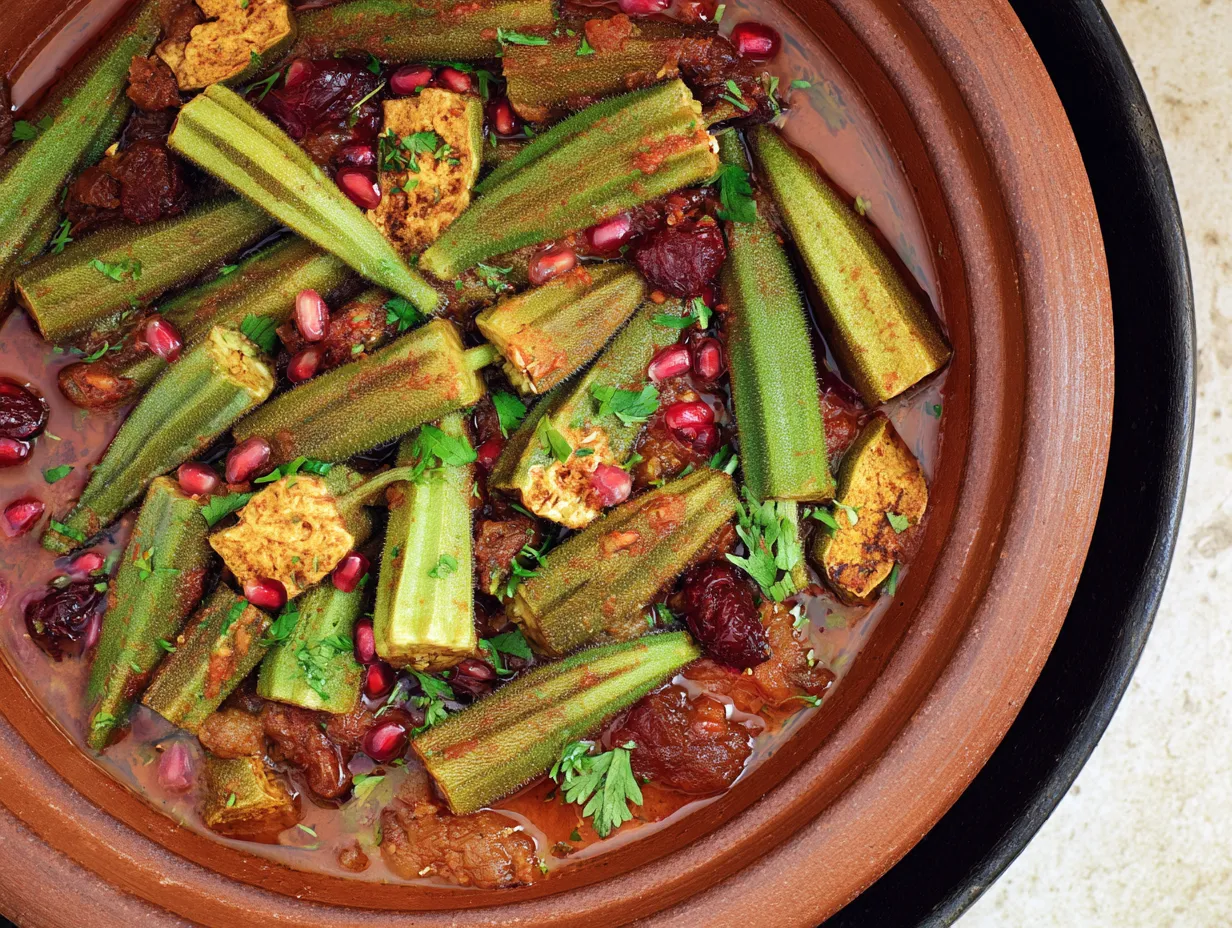
Looking for a comforting dish that blends rich flavors, healthy ingredients, and centuries of tradition? Then this Moroccan okra recipe is exactly what you need. More than just food, it’s a story on a plate one that speaks of family gatherings, the warmth of Moroccan kitchens, and the joy of slow-cooked flavors shared with loved ones.
Whether you’re new to Moroccan cuisine or already a fan of North African flavors, this dish delivers the perfect balance of spice, texture, and comfort. By the end of this guide, you’ll not only know how to make it but also how to serve, enjoy, and even elevate it into a full Moroccan-inspired feast.
Key Takeaways
Before we dive into the details, here are the highlights you should remember about this mouthwatering family favorite:
- ✅ Versatile : Works beautifully as a vegetarian dish or with meat like lamb or chicken.
- ✅ Balanced flavors : The combination of okra, tomatoes, and Moroccan spices creates a comforting, savory base.
- ✅ Family-centered : Traditionally served in large portions for sharing, making it perfect for gatherings.
- ✅ Healthy and nourishing : Packed with fiber, vitamins, and antioxidants, it’s as good for you as it is delicious.
- ✅ Easy to adapt : Can be made on the stovetop, in a tagine, or in a slow cooker depending on your setup.
Table of Contents
Why This Moroccan Okra Recipe is a Family Favorite
The Cultural Significance of Okra in Morocco
Have you ever noticed how some dishes instantly make you feel at home, even if you’ve never set foot in the country where they originated? That’s the magic of Moroccan okra. In Morocco, okra (locally known as bamia) isn’t just a vegetable it’s a comfort ingredient that connects generations. Passed down through family kitchens, it often appears in warming stews and tagines, offering both nourishment and tradition on the table.
Moroccan cuisine is famous for its balance of spices, and okra fits right into this story. It absorbs flavors beautifully, making it the perfect partner for bold seasonings like cumin, coriander, and paprika. When combined with a tomato-rich base, okra transforms into a dish that’s equal parts hearty, healthy, and satisfying.
How Okra is Enjoyed in Moroccan Households
If you ask a Moroccan family about their favorite okra dish, chances are you’ll hear a dozen different variations. Some prepare it with tender lamb or chicken for a rich, comforting main course. Others keep it plant-based, letting the natural earthiness of okra shine in a vibrant tomato sauce. Either way, it’s a dish that’s always meant to be shared.
Here’s what makes it so loved in Moroccan homes:
- Versatility: Perfect for both meat lovers and vegetarians.
- Budget-friendly: Okra is affordable and goes a long way when paired with staples like tomatoes, onions, and spices.
- Family tradition: Cooking okra often becomes a weekend ritual, bringing everyone into the kitchen to help prepare.
Comfort Food Appeal: Warming Flavors and Textures
Why do we call this recipe a family favorite? Because it delivers on every level. The slow-simmered sauce, infused with fragrant Moroccan spices, creates a comforting aroma that fills the house. The texture of okra tender but not mushy gives the dish a satisfying bite, while the deep tomato base brings warmth with every spoonful.
When served with fluffy couscous or warm Moroccan bread, it becomes more than a meal it’s an experience. It’s the kind of dish that makes you slow down, gather around the table, and savor life’s simple pleasures.
💡 Pro Tip: Want to enhance the flavor even more? Try cooking this Moroccan okra recipe in a traditional tagine. The clay pot locks in steam and intensifies the spices, creating an unforgettable depth of taste.
Ingredients You’ll Need for Authentic Flavor
Core Vegetables and Fresh Produce
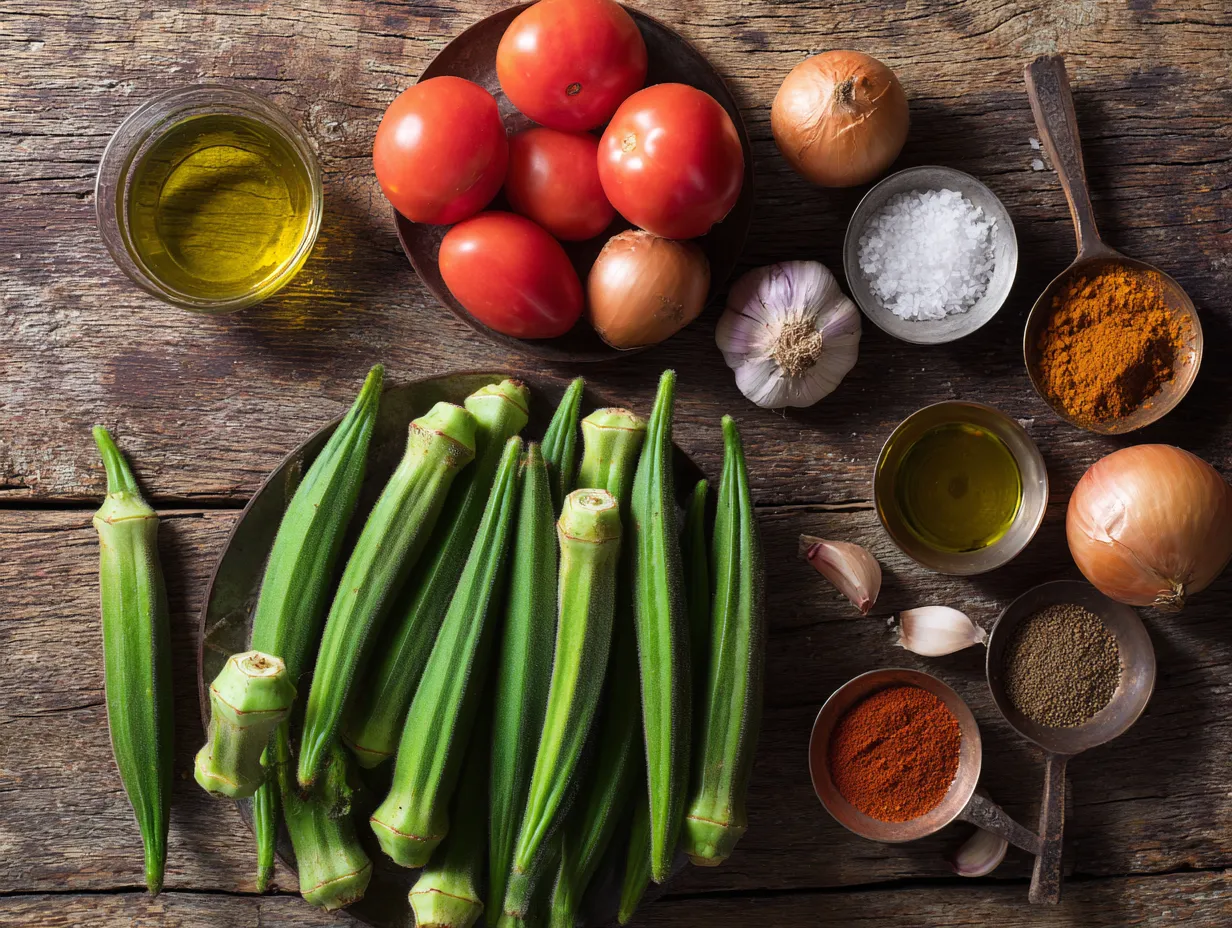
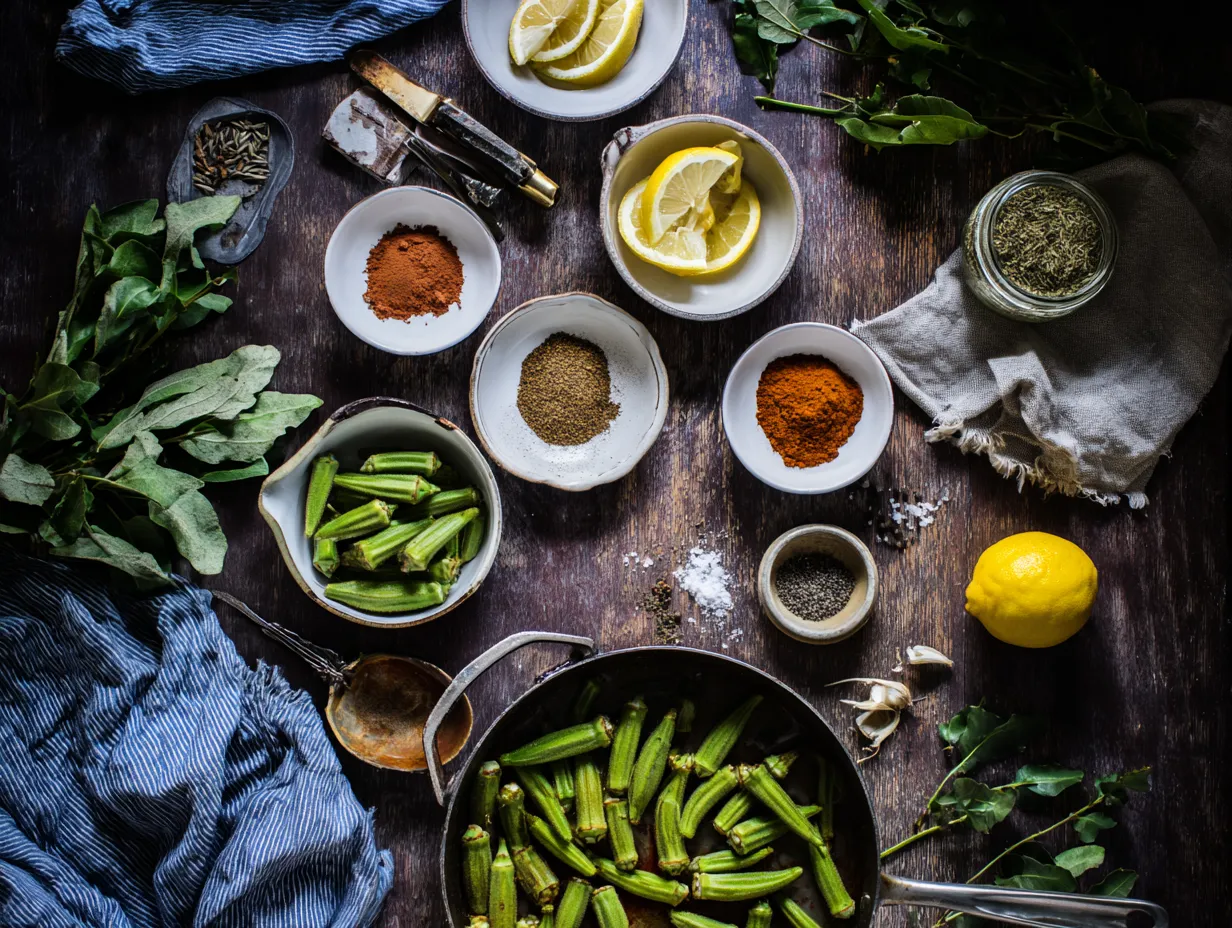
Every great Moroccan okra recipe begins with fresh, seasonal ingredients. Okra is the star here, but it shines brightest when paired with other staples like juicy tomatoes, sweet onions, and garlic. These simple vegetables create a rich base that balances the natural earthiness of okra.
Essential Moroccan Spices and Herbs
What truly transforms this dish from simple to spectacular is the spice blend. Moroccan kitchens are known for layering flavors cumin for warmth, coriander for freshness, and paprika for a gentle kick. Don’t forget fresh cilantro and parsley to brighten the dish right before serving.
Protein Options: Vegan and Meat Variations
The beauty of this recipe lies in its flexibility. Want to keep it light and vegan? Stick with vegetables only. Looking for something heartier? Add tender lamb chunks or chicken thighs to enrich the tomato-based sauce. Either way, you’ll enjoy a comforting, balanced meal that’s perfect for family gatherings.
Ingredient List (for 4 servings)
| Ingredient | Quantity |
|---|---|
| Fresh okra (trimmed) | 500 g (about 1 lb) |
| Ripe tomatoes (diced) | 4 medium |
| Onion (finely chopped) | 1 large |
| Garlic cloves (minced) | 3 |
| Olive oil | 3 tbsp |
| Tomato paste | 2 tbsp |
| Ground cumin | 1 tsp |
| Ground coriander | 1 tsp |
| Paprika | 1 tsp |
| Salt & black pepper | To taste |
| Fresh cilantro (chopped) | 2 tbsp |
| Fresh parsley (chopped) | 2 tbsp |
| Optional: lamb/chicken | 300 g (if preferred) |
💡 Pro Tip: If you’re using meat, brown it first in olive oil before adding the vegetables. This step locks in flavor and creates a deeper, more aromatic sauce.
Step-by-Step Guide to Cooking Moroccan Okra
Preparing Okra the Right Way
The secret to a delicious Moroccan okra recipe starts with proper prep. Okra can sometimes turn slimy if handled incorrectly, but don’t worry I’ve got you covered. Simply wash the pods, pat them dry, and trim the ends without cutting too deep. This helps preserve their texture while keeping the dish smooth and appetizing.
👉 Quick tip: If you want extra assurance, lightly sauté the okra in olive oil before adding it to the sauce. This step enhances flavor and prevents excess stickiness.
Building the Tomato-Spice Base
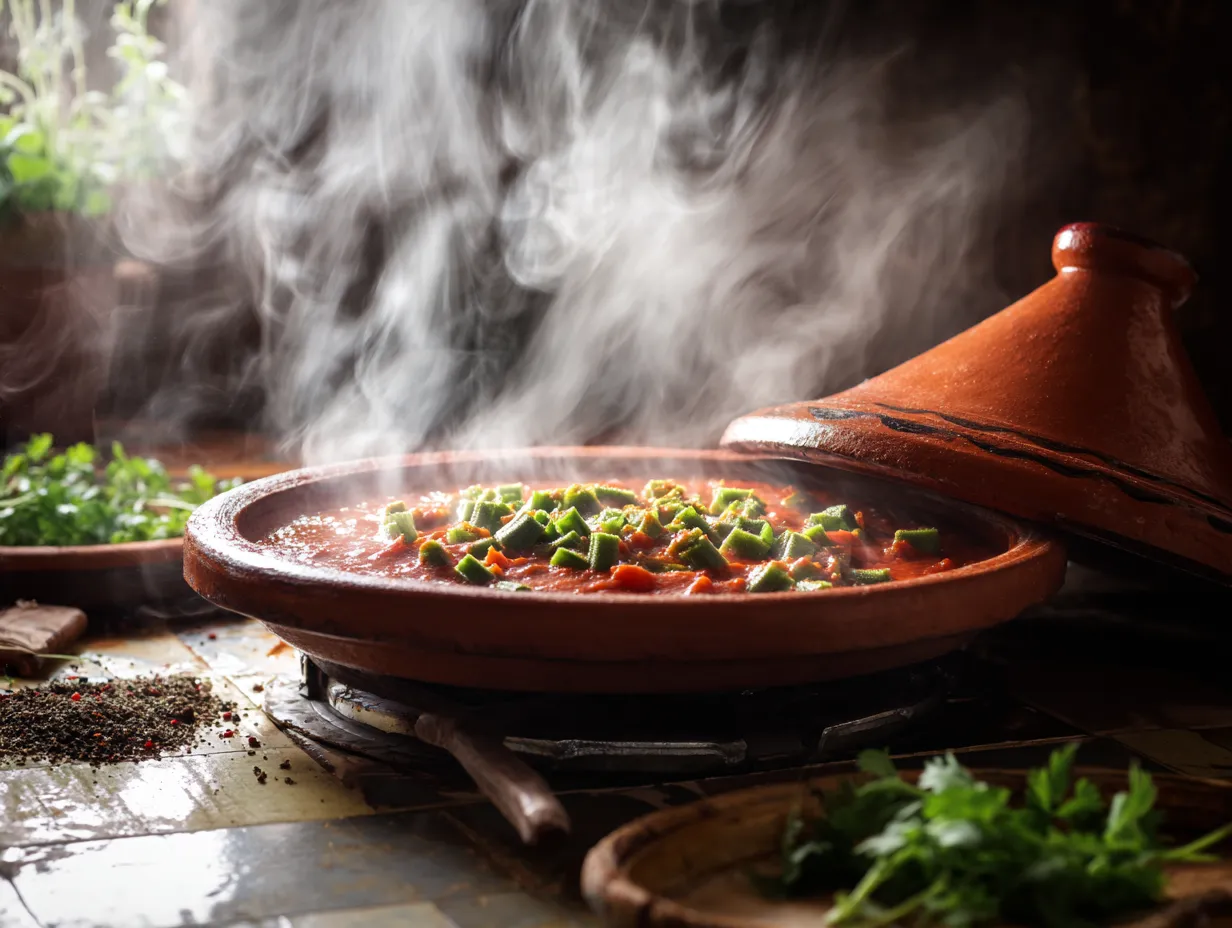
This is where Moroccan cooking shines. Heat olive oil in a large pot, add onions and garlic, and let them slowly caramelize. Then comes the magic: spices like cumin, coriander, and paprika blend with tomato paste to form a fragrant base. Once the tomatoes break down into a rich sauce, the okra (and optional meat, if you’re adding it) joins the party.
Think of this stage as layering flavors it’s not just cooking, it’s crafting comfort in a pot.
Cooking Methods: Stovetop, Tagine, or Slow Cooker
You’ve got options depending on your kitchen setup:
- Stovetop Method (traditional & quick): Simmer everything in a heavy-bottomed pot for about 35–40 minutes until the okra is tender.
- Tagine Method (authentic & flavorful): Slow-cook the stew in a clay tagine. This method gently steams the ingredients, intensifying the spices and making every bite deeply satisfying.
- Slow Cooker Method (hands-off): Toss everything in your slow cooker, set it for 4–5 hours on low, and return to a beautifully cooked Moroccan okra stew without lifting a finger.
Tips, Tricks, and Common Mistakes to Avoid
How to Keep Okra from Becoming Slimy
One of the biggest worries when cooking okra is the slimy texture. But here’s the good news: with a few tricks, you can enjoy tender, flavorful okra without the stickiness.
- Dry before cooking: Always pat your okra dry after washing.
- Quick sauté: Lightly fry in olive oil before adding to the stew.
- Acidic balance: Tomatoes and a splash of lemon juice naturally reduce sliminess.
Flavor-Boosting Techniques from Moroccan Kitchens
Want to take your dish from good to unforgettable? Here’s how Moroccan cooks do it:
- Toast the spices first – warming cumin, coriander, and paprika in olive oil intensifies their aroma.
- Use fresh herbs generously – cilantro and parsley brighten up the final dish.
- Cook low and slow – letting the stew simmer allows flavors to deepen beautifully.
Mistakes Beginners Often Make
Even a simple recipe can be spoiled if you’re not careful. Avoid these common pitfalls:
- Overcooking the okra → leads to mushiness.
- Skipping the spice balance → Moroccan food is all about harmony, so don’t let one flavor overpower the rest.
- Adding too much liquid → the stew should be rich and thick, not watery.
“Cooking Moroccan food isn’t just about following steps it’s about respecting the rhythm of the spices and letting them tell their story.”
💡 Pro Tip: Always taste as you go. A pinch more salt or a dash of paprika can make all the difference in achieving that authentic Moroccan flavor.
Serving Ideas and Perfect Pairings
Traditional Sides: Couscous, Bread, and Rice
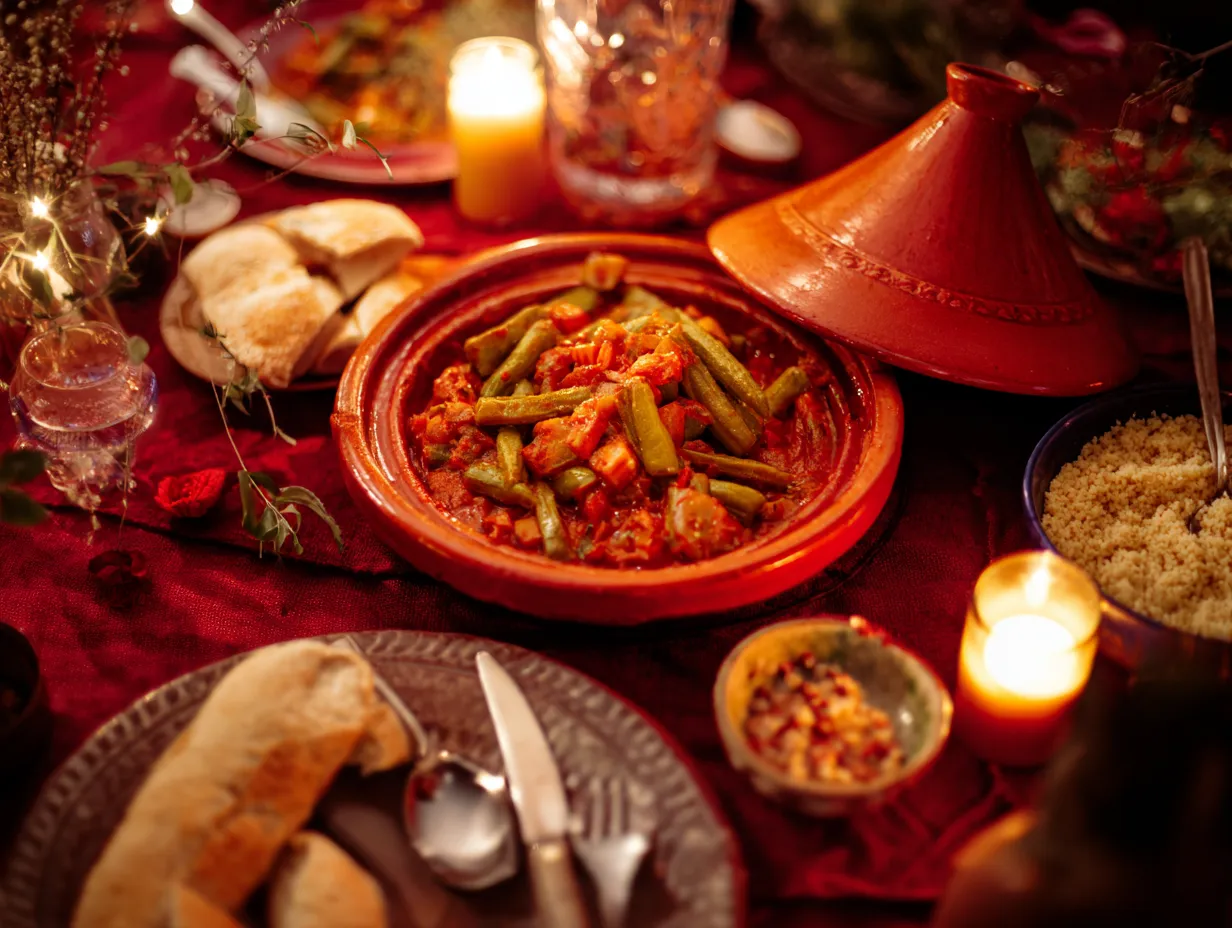
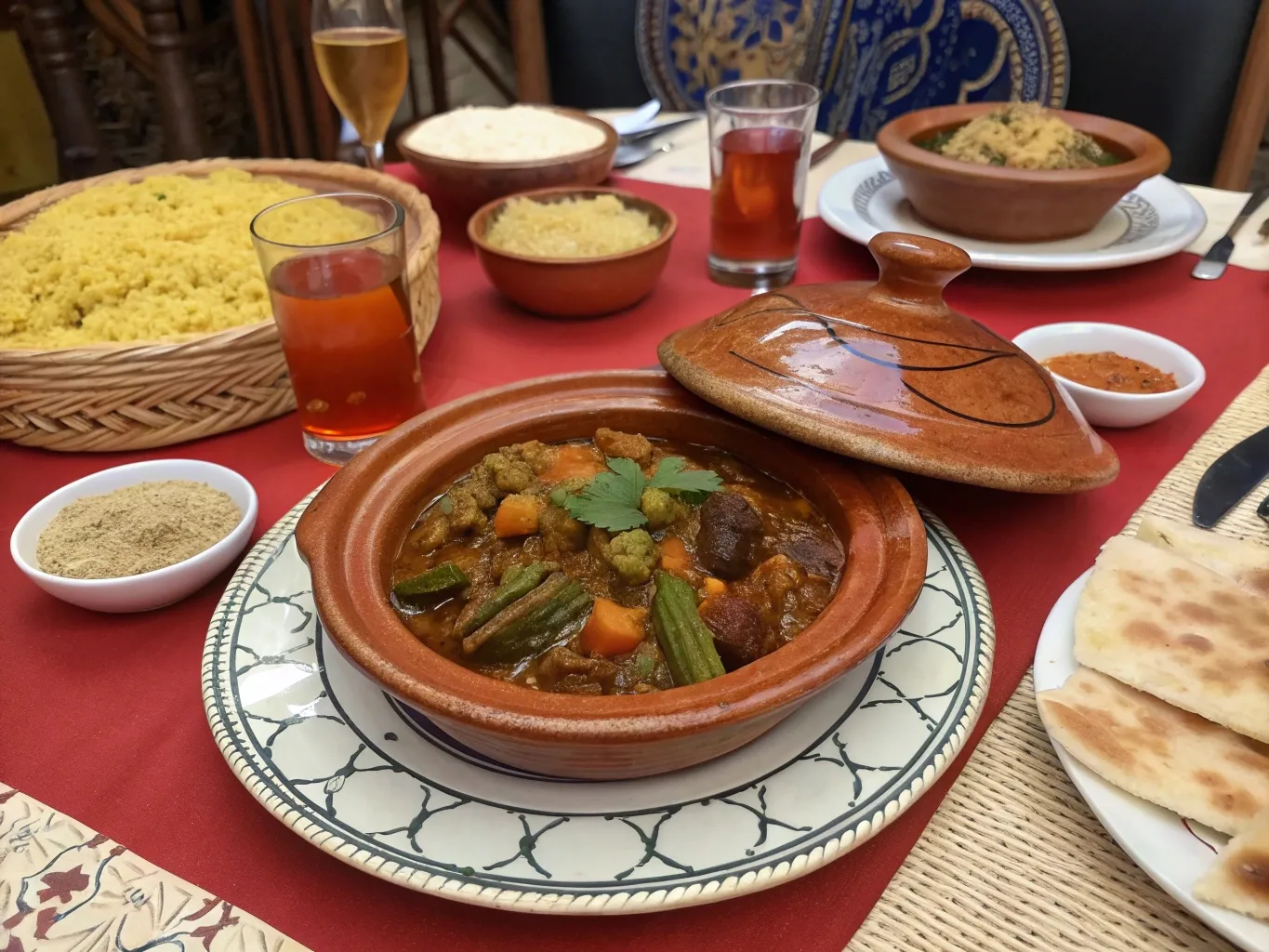
No Moroccan okra recipe is complete without the right side dish to soak up that rich tomato-spice sauce. Traditionally, fluffy couscous takes center stage it’s light, airy, and perfect for capturing every drop of flavor. But don’t overlook warm Moroccan flatbread, which doubles as both a spoon and a side. For a more filling option, a simple bed of steamed rice also works beautifully.
👉 Pro Tip: If you want an authentic experience, serve your okra stew in a communal dish, with bread on the side for dipping and sharing.
Drinks That Complement Moroccan Okra
Pairing drinks with Moroccan okra is about balance. The dish is warming and spiced, so you’ll want something refreshing to contrast:
- Mint tea: The classic Moroccan pairing, cooling and fragrant.
- Citrus-infused water: Lemon or orange slices add a refreshing twist.
Making It a Complete Moroccan Feast
If you’re hosting guests or planning a weekend family meal, why not build a whole Moroccan-inspired table? Imagine starting with a small plate of zaalouk (eggplant dip), followed by your okra stew, and finishing with fresh seasonal fruit. It’s simple, wholesome, and absolutely memorable.
💡 Don’t be afraid to experiment! Moroccan cuisine is versatile, and adding small sides like olives, pickled vegetables, or a crisp salad can elevate your meal without much extra work.
Conclusion
Cooking this Moroccan okra recipe isn’t just about preparing dinner it’s about creating moments. The aroma of simmering spices, the rich tomato base, and the tender okra all come together to turn an ordinary evening into something memorable.
Whether you enjoy it with couscous, bread, or rice, this dish has the power to bring comfort to your table and joy to your family. So, next time you’re craving a meal that’s hearty, flavorful, and full of tradition, let Morocco inspire your cooking.
Q&A Section
Q1: Can I make Moroccan okra ahead of time?
Yes! In fact, it tastes even better the next day as the flavors deepen overnight. Just reheat gently before serving.
Q2: What’s the best way to keep okra from getting slimy?
The trick is to keep it dry, sauté it briefly before adding to the sauce, and let the tomatoes or lemon juice do their job of balancing the texture.
Q3: Is this recipe vegan-friendly?
Absolutely. The base recipe is plant-based, but you can add lamb or chicken if you’d like a heartier variation.
Q4: What side dishes go best with Moroccan okra?
Traditional sides like couscous, Moroccan flatbread, or even plain rice work wonderfully. Mint tea is the perfect drink pairing.
Q5: How spicy is Moroccan okra stew?
It’s more flavorful than spicy. You can adjust the heat by adding chili flakes or harissa if you prefer extra kick.