Discover the Magic of Sellou: Morocco’s Beloved Sweet
Have you ever bitten into something so comforting, so nostalgic, it instantly transported you to another time and place?
That’s sellou a Moroccan sweet that’s far more than just a dessert. Whether it’s served during Ramadan, Eid, or cherished family gatherings, this nutty, spiced blend of toasted flour, almonds, sesame seeds, and honey is a symbol of warmth, celebration, and love.
But sellou isn’t just about tradition. It’s versatile, nutritious, and deeply personal every family has their twist. Whether you’re discovering it for the first time or revisiting a childhood favorite, you’re about to fall in love all over again.
Key Takeaways
Here’s what you should remember:
- Sellou, also known as sfouf, is a traditional Moroccan sweet served during religious holidays and special events.
- It’s made with toasted flour, almonds, sesame seeds, ghee, and honey all nutrient-rich and deeply flavorful.
- Every region and family has their own spin: some use flaxseeds, others add anise, and some swap in dates or oats.
- Sellou can be stored for weeks or even months, making it the perfect make-ahead dessert.
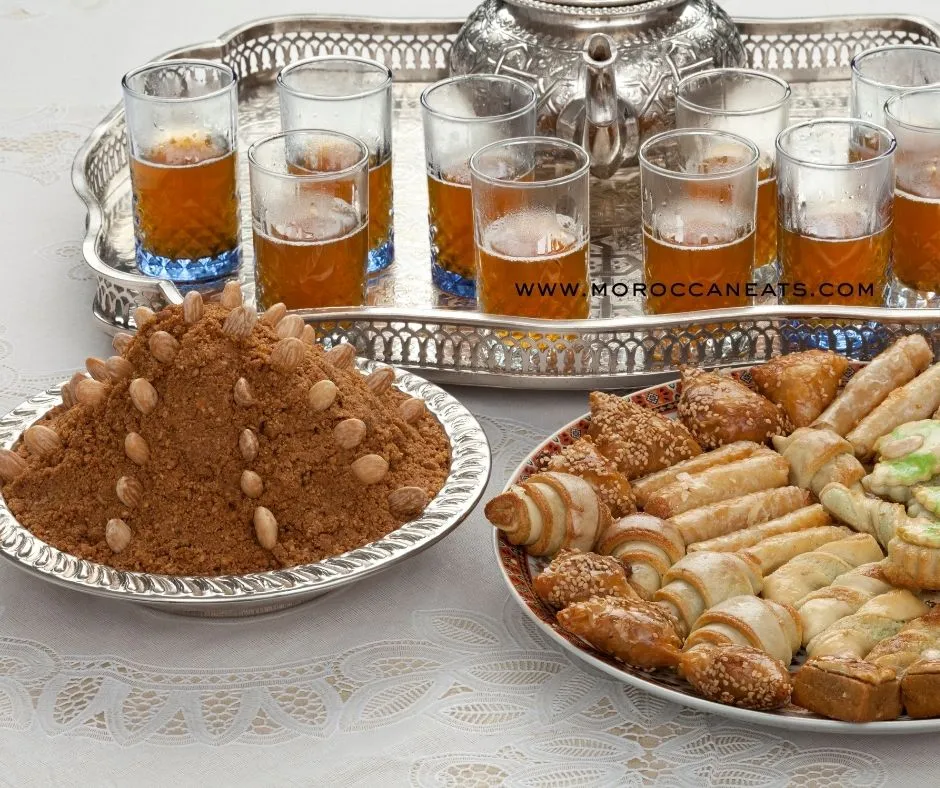
- It can be served as a classic pyramid, in bite-sized balls, or with Moroccan tea as part of a dessert platter.
Table of Contents
What Is Sellou? A Taste of Moroccan Heritage
The Origins of Sellou
If you’ve ever been lucky enough to be invited into a Moroccan home during Ramadan or Eid, chances are you’ve been offered a generous helping of sellou. But what exactly is this mysterious, crumbly dessert that everyone seems to love?
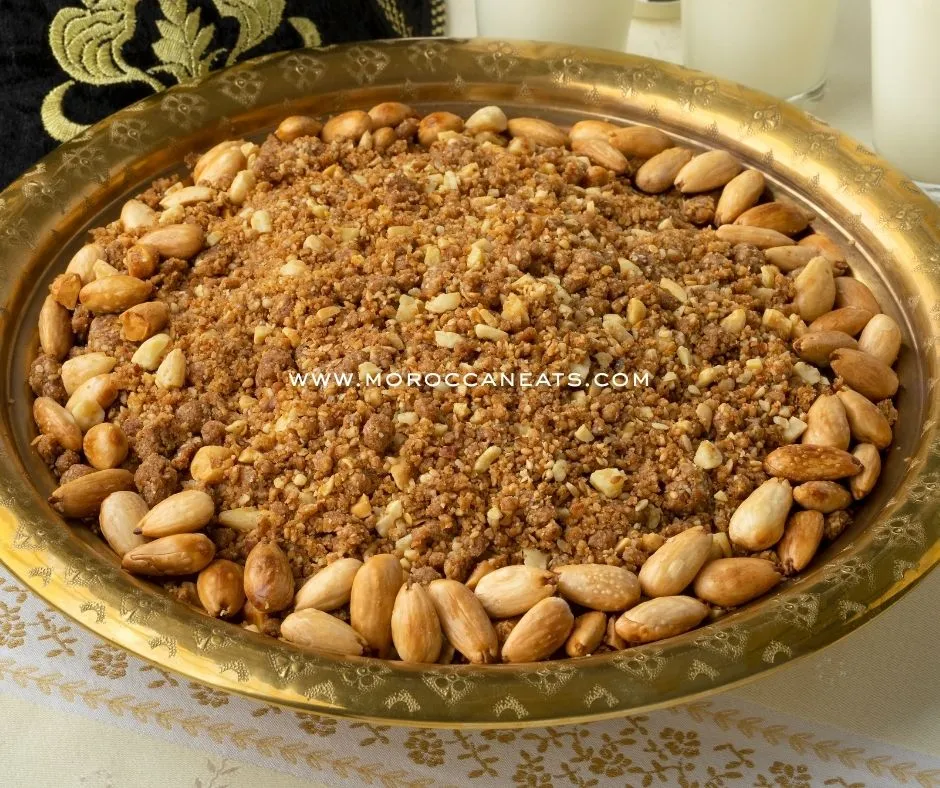
Sellou, also known as sfouf in some regions, is a traditional Moroccan sweet made from toasted flour, ground almonds, sesame seeds, and honey, often enriched with ghee or butter. It’s not baked. It’s not frozen. Instead, it’s blended into a rich, sandy mixture that’s both nutrient-dense and deeply satisfying.
A Culinary Heirloom
What makes sellou truly fascinating isn’t just the taste it’s the history behind it. Sellou has been part of Moroccan culinary traditions for centuries, passed down from one generation to the next, often made in large batches and lovingly shared with guests. You could say it’s more than food it’s family, memory, and identity in edible form.
Why Sellou Is More Than Just a Dessert
Let’s be real sellou isn’t your average snack. It’s a supercharged energy booster, designed for long days of fasting or demanding occasions where your body needs something deeply nourishing and satisfying.
So, why does everyone fall in love with it? Here’s what makes sellou stand out:
- Power-packed ingredients like almonds and sesame seeds give it a protein and fiber-rich base, ideal for staying full and energized.
- Its natural sweetness from honey means you’re not loading up on processed sugars.
- It stores well for weeks, making it a convenient, make-ahead delight during festive seasons.
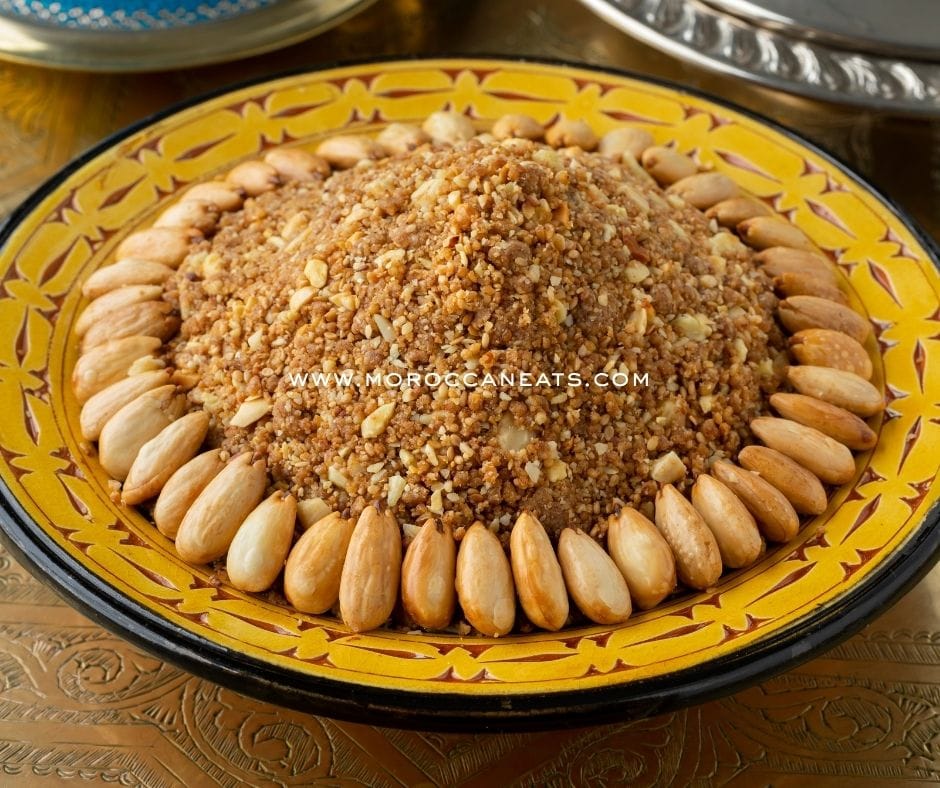
Whether it’s served molded into a neat pyramid or scooped casually into a bowl, sellou captures the warmth of Moroccan hospitality in every spoonful.
Cultural Significance During Ramadan and Eid
Sellou isn’t just food it’s part of a sacred tradition. During Ramadan, after sunset when fasting breaks, sellou often shares the table with harira soup, dates, and boiled eggs. It’s a familiar comfort during a spiritual month.
And when Eid al-Fitr arrives? Sellou is there again brightly decorated, sometimes with a hint of cinnamon or powdered sugar on top, ready to be gifted or devoured. It’s the unofficial star of the celebration, symbolizing joy, prosperity, and shared blessings.
“In Moroccan culture, sellou isn’t optional it’s expected,” as one local baker put it. And we couldn’t agree more.
Key Ingredients That Make Sellou Special
Toasted Flour and Its Unique Role
You might be surprised to learn that one of the key stars of sellou isn’t sugar or butter it’s toasted flour. Yes, you read that right!
By slowly roasting flour over low heat, it transforms into a rich, nutty base with a beautiful golden color and deep aroma. This technique not only enhances the flavor but also removes any raw taste, making it completely safe to eat without baking.
It’s like giving flour a second life turning something ordinary into something extraordinary.
Almonds, Sesame, and Nutritional Power
Next up: the crunchy, protein-rich trio that makes sellou a smart indulgence. Almonds and sesame seeds aren’t just there for texture they bring a ton of health benefits to the table.
Here’s what they add:
- Almonds: Rich in healthy fats, vitamin E, and antioxidants.
- Sesame Seeds: High in calcium, fiber, and magnesium.
- Fennel Seeds (optional): Sometimes added for its digestion-friendly properties.
Combined, these ingredients give sellou its energy-dense, nourishing character, which is why it’s often served after fasting or during celebrations.
The Importance of Honey and Ghee
Let’s talk about what binds it all together: honey and ghee.
- Honey acts as the natural sweetener, balancing the toasted and nutty notes with just the right amount of moisture.
- Ghee or clarified butter brings richness and depth, helping the mixture stick together and melt in your mouth with every bite.
Together, these ingredients make sellou not just delicious, but also wholesome and long-lasting. That’s why a single batch can keep for weeks if stored properly.
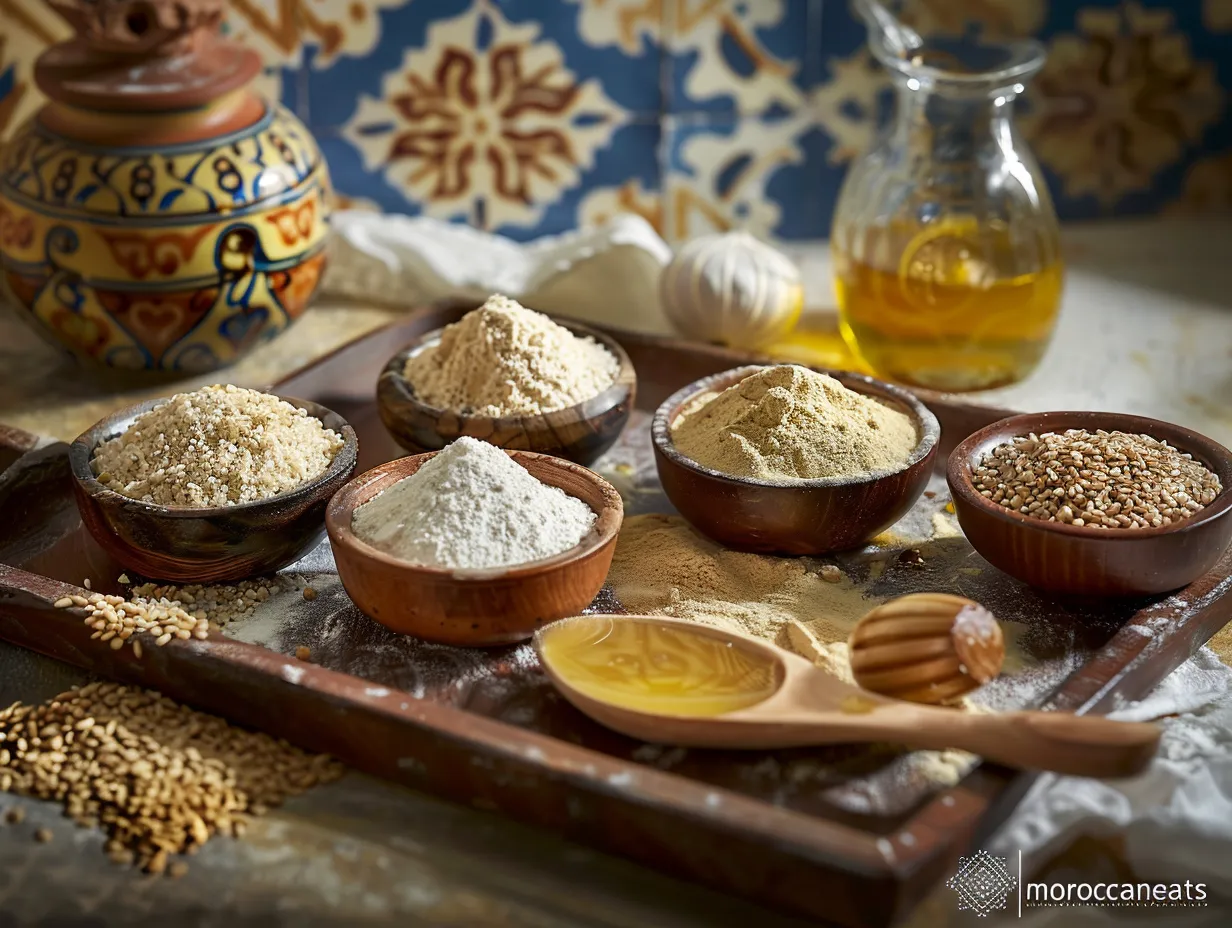
Breakdown of Sellou’s Core Ingredients
| Ingredient | Purpose | Nutritional Benefit |
|---|---|---|
| Toasted Flour | Base structure and flavor | Provides carbs and toasted aroma |
| Ground Almonds | Adds richness, texture | High in healthy fats and antioxidants |
| Sesame Seeds | Enhances crunch and flavor | Boosts calcium and fiber intake |
| Honey | Natural sweetener and binder | Contains antioxidants |
| Ghee or Butter | Adds moisture and deep flavor | Rich in fat-soluble vitamins |
| Cinnamon (optional) | Adds warmth and aromatic depth | Anti-inflammatory properties |
Traditional Sellou Ingredients Table
| Ingredient | Quantity | Purpose / Note |
|---|---|---|
| All-purpose flour | 500g (about 4 cups) | Toasted until golden for a nutty flavor base |
| Almonds (whole) | 300g (about 2 cups) | Blanched, toasted, then ground |
| Sesame seeds | 200g (about 1.5 cups) | Toasted for crunch and calcium |
| Honey | 250ml (about 1 cup) | Natural sweetener and binding agent |
| Ghee or melted butter | 200g (about ¾ cup) | Adds richness and helps bind ingredients |
| Cinnamon (ground) | 1 tbsp | Adds warm spice and aroma |
| Salt | 1 tsp | Enhances flavor |
| Optional: anise, flax | 1–2 tbsp each | For added aroma and digestion support |
| Garnish (optional) | Whole almonds, sesame | For decoration and extra texture |
This table enhances usability for your readers while supporting keyword optimization like sellou ingredients, toasted flour mixture, and almond treat.
Step-by-Step Traditional Method
Let’s walk through the traditional Moroccan way of making sellou, step by step. This is the version most often prepared during Ramadan or Eid.
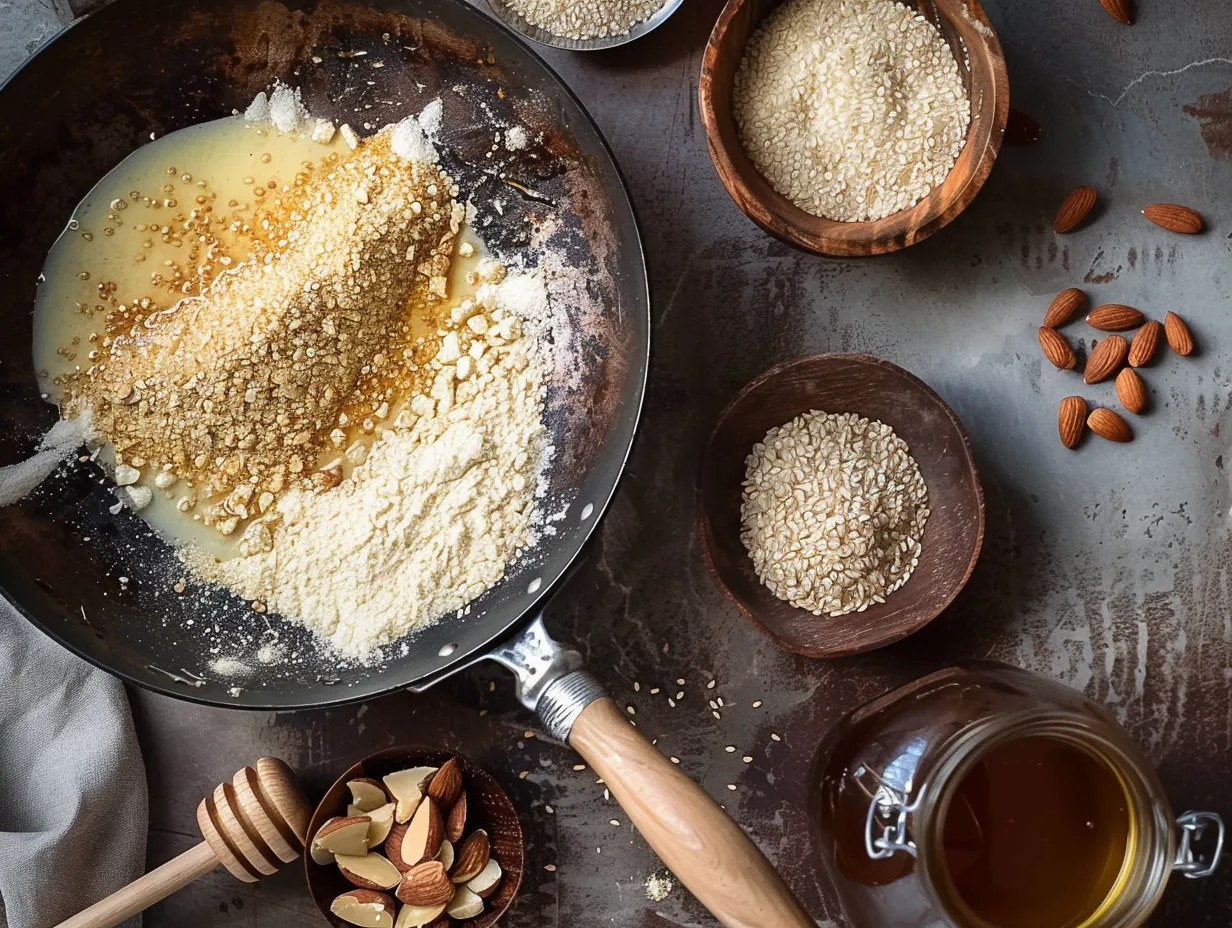
1. Toast the Flour
- In a wide pan, toast plain flour on low heat.
- Stir constantly until the color turns golden and the smell becomes nutty.
- Sift the flour after toasting to remove any lumps or clumps.
2. Prepare the Nuts and Seeds
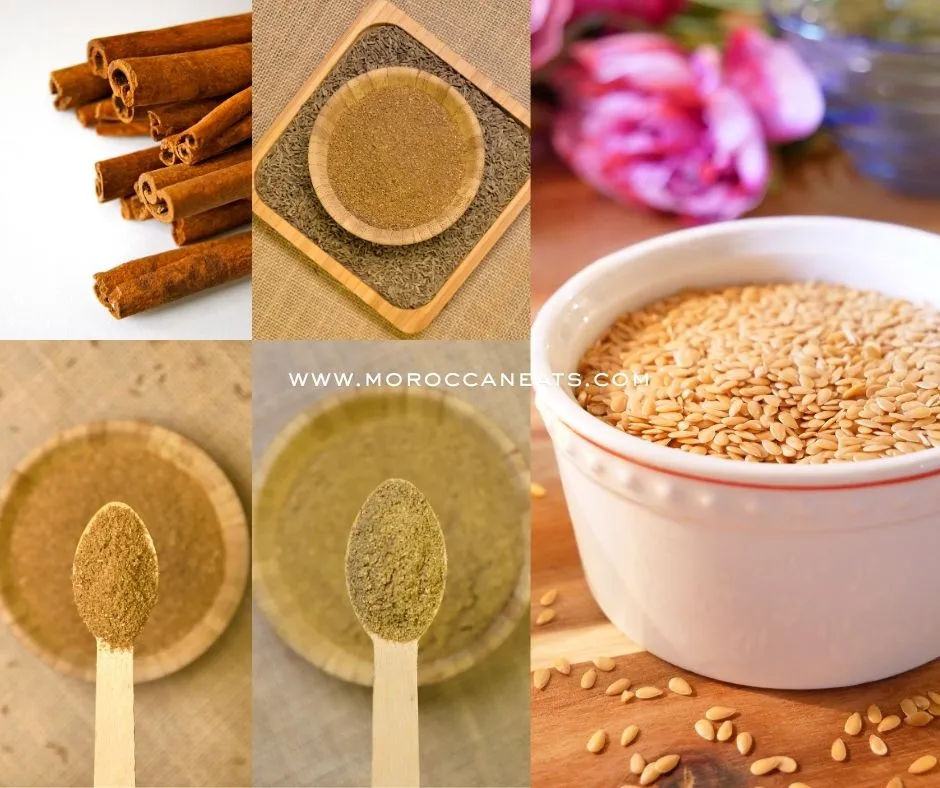
- Toast sesame seeds separately until golden and fragrant.
- Blanch and peel almonds, then toast and grind them into a coarse powder.
- Optionally, toast a few tablespoons of flaxseeds or anise for a flavor boost.
3. Mix the Dry Ingredients
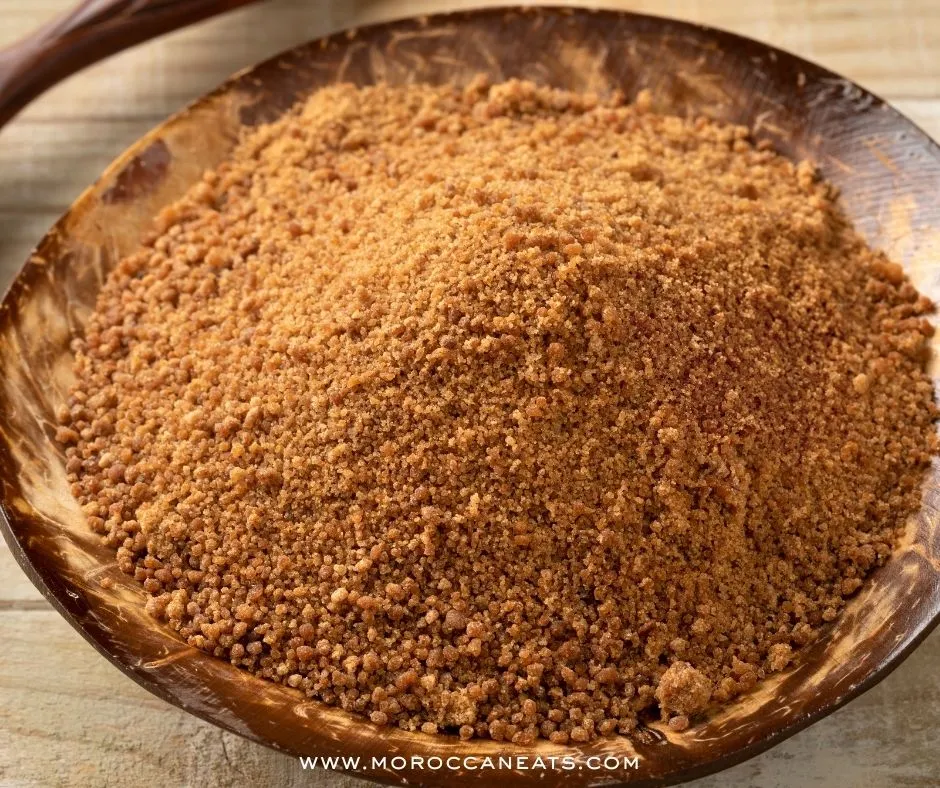
In a large bowl, combine:
- Toasted flour
- Ground almonds
- Sesame seeds
- Cinnamon
- A pinch of salt
4. Add the Wet Ingredients
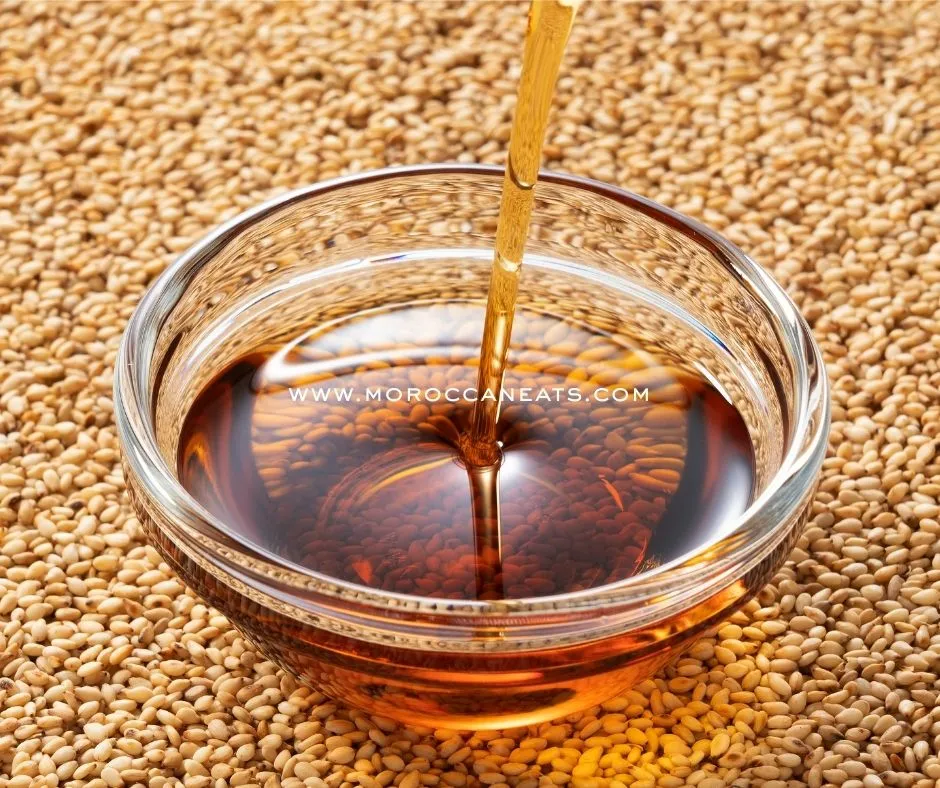
- Warm your ghee or melted butter and pour it gradually into the mix.
- Add honey and blend well until the mixture holds its shape when pressed.
5. Shape and Serve
You can:
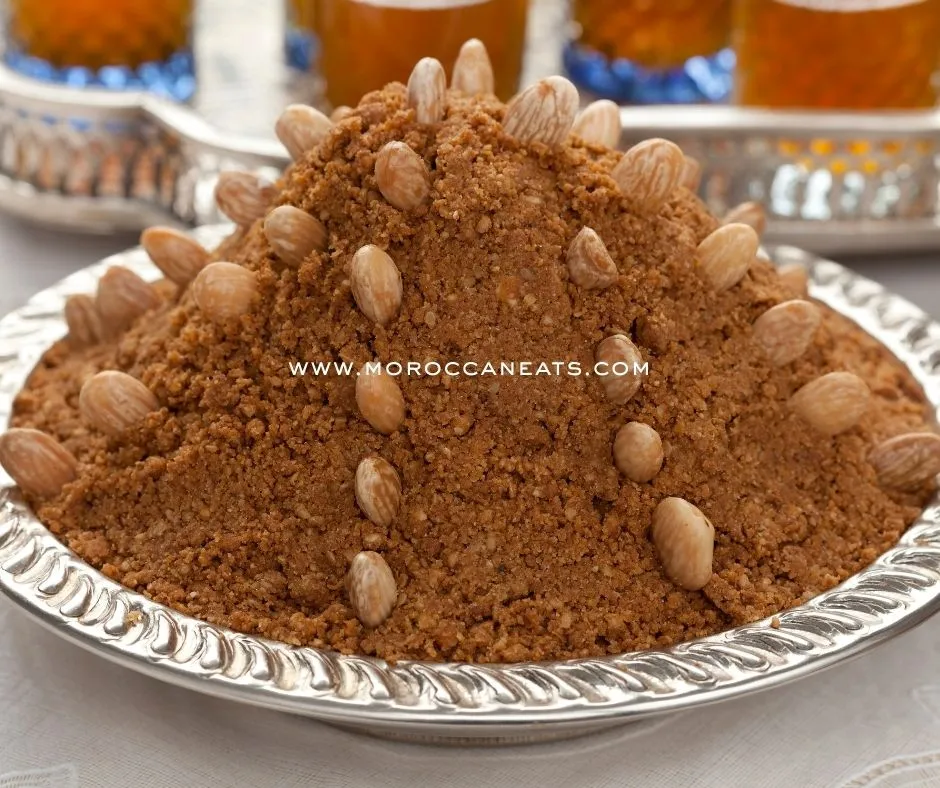
- Mold it into pyramids or squares, then dust with cinnamon or powdered sugar
- Scoop it into bowls and garnish with whole almonds or sesame seeds
And voilà you’ve just made authentic Moroccan sellou!
Common Mistakes to Avoid
Even experienced cooks can hit a snag. Keep these in mind:
- Rushing the flour toasting process leads to bitterness.
- Using too little fat results in a dry, crumbly texture.
- Skipping the sifting step can leave your mixture lumpy.
- Adding honey all at once may make the mix too sticky go slow!
Regional Variations and Modern Twists on Sellou
From City to City: A Taste That Changes
One of the beautiful things about Moroccan cuisine is its regional diversity, and sellou is no exception. While the base ingredients remain familiar toasted flour, almonds, sesame, honey, and ghee each region adds its own unique flair, influenced by local customs, ingredients, and preferences.
Here’s how sellou varies across Morocco:
- Marrakech Style: Typically sweeter, with a generous dose of cinnamon and anise seeds.
- Fassi Version (Fez): Often uses more almonds and sometimes includes flaxseeds or ground peanuts for richness.
- Rabat & Casablanca: A balanced version with moderate spice and a lighter texture great for first-timers!
- Berber Variations: Focus on rustic, hearty flavors, using barley flour or even figs and dates for natural sweetness.
“No two Moroccan families make sellou the same way. It’s a reflection of heritage, passed down like a treasured secret.” — Amina, home cook from Essaouira
Modern Twists Worth Trying
In recent years, sellou has undergone a delightful transformation. Health-conscious and gourmet food lovers have begun experimenting with modern variations that make this ancient treat even more versatile.
Here are a few contemporary takes on the classic:
- Gluten-Free Sellou
- Swap traditional flour for almond flour or oat flour.
- Perfect for gluten-sensitive eaters while keeping the same nutty charm.
- Vegan Sellou
- Replace ghee with coconut oil or plant-based butter.
- Use maple syrup or agave instead of honey.
- Date-Sweetened Version
- For a refined sugar-free version, use pureed dates to bind and sweeten.
- Mini Sellou Energy Bites
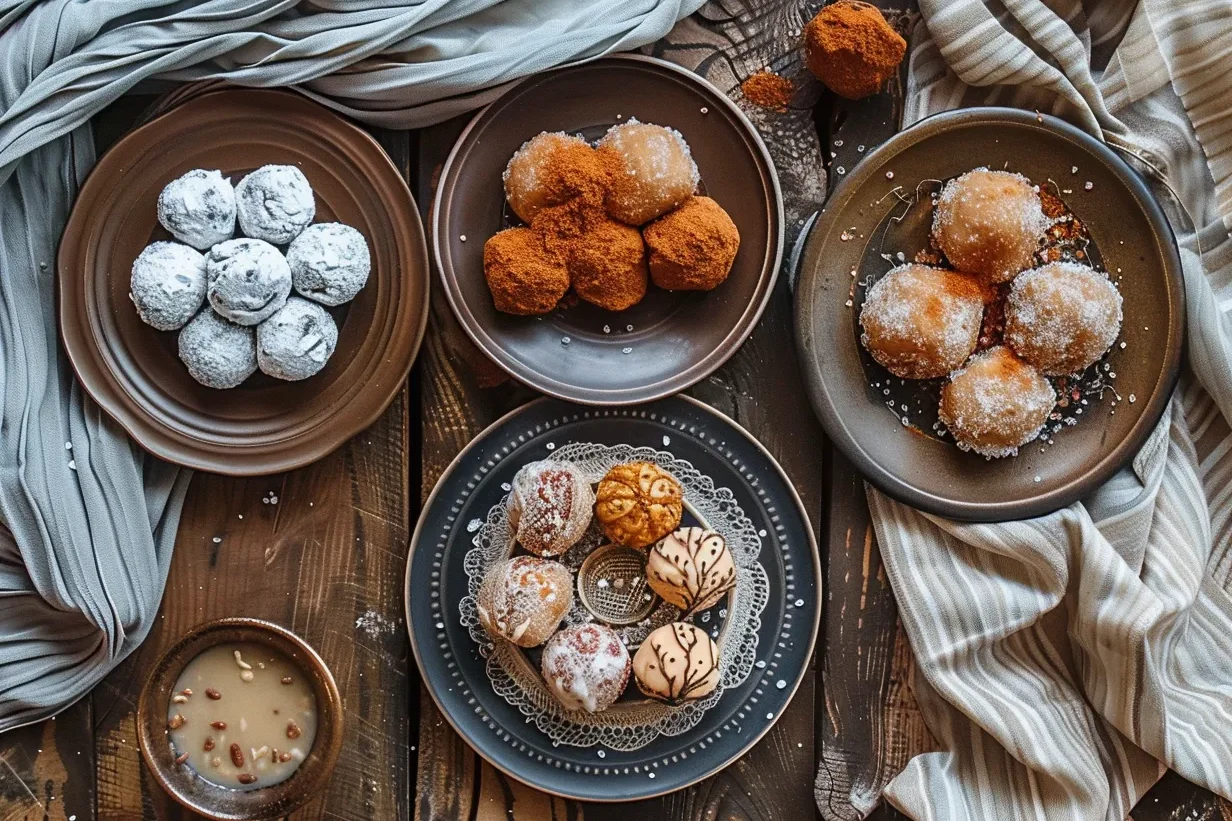
- Roll the mixture into small truffle-sized balls, coat with sesame or cocoa powder, and serve as Moroccan energy snacks.
Why It Still Matters Today
Even with all the innovation, sellou remains a symbol of celebration, nourishment, and cultural pride. Whether you stick to grandma’s recipe or try a modern makeover, the essence stays the same: bringing people together through food.
And isn’t that what great recipes are all about?
Final Thoughts: Why You Should Try Sellou Today
So, why not bring a little Moroccan tradition into your kitchen?
Whether you’re prepping for Eid al-Fitr, hosting a tea party, or simply craving something unique, sellou is nourishing, deeply rooted in culture, and absolutely delicious.
It’s more than a treat it’s an experience.
And the best part? Once you master the technique, it becomes a beautiful ritual one that connects you with generations of Moroccan culinary wisdom.
Go ahead. Toast that flour, warm that honey, and stir your way into something truly magical.
Frequently Asked Questions
Is sellou healthy?
Yes! Despite being a dessert, sellou is full of healthy fats, natural sweeteners, and protein from almonds and sesame. Moderation is key.
Can I make sellou without almonds?
Absolutely. You can substitute with ground walnuts, hazelnuts, or even sunflower seeds if needed.
Is sellou gluten-free?
Traditional sellou is made with wheat flour, but it can be adapted with almond flour or oat flour for a gluten-free version.
How long does sellou last?
When stored properly in an airtight container, sellou lasts up to 3 weeks at room temperature or 3 months in the freezer.
What can I serve with sellou?
Pair it with Moroccan mint tea, espresso, or a platter of dates and dried fruits for a truly authentic presentation.