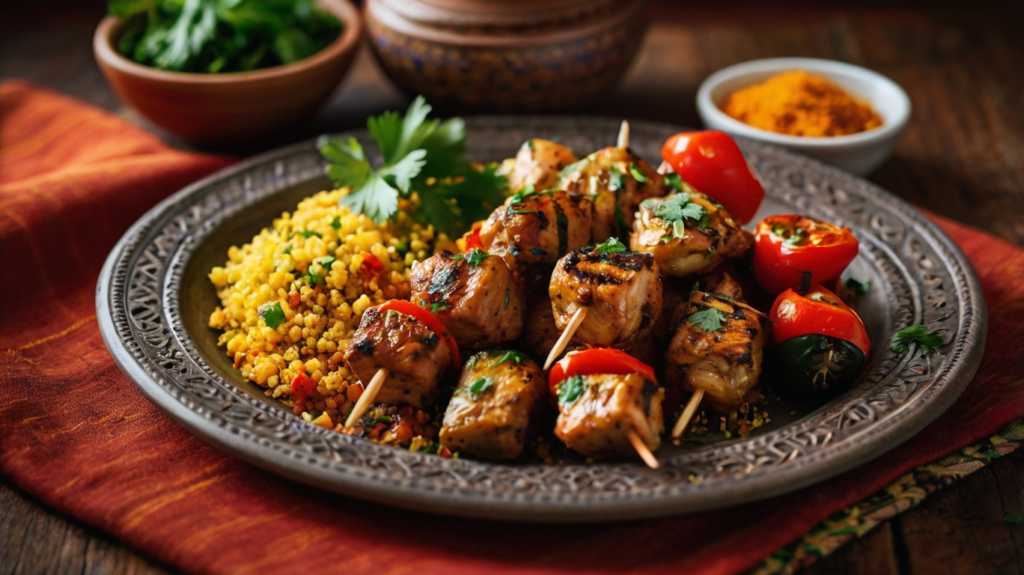

Unlock the Flavor of Moroccan Chicken Brochettes
Moroccan cuisine is famous for its bold, aromatic flavors that tantalize the taste buds. One of the best ways to experience these flavors is through Moroccan chicken brochettes a delicious grilled dish that’s packed with spices and smoky goodness. Whether you’re preparing a special meal or hosting a barbecue, these brochettes will undoubtedly impress. The combination of tender chicken, a fragrant marinade, and the perfect grilling technique is what makes this dish a favorite among Moroccan food lovers.
In this guide, we’ve walked you through everything you need to know to make these brochettes from scratch from the essential ingredients and grilling tips to serving suggestions and proper storage methods. Let’s dive in!
Table of Contents
Key Takeaways
- Perfect Marinade: The secret to flavorful Moroccan chicken brochettes lies in the marinade made with key spices like cumin, paprika, turmeric, and cinnamon.
- Grilling Tips: To achieve the perfect brochettes, ensure you grill the chicken on medium-high heat, turning regularly, for a juicy and smoky finish.
- Serving Options: Pair your brochettes with sides like couscous, Moroccan salad, and grilled vegetables for a truly authentic meal.
- Storage & Reheating: Leftovers can be stored in the fridge for up to 4 days or frozen for up to 3 months. Reheat them on the grill or in the oven to maintain moisture.
A Brief History of Moroccan Grilling Traditions
Moroccan grilling traditions are deeply embedded in the country’s rich cultural and culinary heritage, reflecting influences from Berber, Arab, Andalusian, and French cuisines, among others. Grilling, or “mesfouf” as it’s sometimes referred to in local dialects, is a cooking method that has been practiced in Morocco for centuries, offering a unique way to prepare meats, vegetables, and even seafood over an open flame or hot coals. This method of cooking not only brings out the natural flavors of the ingredients but also connects to communal dining practices that are central to Moroccan culture.
The Berber Influence:
The roots of Moroccan grilling can be traced back to the Berber people, the indigenous inhabitants of Morocco who have lived in the mountainous regions for millennia. The Berbers developed an early understanding of cooking over fire, especially in the form of tajines (slow-cooked stews) and grilled meats. In rural areas, the open flame was often used to cook lamb, goat, and poultry, with the meat typically seasoned with a blend of local herbs, spices, and olive oil. The Berbers are also believed to have pioneered the use of clay ovens, known as tabuns, where meats and vegetables would be slow-cooked over wood fires, imbuing them with a smoky flavor.
Arab and Andalusian Contributions:
With the arrival of Arab influence during the Islamic expansion, new spices and culinary techniques were introduced. The Arabs brought with them a greater emphasis on grilling as a method of cooking, along with the introduction of skewered meats, kebabs, and brochettes. These grilling methods became popular across Morocco, often prepared with lamb or beef, marinated in an array of spices like cumin, paprika, garlic, and coriander. In addition to meat, vegetables such as tomatoes, onions, and bell peppers became common items to grill, often prepared alongside meats in a communal fashion.
The influence of Andalusian cuisine, especially after the Muslim reconquest of Spain in the 8th century, also played a significant role in shaping Moroccan grilling practices. Andalusian cooks brought techniques such as cooking over wood-burning charcoal, which produced a cleaner, smokier flavor that became a signature of Moroccan grilling. They also introduced the concept of mechoui, a style of roasting whole lamb or goat, which remains a hallmark of Moroccan culinary tradition.
The Role of Spices:
A key feature of Moroccan grilling is the use of ras el hanout a blend of spices that may include cumin, coriander, turmeric, cinnamon, saffron, and paprika. The richness and variety of spices are a direct result of Morocco’s history as a crossroads for trade between Europe, Africa, and the Middle East. Grilled meats are often marinated in this complex spice mix to enhance their flavor, a tradition that is reflective of Morocco’s diverse history of spice exchange and culinary fusion.
The use of preserved lemons, olives, and other unique ingredients also contributes to the distinct flavor profiles found in Moroccan grilling. These flavors are not only about seasoning but also about preserving the produce for consumption in the dry, arid climate of Morocco, where fresh ingredients were once more difficult to come by.
Street Food and Modern-Day Grilling:
Today, Moroccan grilling is not just a home or festive tradition but also an integral part of the street food culture. The famous marrakech skewers, brochettes, and couscous served on small grills in public spaces reflect the deep communal aspect of Moroccan cuisine. In cities like Marrakesh, Fes, and Casablanca, vendors cook up delicious grilled meat served with fresh bread, olives, and a side of spicy tomato-based sauces. Many of these street vendors have inherited grilling techniques passed down through generations, often using simple, low-tech grills or open-air fires, adding a rustic charm to the experience.
Additionally, Moroccan grilling traditions have evolved in the modern era, with new techniques and innovations blending the old with the new. For example, while traditional Moroccan mesfouf is still made over wood fires or charcoal, you may now find it prepared on modern gas grills or even barbecue smokers in more contemporary settings.
Why Chicken Brochettes Are a Staple in Moroccan Cuisine
Chicken brochettes, or “brochettes de poulet” as they are known locally, hold a cherished place in Moroccan cuisine due to their unique blend of cultural tradition, accessibility, and irresistible flavors. These skewered and grilled chicken pieces are not just a dish they represent a communal dining experience and an embodiment of Morocco’s vibrant culinary heritage.
1. Historical and Cultural Significance:
Grilled meats have a long-standing tradition in Moroccan cooking, with roots stretching back to the Berber and Arab influences that have shaped the nation’s gastronomy. Chicken brochettes, in particular, became popular as they were easy to prepare, cook, and share, making them a common choice for both street vendors and festive gatherings. Traditionally prepared during family celebrations, holidays, and religious feasts, these skewers symbolize hospitality and togetherness.
2. Flavorful Marinades:
What truly sets Moroccan chicken brochettes apart is the marinade. Typically consisting of a mixture of olive oil, garlic, lemon juice, cumin, paprika, turmeric, and fresh herbs such as cilantro and parsley, the marinade infuses the chicken with bold, aromatic flavors. The marinating process, often done hours in advance, ensures tender, juicy meat with every bite.
3. Accessibility and Affordability:
Chicken is one of the most affordable and widely available sources of protein in Morocco, making it a staple for households across different economic backgrounds. Unlike lamb or beef, which can be more expensive, chicken allows for the creation of satisfying meals without straining the family budget.
4. Street Food Culture:
Chicken brochettes are a cornerstone of Morocco’s bustling street food scene. From the lively markets of Marrakech’s Jemaa el-Fnaa square to smaller souks in rural towns, the aroma of sizzling brochettes fills the air, drawing locals and tourists alike. Vendors often grill them over open charcoal flames, adding a smoky richness to the meat that is simply irresistible.
5. Versatility in Serving:
Whether served on their own as a quick snack, paired with warm flatbread (khobz), or accompanied by vibrant salads and spicy harissa sauce, chicken brochettes fit seamlessly into a variety of meals. Their portability also makes them ideal for outdoor picnics, festivals, or casual gatherings.
6. A Symbol of Moroccan Hospitality:
In Moroccan culture, food is synonymous with hospitality, and chicken brochettes are a perfect example of this tradition. Whether served at a roadside stall or a family dining table, they are often prepared with love and care, reflecting the warmth and generosity of Moroccan hosts.
In essence, chicken brochettes are not just about the food itself they represent a fusion of tradition, flavor, and social connection. Their widespread popularity in Moroccan homes and markets underscores their role as a beloved culinary icon in the country’s rich gastronomic tapestry.
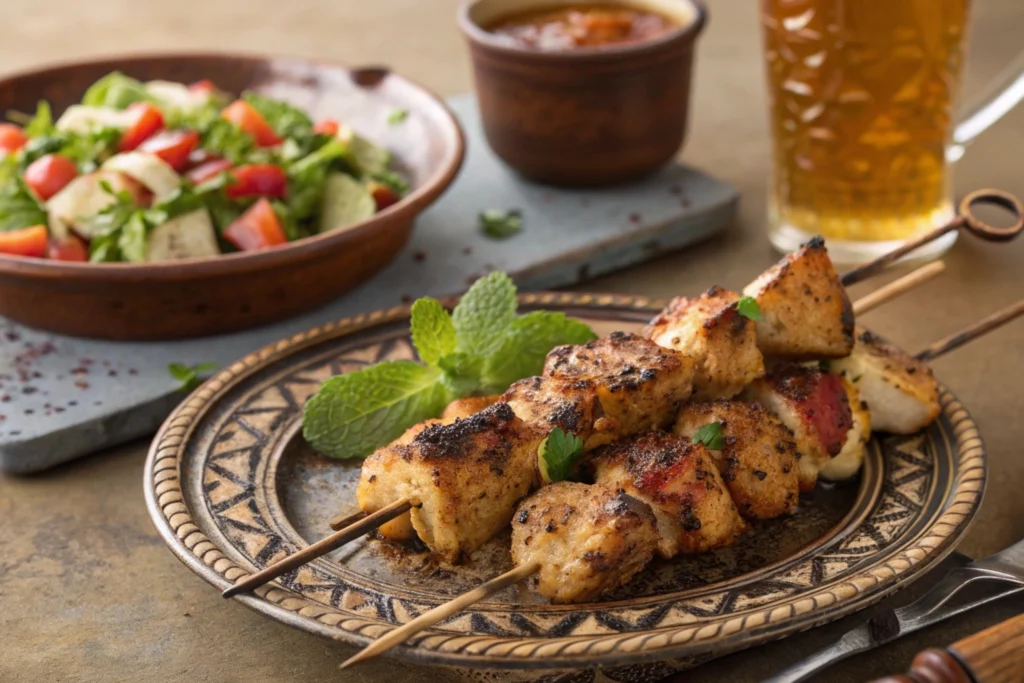
Essential Ingredients for Authentic Moroccan Chicken Brochettes
Key Spices for the Perfect Marinade
Spices are the soul of any marinade, transforming simple ingredients into a symphony of flavors that can elevate your dish from ordinary to extraordinary. A well-crafted marinade balances spices, acidity, fats, and aromatics, ensuring every bite is infused with delicious complexity. Below are some essential spices and their roles in creating the perfect marinade:
1. Paprika
Paprika, whether sweet, smoked, or hot, adds color, depth, and a subtle sweetness or smoky flavor to your marinade. Smoked paprika is particularly effective for grilled or roasted dishes, giving them an irresistible charred flavor.
- Best for: Chicken, pork, seafood
- Pairs well with: Garlic, cumin, lemon juice
2. Cumin
Earthy, warm, and slightly peppery, cumin brings a distinct aroma to marinades. It’s commonly used in Middle Eastern, Indian, and Mexican cuisines. A little goes a long way, as cumin can easily overpower other flavors if overused.
- Best for: Lamb, beef, chicken
- Pairs well with: Coriander, lime, yogurt
3. Garlic Powder
While fresh garlic is a staple in many marinades, garlic powder offers a concentrated flavor and blends seamlessly without chunks. It’s an excellent choice for marinades that require even distribution of flavor.
- Best for: Chicken, shrimp, tofu
- Pairs well with: Onion powder, black pepper, olive oil
4. Turmeric
Turmeric brings a vibrant golden hue and a warm, slightly bitter flavor to marinades. Known for its anti-inflammatory properties, it’s a favorite in South Asian cuisine.
- Best for: Chicken, fish, vegetables
- Pairs well with: Ginger, coconut milk, lime
5. Chili Powder
For those who enjoy a spicy kick, chili powder is a go-to spice. It can range from mildly tangy to intensely fiery, depending on the variety used.
- Best for: Beef, pork, chicken
- Pairs well with: Cumin, tomato paste, vinegar
6. Black Pepper
A universal spice, black pepper adds subtle heat and enhances other spices’ flavors. Freshly cracked pepper is preferred for a more aromatic and robust flavor.
- Best for: All proteins and vegetables
- Pairs well with: Salt, garlic, olive oil
7. Ginger Powder
Warm, slightly sweet, and peppery, ginger powder adds brightness and complexity to marinades. It’s especially useful in Asian-inspired dishes.
- Best for: Seafood, chicken, tofu
- Pairs well with: Soy sauce, honey, sesame oil
8. Coriander Powder
Coriander has a mild, citrusy flavor that complements many other spices. It helps brighten the overall taste of the marinade without overpowering the dish.
- Best for: Fish, chicken, vegetables
- Pairs well with: Cumin, lemon, yogurt
9. Mustard Powder
Mustard powder adds tanginess and a sharp kick to marinades. It’s particularly effective in breaking down tougher cuts of meat and infusing them with flavor.
- Best for: Pork, beef, chicken
- Pairs well with: Vinegar, honey, garlic
10. Allspice
A versatile spice, allspice combines hints of cinnamon, nutmeg, and cloves. It’s commonly used in Caribbean and Middle Eastern marinades for its warm and slightly sweet flavor.
- Best for: Pork, chicken, lamb
- Pairs well with: Cinnamon, thyme, lime juice
Balancing Spices in a Marinade
While individual spices bring their unique character, balance is key. A good marinade usually consists of:
- Aromatic spices: Like garlic, ginger, or cumin.
- A tangy element: Such as lemon juice or vinegar.
- A fat base: Often olive oil or yogurt.
- A sweet note: Like honey or brown sugar to balance acidity.
By experimenting with these spices and finding the right combinations, you can customize your marinades to suit different proteins, vegetables, or regional cuisines. Whether you’re grilling, roasting, or pan-frying, the right spices will ensure every bite is packed with flavor.
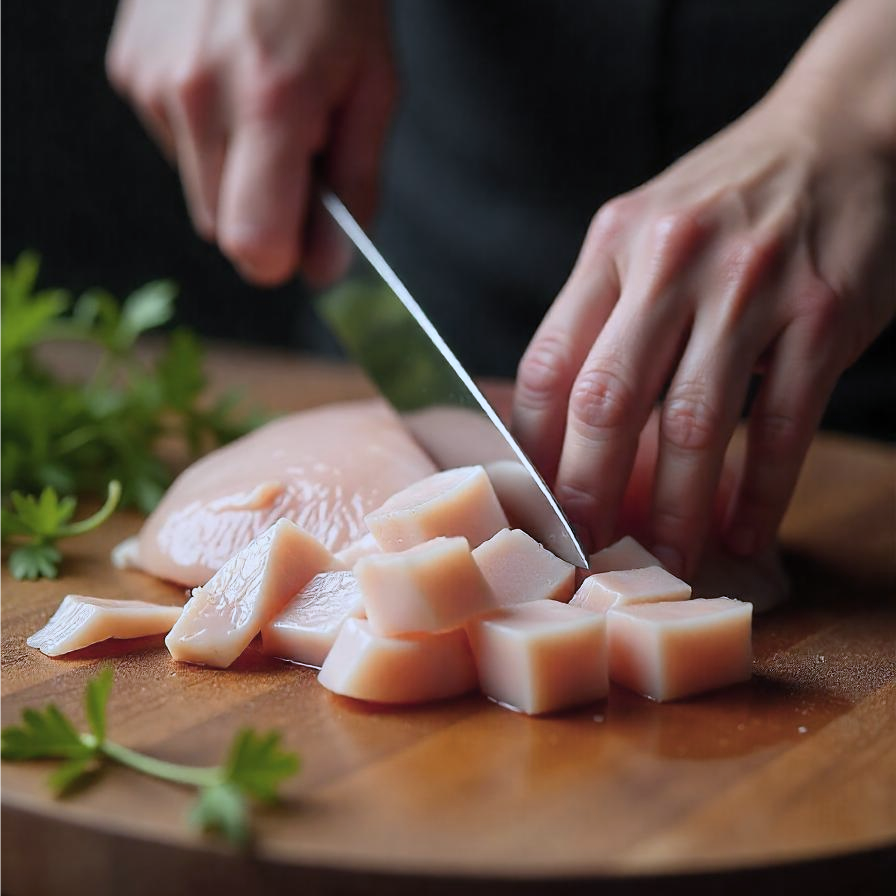
Choosing the Right Chicken Cuts
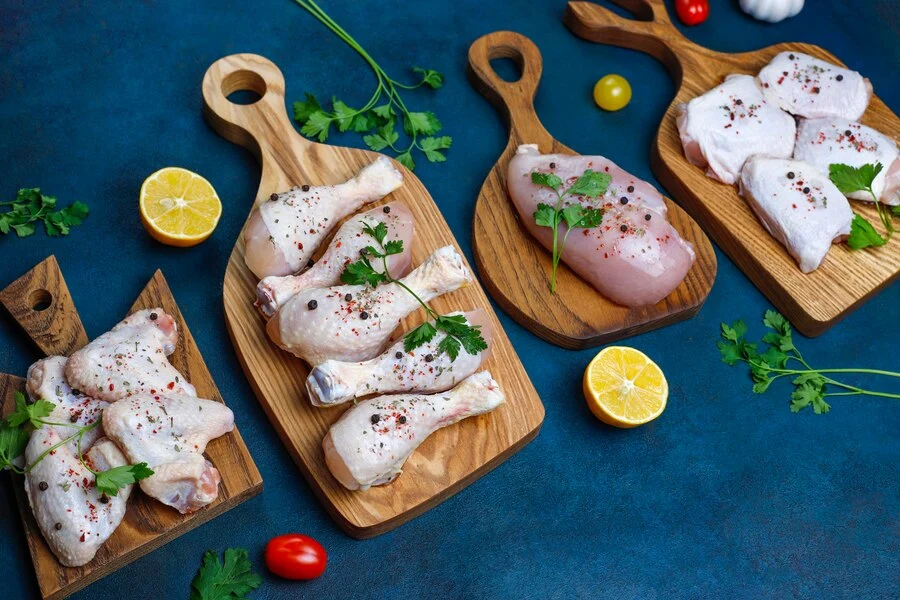
When it comes to cooking chicken, selecting the right cut can make all the difference in flavor, texture, and overall success of your dish. Each chicken cut has unique characteristics, making it suitable for specific cooking methods and recipes. Here’s an in-depth guide to help you make the best choice:
1. Chicken Breast
- Characteristics: Boneless, skinless, lean, and mildly flavored.
- Best For: Grilling, baking, pan-searing, and stir-frying.
- Why Choose It: Chicken breast is a versatile cut that works well in a variety of dishes, from healthy salads to creamy pasta sauces. However, it can dry out quickly if overcooked, so careful attention to cooking time is essential.
- Popular Dishes: Grilled chicken salad, chicken Alfredo, breaded chicken cutlets.
2. Chicken Thighs
- Characteristics: Dark meat, more tender and flavorful than chicken breast, available boneless or bone-in, with or without skin.
- Best For: Roasting, braising, grilling, and slow-cooking.
- Why Choose It: Thighs are forgiving and remain juicy even when cooked longer, making them ideal for dishes requiring slow or high-heat cooking.
- Popular Dishes: Chicken curry, BBQ chicken thighs, slow-cooked coq au vin.
3. Chicken Drumsticks
- Characteristics: Dark meat, juicy, flavorful, and attached to a sturdy bone.
- Best For: Baking, frying, grilling, and air-frying.
- Why Choose It: Drumsticks are budget-friendly and pack a lot of flavor. They are perfect for casual meals and finger foods.
- Popular Dishes: Crispy fried drumsticks, honey garlic drumsticks, BBQ drumsticks.
4. Chicken Wings
- Characteristics: Small, bone-in cuts with tender, flavorful meat.
- Best For: Frying, baking, grilling, and air-frying.
- Why Choose It: Wings are perfect for appetizers, snacks, or party platters. They are often coated in sauces or dry rubs for bold flavor.
- Popular Dishes: Buffalo wings, honey sriracha wings, garlic parmesan wings.
5. Whole Chicken
- Characteristics: Includes both white and dark meat, skin-on, and usually more affordable per pound.
- Best For: Roasting, grilling, slow-cooking, and rotisserie-style cooking.
- Why Choose It: Whole chickens offer the best value and can be cooked as a centerpiece dish or broken down into individual cuts for various meals.
- Popular Dishes: Roast chicken with herbs, rotisserie chicken, slow-cooked chicken stew.
6. Chicken Tenders
- Characteristics: Small, tender strips of meat located under the chicken breast.
- Best For: Frying, baking, and sautéing.
- Why Choose It: Chicken tenders are kid-friendly, quick to cook, and perfect for breading and frying.
- Popular Dishes: Chicken tenders with dipping sauces, stir-fried chicken tenders, crispy chicken wraps.
7. Chicken Giblets (Liver, Heart, Gizzard)
- Characteristics: Organ meats with a rich, distinctive flavor.
- Best For: Frying, sautéing, or incorporating into sauces and gravies.
- Why Choose It: Giblets are nutrient-dense and can add depth of flavor to dishes.
- Popular Dishes: Chicken liver pâté, giblet gravy, sautéed gizzards.
Tips for Choosing the Right Cut:
- Cooking Method Matters: For quick-cooking methods like grilling or stir-frying, go for chicken breast or tenders. For slow-cooked or hearty dishes, thighs and drumsticks are ideal.
- Flavor Preference: Dark meat (thighs, drumsticks) has more fat and a richer flavor, while white meat (breast, tenders) is leaner and milder.
- Budget-Friendly Choices: Whole chickens and drumsticks tend to be more cost-effective compared to boneless breast fillets.
Must-Have Tools for Grilling
Grilling is not just about throwing food on a hot grill; it’s about precision, safety, and creating that perfect char and smoky flavor. Whether you’re a seasoned pitmaster or a weekend barbecue enthusiast, having the right tools can make all the difference. Below are the essential grilling tools every griller should have in their arsenal:
1. Grill Tongs
A sturdy pair of long-handled grill tongs is one of the most important tools for grilling. They allow you to flip, turn, and move food on the grill without getting your hands too close to the heat. Look for tongs made of stainless steel with a comfortable grip and a locking mechanism for easy storage.
Pro Tip: Opt for tongs with scalloped edges for a better grip on slippery or delicate foods like fish fillets.
2. Meat Thermometer
A reliable meat thermometer ensures your meat is cooked to the perfect internal temperature, reducing the risk of undercooked or overcooked food. Instant-read digital thermometers are especially handy for quick and accurate readings.
Pro Tip: For larger cuts of meat, a leave-in thermometer with an external display can help monitor the temperature without repeatedly opening the grill.
3. Grill Brush
After grilling, cleaning the grates is essential for maintaining your grill and preventing leftover charred bits from affecting the taste of your next meal. A heavy-duty grill brush with sturdy bristles or a bristle-free design is perfect for this job.
Pro Tip: Always clean your grill grates while they’re still warm for easier debris removal.
4. Spatula
A long-handled spatula is vital for flipping burgers, delicate fish, and other foods that might stick to the grill. Choose one with a thin, wide blade made of stainless steel and a heat-resistant handle.
Pro Tip: An angled spatula can provide better leverage when flipping heavier foods.
5. Basting Brush or Mop
For adding sauces, marinades, or butter to your grilled food, a basting brush (preferably silicone for heat resistance) or a mop brush is essential. Silicone brushes are easier to clean, while mop brushes are great for heavier sauces.
Pro Tip: Use separate brushes for raw and cooked meats to prevent cross-contamination.
6. Grill Gloves
High-quality, heat-resistant grill gloves protect your hands from flare-ups and hot grill surfaces. Look for gloves made from materials like silicone or aramid fiber, which offer excellent heat resistance and flexibility.
Pro Tip: Gloves with extended cuffs provide added protection for your wrists and forearms.
7. Chimney Starter
If you’re using a charcoal grill, a chimney starter is a game-changer. It allows you to light charcoal quickly and evenly without relying on lighter fluid, which can impart an unpleasant taste to your food.
Pro Tip: Use natural fire starters or crumpled newspaper in the bottom of the chimney for a chemical-free ignition.
8. Skewers
Skewers are perfect for grilling kebabs, vegetables, or smaller pieces of meat. Stainless steel skewers are reusable and sturdy, while flat skewers prevent food from spinning when you turn them.
Pro Tip: If you’re using wooden skewers, soak them in water for at least 30 minutes before grilling to prevent burning.
9. Grill Basket
A grill basket is perfect for cooking smaller items like vegetables, shrimp, or diced meat that might fall through the grill grates. It also makes flipping multiple items at once much easier.
Pro Tip: Lightly oil the basket before adding food to prevent sticking.
10. Aluminum Foil
Aluminum foil is a versatile grilling tool. It can be used to create grill packets for steaming vegetables, lining grill grates for easy cleanup, or tenting meats after cooking to retain moisture.
Pro Tip: Heavy-duty aluminum foil is more durable and less prone to tearing under high heat.
Bonus Tool: A Grill Light
If you love evening barbecues, a grill light can be incredibly helpful. It ensures you can monitor your food even in low light conditions.
Invest in Quality, Grill with Confidence
While it’s tempting to cut corners with budget-friendly options, investing in high-quality grilling tools will enhance your grilling experience and ensure your equipment lasts for many summers to come. With these must-have tools, you’ll be well-prepared to handle any grilling challenge that comes your way.
Step-by-Step Recipe for Moroccan Chicken Brochettes
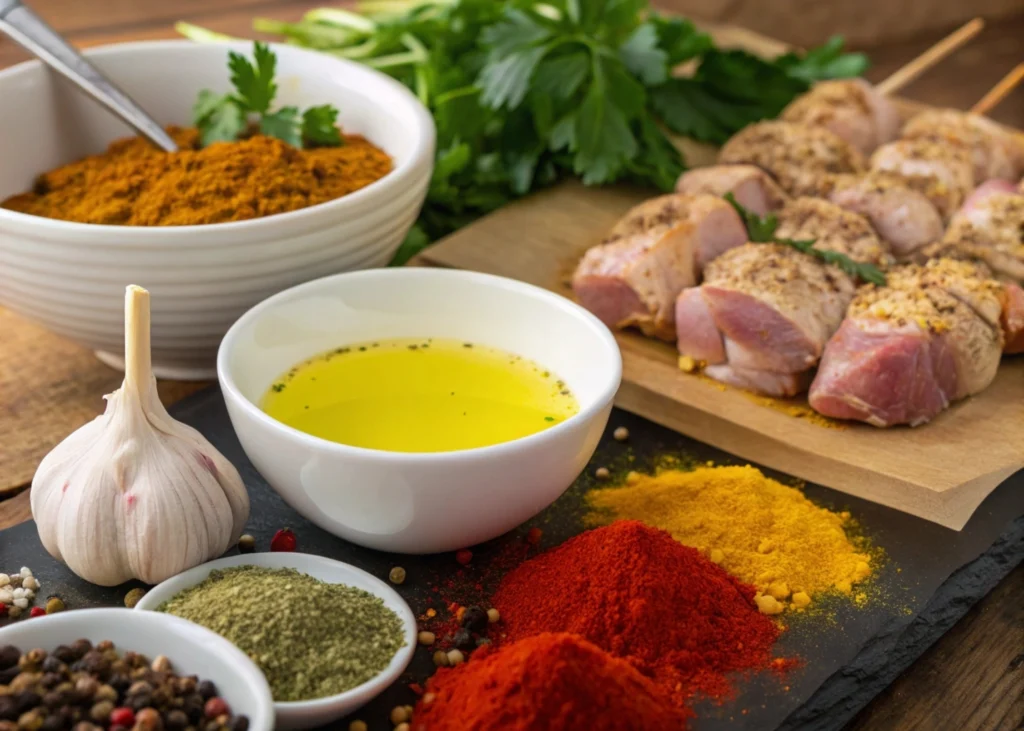
| Ingredient | Amount |
|---|---|
| Cumin | 2 teaspoons |
| Paprika | 1 teaspoon |
| Coriander | 1 teaspoon |
| Turmeric | ½ teaspoon |
| Cinnamon | A pinch |
| Garlic | 3 cloves, minced |
| Lemon zest | 1 lemon |
| Olive oil | 3 tablespoons |
| Lemon juice | 1 lemon |
| Boneless, skinless chicken thighs | 4 thighs, cut into chunks |
Preparing the Marinade
The key to Moroccan chicken brochettes lies in the marinade, where the magic happens. Here’s how to prepare it:
- Combine the Spices: In a small bowl, mix 2 teaspoons cumin, 1 teaspoon paprika, 1 teaspoon coriander, ½ teaspoon turmeric, and a pinch of cinnamon.
- Add Aromatics: Mince 3 cloves of garlic and zest one lemon to release the oils. Add the garlic and zest to the spice blend.
- Add Liquids: Pour in 3 tablespoons olive oil and the juice of one lemon. Stir to combine until you have a smooth, fragrant marinade.
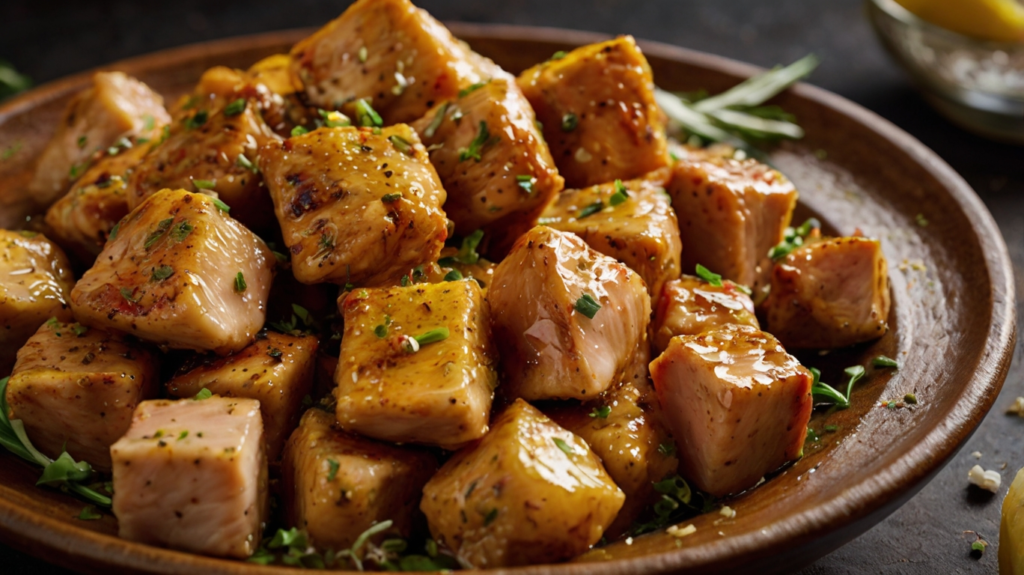
- Season the Chicken: Cut 4 boneless, skinless chicken thighs into bite-sized chunks. Coat them evenly with the marinade and let them sit for at least 2 hours in the fridgeovernight if you want deeper flavor.
Marinating the Chicken
Marinating the chicken is an important step for maximum flavor absorption. After coating the chicken with the marinade, ensure that every piece is thoroughly covered. Place the chicken in a shallow dish or a resealable bag, making sure the marinade is evenly distributed. The longer you marinate the chicken, the more the spices will infuse, enhancing the overall taste. If you’re in a rush, even 30 minutes will yield a flavorful result, but overnight is ideal for richer flavor.
Grilling Techniques for Perfect Brochettes
Once the chicken is marinated, it’s time to grill. Here’s how to achieve those perfectly grilled Moroccan chicken brochettes:
- Preheat the Grill: Preheat your grill to medium-high heat. If you’re using a charcoal grill, allow the coals to become ashy and glowing, creating the perfect embers for grilling.
- Assemble the Skewers: Thread the marinated chicken pieces onto your skewers, making sure to leave a little space between each piece for even cooking.
- Grill the Brochettes: Place the skewers on the grill and cook for about 10-12 minutes, turning every 3-4 minutes to ensure the chicken cooks evenly on all sides. The chicken should be golden brown and slightly crispy on the outside while remaining juicy inside.
- Test for Doneness: To check the chicken’s doneness, make a small cut into one of the pieces it should no longer be pink in the center. If you have a thermometer, the internal temperature should reach 165°F (75°C).

Serving Suggestions for Moroccan Chicken Brochettes
Side Dishes to Pair with Brochettes
Moroccan chicken brochettes are a flavorful and satisfying dish, but they shine even brighter when paired with the right sides. Here are a few classic Moroccan side dishes that complement the grilled chicken perfectly:
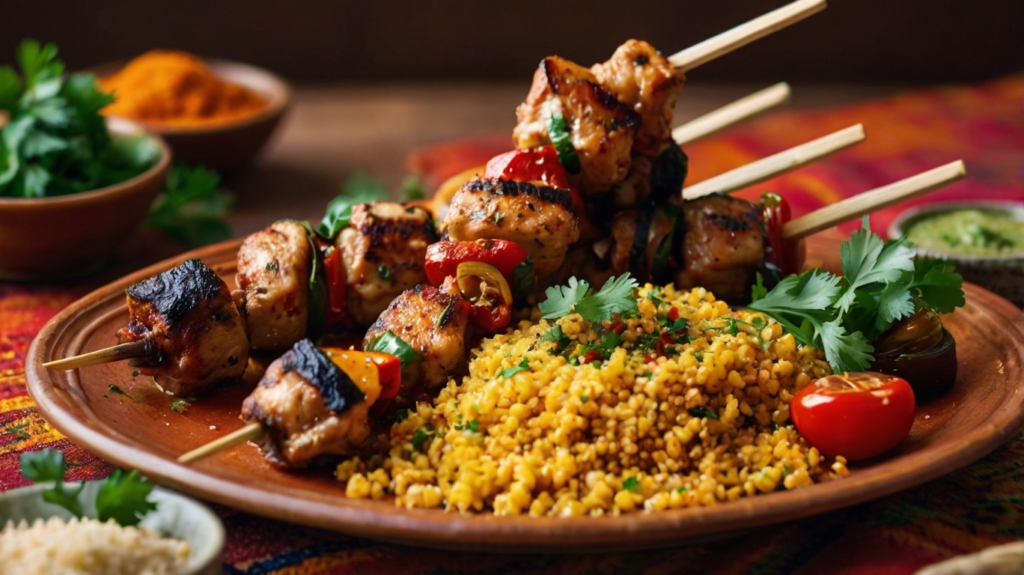
- Couscous: This fluffy, steamed grain is a traditional Moroccan staple and makes the perfect base for brochettes. You can serve it plain or enhance it with a blend of sautéed vegetables like carrots, peas, and zucchini for extra flavor.
- Moroccan Salad: A fresh, vibrant salad made with cucumbers, tomatoes, and red onions, tossed with olive oil and lemon juice. The crisp, tangy flavors provide a refreshing contrast to the smoky, spicy chicken.
- Grilled Vegetables: Roasted or grilled vegetables like bell peppers, eggplant, and zucchini can balance the richness of the chicken. Lightly charred veggies with a touch of olive oil, salt, and pepper elevate the meal.
- Bread (Khobz): The iconic Moroccan bread, khobz, is perfect for scooping up any leftover marinade or salad. It’s soft and fluffy with a slightly crusty exterior, making it an excellent accompaniment to grilled meats.
Presentation Tips for an Authentic Experience
To give your Moroccan chicken brochettes an authentic touch, presentation is key. Here are some tips to enhance your meal’s visual appeal:
- Use Traditional Platters: Serve your brochettes on a traditional Moroccan tagine or colorful ceramic plate to bring a piece of Morocco to your table.
- Garnish with Fresh Herbs: Garnish your brochettes with a handful of fresh cilantro or parsley to add a pop of color and freshness.
- Arrange the Brochettes on a Skewer: Rather than removing the chicken from the skewer, serve them with the skewers still in place for an authentic street food feel.
- Add a Dip: Serve with a side of harissa, a spicy Moroccan chili paste, for dipping. Its bold flavor pairs wonderfully with the grilled chicken.
Storing and Reheating Moroccan Chicken Brochettes
How to Store Leftovers
If you have any leftover Moroccan chicken brochettes, storing them properly is essential to maintaining their flavor and texture. Here’s how to do it:
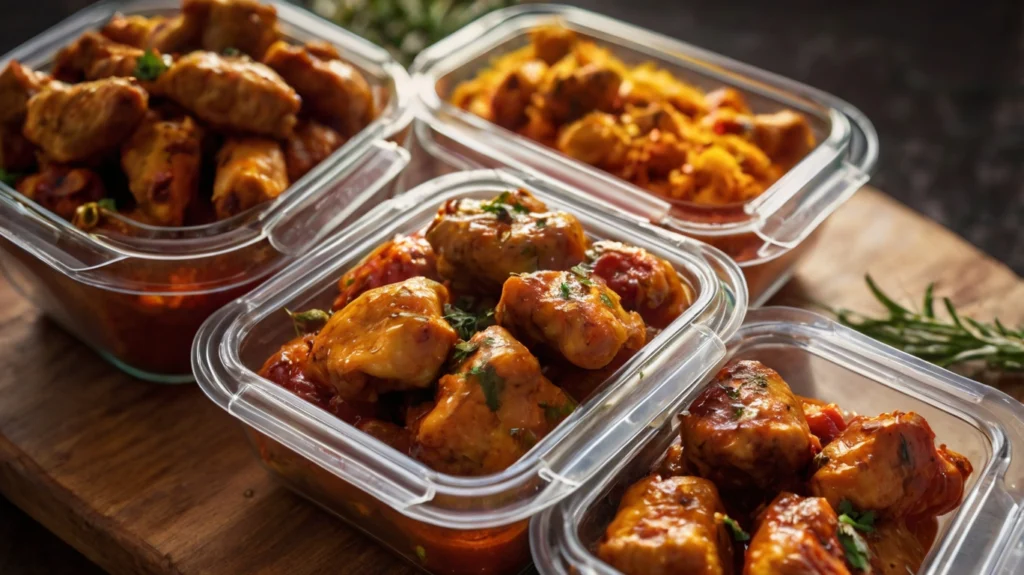
- Cool the Brochettes: Allow the grilled chicken brochettes to cool to room temperature before storing. This helps prevent condensation from forming inside the storage container.
- Refrigeration: Store the leftover brochettes in an airtight container. They can stay fresh in the refrigerator for 3 to 4 days.
- Freezing: If you need to store the brochettes for a longer period, you can freeze them. Wrap each skewer individually in plastic wrap, then place them in a freezer-safe bag. Properly stored, frozen brochettes will last for up to 3 months.
Reheating Moroccan Chicken Brochettes
When you’re ready to enjoy the leftovers, here’s how to reheat your brochettes without compromising on flavor:
- Reheat on the Grill: For the best results, reheat your brochettes on a grill over medium heat for about 5-7 minutes, turning occasionally until heated through. This will help revive the smoky flavor and keep the chicken juicy.
- Oven Method: Preheat your oven to 350°F (175°C) and place the brochettes on a baking sheet. Cover them with foil to retain moisture and heat for 10-12 minutes.
- Microwave Method: While not ideal for retaining the crispiness, you can use the microwave for convenience. Place the brochettes on a microwave-safe plate and cover them with a damp paper towel. Microwave in 30-second intervals until heated through.
Tips for Keeping Brochettes Tender
One of the challenges when reheating grilled chicken is keeping it tender. Here are a few tips:
- Add Moisture: When reheating, consider drizzling a little olive oil or chicken broth over the brochettes before warming them up. This helps maintain moisture and prevents the chicken from drying out.
- Don’t Overheat: Reheating the chicken over low to medium heat ensures it doesn’t become tough. Avoid overheating, as it can dry out the chicken, making it less enjoyable.
Conclusion
Moroccan chicken brochettes are a delightful and versatile dish that can elevate any meal with their rich and savory flavors. Whether you’re cooking for a special occasion or a casual dinner, this recipe will surely impress your guests. With the right ingredients, a perfect marinade, and a few grilling tips, you can recreate this authentic Moroccan favorite at home. So, fire up the grill and enjoy a meal full of bold flavors and cultural richness!
Q&A
Q: Can I use chicken breasts instead of thighs for Moroccan chicken brochettes?
A: Yes, you can use chicken breasts, but they tend to dry out faster than thighs. For the juiciest results, chicken thighs are recommended.
Q: Can I prepare the chicken brochettes ahead of time?
A: Absolutely! You can marinate the chicken up to 24 hours in advance. Just store it in the fridge and thread the pieces onto skewers right before grilling.
Q: How do I know when the chicken brochettes are cooked through?
A: The best way to ensure the chicken is cooked properly is by checking the internal temperature. It should reach 165°F (75°C). If you don’t have a thermometer, the chicken should be golden brown with no pink in the center.