

Introduction: A Peek into Morocco’s Breakfast Culture
Moroccan meals are rich in flavor and tradition. What’s the first thing that comes to mind when you think of Moroccan food? Perhaps a fragrant tagine or a steaming cup of mint tea? But have you ever wondered what Moroccan people eat for breakfast? Morning meals in Morocco are a delightful mix of savory and sweet flavors, showcasing the country’s rich culinary traditions and local ingredients.
Table of Contents
Unlike Western breakfasts filled with cereals and eggs, a typical Moroccan breakfast revolves around freshly baked bread, warm pancakes, flavorful dips, and a comforting cup of mint tea. It’s a meal designed to be slow, enjoyed with family, and packed with nourishing ingredients.
Key Takeaways
- Moroccan breakfasts balance sweet and savory flavors with freshly baked bread, pancakes, and protein-rich dishes.
- Mint tea and fresh juices are the go-to morning drinks.
- Breakfast in Morocco is a social experience, often enjoyed with family.
Why Is Moroccan Breakfast So Special?
Moroccan Meals stand out because of their:
- Diversity – From flaky msemen to hearty bissara soup, breakfast options cater to all tastes.
- Simplicity – Most dishes are made with staple ingredients like flour, semolina, honey, and olive oil.
- Rich Flavors – Every bite is enhanced with butter, honey, argan oil, or fresh herbs.
- Social Aspect – Breakfast is a time for gathering, often enjoyed with friends and family.
In this blog post, we’ll dive deep into the essential Moroccan breakfast dishes, exploring both the sweet and savory sides of this delicious tradition.
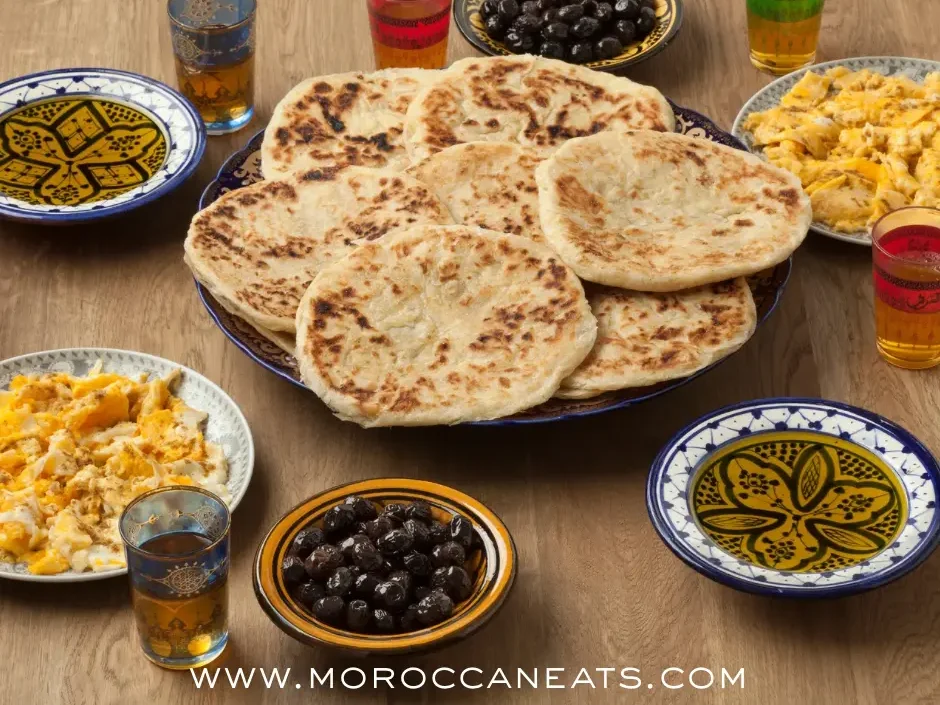
Sweet Moroccan Breakfast Staples
Moroccans love starting their day with a touch of sweetness, often pairing their morning dishes with honey, jam, or butter. These traditional breakfast items bring both comfort and energy to kickstart the day.
Msemen – Flaky Moroccan Pancakes
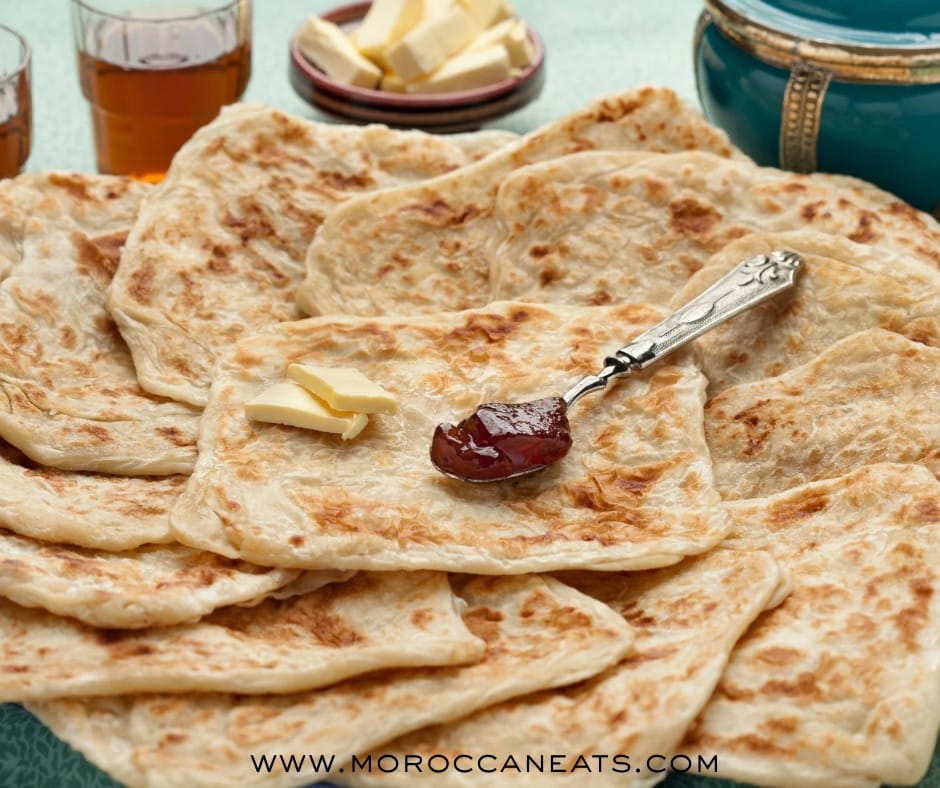
Msemen is a beloved Moroccan flatbread with a crispy, golden crust and soft, layered interior. Made from flour, semolina, and butter, it’s folded multiple times before being cooked on a griddle. It’s often served with:
- Honey and butter – A perfect balance of richness and sweetness.
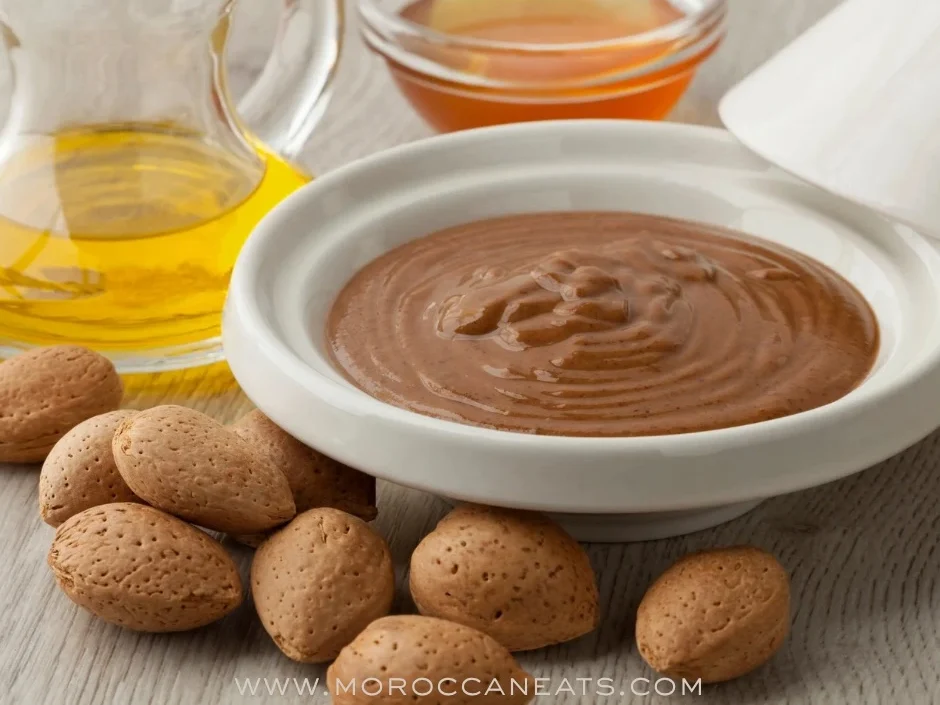
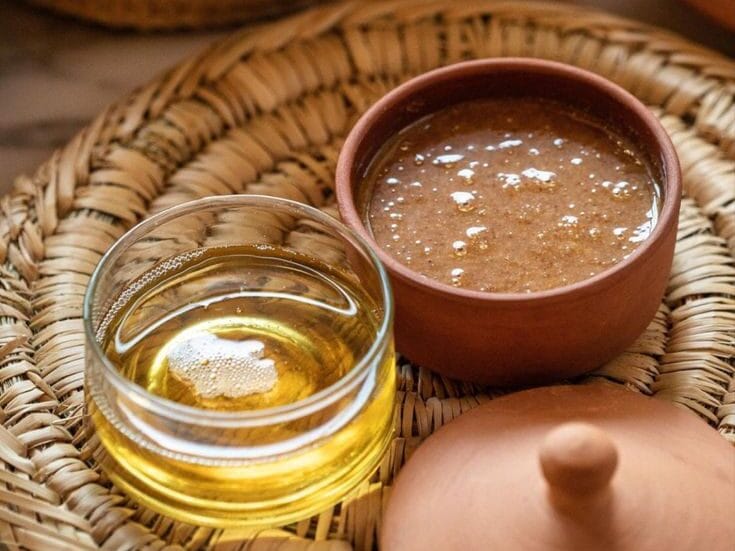
- Amlou – A delicious spread made from almonds, honey, and argan oil.
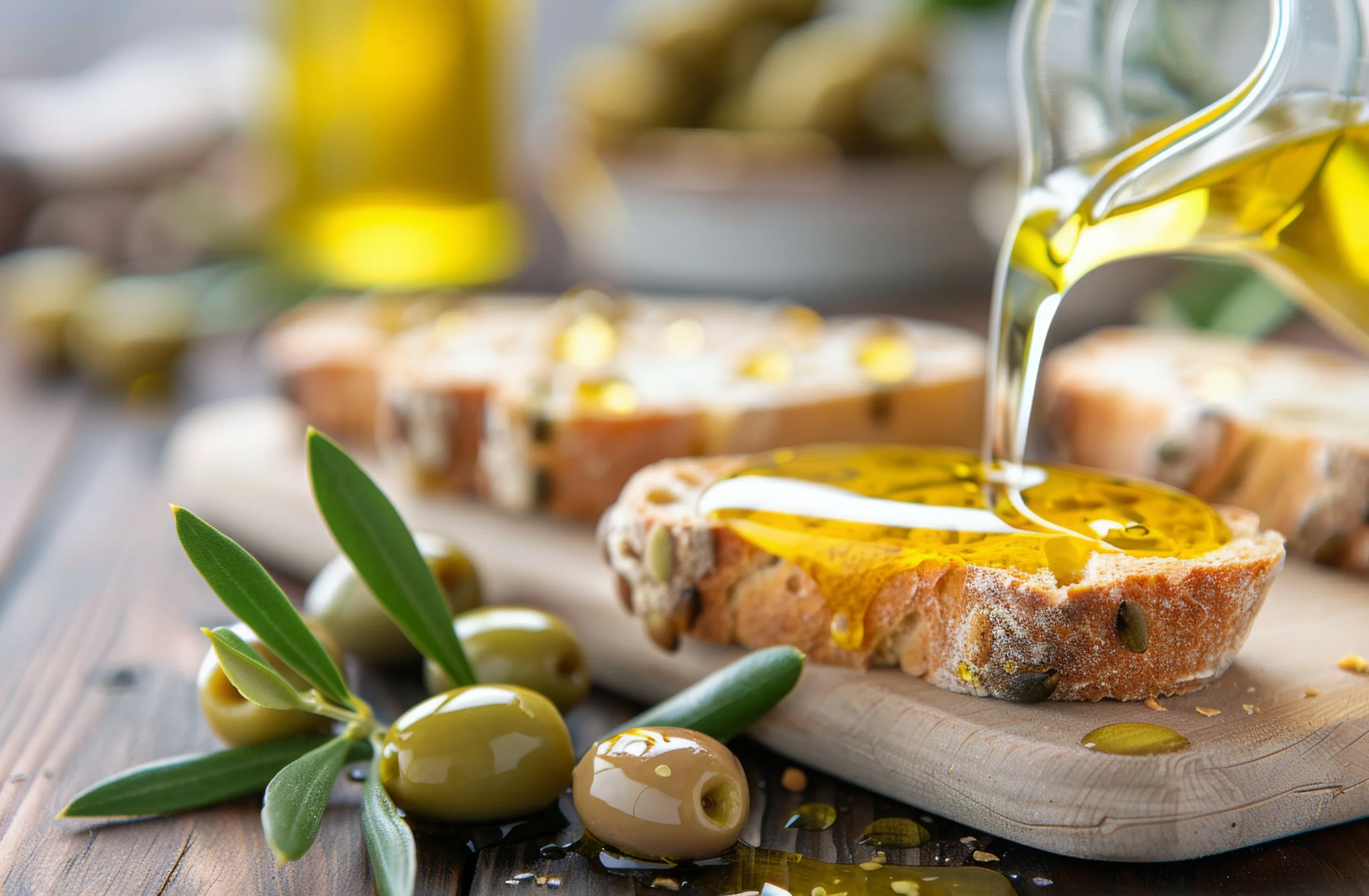
- Cheese or olive oil – A savory twist for those who prefer a less sweet start.
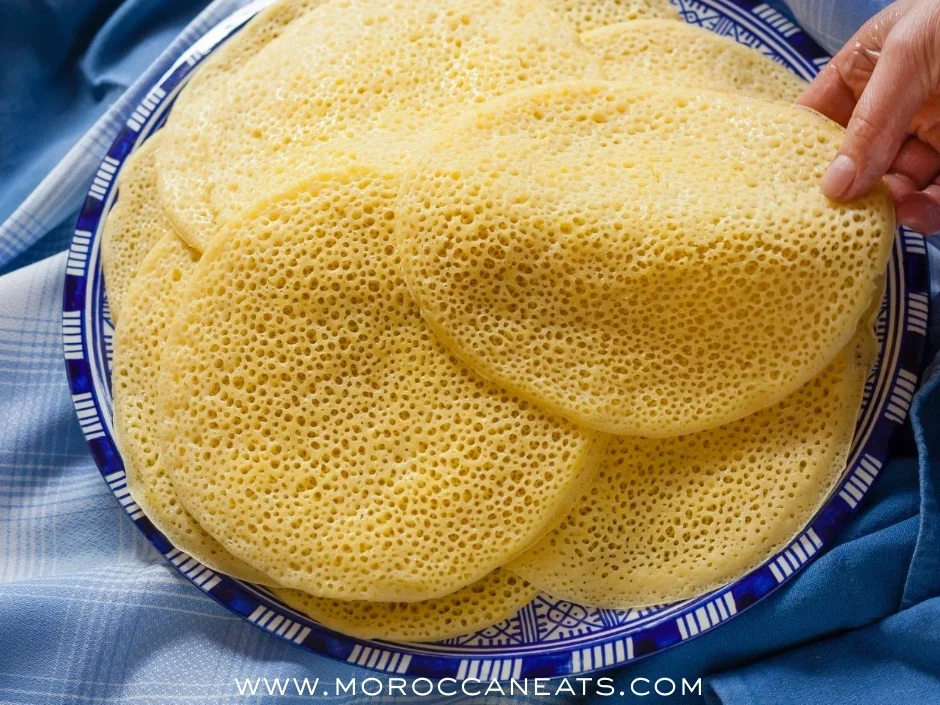
Baghrir – The “Thousand-Hole” Pancake
Baghrir is a soft, spongy pancake made from semolina and yeast, known for its porous surface that soaks up butter and honey like a sponge. It’s a favorite for those who enjoy a light yet flavorful breakfast.
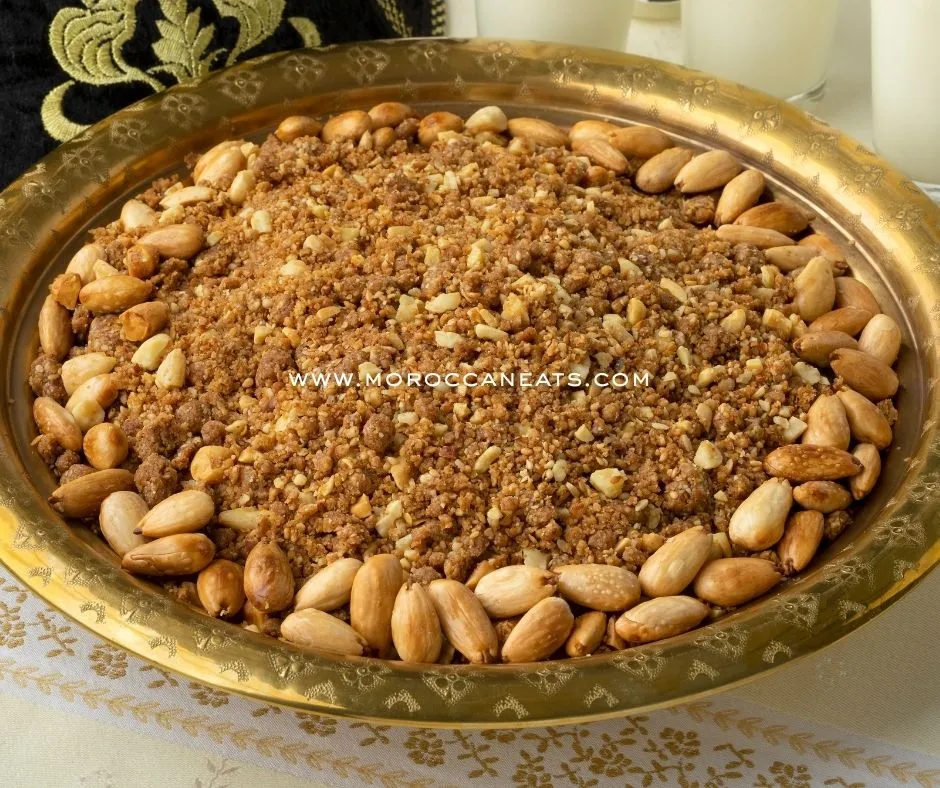
Sellou – The Nutritious Energy Boost
Sellou, also known as sfouf, is a nutrient-dense mixture of roasted flour, sesame seeds, almonds, and honey. It’s packed with energy, making it a popular choice during Ramadan and for busy mornings.
Savory Moroccan Morning Meals
While sweet breakfasts are popular, many Moroccans enjoy savory options packed with protein and flavor. These dishes provide a heartier start to the day.
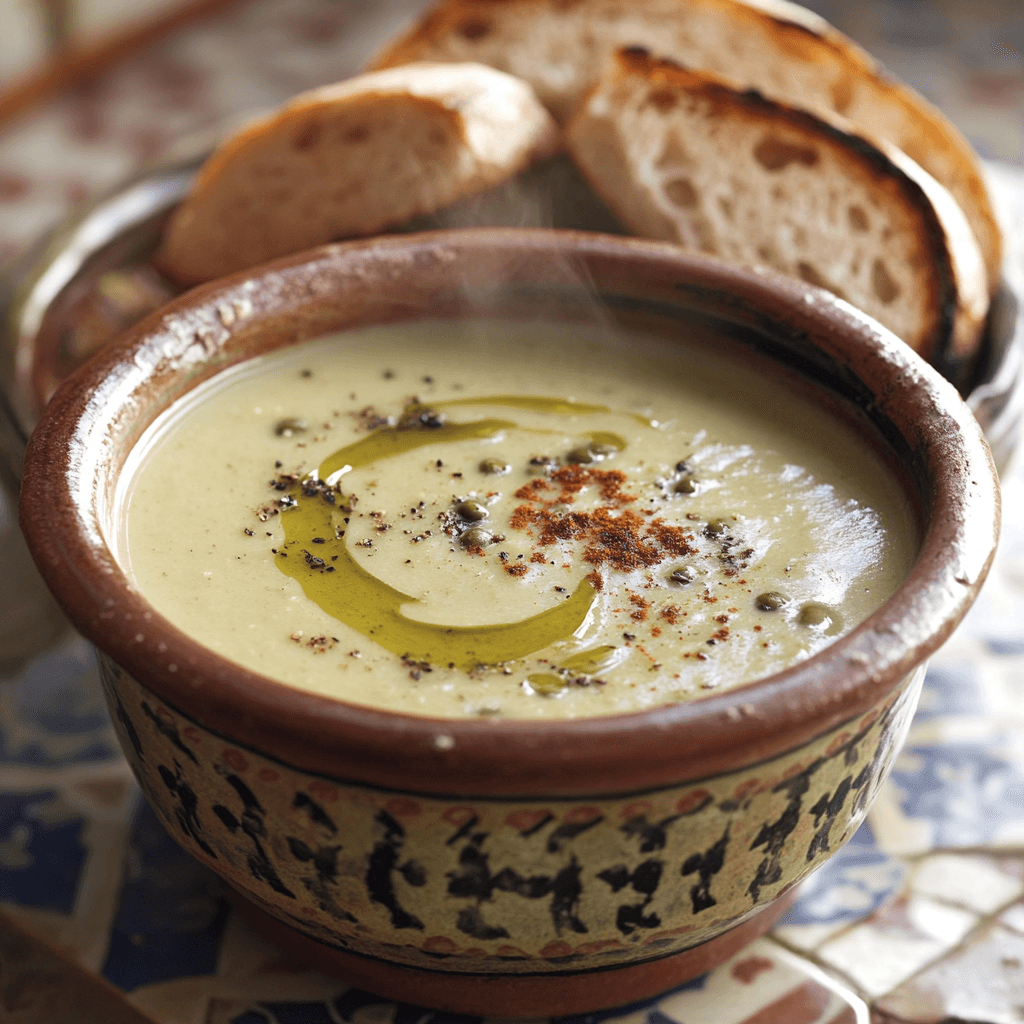
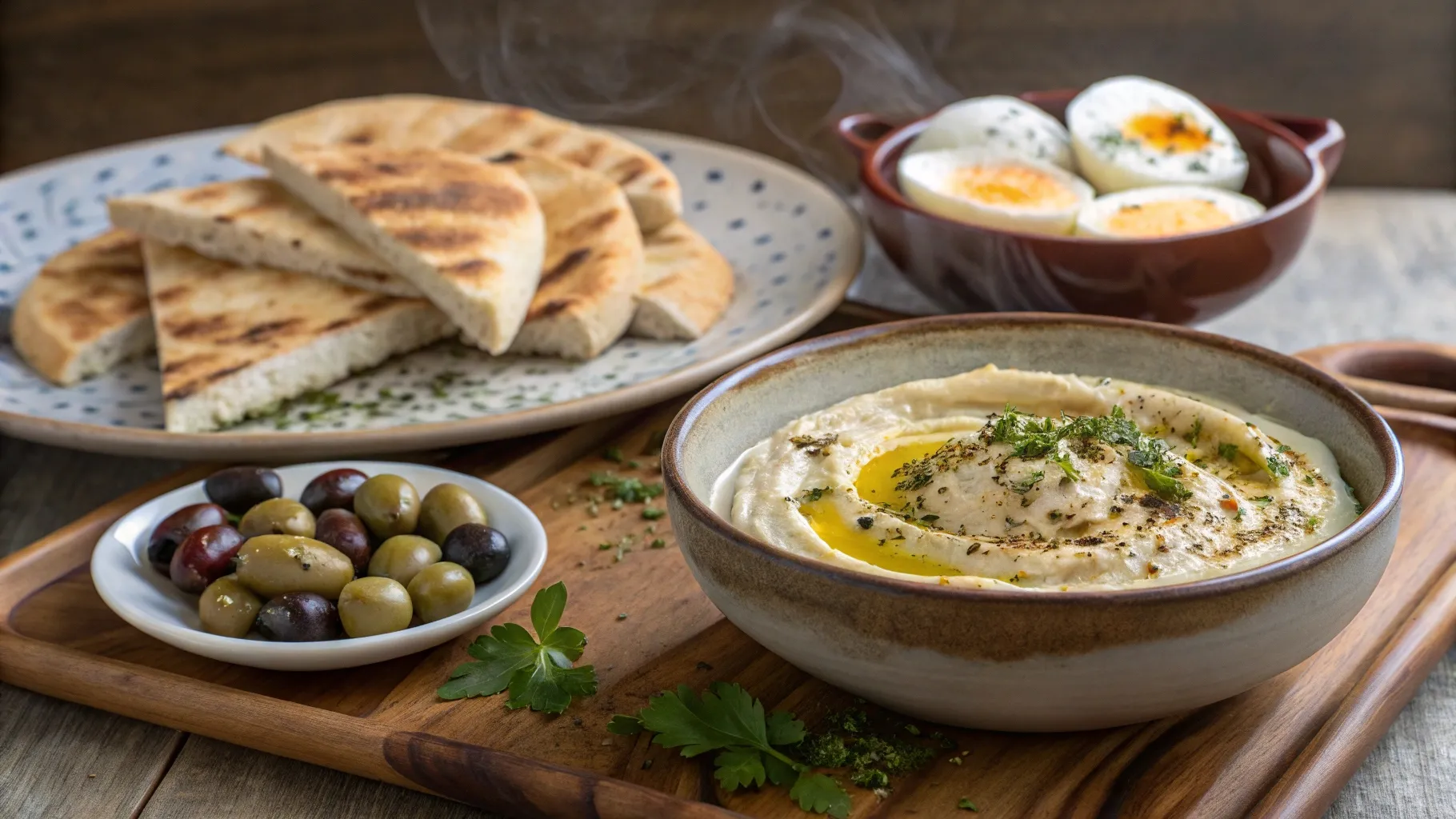
Bissara – The Comforting Fava Bean Soup
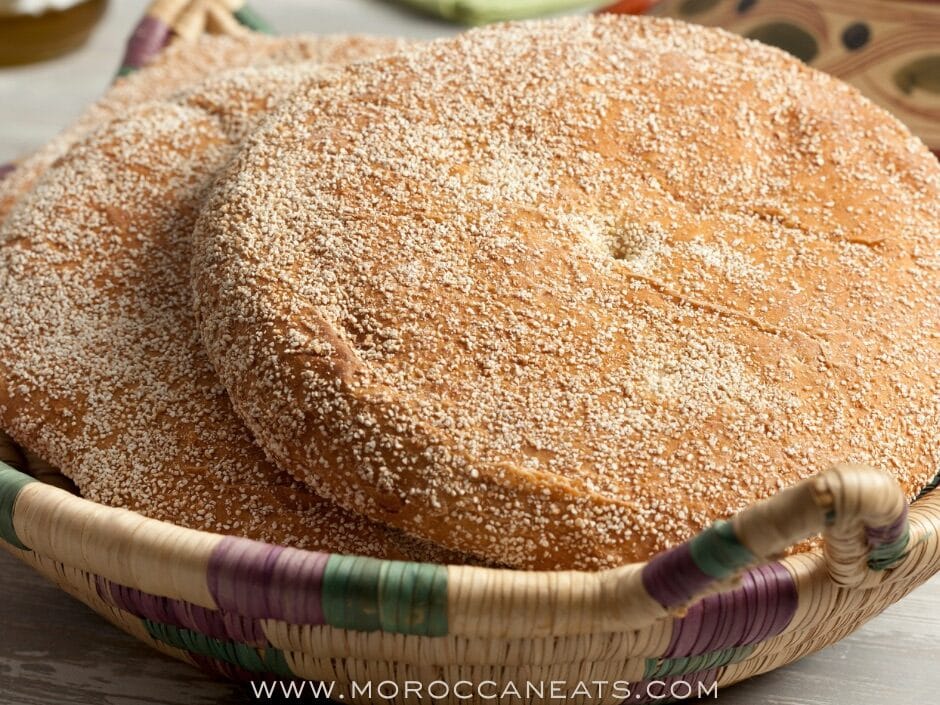
Bissara is a thick soup made from pureed fava beans, flavored with garlic, cumin, and olive oil. Served hot with fresh khobz (Moroccan bread), it’s a favorite during chilly mornings.
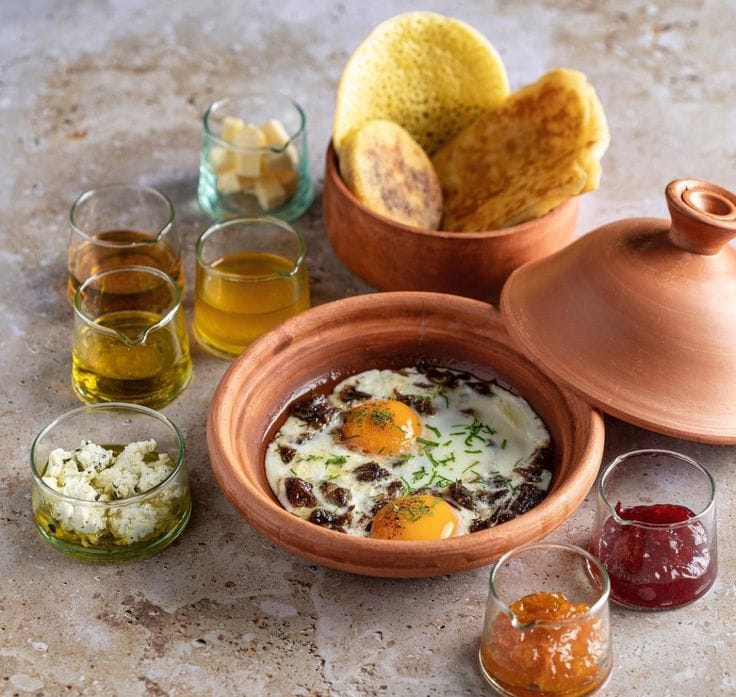
Khlii – Preserved Beef with Eggs
Khlii is Morocco’s version of preserved meat, marinated in spices and slow-cooked in fat. It’s typically fried with eggs for a flavorful, protein-rich breakfast.
Herbed Olives and Cheese
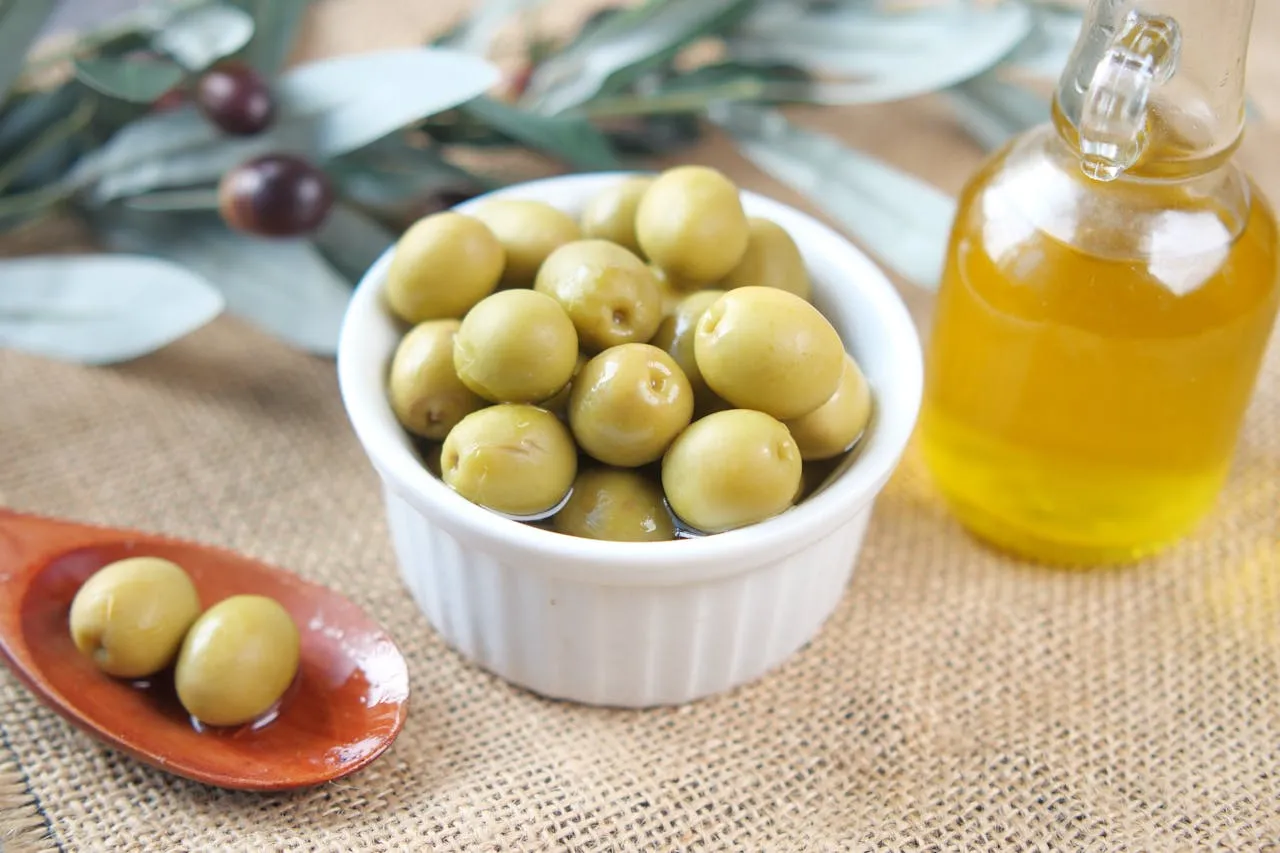
A simple yet essential Moroccan breakfast staple, herbed olives are served alongside fresh cheese (jebli or kiri) and crusty bread, offering a delicious mix of saltiness and creaminess.
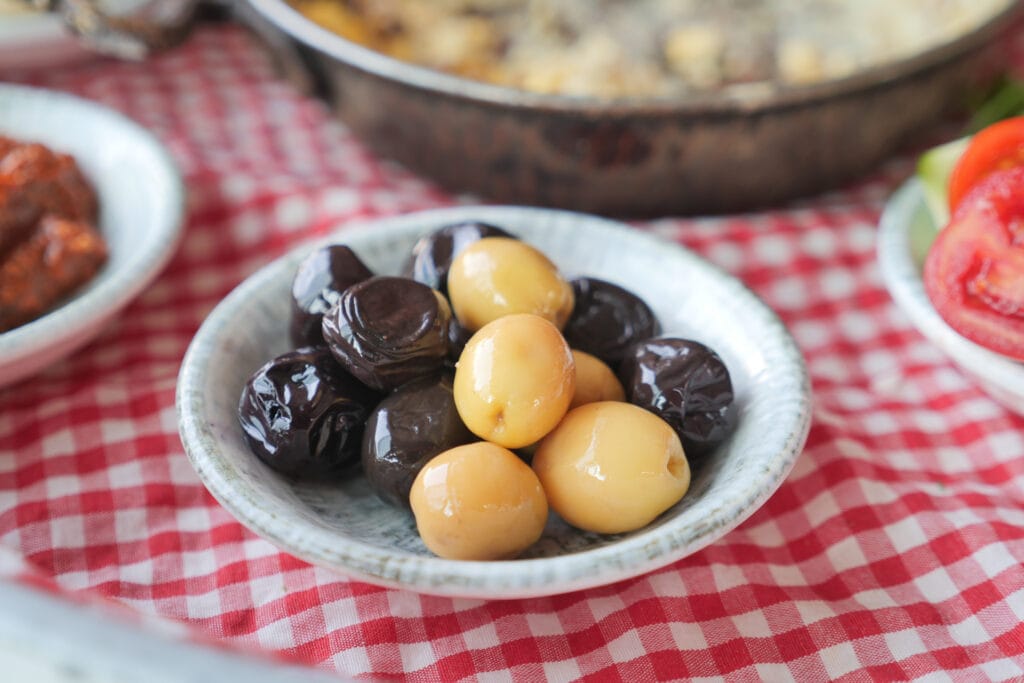
Table: Sweet vs. Savory Moroccan Breakfasts
| Sweet Breakfast | Savory Breakfast |
|---|---|
| Msemen with honey | Bissara (fava bean soup) |
| Baghrir (semolina pancakes) | Khlii with eggs |
| Sellou (nutty energy mix) | Olives with fresh cheese |
| Honey-drizzled bread | Khobz with olive oil |
The History and Cultural Significance of Moroccan Breakfast
A Heritage of Influences
Moroccan breakfast traditions have evolved over centuries, influenced by Berber, Arab, and Andalusian cultures. The combination of grain-based breads, dairy, nuts, and aromatic spices reflects Morocco’s rich trade history and diverse culinary roots.
Breakfast as a Social Tradition
Unlike Western breakfasts that can be rushed, Moroccan breakfast is a social event. Families gather around the table, sharing freshly made msemen, mint tea, and olives while discussing the day ahead. Hospitality is a key part of Moroccan culture, and breakfast is no exception guests are always welcomed with an abundance of food.
Nutritional Benefits of Moroccan Breakfast Foods
Balanced Macronutrients
A traditional Moroccan breakfast offers a well-balanced mix of carbohydrates, healthy fats, and proteins:
- Msemen & baghrir provide complex carbs for sustained energy.
- Olives, argan oil, and almonds offer healthy fats and essential nutrients.
- Eggs, cheese, and khlii supply protein to keep you full longer.
Rich in Antioxidants and Minerals
Many Moroccan breakfast staples contain antioxidants and essential minerals:
Amlou (almond spread) is rich in vitamin E, promoting healthy skin.
Mint tea is packed with polyphenols that boost digestion.
Fava beans in bissara provide iron and fiber, great for gut health.
Bissara
Amlou
Argan Oil
Khobz with olive oil
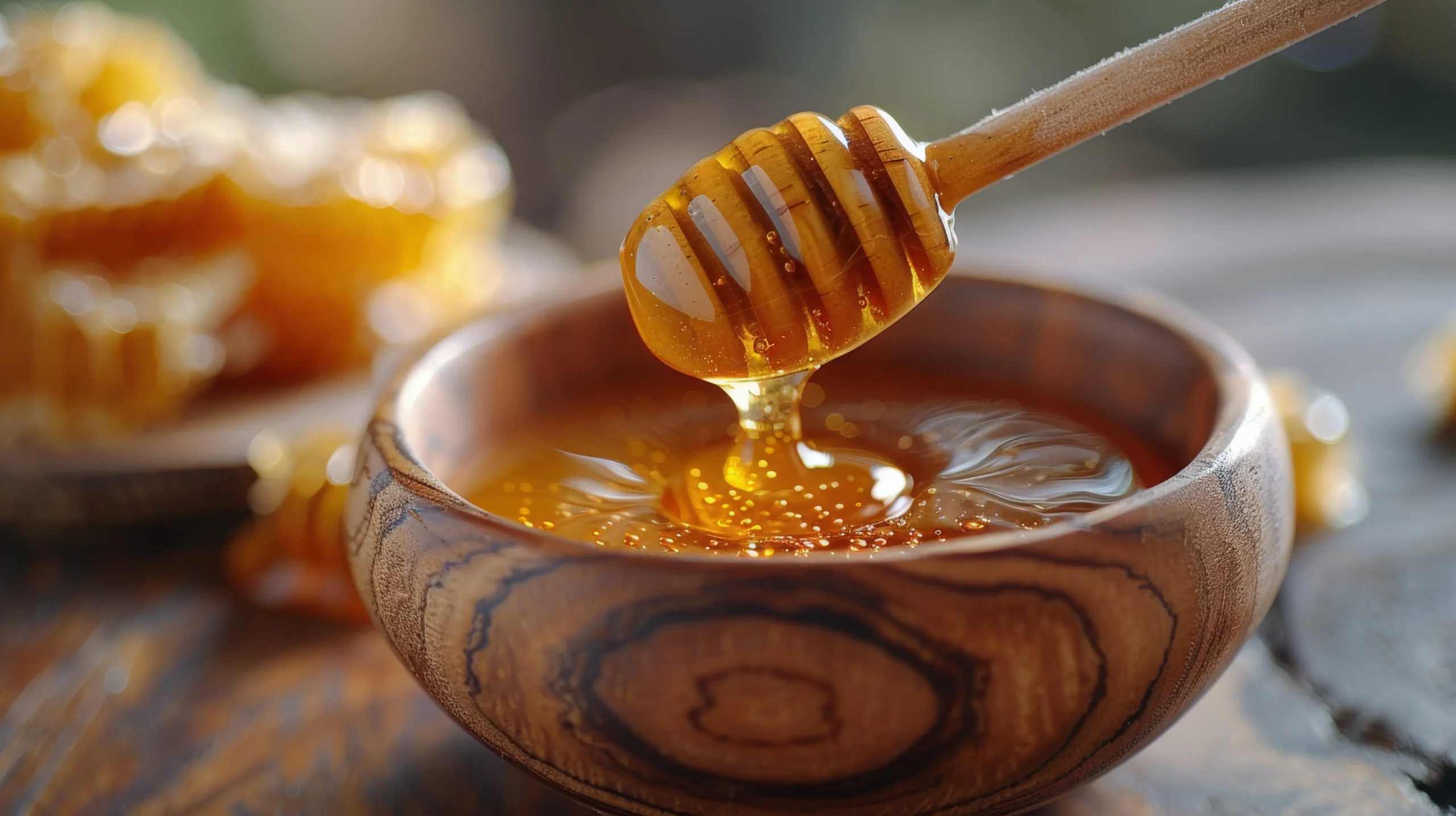
Honey
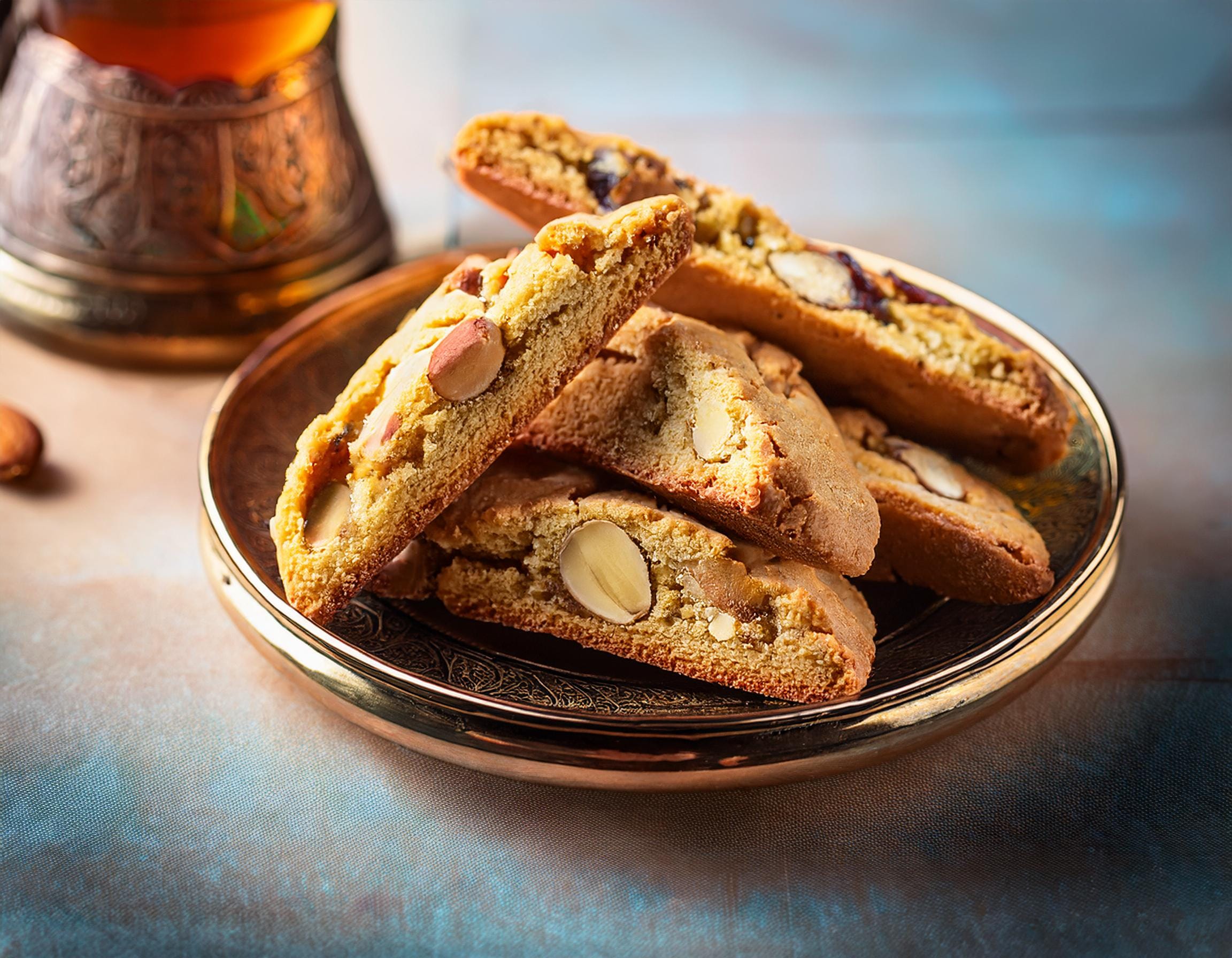
Moroccan Biscotti Called Fekkas
Olives
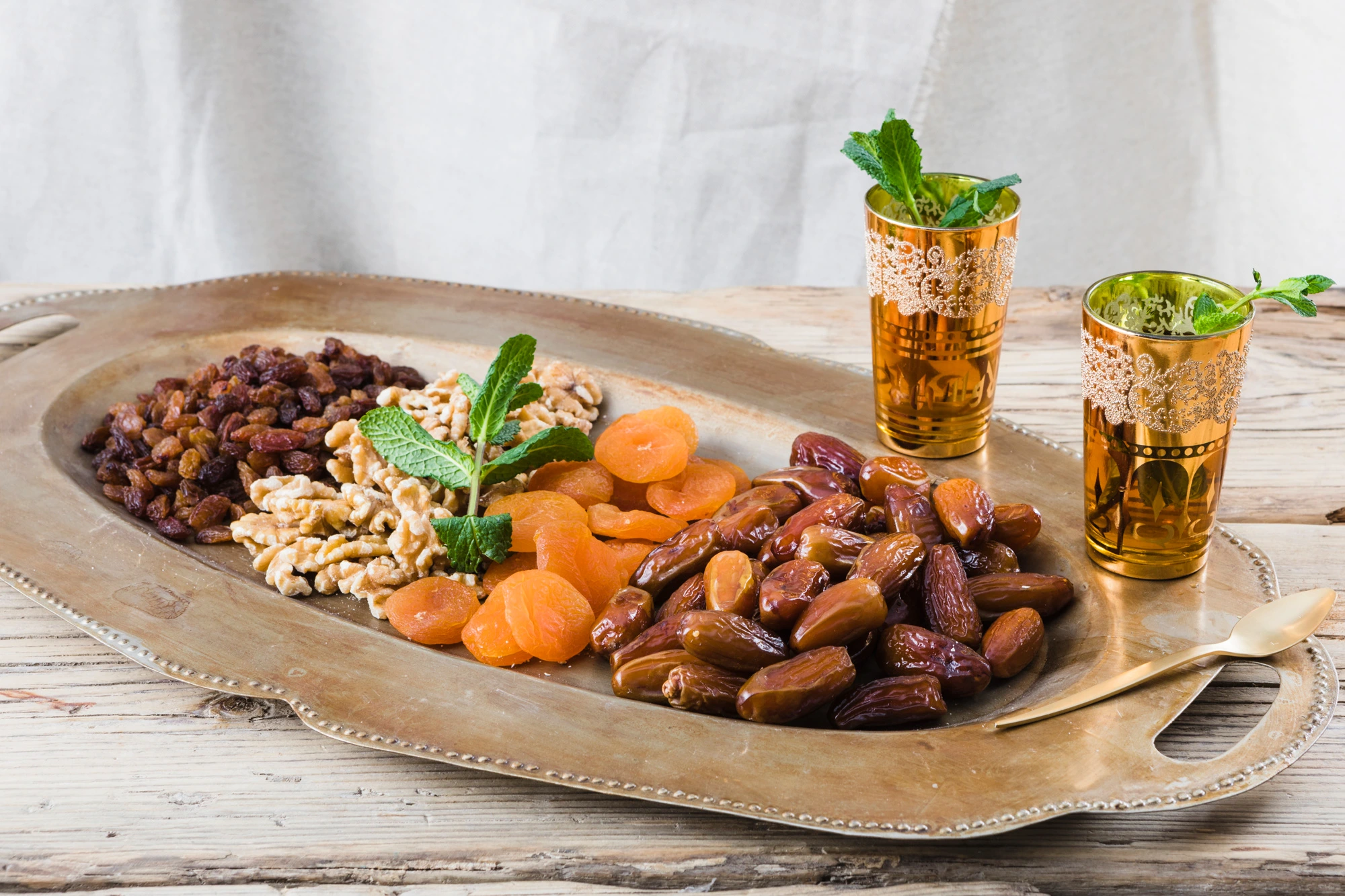
Nuts
Homemade Bread
Msemen Or Harcha
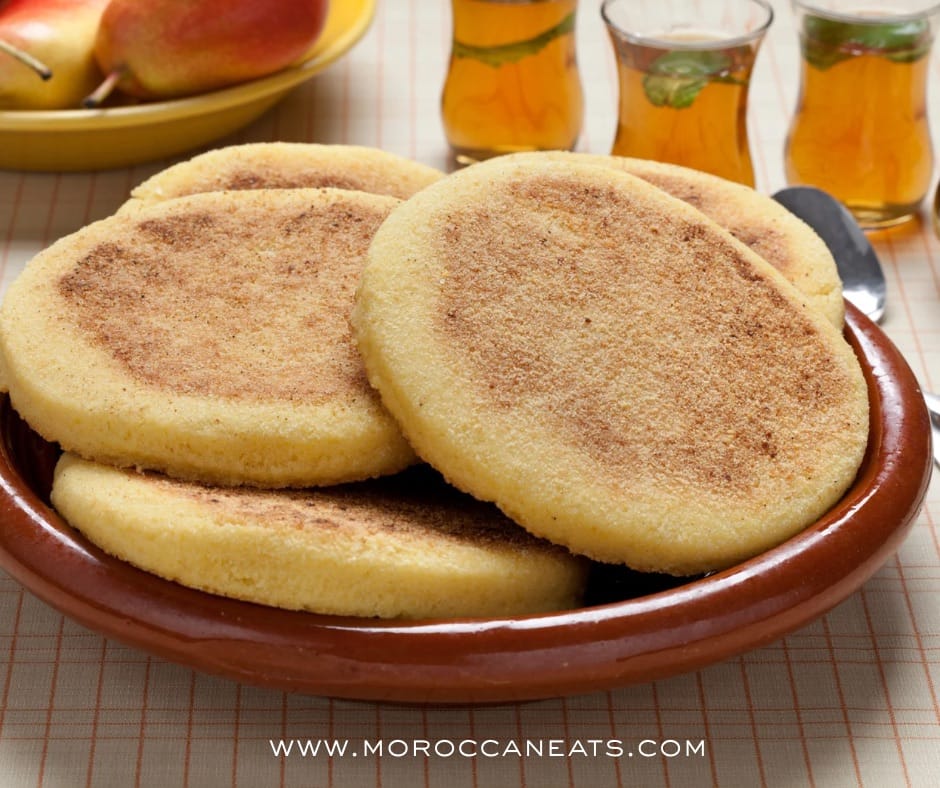
Moroccan Breakfast Drinks

A Moroccan breakfast wouldn’t be complete without a refreshing beverage. Moroccans enjoy a variety of drinks that complement their meals and provide energy for the day.
Moroccan Mint Tea – The Breakfast Essential
Known as atay, Moroccan mint tea is a staple at every meal. Made from green tea, fresh mint leaves, and sugar, it’s both refreshing and comforting.
Spiced Coffee – A Unique Moroccan Blend
Unlike regular coffee, Moroccan coffee is infused with cinnamon, cardamom, and nutmeg, creating a fragrant and slightly spicy flavor.
Fresh Orange Juice – A Vitamin C Boost
Morocco is famous for its oranges, and freshly squeezed orange juice is a breakfast favorite, served chilled and often slightly sweetened.

A Traditional Moroccan Breakfast Quote
“Breakfast in Morocco is more than a meal; it’s a moment to slow down, connect, and savor life’s simple pleasures.” – Moroccan Proverb
Ingredient Substitutions for Moroccan Breakfast Recipes
If you’re missing traditional Moroccan ingredients, here are some easy swaps:
Best Ways to Serve Moroccan Breakfast
Traditional Serving Style
| Original Ingredient | Substitution |
|---|---|
| Semolina (for baghrir) | Fine cornmeal or whole wheat flour |
| Argan oil (for amlou) | Almond or walnut oil |
| Khlii (preserved meat) | Beef jerky or shredded slow-cooked beef |
| Jebli cheese | Ricotta or feta cheese |
| Moroccan khobz | Pita bread or sourdough bread |
- Food is placed in the center of the table, allowing everyone to share.
- Mint tea is poured high above the glass for aeration and flavor.
- Bread like msemen and khobz is torn by hand rather than cut with a knife.
Modern Serving Ideas
Want to put a modern twist on Moroccan breakfast? Try:
- Baghrir pancakes with fruit and yogurt instead of honey and butter.
- Amlou drizzled over oatmeal for a nutty, Moroccan-inspired breakfast bowl.
- A Moroccan breakfast charcuterie board with olives, cheese, dates, and honey.
Expert Tips for Perfect Moroccan Breakfast Dishes
Msemen & Baghrir Tips
✔️ Always let the dough rest to develop elasticity.
✔️ Cook baghrir only on one side—the holes form from the steam rising through the batter.
✔️ Use a non-stick pan to prevent sticking without excessive oil.
Tea & Coffee Tips
✔️ When making Moroccan mint tea, crush the mint leaves gently to release essential oils.
✔️ For Moroccan coffee, use freshly ground spices for the most aromatic flavor.
Storage Tips for Moroccan Breakfast Foods
Storing Breads & Pastries
- Msemen & baghrir: Store in an airtight container in the fridge for up to 3 days. Reheat on a skillet.
- Khobz: Freeze in slices, then toast when needed.
Preserving Moroccan Tea & Spices
- Keep mint leaves fresh by storing them in a jar with water.
- Store ground cinnamon, cardamom, and nutmeg in airtight containers away from moisture.
Best Occasions to Serve Moroccan Breakfast
Moroccan breakfast is perfect for:
- Special gatherings – Serve msemen and tea when hosting guests.
- Weekend brunch – A full Moroccan spread is great for a slow, relaxed morning.
- Ramadan & Eid – Sweet and energy-rich dishes like sellou and baghrir are ideal for pre-dawn meals.
Troubleshooting Common Moroccan Breakfast Mistakes
| Problem | Solution |
|---|---|
| Baghrir doesn’t form holes | Batter is too thick add more water or let it ferment longer |
| Msemen is tough | Dough wasn’t rested enough or was overworked |
| Mint tea is too bitter | Don’t overbrew the tea leaves—steep for only a few minutes |

Dietary Variations for Moroccan Breakfast
Vegan Moroccan Breakfast Ideas
🥑 Swap khlii for sautéed mushrooms
🥥 Use coconut oil instead of butter for msemen and baghrir
🍯 Replace honey with maple syrup for a plant-based alternative
Gluten-Free Moroccan Breakfast Alternatives
- Use rice flour for gluten-free baghrir.
- Try chickpea flour pancakes as a msemen substitute.
- Eat bissara (fava bean soup) with gluten-free flatbread.
Conclusion: Experience Moroccan Breakfast at Home
If you ever visit Morocco, don’t skip breakfast! Whether you love sweet msemen, creamy baghrir, or hearty bissara, there’s something for everyone. And the best part? Many of these dishes are easy to recreate at home. Try them and bring a taste of Morocco to your morning routine!
Q&A Section
Q: What is the most common Moroccan breakfast dish?
A: Msemen and baghrir are among the most popular choices, often served with honey and mint tea.
Q: Do Moroccans eat eggs for breakfast?
A: Yes! They enjoy eggs with khlii (preserved beef) or simply fried with spices.
Q: Is Moroccan breakfast healthy?
A: Yes, it’s balanced with healthy fats, proteins, and fresh ingredients, though some dishes are indulgent.