
Introduction
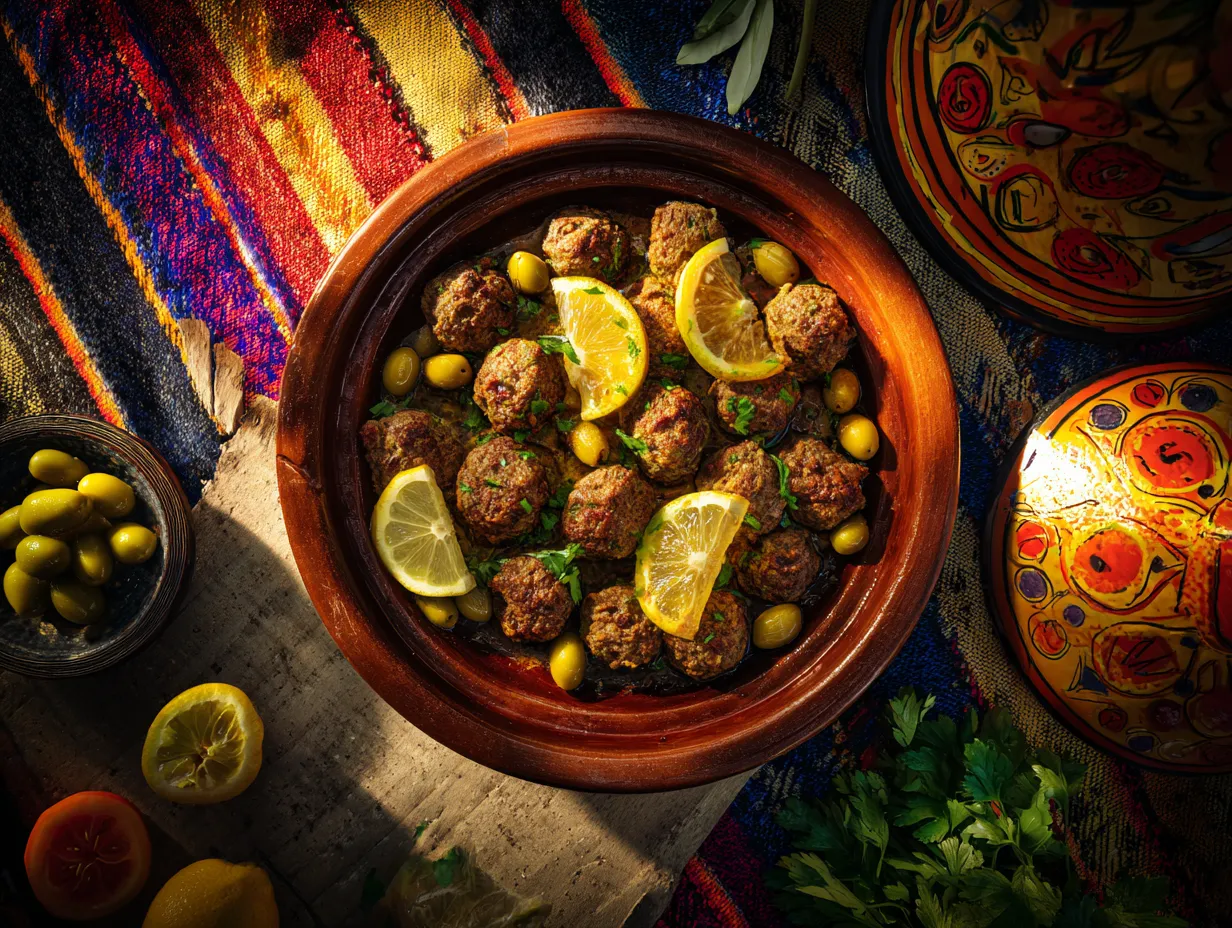
Have you ever dreamed of bringing the vibrant flavors of Morocco into your kitchen? Spiced kefta with preserved lemon and olives is a dish that captures the essence of North African cuisine: bold spices, tangy citrus, and tender, flavorful meatballs that make every bite memorable. Whether you’re cooking for family, hosting a dinner party, or exploring Moroccan flavors for the first time, this recipe is approachable, versatile, and utterly delicious.
In this post, we’ll take you through everything from essential ingredients to serving suggestions, creative variations, and practical storage tips. By the end, you’ll be confident in creating a dish that is both authentic and personalized to your taste.
Key Takeaways
- Flavor balance matters: Combining Ras el Hanout, cumin, paprika, preserved lemons, and olives creates layers of savory, tangy, and aromatic flavors.
- Meat choices are flexible: Ground lamb, beef, chicken, or vegetarian alternatives all work beautifully with the right spice mix.
- Cooking methods vary: Pan-frying, grilling, or baking kefta allows you to tailor texture and presentation.
- Pair thoughtfully: Couscous, Moroccan bread, and fresh herbs elevate the dish while providing a complete meal experience.
- Prep ahead and store smartly: Kefta freezes well, making it ideal for meal prep and busy weeknights without compromising flavor.
These points ensure that anyone even first-time Moroccan cooks can enjoy a vibrant, authentic dish at home.
Table of Contents
Introduction to Moroccan Kefta
What Makes Kefta Unique in Moroccan Cuisine
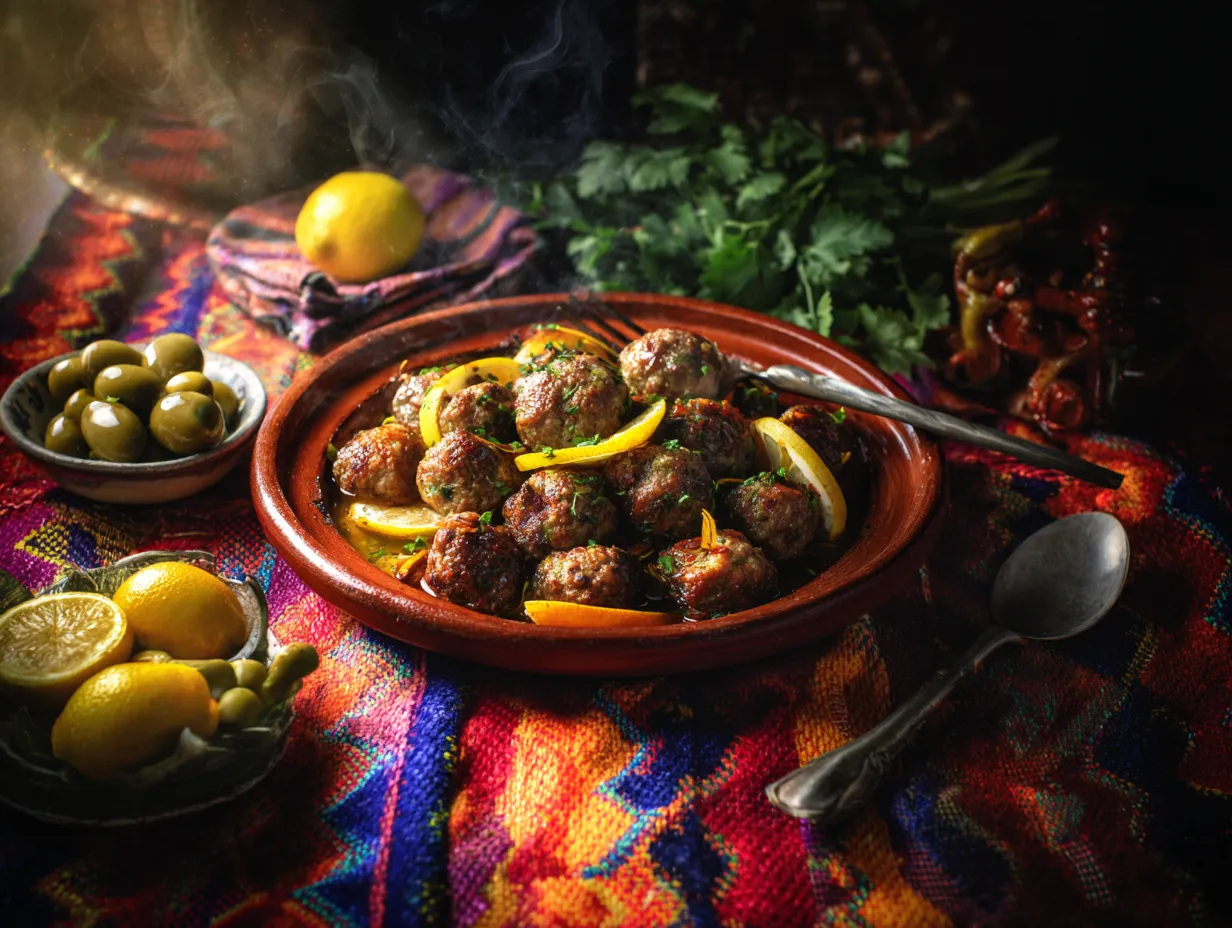
Have you ever wondered why Moroccan cuisine feels like a journey for your taste buds? Enter kefta, the North African meatball that’s more than just a dinner option it’s a celebration of flavor, culture, and tradition. Unlike your typical meatball, Moroccan kefta combines finely ground meat with a symphony of spices that awaken the senses.
Kefta isn’t just about eating; it’s about experiencing Moroccan heritage on a plate. Families gather around the table, and the aroma of spiced kefta with preserved lemon and olives instantly signals warmth, comfort, and shared stories.
Some things that make Moroccan kefta stand out:
- Bold spices: A carefully balanced mix of cumin, paprika, and the signature Ras el Hanout creates a depth you won’t find in ordinary meatballs.
- Unique texture: Ground meat is delicately mixed and shaped to achieve a tender, juicy bite every time.
- Tangy accents: The addition of preserved lemons and Mediterranean olives provides a vibrant, zesty punch that keeps your palate excited.
Whether served sizzling from a pan, grilled to perfection, or gently simmered in a tagine, each bite tells a story of Moroccan culinary artistry.
The Role of Spices in Flavor Depth
Have you ever noticed how a pinch of spice can completely transform a dish? In Moroccan kefta, spices aren’t just seasonings they’re the heartbeat of the recipe. By blending warm, aromatic flavors like cumin, coriander, cinnamon, and paprika, the meat isn’t just flavorful; it becomes a fragrant experience that lingers long after the meal.
Fun tip: don’t be afraid to adjust spice levels to suit your taste. While traditional recipes aim for harmony, experimenting can help you find your personal signature kefta flavor.
Why Preserved Lemons and Olives Matter
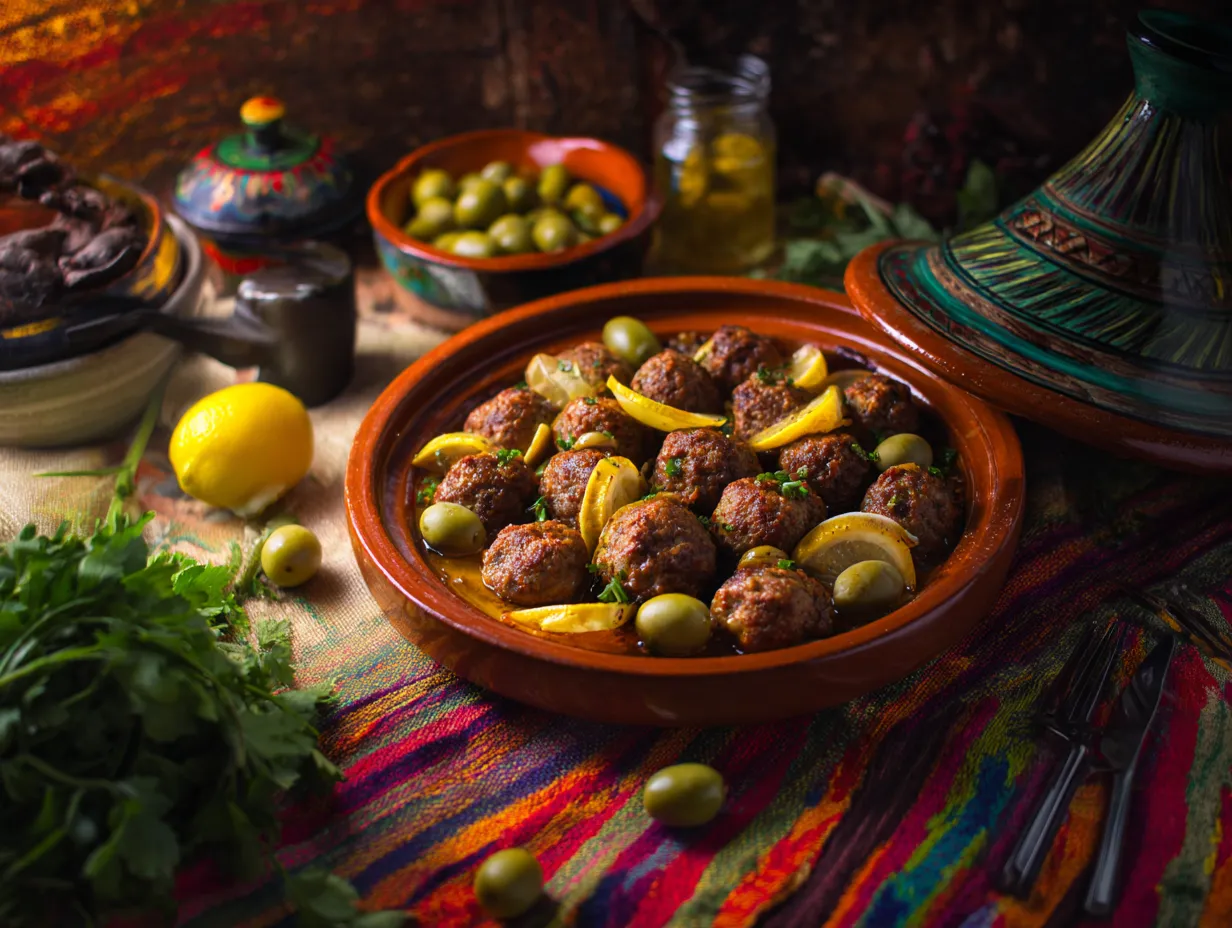
Imagine biting into a juicy kefta with a slight burst of lemony brightness followed by the savory depth of olives. That’s the magic of preserved lemons and Moroccan olives. They elevate the dish by:
- Adding layers of tangy, salty contrast
- Enhancing the overall complexity of flavors
- Offering a touch of authenticity that transports you straight to a Moroccan market
Incorporating these ingredients isn’t just about taste it’s about connecting with the rich culinary history of Morocco.
Reader suggestion: If you love the idea of combining bold flavors, explore our other Mediterranean-inspired recipes like “Moroccan Chicken Tagine” or “Lamb Kofta Skewers” to keep your kitchen adventures exciting.
Key Ingredients and Their Significance
Ground Beef vs. Lamb in Kefta Recipes
Choosing the right meat is the foundation of authentic Moroccan kefta. Traditionally, kefta is made with ground lamb, prized for its rich flavor and slightly gamey depth. However, ground beef is a more accessible alternative that still delivers tenderness and savory satisfaction.
- Lamb: Offers a traditional Moroccan flavor and pairs beautifully with warm spices like cumin and paprika.
- Beef: Mild, versatile, and easier to find; perfect for first-time kefta cooks.
- Combination: Some recipes mix lamb and beef for a juicy, well-balanced texture.
Pro tip: Always select fresh, high-quality ground meat it makes a world of difference in flavor and juiciness.
Preserved Lemons: History & Flavor Profile
Preserved lemons are a culinary hallmark in Moroccan cuisine. Unlike fresh lemons, these are salted and left to ferment, creating a unique, intensely tangy flavor that cannot be replicated with fresh citrus.
Why they matter in kefta:
- They cut through the richness of the meat, balancing flavors perfectly.
- They add vibrant color and aroma, making your dish visually enticing.
- They bring a touch of authentic Moroccan tradition, connecting the dish to its roots.
Fun fact: Preserved lemons have been used in North African kitchens for centuries, often passed down through family recipes.
The Importance of Moroccan Olives
No Moroccan kefta is complete without green or black olives. These small, briny gems provide:
- A salty, savory contrast to the rich meat
- A natural umami boost that deepens flavor
- Visual appeal with their glossy, vibrant appearance
Using high-quality Moroccan olives or any good Mediterranean variety ensures your dish tastes both authentic and gourmet.
Essential Spice Blends (Ras el Hanout, Cumin, Paprika)
If the meat is the heart of kefta, the spices are its soul. A Moroccan kitchen would be incomplete without Ras el Hanout, a complex blend of over a dozen spices, often including cinnamon, turmeric, ginger, and cardamom.
- Cumin: Earthy and warm, perfect for grounding flavors.
- Paprika: Adds mild smokiness and rich color.
- Ras el Hanout: Elevates the dish with aromatic complexity.
Tip: Toasting whole spices lightly before grinding releases essential oils, enhancing flavor and fragrance.
Reader suggestion: Want to experiment? Try making your own Ras el Hanout blend at home for a personalized Moroccan twist.
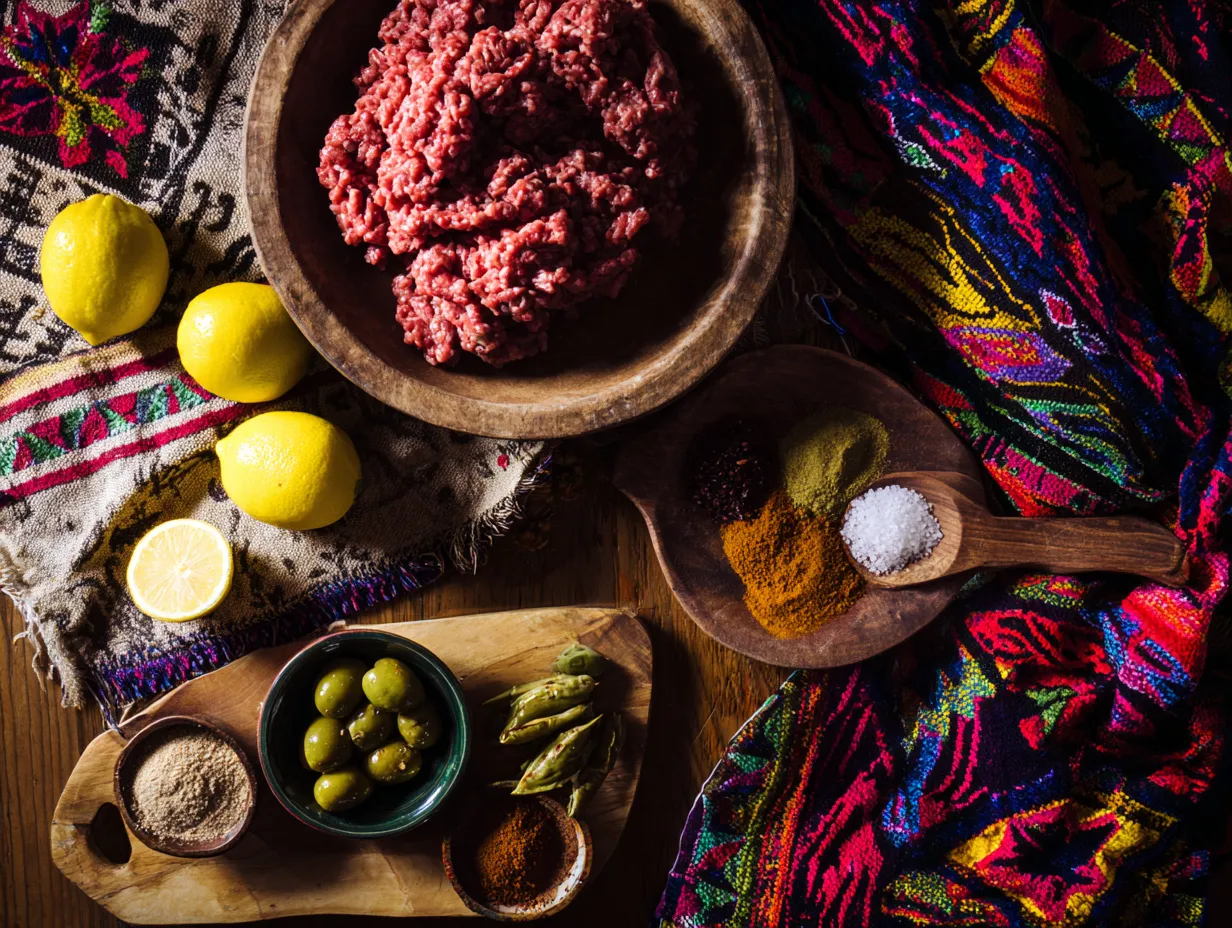
Here’s a well-structured ingredients table for your spiced kefta with preserved lemon and olives recipe. I’ve included quantities, ingredient names, and notes for clarity:
| Ingredient | Quantity | Notes |
|---|---|---|
| Ground lamb or beef | 500g (1 lb) | Fresh, high-quality meat for best flavor |
| Onion | 1 medium, finely chopped | Adds moisture and sweetness |
| Garlic | 3 cloves, minced | Enhances savory depth |
| Fresh parsley | ½ cup, chopped | Bright, fresh herb flavor |
| Fresh cilantro | ½ cup, chopped | Optional, adds aromatic freshness |
| Preserved lemon | 1 small, pulp removed, rind finely chopped | Key tangy ingredient |
| Green olives | ½ cup, pitted and halved | Adds briny, savory contrast |
| Cumin | 1 tsp | Earthy, warm spice |
| Paprika | 1 tsp | Mild smokiness and vibrant color |
| Ras el Hanout | 1 tsp | Signature Moroccan spice blend |
| Ground cinnamon | ¼ tsp | Adds subtle warmth |
| Cayenne pepper | ¼ tsp (optional) | Adds heat if desired |
| Salt | 1 tsp | Adjust to taste |
| Black pepper | ½ tsp | Freshly ground for best flavor |
| Olive oil | 2 tbsp | For cooking or drizzling |
Step-by-Step Cooking Method
Preparing the Kefta Mixture
Creating the perfect kefta begins with selecting quality ground meat. While both lamb and beef are traditional choices, feel free to use a mix or opt for one based on your preference.
Cooking the Kefta
Cooking the kefta can be done in various ways, each imparting a unique flavor and texture.
Methods:
- Pan-frying: Heat a tablespoon of olive oil in a skillet over medium heat. Add the meatballs and cook until browned on all sides and cooked through, about 10-12 minutes.
- Grilling: Preheat your grill to medium-high heat. Thread the meatballs onto skewers and grill, turning occasionally, until fully cooked and slightly charred, about 8-10 minutes.
- Baking: Preheat your oven to 375°F (190°C). Place the meatballs on a baking sheet lined with parchment paper and bake for 15-20 minutes, or until cooked through.
Note: Ensure the meatballs are cooked to an internal temperature of 160°F (71°C) for safety.
Preparing the Sauce
A flavorful sauce is essential to complement the kefta.
- In a large saucepan, heat the olive oil over medium heat. Add the chopped onion and cook until softened, about 5 minutes.
- Add the minced garlic and cook for an additional minute until fragrant.
- Stir in the grated tomatoes, preserved lemon rind, green olives, cumin, paprika, Ras el Hanout, ground cinnamon, salt, and black pepper.
- Pour in the water or beef broth and bring the mixture to a simmer.
- Let the sauce cook for 10-15 minutes, allowing the flavors to meld and the sauce to thicken slightly.
Combining Kefta and Sauce
Once both the kefta and sauce are prepared, it’s time to bring them together.
Instructions:
- Gently add the cooked kefta meatballs into the simmering sauce.
- Cover and let them simmer together for 10-15 minutes, allowing the meatballs to absorb the flavors of the sauce.
- Taste and adjust seasoning with additional salt and pepper if needed.
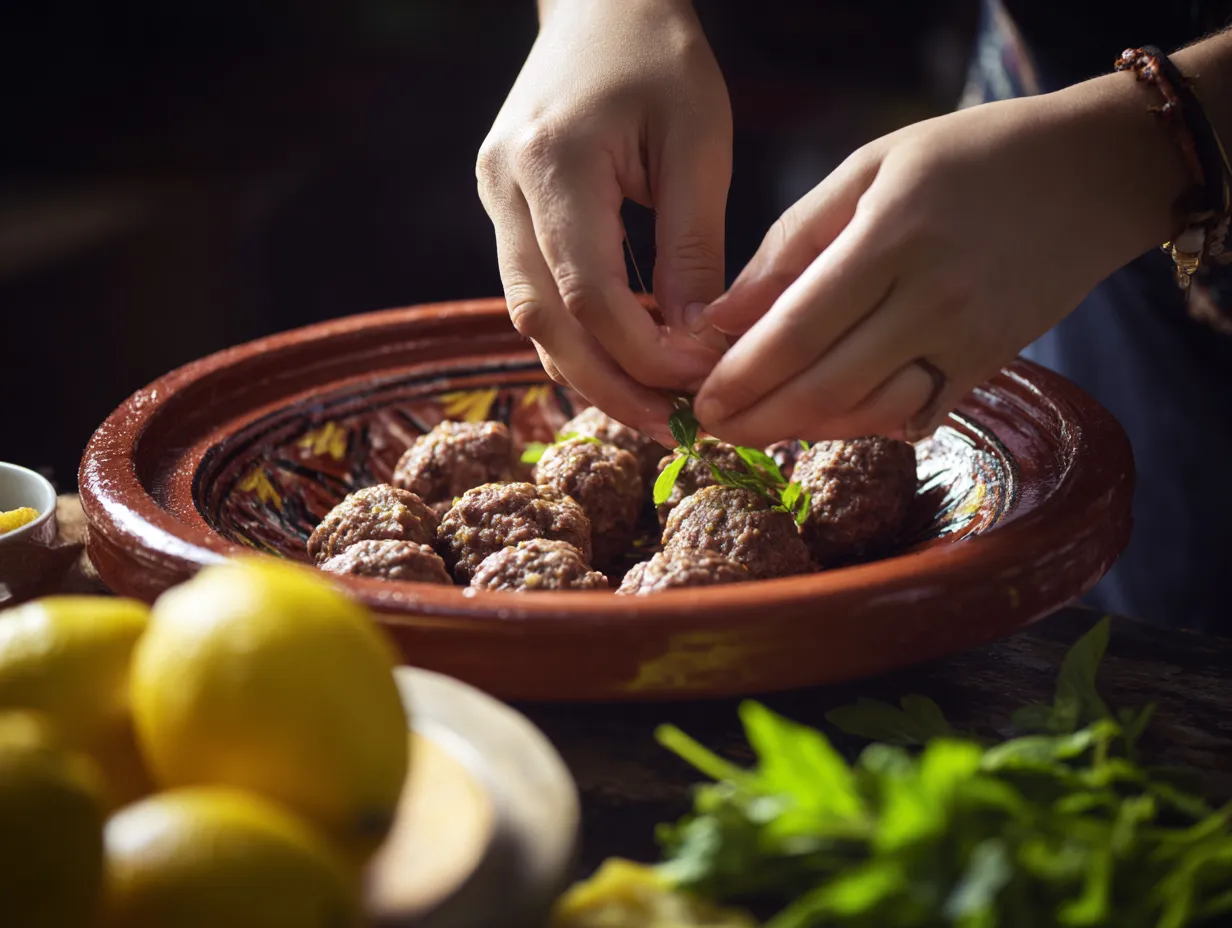
Serving Suggestion: Serve the kefta with preserved lemon and olives over a bed of couscous or alongside warm Moroccan bread to soak up the delicious sauce.
Serving Suggestions and Pairings
Traditional Moroccan Accompaniments
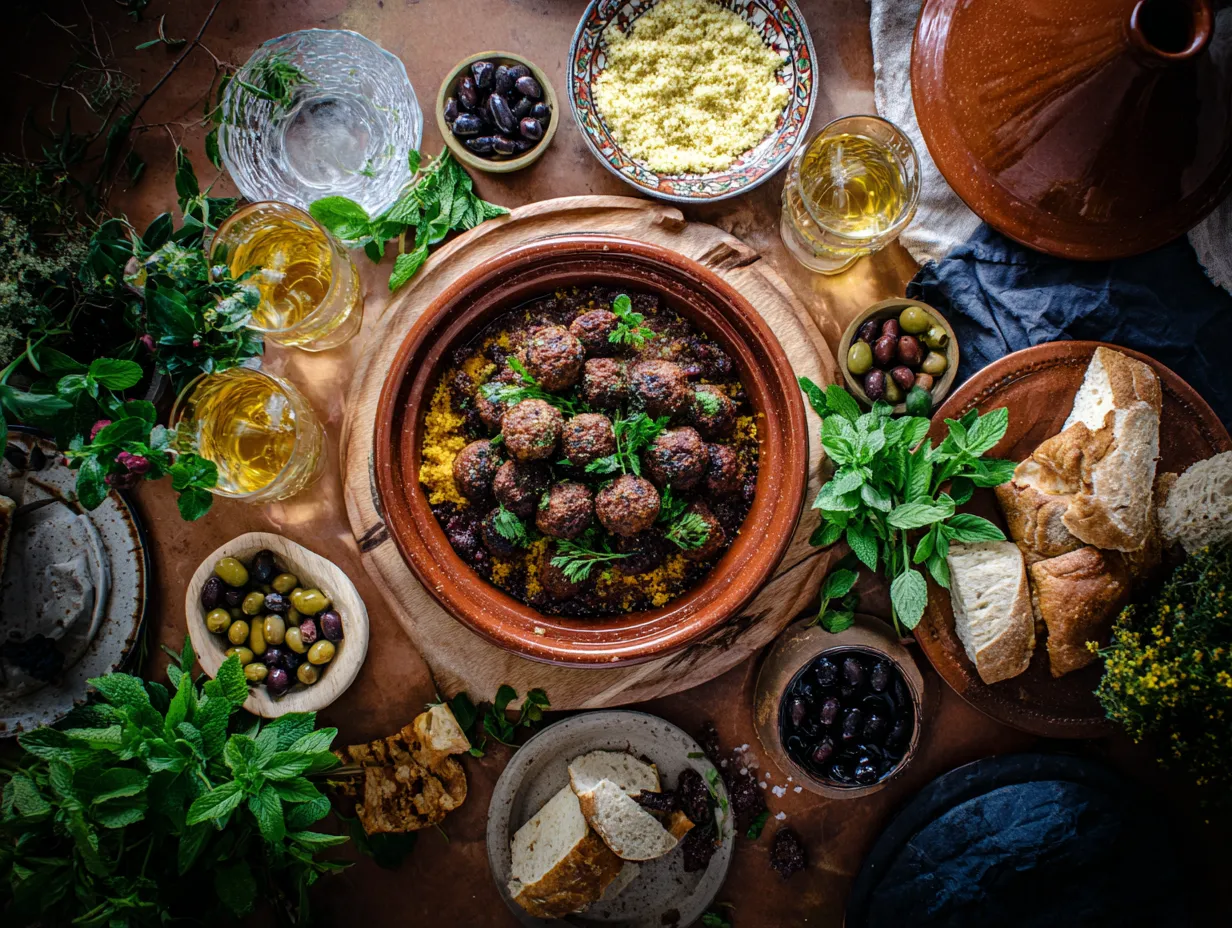
Once your spiced kefta with preserved lemon and olives is ready, how do you serve it in a way that highlights all its rich flavors? Moroccan cuisine is all about balance, textures, and complementary dishes. Serving your kefta with the right sides elevates it from a simple meal to a full culinary experience.
Top traditional pairings include:
- Couscous: Light, fluffy couscous absorbs the flavorful sauce beautifully.
- Warm Moroccan bread: Perfect for scooping up kefta and sauce; adds a tactile, rustic experience.
- Steamed vegetables: Carrots, zucchini, or bell peppers bring freshness and color to your plate.
- Rice pilaf: A slightly nutty rice pilaf complements the tangy preserved lemon and olives.
“Food is the most primitive form of comfort and Moroccan kefta, with its fragrant spices and tangy citrus notes, proves it.”
Serving kefta in a communal style encourages conversation and sharing, embodying the warm, welcoming spirit of Moroccan hospitality.
Drinks and Sides That Enhance Flavors
The right beverages can elevate your Moroccan feast:
- Mint tea: Sweet and refreshing, it balances the rich spices of the kefta.
- Yogurt dip: Adds a cool, creamy counterpoint to the warmth and spice of the meatballs.
Interactive suggestion: Try creating a small Moroccan-inspired platter with bread, kefta, olives, and herbs your guests will love the visual and flavor variety.
Modern Twists: Fusion Serving Ideas
Don’t be afraid to experiment! Moroccan kefta can also shine in:
- Kefta sliders: Mini meatballs on small buns with a drizzle of yogurt sauce.
- Mediterranean bowls: Combine couscous, roasted vegetables, and kefta in a single bowl for a contemporary lunch idea.
- Pizza topping: For adventurous cooks, kefta makes a flavorful alternative to traditional pizza toppings.
Adding your personal flair keeps the dish exciting while still respecting its traditional roots.
Tips, Variations, and Storage
Vegetarian or Chicken Kefta Alternatives
Love Moroccan flavors but want a lighter or plant-based option? You can easily adapt this spiced kefta with preserved lemon and olives recipe without losing any flavor.
Alternatives include:
- Ground chicken or turkey: Offers a milder taste and tender texture; cook slightly slower to retain moisture.
- Chickpea-based kefta: Mashed chickpeas blended with spices, preserved lemon, and olives create a satisfying vegetarian option.
- Lentil kefta: Cooked lentils mixed with breadcrumbs, spices, and herbs provide protein and a hearty texture.
These variations are perfect for families with diverse dietary needs or for experimenting with fusion recipes.
Adjusting Spice Levels for Taste Preferences
Spice balance is key to making kefta enjoyable for everyone:
- Mild: Reduce cayenne pepper or omit Ras el Hanout to keep flavors gentle.
- Medium: Stick to the recipe’s original spice blend for classic Moroccan taste.
- Bold: Add extra paprika, cumin, or a pinch of chili flakes to bring heat and depth.
Pro tip: Always taste the kefta mixture before shaping; it’s easier to adjust seasoning at this stage than after cooking.
How to Store and Reheat Leftovers
If you’re lucky enough to have leftovers, storing them properly ensures they stay fresh and flavorful:
- Refrigerator: Store in an airtight container for up to 3 days.
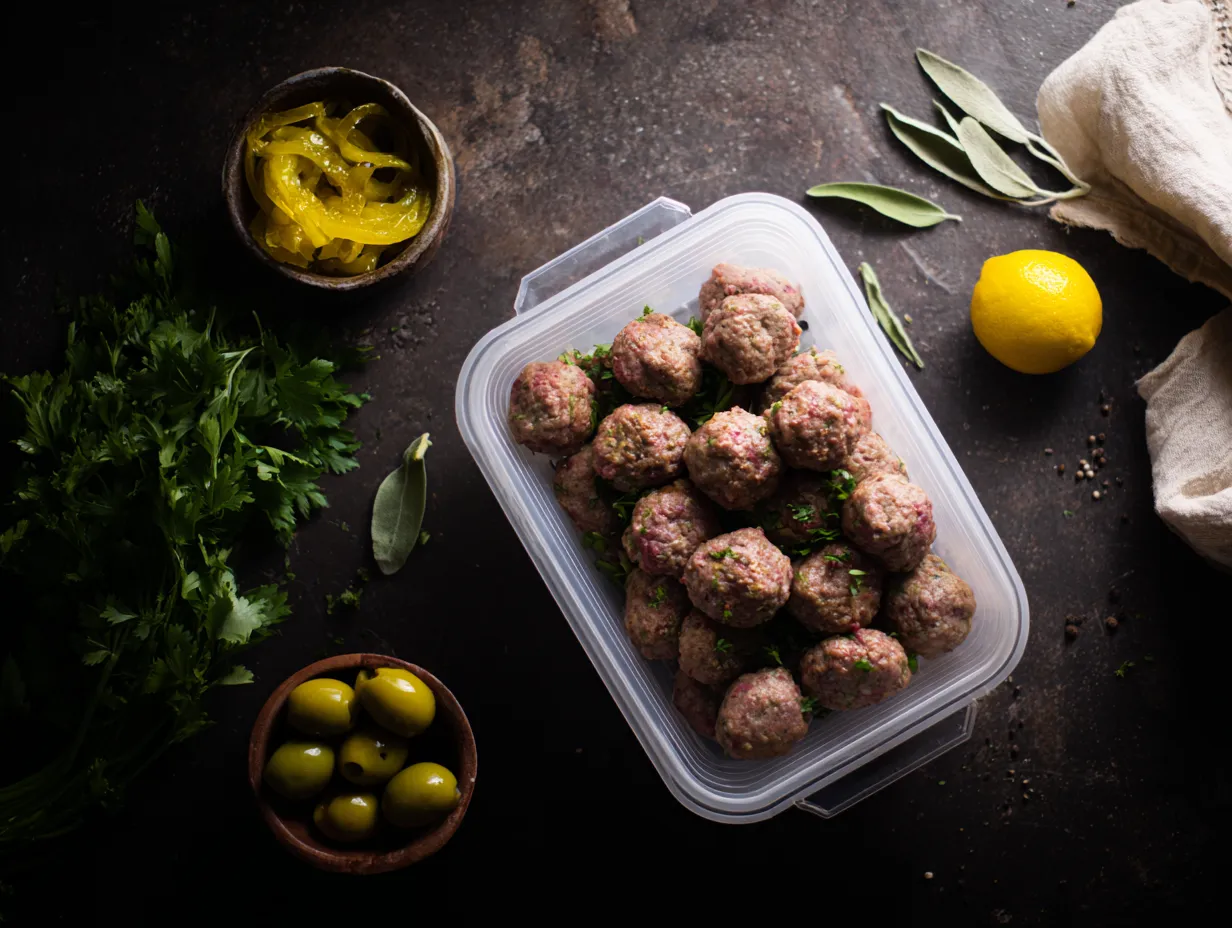
- Freezer: Freeze uncooked kefta meatballs on a tray, then transfer to a freezer-safe bag for up to 2 months.
- Reheating: Warm gently in a skillet, oven, or microwave. If frozen, thaw overnight in the fridge before reheating.
Leftover sauce can also be stored separately and used to flavor pasta, rice, or roasted vegetables for a quick meal.
Freezing Kefta for Meal Prep
Kefta is ideal for meal prep because it freezes exceptionally well. You can batch-make several portions and enjoy authentic Moroccan flavors any time:
- Shape meatballs and flash-freeze on a baking sheet.
- Once firm, transfer to labeled freezer bags.
- When ready to cook, add directly to simmering sauce (increase cooking time slightly if still partially frozen).
Meal prepping this way saves time while keeping the vibrant flavors of preserved lemon, olives, and spices intact.
Conclusion
Cooking spiced kefta with preserved lemon and olives isn’t just about following a recipe it’s about bringing a slice of Moroccan culture to your table. Each meatball tells a story of spices, citrus, and culinary heritage. By exploring ingredient alternatives, adjusting spices, and trying creative serving ideas, you can make this dish your own while staying rooted in tradition.
Whether you enjoy it with family, friends, or even as a personal indulgence, Moroccan kefta proves that flavorful cooking doesn’t have to be complicated it just needs a little heart, a pinch of spice, and the courage to experiment.
Q&A
Q1: Can I make kefta ahead of time?
Absolutely! You can prepare the meat mixture and shape meatballs a day in advance, storing them in the fridge. For longer storage, flash-freeze them in a single layer, then transfer to freezer-safe bags.
Q2: Can I use fresh lemons instead of preserved lemons?
While fresh lemons can work in a pinch, they lack the fermented tang and depth of flavor that preserved lemons provide. If using fresh lemons, combine zest and a little salt to mimic the preserved version.
Q3: Can kefta be cooked without olives?
Yes, but olives add a distinctive salty richness that balances the tanginess of the preserved lemons. You can substitute with capers or omit entirely for a milder flavor.
Q4: What side dishes go well with Moroccan kefta?
Couscous, warm Moroccan bread, rice pilaf, and roasted or steamed vegetables all complement the dish beautifully. Mint tea is a traditional beverage pairing.
Q5: Can this recipe be made vegetarian?
Definitely! Chickpeas, lentils, or mashed vegetables combined with the spice blend and preserved lemon create a delicious vegetarian alternative while keeping the authentic Moroccan flavors intact.