
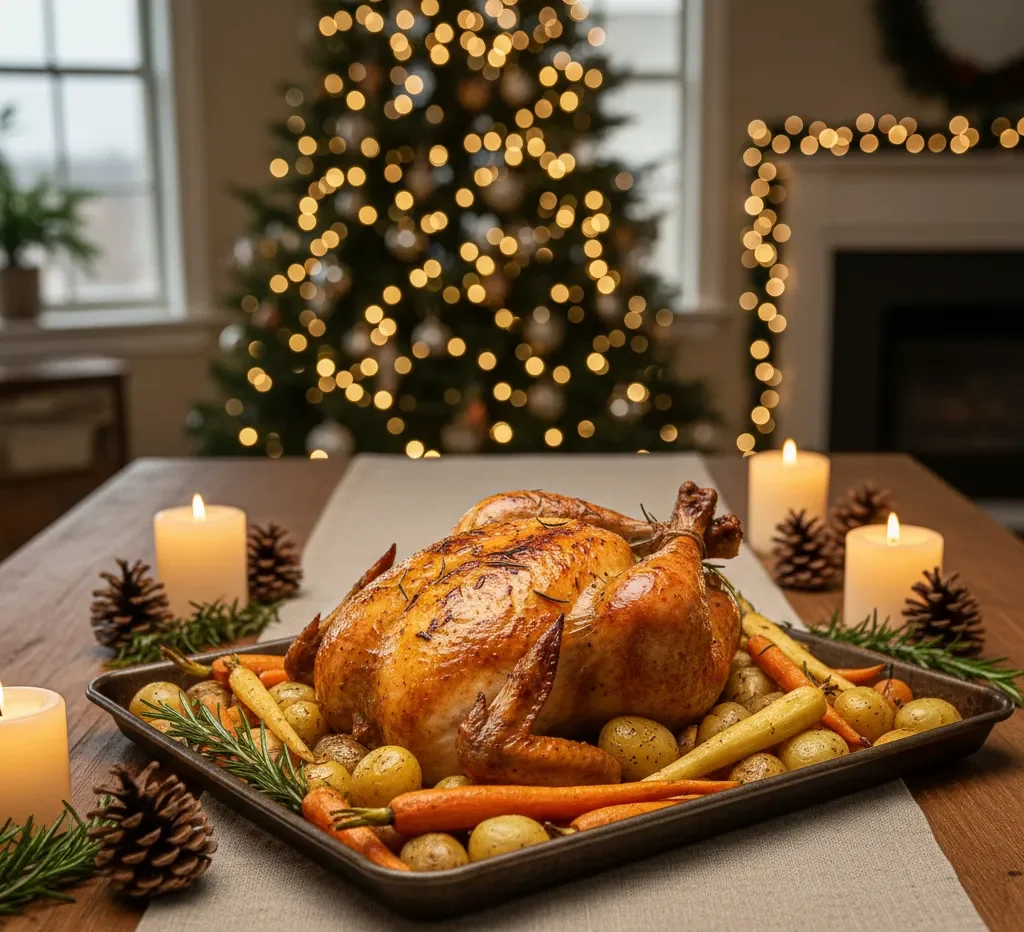
Why This One-Pan Roast is the Ultimate Christmas Savior
Christmas dinner. Just hearing those words can conjure images of bustling kitchens, multiple pots bubbling, and perhaps a touch of holiday stress, right? For many of us, the dream of a festive, show-stopping meal often clashes with the reality of time constraints and the sheer effort involved. But what if I told you there’s a way to achieve that picture-perfect, savory Rosemary Roasted Christmas Chicken with Root Vegetables without losing your festive cheer (or your mind)?
This isn’t just another chicken recipe; it’s your secret weapon for a relaxed, memorable holiday. We’re talking about a complete, succulent meal, roasted to perfection on a single sheet pan. Imagine the relief!
Embracing the “Dump and Roast” Philosophy for Stress-Free Holidays
Let’s be honest: who wants to spend their precious Christmas day chained to the stove, missing out on family laughter and carol singing? That’s where the beauty of the “dump and roast” philosophy comes in. It’s about minimal prep, maximum flavor, and incredibly easy cleanup – the ultimate one-pan holiday dinner.
- Prep in a Flash: Your hands-on time is dramatically cut down. A little chopping, a quick seasoning, and everything goes onto one pan.
- Oven Does the Work: Once it’s in the oven, you’re free! Go enjoy that holiday movie, wrap a last-minute gift, or simply relax with a warm drink.
- Minimal Cleanup: One pan means less washing up. Say goodbye to that towering pile of pots and pans usually associated with holiday feasts. This feature alone makes it an easy Christmas main course worth celebrating.
The Science Behind Rosemary and Roasted Root Vegetable Pairings
There’s a reason this combination feels so inherently “Christmasy.” It’s not just tradition; it’s a culinary masterpiece backed by flavor science!
- Rosemary’s Magic: Fresh rosemary, with its piney, slightly peppery notes, is a robust herb that stands up beautifully to high heat. It infuses the chicken and vegetables with an aromatic, earthy depth that’s truly irresistible. As it roasts, its essential oils release, creating that unforgettable holiday scent in your home.
- Root Veggie Caramelization: When you roast root vegetables like parsnips, carrots, and potatoes, something wonderful happens. Their natural sugars caramelize, creating a slightly sweet, deeply savory crust. This brings out an entirely new dimension of flavor, perfectly complementing the rich chicken juices and fragrant rosemary. It transforms humble veggies into a luscious winter root veggie medley.
- Textural Harmony: The crispy skin of the chicken, the tender, juicy meat, and the slightly firm yet soft roasted vegetables create a fantastic textural contrast in every bite. It’s a symphony for your palate!
Creating a Centerpiece Dish Without the Turkey Fuss
While turkey holds a special place in holiday lore, it can be notoriously tricky to cook perfectly. Plus, if you’re hosting a smaller gathering, a whole turkey can be overkill.
- Perfectly Portioned: A whole chicken is often the ideal size for intimate family gatherings, ensuring less waste and more manageable leftovers.
- Guaranteed Juiciness: Chicken is generally more forgiving than turkey, making it easier for even novice cooks to achieve a perfectly moist and tender result. This means a consistently delightful crispy skin roast chicken recipe every time.
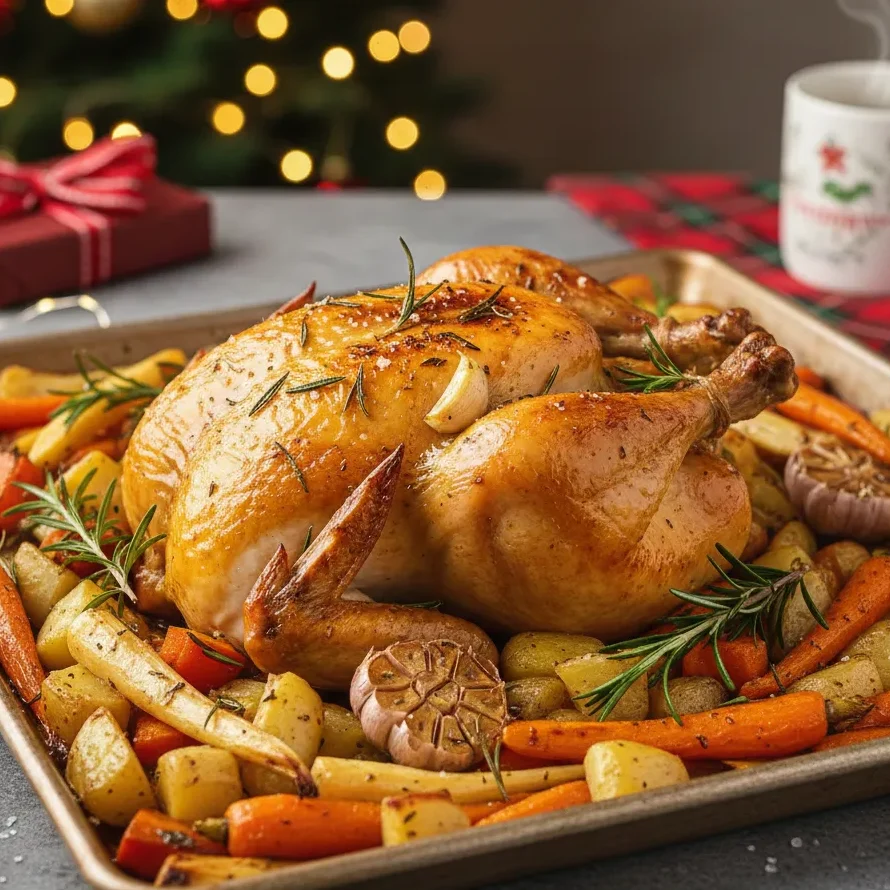
- Elegance with Ease: Don’t let the simplicity fool you; this dish looks incredibly impressive when it comes out of the oven. The golden-brown chicken, glistening with herbs, surrounded by vibrant, caramelized vegetables, is truly a sight to behold. It’s an effortlessly elegant festive sheet pan supper.
A Memory Maker: The Aroma of Herbs Filling the Kitchen
Beyond the incredible taste, this dish offers something intangible but equally important: the creation of lasting holiday memories. We all associate certain smells with cherished moments, and the aroma of this roast chicken is destined to become one of them.
- Sensory Delight: As your Rosemary Roasted Christmas Chicken with Root Vegetables bakes, the warm, herbaceous scent will waft through your home, instantly evoking feelings of comfort, warmth, and holiday spirit.
- Setting the Mood: That inviting aroma is a signal to everyone that something delicious is coming, building anticipation and bringing smiles. It’s an integral part of the Christmas ambiance.
- Future Nostalgia: Years from now, a whiff of rosemary or roasted garlic might transport you right back to this cozy Christmas meal. That’s the power of food, and this dish has it in spades.
Gathering the Essential Ingredients for a Festive Feast
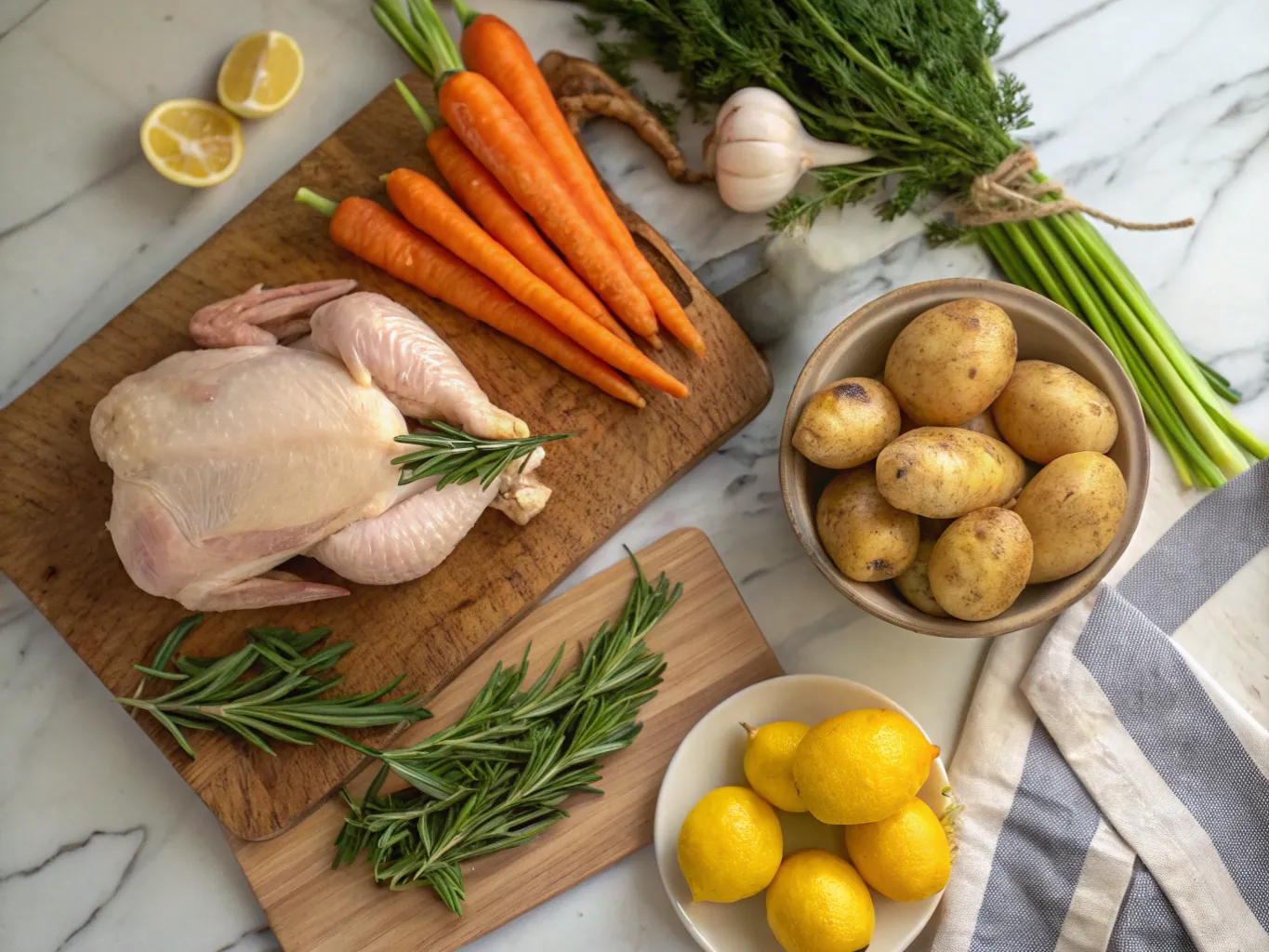
Alright, culinary adventurers! Now that we’ve convinced you that this Rosemary Roasted Christmas Chicken with Root Vegetables is your new holiday MVP, let’s talk about the star players: our ingredients. Think of this as your personal shopping list, ensuring you grab everything you need to create that unforgettable, juicy, and aromatic masterpiece. Quality ingredients truly make all the difference, especially when you’re aiming for an easy Christmas main course that tastes gourmet.
Selecting the Perfect Bird: Size and Quality Matters
The chicken is, quite literally, the centerpiece here. Choosing the right one sets the stage for success.
- Size It Up: For most family dinners, a chicken weighing between 3.5 to 4.5 pounds is ideal. This size cooks more evenly and generally results in juicier meat. If you go much larger, you might need to adjust your cooking time and consider spatchcocking for more even heat distribution (a topic for another post, perhaps!).
- Quality Pays Off: Look for a free-range or organic chicken if your budget allows. These often have better flavor and texture. Regardless, ensure the chicken looks plump, has unblemished skin, and is well within its “use by” date. A good quality bird ensures a truly crispy skin roast chicken recipe.
The Root Vegetable Trinity: Carrots, Parsnips, and Potatoes
These humble root vegetables are about to be transformed into caramelized wonders, offering sweetness, earthiness, and a satisfying texture. This trio forms the core of our delightful winter root veggie medley.
- Carrots: Sweet, vibrant, and packed with nutrients. Choose firm, bright orange carrots.
- Parsnips: Often overlooked, parsnips bring a unique, slightly spicy sweetness when roasted. They’re a must for that authentic holiday flavor!
- Potatoes: Yukon Golds are my go-to for roasting. They get wonderfully creamy on the inside and deliciously crisp on the outside. Small new potatoes or even quartered red potatoes also work beautifully.
- Optional Additions: Feel free to throw in some diced sweet potatoes, celeriac, or even chunks of butternut squash for extra variety and color!
Fresh vs. Dried Rosemary: Why Fresh is Non-Negotiable Here
When it comes to herbs, there are times when dried simply won’t do. This is one of those times.
- Aromatic Power: Fresh rosemary sprigs release their potent, piney aroma and flavor far more effectively than dried, especially during the long roasting process. Dried rosemary can sometimes be a bit dusty or brittle, whereas fresh adds a lively, vibrant note.
- Visual Appeal: Those gorgeous green sprigs tucked into the chicken and scattered among the vegetables don’t just taste good; they make your festive sheet pan supper look absolutely stunning. It’s the visual cue that screams “holiday feast!”
Secret Weapon: Using Lemon and Garlic for Internal Moisture
Want to guarantee a chicken that’s bursting with flavor and unbelievably juicy from the inside out? This simple trick is a game-changer.
- Lemon’s Zest: Tucking lemon halves into the chicken’s cavity not only imparts a subtle citrusy aroma but also releases steam, helping to keep the meat moist.
- Garlic’s Depth: Whole garlic cloves, nestled in with the lemon, will slowly roast and soften, infusing the chicken with a sweet, mellow garlic flavor that’s miles away from raw garlic’s pungency. It’s a key part of our flavorful garlic herb butter roast.
Ready to get shopping? Here’s a quick list to guide you:
| Ingredient | Quantity | Notes |
| Whole Chicken | 1 (approx. 3.5-4.5 lbs) | Free-range or organic if possible, patted very dry. |
| Yukon Gold Potatoes | 1.5 lbs | Or small red potatoes, scrubbed and cut into 1-inch chunks. |
| Carrots | 1 lb | Peeled and cut into 1-inch chunks or large coins. |
| Parsnips | 1 lb | Peeled, cored (if large), and cut into 1-inch chunks. |
| Fresh Rosemary | 6-8 sprigs | Divided for stuffing and scattering. Absolutely essential for flavor. |
| Lemons | 1-2 medium | One cut into halves/quarters for cavity, the other for zest/juice. |
| Garlic | 1 whole head | Cut horizontally through the middle (don’t peel cloves!). |
| Extra Virgin Olive Oil | 3-4 tbsp | Good quality for roasting. |
| Kosher Salt | 1-2 tbsp | For seasoning the chicken and vegetables generously. |
| Freshly Ground Black Pepper | 1-2 tsp | To taste. |
| Unsalted Butter (softened) | 2 tbsp (optional) | For rubbing under the chicken skin for extra crispiness and flavor. |
Step-by-Step Guide to Prepping Your Christmas Chicken
Now that your counter is brimming with fresh produce and that beautiful bird, it’s time to get our hands a little messy in the best way possible! Prep work is where the magic truly begins. Have you ever wondered why some roasts come out looking like a magazine cover while others look a bit… lackluster? It all comes down to the preparation. By following these simple steps, you’re ensuring your Rosemary Roasted Christmas Chicken with Root Vegetables is the talk of the table.
The Art of Drying the Skin for Maximum Crispiness
If there is one “holy grail” of roasting, it’s achieving that shatteringly crisp, golden-brown skin. The enemy of crispiness is moisture. If the skin is damp when it hits the oven, it will steam rather than sear.
- The Pat-Down: Use paper towels to pat the chicken dry inside and out. Don’t be shy; get into every nook and cranny.
- The Fridge Hack: If you have time, leave the chicken uncovered in the fridge for an hour (or even overnight). This air-drying technique is a pro-chef secret for a world-class crispy skin roast chicken recipe.
- The Fat Layer: Once dry, rub the skin with olive oil or a garlic herb butter roast mixture. This fat acts as a heat conductor to fry the skin as it roasts.
Chopping Vegetables Uniformly for Even Cooking Times
There’s nothing worse than a tray where the carrots are mushy but the potatoes are still crunchy. How do we fix that? Uniformity. Since we are creating a winter root veggie medley, we want every bite to be perfectly tender at the exact same moment the chicken hits 165°F.
- Aim for One-Inch Chunks: Try to keep your potatoes, parsnips, and carrots roughly the same size.
- Dense vs. Soft: If you’re using thinner carrots, keep them slightly larger; if you have chunky potatoes, cut them smaller.
- The Toss: Coat your veggies thoroughly in oil and salt in a large bowl before putting them on the pan. This ensures every single piece is seasoned and protected from burning.
Stuffing the Cavity: Aromatic Infusion Techniques
Think of the chicken cavity as a natural “flavor chamber.” Instead of leaving it empty, we’re going to pack it with aromatics that perfume the meat from the inside out.
- The Citrus Steam: Shove those lemon halves inside. As they heat up, they release a citrusy steam that keeps the breast meat incredibly moist.
- The Herb Bundle: Take half of your fresh rosemary and tuck it deep inside.
- The Garlic Punch: Smash a few cloves of garlic and add them to the mix. This creates a fragrant internal environment that makes every slice of meat taste like a festive sheet pan supper should bold and savory.
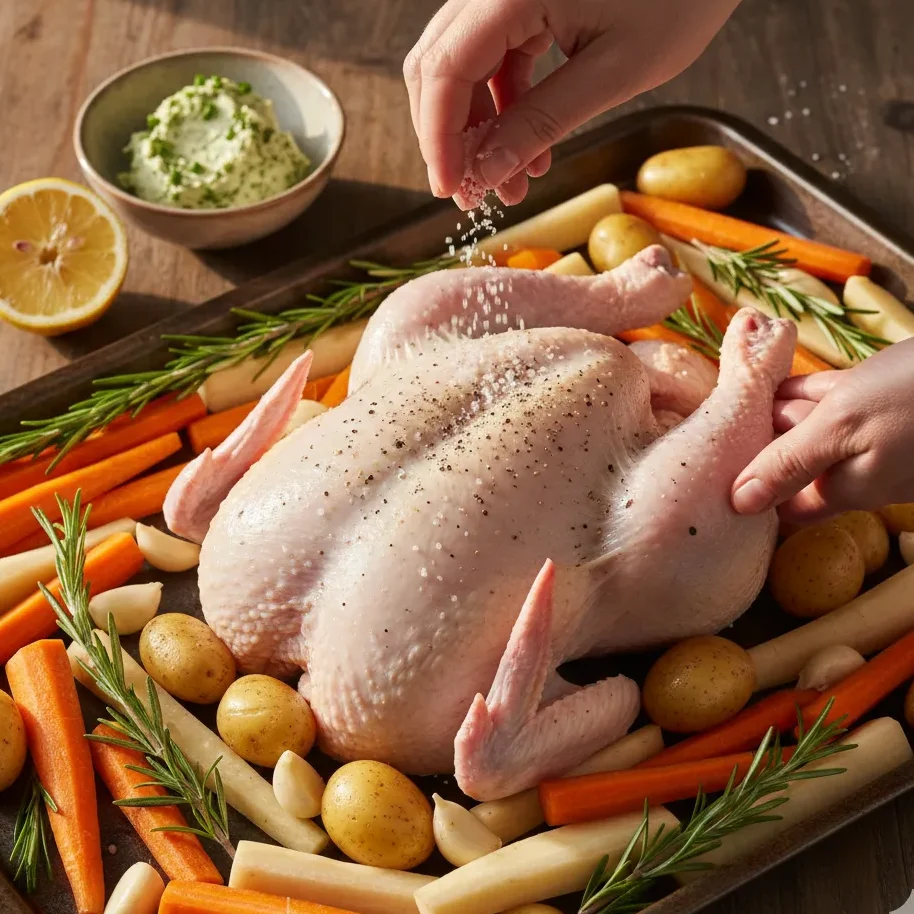
Bedding Down: Arranging the Vegetables as a Natural Roasting Rack
Why use a metal rack when you can use food? By resting your chicken directly on top of your seasoned root vegetables, you create a natural pedestal.
- Airflow is Key: Don’t crowd the chicken too tightly. Leaving a little space around the bird allows the hot air to circulate, ensuring the skin crisps up on the sides, not just the top.
- The Flavor Soak: As the chicken roasts, the juices (liquid gold!) drip down onto the potatoes and carrots. This is how you get those “best-ever” vegetables that taste like they’ve been slow-cooked in a rich broth.
For a visual walkthrough on how to properly prep and truss a chicken for the best results, check out this helpful guide:
Roasting Techniques: Temperature and Timing
The prep is done, the oven is preheated, and your kitchen is about to smell like a winter wonderland. But how do we cross the finish line to ensure that Rosemary Roasted Christmas Chicken with Root Vegetables is actually succulent and not dry? Roasting is as much about patience as it is about heat. It’s the transformation phase where raw ingredients become a cohesive, festive sheet pan supper.
“Cooking is like love. It should be entered into with abandonment or not at all.” Harriet van Horne
The High-Heat Blast Method vs. Low and Slow Roasting
There are two schools of thought when it comes to roasting a bird. Should you blast it with heat for a quick finish, or let it linger in a gentle oven?
- The Hybrid Approach: I recommend starting your oven at a higher temperature (around 425°F/220°C) for the first 20 minutes. This “shocks” the skin into rendering its fat immediately, kickstarting that crispy skin roast chicken recipe we all crave.
- The Gentle Finish: After the initial blast, drop the temperature to 375°F (190°C). This allows the internal meat to reach safety without burning the exterior or drying out the breast.
- Vegetable Protection: This temperature shift also ensures your winter root veggie medley caramelizes slowly, rather than charring into bitter bits before the chicken is even halfway done.
When and How to Baste Without Losing Oven Heat
To baste or not to baste? It’s the age-old holiday question. While it’s tempting to open the oven door every ten minutes, remember that every time you do, you lose about 25–50 degrees of heat.
- Be Strategic: Only open the oven twice. Once at the halfway mark to rotate the pan, and once about 15 minutes before you think it’s done to spoon those glorious garlic herb butter roast drippings over the skin.
- The Quick Flip: Use a long-handled spoon to quickly douse the bird and give the vegetables a gentle stir so they soak up the juices. Then, shut the door fast!
Using a Thermometer: The Only Way to Guarantee Juiciness
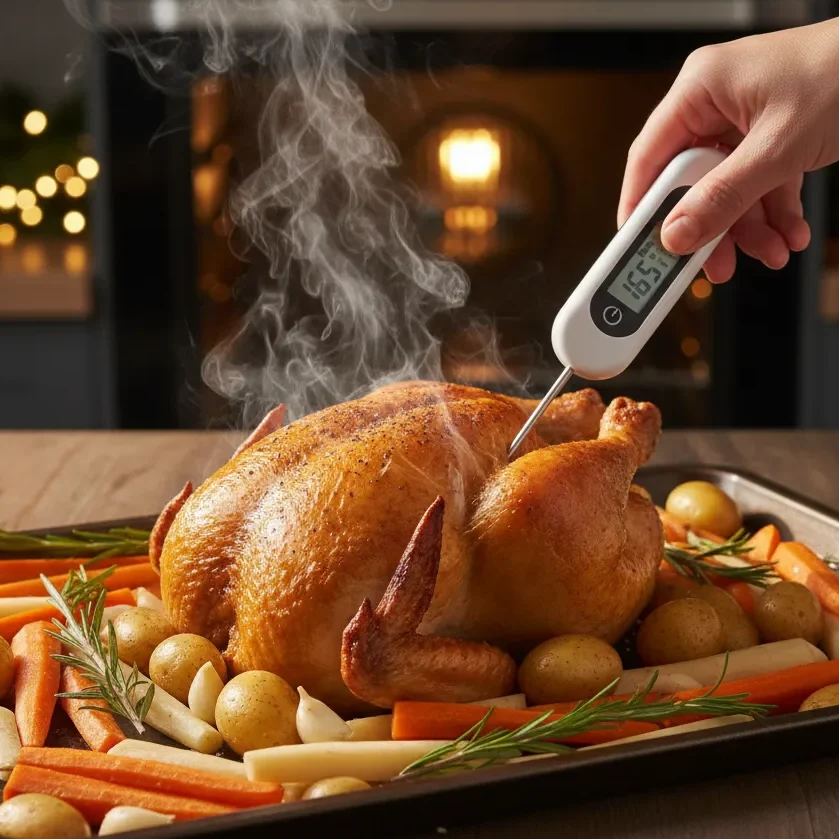
If you want to cook with confidence and eliminate the “is it done yet?” anxiety, a meat thermometer is your best friend. Relying on “clear juices” is a bit of an old wives’ tale that can often lead to overcooked, stringy meat.
- The Target: You are looking for an internal temperature of 165°F (74°C).
- The Placement: Insert the probe into the thickest part of the thigh, making sure not to hit the bone (which can give a false high reading).
- The Carry-Over: Remember that the temperature will continue to rise by about 5 degrees after you take it out of the oven.
Resting the Meat: The Critical 15-Minute Rule
I know it’s hard. The house smells incredible, the family is hungry, and the chicken looks perfect. But if you cut into that bird the second it leaves the pan, all those precious juices will run out onto the board, leaving you with dry meat.
- The Science of Relaxation: During roasting, the muscle fibers tighten. Resting allows them to relax and reabsorb the juices.
- The Setup: Move the chicken to a warm plate or carving board and tent it loosely with foil. Use this 15-minute window to finish your side dishes or pour the wine. Trust me, this is the final step to a truly easy Christmas main course that tastes professional.
Serving Suggestions and Leftover Magic
You’ve done it! The timer has chimed, the chicken has rested, and your kitchen is filled with the most incredible herbaceous aroma. But before you dive in, let’s talk about the finishing touches. How you present your Rosemary Roasted Christmas Chicken with Root Vegetables can turn a simple meal into a festive event. Plus, let’s be honest: half the fun of a holiday roast is what happens the next day. Are you ready to make the most of every single morsel?
Plating the Dish for that “Wow” Instagram Moment
We eat with our eyes first, especially during the holidays. To give your festive sheet pan supper the spotlight it deserves, consider these simple styling tips:
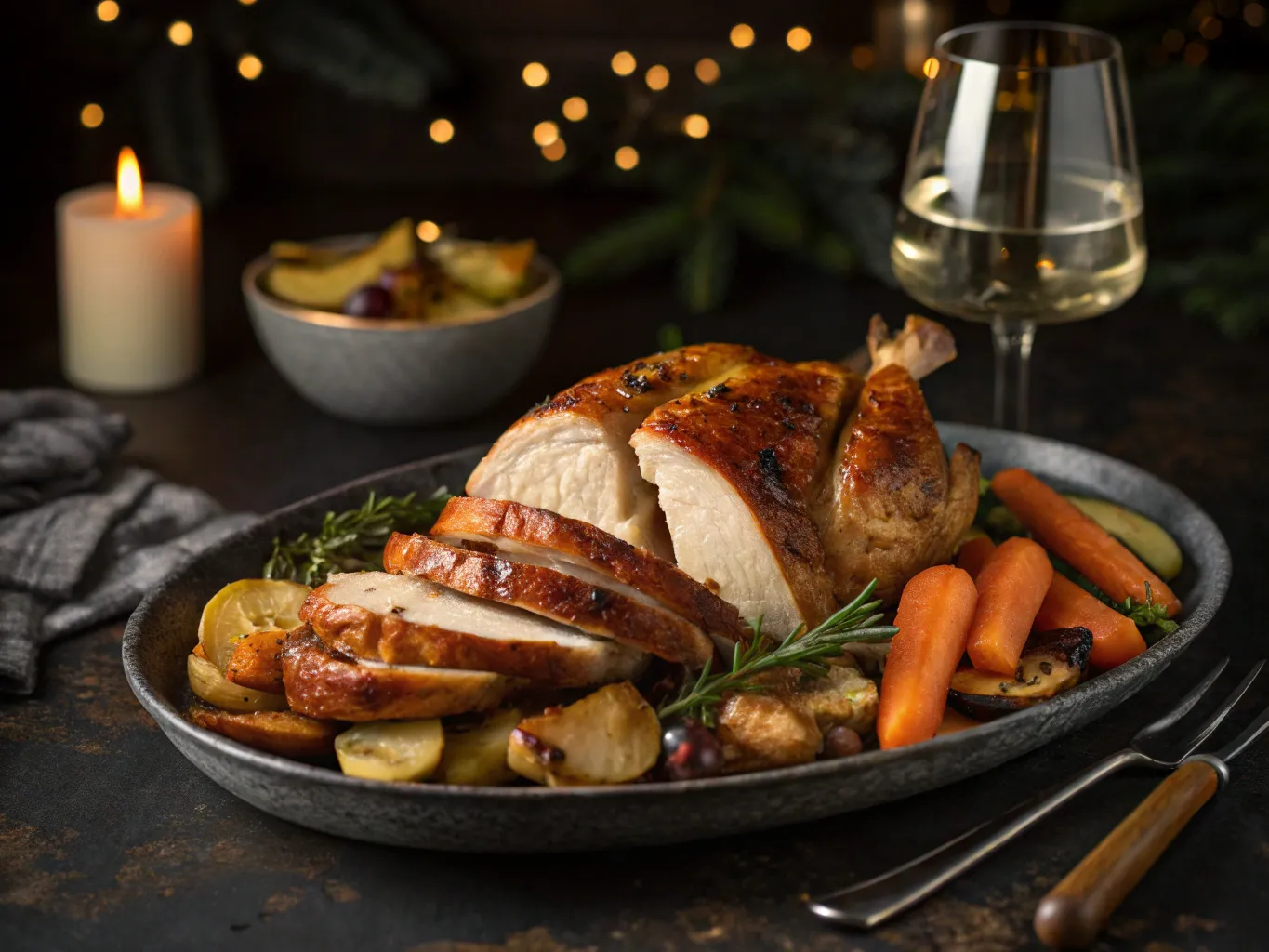
- The Rustic Board: Instead of a traditional ceramic platter, try serving the chicken directly on a large wooden carving board. Surround it with the winter root veggie medley, allowing the natural colors of the carrots and parsnips to pop.
- Garnish with Intention: Save a few sprigs of fresh rosemary and perhaps some pomegranate seeds or fresh cranberries. Scattering these over the finished plate adds a burst of “Christmas red” and a professional touch.
- The Carving Show: If you’re feeling confident, carve the chicken at the table. There’s something deeply communal and “cozy” about sharing a bird that’s been roasted to perfection.
Simple Pan Sauce: Utilizing the Drippings
Whatever you do, do not toss out the liquid gold left on that roasting pan! Those drippings are packed with concentrated flavor from the rosemary, garlic, and chicken fat.
- Deglaze: Place your roasting pan over a low stovetop burner (if it’s flame-safe) and add a splash of white wine or chicken stock.
- Scrape: Use a wooden spoon to scrape up all the browned bits (the fond).
- Thicken: Whisk in a teaspoon of flour or a cold pat of butter to create a silky, savory sauce that ties the whole easy Christmas main course together.
Wine Pairings: Chardonnay vs. Light Pinot Noir
Choosing the right wine can elevate the savory notes of the rosemary and the sweetness of the roasted vegetables.
- The White Choice: An oaked Chardonnay is a classic partner for roast chicken. Its buttery undertones and hint of vanilla complement the garlic herb butter roast beautifully.
- The Red Choice: If you prefer red, reach for a light-bodied Pinot Noir. Its high acidity and red fruit notes (like cherry and raspberry) cut through the richness of the chicken skin without overwhelming the delicate herbs.
Day Two Deliciousness: Turning Leftovers into Winter Soup
The party doesn’t have to end once the plates are cleared. In fact, some might argue that the “Day Two” transformations are the best part of the holiday.
- The Ultimate Stock: Don’t throw away the carcass! Simmer it with any leftover veggie scraps to create a rich, homemade bone broth.
- Winter Chicken & Root Veggie Soup: Shred the remaining meat and dice any leftover roasted carrots or potatoes. Add them to your broth with a handful of kale or spinach for a nourishing, easy Christmas follow-up meal.
- Festive Sandwiches: Cold roast chicken, a smear of cranberry sauce, and a bit of stuffing between two slices of crusty bread? That’s a holiday tradition in its own right!
Bringing it All Together: Your New Holiday Tradition
As the plates are cleared and the last lingering scent of rosemary fills the air, you’ll realize that the true magic of this Rosemary Roasted Christmas Chicken with Root Vegetables isn’t just in the flavor it’s in the freedom it gave you. By choosing a dish that prioritizes quality ingredients and smart techniques over kitchen chaos, you’ve managed to serve an elegant, professional-grade feast while actually remaining present for the holiday moments that matter.
Whether this was your first time roasting a whole bird or you’re a seasoned pro looking for a more relaxed one-pan holiday dinner, I hope this guide has given you the confidence to own your kitchen this season. After all, shouldn’t the chef enjoy the party just as much as the guests?
Frequently Asked Questions (Q&A)
Can I use a frozen chicken for this recipe? Absolutely! However, safety and texture are key. Ensure your chicken is completely thawed in the refrigerator (this can take 24–48 hours) before you begin the prepping process. A partially frozen bird will cook unevenly, ruining that perfect crispy skin roast chicken recipe we’re aiming for.
What if I don’t have parsnips? No problem at all! While parsnips add a lovely seasonal sweetness to the winter root veggie medley, you can easily swap them for extra carrots, sweet potatoes, or even halved Brussels sprouts. The beauty of this festive sheet pan supper is its flexibility.
How do I prevent the garlic from burning? The secret is keeping the skins on. By roasting the garlic head whole or keeping the cloves in their papery husks, the garlic inside steams and turns into a spreadable paste rather than becoming bitter and charred. It’s an essential part of a great garlic herb butter roast.
Is it possible to over-season the bird? When it comes to roasting a whole chicken, most home cooks actually under-season. Don’t be afraid to be generous with your kosher salt and cracked pepper. Much of it stays on the surface to help create that savory crust, and a well-seasoned skin is what makes an easy Christmas main course taste truly extraordinary.